Guides
France
The Atlantic façade, from Brittany's granite to the Basque corners
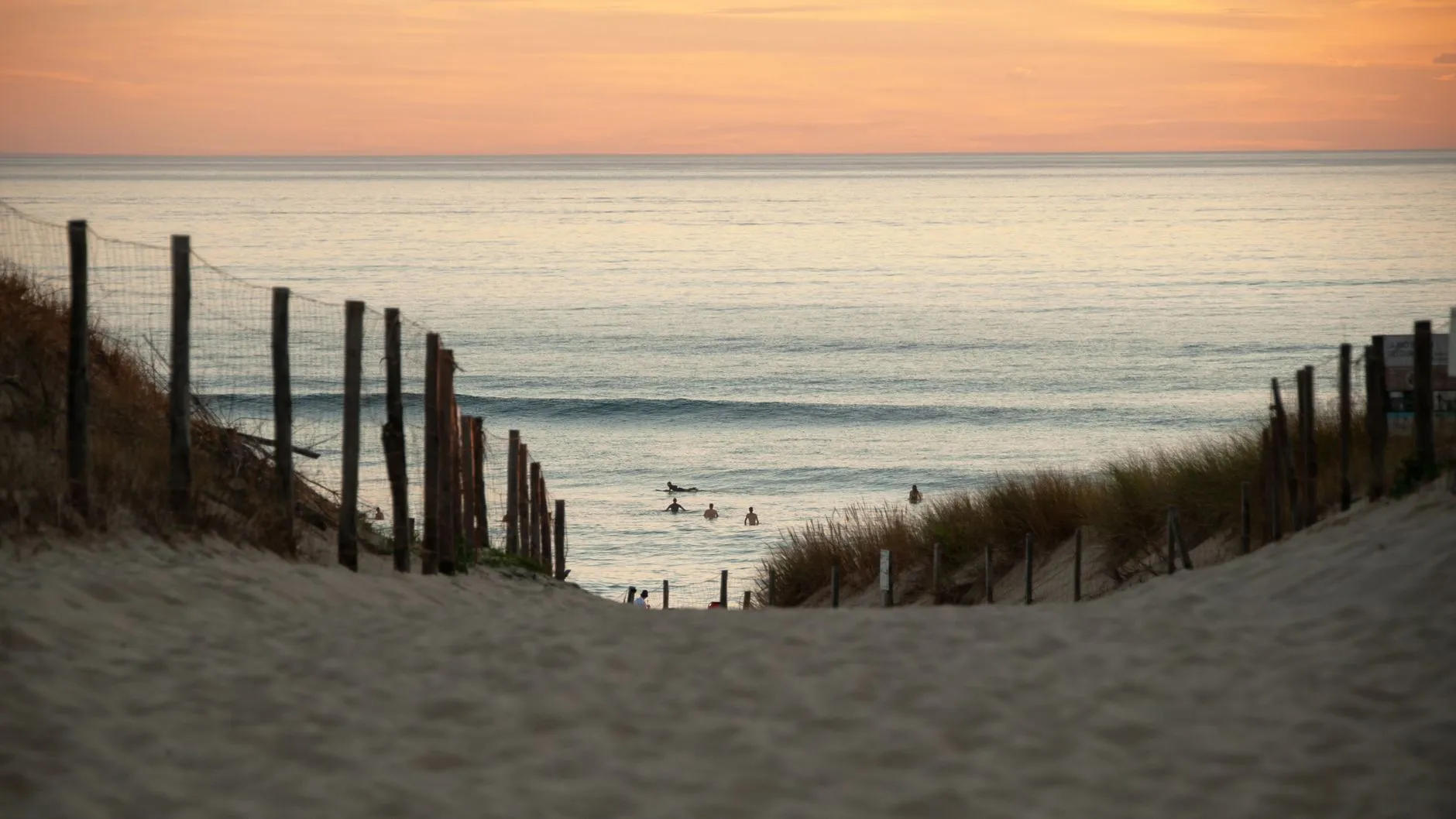
Few countries surf like France. The whole Atlantic façade works, close to a thousand kilometers of exposed coast that catches everything the North Atlantic sends, and in the middle of it the Landes hold beach breaks good enough that the world tour spent decades judging barrels there. The culture runs just as deep: European surfing started on the beach at Biarritz in 1957 and never really left the south-west. The honest caveat is the calendar. August means small waves and crowded peaks, while October can be perfect, offshore and nearly empty.
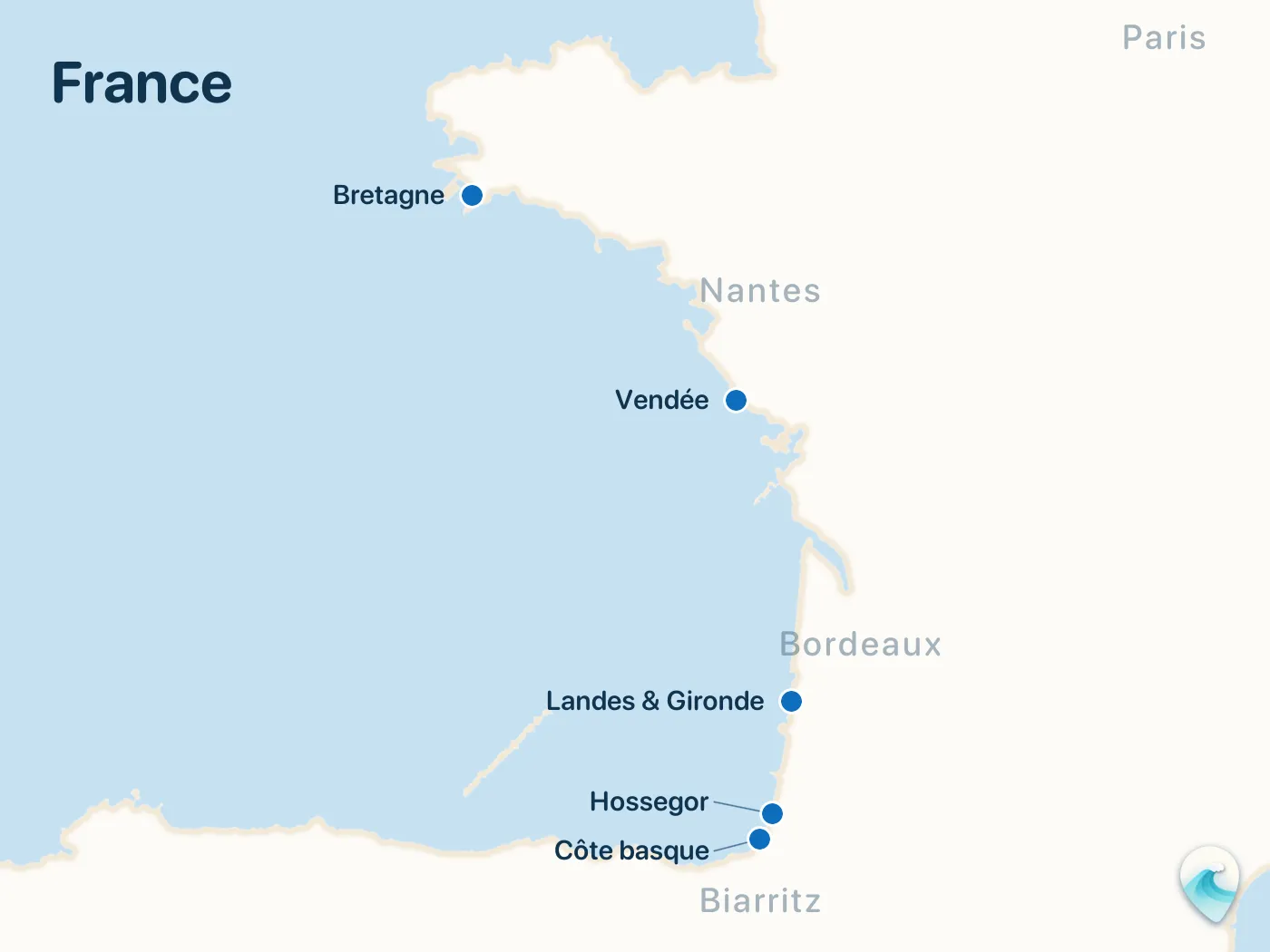
Read the map from north to south. Brittany is granite: La Torche and a run of coves and headlands that light up when storms track across the Bay of Biscay, with shelter always a short drive away. The Vendée and Charente sands are the quiet middle, open beach breaks with room to spread out. Then comes the Landes, a beach-break belt running dead straight for a hundred kilometers and peaking at Hossegor, where La Gravière is the standard other sand-bottom waves get measured against. South of the Adour the coast turns to rock: the Basque points and coves from Anglet to Hendaye handle real size when the open beaches close out.
Choosing is simpler than it looks. Learn in summer on Anglet's beaches or at the Côte des Basques, chase the autumn banks in the Landes when the first groundswells arrive, and move to the Basque points the day the swell gets serious. The Mediterranean only produces rare, short-lived windswell, so keep your plans on the Atlantic. The guides below cover the south-west in detail, and the app tracks conditions on 5,000+ spots when you want to go further.
- Season
- September to November is the prize, summer for learning
- Water
- 12 to 22°C through the year, 4/3 in winter
- Levels
- From learner beaches to heavy banks
- Getting there
- Biarritz and Bordeaux airports for the south-west
The map
The France surf map
Map data © OpenStreetMap contributors © CARTO
The coasts
Choose your coast
Landes & Gironde
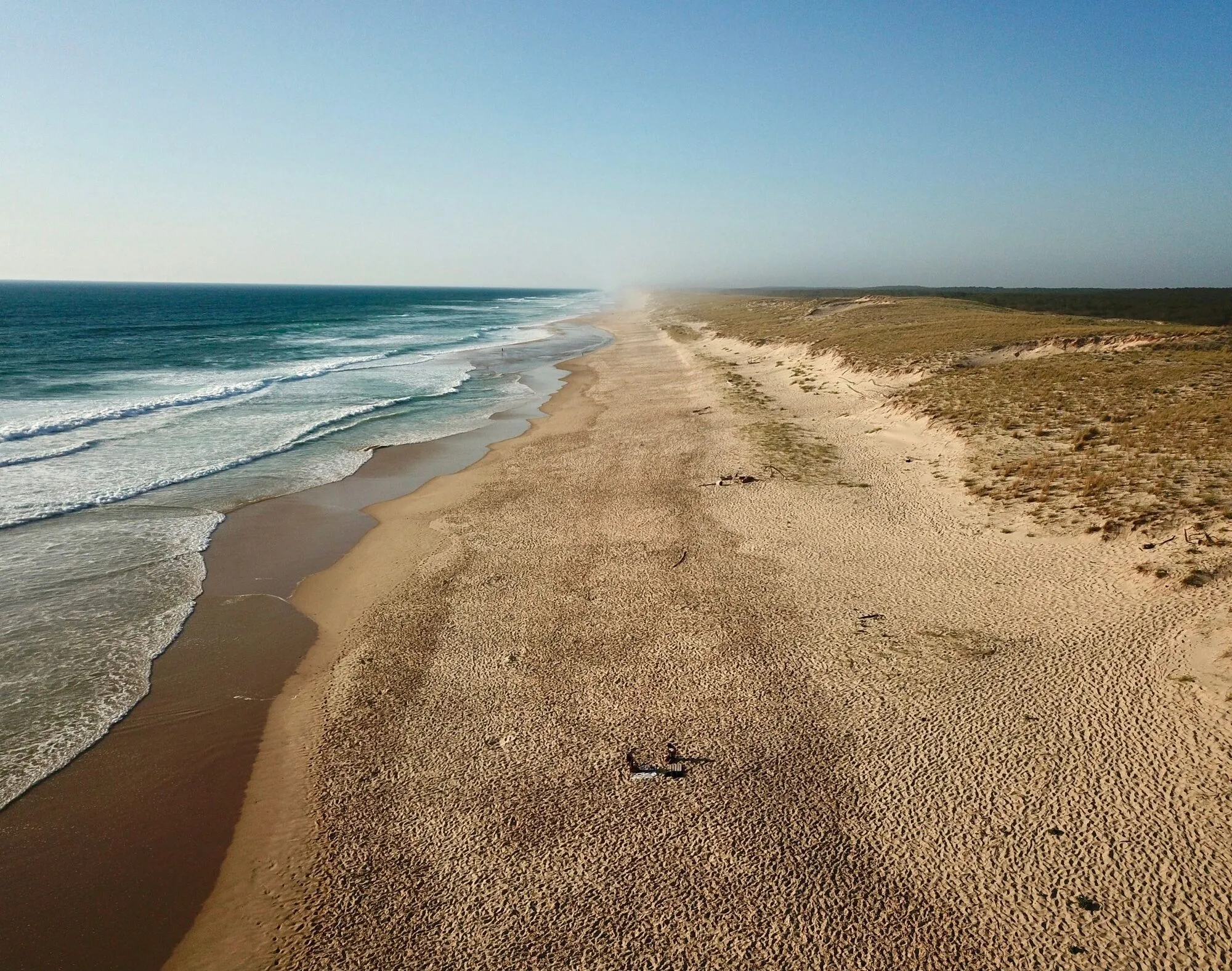
The Côte d'Argent: 230 kilometers of straight sand and pine forest from Vieux-Boucau to Montalivet, with a beach break at the end of every forest road. Moliets and Lacanau are where the camping summer learns; September turns the same banks hollow and empty. Watch the baïnes, the rips that own this coast.
Read the full guide →Hossegor
Europe's beach-break capital, on the Landes sand belt that runs from Seignosse to Capbreton. When the autumn banks line up, La Gravière throws the heaviest sand-bottom barrels on the continent, and the next beach access can still be a friendly peak the same day.
Read the full guide →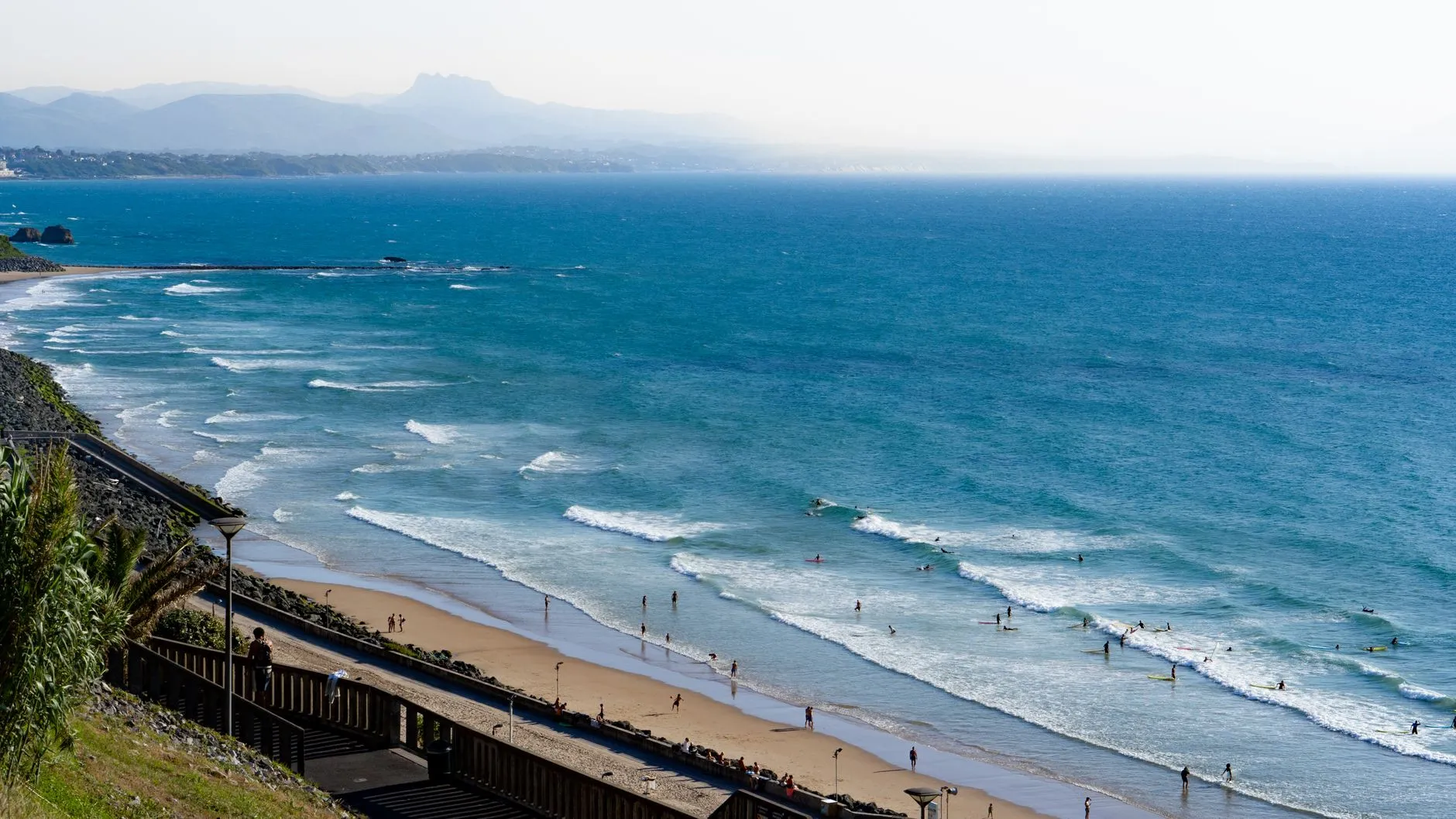
French Basque Coast
Points and coves from Anglet to Hendaye, on the coast where European surfing was born. When the open beach breaks close out, the Basque corners organize the Atlantic's mess into lines you can actually ride, and hold real size doing it.
Read the full guide →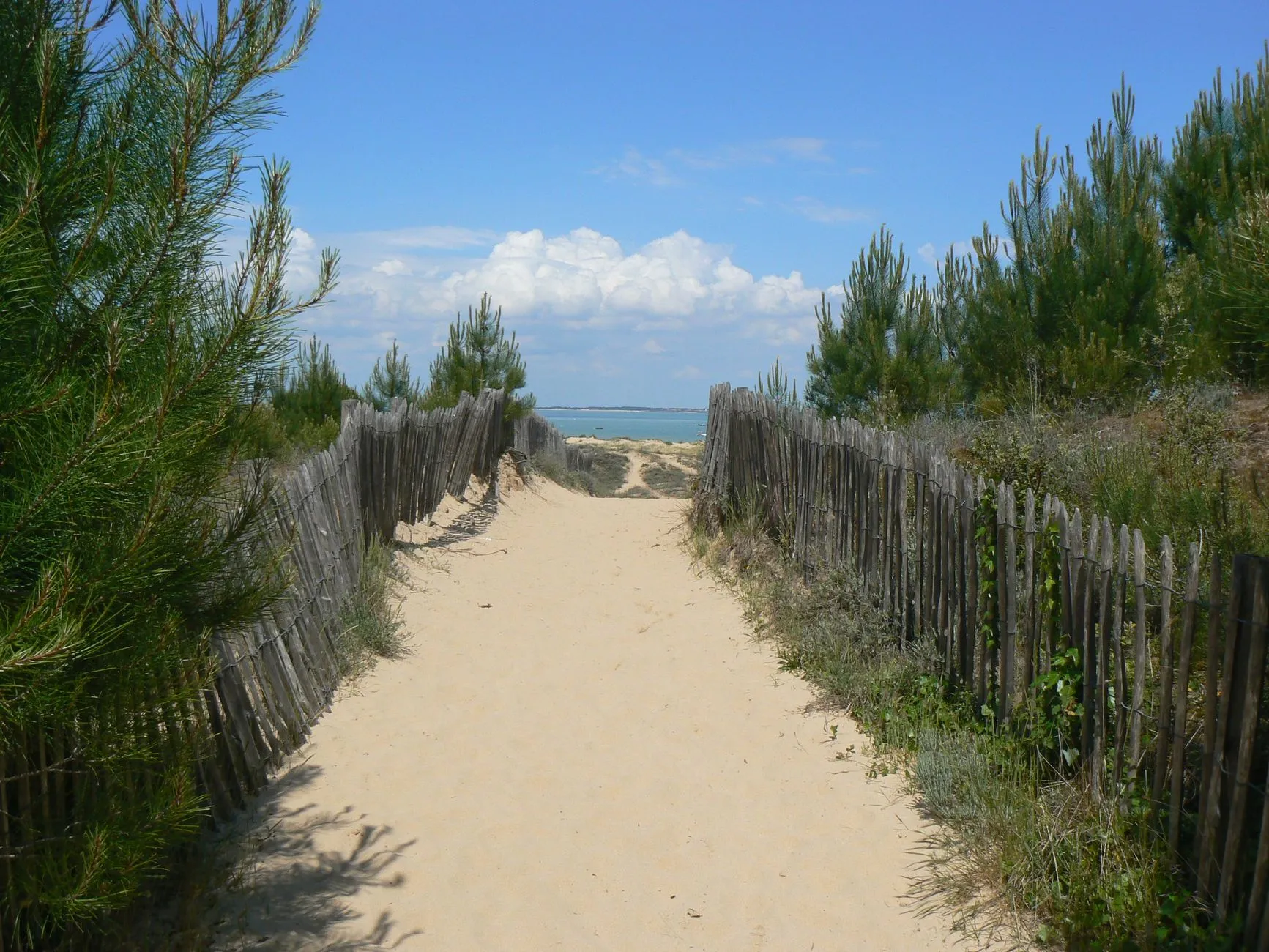
Good to know
Where should a beginner surf in France?
Anglet's beaches are the classic start: sand bottom, surf schools, room to spread out. The Côte des Basques in Biarritz is gentle at low tide, Hendaye's soft bay works when everything else is big, and the Landes summer banks are mellow enough for first green waves.
When is the surf season in France?
Something works all year: summer for small, learner-friendly waves, winter for the hardy. The prize is September to November, when the first real groundswells meet warm water, groomed banks and light offshore mornings, and the summer crowd has gone home.
Which is better, Hossegor or the Basque coast?
It is not a ranking, they are different tools. Hossegor is sand-bottom power, banks that barrel and shift with every storm. The Basque coast is shelter and size handling, points and coves that stay rideable when the beaches close out. They sit 30 minutes apart, so check the forecast and surf both in a day.