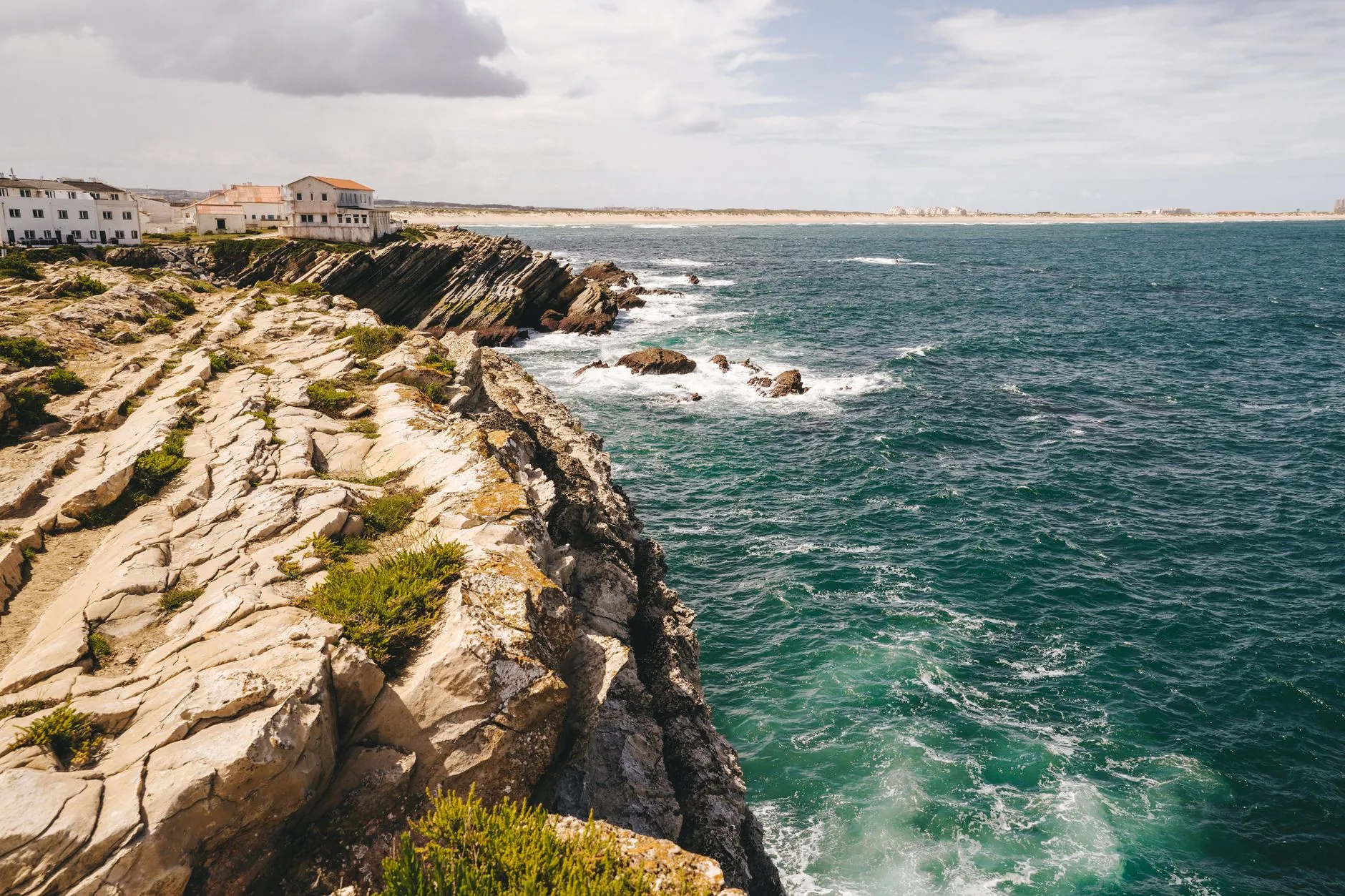
Waves and coastline at Cantinho da Baía

Guides · Peniche

Cantinho da Baía

The gentle corner of Baleal bay

Cantinho da Baía is the gentle inside corner of Baleal bay, and possibly the busiest surf classroom in Europe. Soft sand-bottom peaks roll toward a wide, walkable beach, surf camps line the dune behind it, and on any summer morning the whitewater is striped with soft-tops and first stand-ups. Half the continent has caught a first wave here, and the bay makes it look easy because, most days, it is.

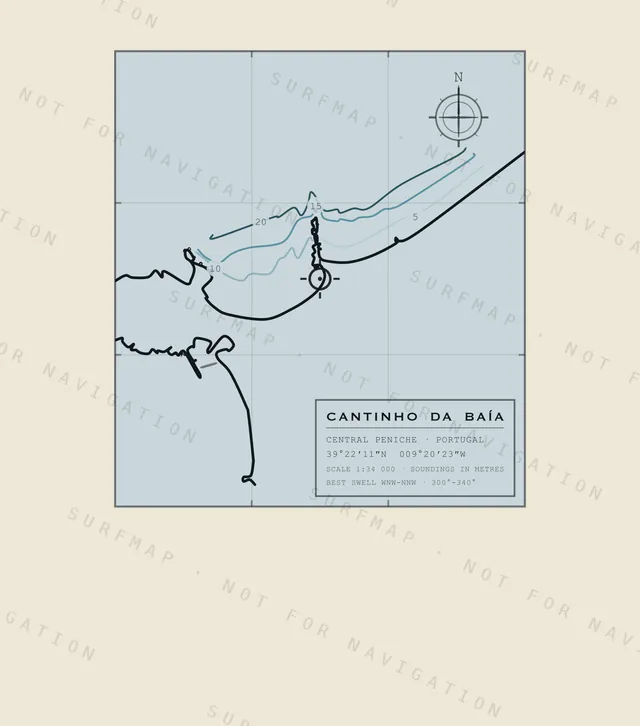
The reason it works so often is the shape of the coast. The Peniche peninsula bends the shoreline through a right angle, so when the open beaches are too big or torn up by wind, the bay tucked in behind Baleal is usually the sheltered, organized side. The ocean can be doing too much everywhere else and the Cantinho will still be rolling through at learning size, which is exactly why the schools put their racks on this dune and not another one.

Beginner

Wave
Soft sand-bottom beach break rollers across a wide bay
Best swell
NW swell softened by the bay. When Supertubos is well overhead, the Cantinho is waist- to chest-high
Best wind
S to SE mornings. The bay is the calm option most days
Best tide
All tides work. Mid tide usually shapes the friendliest banks
Season
All year for learning. May to September is small and sunny, autumn adds push
Level
Beginner first of all, improvers on the outside peaks

How the wave breaks

Close to the beach, the Cantinho is a whitewater factory. Broken waves reform and roll long and straight over a sand bottom that deepens so gradually you can wade out to your first waves, and that combination, push without punch, is what fills the bay with surf schools. A first wave here tends to carry you all the way to the sand, which is precisely what a first wave should do.

Further out, the peaks stand up into proper green shoulders, small walls that peel left and right and give improvers their first turns without ever getting mean. The sand shifts through the year, so the best bank moves around the bay, but there is almost always a peak working somewhere along it. Progression happens fast here for a simple reason: the wave is soft enough to forgive every mistake, and frequent enough to hand you the next attempt thirty seconds later.
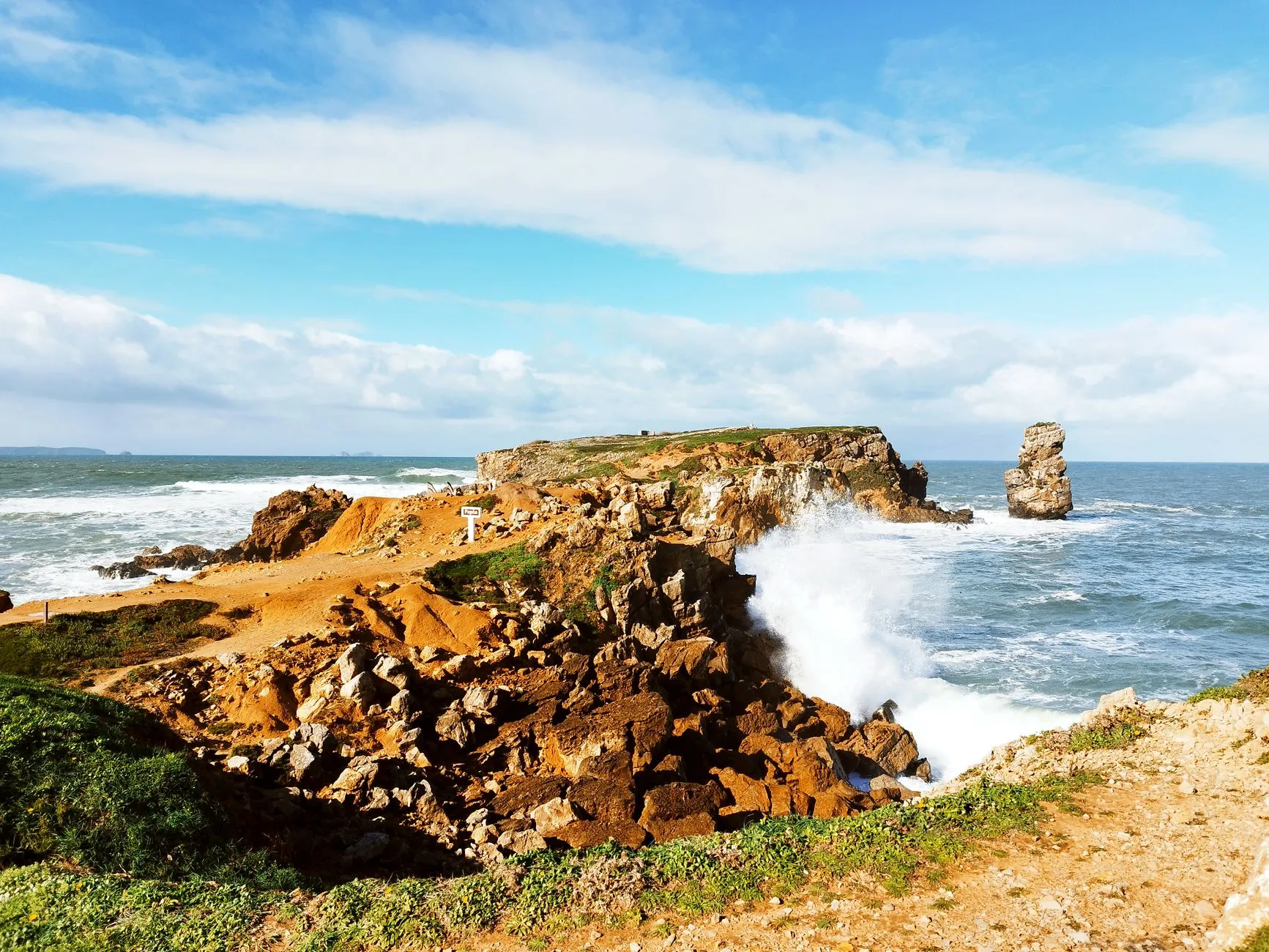
The Papôa headland on Peniche's wild north tip, a short drive from the calm of the bay

When it works

The bay teaches all year, but it changes character with the seasons. From May to September the Atlantic sends small, regular pulses, the sun does the rest, and the Cantinho spends whole months at knee- to waist-high: ideal first-wave conditions, which is why summer is peak school season. From October the autumn swells arrive and the bay grows real push. Improvers get proper waist- to chest-high walls on the outside banks while beginners simply stay on the inside, where the bay keeps doing its softening work, and winter still produces plenty of teachable days between storms. One thing never changes: the water stays Atlantic-cold, about 19°C at its warmest in late summer and around 14°C in winter, so rubber matters here in every month of the year.

The lineup and the take-off

The bay divides itself naturally. The schools work the inside whitewater in loose flotillas, independent surfers take the reforms and small peaks between them, and the greener walls further out belong to whoever paddles for them. Nobody enforces the zones, but they are easy to read from the beach: spend two minutes watching before you walk in and pick a stretch of sand with space, because there is almost always one.

The etiquette here is simple and worth learning properly, because it is the same everywhere else you will ever surf. Keep spacing from other surfers, hold your line once you are up instead of bailing, and control your board: loose boards are the main event in this bay, and a leash does not make a nine-foot soft-top harmless. Learn to look over your shoulder before going, learn who has priority, and the Cantinho will have taught you more than standing up.

Getting there

The bay fronts the Baleal isthmus, the narrow sand causeway that ties the island village to the mainland, and access could not be simpler: park on the isthmus or along the road behind the dune and walk onto the bay wherever suits you. The beach is wide at every tide, so the walk is part of the pleasure. Peniche town is ten minutes away by car, with supermarkets, board shops and the harbor restaurants, and Lisbon is about an hour south on the A8, which is why so many people manage a first surf lesson as a day trip from the capital. Without a car, buses run from Peniche, and in season most surf camps shuttle their guests to whichever side of the peninsula is working.

Hazards

  • Summer mornings mean crowds of learners and loose boards: give everyone twice the space you think you need
  • Rip currents run along the bay on bigger autumn days: ask the schools where they are before you paddle out
  • Cold water all year: a 3/2 in summer, a 4/3 in winter, and nobody regrets the extra rubber
  • Long lesson days in full sun: the Atlantic glare burns faster than the air temperature suggests, so cream up before every session
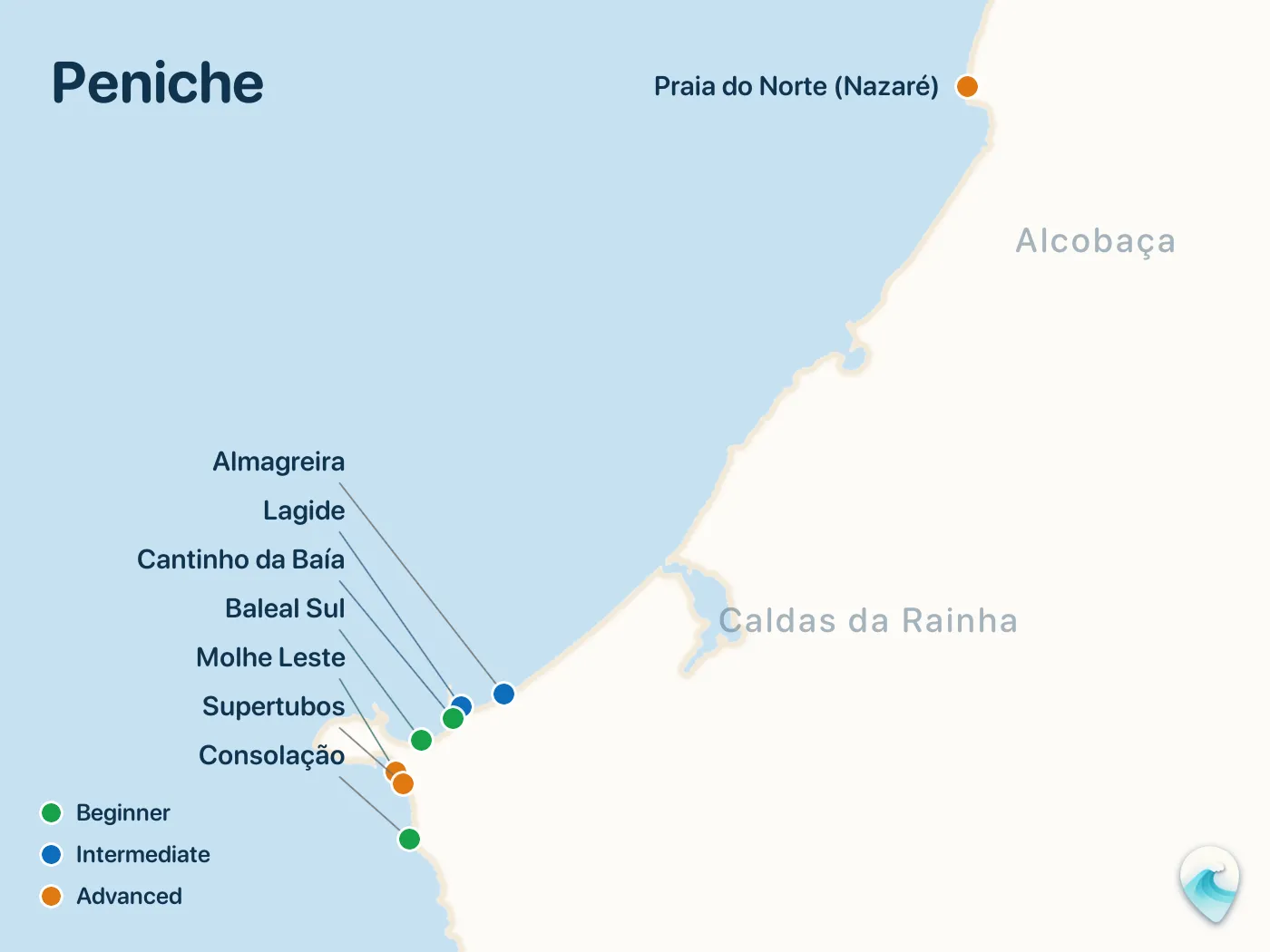
Map of the Peniche surf spots described in this guide, with numbered markers

Part of the Peniche surf guide

An honest guide to surfing Peniche: Supertubos, the Baleal learning bays, the 8 spots that matter and the day trip to Nazaré's giants, with the season month by month and what to expect in the water.

Read the full guide →

Good to know

Is Cantinho da Baía good for complete beginners?

It is one of the best first-wave beaches in Europe, which is exactly why the schools are here. The sand bottom slopes gently, the bay softens whatever the ocean is doing outside, and the whitewater rolls long and straight, so a first lesson usually ends with several waves ridden to the sand. The honest caveat is the company: in July and August you share the bay with hundreds of other people learning the same thing. Come early in the day, or come in June or September, and the classroom empties out.

Do I need a wetsuit at Cantinho da Baía?

Yes, all year. The Atlantic here peaks at about 19°C in late summer and drops to around 14°C in winter, cold enough that an hour of falling off boards without rubber stops being fun. A 3/2 covers late spring to autumn, a 4/3 handles winter, and the schools include suits with every lesson, so you only need your own if you are surfing independently.

Should I take a lesson or learn on my own?

First time in the water: take the lesson. The schools know which banks are shaping the friendliest waves that morning, where the rips are running, and how to get you standing inside an hour instead of a weekend. After a lesson or two the bay is easy to read on your own: rent a soft-top, stay on the inside, and use the etiquette you were taught. The Cantinho is forgiving enough that going alone is a pleasure rather than a risk, which is more than most beaches can say.