Guides
Central America
Three small countries, one warm swell line
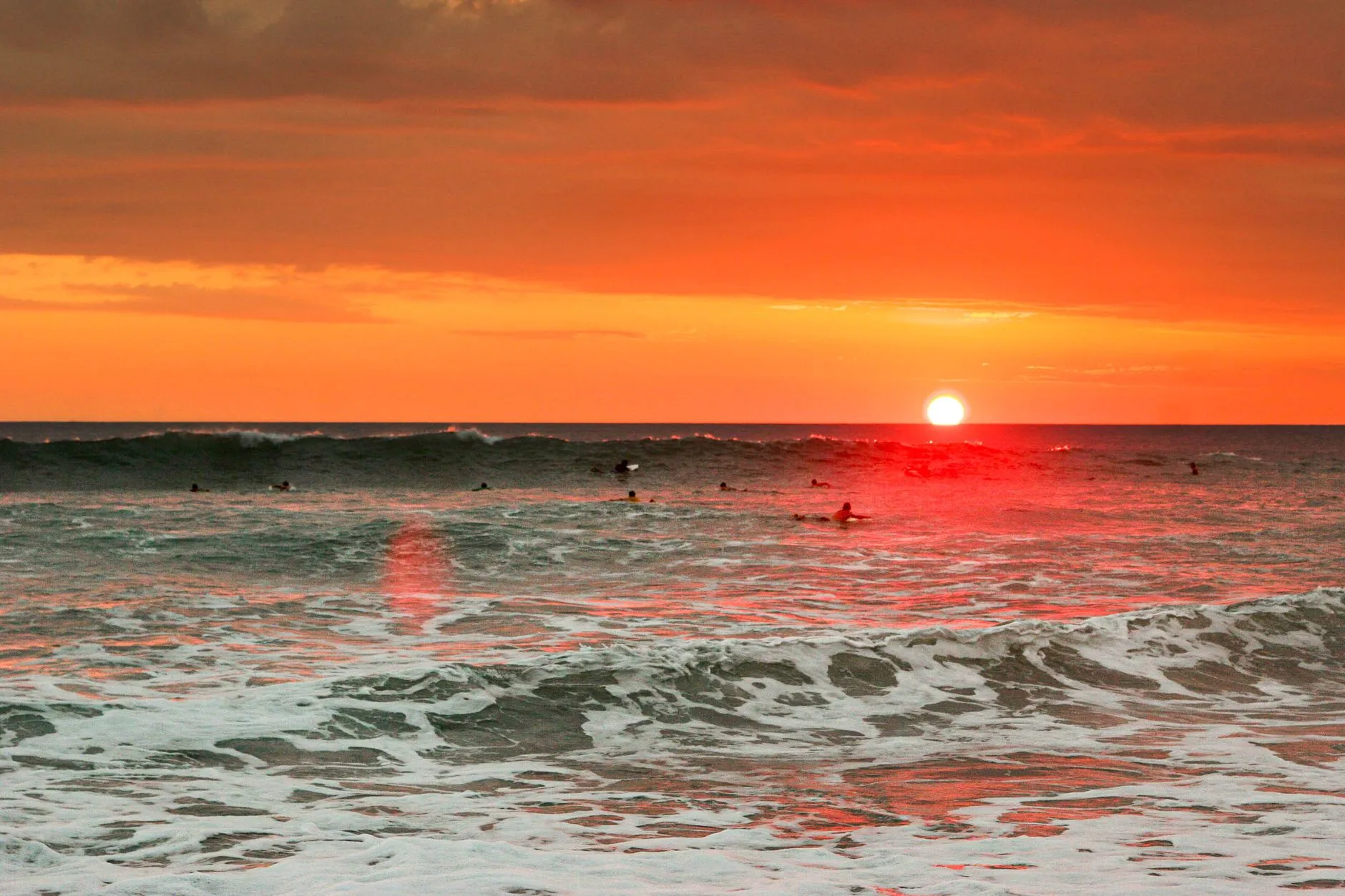
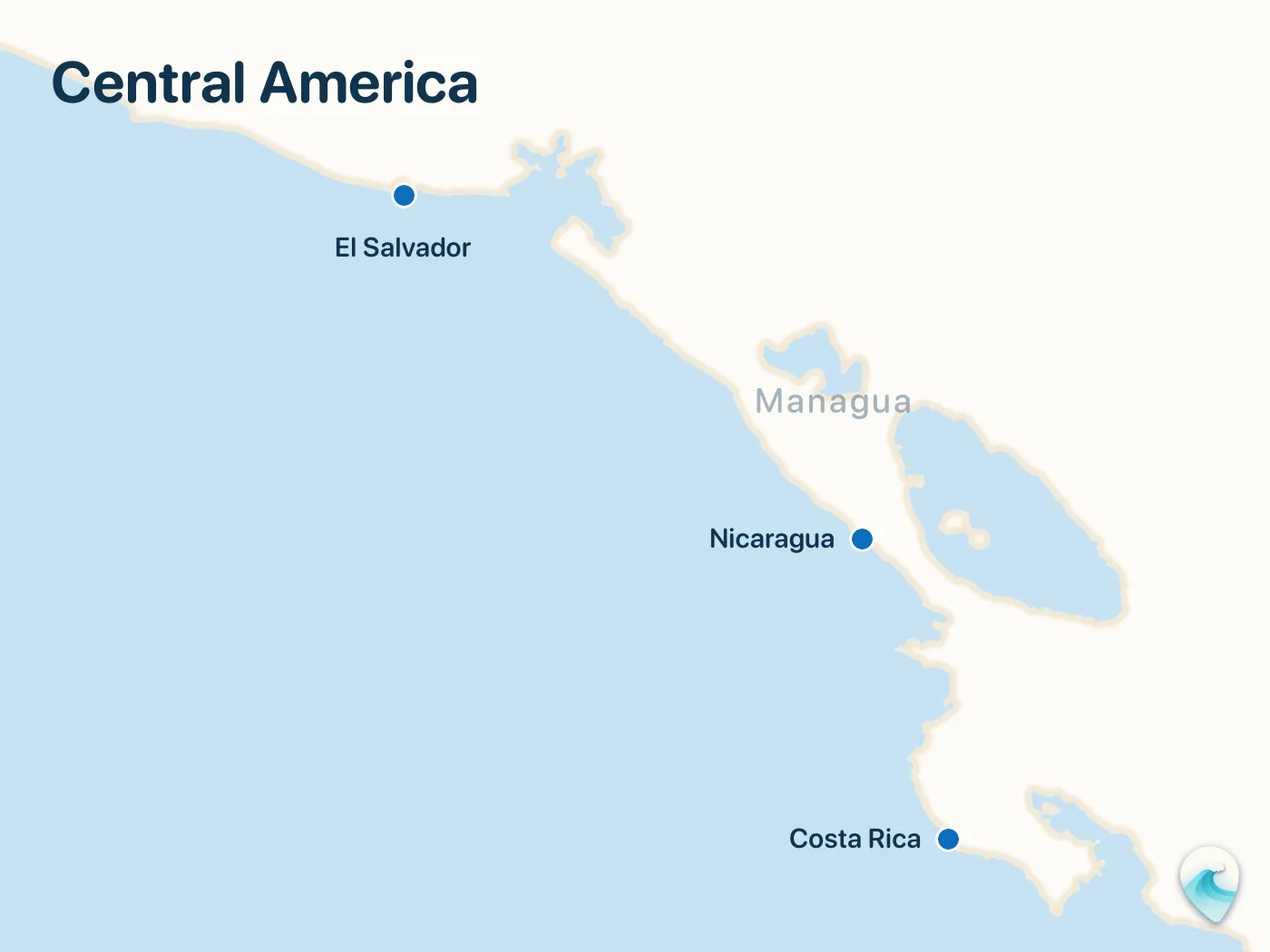
Cross Central America at its narrowest and three small countries line up on the same piece of ocean: El Salvador, Nicaragua and Costa Rica, shoulder to shoulder on one Pacific-facing line. The same trains of Southern Hemisphere groundswell hit all three within the same few days, and they arrive in water that never asks for a wetsuit. This is about as close as surf travel gets to a sure bet: warm, consistent and cheap to reach, with a flight into any of three capitals putting you an hour or two from the waves.
The calendar is the opposite of what a beach brochure would tell you. March to October is the rainy season, and it is also the surf season: storms deep in the Southern Hemisphere send long-period south swells straight onto this coast, mornings run glassy and the afternoon downpour tells you when to get out. November to February is smaller but cleaner and drier, groomed by offshore winds, and there are waves essentially every month of the year. One honest caveat: everything on this page is the Pacific side. The Caribbean coasts of these countries play by different rules, and our guides do not cover them.
Each country has kept its own character. El Salvador is the right-point country, a compact strip where La Libertad's Punta Roca anchors a string of cobblestone points you can surf three of in a day. Nicaragua is the offshore-wind country: Lake Nicaragua smooths the trades and pours them off the land, so Popoyo and the Emerald Coast stay groomed nearly all day. And Costa Rica's Nicoya Peninsula is the mellow all-rounder, the easiest first surf trip in the region. Whichever you choose, the day is decided by the forecast, not the map: SurfMap tracks conditions on more than 5,000 spots, so the one in front of you is in your pocket.
- Coastline
- Right points, lava reefs and beach breaks, all on the Pacific side
- Season
- South swells March to October; November to February smaller, cleaner and dry
- Water
- 26 to 29°C every month, boardshorts country
- Standout wave
- Punta Roca in La Libertad; Nicaragua's near-permanent offshores are the other signature
The map
The Central America surf map
Map data © OpenStreetMap contributors © CARTO
The coasts
Choose your coast
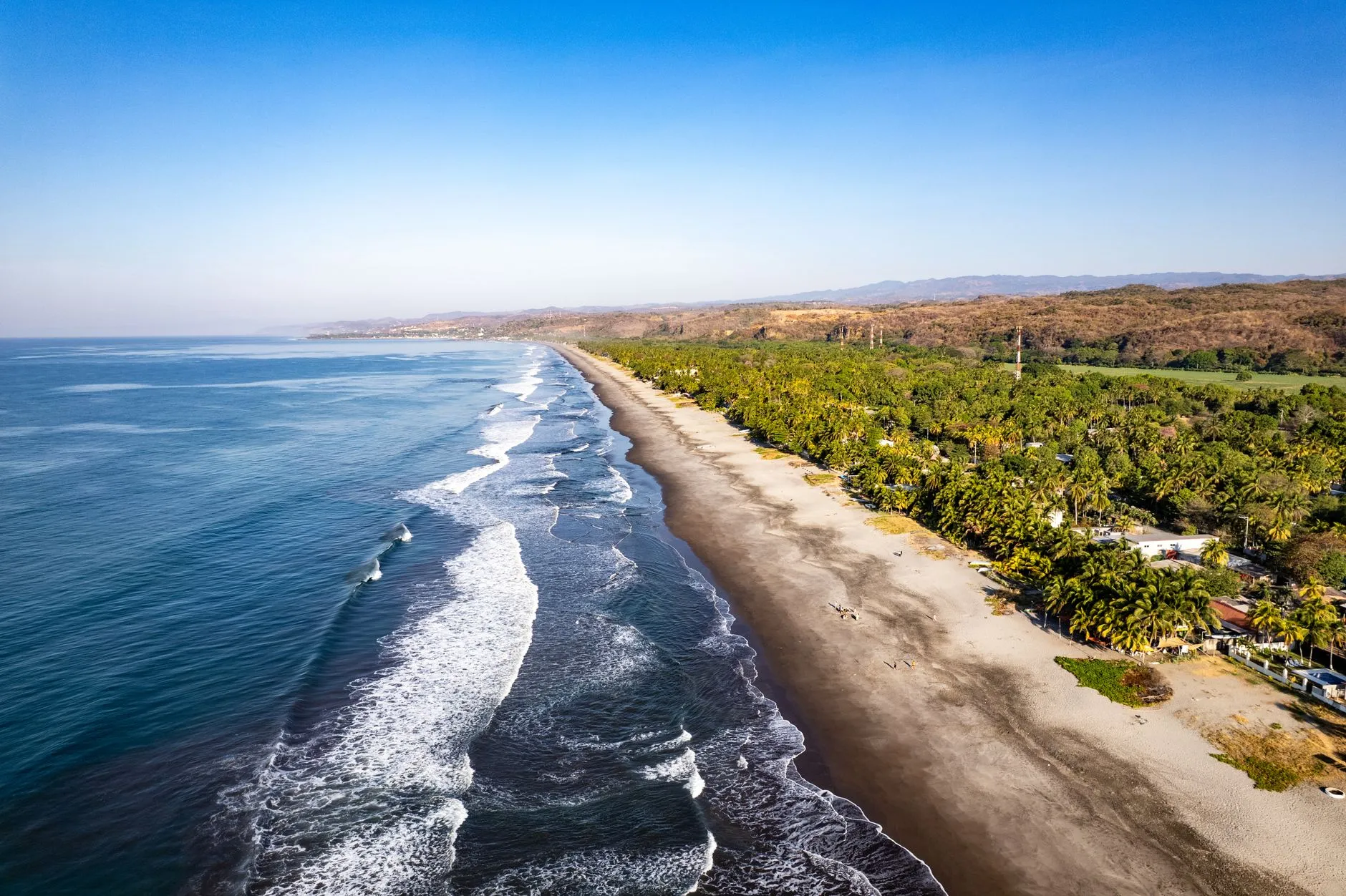
El Salvador
The right-point country. Punta Roca in La Libertad is the region's world-class wave, the one the world tour has come for, and the surf towns of El Tunco and El Zonte line up just down the road. The coast is compact enough to surf three points in a day without repacking your bags.
Read the full guide →
Nicaragua
The offshore-wind country. Lake Nicaragua smooths the trade winds and funnels them off the land, so the Emerald Coast stays groomed nearly all day while most Pacific coasts blow out by mid morning. Popoyo's lava reefs sit at the center of it, with beach breaks and boat trips on either side.
Read the full guide →Nicoya, Costa Rica
The mellow all-rounder. The Nicoya Peninsula strings beach breaks and points down a hundred kilometers of gold sand, from Tamarindo's learner peaks to the palm-backed lineups of Santa Teresa. It is the easiest first surf trip in the region: warm, forgiving, and organized enough that the hardest part is going home.
Read the full guide →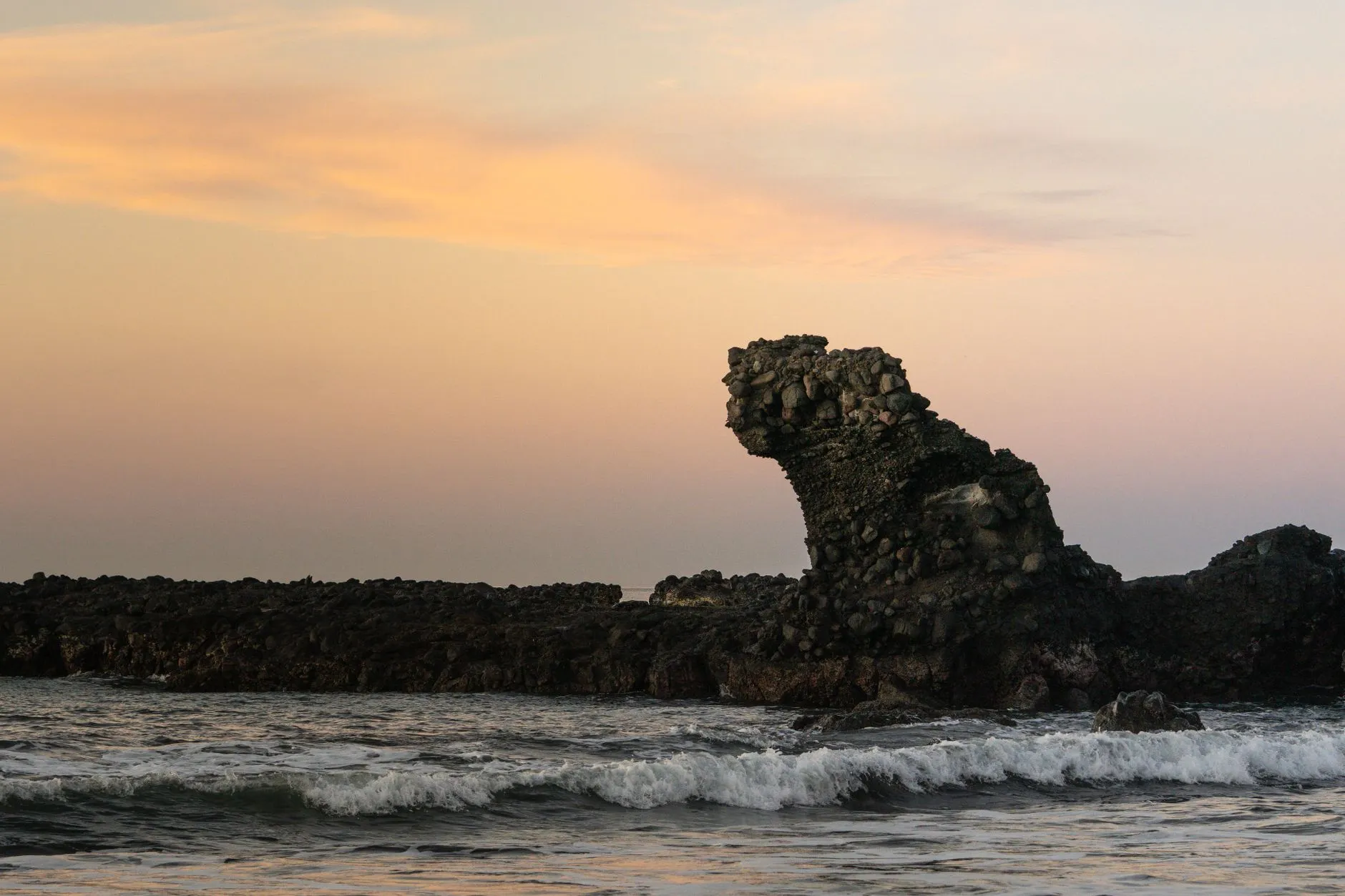
Good to know
When should I surf Central America?
March to October is the season for size and consistency: the Southern Hemisphere sends south swell after south swell, and the trade-off is the rainy season, which in practice means glassy mornings and an afternoon downpour. November to February is the dry season: smaller waves, but cleaner, groomed daily by offshore wind, with blue skies and dusty roads. There is no true flat season; if you want the biggest days pick the middle of the rainy season, if you are learning or hate rain pick the dry one.
Which country is best for beginners?
Costa Rica's Nicoya Peninsula, without much debate: Tamarindo and the beaches around Santa Teresa have forgiving sand-bottom peaks, surf schools on every corner and the easiest logistics in the region. El Salvador comes next, since the beach towns of El Tunco and El Zonte teach on their mellower inside waves, though most of that coast breaks over cobblestone. Nicaragua rewards surfers who already ride confidently: Popoyo's reefs and the faster beach breaks ask for more, even if there are learner corners near San Juan del Sur.
Is Central America safe for a surf trip?
Honest answer: these surf coasts are well-trodden and have hosted travelers for decades, and day-to-day life in El Tunco, Popoyo or Santa Teresa feels like any surf town. El Salvador in particular has changed fast in recent years and now markets itself on that change; Costa Rica has been running surf tourism for half a century. Take the normal precautions, do not leave valuables on the beach or drive remote roads at night, and check your government's current travel advice before booking, since the picture can shift faster than a guide can.