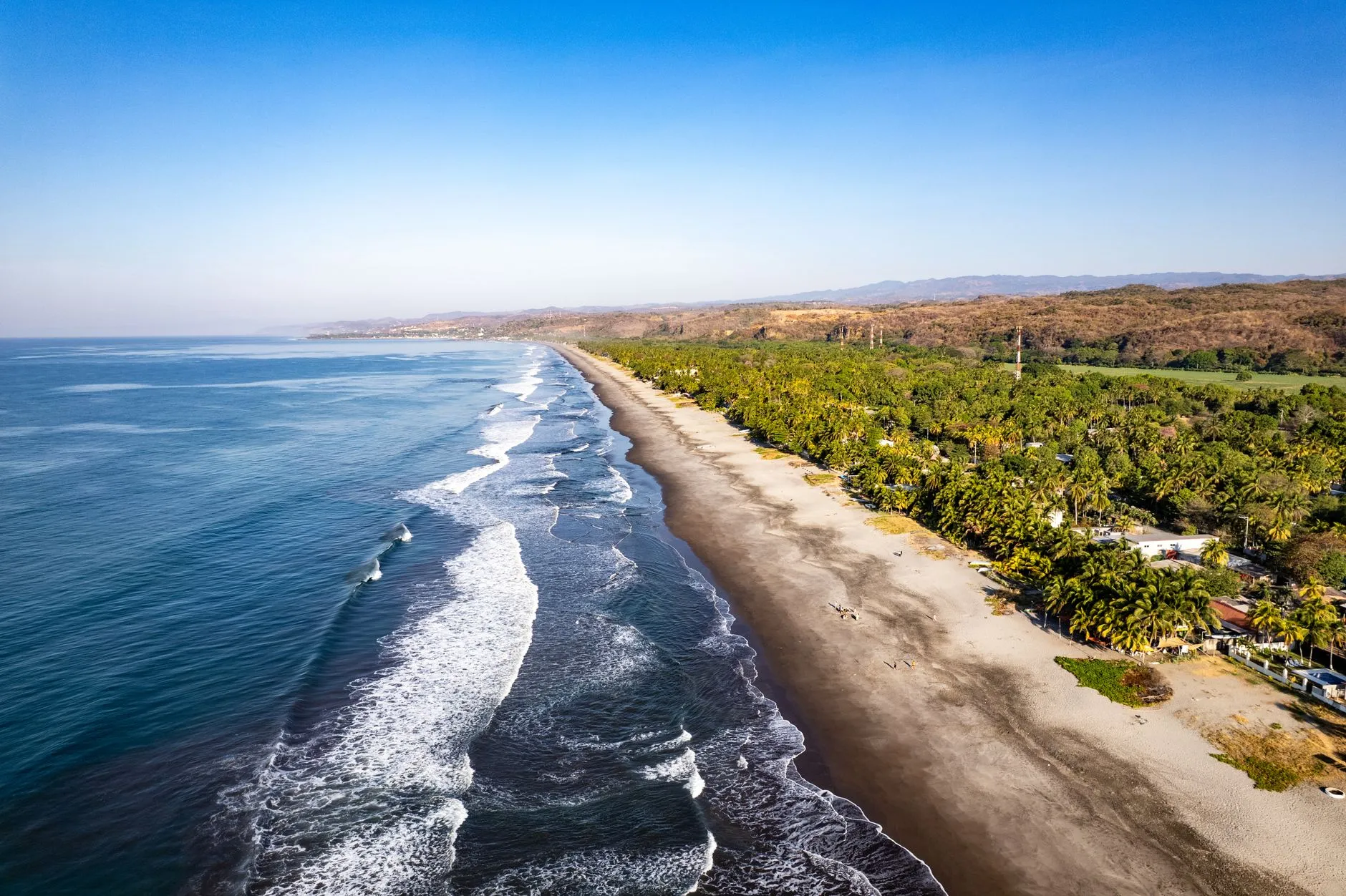
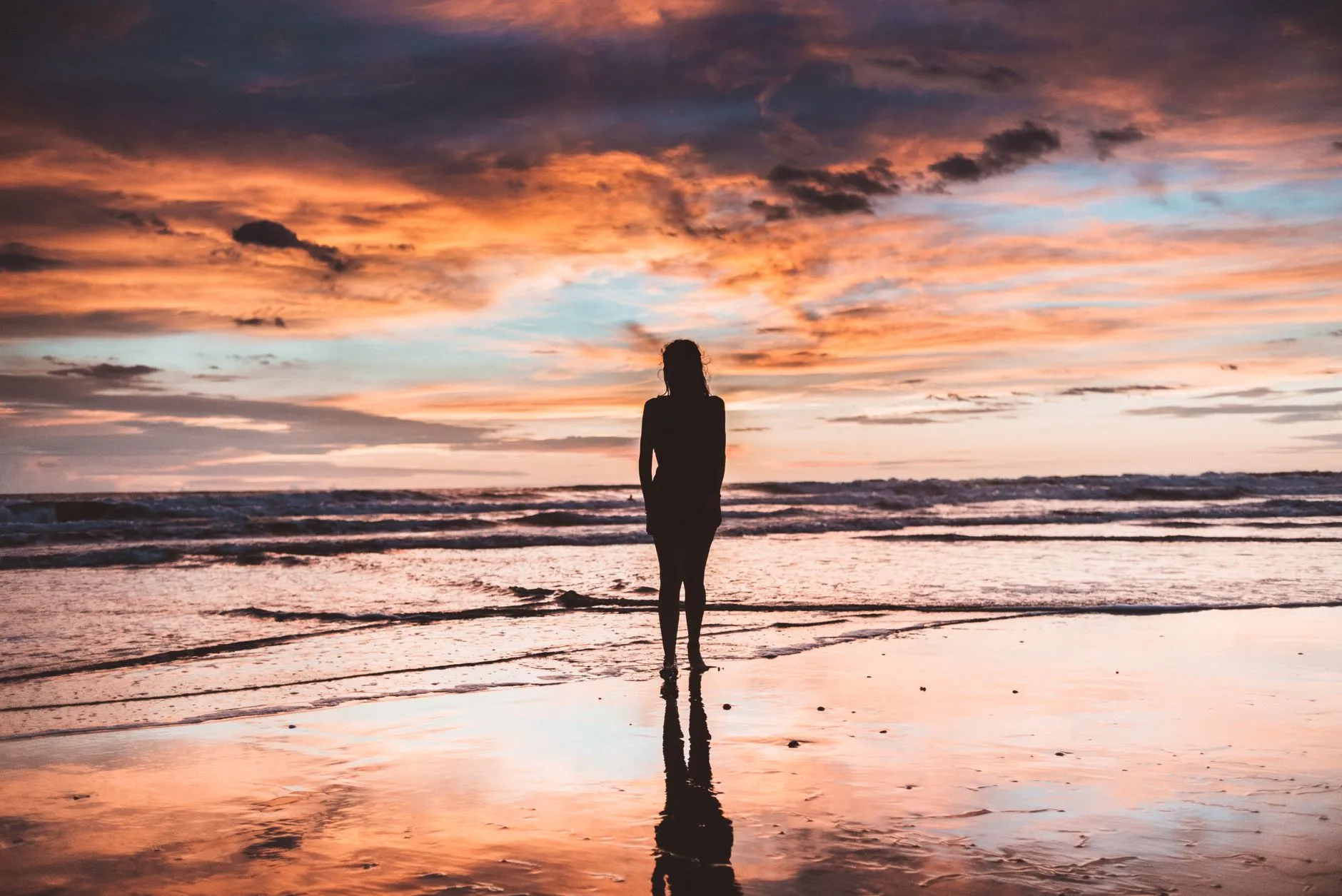
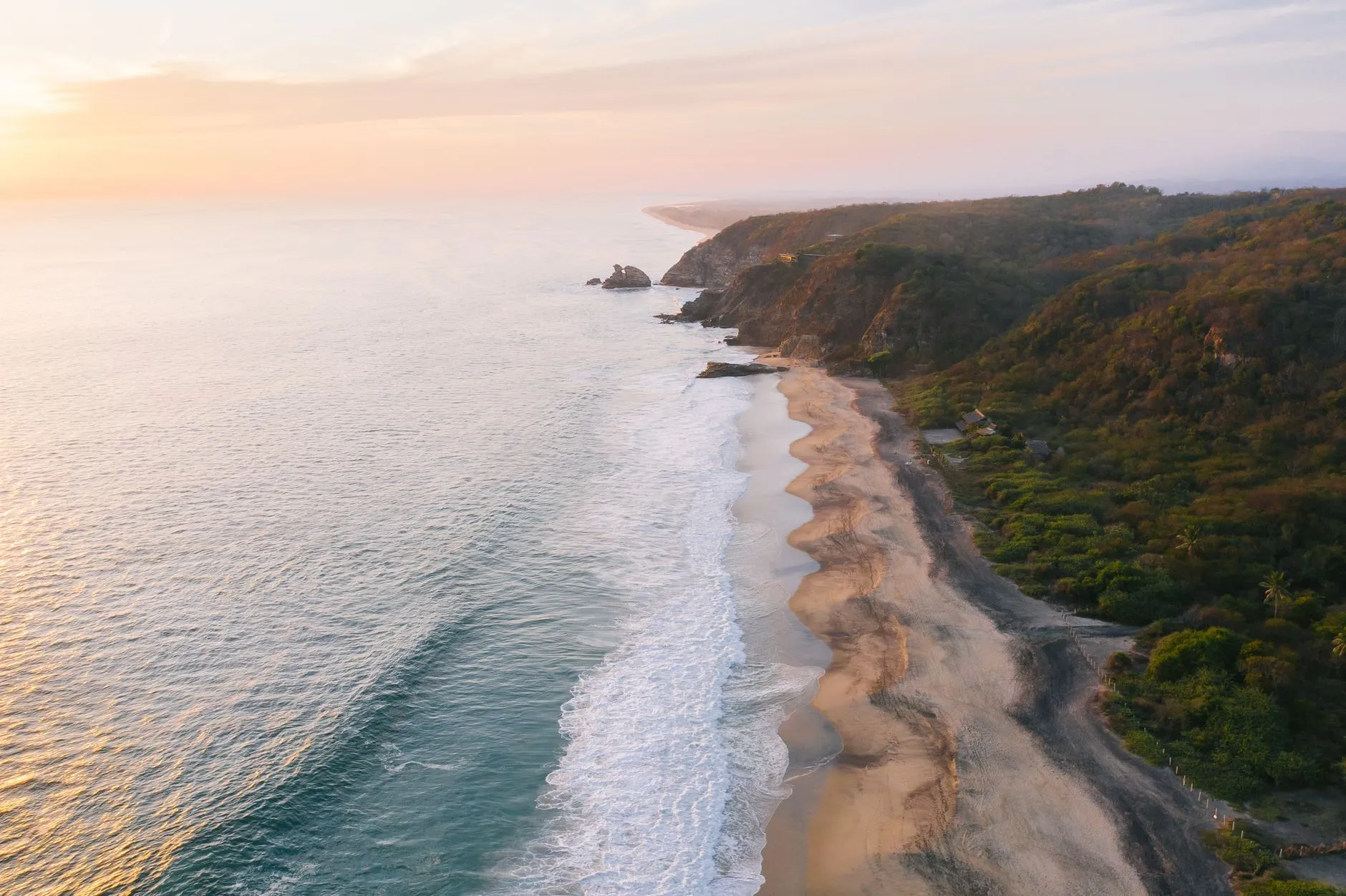
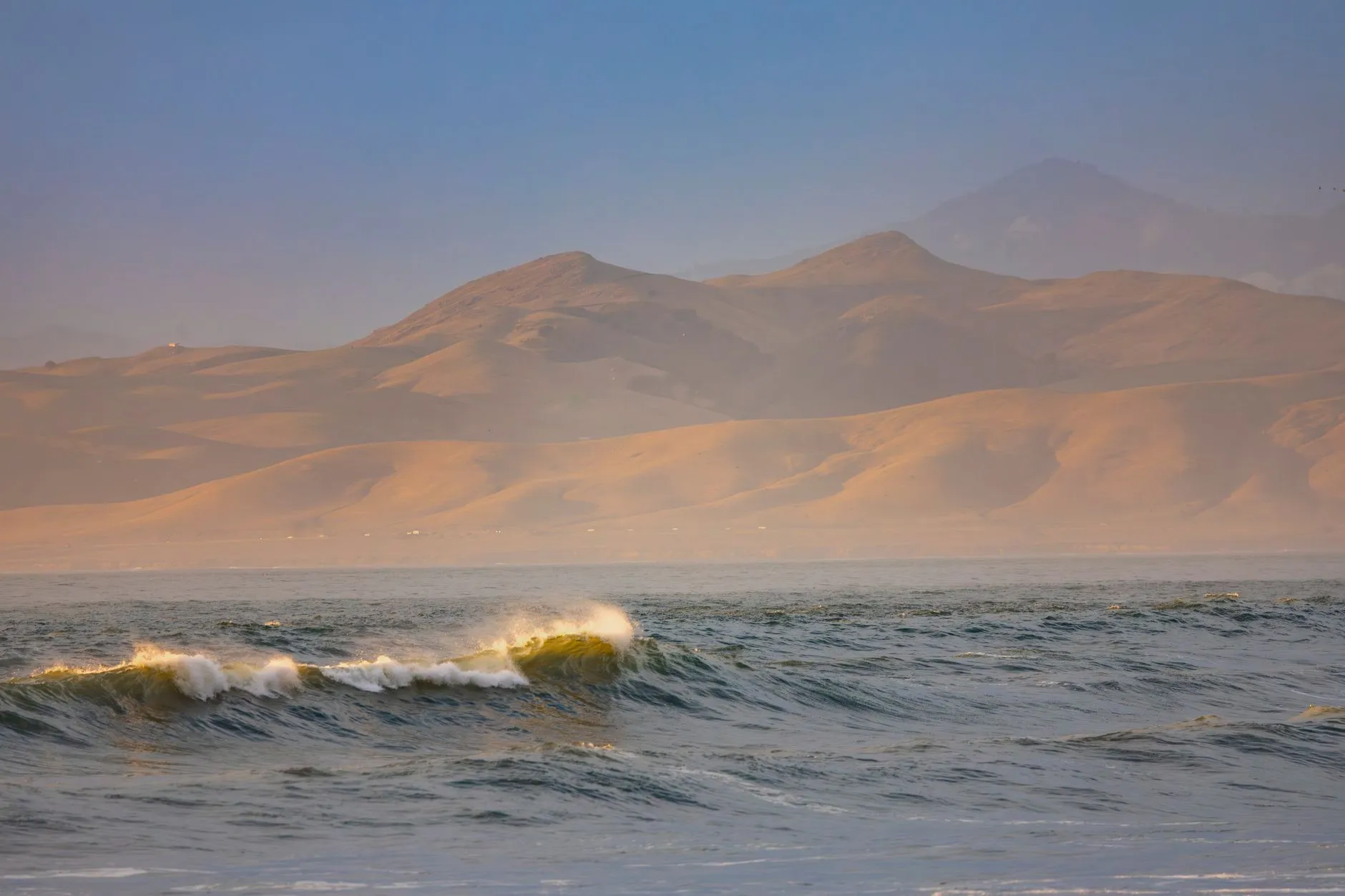
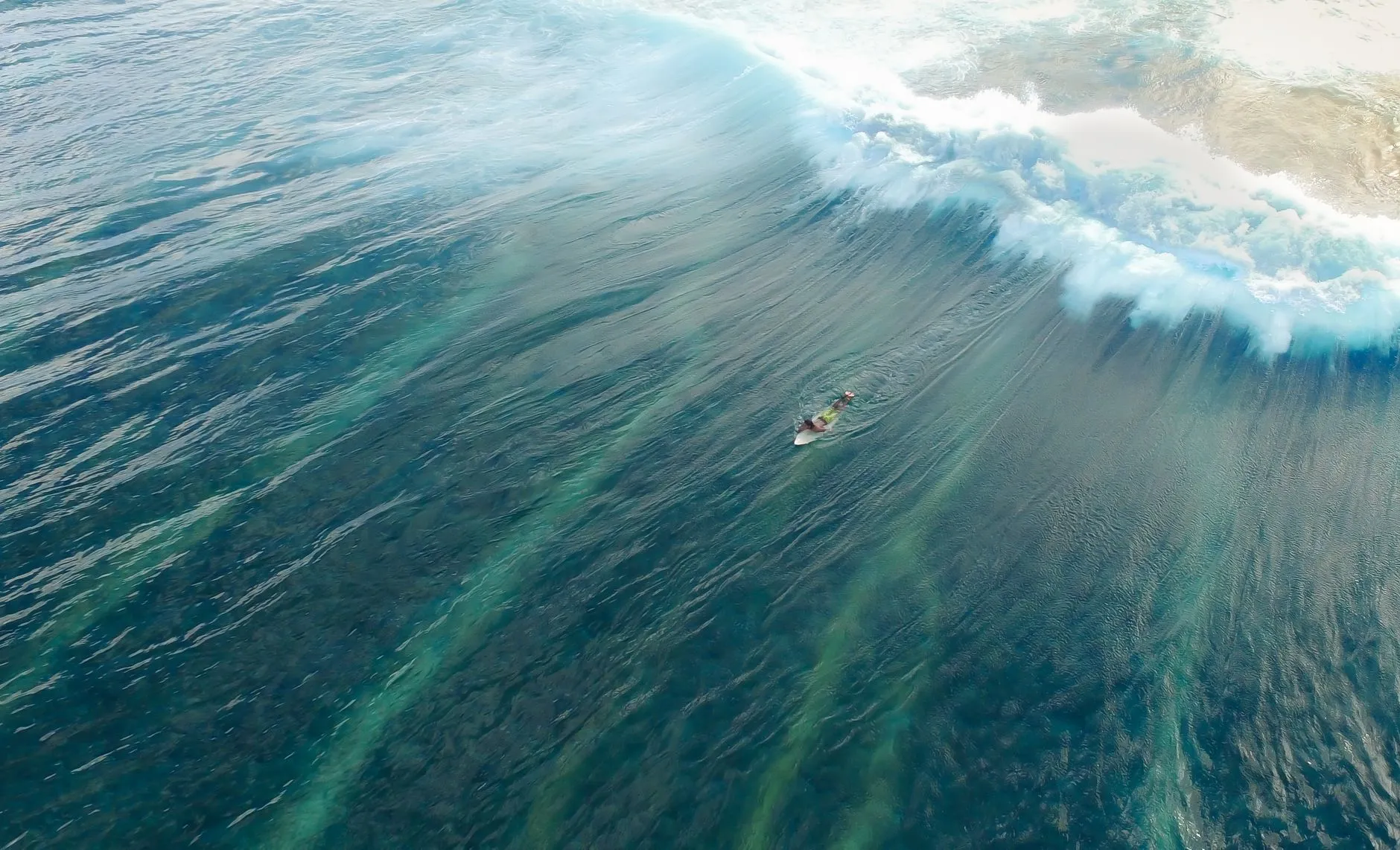
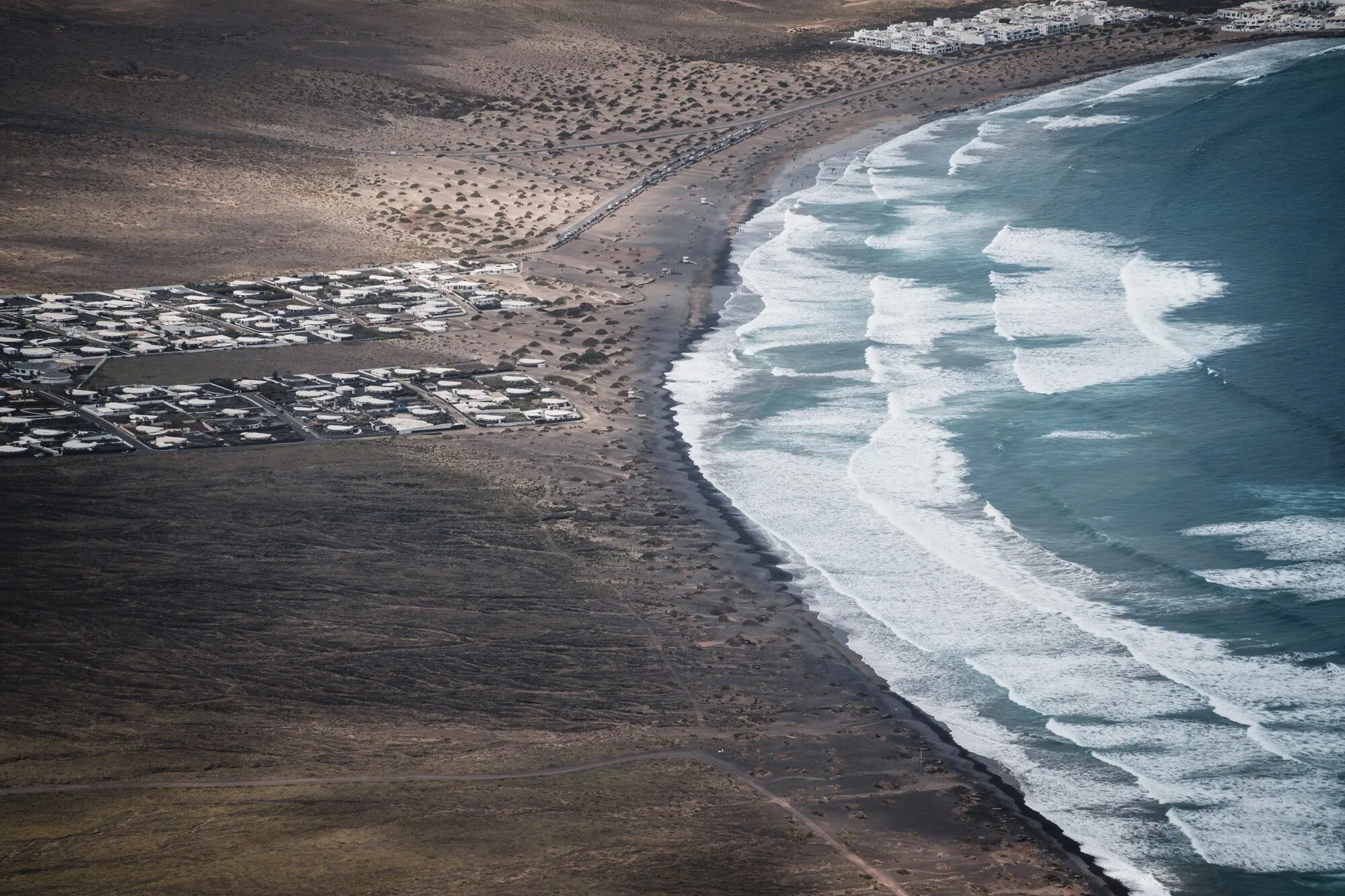
A volcano is never far away in El Salvador, and neither is a right point. The smallest country in Central America packs a lot into very little: black sand that bakes by noon, green cliffs hanging over the coast road, pupusas pressed by hand at every roadside comedor, and forty minutes of shoreline, the Balsamo Coast, where warm cobblestone points peel one after another like a habit the Pacific cannot break. The government stamped Surf City on it and for once the slogan undersells the place. A country that spent decades being talked about for the wrong reasons has turned into one of the simplest surf trips in the Americas: land in San Salvador after breakfast and you can be surfing a point before sunset.
Plan around one simple truth: here, the rainy season is the swell season. From March to October, storms deep in the southern hemisphere send long, lined groundswell straight into these points; mornings are oily glass and the afternoon downpour is your cue for a hammock. November to February runs smaller but immaculate, groomed every morning by offshore wind off the volcanoes. The water sits between 27 and 29°C all year, so the only wardrobe question is how you take your rash protection. Punta Roca is the wave the world tour visits; El Tunco is the party; El Zonte is the quieter cousin that pays in Bitcoin; and when a Saturday crowd rolls down from the capital, Mizata and a boat out east are the two best decisions on this coast.
Best months
March to October for south swells; November to February small, clean and offshore
Water
27 to 29°C every day of the year: boardshorts, and a rash vest for the sun
Levels
From Palmarcito's gentle cove to Punta Roca at double overhead
Getting there
Fly to San Salvador: the Balsamo Coast is under an hour from the airport, Las Flores three more east
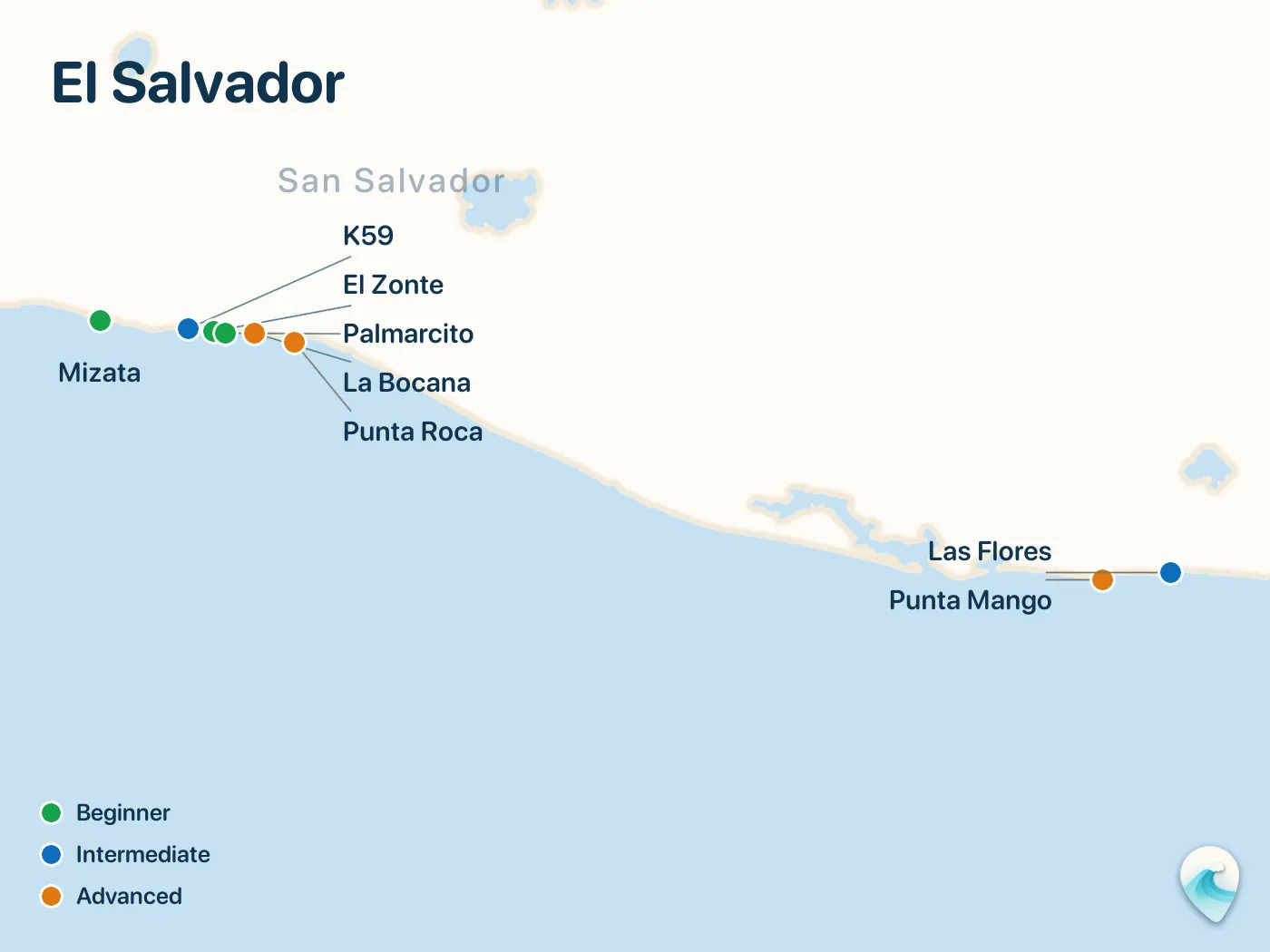
West of the noise, the coast road strings one warm point after another beneath the cliffs: Mizata for solitude, K59 for the long wall, El Zonte for the easy pace, Palmarcito for first waves. Half an hour end to end, and every kilometer marker is a possibility.
Mizata
Costa del Bálsamo · Right point and beach peaks
Beginner
The escape valve at the western end of the run, an hour of winding coast road past the crowds and a world away from them. A right point breaks off the rocks at one end of the bay, a rivermouth shapes the middle, and there is even a left in the corner, which in El Salvador counts as exotic. A handful of lodges, no town to speak of, and lineups where three surfers feel like company. When El Tunco is elbow to elbow on a Saturday, this is the answer.
K59
Costa del Bálsamo · Cobblestone right point
Intermediate
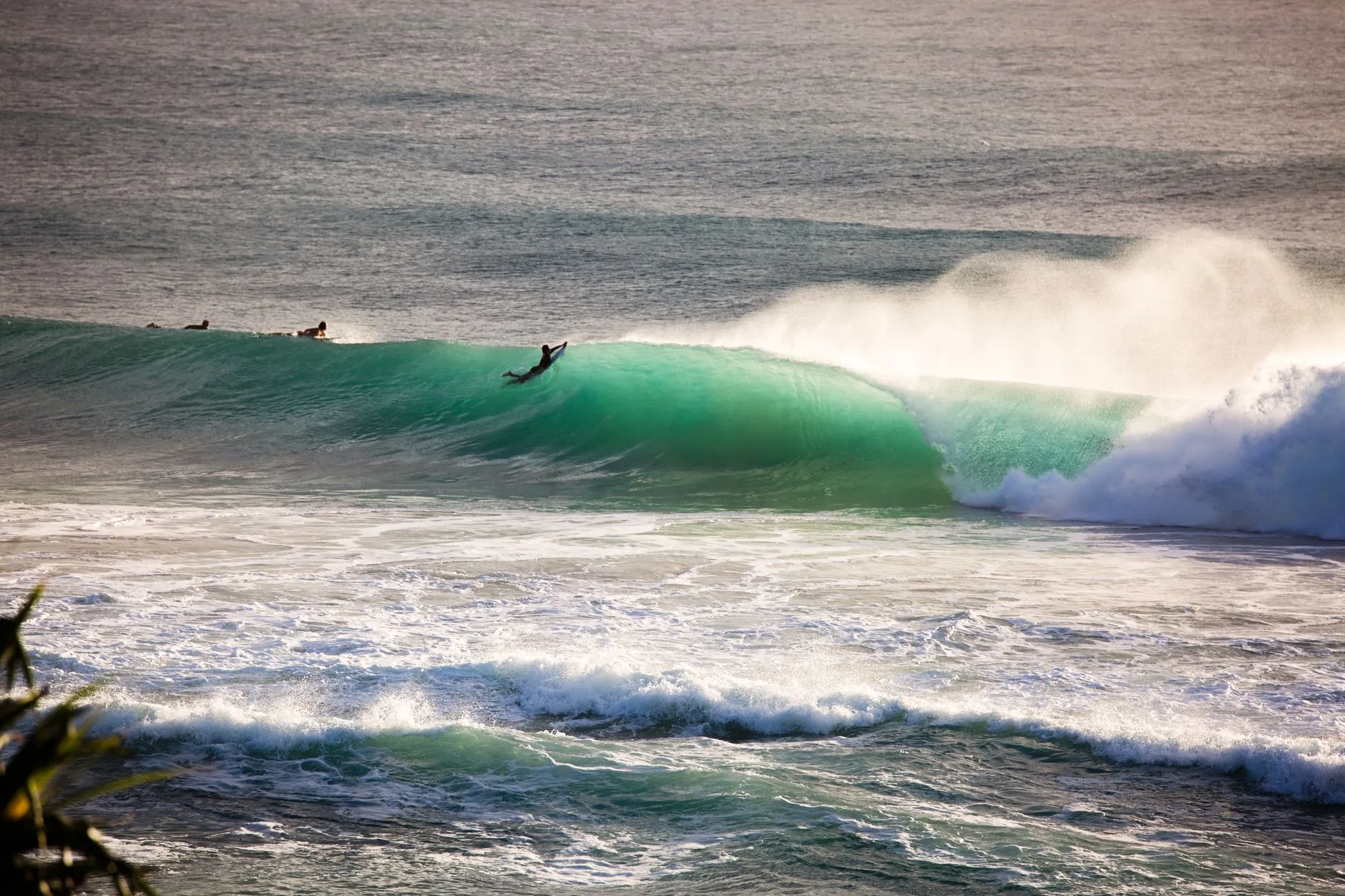
Named for a kilometer marker on the Carretera del Litoral, which tells you how it was found: driving, looking, stopping. A long cobblestone right walls down the point in front of a gated community, so you arrive by boat from El Zonte or as somebody's guest. The logistics filter the crowd better than any level requirement, and on a clean south swell the wave runs for two hundred meters with a handful of people on it. Its sister K61 waits two kilometers up the road for the days this one has company.
El Zonte
Costa del Bálsamo · Mellow right point
Beginner
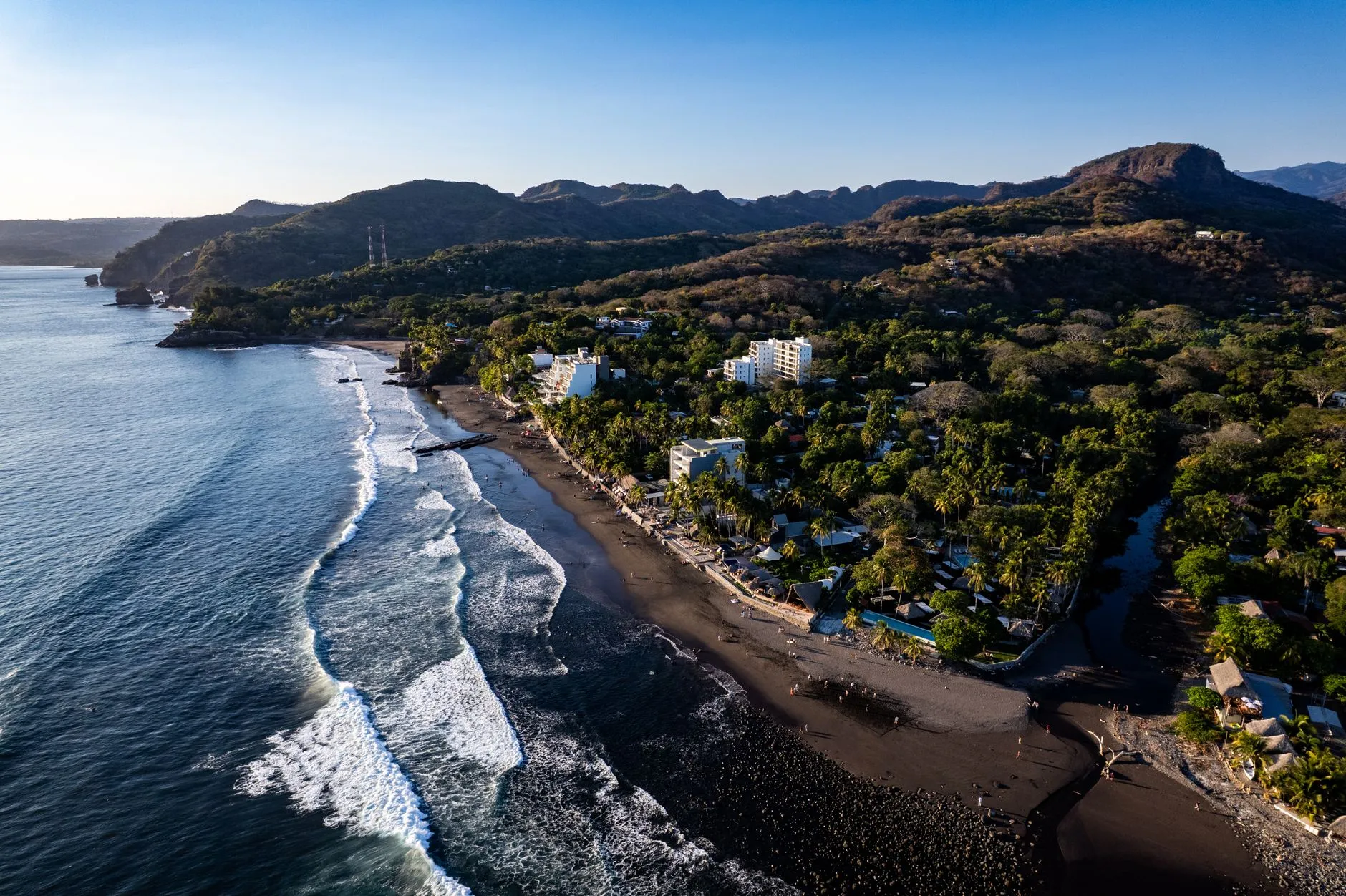
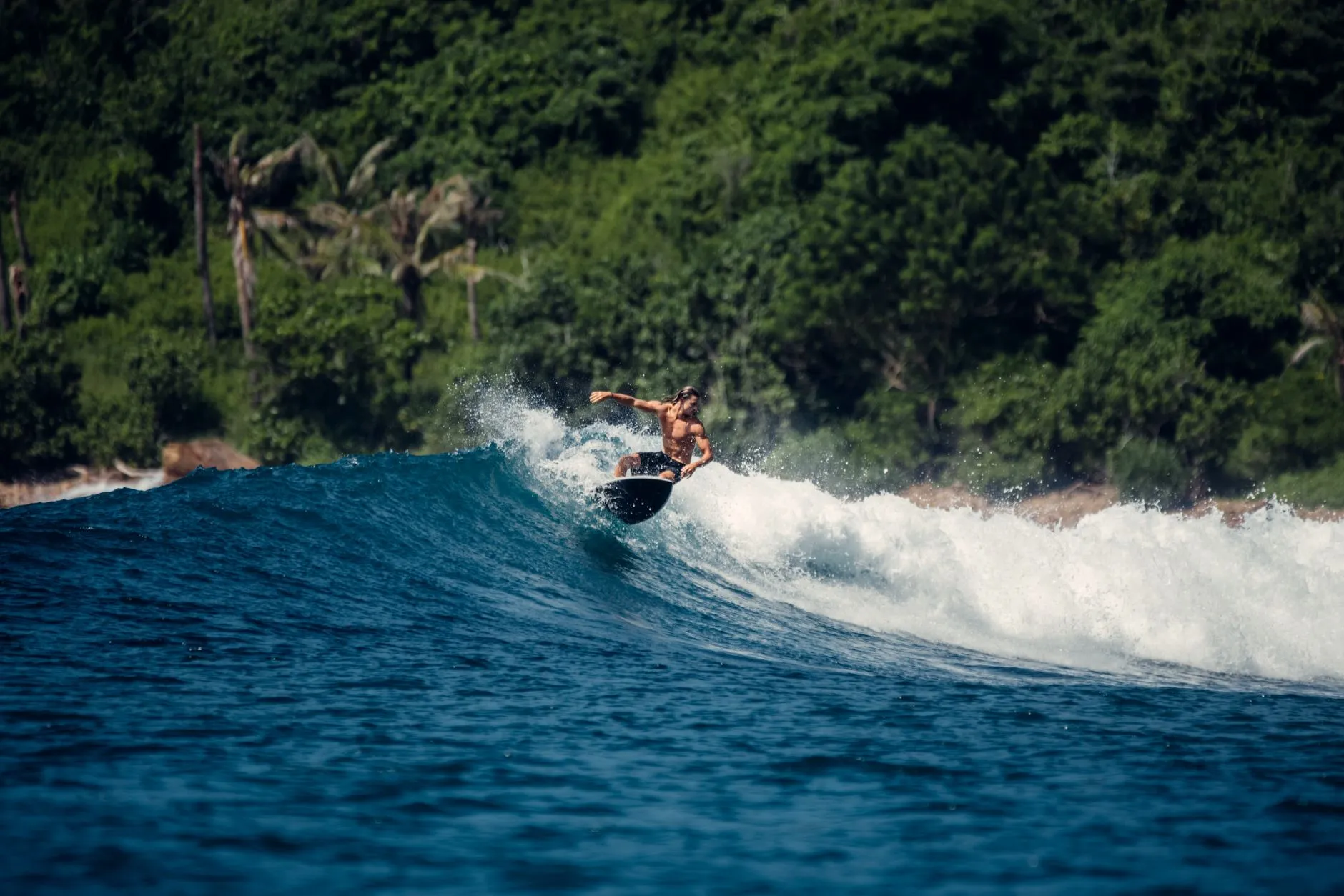
The quieter cousin that became world famous by accident: a donated fund turned this fishing village into Bitcoin Beach in 2019, the experiment that preceded the national law, and you can still buy a coconut in satoshis. The wave took none of it personally. A mellow cobblestone right peels through the middle of the bay and lets longboarders walk while shortboarders wait deeper; the rivermouth adds a punchier peak whenever the rains rebuild the bank. Schools push beginners into the inside reform, dogs sleep on the sand, and the pace stays village slow.
A pocket cove under the cliff stairs, five minutes from El Zonte and the friendliest wave on this shoreline. A soft right rolls off the rocks at a pace built for first turns rather than first barrels, which is why the surf schools claim it every morning. When a serious south arrives it briefly remembers it is a point and produces proper walls. The beach club above the sand will hold a cold coconut for your paddle in and a pupusa for after.
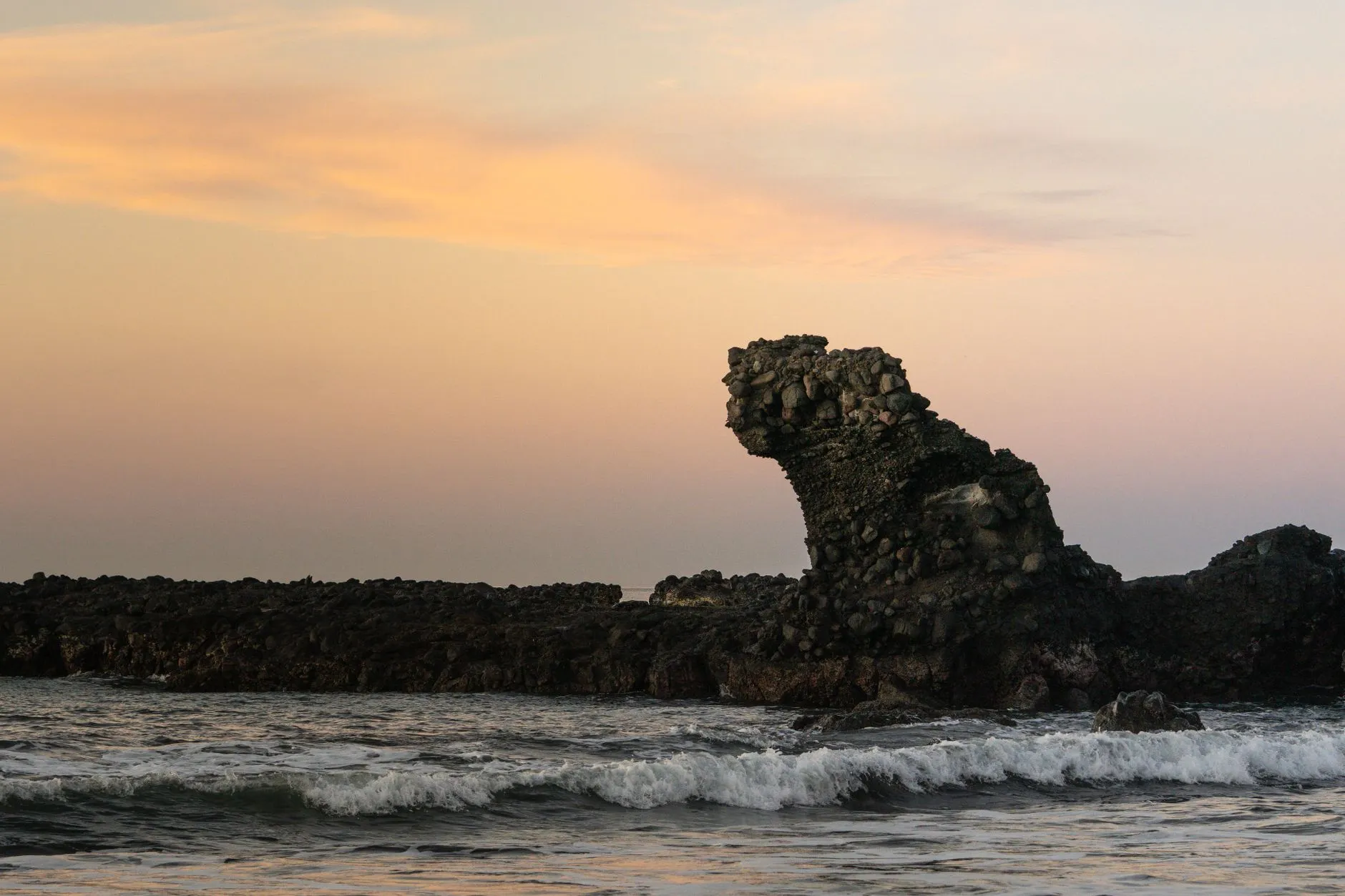
The rock that gives El Tunco its name, at sunset
El Tunco and La Libertad
The loud heart of Surf City: a party town with a left at its rivermouth, and two headlands east, the wave the whole country measures itself against. Surf La Bocana at dawn, earn Punta Roca when you are honest about your level, and eat fried fish on the pier in between.
La Bocana
El Tunco · River-mouth left
Advanced
The rare left in a country of rights, breaking where the river pushes its gravel into the sea at the end of El Tunco's beach. It is short, fast and jealously guarded: the bodyboarders and shortboarders who grew up on it take the set waves, and visitors earn theirs by waiting properly. A right peels off the other side of the mouth toward the pig-shaped rock that gave the town its name. On weekends half of San Salvador drives down for the bars and the beach, so surf at first light and let the town sleep it off.
Punta Roca
La Libertad · World-class right point
Advanced
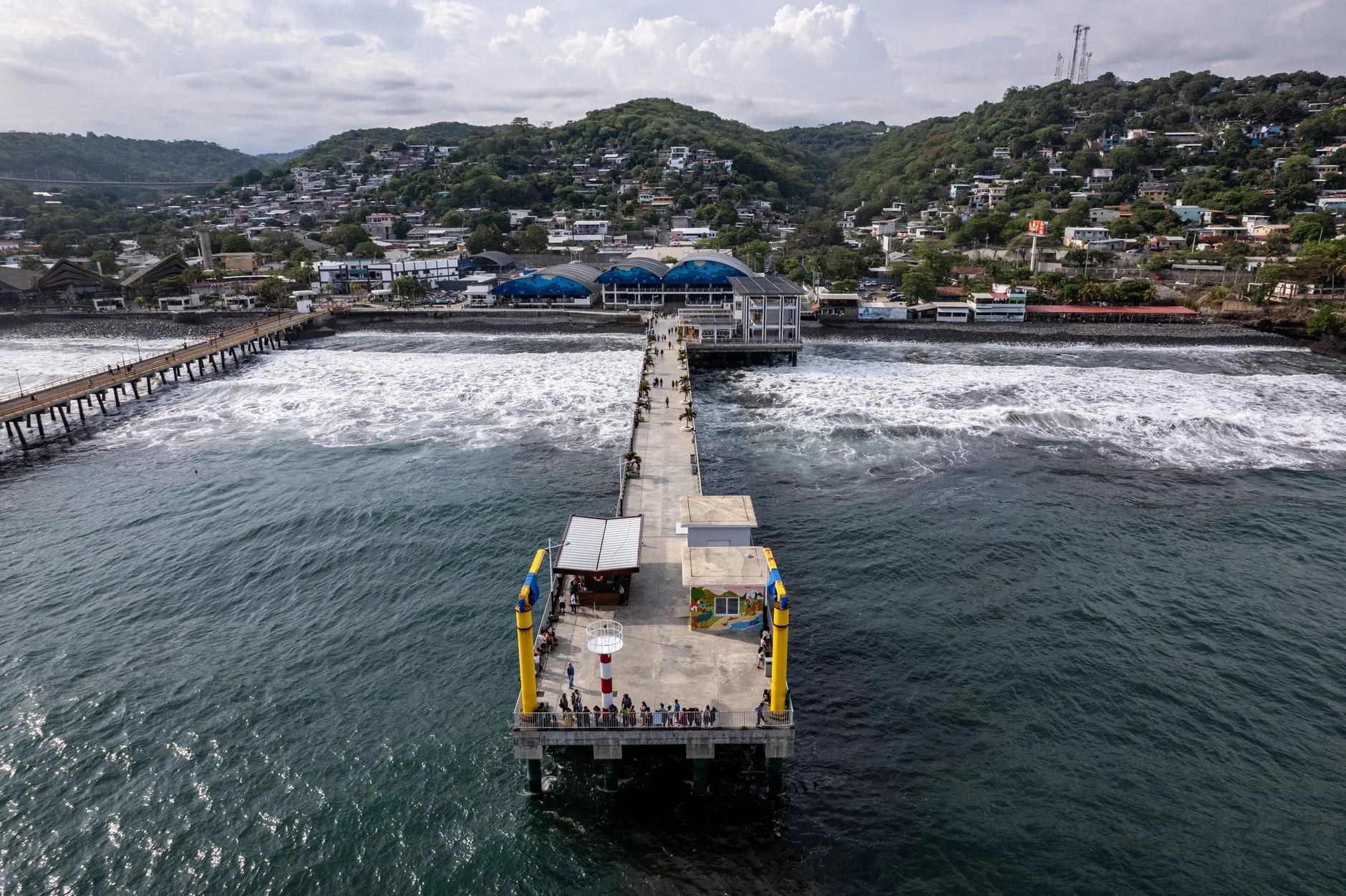
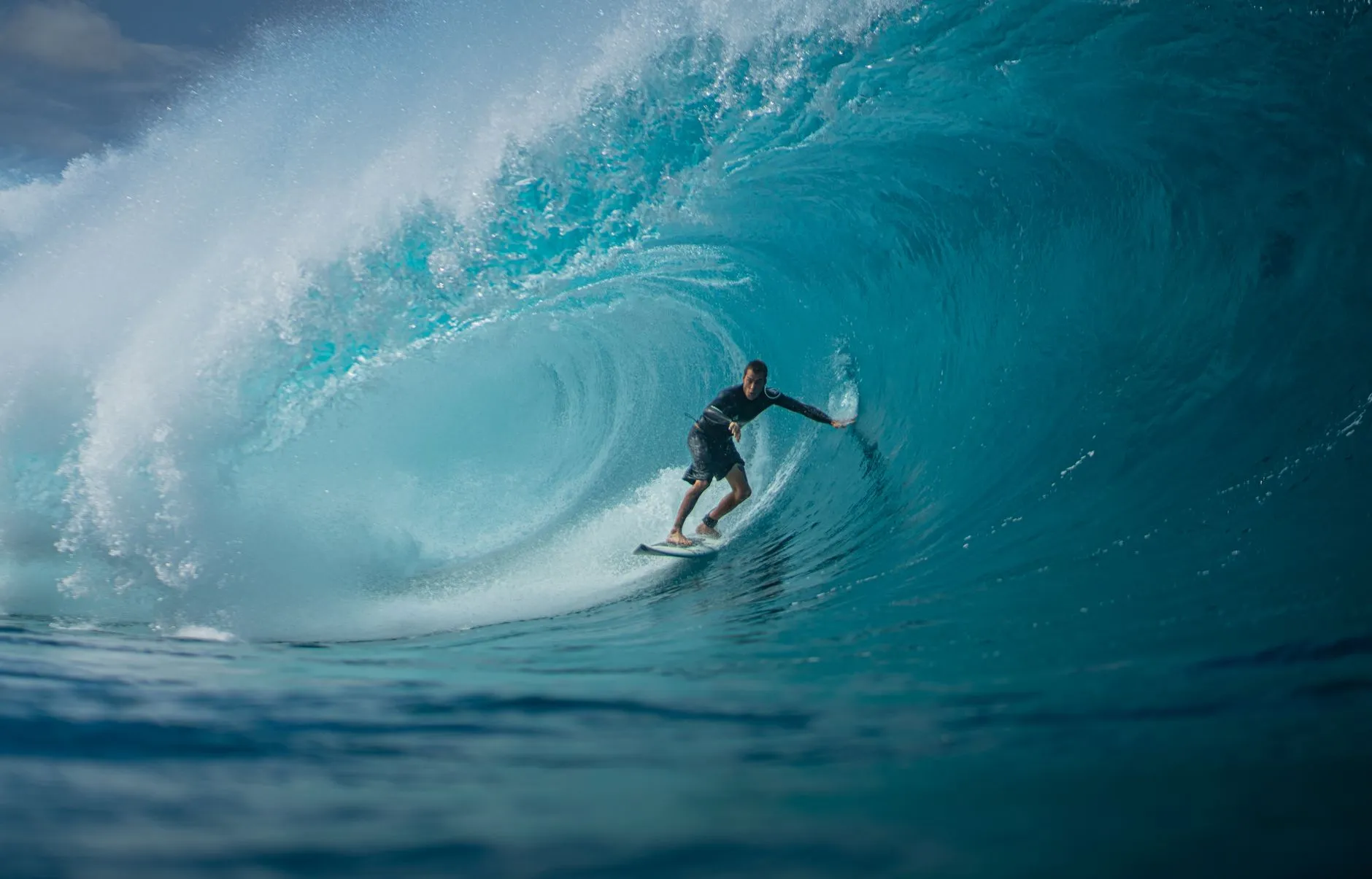
The country's world-class wave, and nobody argues: a long, fast cobblestone right that wraps under the headland at La Libertad and links sections for three hundred meters when a solid south lines up. The takeoff is shallow, the rocks are close, the urchins keep the careless honest, and the locals who run the peak are among the best surfers in Central America. The Championship Tour has stopped here and two ISA world titles were decided on these rocks. La Libertad itself is a working port with a fish market on the pier, rougher around the edges than the surf towns down the road, and prouder of this wave than of anything else it owns.
El Zonte from above: the point, the rivermouth and the village in the palms
The east, by boat
Four hours from the Balsamo scene, Las Flores curls over its sand into the bay at El Cuco and the pangas run around the corner to Punta Mango at first light. Same boardshorts, same swell, a fraction of the people. This is the half of the trip you tell people about afterwards.
Punta Mango
El Cuco · Hollow right point
Advanced
Las Flores' wilder neighbor, twenty minutes by panga around the headland or an hour of very bad road, which is why everyone takes the boat. The same south swell that rolls politely into Las Flores stands up here faster, hollower and over shallower rock, with jungle running straight down to the waterline. Mornings are the window before the wind, and the lineup is usually whoever shared your boat. Bring water and sunscreen; the point has nothing to sell you but waves.
Las Flores
El Cuco · Sand-bottom right point
Intermediate
The east's darling: a right that stands up off the rocks at the headland and then peels over sand for a hundred and fifty meters into the bay at El Cuco. It takes off with intent and finishes gently, so intermediates leave convinced they improved on this trip, and they are right. Behind the wave there is a long black-sand beach, a row of lodges in the palms, and pangas parked like taxis waiting for the morning run to Punta Mango. Stay a week and the boatmen greet you by name.
The pier at La Libertad, a short walk from Punta Roca
When to go
A year in El Salvador
Typical conditions, month by month. The ocean did not sign this table: for live waves, wind and tide, check the app.
January
2-4 ft
81°F · boardshorts · All levels
Dry season form: offshore every morning, small clean walls down the points, and the capital's surfers only on weekends.
February
2-4 ft
81°F · boardshorts · All levels
The driest month. The hills fade to gold, mornings stay glassy for hours, and El Zonte is a longboard postcard.
March
3-5 ft
82°F · boardshorts · All levels
The first real south swells arrive and the points remember their job. The season starts here, before most visitors notice.
April
4-6 ft
82°F · boardshorts · Intermediate
Swell building, rain still holding off: many locals call this the sweet month. Overhead days at Punta Roca without the deluge.
May
4-8 ft
84°F · boardshorts · Intermediate
The rains arrive and so does the size. Hills turn green in a week, mornings stay glassy, and you plan your day around the afternoon downpour.
June
4-8 ft
84°F · boardshorts · Advanced
Peak season. Long-period souths stack the points, Punta Roca runs its full three hundred meters, and dawn patrol is not optional.
July
4-8 ft
82°F · boardshorts · Intermediate
Consistent overhead surf between squalls, and some years a brief mid-summer lull the locals shrug at. Never a flat month.
August
4-8 ft
82°F · boardshorts · Intermediate
South swells keep marching through. The storms mostly break at night; the mornings belong to the points.
September
4-6 ft
84°F · boardshorts · Intermediate
The wettest month. Rivers stain the bays brown after big storms and the lineups empty out; the swell does not.
October
3-5 ft
84°F · boardshorts · All levels
The season eases out with warm rain and the last solid souths. Underrated, and the traveling crowd has already flown home.
November
2-4 ft
82°F · boardshorts · All levels
The switch flips back: rain stops, offshores return, and the points turn small, groomed and patient.
December
2-4 ft
81°F · boardshorts · Beginner
Small, clean and sunny. Learn at Palmarcito, glide at El Zonte, and share the sand with holidaying capitalinos on weekends.
Good to know
When is the best time to surf El Salvador?
March to October is the south swell season, and it overlaps the rains on purpose: mornings are glassy, the points pump, and the daily downpour lands in the afternoon. April and May bring size before the heaviest rain, and June through August are the biggest, most consistent months. November to February runs smaller, sunnier and groomed by morning offshores, ideal for learning and for chest-high point perfection. The water is warm on every single day of the year.
Is El Salvador good for beginners?
Genuinely, as long as you pick the right waves. Palmarcito is a soft little point built for first turns, El Zonte's inside section is patient with longboards and learners, and the schools of El Tunco and El Zonte teach in bath-warm water all year. The famous waves are another story: Punta Roca, La Bocana and Punta Mango break fast over rock and belong to surfers who know what they are doing. From November to February the whole coast drops a gear and the learning windows open wide.
Do I need a wetsuit in El Salvador?
No. The Pacific holds 27 to 29°C every month, so boardshorts or a swimsuit is the uniform. Most surfers add a rash vest or a long-sleeve lycra against the sun rather than the cold, plus a hat and real sunscreen for the walk back up the point. The only rubber worth packing is a pair of booties, in case picking your way over cobblestones at low tide does not appeal to you.
Is El Salvador safe for a surf trip?
Its reputation ran years behind its reality. The country has changed dramatically and the coast has been hosting surfers through all of it: El Tunco, El Zonte and El Cuco are easygoing little towns where walking to dawn patrol with a board feels ordinary. La Libertad is a working port with rough edges, so treat it like any busy harbor town: keep your things close and your evenings simple. Standard travel sense covers the rest, and the welcome down these points is one of the warmest in surfing.