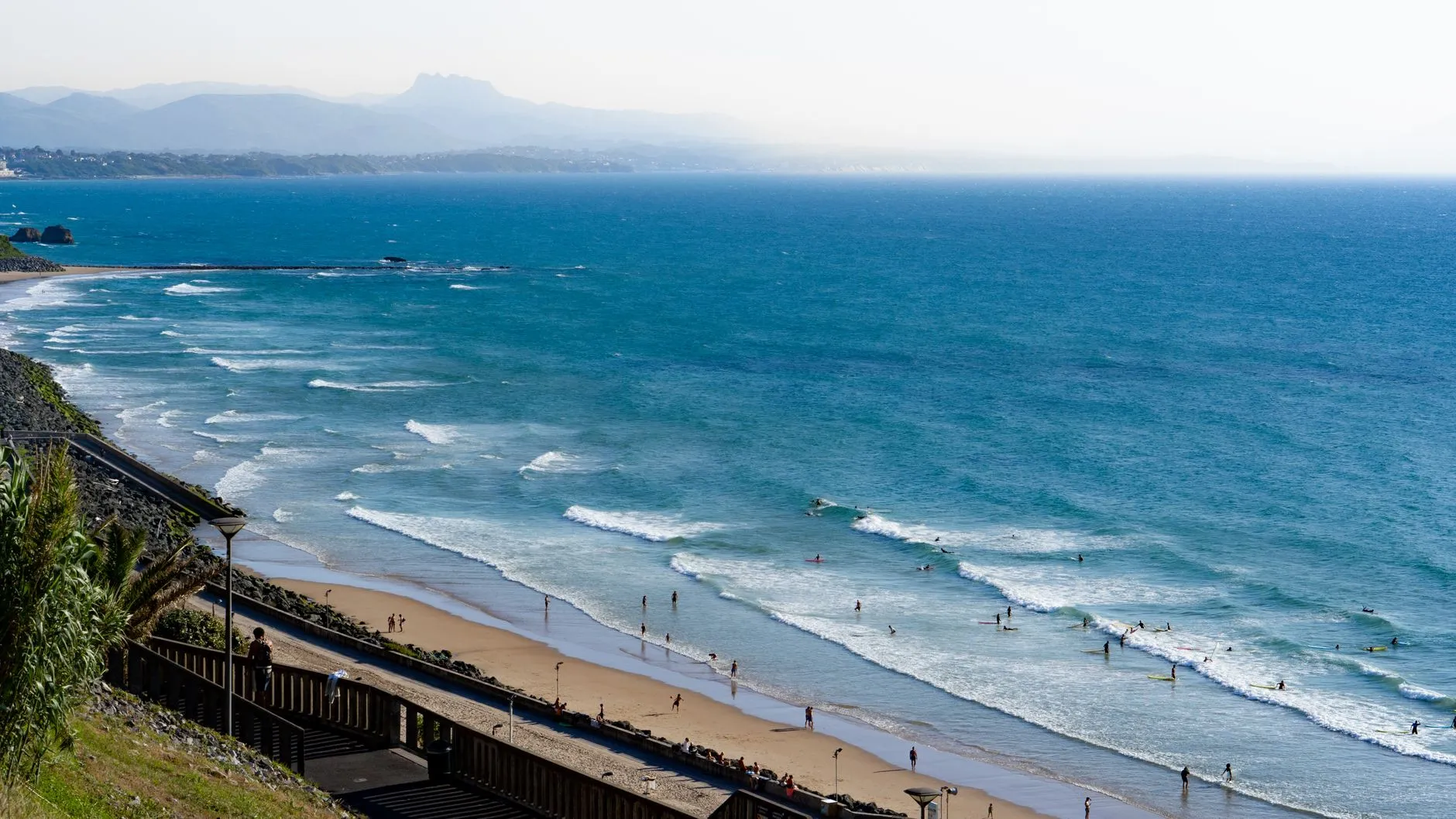
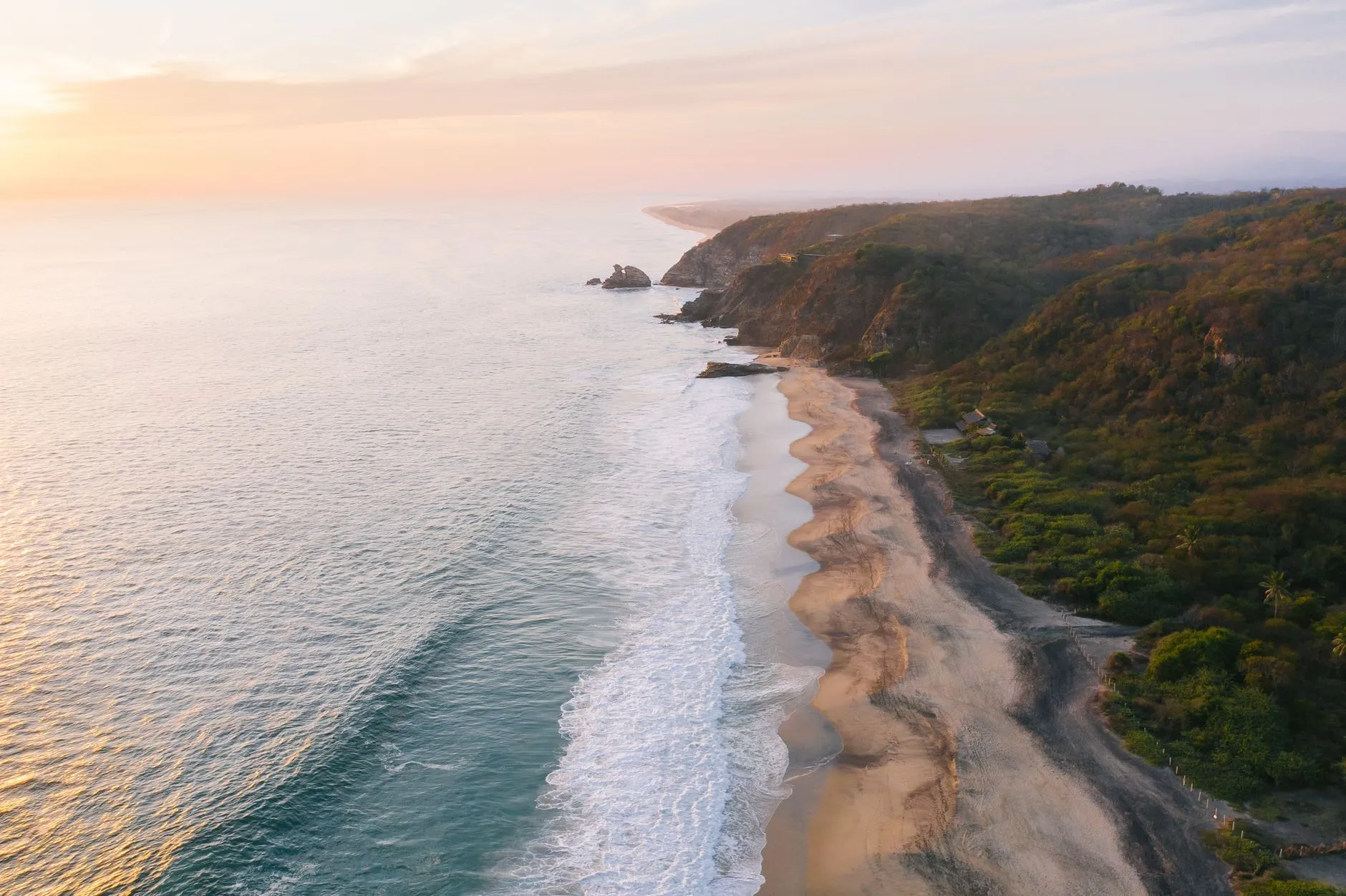
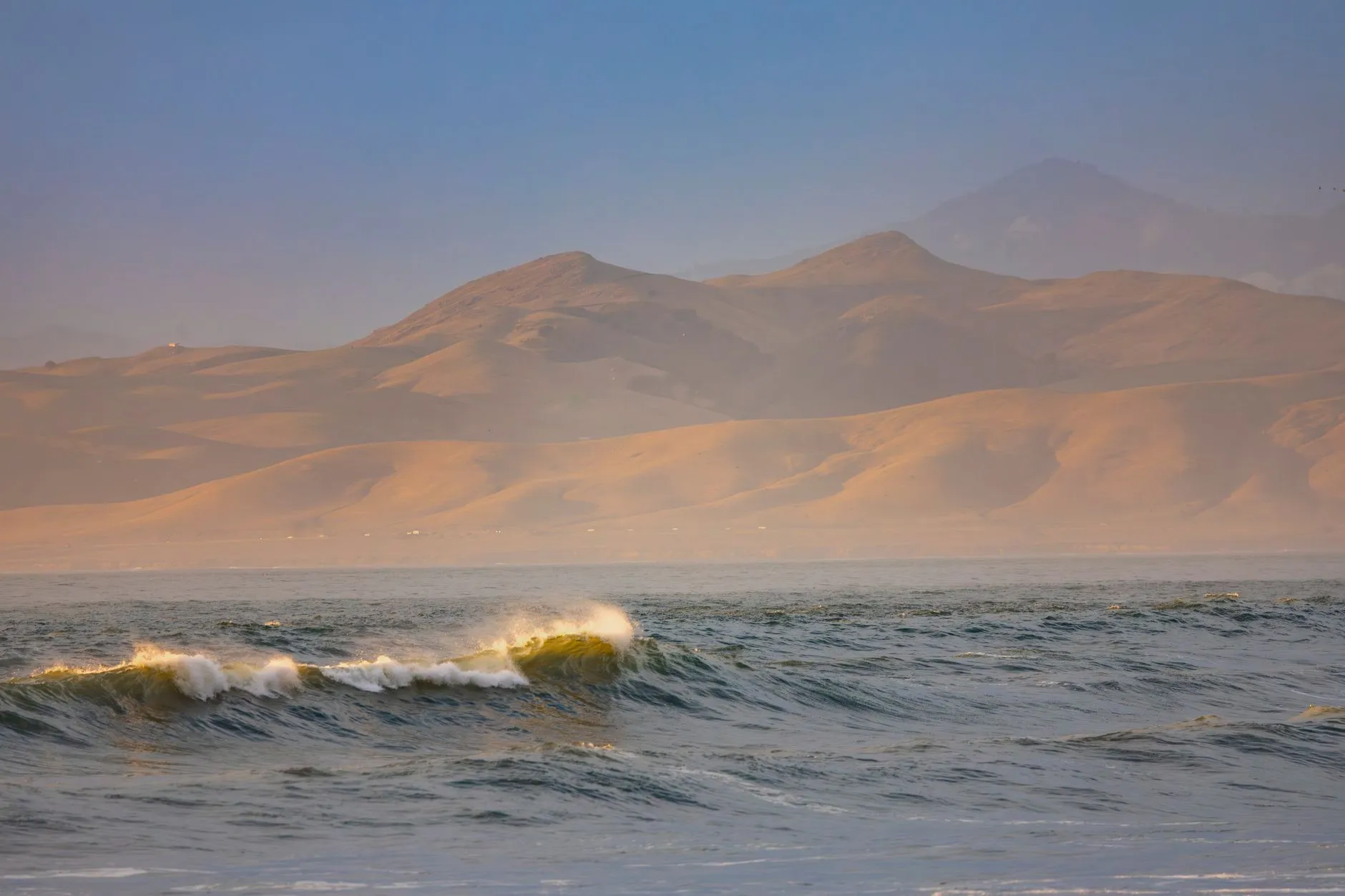
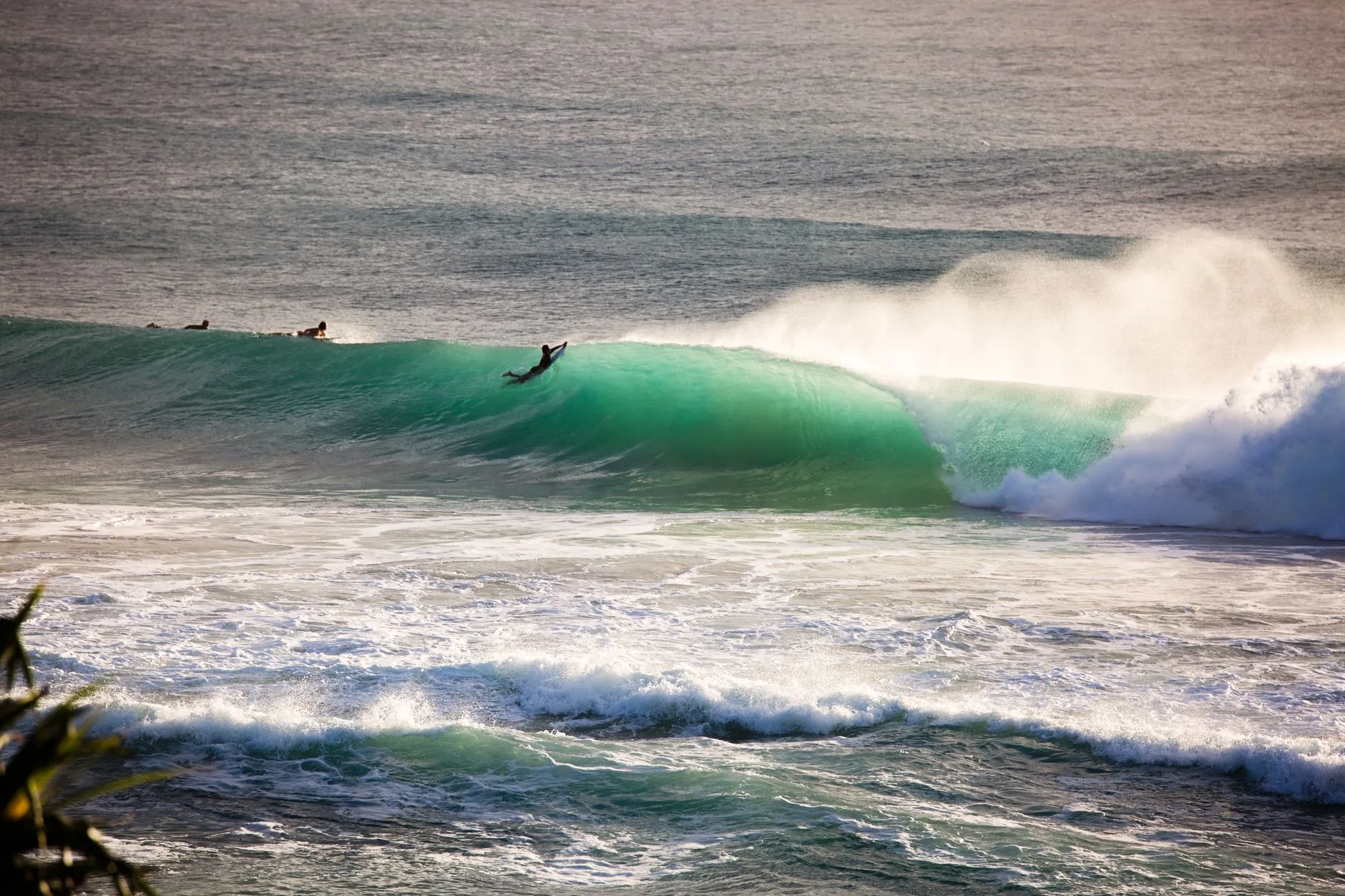
A chain of volcanoes walks the horizon here, and behind the southern half of the coast lies a lake so large the first Spaniards tasted it expecting salt. Lake Nicaragua is the engine of the whole show: the trade winds cross it, smooth out, and arrive at the Pacific blowing straight off the land, morning after morning, more than 300 days a year. Surfers talk about offshore wind the way farmers talk about rain, and this is the coast where the conversation ends: while the rest of the Pacific blows out by mid morning, Nicaragua stays combed until dark. The water sits between 26 and 29°C in every season, which means the packing list is a toothbrush, sunscreen and wax.
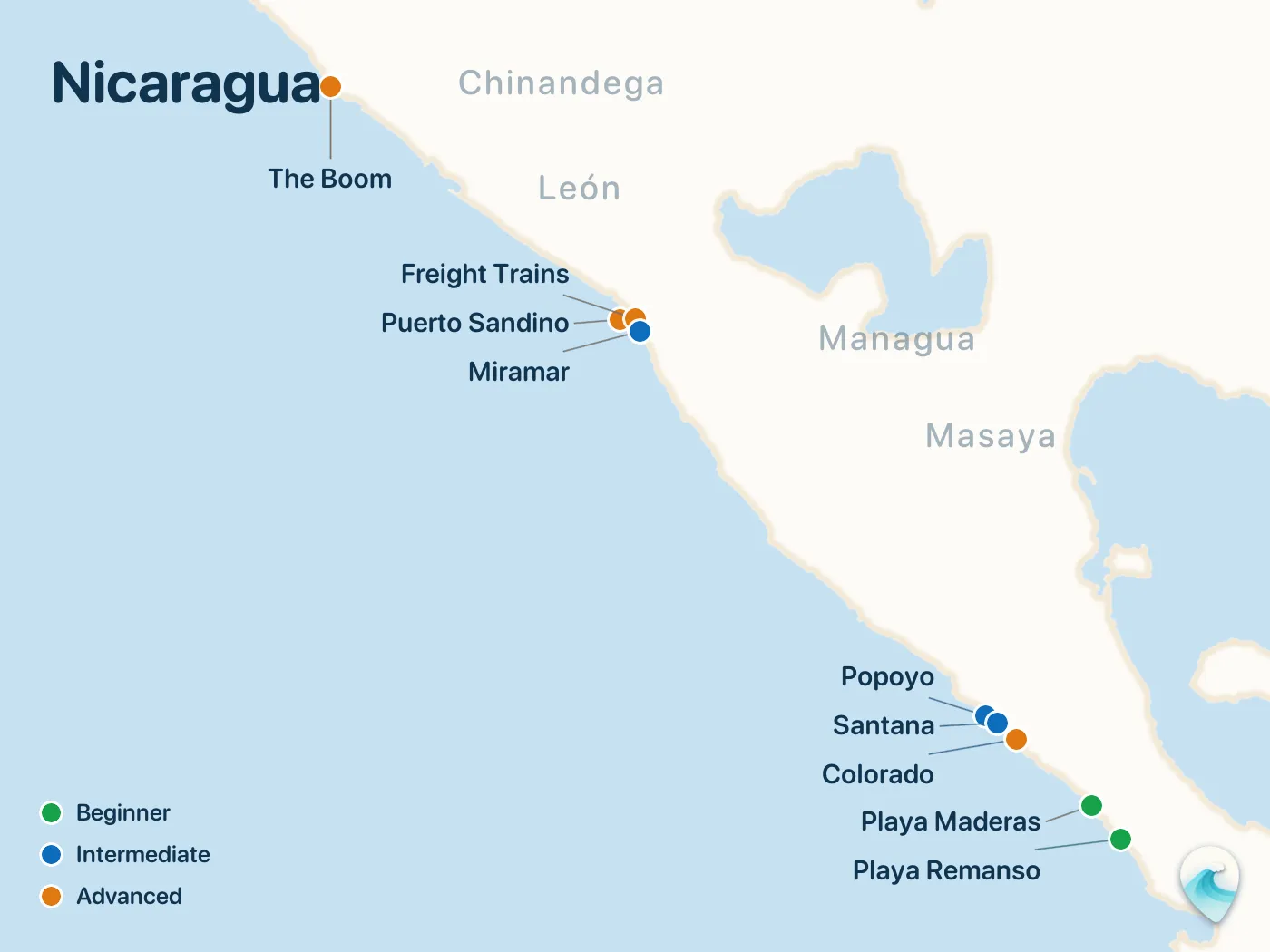
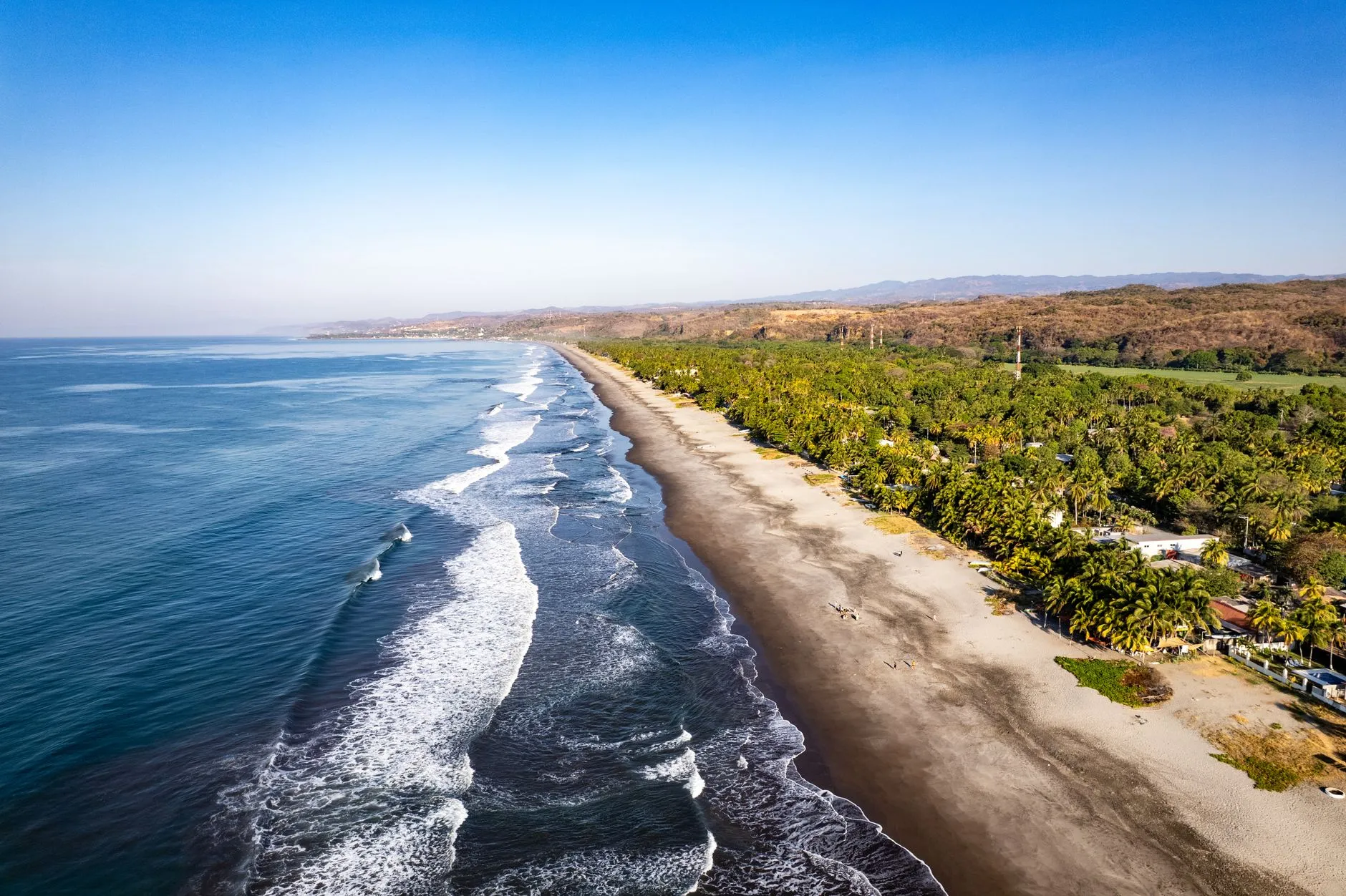
The coast splits into two schools. In the north, past León's baking plaza, the surf is lonely and logistical: The Boom's spitting sandbars out by Aserradores, and the long river-mouth lefts of Puerto Sandino and Freight Trains, reached by boat or rutted track from the little base of Miramar. In the south, Popoyo's lava reefs and the Tola beach breaks of Santana and Colorado gather the surf camps, while San Juan del Sur sends its nightly shuttle of backpackers up the hill to Maderas. Come between March and October, when the southern hemisphere stacks swell after swell into all that offshore; June to August is the serious window. From November to February the ocean shrinks and the Papagayo wind hammers off the land for weeks, which keeps everything clean, and some days keeps everyone on the sand.
Best months
March to October for swell; June to August brings the biggest
Water
26 to 29°C all year: boardshorts, a spring suit at most for windy dry-season dawns
Wind
Offshore more than 300 days a year, courtesy of Lake Nicaragua
Getting there
Fly to Managua, then drive: two and a half hours to Popoyo, the north spots by 4x4 or boat
Two clusters separated by hours of highway and reached by dirt road or boat: The Boom's spitting sand near Chinandega, and the river-mouth lefts of the Puerto Sandino stretch with Miramar as the friendly base. The fewest surfers in the country and the longest waves, with volcanoes smoking behind the lineup.
The Boom
Aserradores · Hollow beach break
Advanced
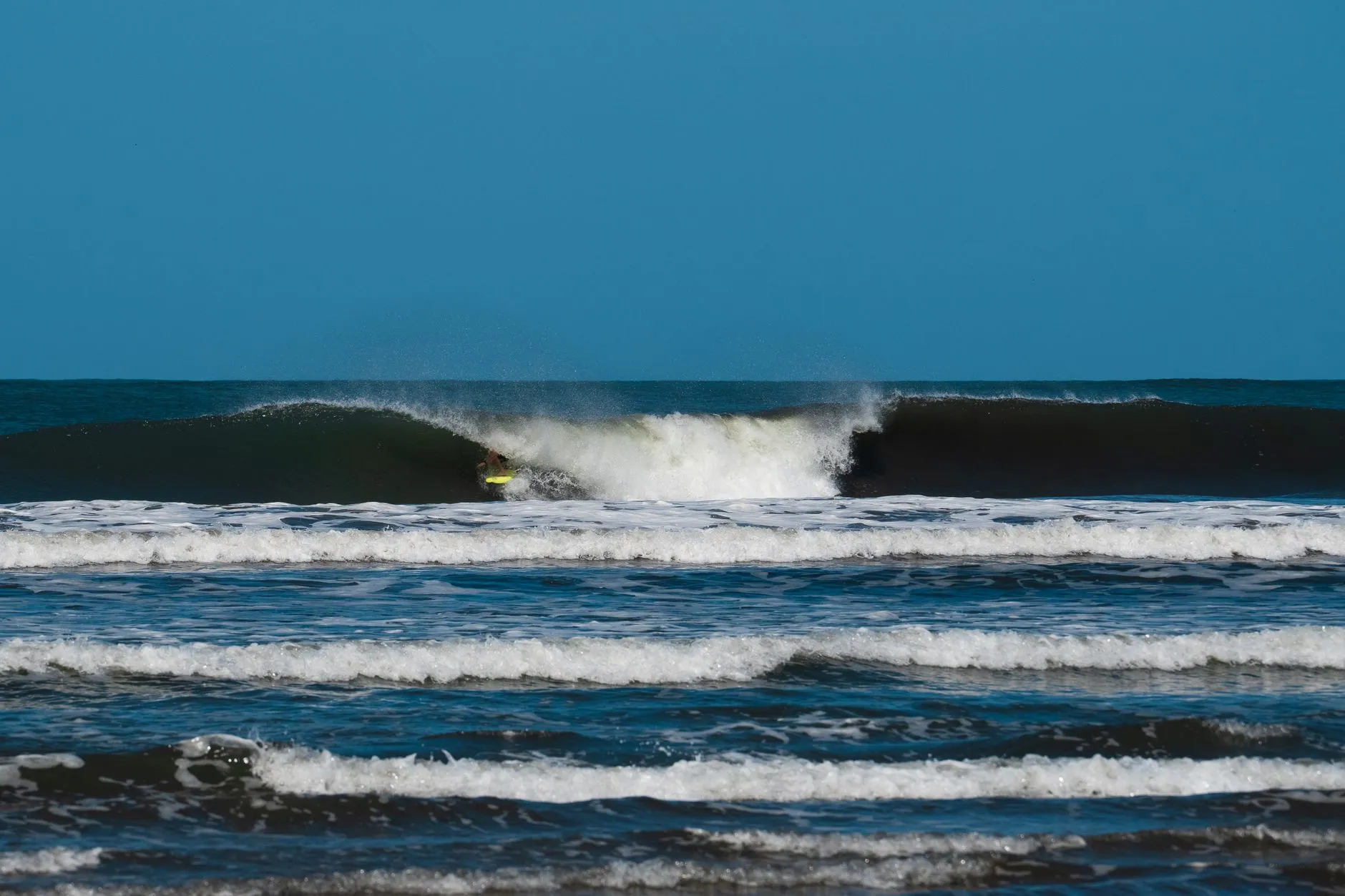
The heaviest sandbar in the north: a beach break so fast and hollow it made its name among bodyboarders before the shortboarders caught on. It breaks best on the morning push around mid tide, spitting left and right over dark sand, with San Cristóbal smoking on the horizon behind you. Getting there means a long dirt road through the shrimp farms west of Chinandega, or a stay at one of the quiet lodges at Aserradores that put you on it at dawn. Watch it for ten minutes before you paddle; the wave is shorter and harder than it looks.
Puerto Sandino
León · Long sand-bottom left
Advanced
On the right day the sandbars off this river mouth link into a left you ride until your legs give up, three hundred meters and more of wall with the odd barrel section. It is fussy: it wants a long-period south and the lower half of the tide, and the paddle from shore is long enough that nearly everyone comes by boat, from the port itself or from the camps at Miramar. The town is a working harbor of fish trucks and heat, not a place to stay, and that keeps the lineup honest. When it connects, this is the longest wave in Nicaragua.
Freight Trains
Puerto Sandino · River-mouth barrel
Advanced
The name is the description: a river-mouth left that runs down its bank so fast that most visitors spend the first set just watching. Low tide pulls proper barrels out of it, a solid south makes it as serious as anywhere in the country, and the current will relocate you between waves without asking. It is a five-minute boat ride from Puerto Sandino, or a rough 4x4 track and a paddle across the estuary if you have local help. Bring your fastest board and pick your wave like it matters.
Miramar
León · Beach and reef peaks
Intermediate
The base camp of the north stretch: a fishing village with a handful of surf camps, a rocky point in front of town and sand peaks either side that catch whatever the south sends. It handles more tide than its famous neighbors, which makes it the default morning wave while you wait for the boat call to Freight Trains or Sandino. Evenings belong to pelicans, pangas and local kids outsurfing everyone on hand-me-down boards. If the north zone is on your list, this is where you sleep.
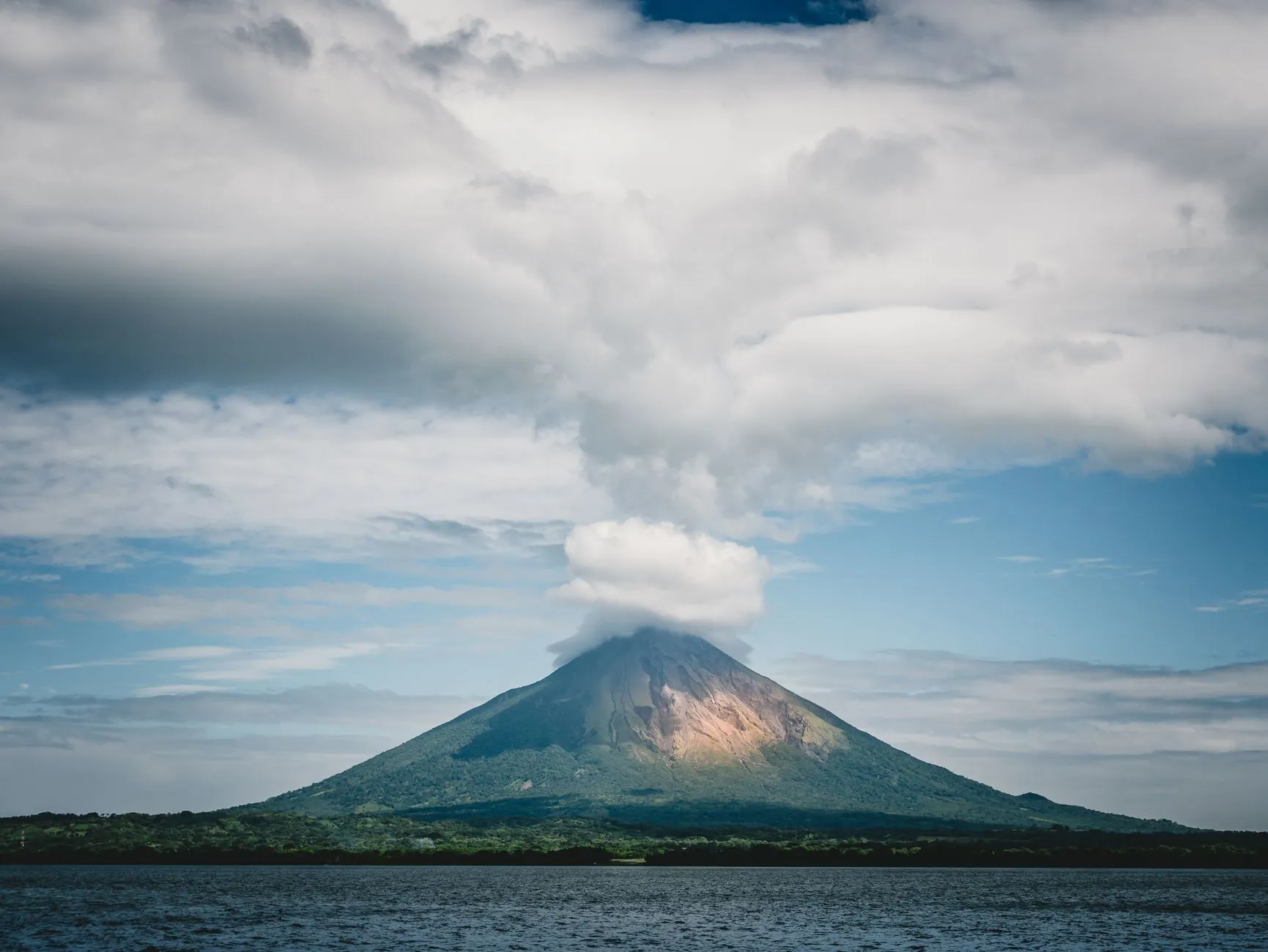
Volcán Concepción rising over Lake Nicaragua, the lake behind the offshore wind
Popoyo and the Tola beaches
The Emerald Coast: a lava reef that almost never goes flat and two beach breaks that turn the same south swell into ramps at Santana and barrels at Colorado. Surf camps and ranchos fill the hills, and a two-week trip here never has to surf the same wave twice.
Popoyo
Tola · Reef break
Intermediate
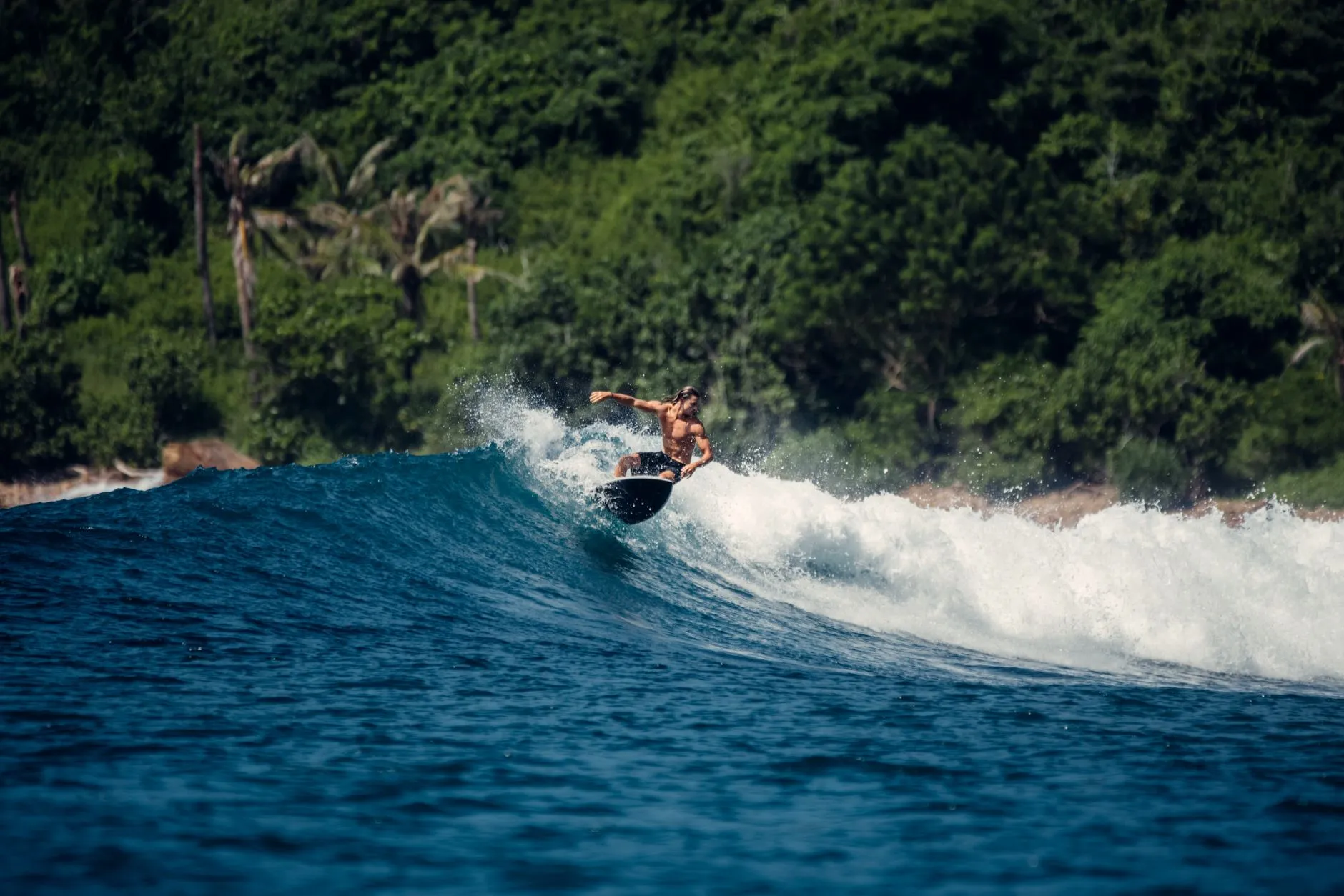
The wave that made the Emerald Coast famous: a lava-reef A-frame that works from waist high to well overhead and rarely takes a day off. You wade in across the flats of the Salinas river mouth with your board on your head, and the reef sorts the lineup: a short punchy right one way, a longer wall the other. On the biggest south swells the Outer Reef, a few hundred meters out, becomes a genuine big-wave peak for the local chargers. Dawn is your window; by nine the whole coast has arrived.
The contest bank of the coast: a set of shifting peaks in front of the Rancho Santana land that the national federation uses when it wants walls and ramps. The north end wedges off a little river mouth, the middle runs fast rights over sand and rock, and the peaks spread far enough that the crowd does too. Guards wave surfers through to the beach and everyone is used to visitors. When Colorado is closing out, this is usually the answer.
Colorado
Tola · Barreling beach break
Advanced
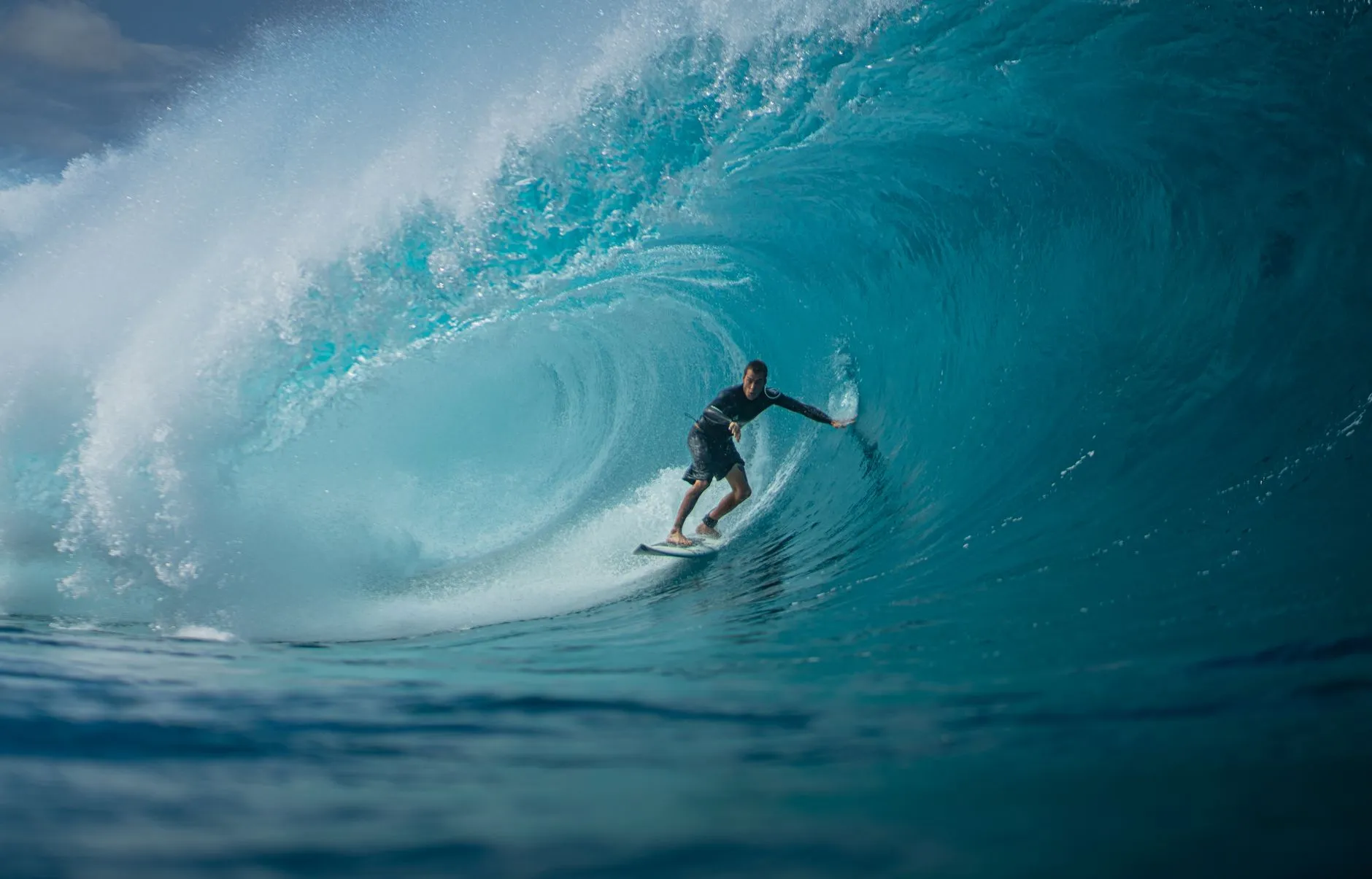
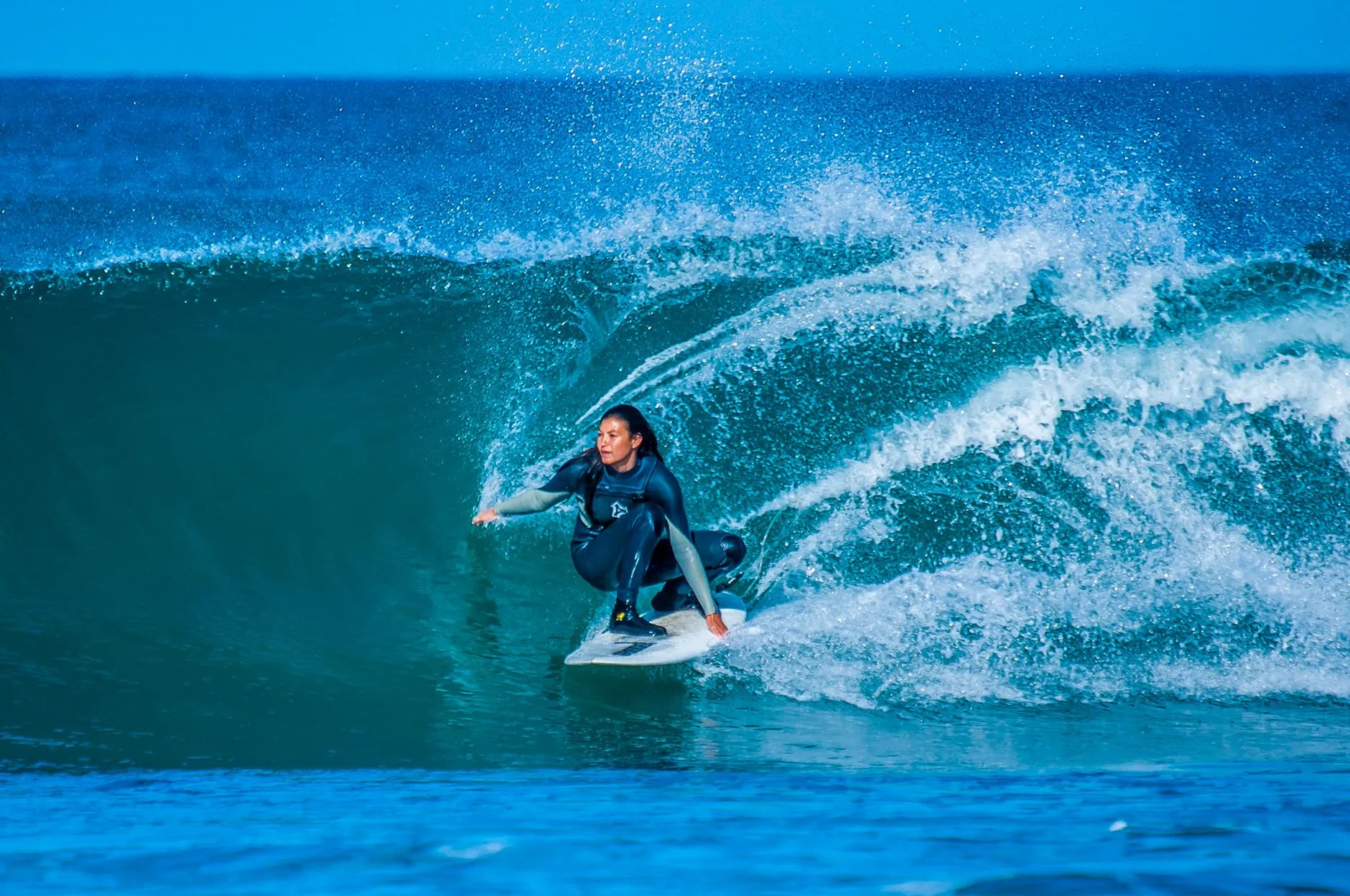
The best beach break barrel in the country lives behind a security gate. Playa Colorado fronts the Hacienda Iguana community, so you either book a place inside, or you do what most traveling surfers do and take a panga from Playa Gigante that anchors off the peak. The wave itself is short, square and shockingly good: a sand-bottom drainer that snaps boards on a mid-size south with the morning offshore holding it open. The people who live behind the gate surf it every day and know exactly when it turns on; be the polite visitor and you will get yours.
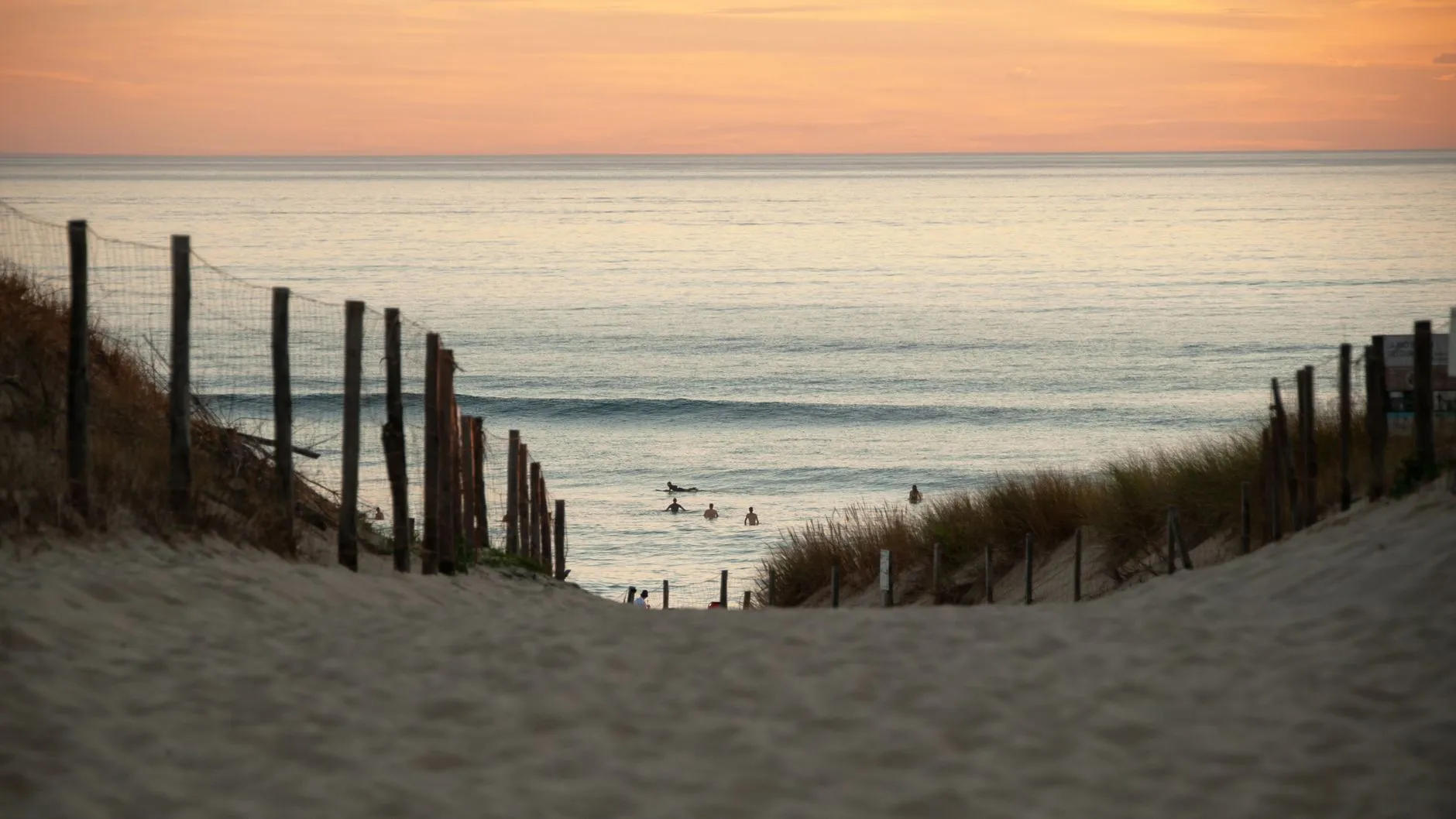
Tucked in behind the curtain on an offshore-groomed sandbar
The San Juan del Sur corner
The party town of the south, with cheap shuttles and two beaches that split the job: Maderas takes everyone from first green wall to sunset crowd, Remanso teaches the takeoff in a sheltered bay. If you came to Nicaragua to learn, you will end up here, and the fish tacos help.
Playa Maderas
San Juan del Sur · Beach break
Beginner
San Juan del Sur's daily wave, twenty minutes of dirt road north of town, with hostel shuttles timed so the whole backpacker strip lands on it for the sunset session. The peaks shift along the sand and forgive almost everything, there is a hollower right against the rocks at the north end, and rental boards live under the beach shacks next to the taco grills. It is the most crowded lineup in Nicaragua and somehow still fun, because everyone out there is having the session of their trip. Paddle out at dawn and you get the groomed version nearly alone.
Playa Remanso
San Juan del Sur · Sheltered beach break
Beginner
The learning bay: a sheltered curve of sand ten minutes south of San Juan del Sur where the swell arrives filtered and the schools line up their soft-tops every morning. Whitewater on the inside, a slow shoulder off the rocks for your first green walls, and instructors who have pushed thousands of people into their first takeoff. When the coast is maxed out in June or July it stays rideable, which is exactly when you will appreciate it. Mind the rocks at the south corner on low tide and it will treat you gently.
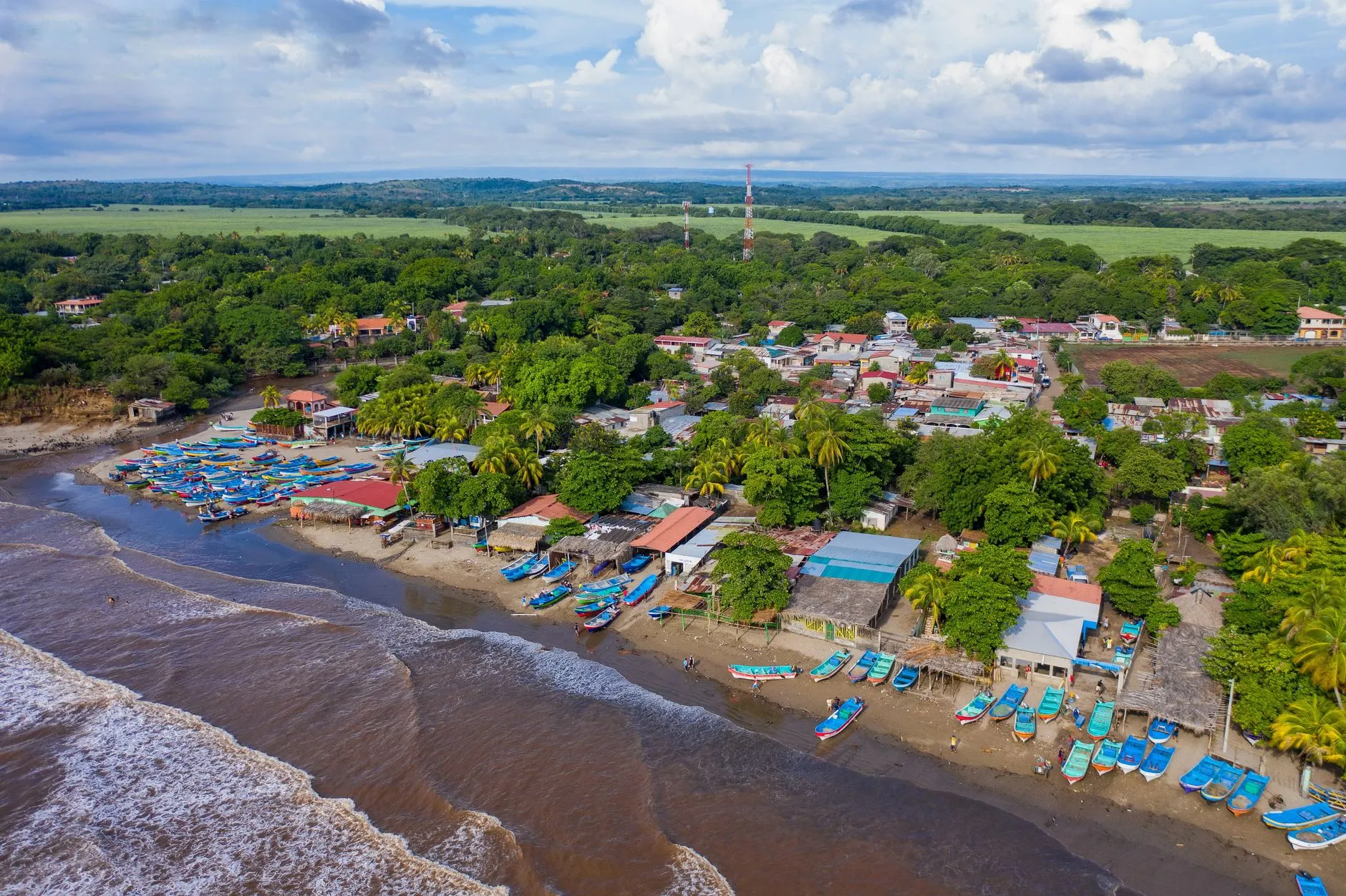
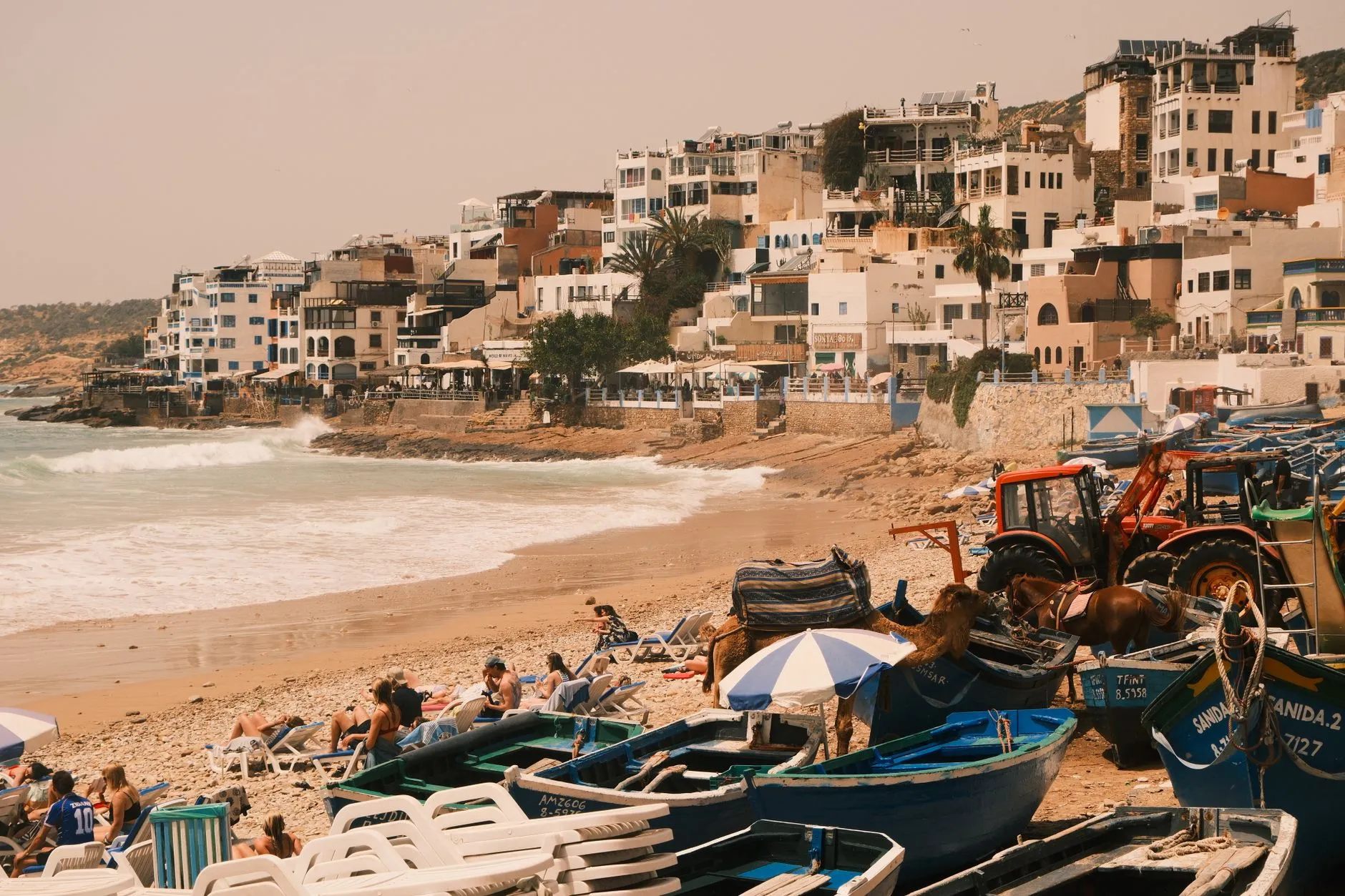
Fishing pangas hauled up the sand on Nicaragua's Pacific coast
When to go
A year in Nicaragua
Typical conditions, month by month. The ocean did not sign this table: for live waves, wind and tide, check the app.
January
2-4 ft
79°F · spring suit · Beginner
Papagayo season in full voice: weeks of hard offshore, small groomed peaks, the odd day too windy to surf at all. Remanso and Maderas stay friendly.
February
2-4 ft
79°F · spring suit · Beginner
Still small, still windy, still empty. Long-period south pulses light up the sandbars for a morning at a time; learners own the rest.
March
3-5 ft
81°F · boardshorts · All levels
The first real southern swells land on an offshore that never stopped. Brown dry-season hills, quiet lineups, the season switching on.
April
4-6 ft
82°F · boardshorts · All levels
Swell season proper: consistent south groundswell, hot afternoons, the last dust before the rains. Every level eats well.
May
4-6 ft
84°F · boardshorts · Intermediate
The first rains green the whole coast in a week. Swells stack up, storms build in the afternoon, and the mornings are immaculate.
June
5-8 ft
84°F · boardshorts · Advanced
The serious window opens: overhead south swells, warm rain, offshore until dark. Colorado and The Boom go from playful to consequential.
July
5-8 ft
82°F · boardshorts · Advanced
Peak season. Book the north-zone boats early, surf the beach breaks before the biggest pulses, and let Popoyo absorb the rest.
August
5-8 ft
82°F · boardshorts · Advanced
Still pumping. The Outer Reef at Popoyo wakes on the biggest swells while the beach breaks want the in-between days.
September
4-7 ft
84°F · boardshorts · Intermediate
The wettest month and one of the best: travelers thin out, the south keeps sending, and the storms pass through and leave glass behind.
October
3-6 ft
84°F · boardshorts · All levels
The season winds down through heavy afternoon rain. Mornings stay groomed, and some years October pumps to the very end.
November
2-4 ft
82°F · boardshorts · All levels
The rain stops, the wind returns, the country dries out. Small clean peaks everywhere and almost nobody on them.
December
2-4 ft
81°F · spring suit · Beginner
The Papagayo builds over the holidays: groomed waist-high walls, wind-chilled dawns, lineups that empty out by afternoon.
Good to know
When is the best time to surf Nicaragua?
March to October is the swell season: the southern hemisphere sends groundswell after groundswell, and June to August brings the biggest and most consistent waves. November to February is the windy season, when the Papagayo blows hard offshore for weeks; waves are smaller and always groomed, though some days are honestly too windy. There is no bad month for a beginner, and the offshore mornings never stop.
Why is Nicaragua offshore all day?
Lake Nicaragua. The trade winds blow from the Caribbean across the isthmus, and the great lake behind the southern coast gives them a smooth run all the way to the Pacific, so they arrive at the beach blowing off the land. Most surf coasts get an hour or two of morning offshore; here it holds from dawn until dark on more than 300 days a year. From November to February the same effect strengthens into the Papagayo, which can blow 30 knots and put spray on everything.
Is Nicaragua good for beginners?
Very. Remanso near San Juan del Sur is a sheltered sandy bay with schools every morning, Maderas has soft forgiving peaks and rental boards on the sand, and the camps around Popoyo and Miramar teach on their own quiet beaches. Water is 26 to 29°C all year, so lessons happen in boardshorts, and the constant offshore keeps the waves clean enough to learn on almost every day. November to February brings the friendliest sizes.
How do I reach Colorado and the northern boat waves?
Playa Colorado sits inside the gated Hacienda Iguana community: book a house or condo inside and you walk to the peak, otherwise arrange a panga from Playa Gigante, which anchors in the channel. In the north, Puerto Sandino and Freight Trains are boat waves too, organized through the camps at Miramar or skippers at the port, though a 4x4 and local knowledge open a land route. The Boom is simpler: a long dirt road to Aserradores and you sleep next to the wave. Nothing here needs more planning than one WhatsApp message the night before.