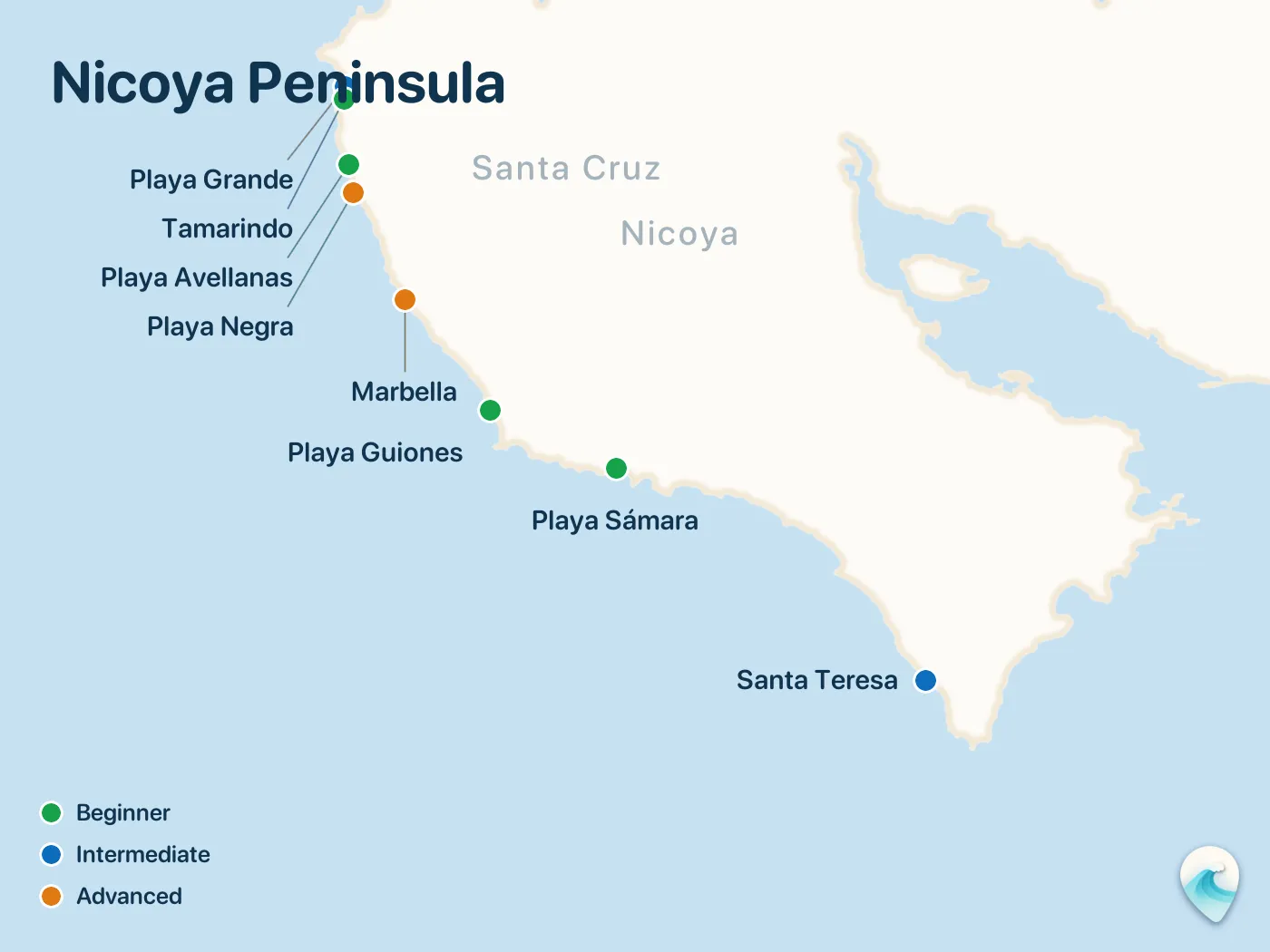
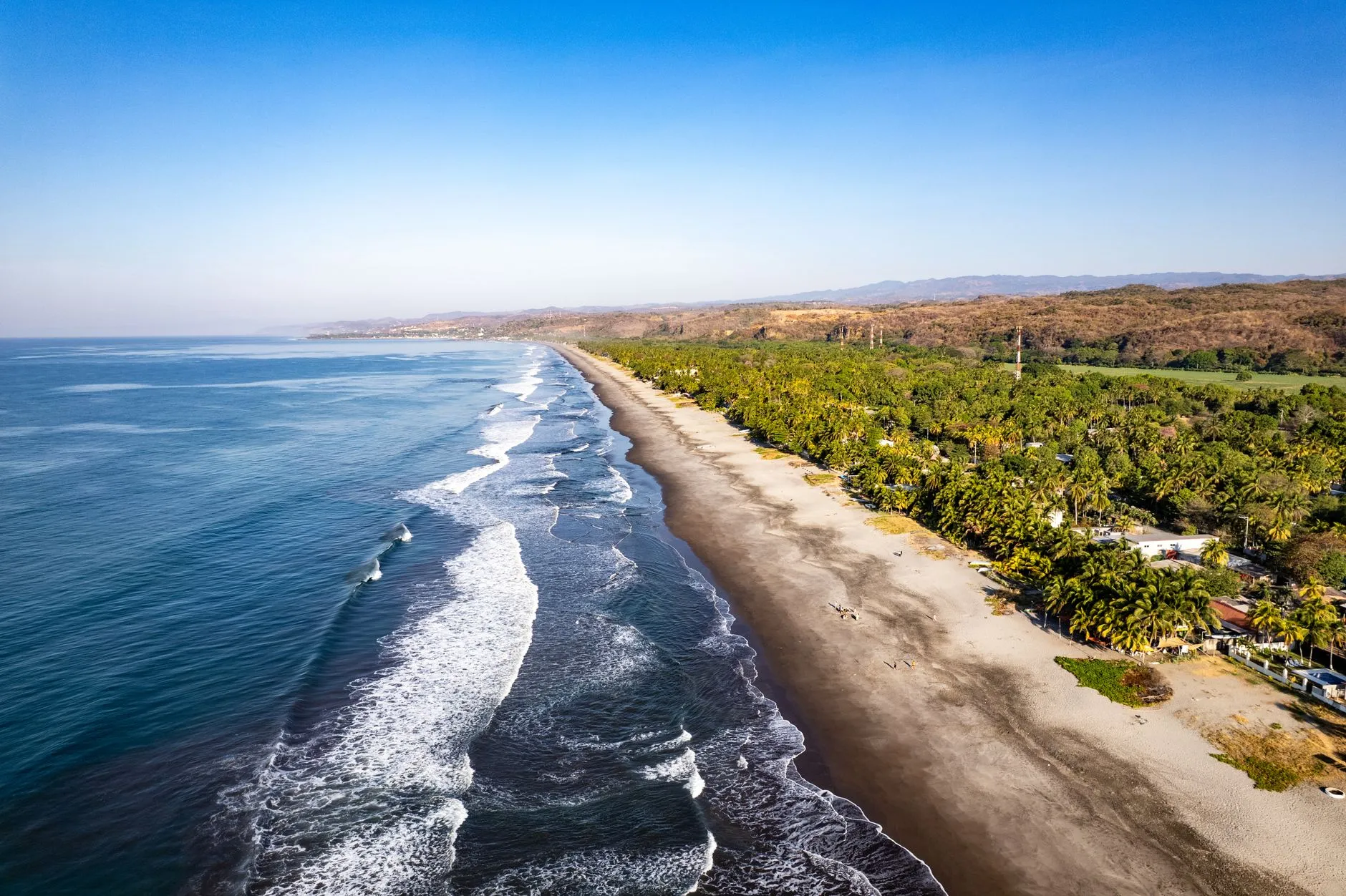
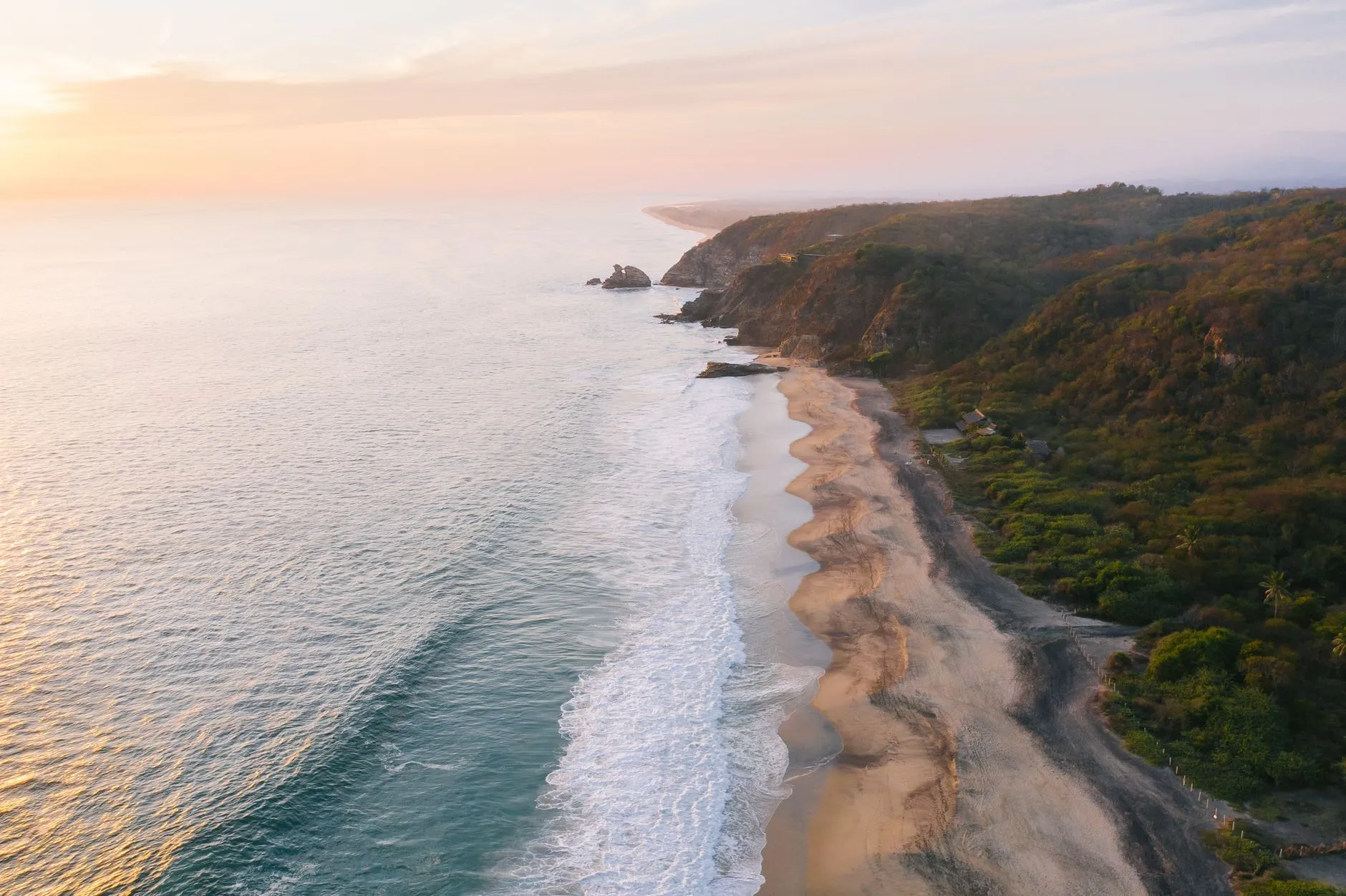
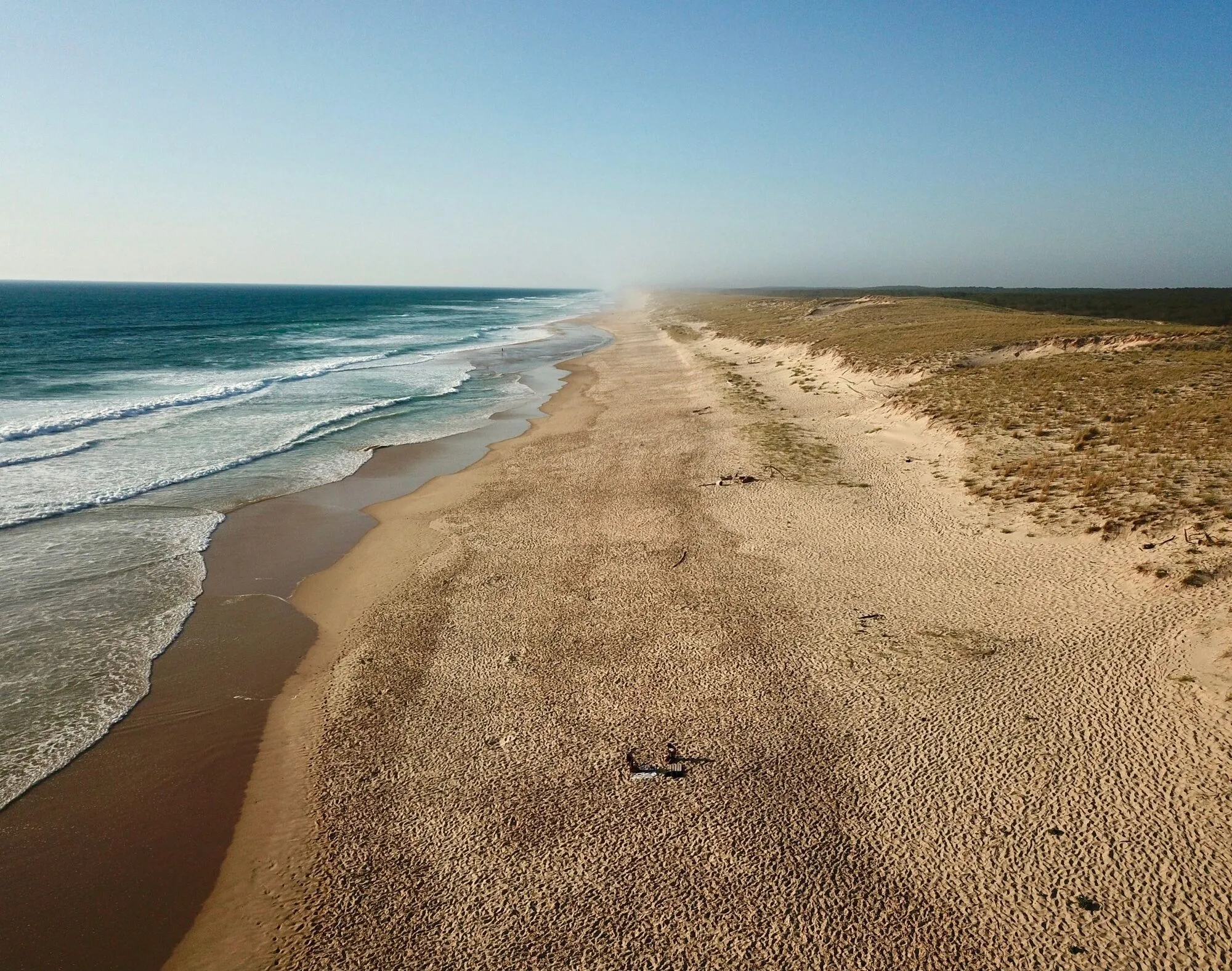
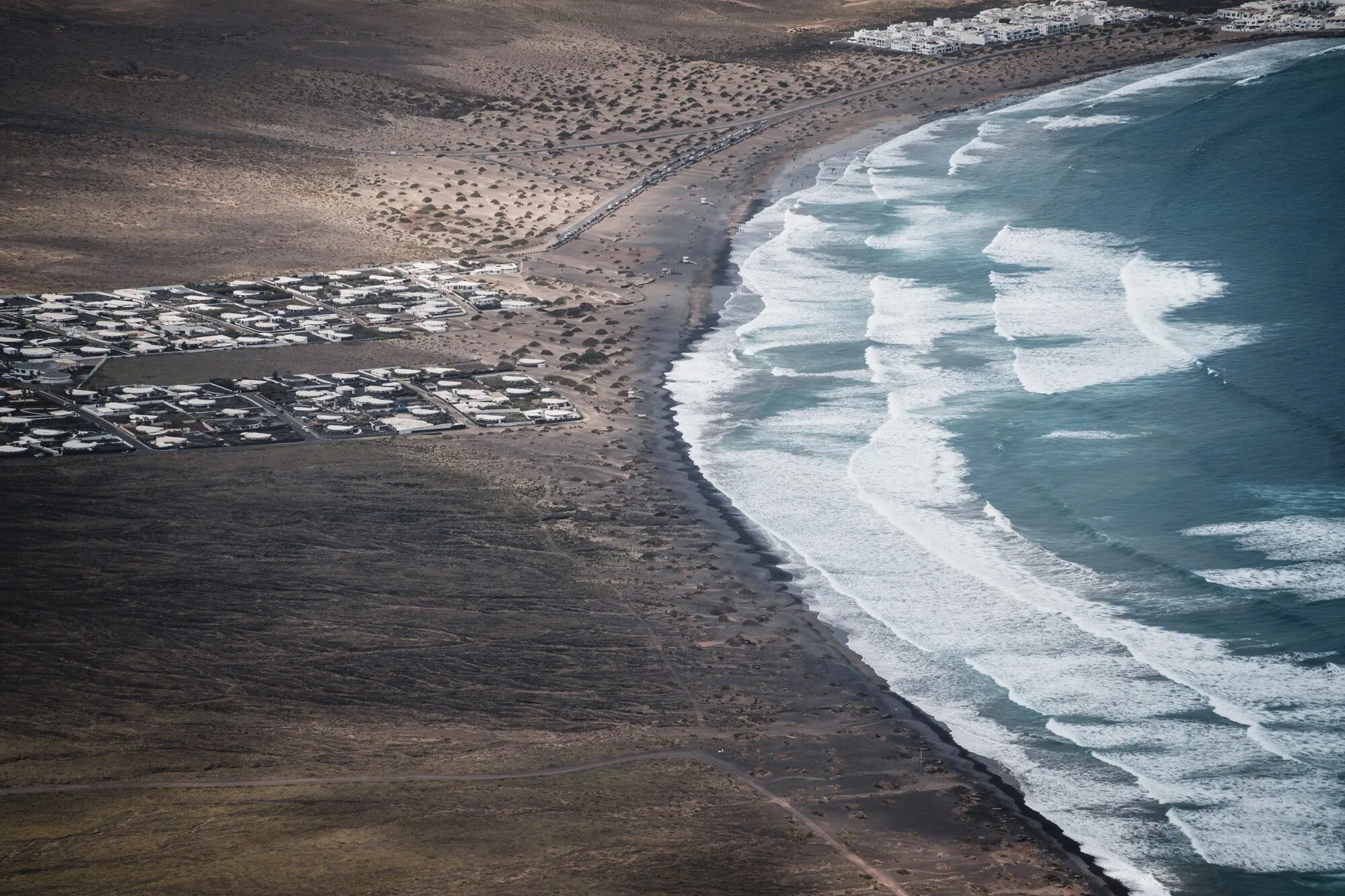
Fold a map of Costa Rica and the Nicoya Peninsula is the arm reaching furthest into the Pacific: a hundred and something kilometers of gold sand, dust roads and jungle that grows right down to the tide line, from the turtle sands of Playa Grande to the last dusty street of Santa Teresa. This is the coast Endless Summer II put on screen in 1994, in the country that answers most questions with pura vida. Howler monkeys handle the alarm clocks, iguanas supervise the beaches, and Nicoya is one of the world's five Blue Zones, the places where people quietly forget to stop living. Nobody can say whether the surf made the lifestyle or the lifestyle made the surf.
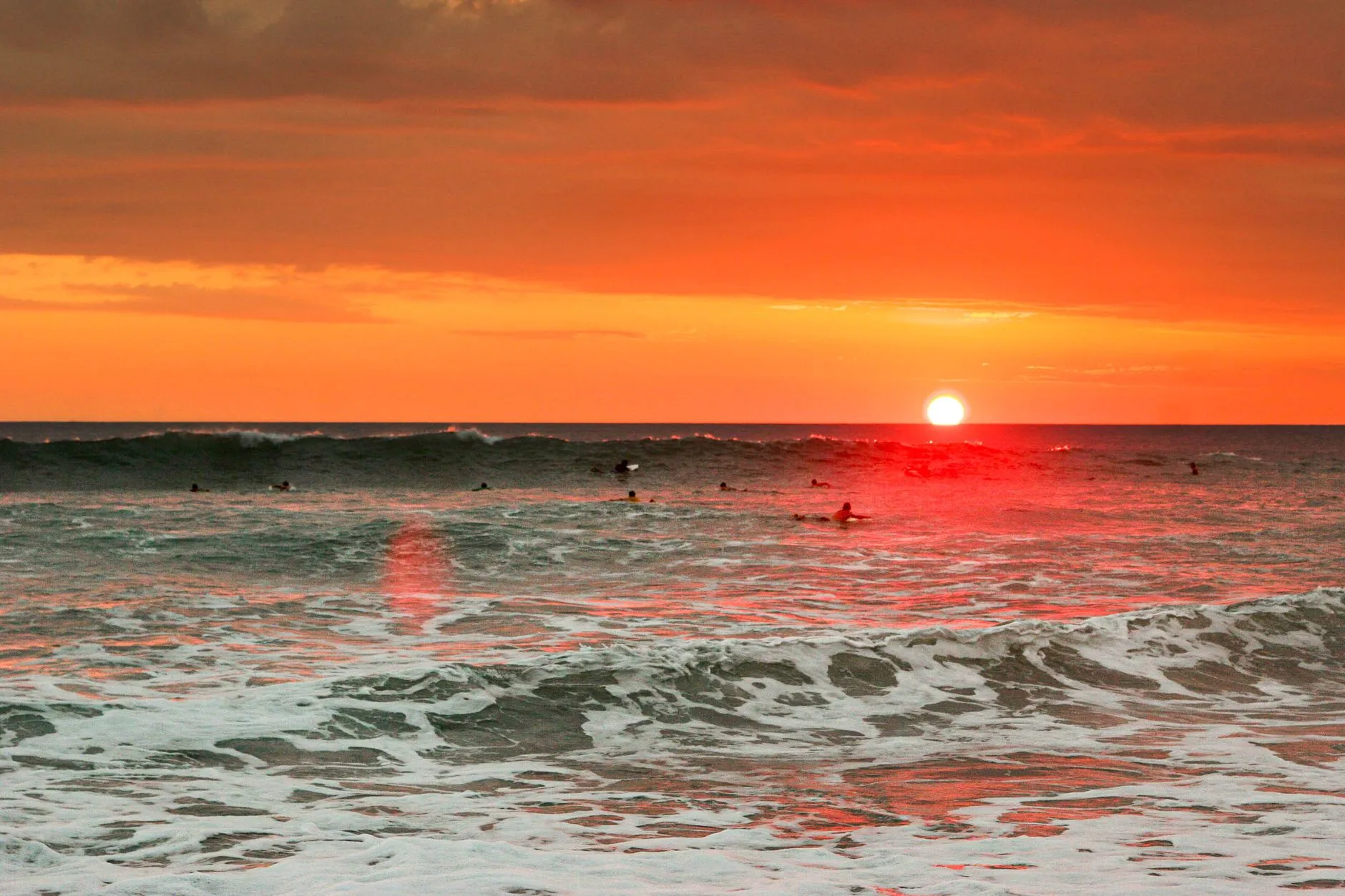
The rules here are simple and non-negotiable. There are two seasons, not four: from December to April the Papagayo wind pours offshore over swell born far to the north-west, and from May to November long south groundswells arrive under calm, glassy mornings before the afternoon rain. The water holds 26 to 29 degrees every month of the year; a wetsuit is something other people wear. And mornings are everything, because by ten the wind stirs and the day has already given what it will. Surf at dawn, sleep through noon, and be back in the water when the sky starts its nightly fire.
Best months
Good all year: December to April for offshore mornings, May to November for south swell
Water
26 to 29°C all year: boardshorts, with a spring suit at most for dawn patrol early in the year
Levels
From Sámara's whitewater to the rock shelf at Playa Negra
Getting there
Fly to Liberia for the Tamarindo corner and Nosara; Santa Teresa is a ferry and a dirt road from San José
Half an hour of coast that covers a whole surfing life: first waves inside Tamarindo's bay, a peak for every mood at Avellanas, barrels across the estuary at Grande and a rock-shelf exam at Negra. Base yourself anywhere in the corner and let each morning's swell pick the beach.
Playa Grande
Las Baulas · Beach break
Intermediate
Tamarindo's serious neighbor across the estuary, and the best wave in the corner when a mid tide meets a south swell: fast, hollow peaks over sandbars that hold well overhead. The beach belongs to Las Baulas National Park, where leatherback turtles nest from October to March, so access closes at night in season and the sand has stayed wild. Cross from Tamarindo with one of the estuary boatmen, or drive the long way around. Do not swim the channel: the crocodiles are not a rumor.
Tamarindo
Tamarindo · Mellow beach break
Beginner
The town where half the visiting world caught its first wave, and it still does that job as well as anywhere: soft rolling peaks inside the bay, bath-warm water, a soft-top under every other arm. Schools line the sand and the crowd is part of the deal, but the wave forgives almost everything. The rivermouth at the north end turns on with more swell; it is also the crocodiles' front door, so take the estuary signs at their word and stay out of it at dusk. When the town gets loud, quieter waves wait fifteen minutes in every direction.
Playa Avellanas
Santa Cruz · Beach and reef peaks
Beginner
Fifteen minutes of washboard road south of Tamarindo buys a beach with a peak for every mood: soft sandbars in front of Lola's for improvers, faster banks scattered along the sand, and an outer reef the locals call Little Hawaii that doubles the size of whatever swell arrives. The mangrove behind keeps the buildings away, so it still feels like a day trip even when the car park fills. Order a coconut at the beach bar between sessions and leave the shade to the resident pig.
Playa Negra
Los Pargos · Rock-reef right
Advanced
The reeling right that stole its scene in Endless Summer II, still breaking over the same shallow shelf of rock. It is a short, intense ride: a steep drop, a barrel if you set your line immediately, and an inside section that collects skin from anyone casual. It wants mid tide and a decent swell; at low it is closer to geology than surfing. The local crew is small, talented and has seen every visitor mistake, so wait your turn and keep your smile handy.
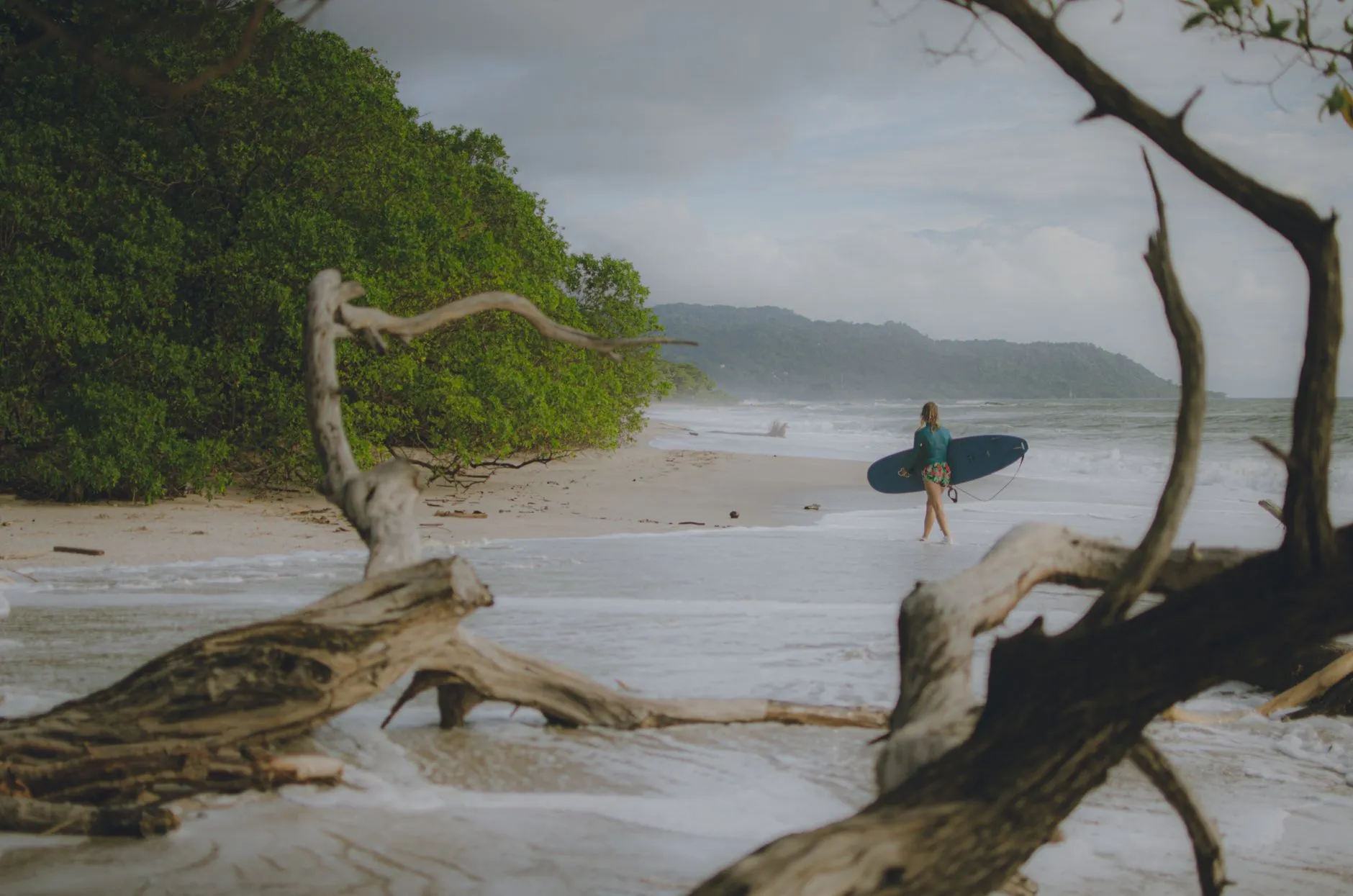
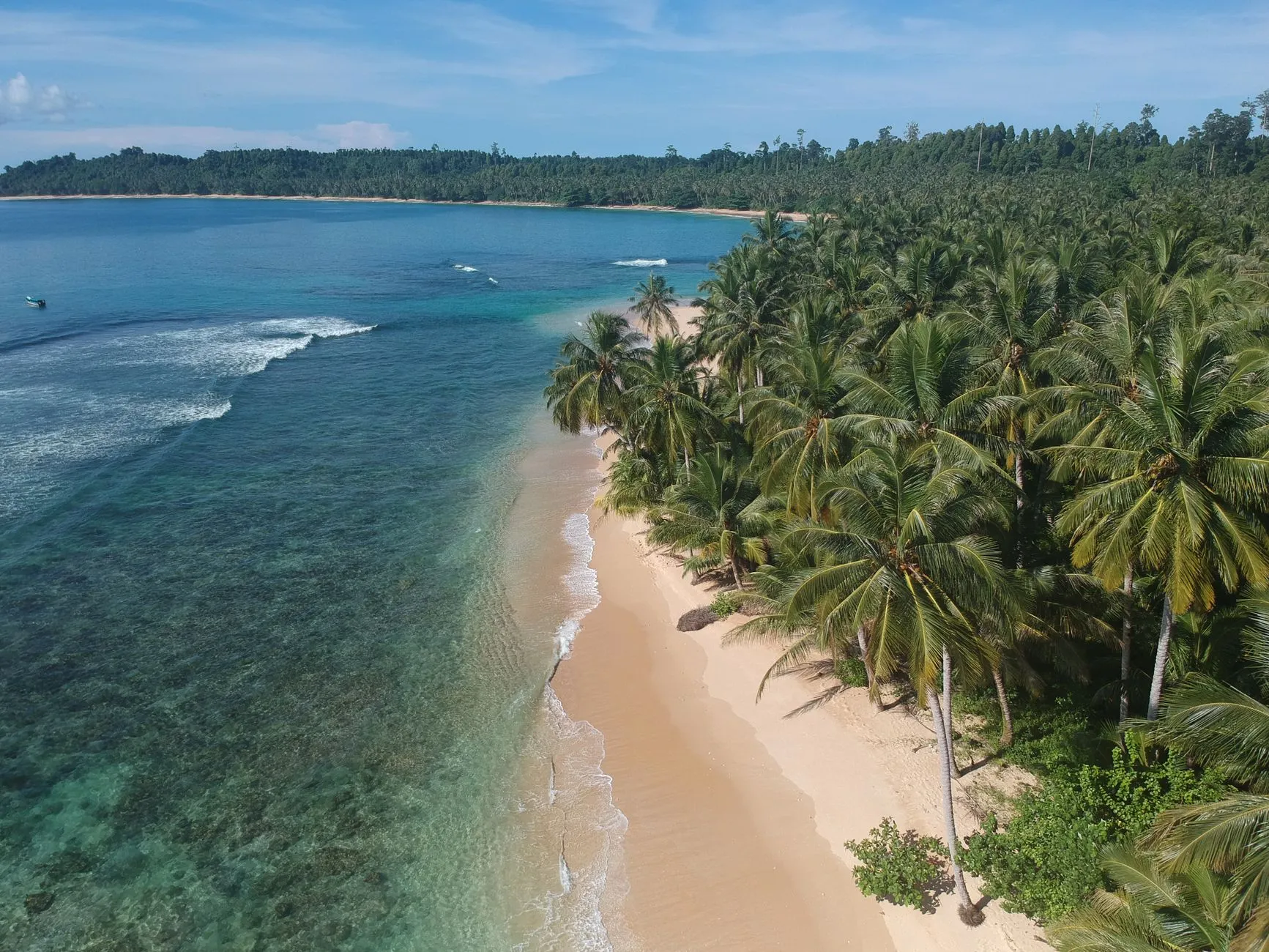
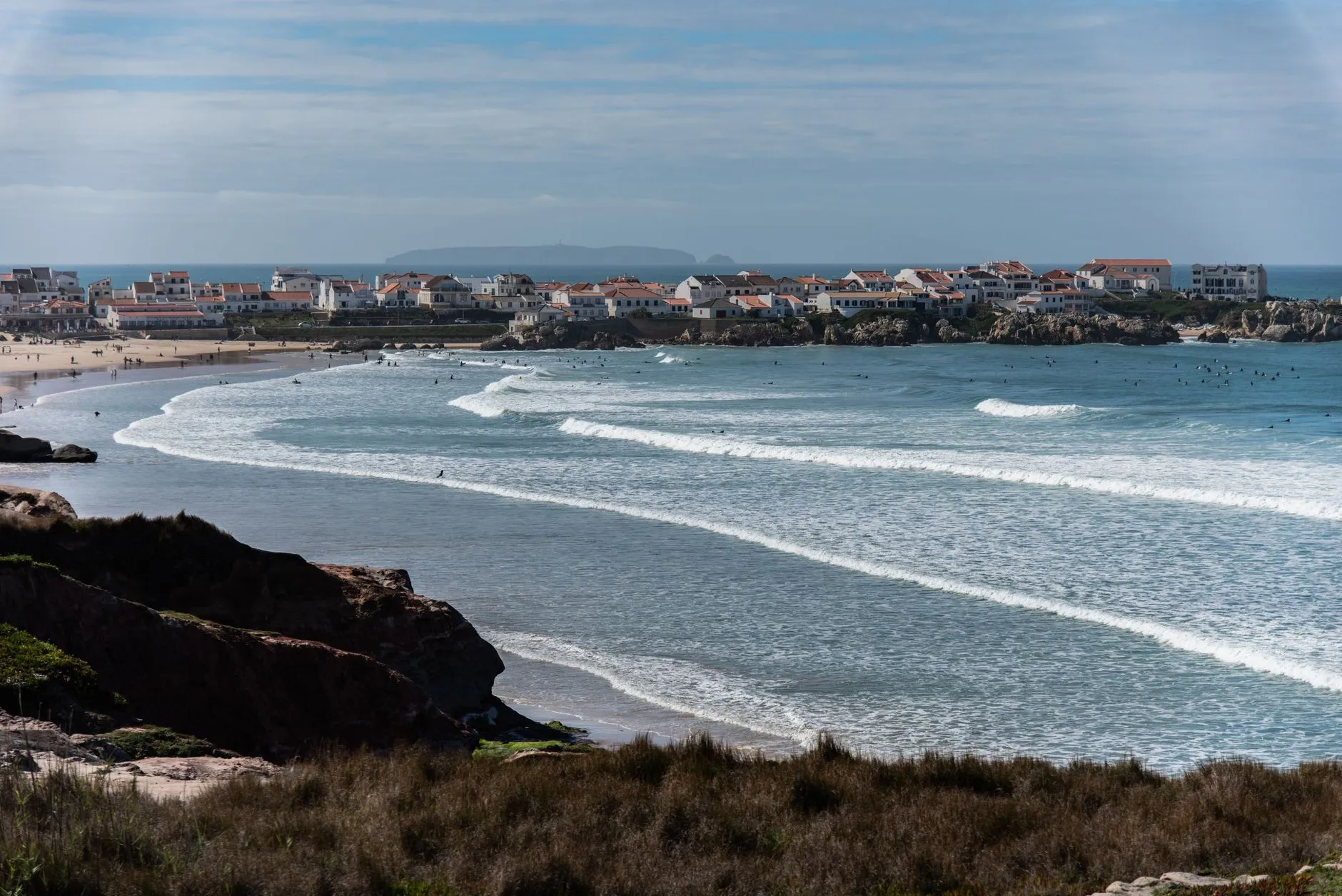
A surfer picks through the driftwood at Playa Tamarindo
The wild middle
Between Negra and Nosara the pavement gives up and the coast empties out. Marbella turns unclaimed swell into hollow peaks, and just north, Ostional stages the arribadas, when tens of thousands of ridley turtles come ashore in a few nights. Out here you plan around fuel, water and daylight.
Marbella
Santa Cruz · Hollow beach break
Advanced
The empty stretch between Negra and Nosara that gathers more swell than anywhere around and folds it into hollow, shifting wedges. On its day it is the best beach break on the peninsula, shared with three surfers and a squadron of pelicans. The currents work hard, help is far, and there is no shop at the end of the dirt road, so bring water, a spare leash and a friend. If it looks like too much from the beach, believe the beach.
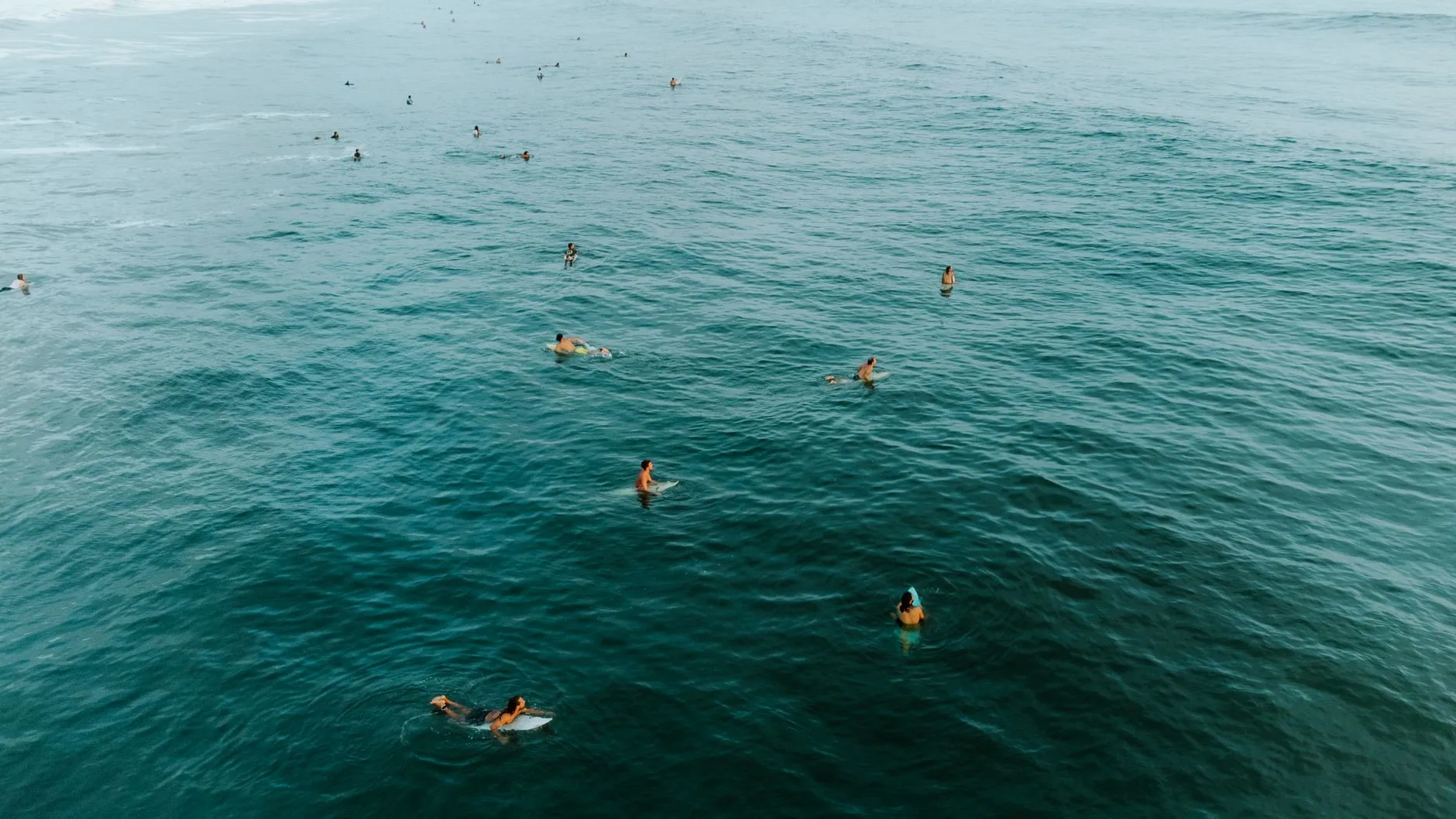
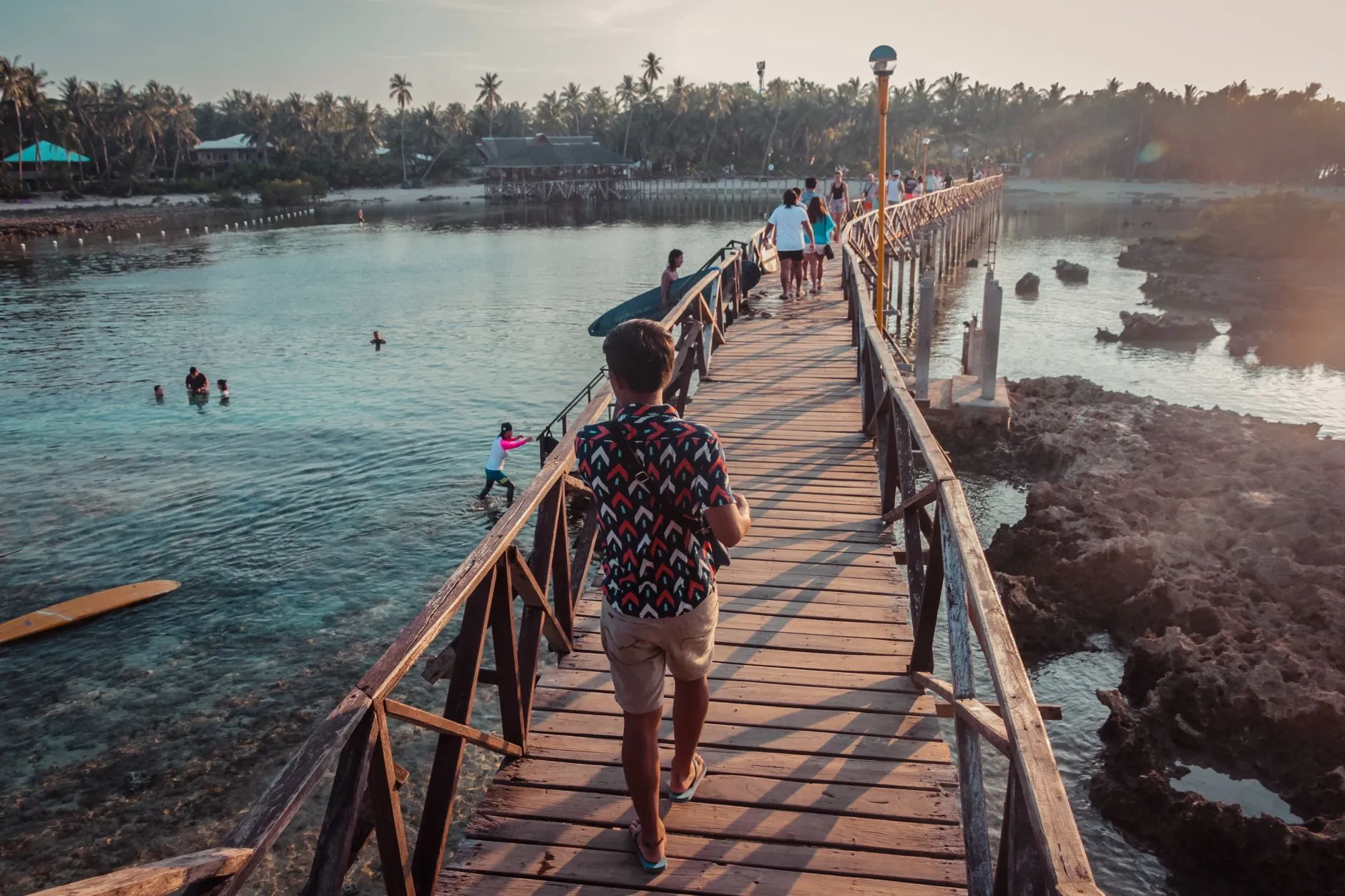
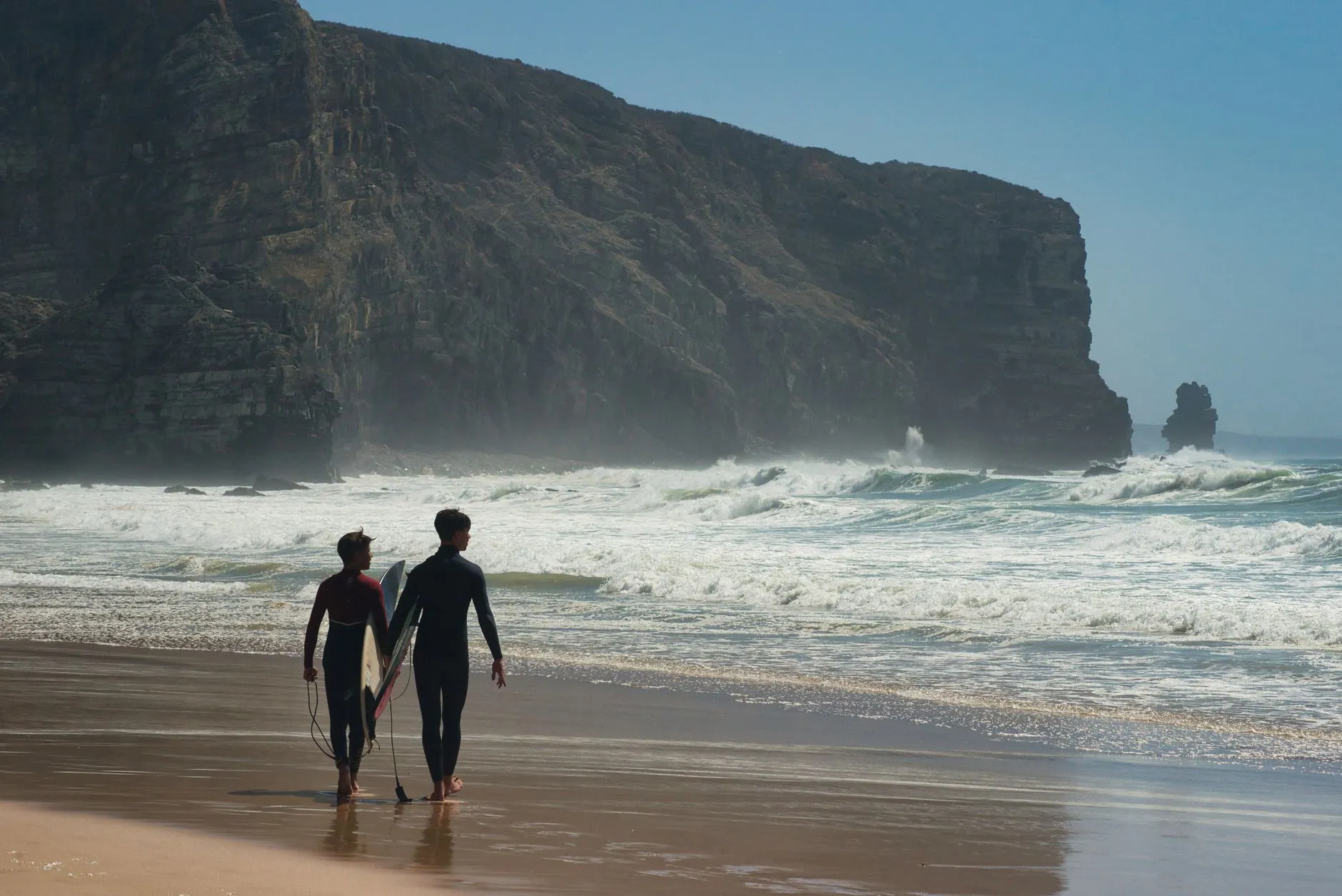
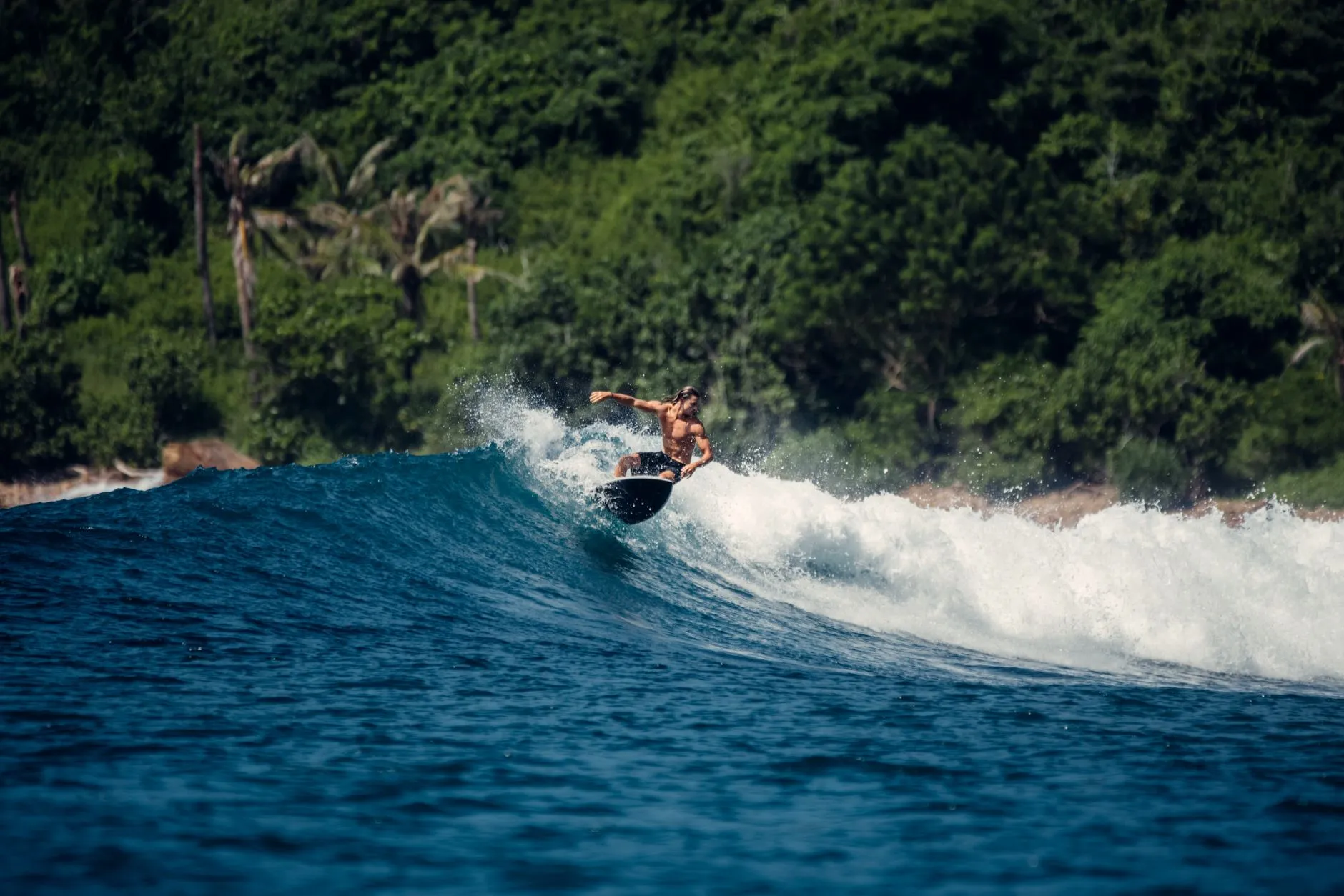
Warm water and company in the lineup, Pacific coast of Costa Rica
Nosara and the gentle south
Guiones catches everything and forgives almost everything, which is how Nosara became the country's longboard and yoga capital. An hour south, Sámara's sheltered bay is the kindest classroom on the peninsula. Together they explain the people who came for a week and are still here.
Playa Guiones
Nosara · Long sandy beach break
Beginner
Nosara's main event and the most reliable wave in this guide: five kilometers of sand that catch nearly every swell the Pacific offers. The outer peaks hand long walls to longboards and shortboards alike, the inside is one vast forgiving classroom, and the jungle strip behind the dunes means you step out of the trees straight into the lineup. Yoga at four, howler monkeys at five the next morning: yes, it is exactly the cliché, and the cliché works. Crowds are real, but five kilometers absorb a lot of people.
Playa Sámara
Sámara · Sheltered bay break
Beginner
A reef across the mouth of the bay strains the ocean before it reaches the sand, so what arrives is small, orderly and patient. This is where Tico families come to learn, and the beach matches the wave: gentle, unhurried, ceviche under the palms. When the whitewater stops teaching you things, walk north to the rivermouth at Buena Vista for an honest open-ocean peak. Sunset here repairs any flat day.
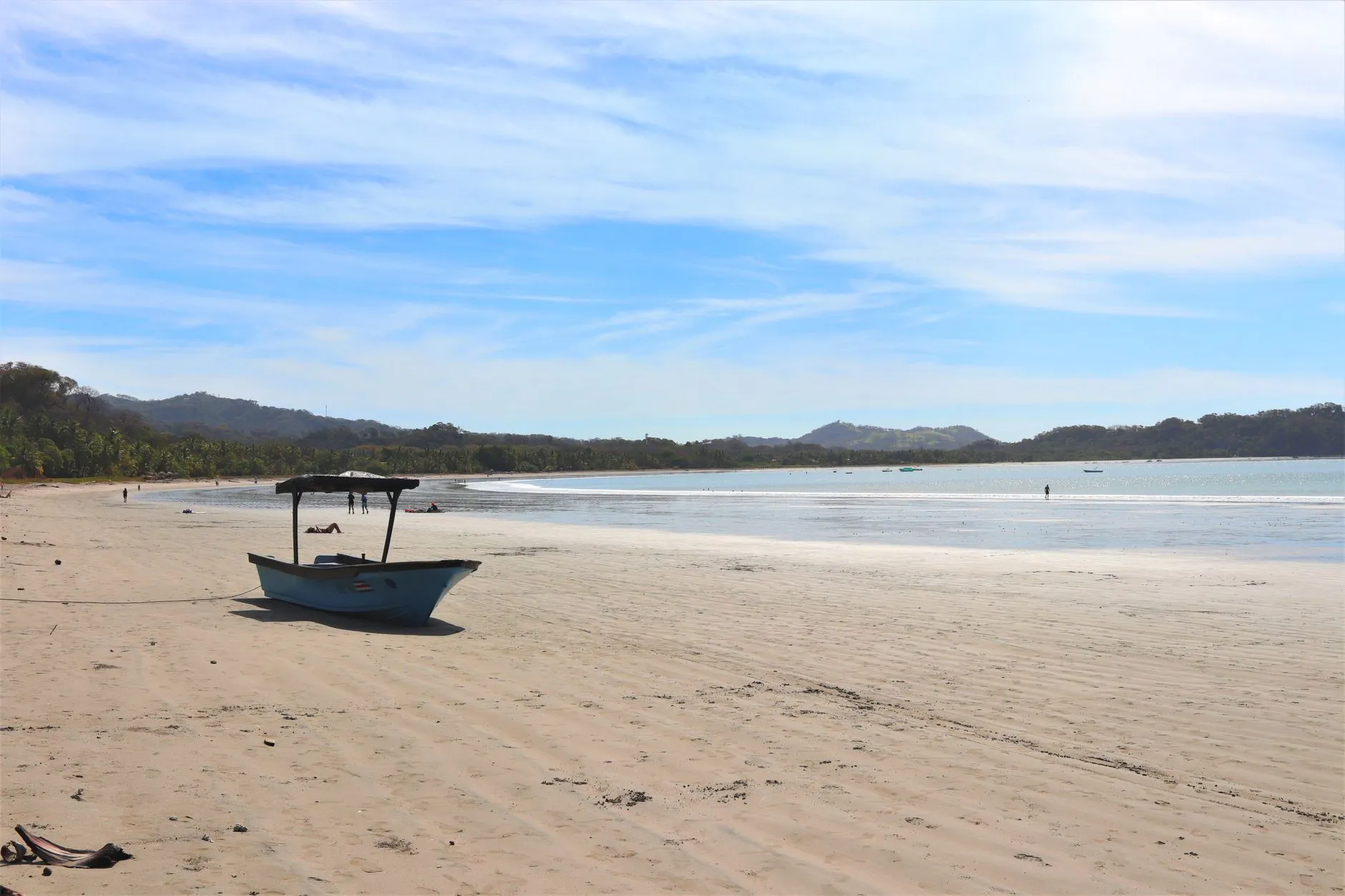
A fisherman's boat on the sand at Playa Sámara
The end of the road
Santa Teresa hangs off the peninsula's tip, a ferry and a dirt road from everywhere, which filtered the crowd until the secret got out. The reward has not changed: swell almost every day, sandbars that barrel, and sunsets that stop the entire street.
Santa Teresa
Cóbano · Fast beach break
Intermediate
The end of the dirt road and the reason people brave the ferry: fast, punchy peaks that barrel when the banks line up, with swell nearly every day of the year. The town is one dusty street of surf shops, smoothie bars and quads, and the beach does the real work fifty meters behind it. Dawn is your window; by mid-morning the wind stirs and everyone who overslept joins you. In the green season the road in is part of the adventure: high clearance, low expectations, and check the river before you cross.
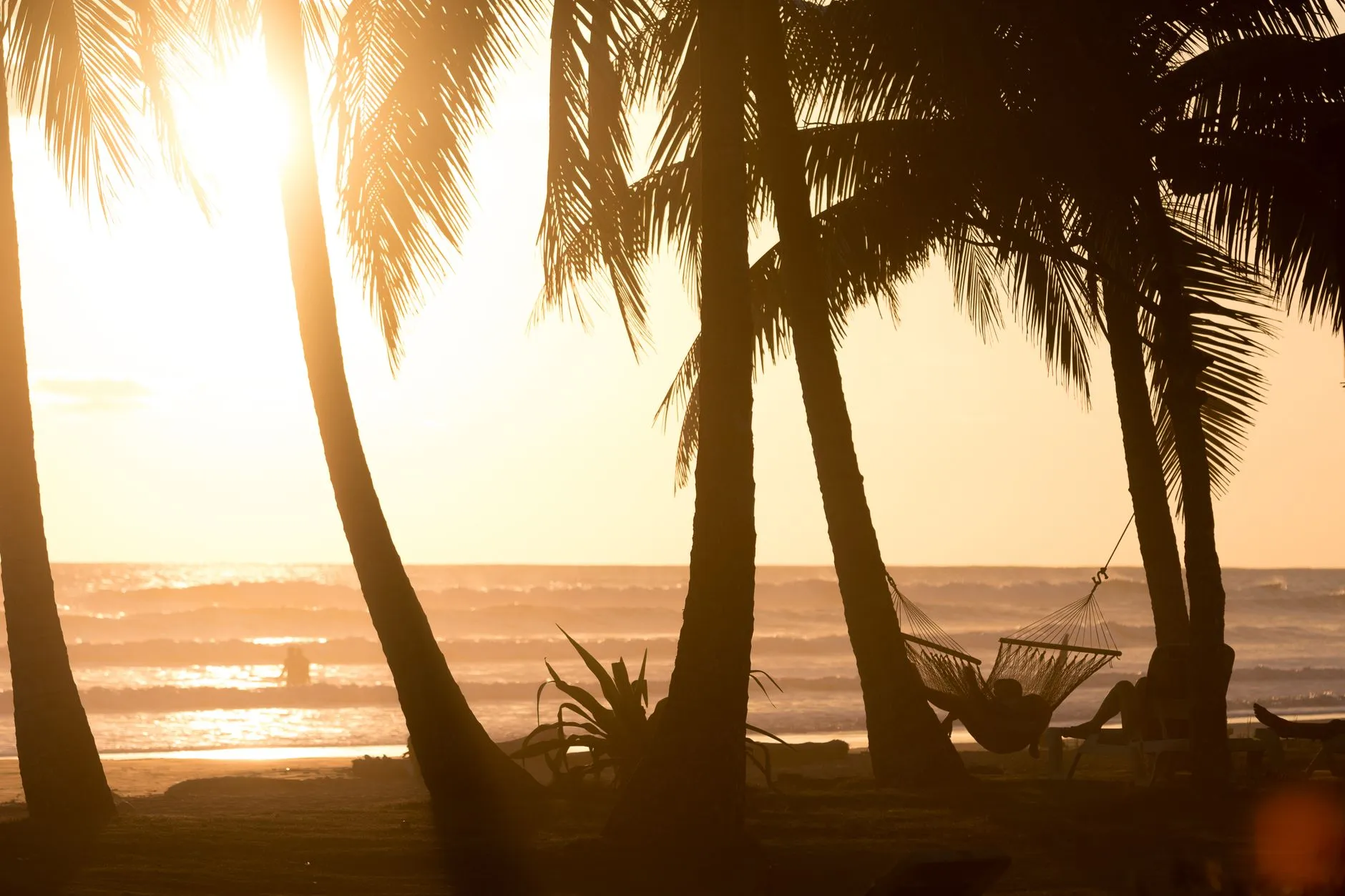
Sunset and a hammock under the palms, Pacific coast of Costa Rica
When to go
A year in Nicoya Peninsula
Typical conditions, month by month. The ocean did not sign this table: for live waves, wind and tide, check the app.
January
2-4 ft
81°F · boardshorts · All levels
High season at full tilt: the Papagayo wind grooms every north-west pulse into clean lines, and the mornings feel made to order.
February
2-4 ft
79°F · spring suit · Beginner
The driest, smallest month, and the upwelling can cool the water a few surprising degrees. Learners get the best of it.
March
2-4 ft
79°F · spring suit · All levels
Heat builds, dust settles on everything, and the first south pulses sneak in. If Easter lands in March, book far ahead.
April
3-5 ft
82°F · boardshorts · All levels
The hinge of the year: winds soften, south swell turns regular, and the first rains rinse the dust off the trees.
May
4-6 ft
84°F · boardshorts · All levels
The coast turns green in a week. Glassy mornings, rain by mid-afternoon, and swell that simply does not stop.
June
4-6 ft
84°F · boardshorts · Intermediate
Steady south groundswell and thinner crowds. The rhythm writes itself: surf early, nap through the rain, repeat.
July
4-6 ft
82°F · boardshorts · All levels
The veranillo, a little summer inside the green season, often serves two dry sunny weeks with swell to match.
August
4-6 ft
82°F · boardshorts · Intermediate
South pulses arrive back to back. At Ostional the big arribadas begin: check the moon and go watch the turtles land.
September
5-8 ft
82°F · boardshorts · Advanced
The biggest month begins, and the wettest. Empty overhead peaks between downpours, and the road to Santa Teresa starts testing rental cars.
October
5-8 ft
82°F · boardshorts · Advanced
Peak rain: rivers cross the roads and parts of Nosara go quiet. The reward for staying is the best surf of the year, alone.
November
4-6 ft
82°F · boardshorts · All levels
The coast wrings itself dry, roads firm up and the first leatherbacks return to Playa Grande. A quietly excellent month.
December
3-5 ft
82°F · boardshorts · All levels
The Papagayos return and mornings turn offshore everywhere. Before the holiday crowds land mid-month, it is close to perfect.
Good to know
When is the best time to surf the Nicoya Peninsula?
There is no wrong month, only different flavors. December to April is the dry season: smaller north-west swell, Papagayo offshore winds and postcard mornings, ideal for learning and logging. May to November is the green season, when long south groundswells arrive and dawn is glassy before the afternoon rain; September and October are the biggest, wettest and emptiest. Whatever the month, surf early: the wind shows up by mid-morning almost every single day.
Is the Nicoya Peninsula good for beginners?
It is one of the best places on earth to learn. Tamarindo's bay serves soft rollers with a school every fifty meters, Playa Guiones in Nosara has a vast sandy inside where the whitewater rolls forever, and Sámara's sheltered bay is the calmest classroom of all. The water is so warm that a two-hour lesson flies by, and the small clean waves of the dry season are made for first pop-ups.
Do I need a wetsuit in Costa Rica?
No. The Pacific here holds 26 to 29°C all year, and boardshorts or a swimsuit with a rash guard against the sun is the uniform in every month. The one nuance: from roughly January to March, upwelling driven by the Papagayo winds can briefly cool the northern beaches by a few degrees, and dawn sessions feel fresher; a spring suit or a neoprene top is the most anyone carries. Bring more sunscreen than rubber.
Do I need a 4x4 on the Nicoya Peninsula?
In the dry season, pavement reaches Tamarindo and Sámara, and careful driving gets you almost everywhere else on washboard dirt. In the green season the math changes: the roads to Avellanas, Marbella, Nosara and above all Santa Teresa mix mud, fords and holes, and high clearance stops being a luxury. Ask locals about the river crossings after heavy rain, allow daylight for the drive, and treat the ferry from Puntarenas as part of the holiday rather than an obstacle.