How the wave breaks
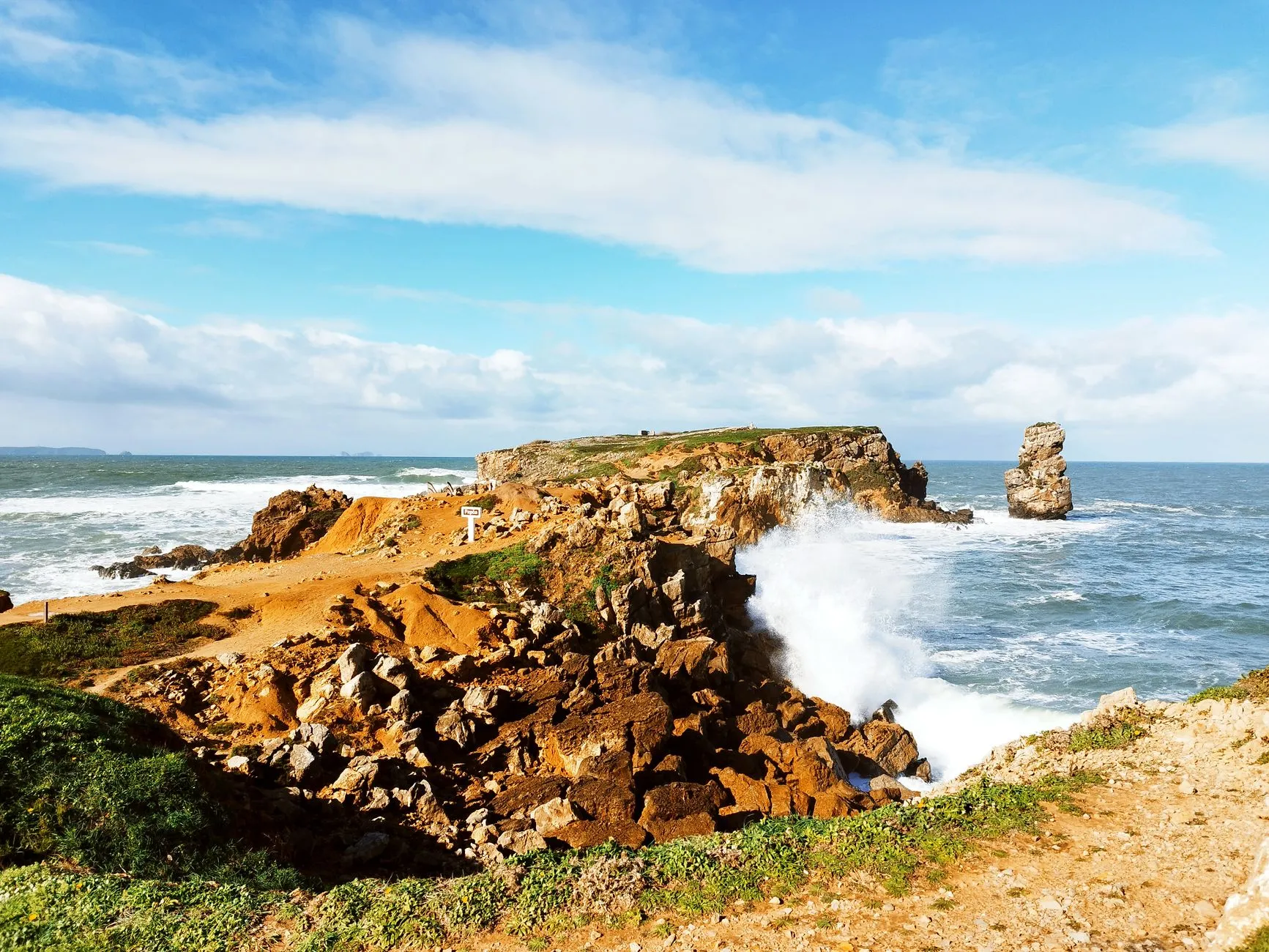
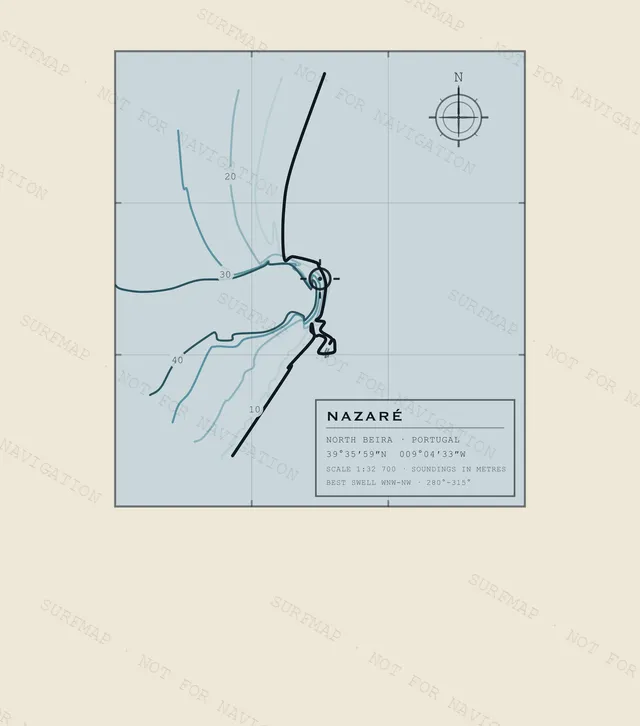
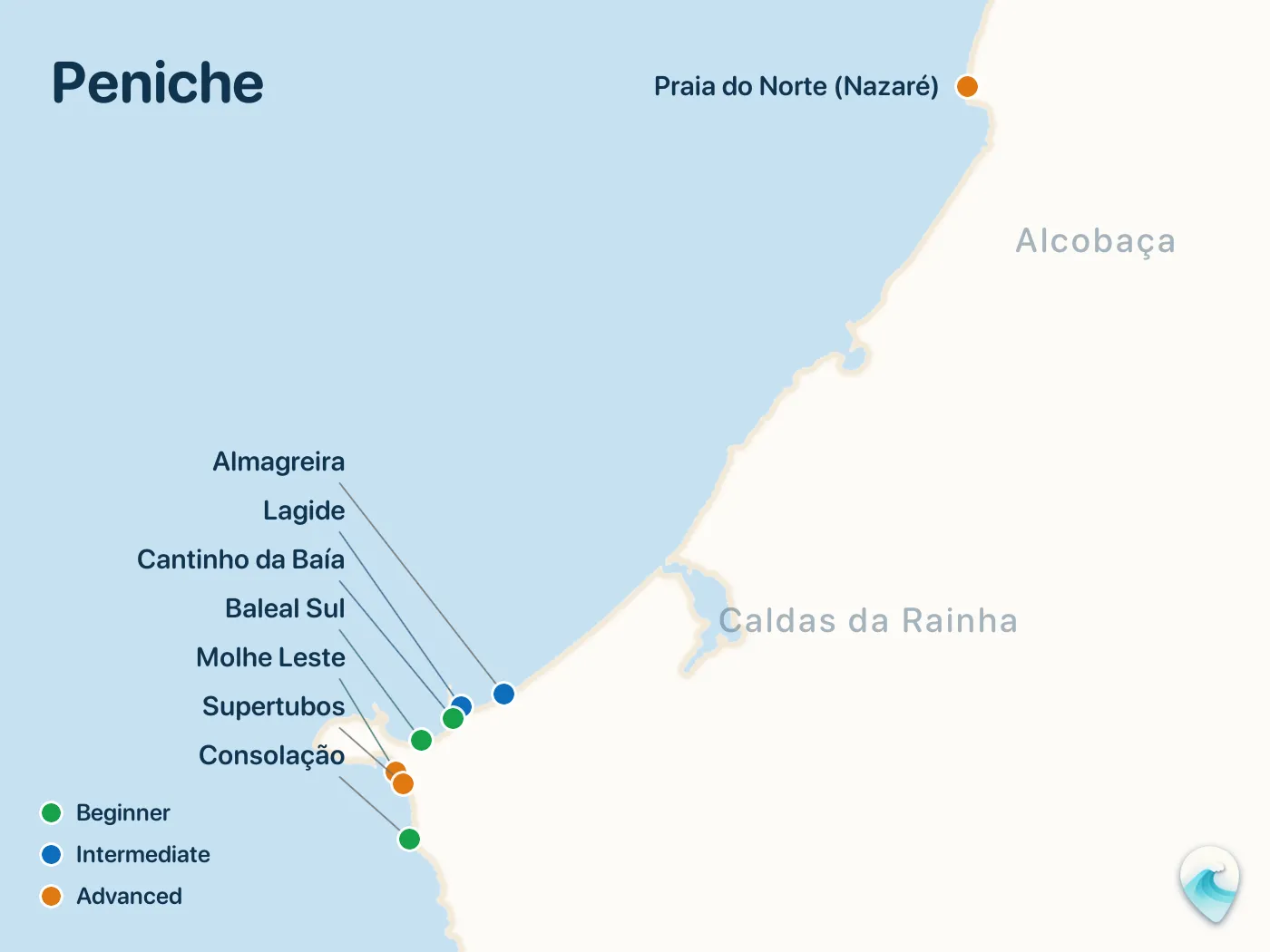
Everything starts with the canyon. Long-period swell from the west and northwest travels up the deep water of the Nazaré Canyon almost without losing energy, while the same swell on either side slows over the shallow shelf. When the two arrive at the beach the canyon wave is taller and faster, and the headland to the south refracts yet another wave train back into it. Where the trains meet, the peaks stack, which is why a swell that is merely big at Peniche can stand up here as a wall the height of a building. The ratified records here are above 80 feet, about 26 meters.
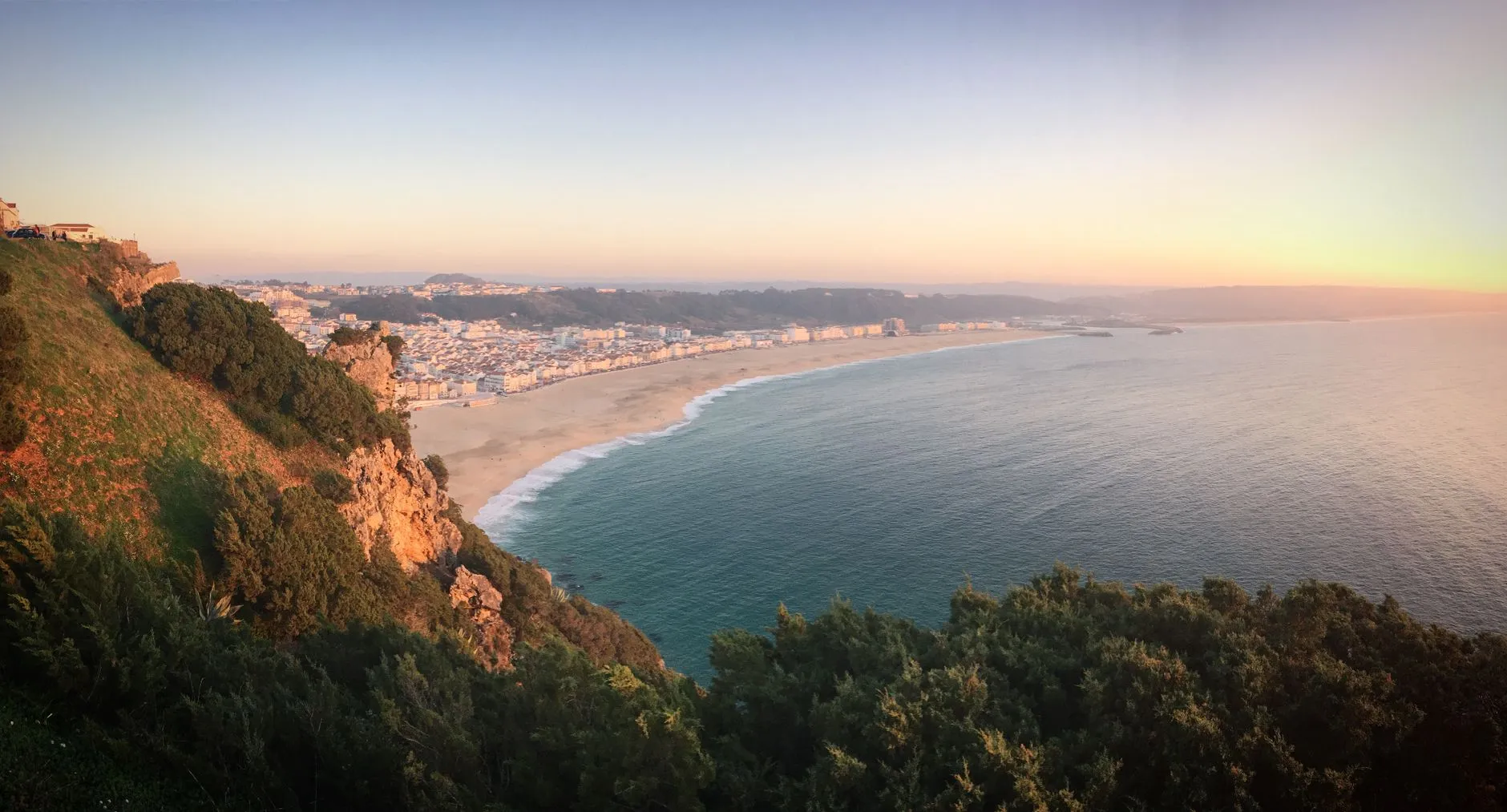
Below giant size it is still not a normal beach. From chest-high to double overhead you get thick lips, wide-spaced peaks that jump left and right with the banks, a shore break that dumps straight onto the sand and currents running along the beach and out through the peaks. It can look surfable from the fort, and it is, for the surfers who know it, but it carries far more power than the same size at Supertubos because the canyon adds energy at every size. Nobody paddles out on the giant days: those belong to the tow teams, the jet skis and the rescue crews.