Guides
Spain
Two seas, one green north coast, one volcanic archipelago
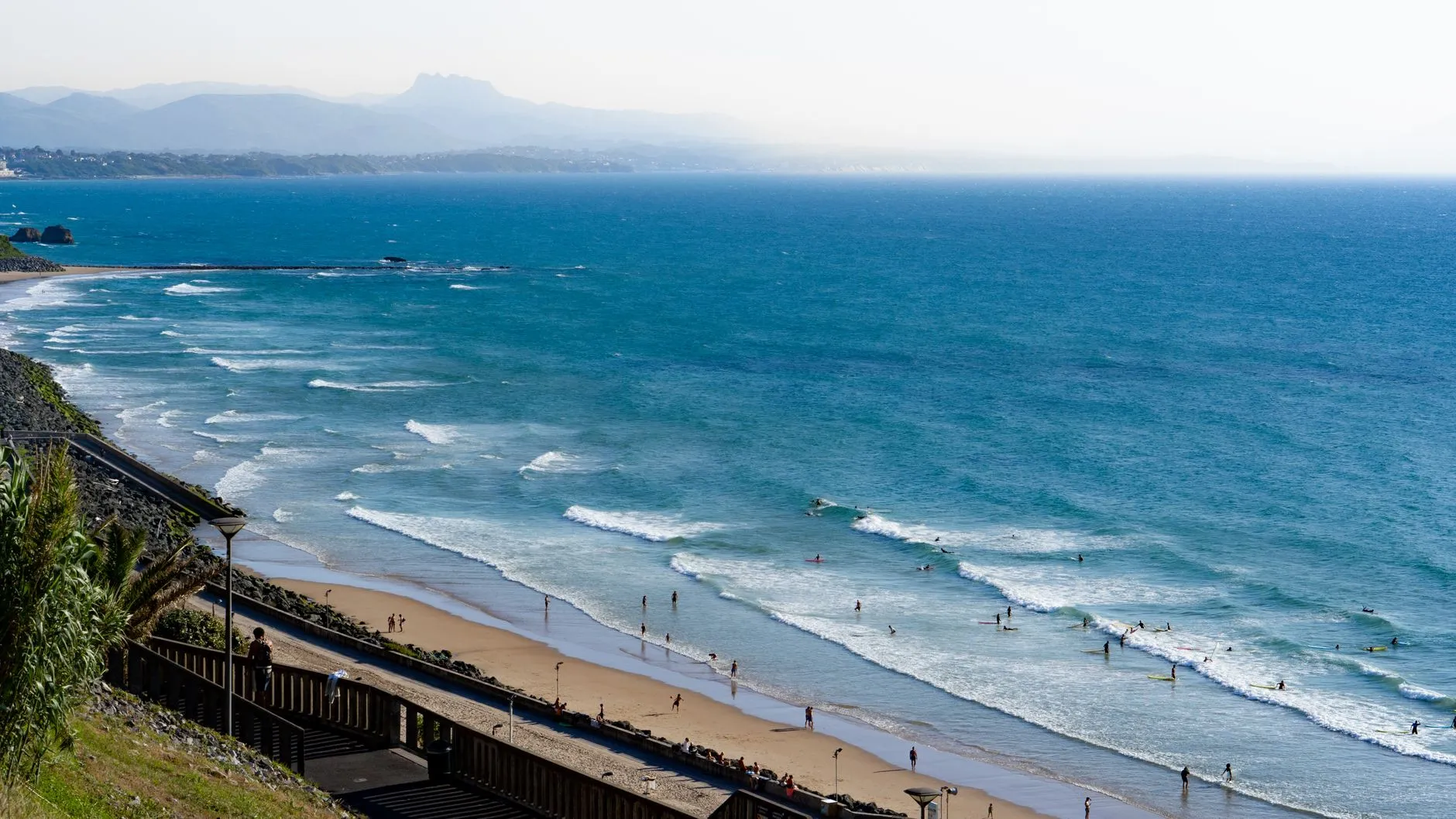
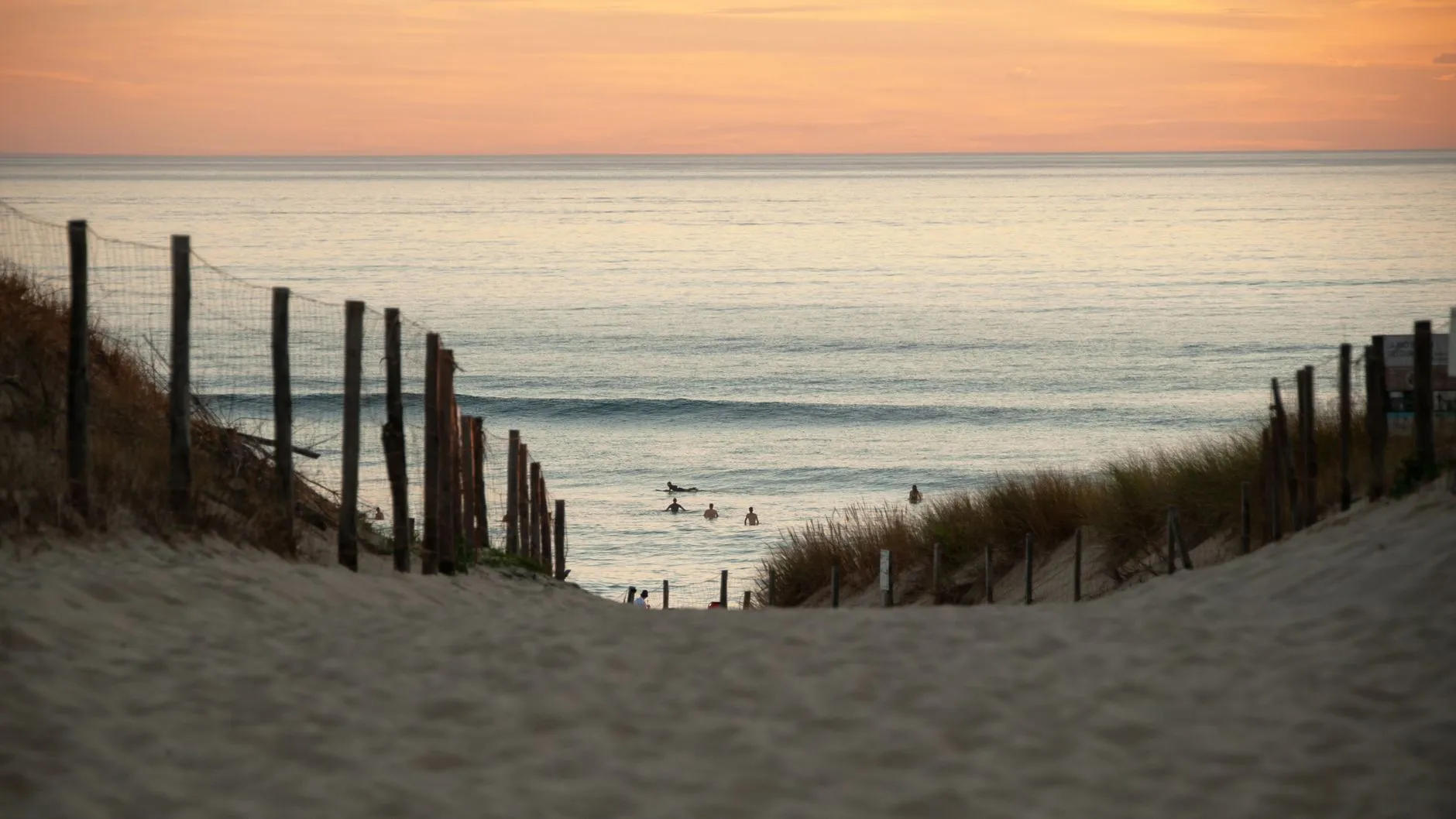
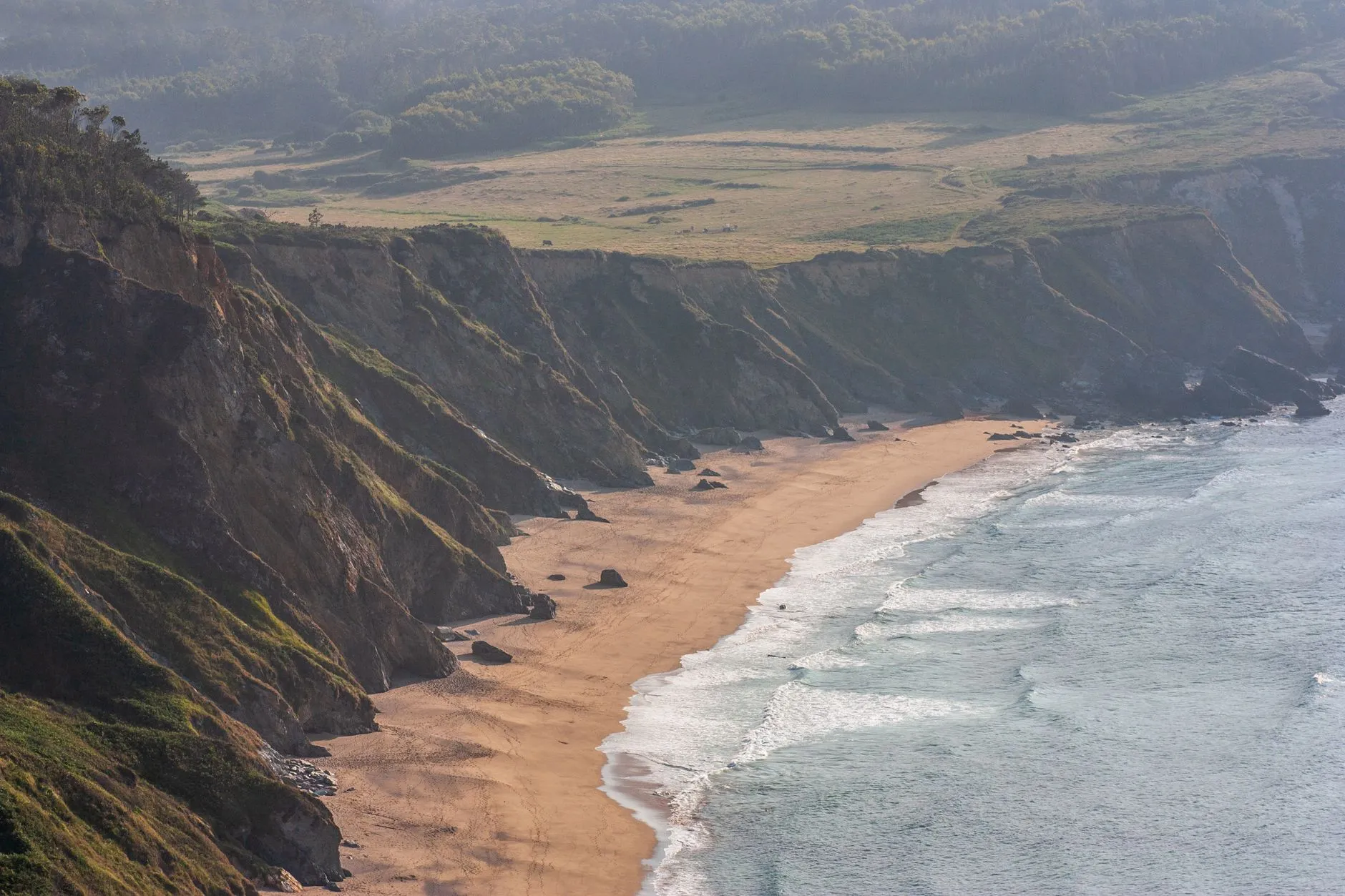
Spain gets sold as a beach holiday and surfed as something else entirely. The whole green north, from the Costa da Morte to the Basque border, faces straight into the North Atlantic and takes everything it sends, while the Canary Islands sit a thousand kilometers south off the African coast in swell that never really stops. Surfers figured this out early: people have been riding waves at Salinas in Asturias and Zarautz in the Basque Country since the 1960s, which makes Spanish surf culture one of the oldest in Europe.
Reading the map is simple once you know what each stretch does. Galicia has the most coastline and the fewest people on it: cold water, empty beach breaks, a dozen surfers out on a good day. Asturias and Cantabria follow with green cliffs and reliable sand, Rodiles and Somo the best-known names. Euskadi packs the history and the crowds into a short coast: Zarautz's long, learner-friendly beach, and Mundaka, the famous left that peels down a rivermouth sandbar. In the windy south, Andalucía has El Palmar and a lot of kitesurfers. And to be honest about the rest: the Mediterranean only wakes up on rare windswell days, so do not plan a trip around it.
Then there are the Canaries, which surfers call Europe's winter Hawaii with a straight face: volcanic reefs off the African coast, Fuerteventura's North Track stringing them together like beads, and water warm enough for a 3/2 in January. Choosing is mostly a question of calendar. September to November on the north coast gives you the first swells and the last of the sun; October to March in the Canaries gives you reef season at its most consistent. SurfMap covers more than 5,000 spots including every coast on this page, so the honest answer is: check the forecast, then book.
- Season
- September to November shines on the north coast; October to March in the Canaries
- Water
- 13 to 19°C in the north, rubber all year; 18 to 23°C in the Canaries
- Levels
- From first-wave sand to serious volcanic reef
- Getting there
- Fly to Santiago, Bilbao or Santander for the north; direct flights to Fuerteventura for the Canaries
The map
The Spain surf map
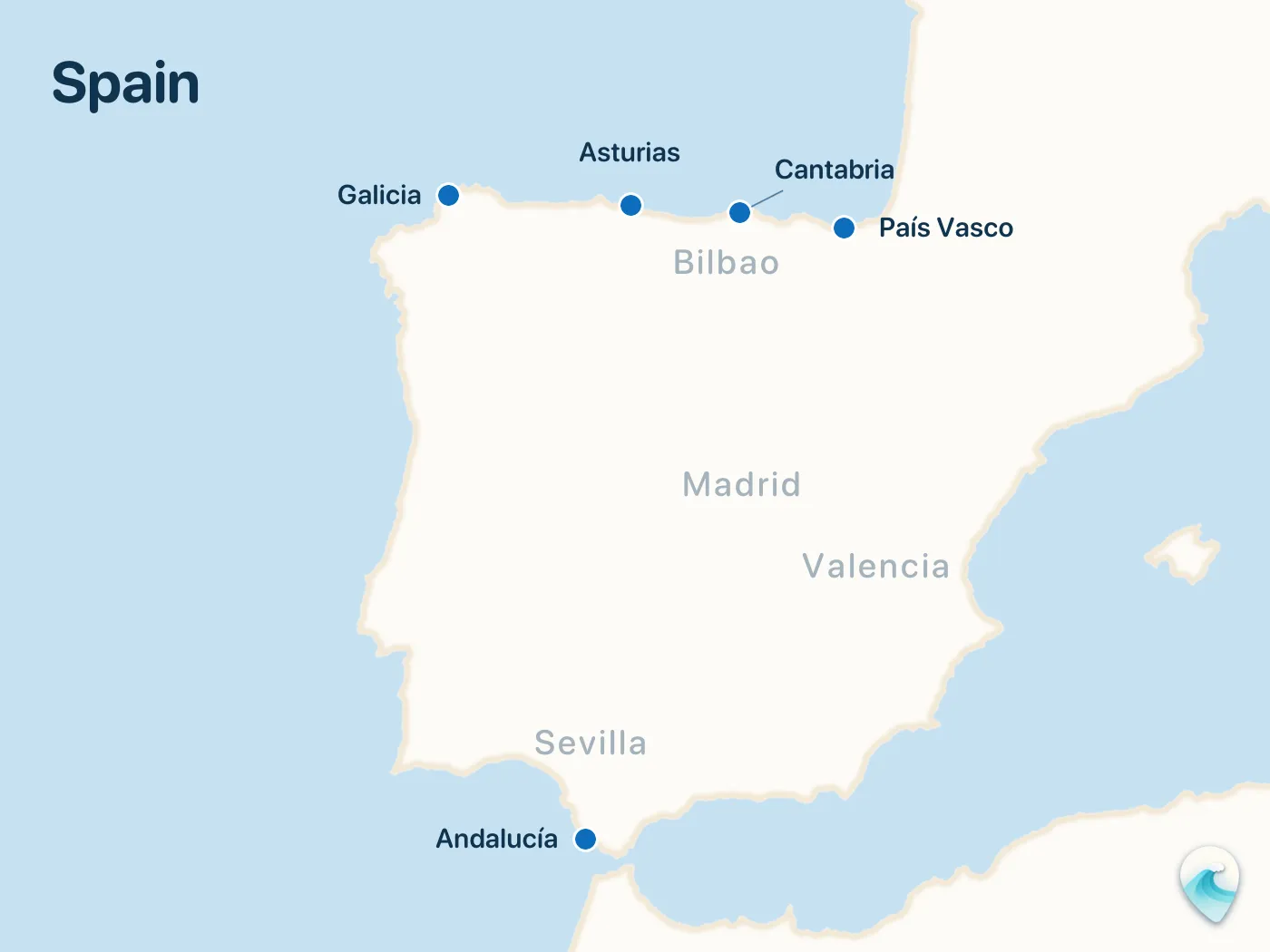
Map data © OpenStreetMap contributors © CARTO
The coasts
Choose your coast
Galicia
Spain's wild north-west, with a third of the country's coastline and hardly anyone on it. Pantín has run a world qualifying contest since 1988, and Doniños turns winter storms into serious sandbars. While the Basque coast fills up, the peaks here stay empty.
Read the full guide →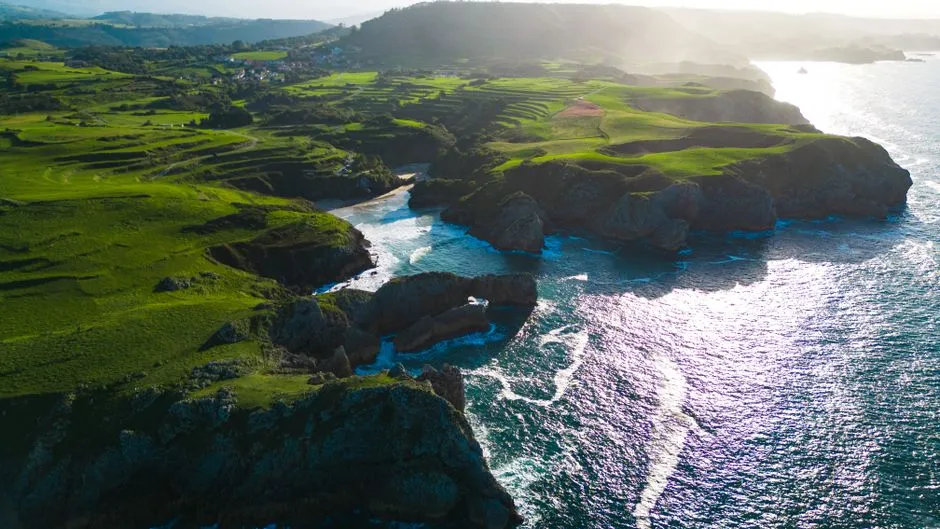
Asturias
Green cliffs, cider towns and a coast the crowds drive past: consistent beach breaks from Llanes to Tapia, and at Rodiles a rivermouth left that keeps up the argument with Mundaka.
Read the full guide →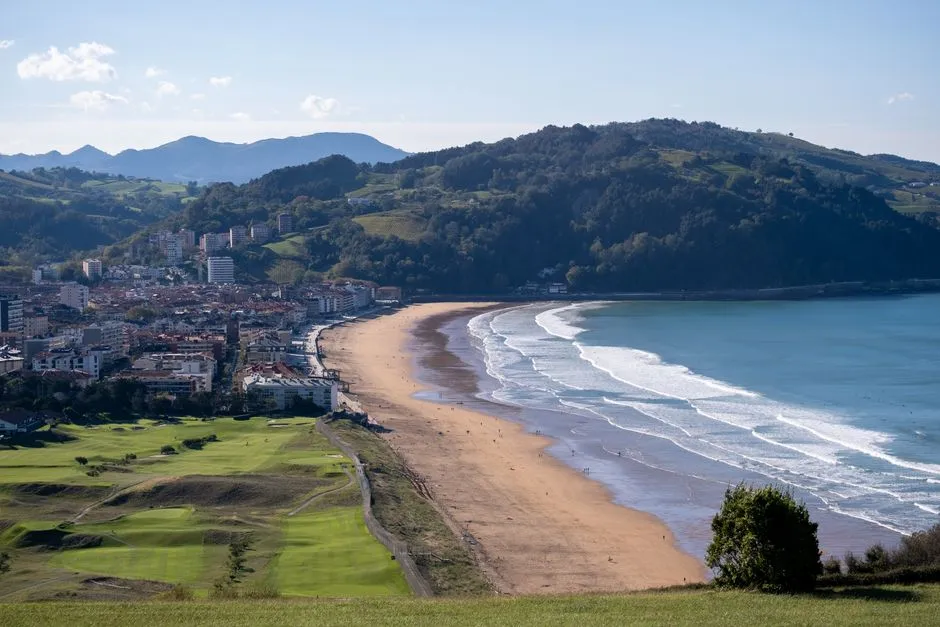
Spanish Basque Country
City surf at Zurriola, everyday beaches from Deba to Sopelana, heavy water at Roka Puta, and at Mundaka the most famous left in Europe, all within an hour of pintxos in Bilbao or San Sebastián.
Read the full guide →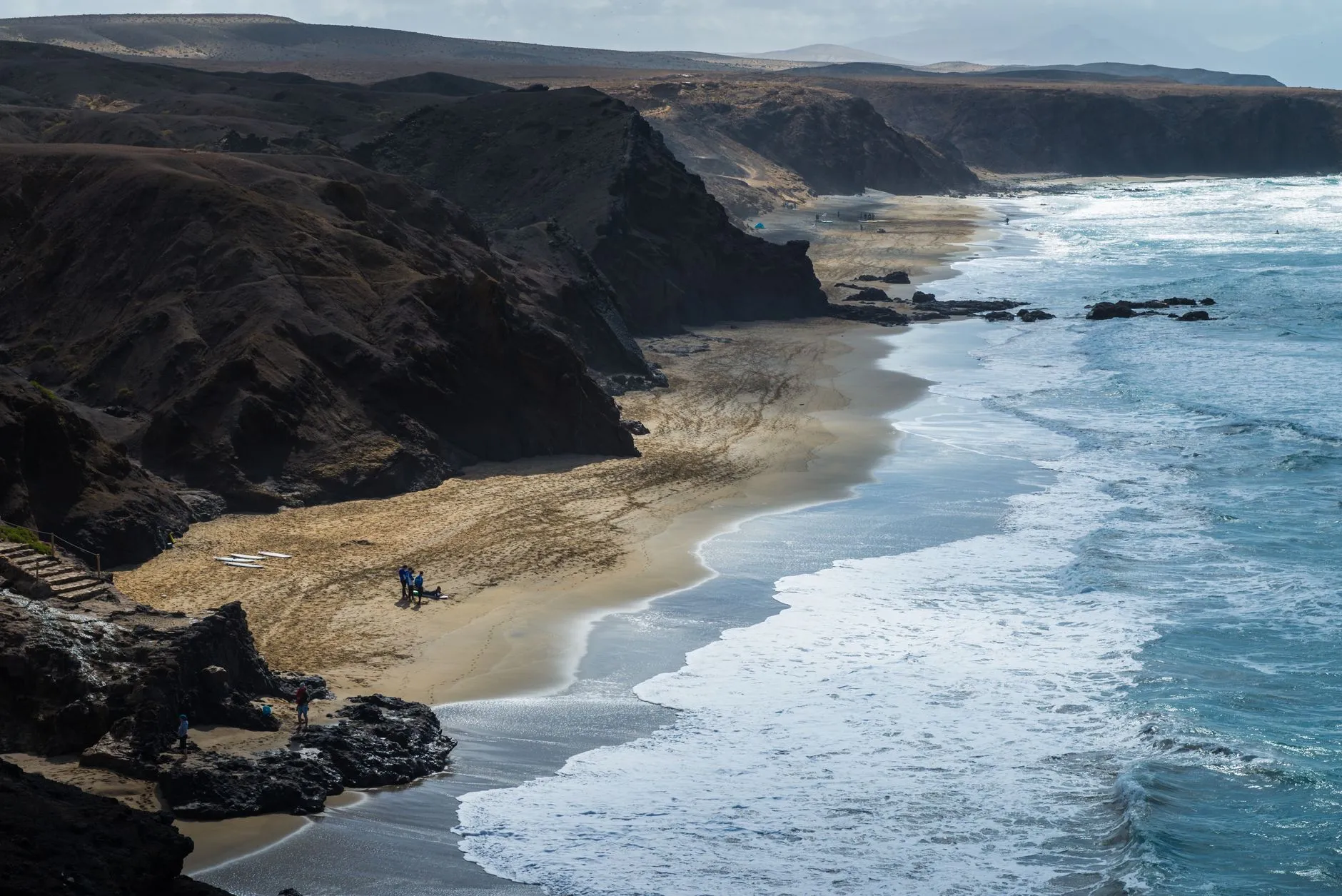
Fuerteventura
The Canary Islands' surf island, a desert of lava sitting off the African coast in swell that barely stops. The North Track strings its reefs together into Europe's winter Hawaii. It is a 2 to 3 hour flight from the mainland, so treat it as its own trip.
Read the full guide →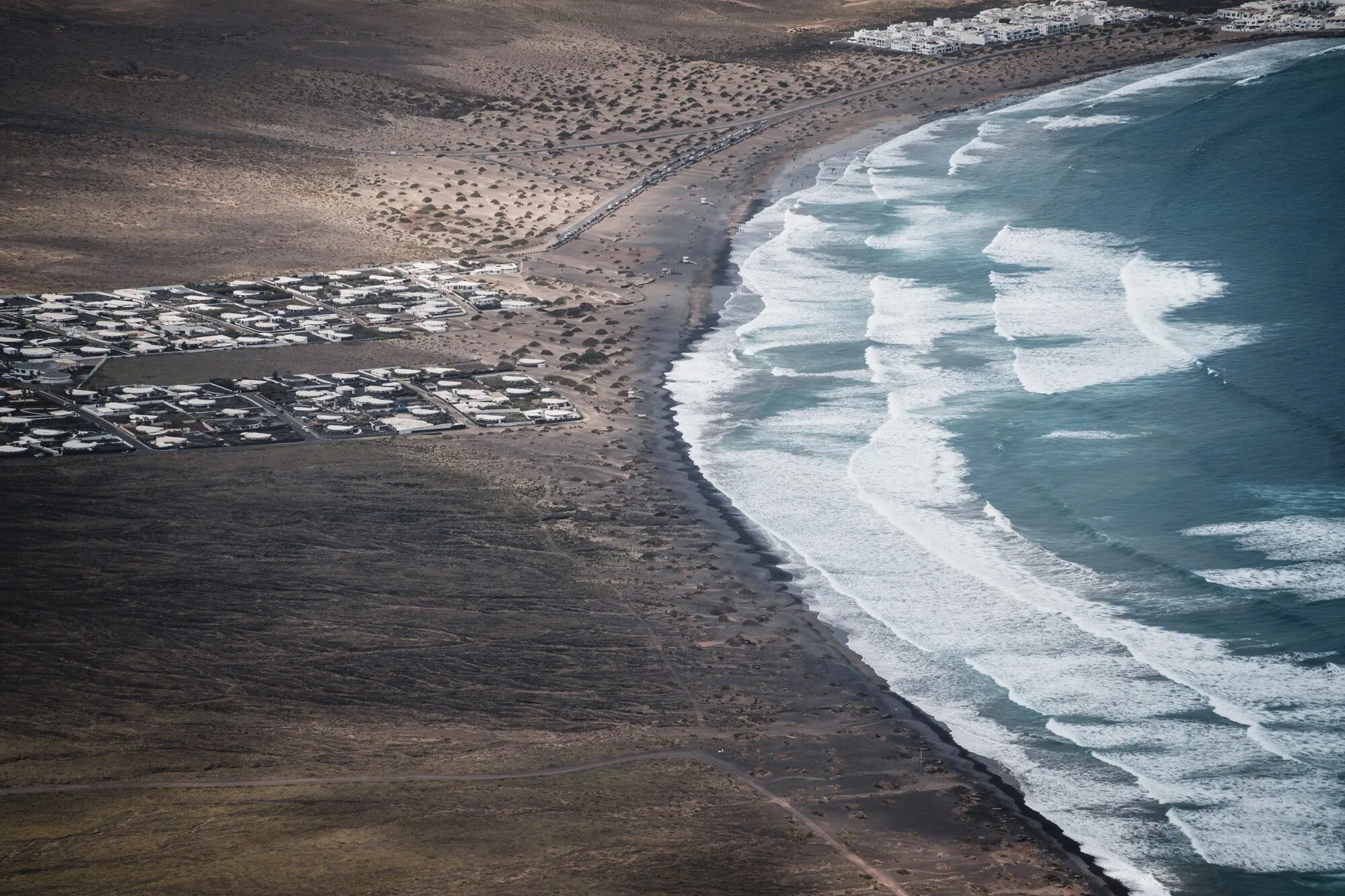
Lanzarote
The other Canarian surf island: black lava, white villages and a north-west coast that takes the winter swell head on. Famara's long beach teaches half of Europe, and at La Santa, El Quemao throws the heaviest left in the islands over sharp reef. Direct flights, warm water, a car and a little respect at the reefs.
Read the full guide →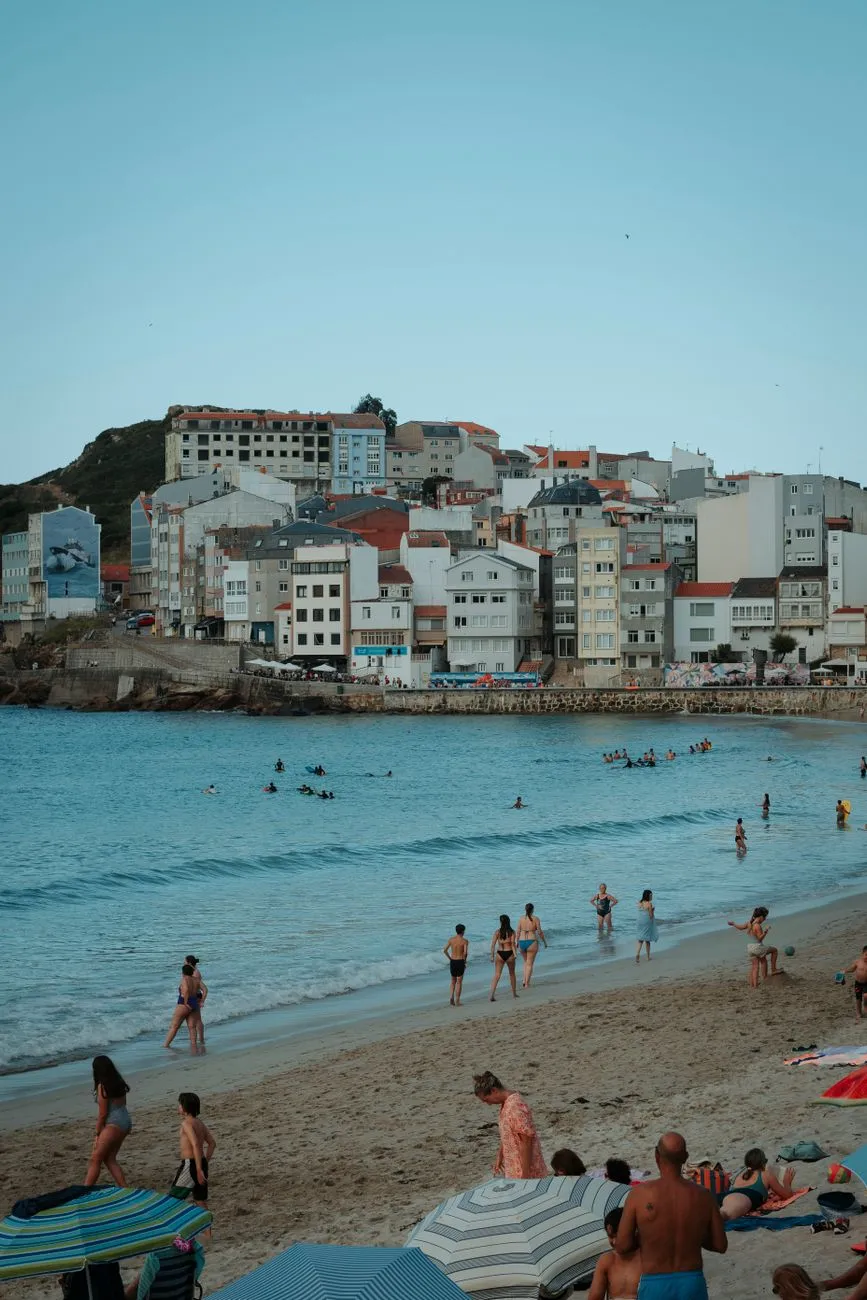
Good to know
Where should a beginner surf in Spain?
On sand, with room to fall. Zarautz in the Basque Country and Somo near Santander have long beaches and schools with decades of practice. Razo in Galicia offers the same waves with far fewer people, and Corralejo's sandy beaches in Fuerteventura add warmer water in winter.
When is the surf season in Spain?
On the north coast, September to November is the sweet spot, when the first autumn swells meet the last of the sun; winter brings more power and colder water. In the Canaries, the reef season runs October to March. Between the two, something in Spain is working almost every month.
Can you surf the Mediterranean?
Occasionally, and honestly, not often. The Mediterranean only produces surfable waves on rare windswell days, short-lived and hard to predict. If you are planning a trip rather than living next to it, the Atlantic coasts are the reliable answer.