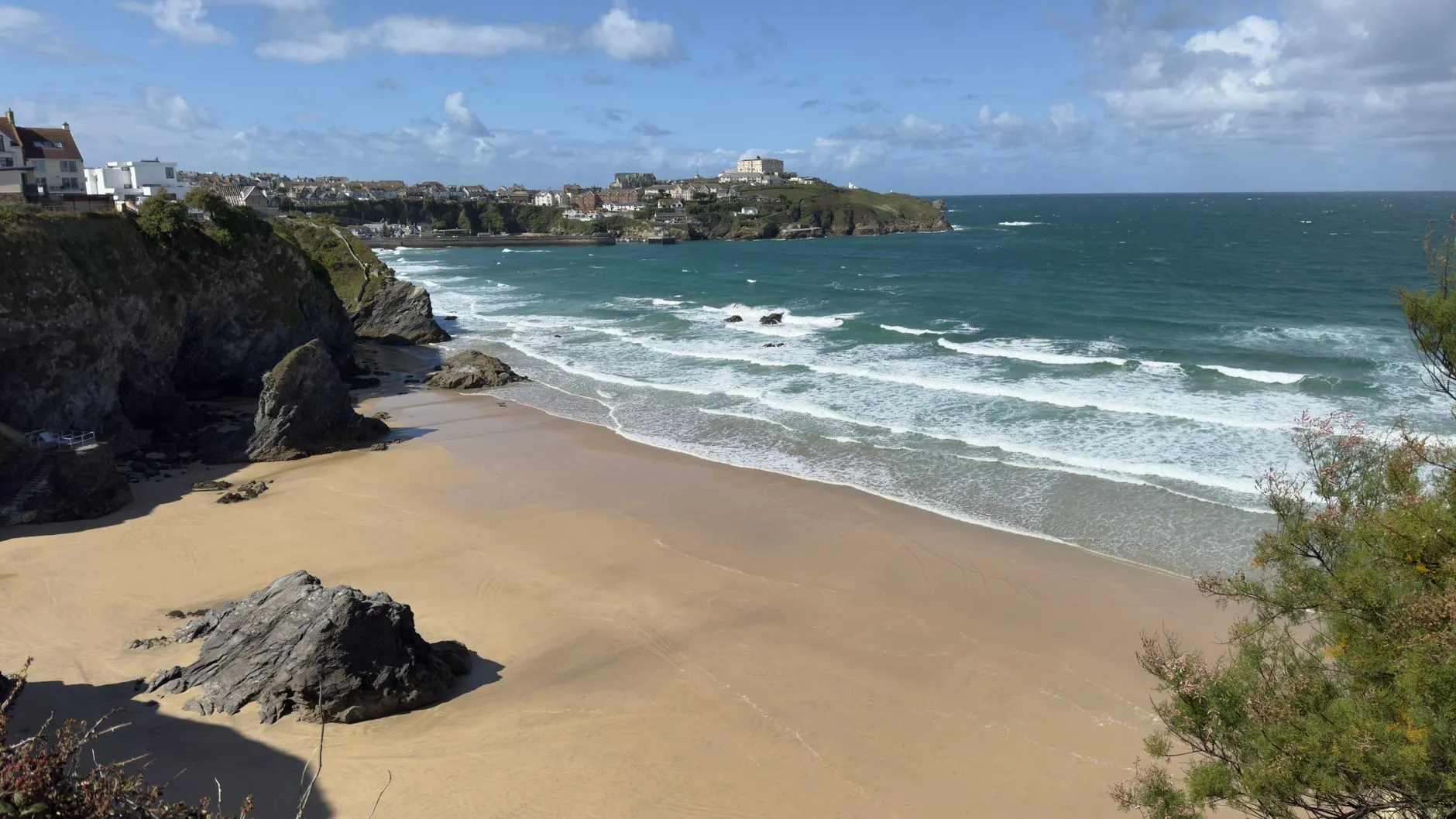
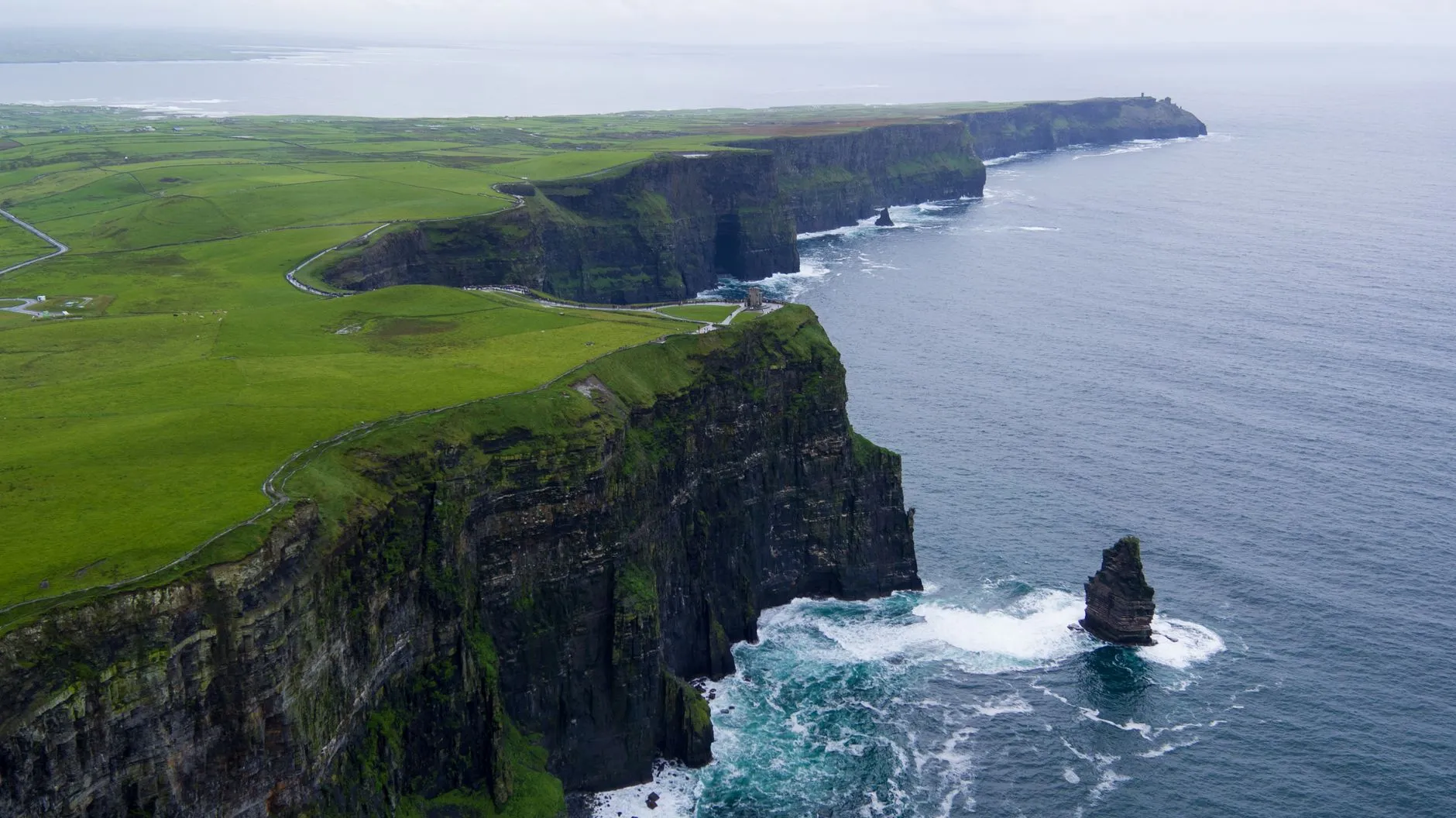
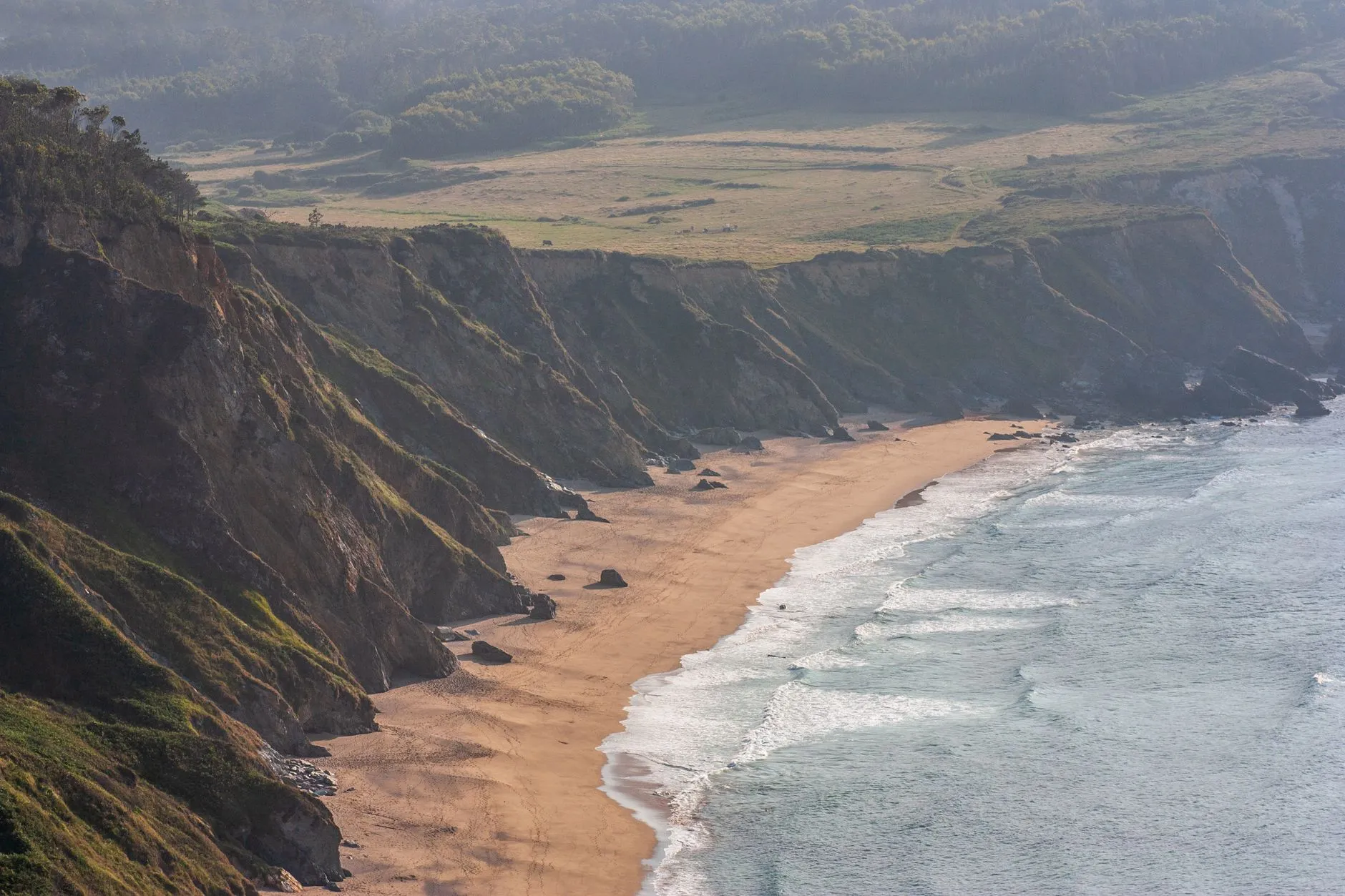
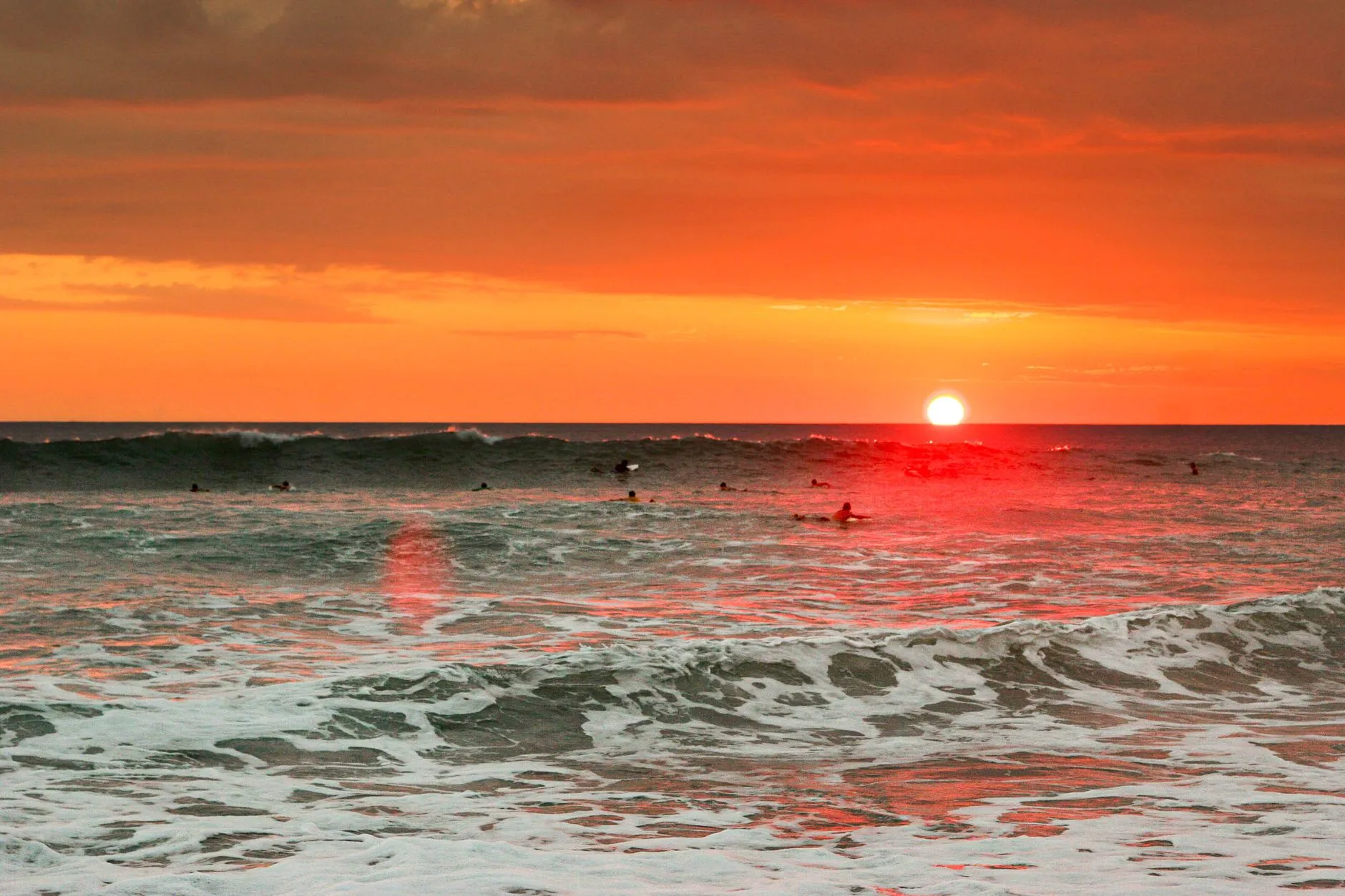
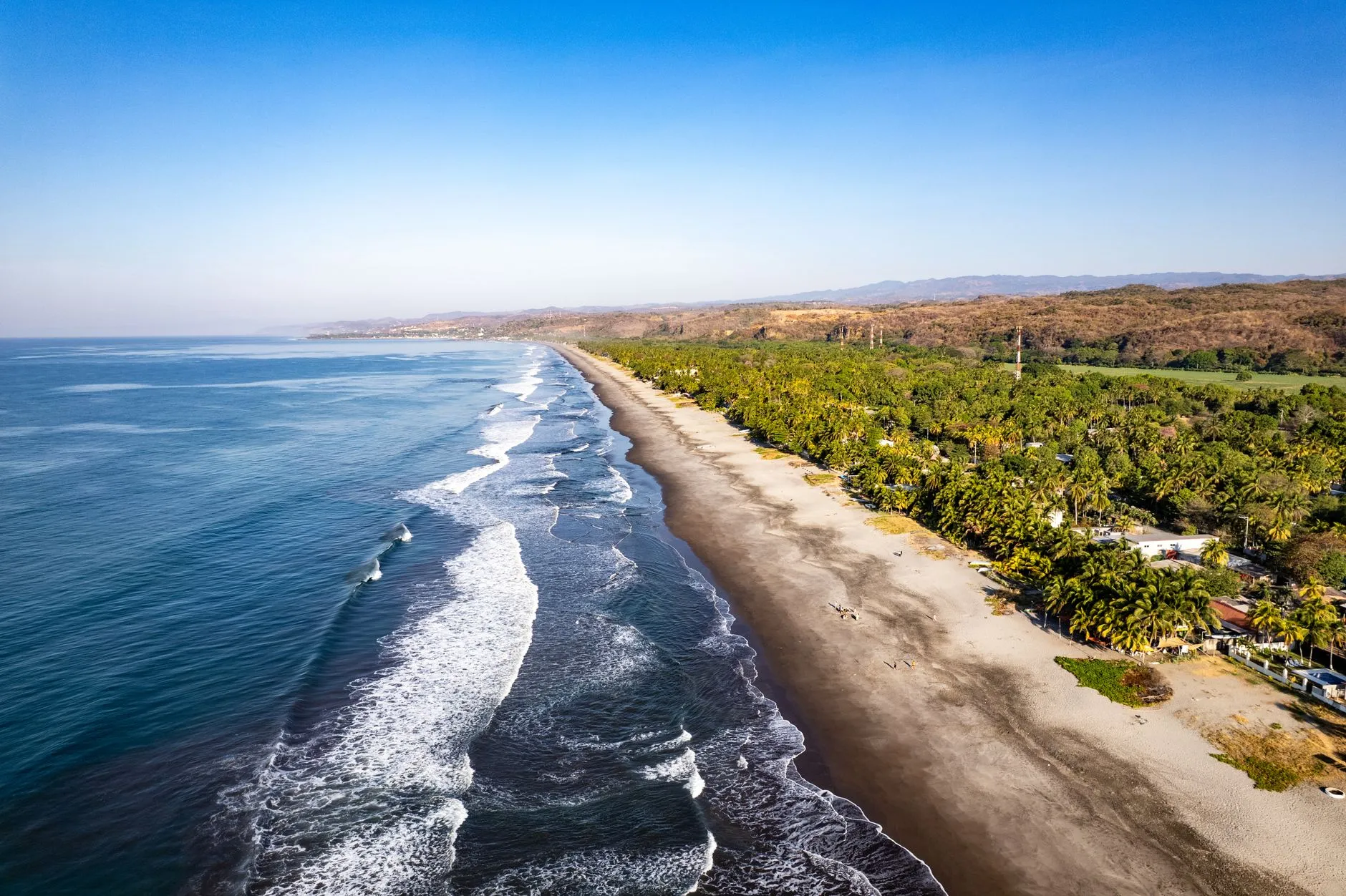
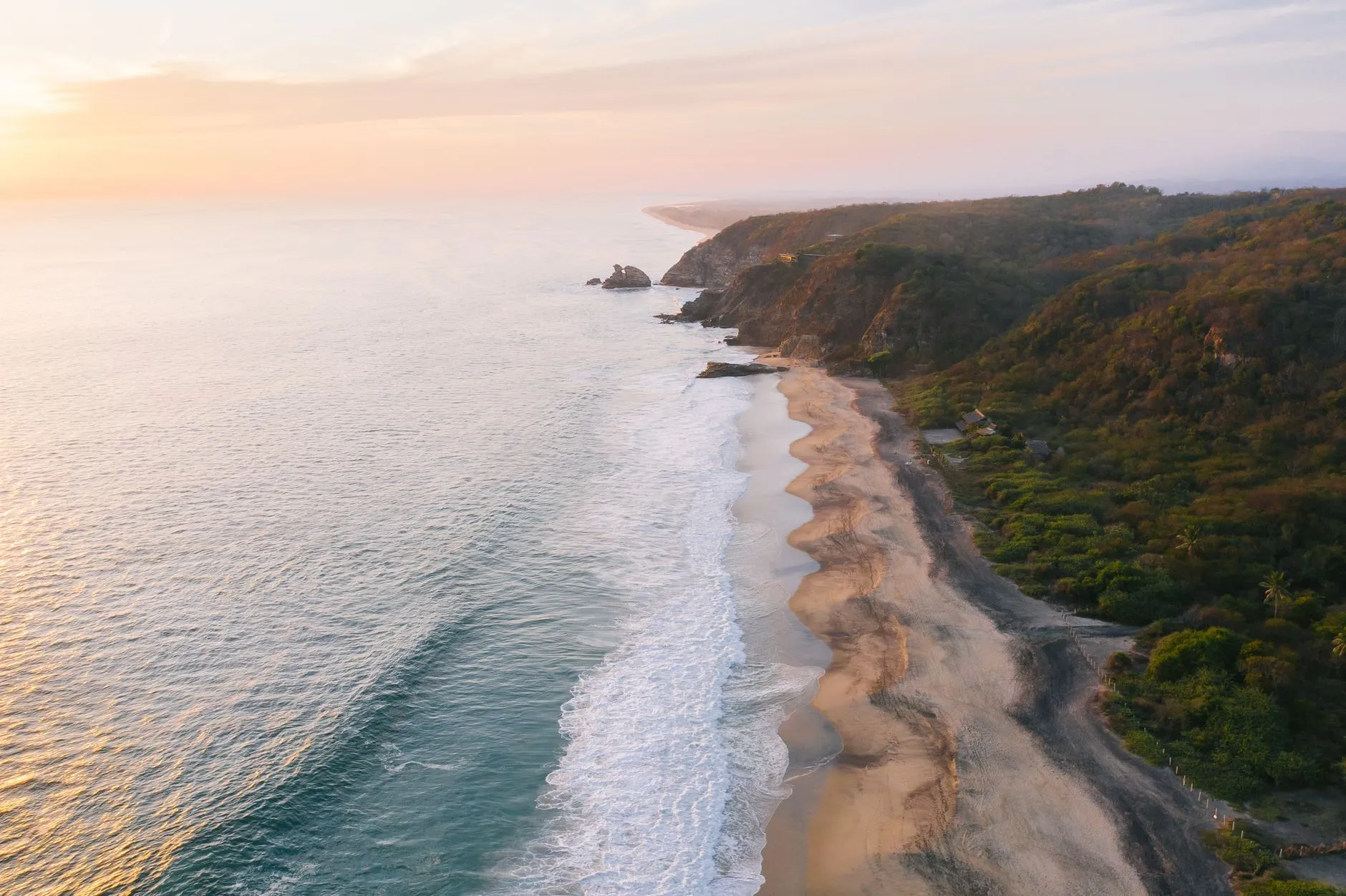
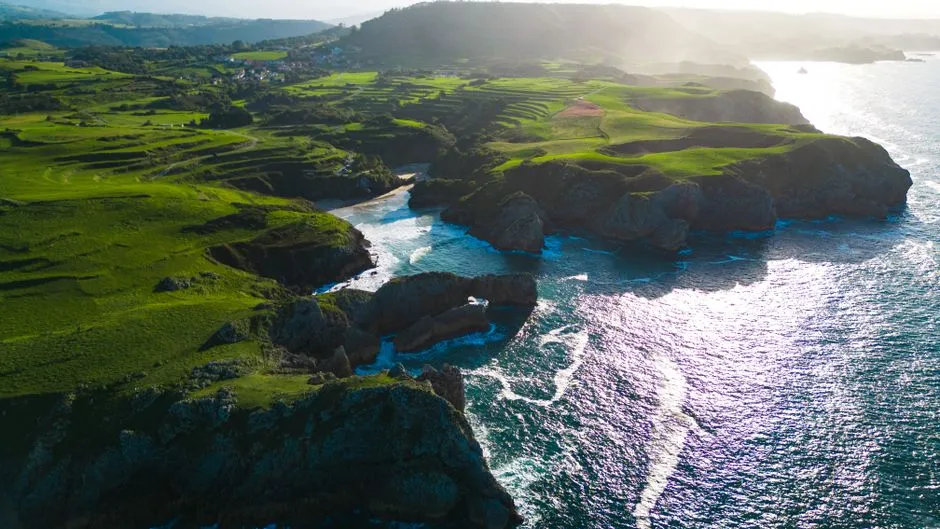
Cross the Bidasoa river and the Basque Country simply carries on: the same green cliffs, the same language on the street signs, an even older relationship with the ocean. In roughly a hundred kilometers between Donostia / San Sebastián and Bilbao, the coast folds fishing towns, flysch cliffs and a biosphere reserve around some of the most varied surf in Spain: easy city peaks, a heavy slab, and one left so good the world tour used to build its calendar around it. The French side has its own guide; this is the Spanish one, where the harbours smell of anchovies and the bars serve grilled fish to surfers still dripping.
Surf culture here is old, proud and Basque-speaking: people read this ocean for centuries before anyone rode it, and the grandchildren of those fishermen now run the lineups. Plan with the seasons, because the coast is honest about them. Summer is small and warm and belongs to Zurriola's surf schools and Laga's gentle corners; autumn brings the solid NW groundswells that switch on Mundaka and the Getaria slab; winter asks for thick rubber and well-picked days. Whatever the ocean does, pintxos and txakoli wait a few steps up the slipway.
Best months
September to November, when the first groundswells meet warm water
Water
12°C in winter, up to 21°C in late summer
Levels
Every level, from Zurriola's surf schools to Mundaka
Getting there
Fly to Bilbao; San Sebastián is an hour away, the metro reaches Sopelana and the EuskoTren trundles along the coast
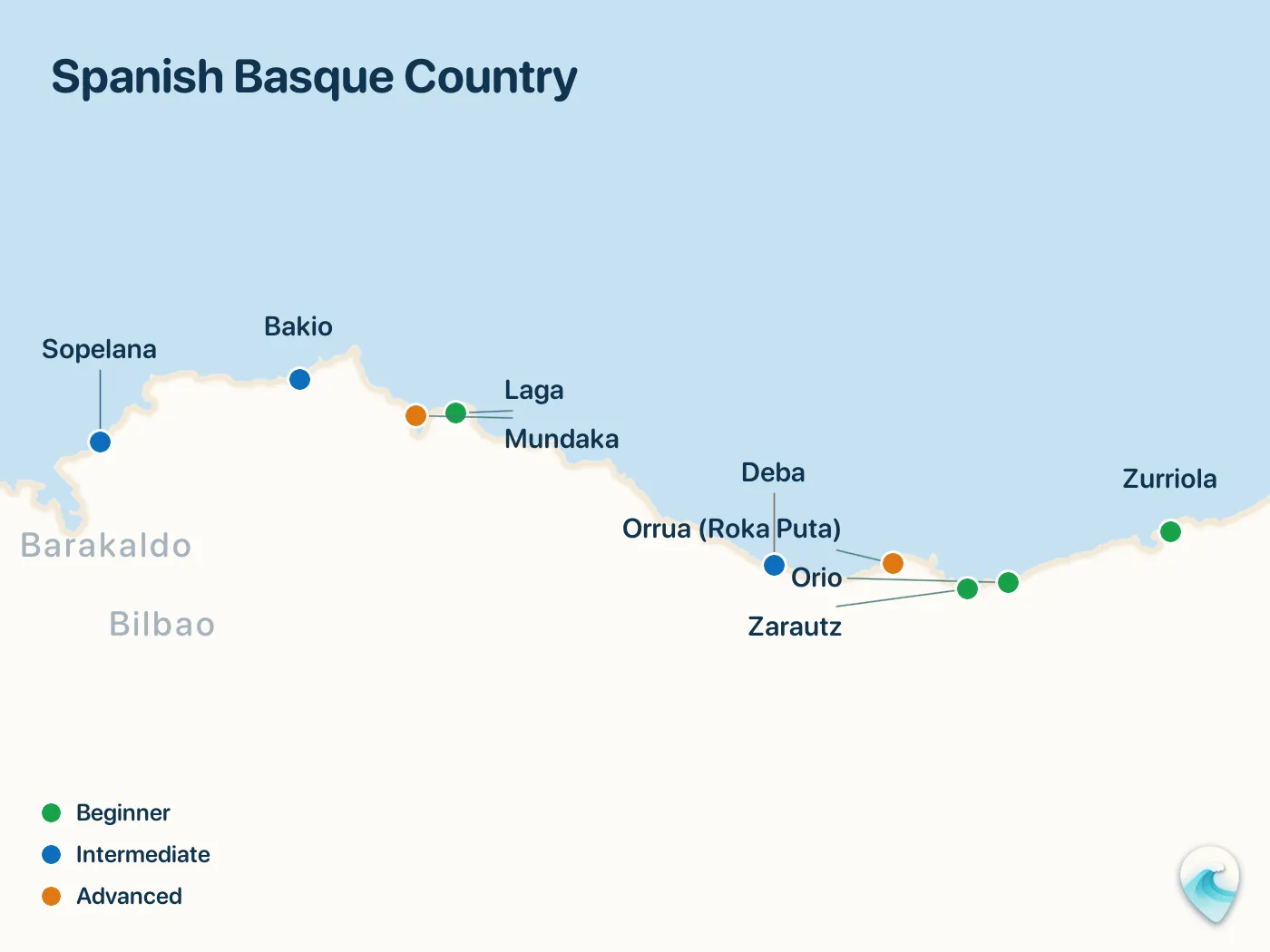
Zurriola's schools in the middle of the city, Orio's soft rivermouth and the long open sand at Zarautz: three places where a powerful coast opens the door gently.
Zurriola
Donostia / San Sebastián · City beach break
Beginner
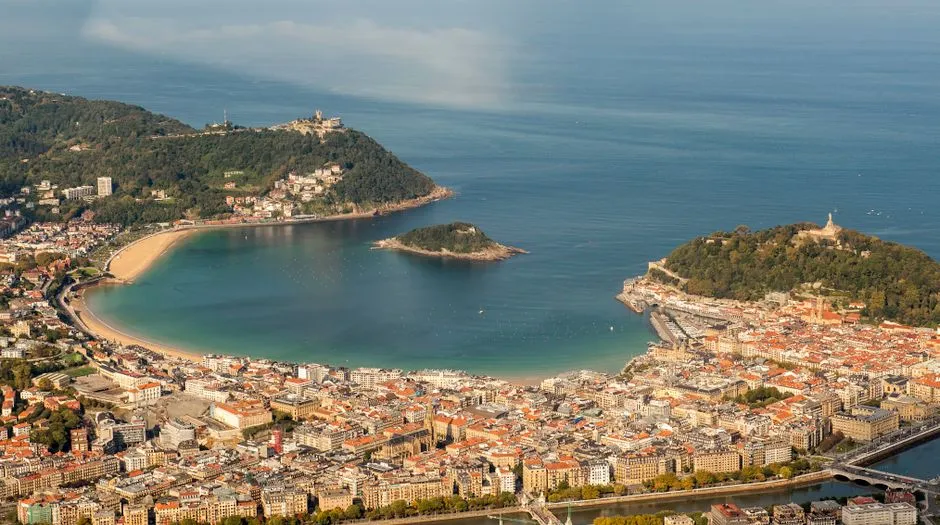
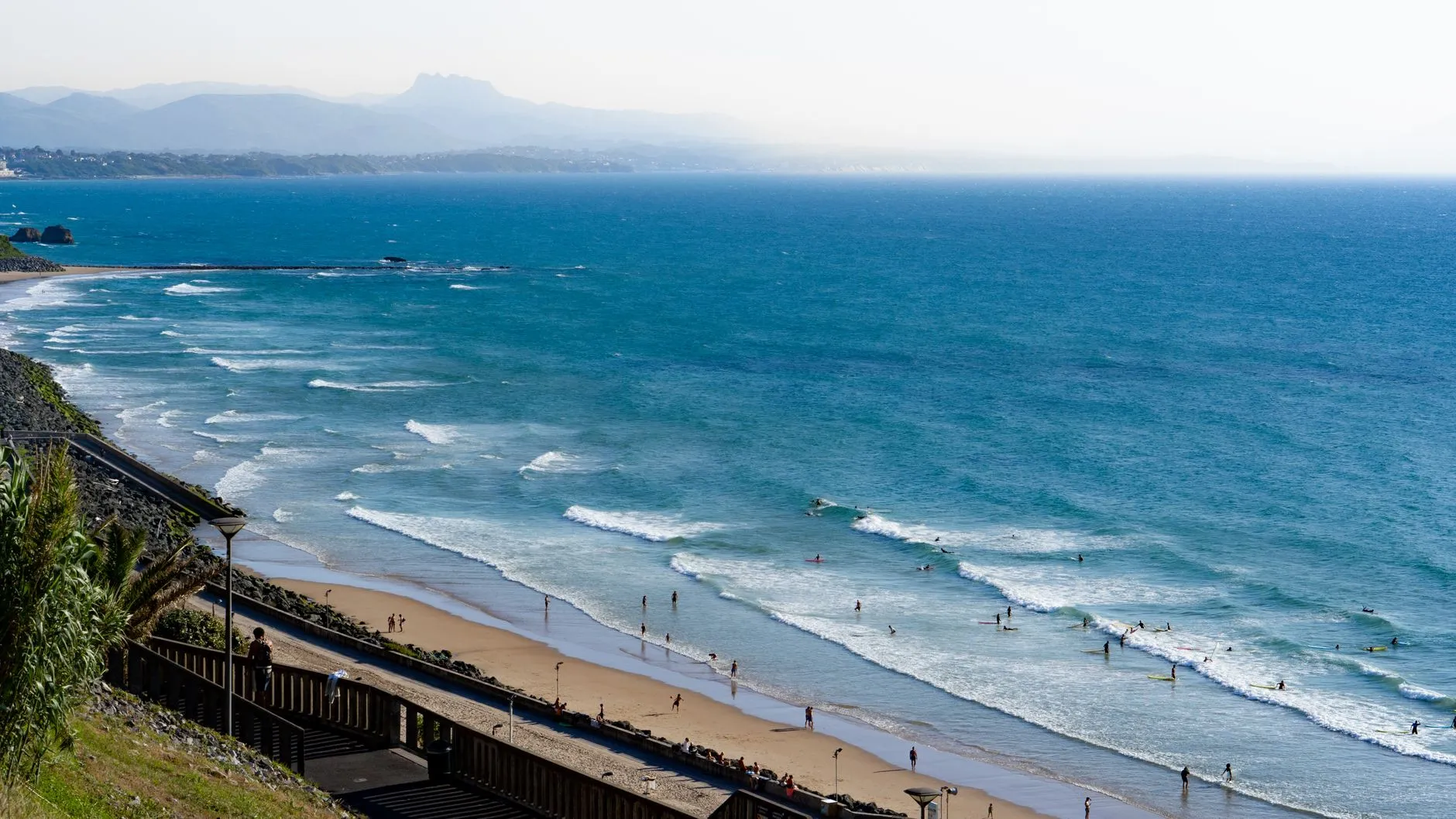
San Sebastián keeps its surf on the Gros side of the river: punchy peaks breaking in front of the Kursaal's glass cubes while the rest of the city sunbathes on La Concha. The surf schools own the inside, students fill the lineup before their first lecture, and the beach picks up enough swell to work all year. Order a pintxo two streets back and you can still check the banks from the bar.
Orio
Orio · Rivermouth beach break
Beginner
A mellow beach at the mouth of the Oria, where rowing crews train in the river and the smell of grilled fish drifts down from the old town. It needs a bigger swell than its neighbors to wake up; when one arrives, the rivermouth serves soft, long waves that forgive almost everything. On small summer days it is a family sandpit, and that is part of the charm.
Zarautz
Zarautz · Long open beach break
Beginner
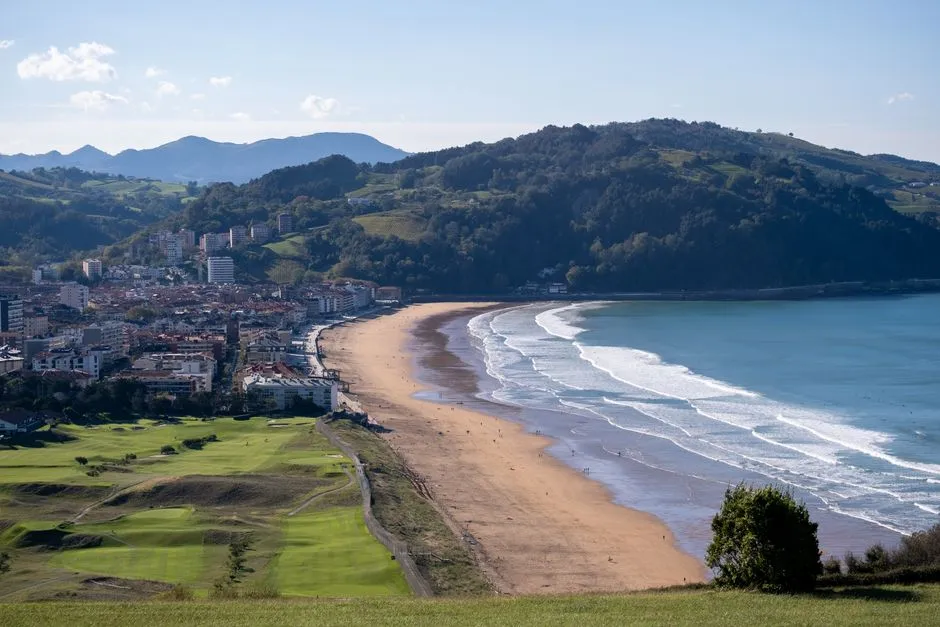
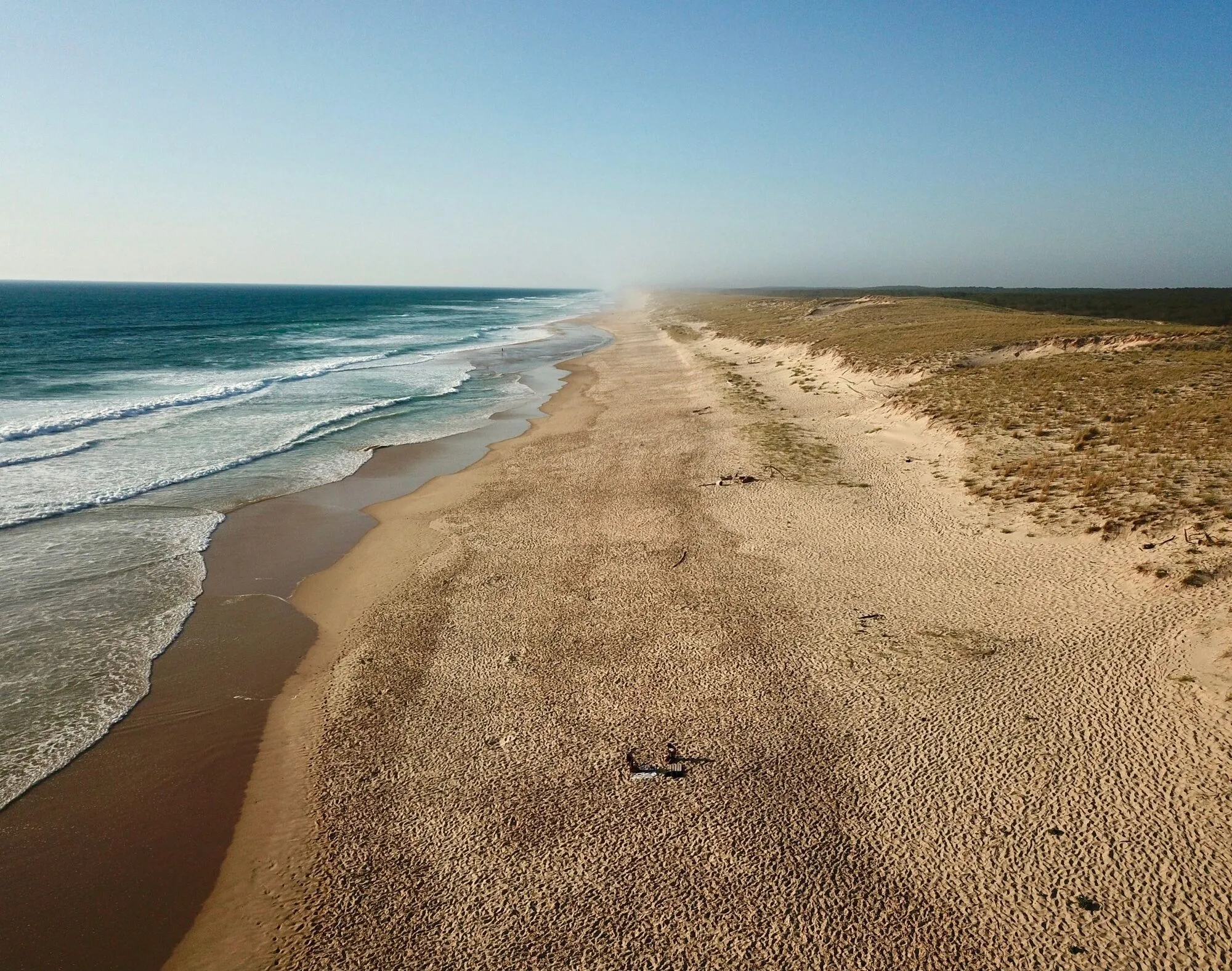
The surf capital of the Basque Country, and the beach the whole region learns on: two and a half kilometers of open sand, the longest stretch in Gipuzkoa, backed by a promenade where surf schools, shapers and board shops have been part of the furniture for decades. Peaks shift along the whole beach and absorb a crowd better than anywhere nearby, contests have run here for generations, and when the rest of the coast sleeps, someone is still riding something at Zarautz.
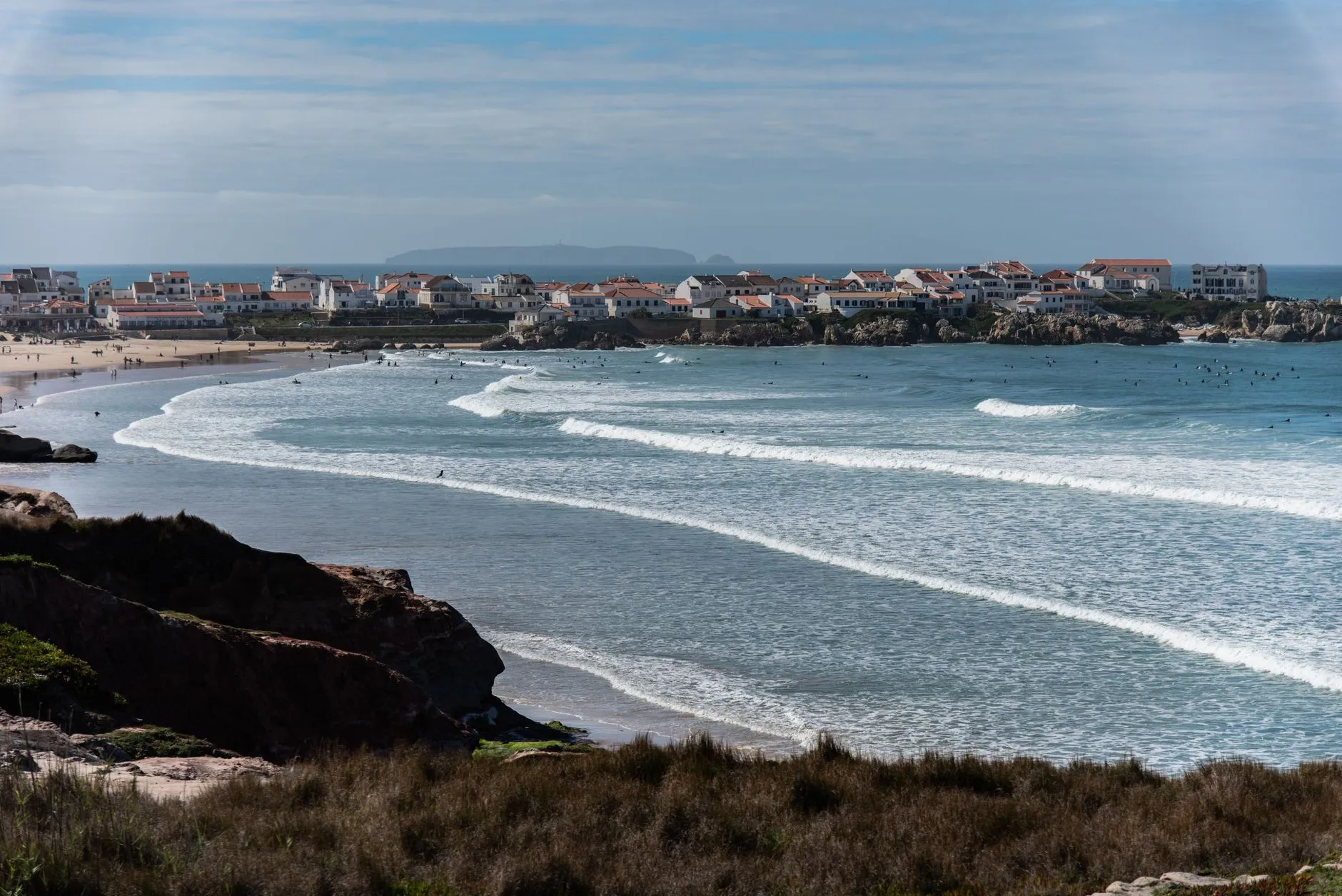
The beaches that keep Basque surfing fed between the big days: Deba under its flysch cliffs, Laga's sheltered corners under Cape Ogoño, Bakio in its green bowl, Sopelana at the end of the metro line. Consistent, punchy, never far from a bar.
Deba
Deba · Exposed beach break
Intermediate
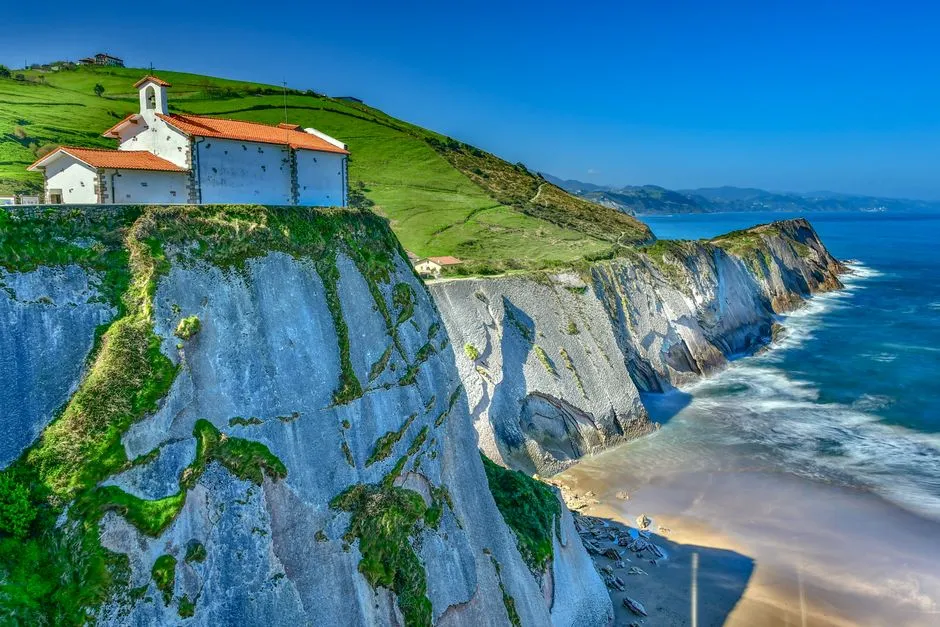
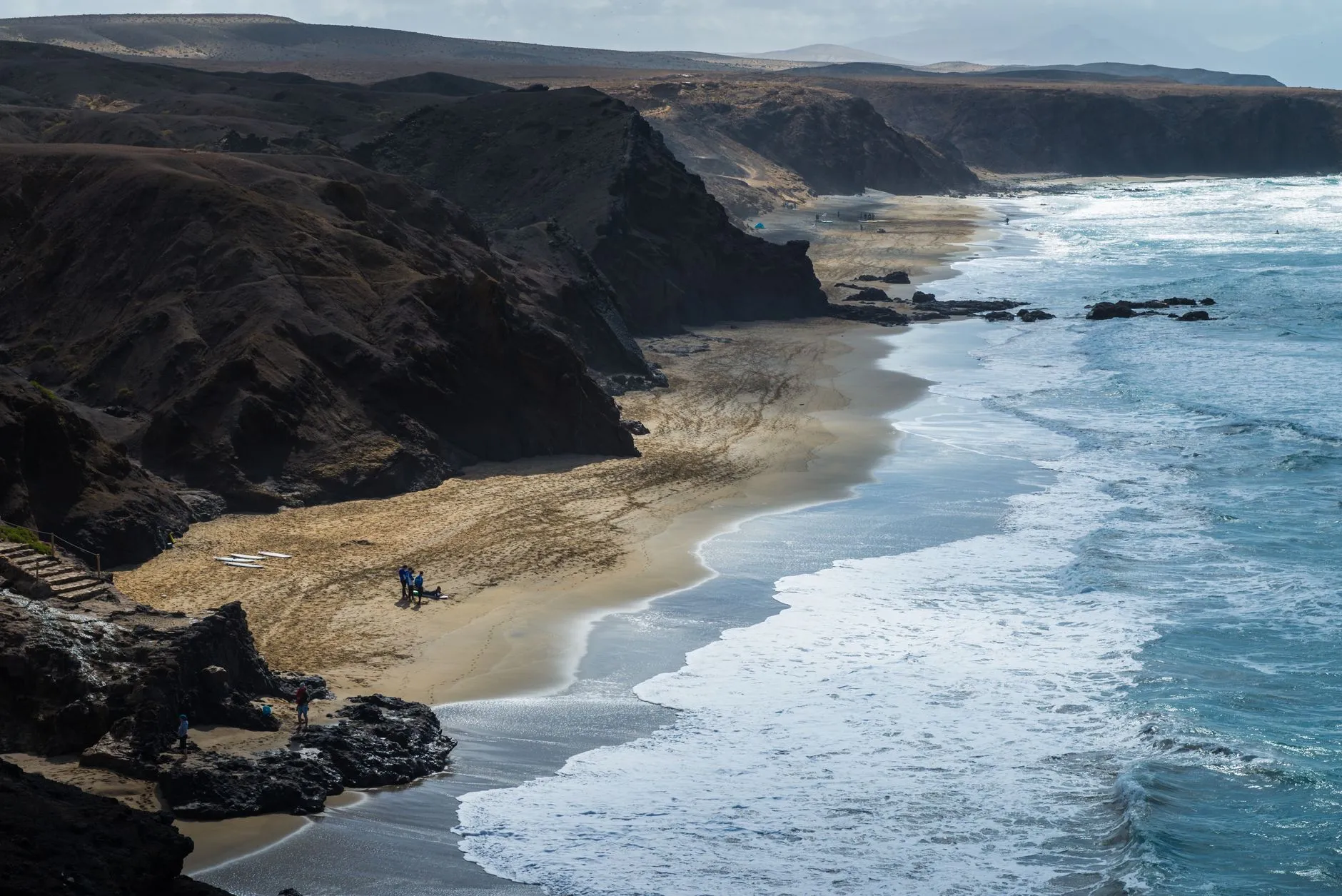
An open beach between the flysch cliffs, where sixty million years of rock strata stand on end behind the lineup. Deba faces the swell head-on and gathers more of it than most of this coast: sandbar peaks with genuine push, a train station a minute from the sand. When the geology tours point at the cliffs, paddle out and enjoy the better view.
Laga
Ibarrangelu, Urdaibai · Beach break
Beginner
A crescent of golden sand under the bulk of Cape Ogoño, deep inside the Urdaibai biosphere reserve, and the prettiest place on this coast to learn. The cape gives the bay a sheltered feel, the corners stay friendly, and clean little peaks run down the beach on an ordinary swell. On bigger days respect the shorebreak: the same sand that makes it lovely makes it slap.
Bakio
Bakio · Punchy beach break
Intermediate
The everyday wave of Bizkaia: a consistent, punchy beach break in a green amphitheater, with txakoli vineyards running almost to the sand. It picks up plenty of swell and hits harder than it looks from the car park, which is why half of Bilbao learned to duck dive here. San Juan de Gaztelugatxe waits ten minutes up the road for the days the wind ruins everything.
Sopelana
Uribe Kosta, Bilbao · Cliff-backed beach break
Intermediate
Bilbao's after-work lineup, at the end of a metro ride: get off at Larrabasterra with your board and walk down to the sand. Several peaks spread from Arrietara to La Salvaje beneath ochre cliffs, consistent enough that someone is always out and roomy enough that you will find a shoulder. Sunset sessions here, half the city arriving in wetsuits, are Basque surfing at its most democratic.
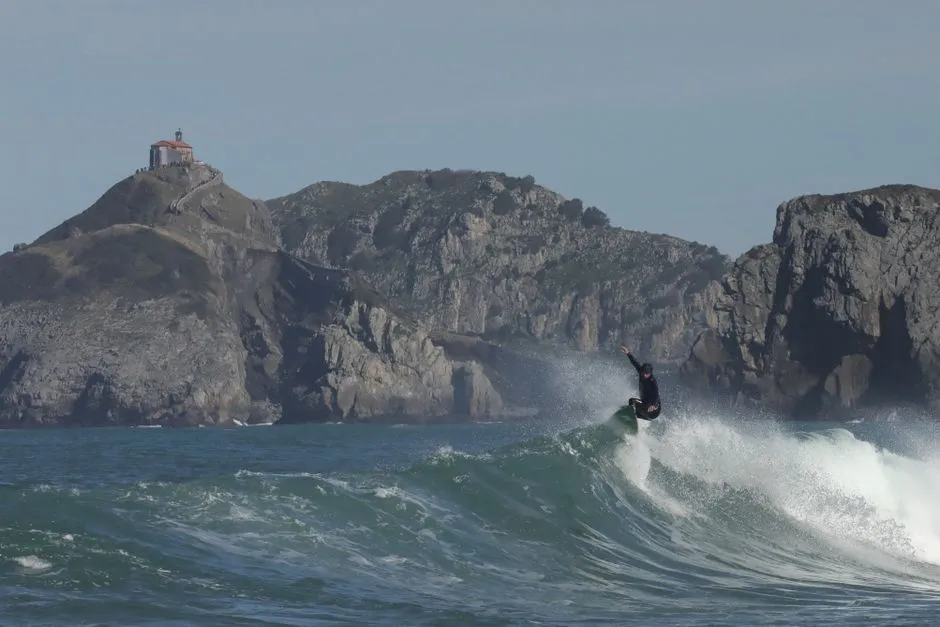
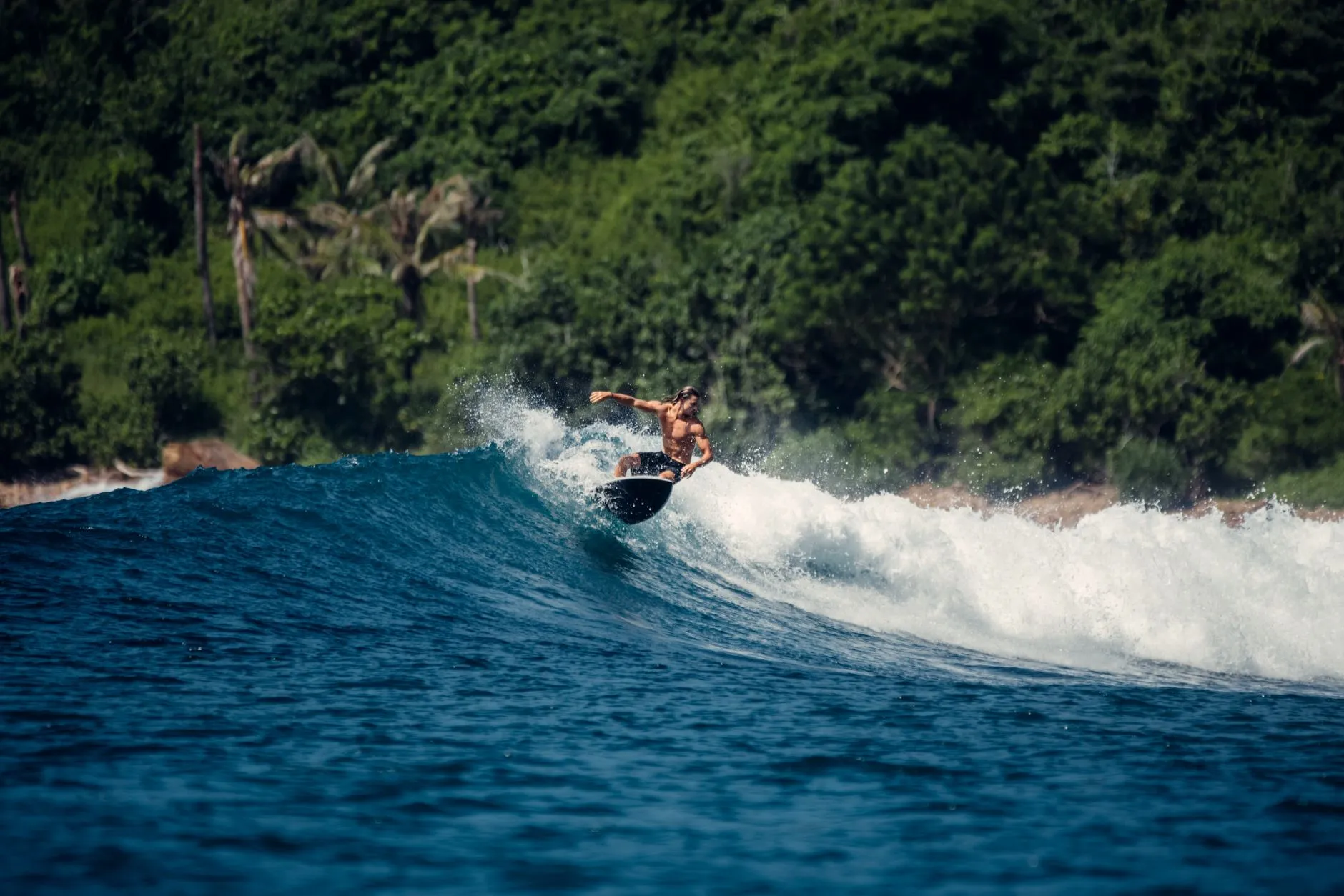
Riding a heavy one with Gaztelugatxe behind
The legends
One of the best lefts on earth and a slab that sorts the chargers from the talkers. Neither breaks often; both are worth planning a whole trip around.
Mundaka
Urdaibai · World-class rivermouth left
Advanced
One of the best lefts in the world, and the reason surfers can point to Urdaibai on a map: a long, hollow wave peeling over the sandbar the rivermouth builds, past the harbour wall and down the point. It demands a solid, long-period NW swell and works best around lower tide on the push; when the world tour came here, titles were decided in its barrels. Be honest with your expectations: most of the year it sleeps, and when it truly breaks it is a barrel machine with a crowd to match.
Past Getaria's anchovy boats, a right stands up over a rock slab and holds whatever a big NW groundswell can deliver. Locals call it Roka Puta, and the name is a warning as much as an address: heavy walls, real hold-downs and a crew that has owned it for decades. Watch a few sets from the road above before deciding you belong out there.
The San Telmo chapel on the flysch cliffs, Zumaia
When to go
A year in Spanish Basque Country
Typical conditions, month by month. The ocean did not sign this table: for live waves, wind and tide, check the app.
January
6-10 ft
55°F · 4/3 + hood · Expert
Atlantic storm season. Mundaka can be world-class between fronts; everyone else surfs the sheltered corners or watches from the harbour.
February
5-9 ft
54°F · 4/3 + hood · Expert
The coldest water and the emptiest lineups of the year. Thick rubber, short sessions, and Sopelana between fronts.
March
4-8 ft
55°F · 4/3 · Advanced
The ocean loosens its grip slowly. Clean windows between fronts, and the beach breaks find their banks again.
April
3-6 ft
57°F · 4/3 · Advanced
Spring swells with longer calm spells. Deba and Sopelana do the work while the coast is still quiet.
May
2-5 ft
61°F · 3/2 · Intermediate
Friendly size, the hills at their greenest, few people. An underrated month on this coast.
June
2-4 ft
64°F · spring suit · Beginner
Learning season begins. Small clean mornings at Zurriola and Laga, long evenings for pintxos.
July
1-3 ft
68°F · boardshorts · Beginner
Warm, small and busy. Dawn patrol at Zurriola beats the flags and the crowds.
August
1-3 ft
70°F · boardshorts · Beginner
Peak holidays and the warmest water of the year. Surf early at Laga, then join the rest of the town on the sand.
September
3-6 ft
68°F · spring suit · All levels
The magic month: the first real NW groundswells arrive while the water stays warm. Mundaka starts watching the charts.
October
4-6 ft
64°F · 3/2 · All levels
Prime time. Offshore mornings, every spot takes its turn, and the first proper Mundaka days of the season.
November
4-8 ft
61°F · 4/3 · Advanced
Bigger and rawer. Mundaka and the Getaria slab at their best; save the beaches for the mornings.
December
5-9 ft
57°F · 4/3 + hood · Expert
Deep winter begins. On the right tide Mundaka is the best wave in Europe; on the wrong one, eat well in Getaria.
Good to know
Is Mundaka really only for experts?
On the days that made it famous, yes. A real Mundaka day means a solid long-period swell breaking over a shallow sandbar, rocks along the harbour wall, a long paddle back up the point and one of the most competitive lineups in Europe. If that is not your level yet, you lose nothing: Laga is fifteen minutes away with friendly corners, Bakio is just over the hill with consistent peaks, and watching Mundaka from the harbour is an experience in itself.
Where should a beginner start in the Spanish Basque Country?
Zurriola in San Sebastián is the obvious first stop: surf schools line the beach, the whitewater is reliable, and you can walk there from the old town. Orio offers gentle rivermouth waves when the swell picks up, and Laga in the Urdaibai reserve is the prettiest classroom on the coast. All three keep working through summer, when the serious spots are asleep.
When is the best time to surf the Spanish Basque Country?
September to November. The first solid NW groundswells arrive while the water is still warm from summer, mornings are often offshore, and the beach crowds go home. October is usually when Mundaka starts breaking properly, and the beach breaks are at their best before deep winter closes them out. Summer is the season for learning; winter is for experts with thick wetsuits.
Do I need a car to surf the Spanish Basque Country?
For the whole coast, yes: Urdaibai, Bakio and the Getaria slab are much easier with your own wheels. But two of the best spots need no car at all: Sopelana is on Bilbao's metro line, a short walk from the Larrabasterra stop, and Zurriola sits inside walkable San Sebastián. The EuskoTren also links the coastal towns, Orio and Deba included, slowly but with a view.