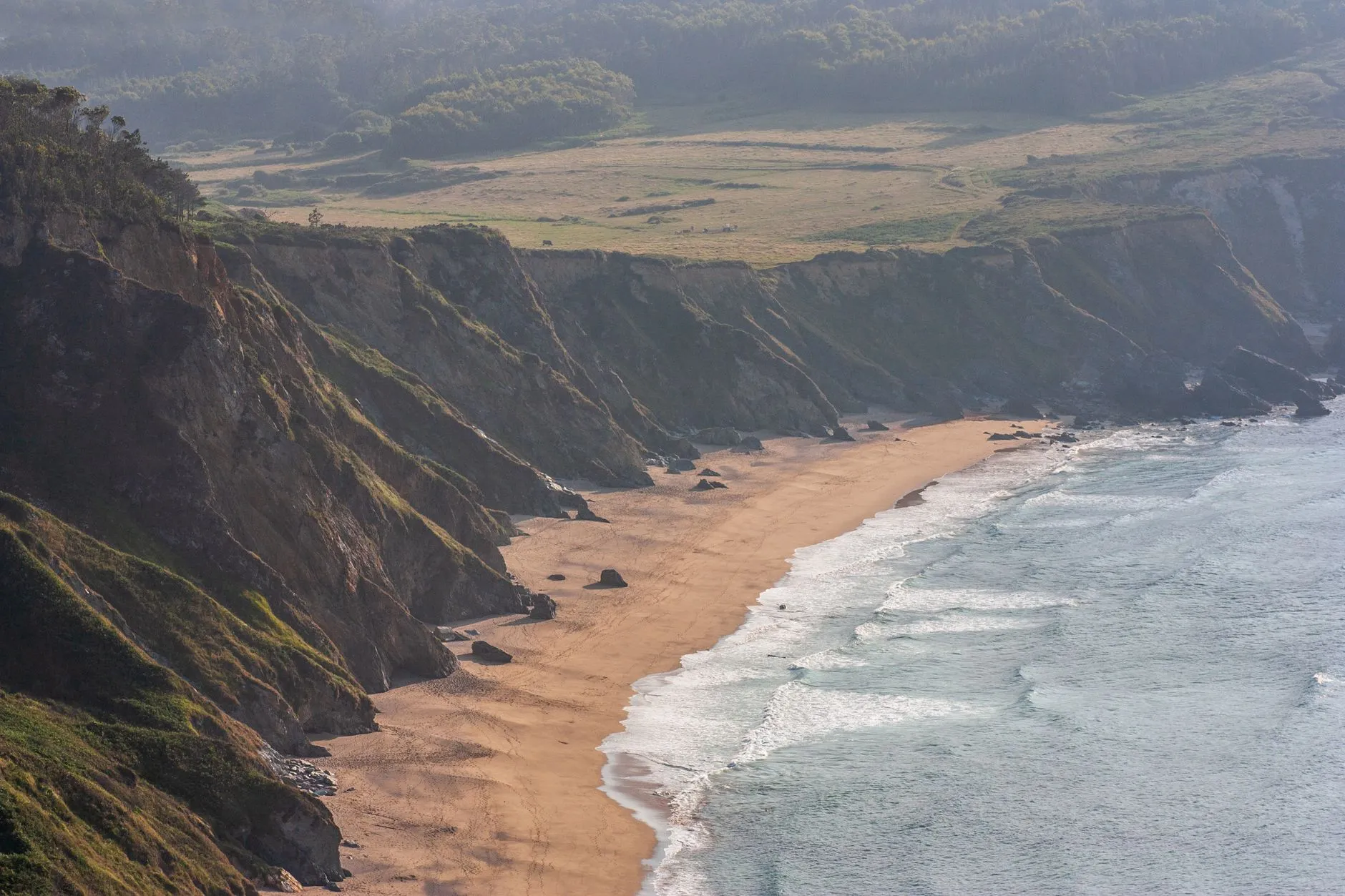
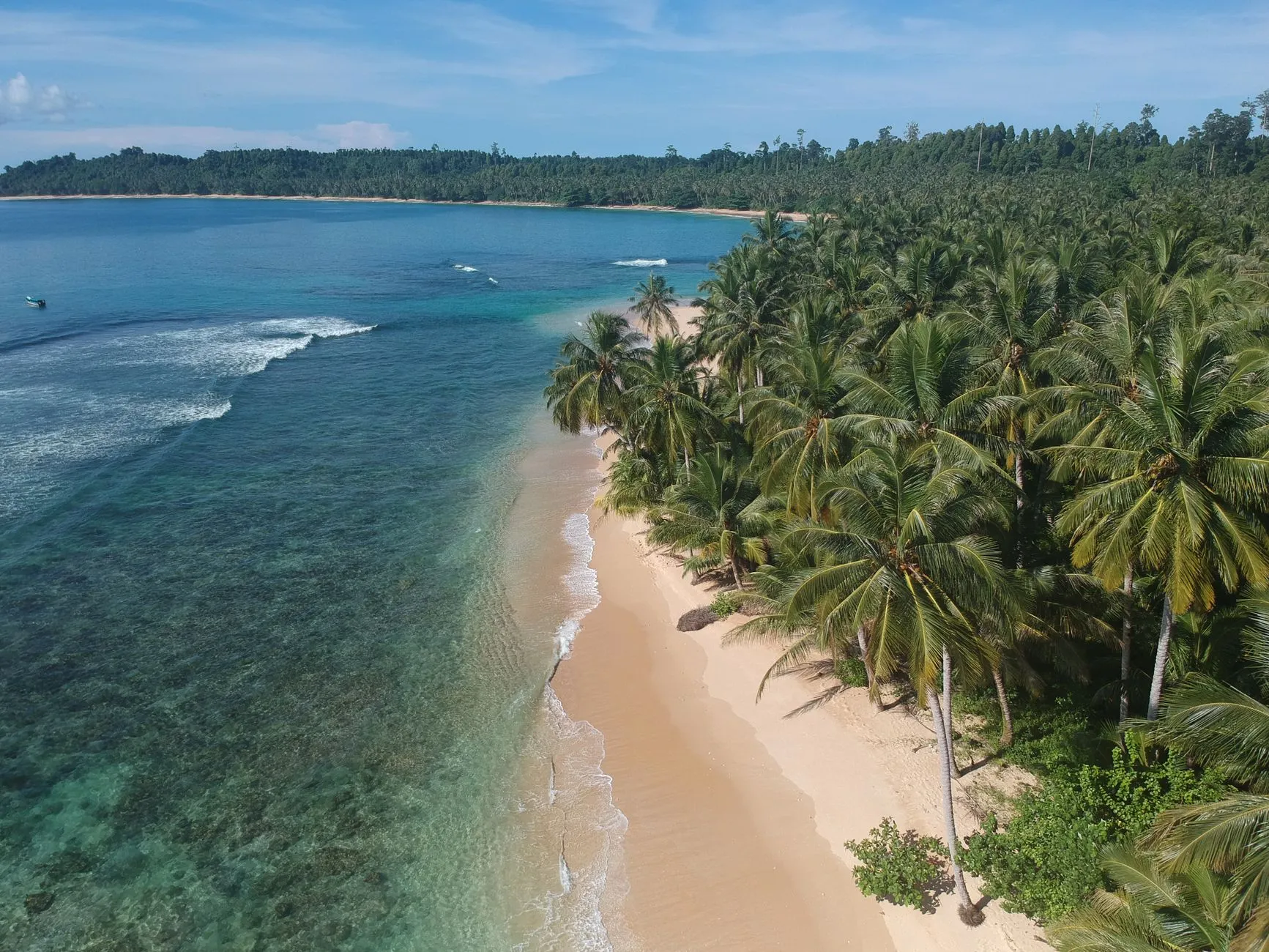
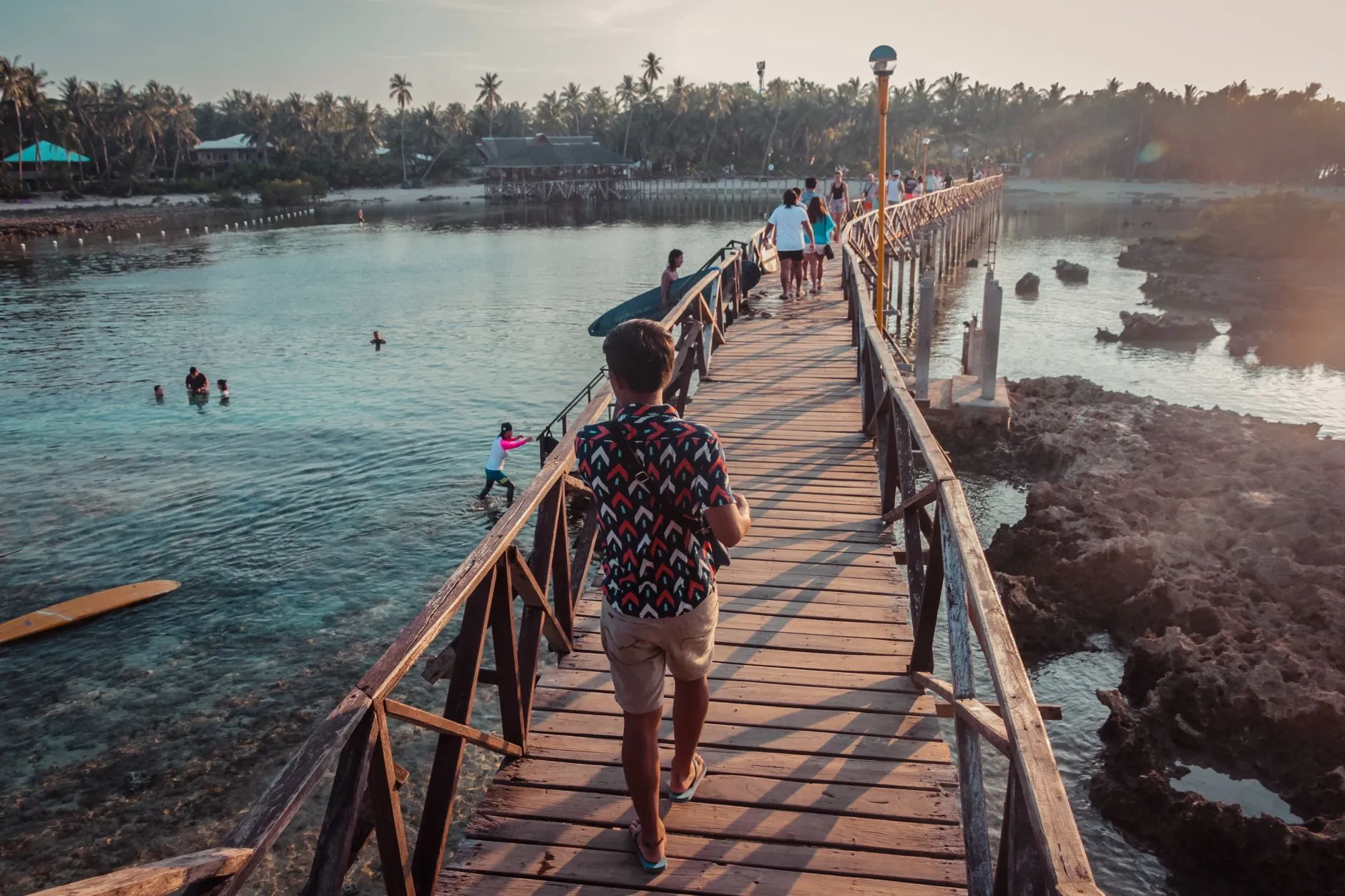
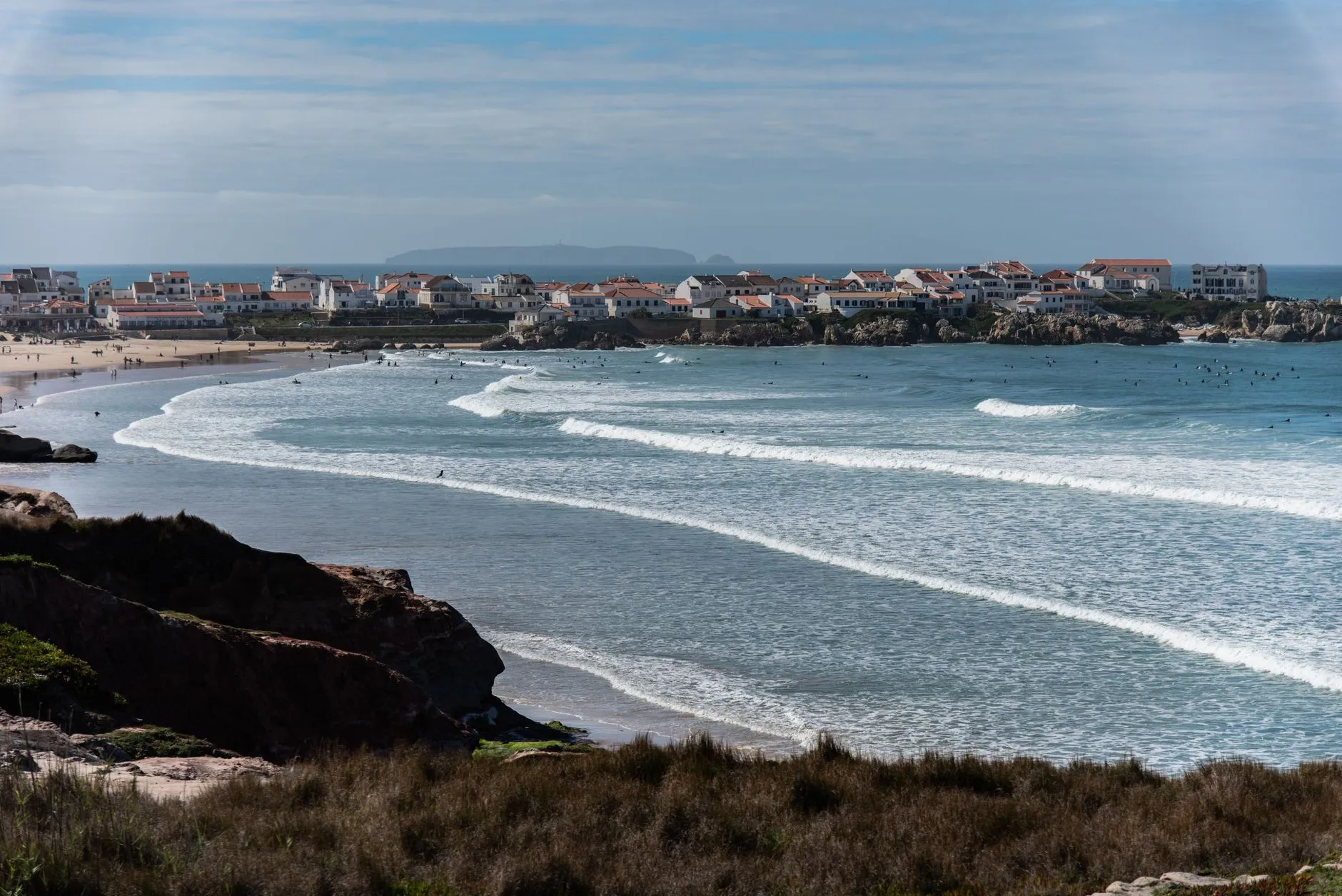
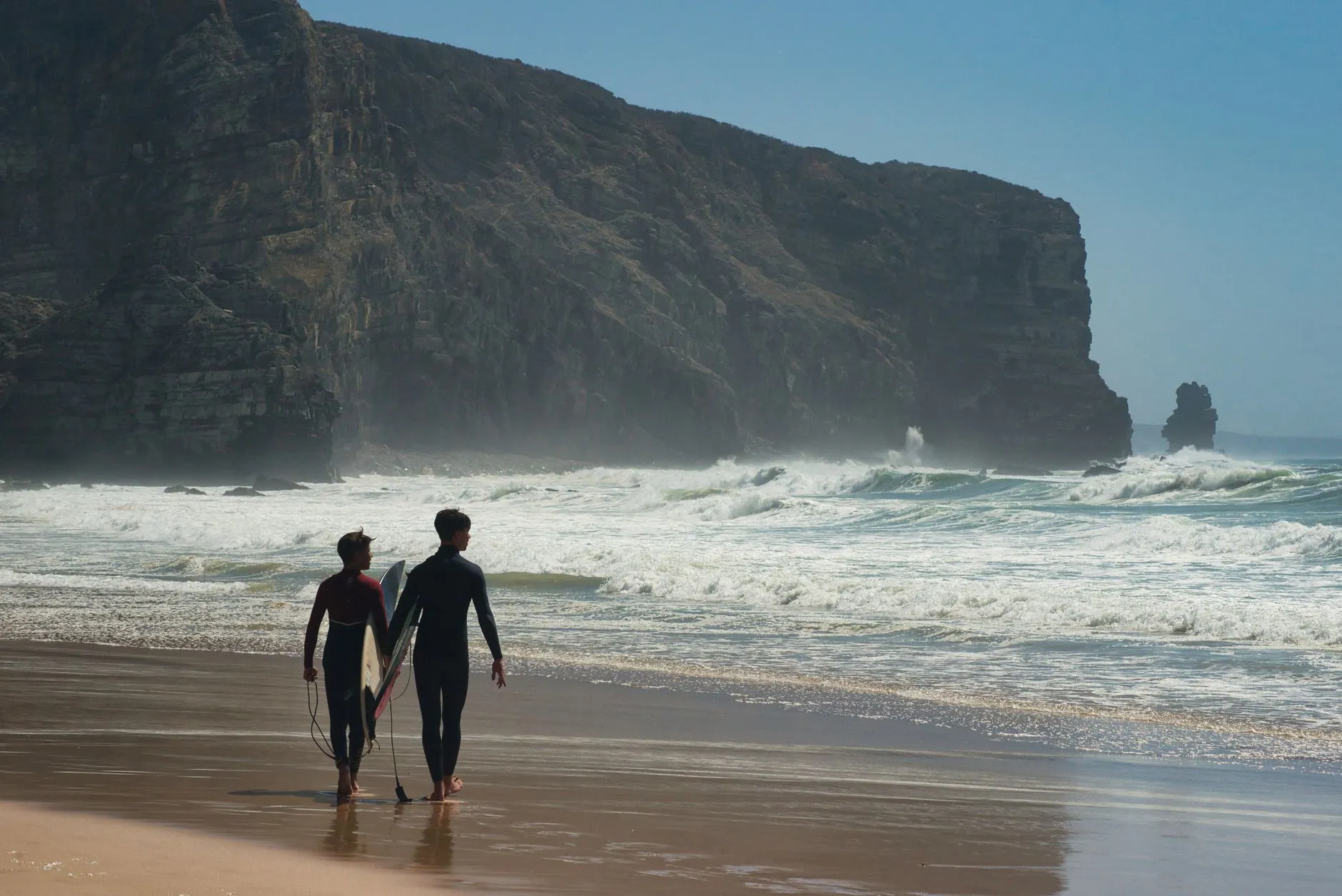
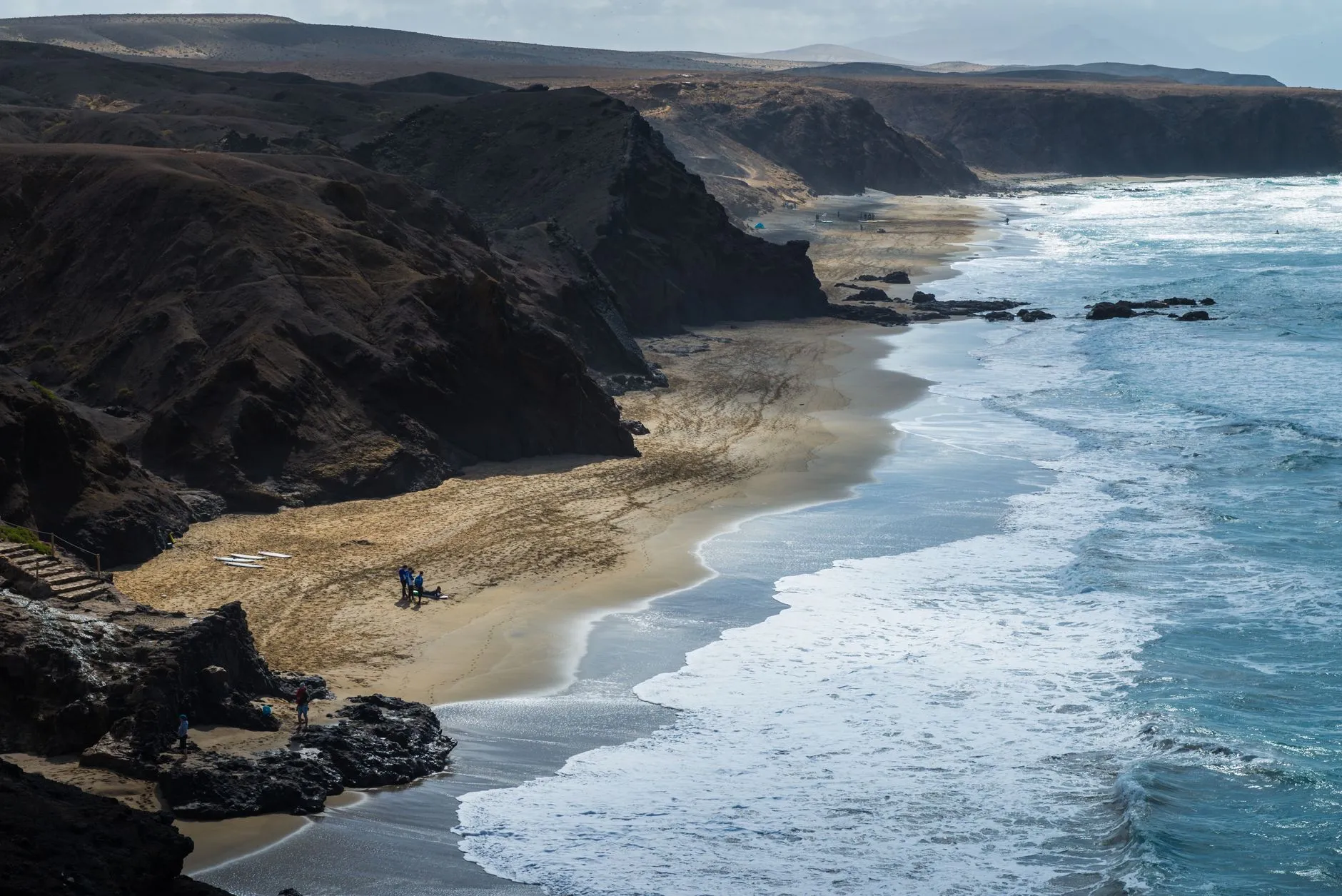
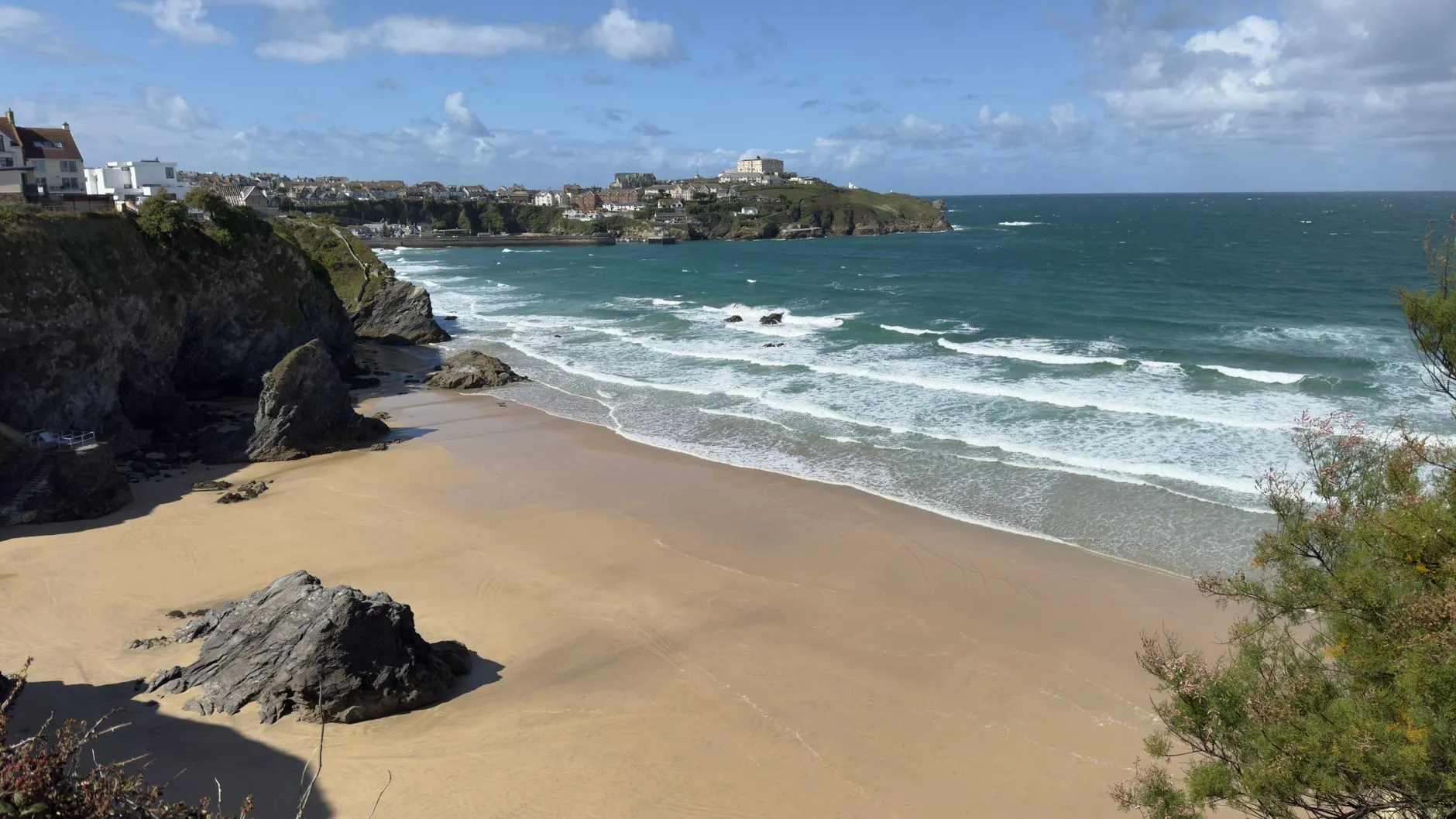
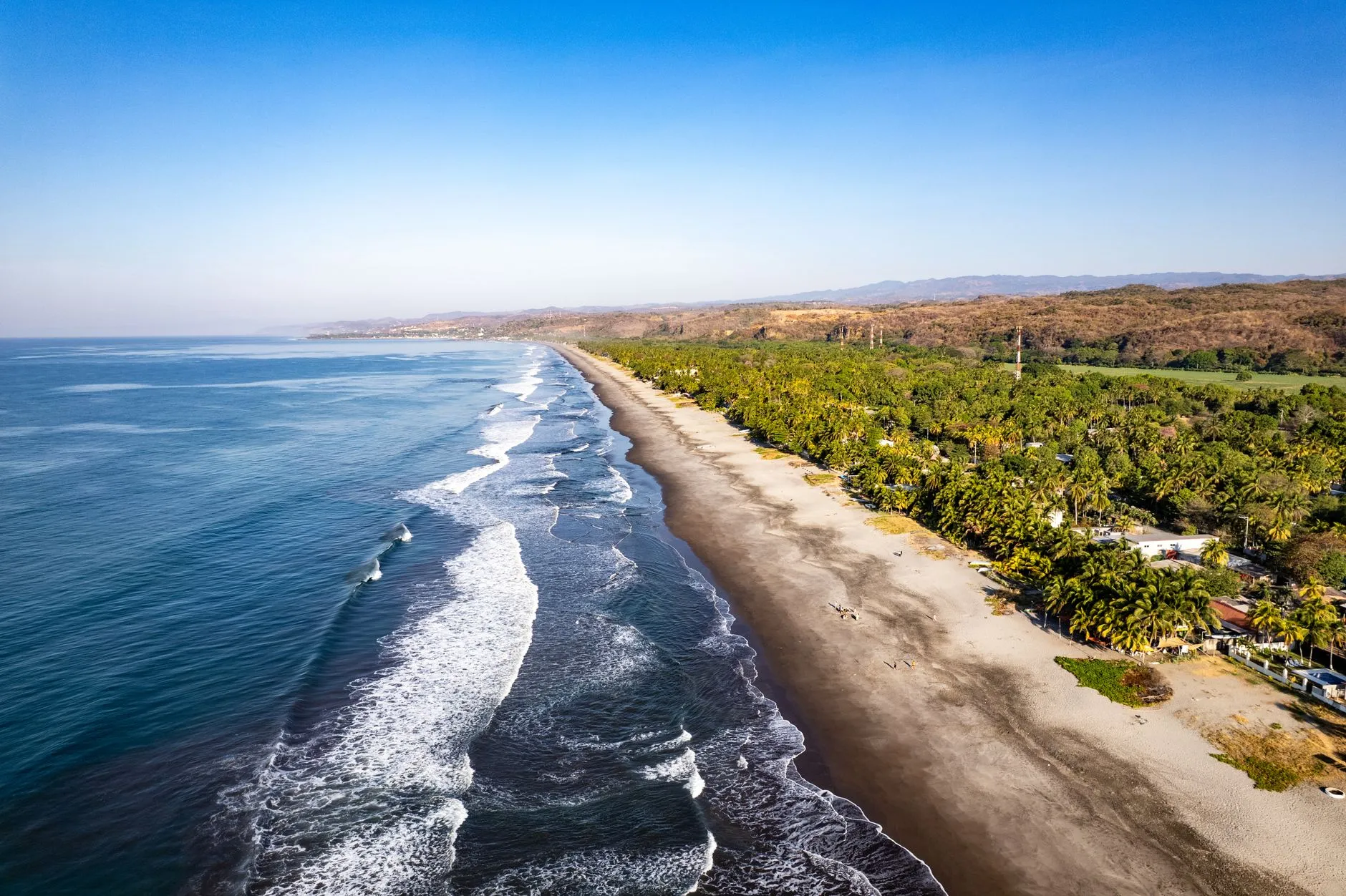
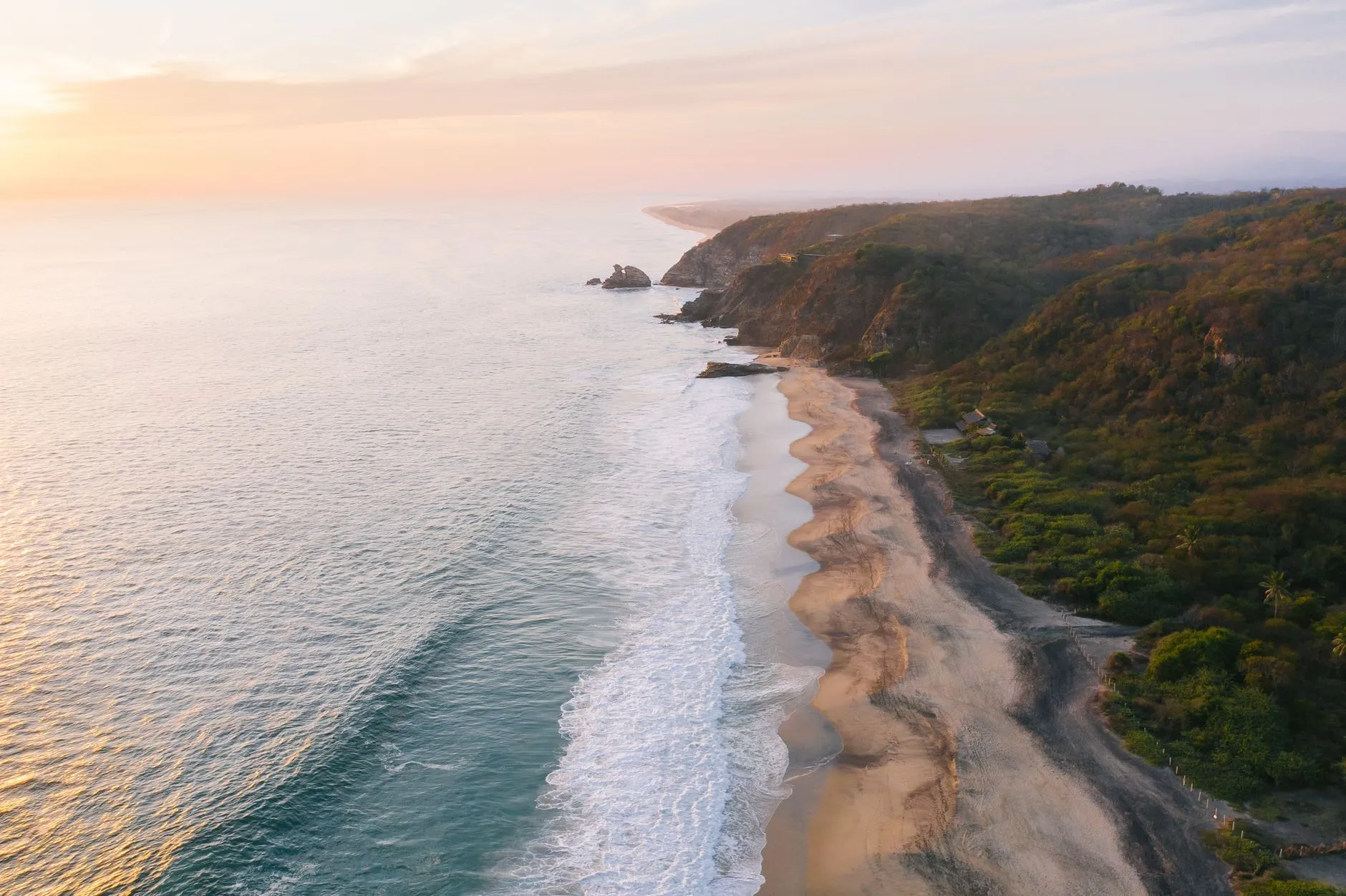
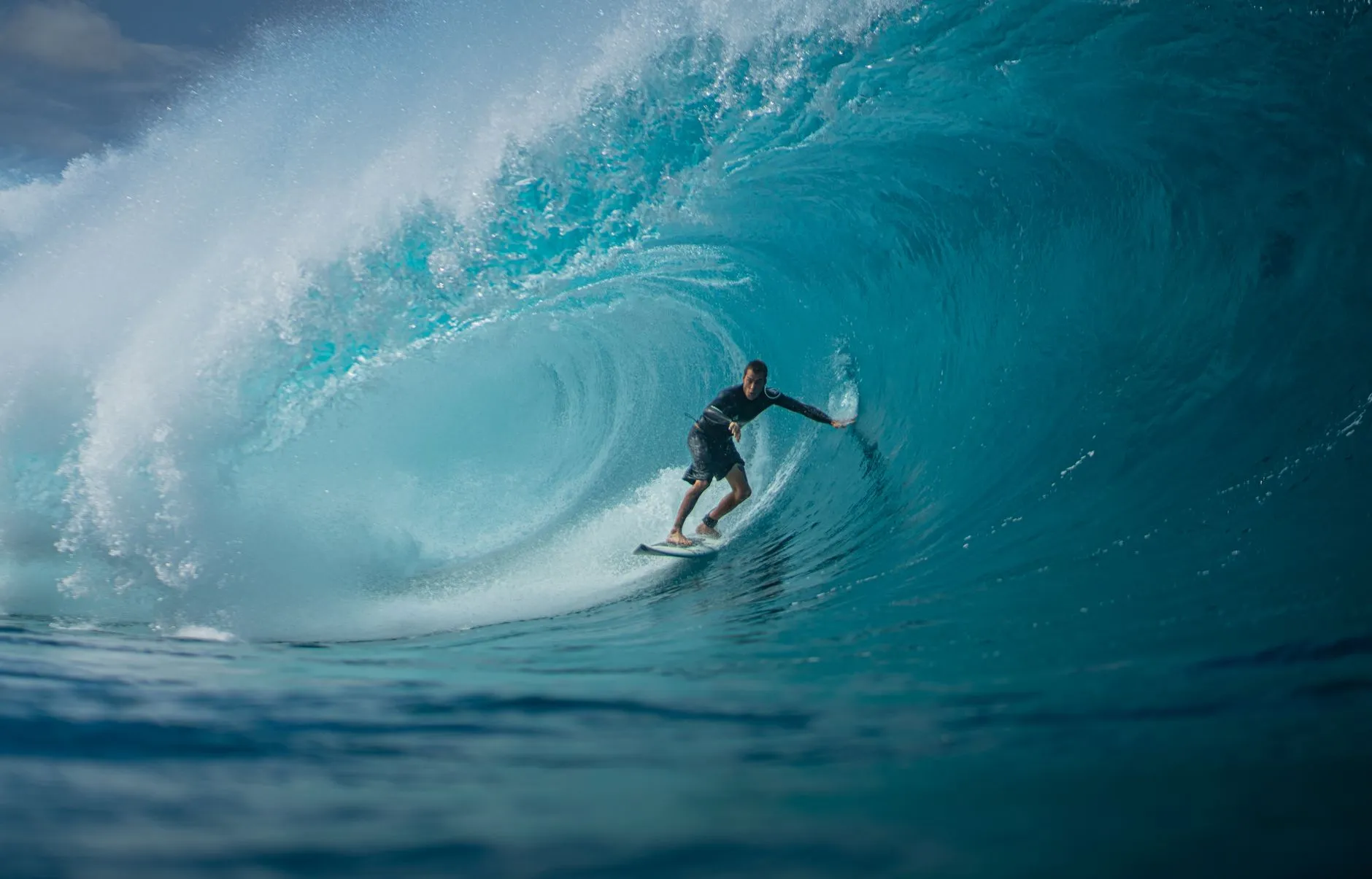
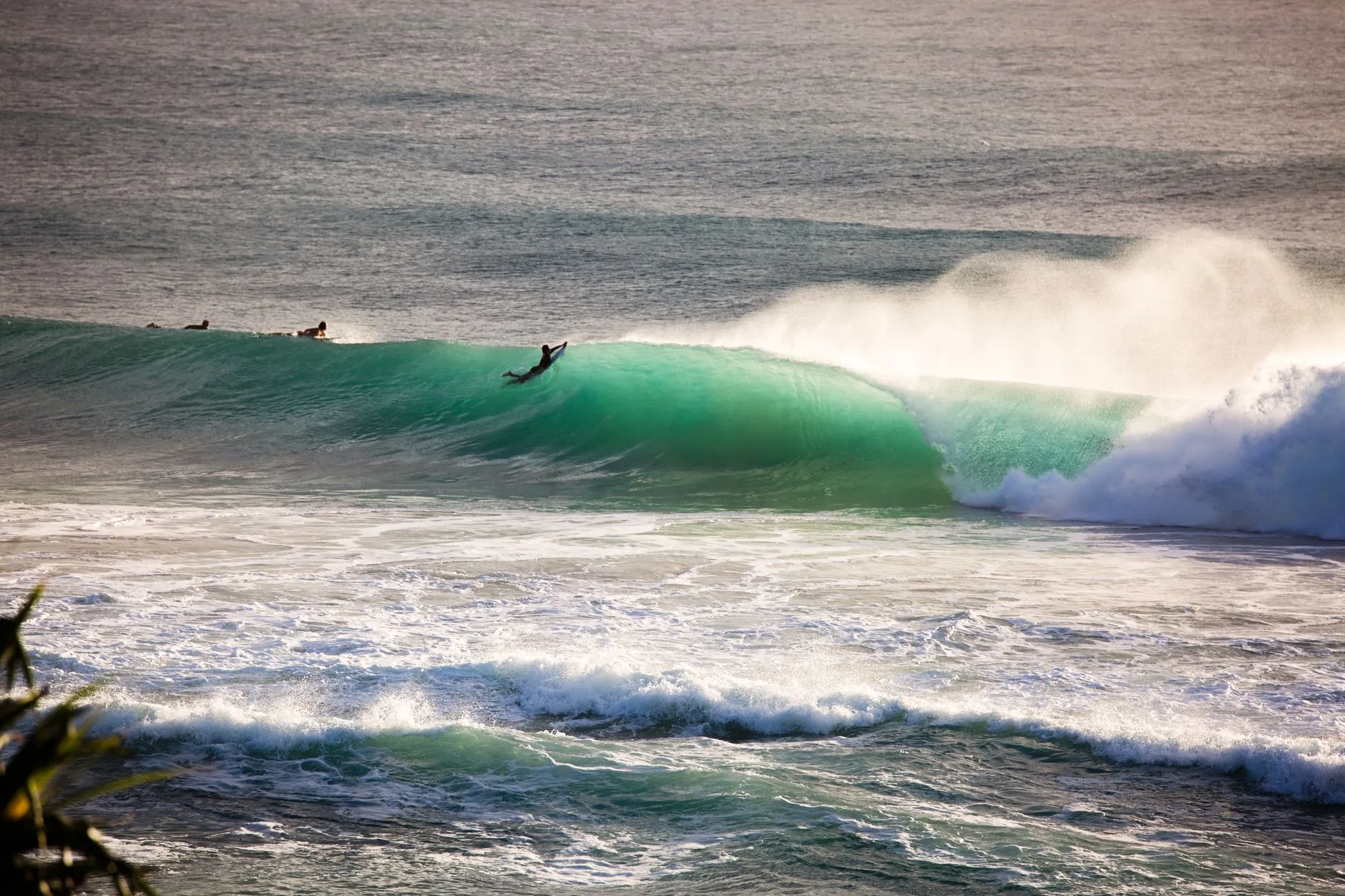
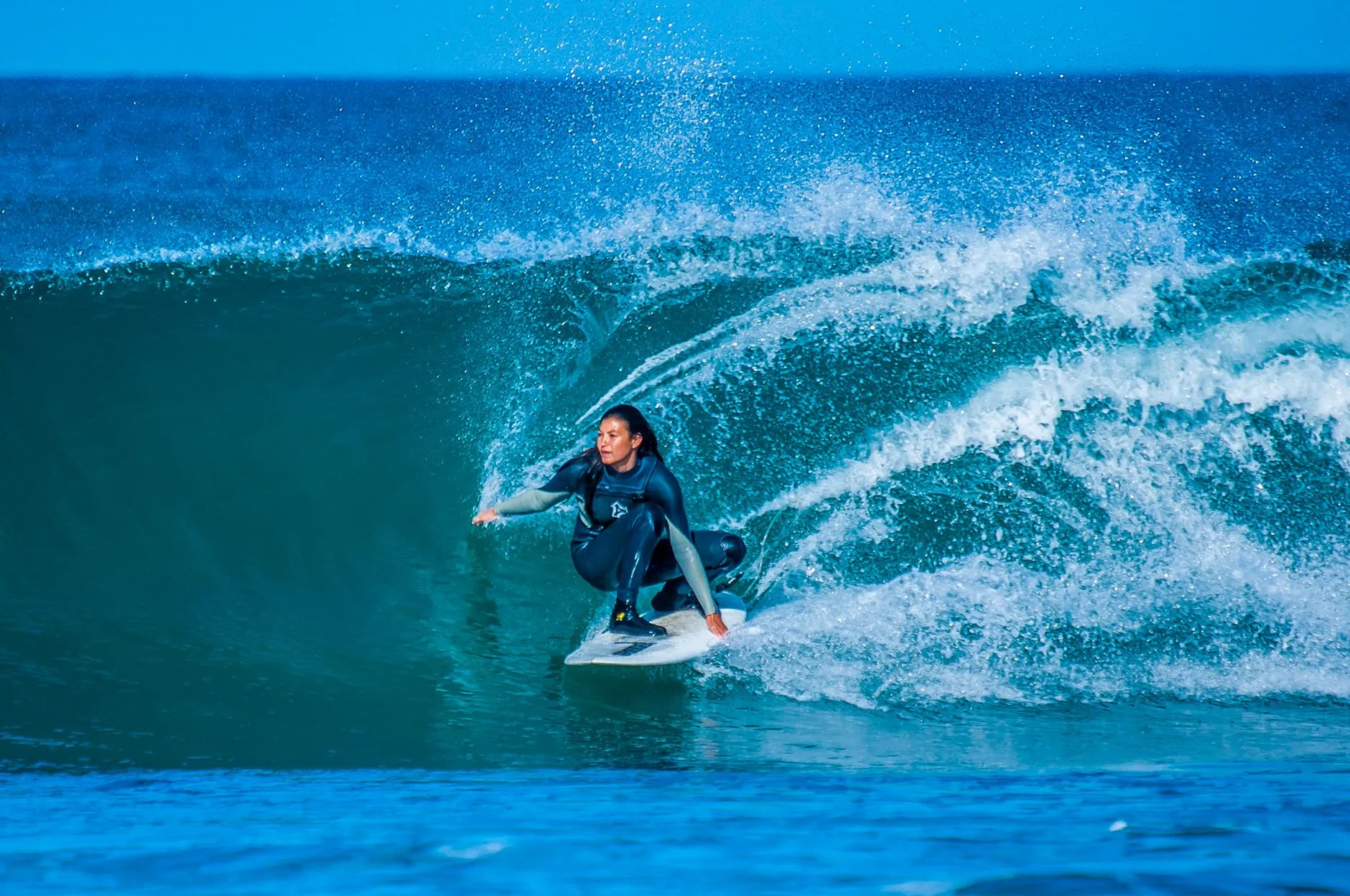
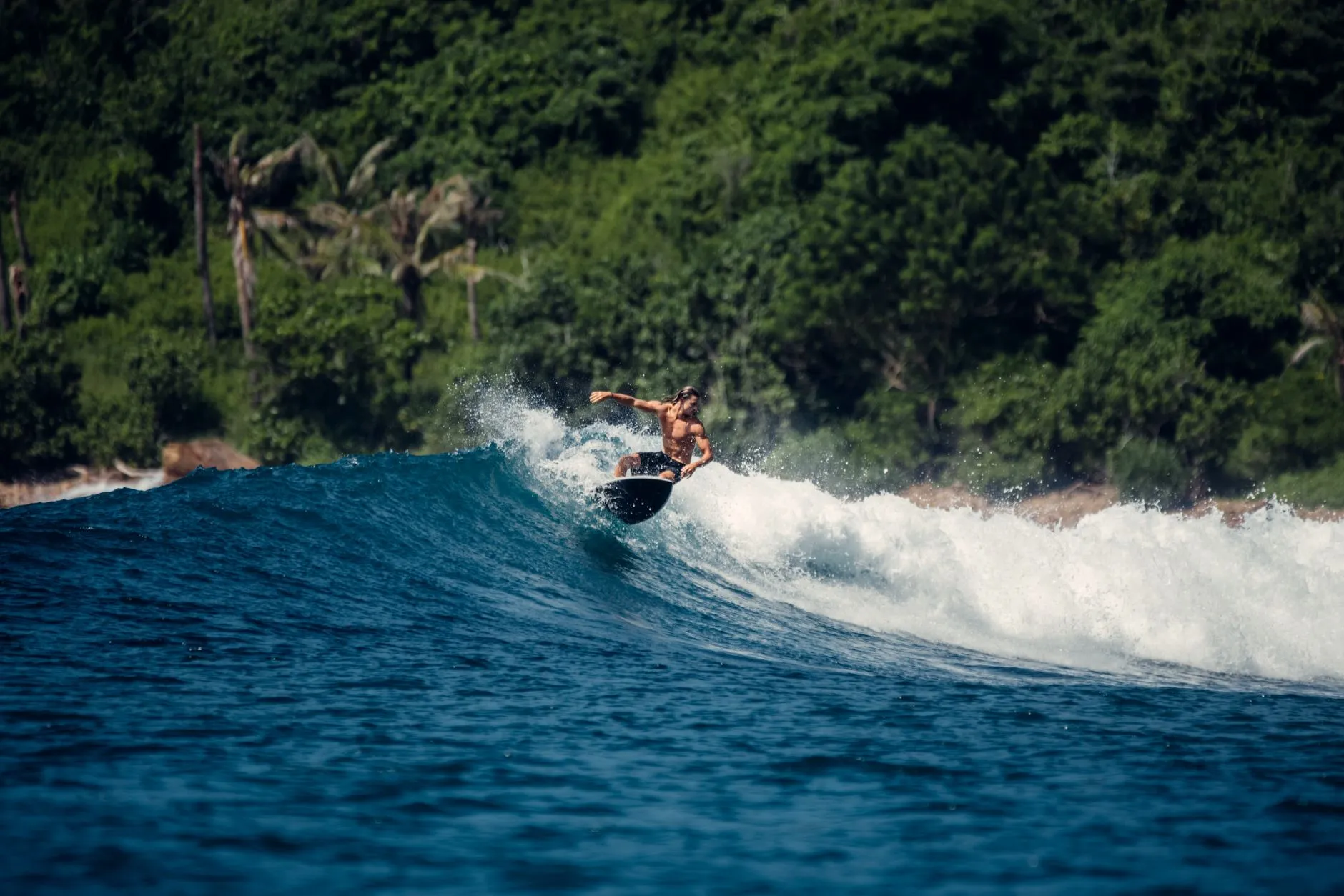
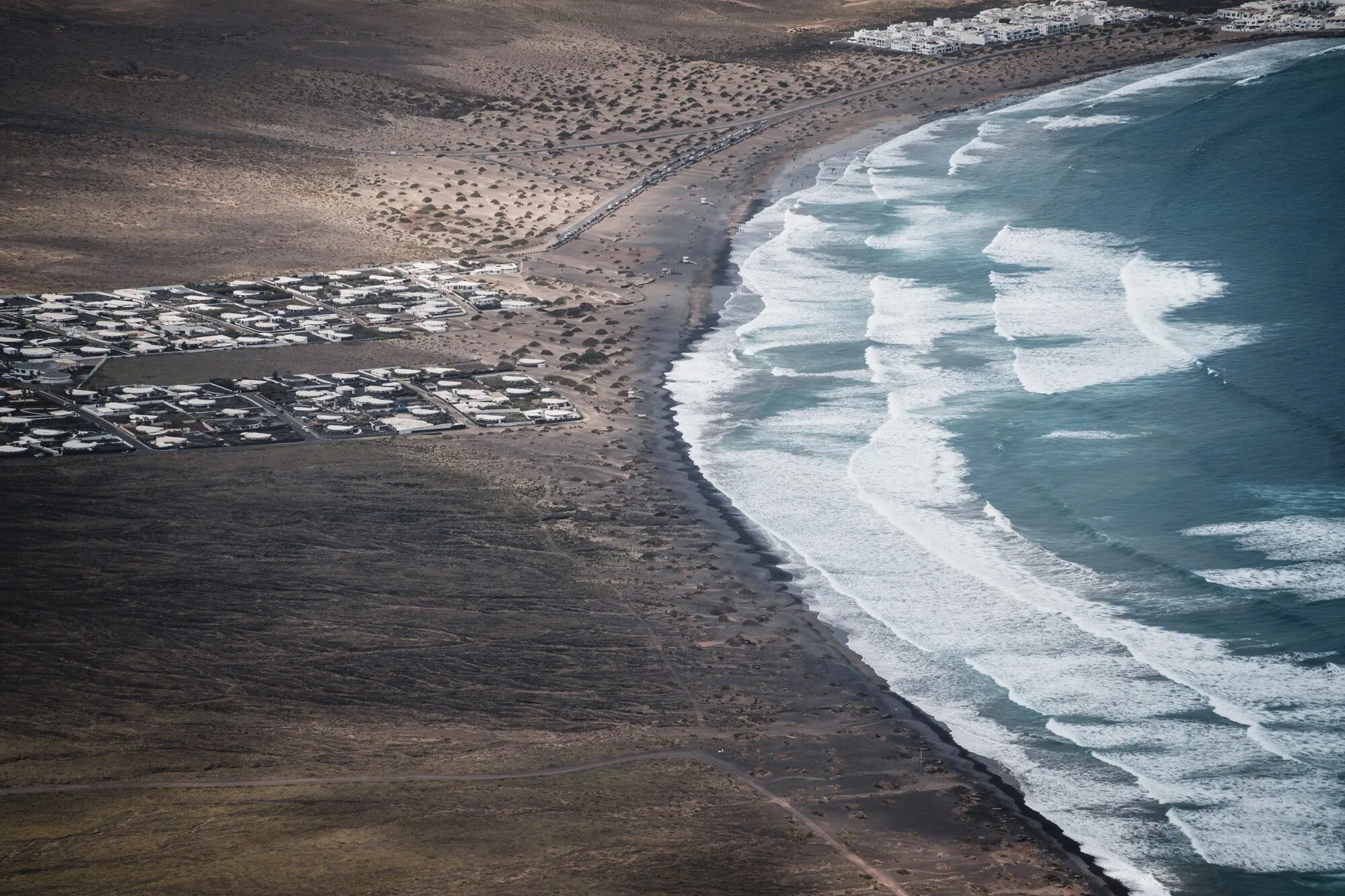
Hang a left at the top of Spain and the country changes language, weather and shape: eucalyptus and gorse instead of olive groves, granite headlands instead of promenades, and a coastline so folded that Galicia owns a third of Spain's shore. This is a land of lighthouses and shipwrecks, of rías that carry the sea deep into farmland, of octopus boiled in copper pots at village festas. The Romans called its western cape the end of the world. Most traveling surfers still drive straight past on their way to Portugal, which is exactly why you should not.
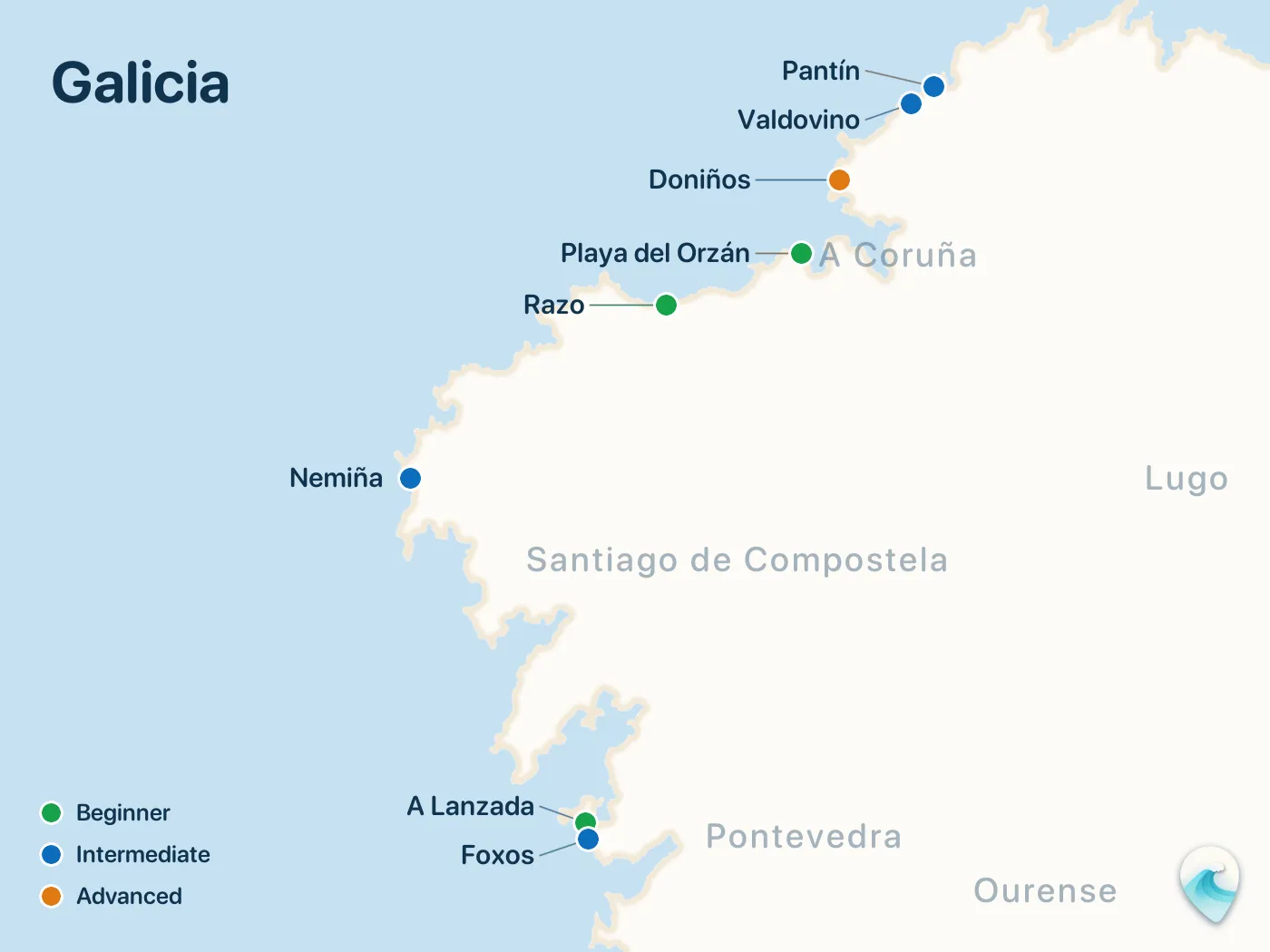
The open coast catches everything the North Atlantic sends and spends it on beaches where a crowd means twelve people: Pantín has hosted a world qualifying contest every summer since 1988, Doniños turns storm swell into the region's serious sandbars, and Razo will stand anyone up on their first morning. Be honest with your planning, because Galicia is. Summer can go flat for a week, winter lands with real power and sideways rain, and the water never gets past cool: spring suit optimism in August, thick rubber the rest of the year. Come in September and October, when the first swells meet the last of the sun, and you will have the place nearly to yourself.
Best months
September to November; July and August for first waves
Water
12°C in winter, 18°C at best in August, rubber all year
Levels
Razo's whitewater to Doniños on a winter swell
Getting there
Fly to A Coruña or Santiago, then drive: the spots spread over three hours of coast
Three beaches within twenty minutes of each other and the reason surfers who know Spain keep driving past the Basque Country. Pantín for reliability and contest history, A Frouxeira for space, Doniños for power.
Pantín
Valdoviño · Beach break
Intermediate
The wave that put Galicia on the contest map: the Pantín Classic has run on these sandbars since 1988, and the stream that crosses the beach keeps rebuilding the peaks that made it famous. It swallows almost any swell and any tide, greener and more rural than any contest venue you have seen, cows included. Busy here means a dozen surfers, mostly friendly, mostly local.
Five minutes from Pantín, a kilometer and a half of exposed sand with a bird-filled lagoon behind it and usually a different mood in front. A Frouxeira, as everyone here calls it, picks up more swell, shifts faster and punishes lazy duck dives with a proper shorebreak. When Pantín feels small, come here; when this maxes out, drive back.
Doniños
Ferrol · Powerful beach break
Advanced
Ferrol's serious beach and the reason the city's surfers do not travel much: a horseshoe of open sand that turns winter Atlantic into hollow, consequential peaks. It holds more size than anything else in this guide, the rips organize the lineup for you, and on a clean overhead day it bears comparison with the best beach breaks in Spain. Ask before you paddle; the locals are proud of it, with reason.
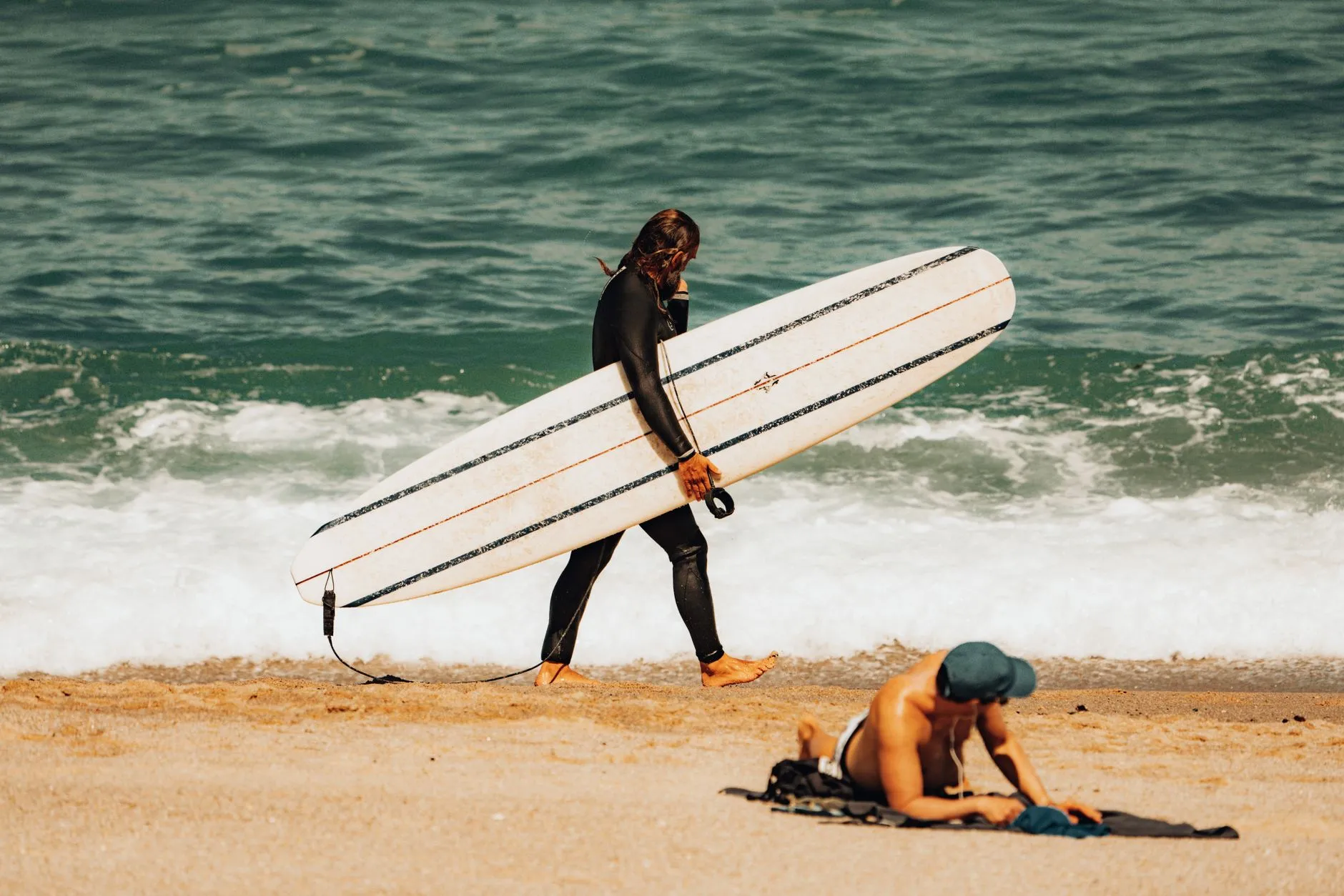
A longboarder heads out, Galicia
City waves, first waves
A Coruña puts a beach break in front of its promenade; Razo, half an hour west, puts a soft-top under anyone who asks. Between the two you can fill every day of a beginner trip, seafood included.
Playa del Orzán
A Coruña · City beach break
Beginner
A Coruña's living-room wave, breaking in front of glassed-in galerías and six floors of city. You check it from the promenade with a coffee, and the students of the surf clubs are in before their first lecture. The banks move around and the backwash can chop it up, but few places in Europe let you surf, eat percebes and catch a gig without moving the car.
Razo
Carballo · Beach break
Beginner
The surf-school capital of the north: kilometers of open sand curving toward Malpica, with camps, rentals and enough peaks that nobody needs to argue. It gathers whatever swell exists, so on the flattest August day there is usually a waist-high wall here for someone's first bottom turn. Progress along the beach toward Barrañán as you improve; the banks get better and the people fewer.
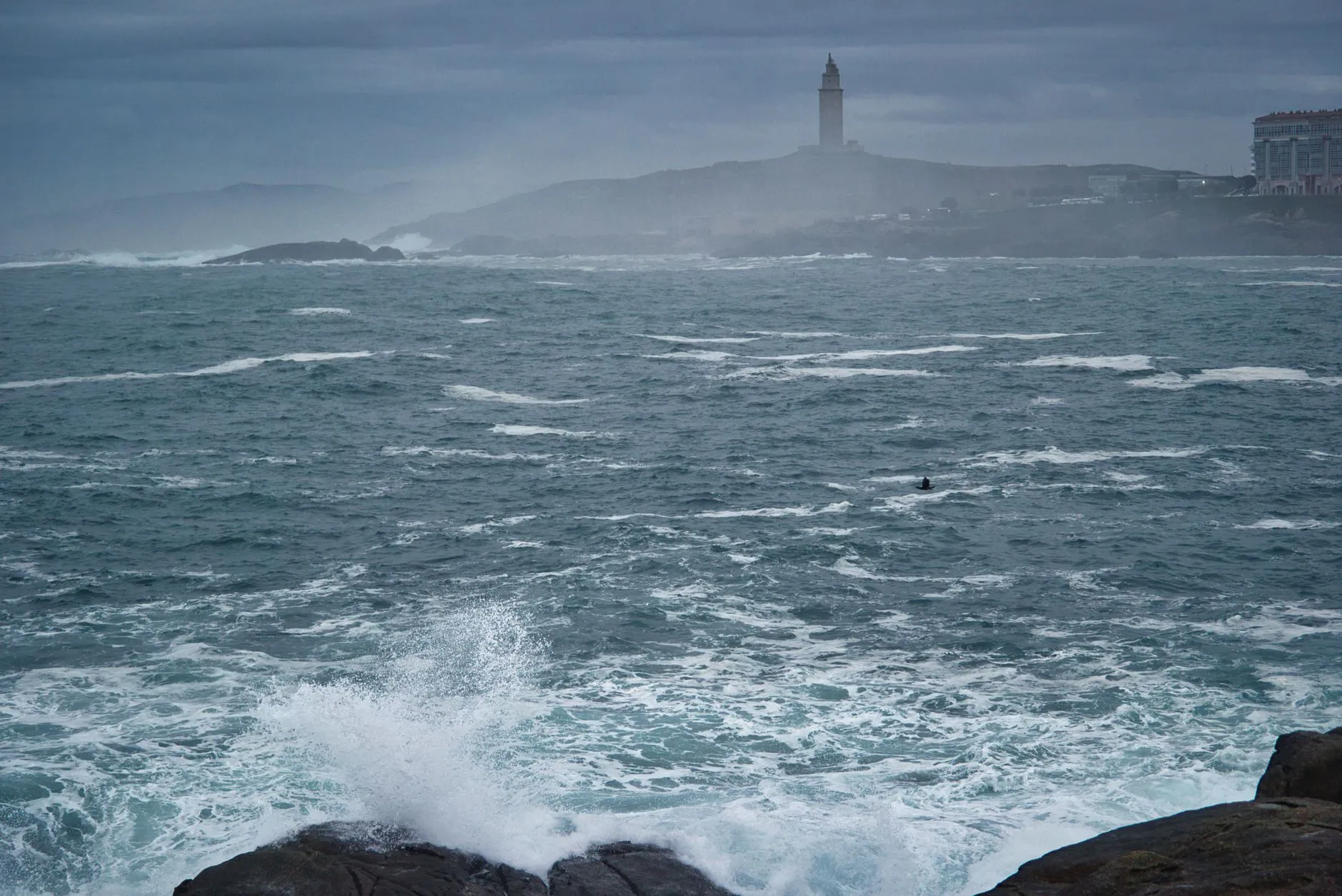
Storm swell below the Tower of Hercules, A Coruña
The end of the world
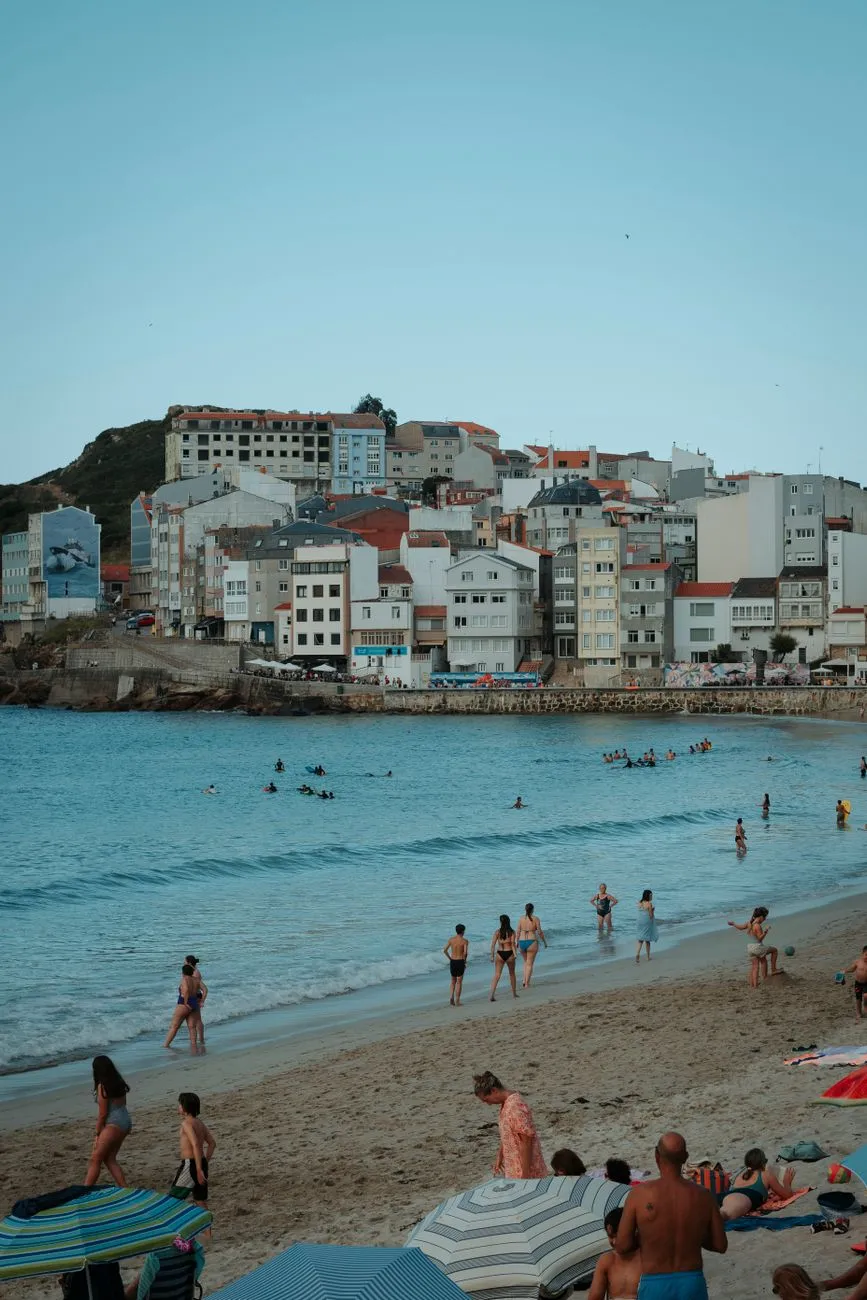
The Costa da Morte earned its name from shipwrecks, not from a tourism office. Drive the extra hour through Fisterra's lighthouse country and one rivermouth pays you back with the emptiest good wave in Galicia.
Nemiña
Costa da Morte · Rivermouth beach break
Intermediate
The Costa da Morte at its kindest: a curve of sand below Cape Touriñán where the Lires estuary grooms the banks and the headland takes the sting out of the north wind. Expect a handful of locals, cows on the hillside and water that is cold in every season. Check it from the bluff before committing; out here the banks decide everything, and the next option is a long drive away.
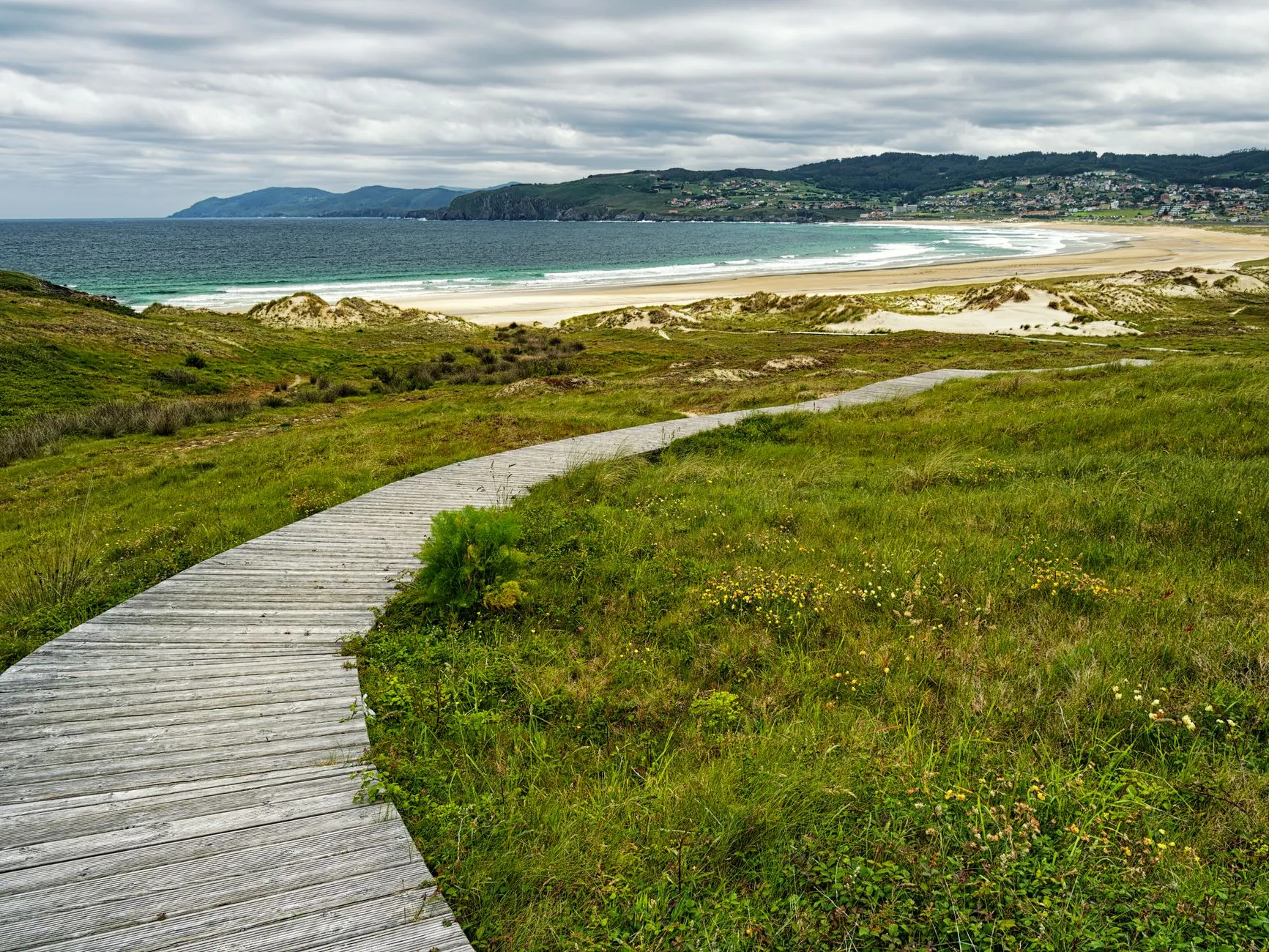
Boardwalk through the dunes to the beach, Galicia
The southern option
The Rías Baixas soften the same ocean into friendlier shapes, with warmer air and albariño at dinner. Two beaches share one dune: A Lanzada for long easy walls, Foxos when you want the same swell with more punch.
A Lanzada
O Grove · Beach break
Beginner
Two kilometers of pale sand between the open Atlantic and the tiny hermitage where Galicians once bathed in nine waves to ask for children. The Rías Baixas take the edge off the ocean, so what arrives is softer and better organized than up north: whitewater inside for the schools, longer walls on the outside banks. On a summer evening half of Pontevedra is in the water and it still does not feel tight.
Foxos
Sanxenxo · Punchy beach break
Intermediate
A Lanzada's quicker neighbor around the dune, where the same swell stands up faster and hollower over shallower banks. This is where Sanxenxo's surfers and bodyboarders head when they want a wall with some intent instead of a long roll. Best shape on the lower half of the tide, with the odd closeout as the price of admission.
Summer afternoon in the fishing town of Malpica, Costa da Morte
When to go
A year in Galicia
Typical conditions, month by month. The ocean did not sign this table: for live waves, wind and tide, check the app.
January
6-10 ft
55°F · 4/3 + hood · Advanced
Storm after storm off the Atlantic. Doniños holds, the rías shelter, and picking your day is the whole skill.
February
6-10 ft
54°F · 4/3 + hood · Advanced
The coldest water and the emptiest lineups of the year. Real reward for those with thick rubber and patience.
March
5-8 ft
54°F · 4/3 + hood · Advanced
Still serious, but the days stretch. Between fronts, Pantín and Doniños find clean overhead mornings.
April
4-6 ft
55°F · 4/3 · Intermediate
Swells space out and tidy up. The whole coast turns rideable for mortals, and it is still empty.
May
3-5 ft
57°F · 4/3 · All levels
Friendly size, green hills, long light. The most underrated month on this coast.
June
2-4 ft
61°F · 3/2 · All levels
Small clean windows between calms. Check the banks at Razo and keep the longboard close.
July
1-3 ft
63°F · 3/2 · Beginner
Fickle. The schools at Razo and A Lanzada always find something; everyone else surfs at dawn or waits.
August
1-3 ft
64°F · 3/2 or spring · Beginner
The warmest water of the year, which in Galicia means a spring suit on brave afternoons. Flat spells are real; so are the beach days.
September
3-5 ft
63°F · 3/2 · All levels
The switch flips: first north-west swells, water still mild, the Pantín Classic in the sand. The best all-round month.
October
4-6 ft
61°F · 4/3 · All levels
Consistent, mild and quiet. At some point this month, every spot in this guide does its job.
November
5-8 ft
59°F · 4/3 · Intermediate
The power returns and the rain with it. Mornings before the wind, shelter in the afternoons.
December
6-10 ft
57°F · 4/3 + hood · Advanced
Short days and a serious Atlantic. Surf the windows, then watch the capes explode with a thermos in hand.
Good to know
When is the best time to surf Galicia?
September and October are the sweet spot: the first solid north-west swells arrive while the water is at its warmest and the summer visitors leave. April to June is a quieter second season with friendly sizes. Winter brings serious power for experienced surfers, and July and August are the fickle months, best for learning at Razo or A Lanzada.
Is Galicia good for beginners?
Yes, especially in summer and early autumn. Razo near A Coruña is the surf-school hub of the region, A Lanzada in the Rías Baixas is long, sandy and softened by the bay, and Playa del Orzán teaches city surfers every day. Water is cold enough that schools provide full wetsuits even in August, and the empty peaks mean nobody is fighting you for the whitewater.
What wetsuit do I need in Galicia?
A 4/3 covers most of the year, with a hood and boots from December to March when the water sits near 12°C. In July and August it reaches 17 to 18°C: most surfers stay in a 3/2, and only the warmest afternoons justify a spring suit. There is no boardshorts season; pack rubber whatever the month.
Is Galicia less crowded than the Basque Country?
Dramatically. Galicia gets the same Atlantic swell with a fraction of the surfers: outside the city beaches, a busy peak means ten people and most beaches hold several peaks. The trade is convenience. Spots are spread across hours of winding coast, the weather changes fast, and you will need a car and flexible plans to cash in on the emptiness.