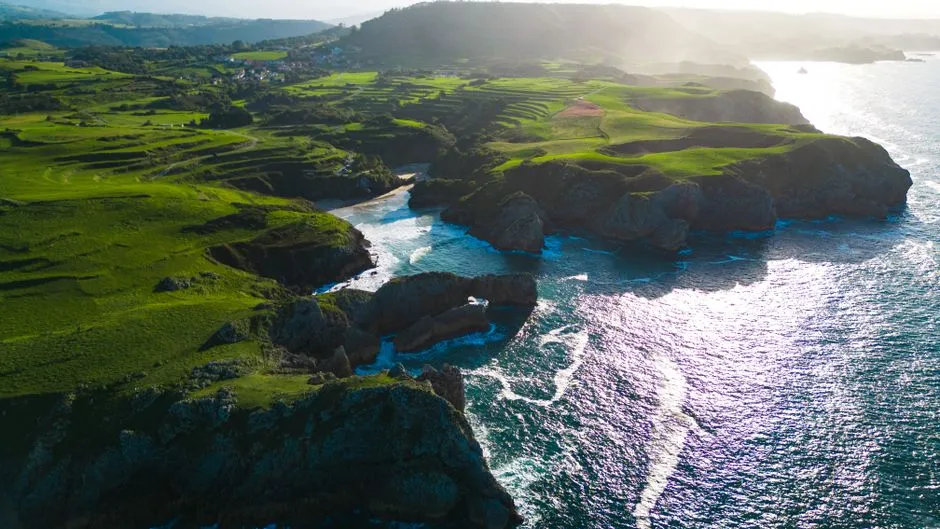
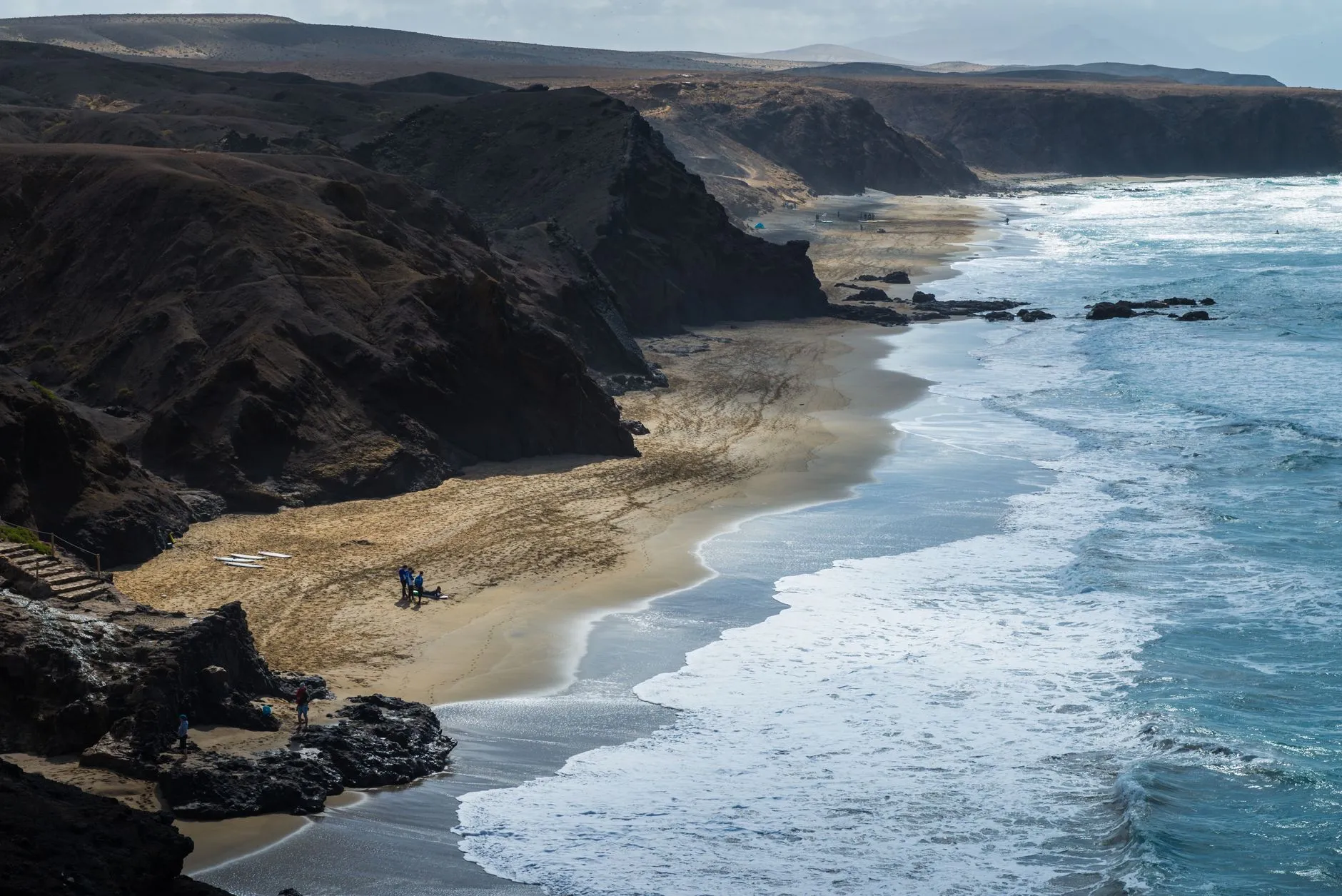
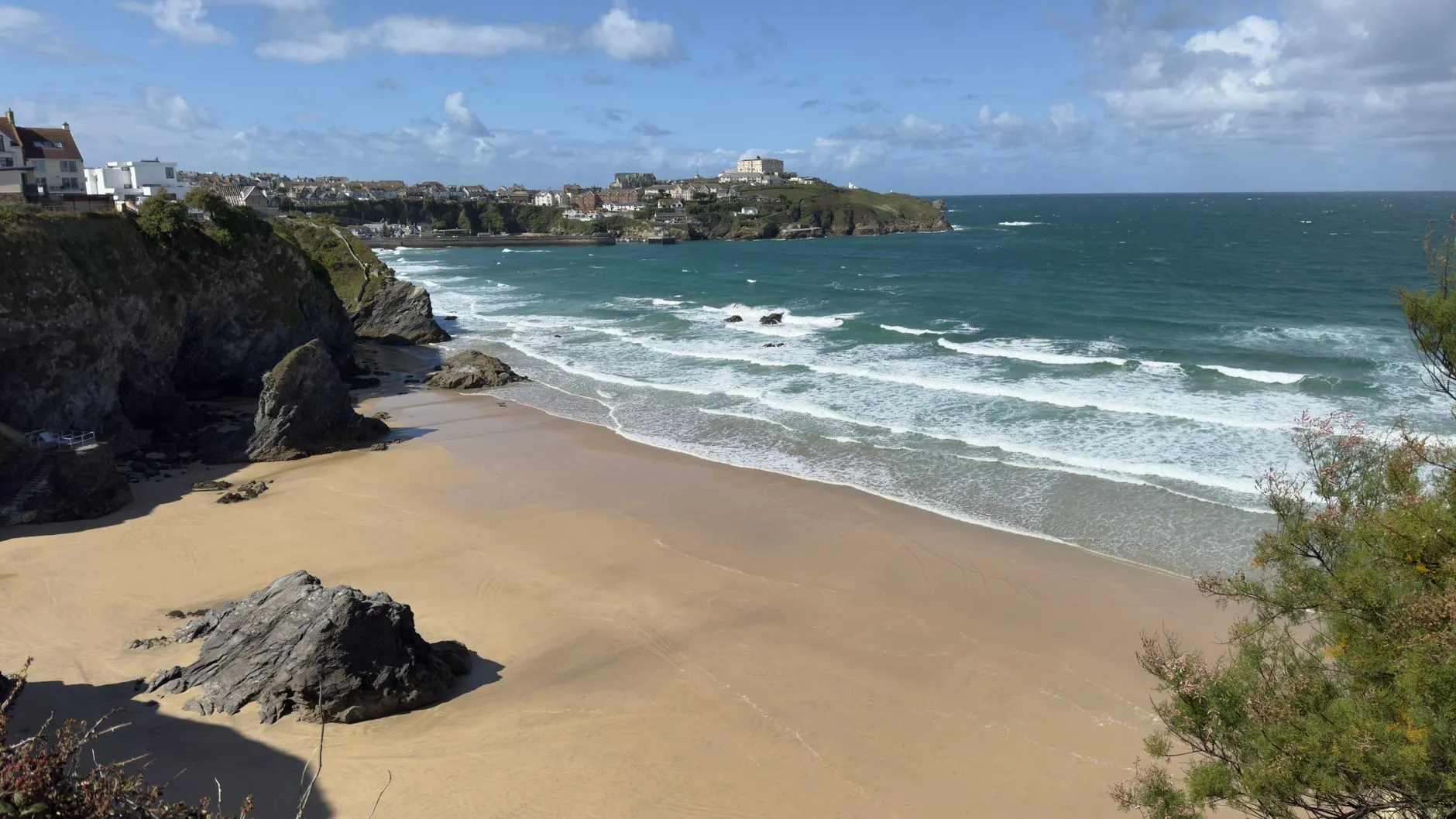
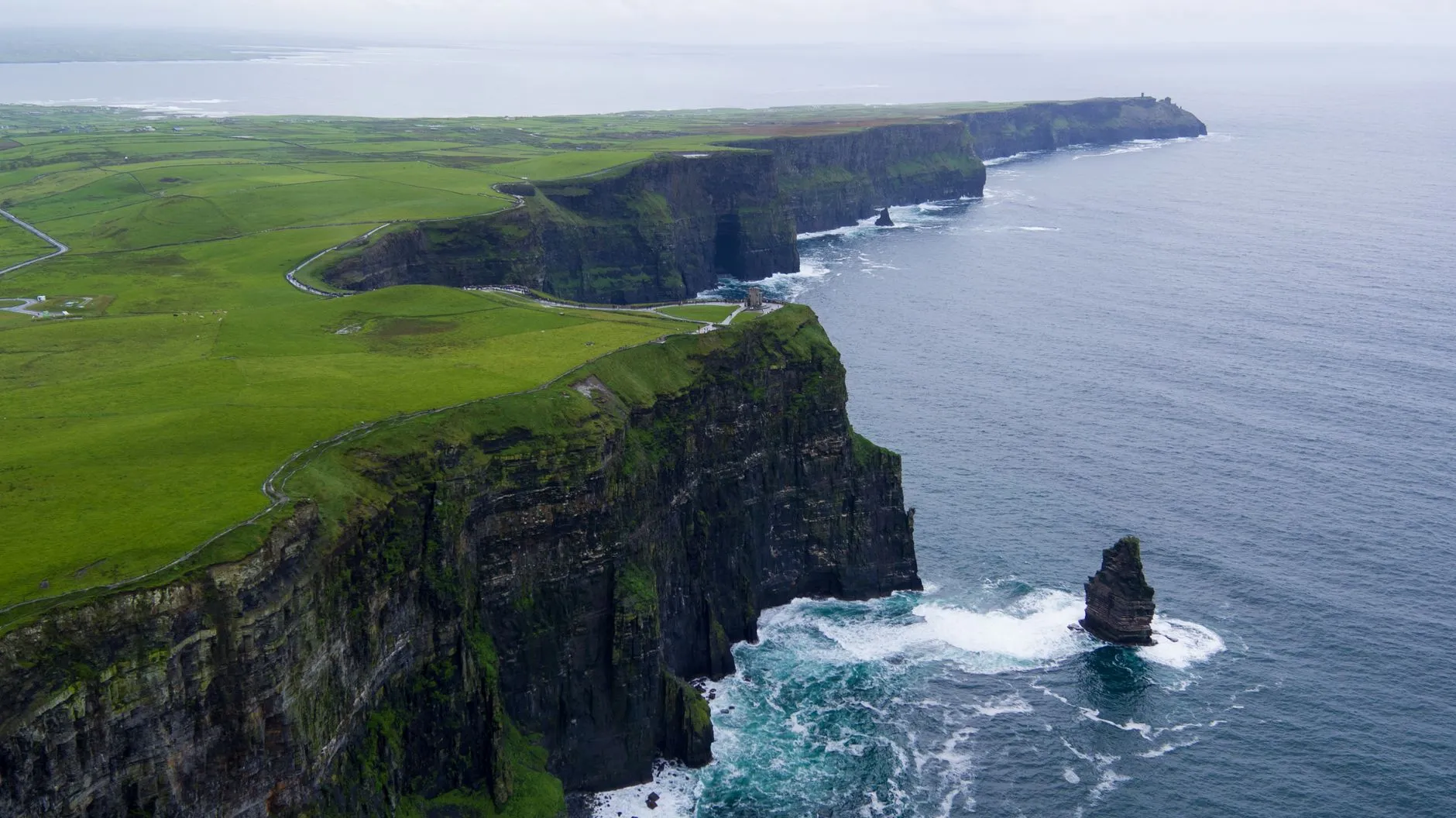
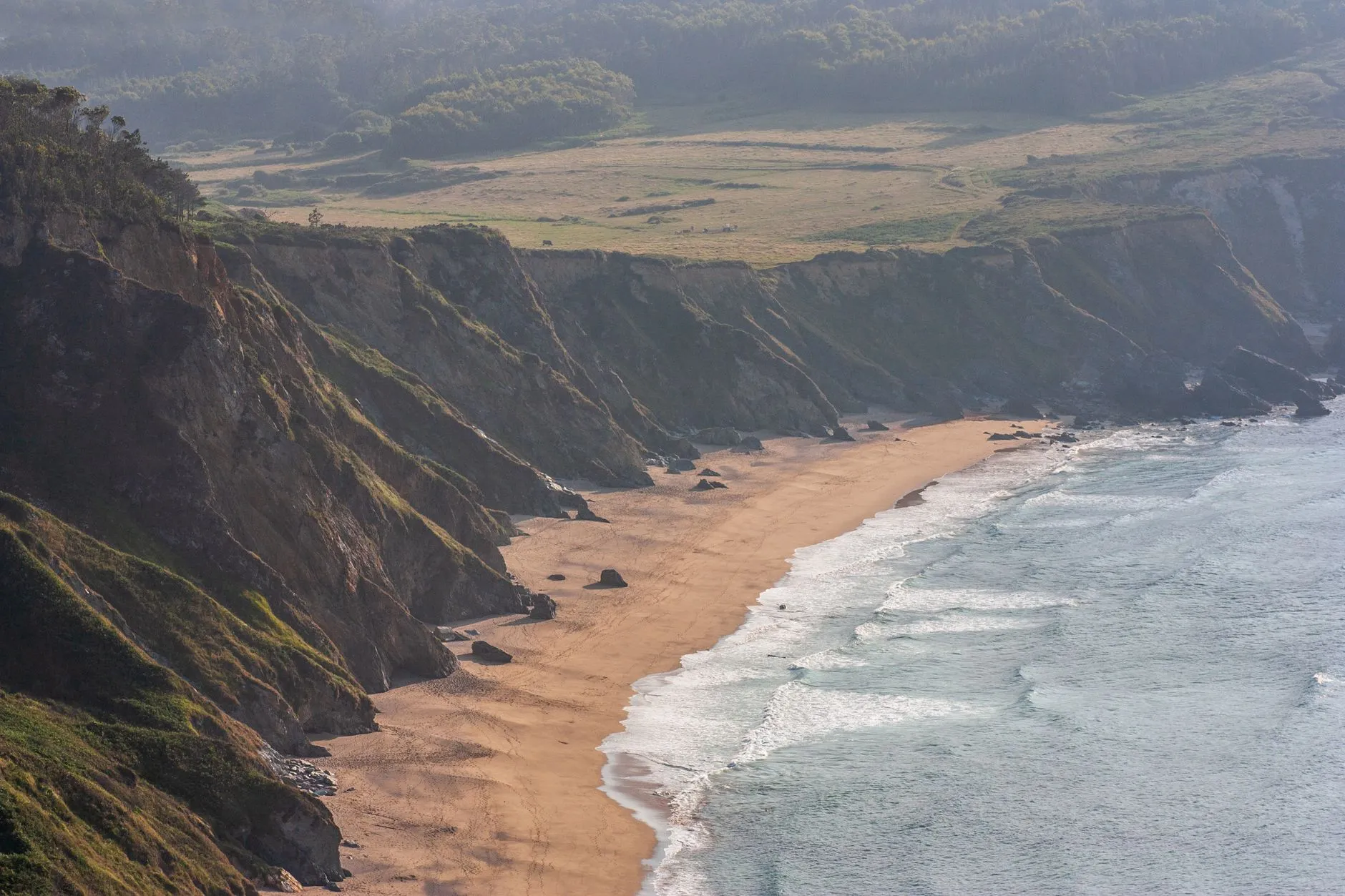
Asturias is the Spain the postcards forget: cider poured from arm's length in stone villages, the Picos de Europa rising almost straight out of the sea, and a coastline of green cliffs and fishing harbours that most surfers only ever see from the A-8 on their way to Portugal. Costa Verde, the green coast, earned its name honestly. The rain keeps the hills glowing and leaves empty sand between every headland, and one bottle of sidra in a village square makes the drive south feel a lot less urgent.
The surf is the quiet argument for staying. The open beaches from Llanes to Tapia catch the same North Atlantic swell as everywhere else on this coast and share it between far fewer people, and at Villaviciosa the region hides Rodiles, a rivermouth left that on its best autumn days belongs in any conversation about Spain's finest waves. Come in September, October or November, when the swells return and the water is still kind, bring a 4/3 for the shoulder months, and expect to have a peak to yourself before your first coffee.
Best months
September to November, when the swells return and the water is still kind
Water
13°C in winter, up to 20°C in late summer, a touch cooler than the Basque coast
Levels
Every level, from the schools on San Lorenzo to Rodiles on a solid swell
Getting there
Asturias Airport sits right behind Salinas, the A-8 runs the whole coast, Oviedo and Gijón make easy bases
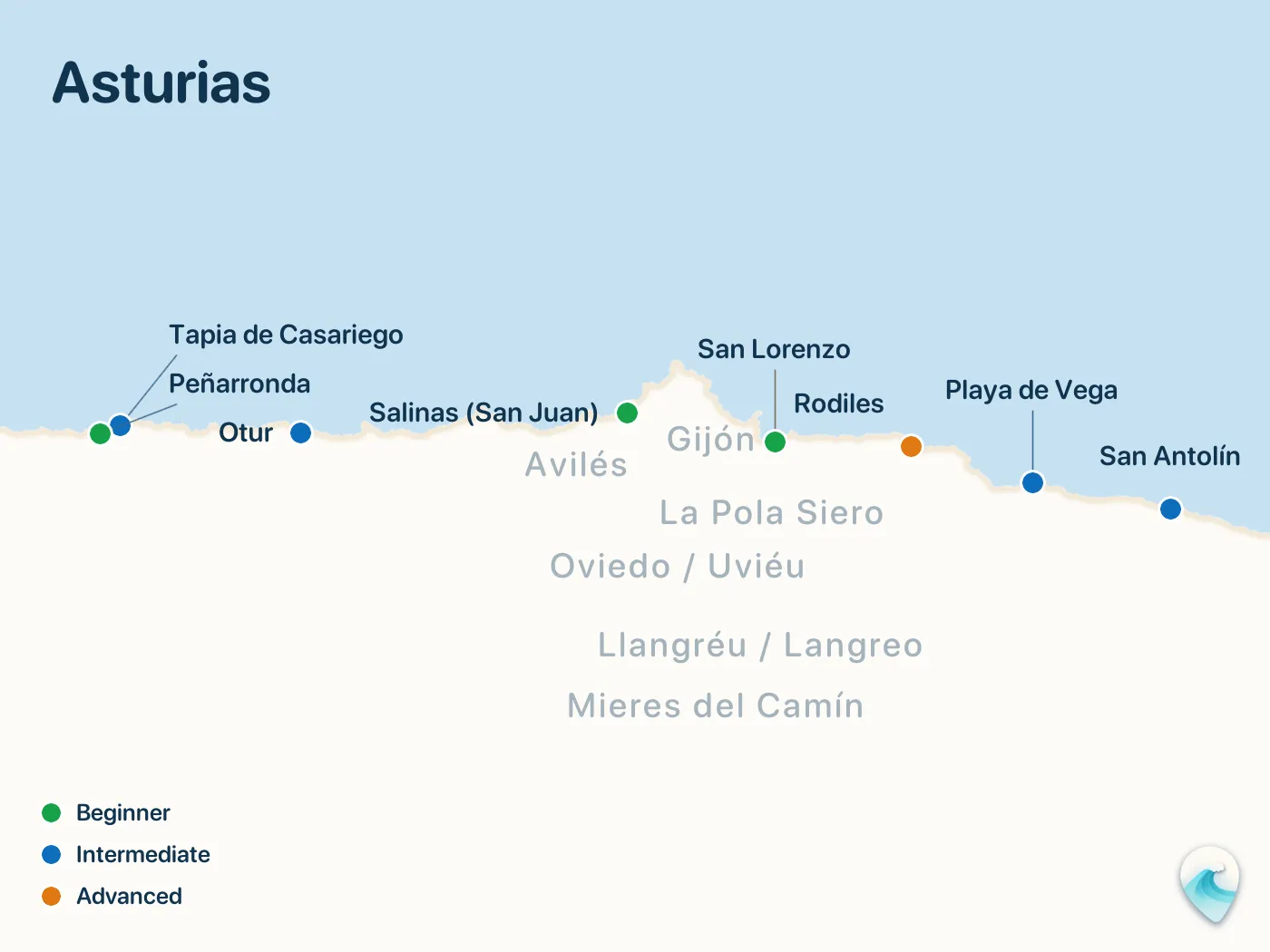
Two city-and-town beaches with schools on the sand and one wide bay by the border. Between San Lorenzo, Salinas and Peñarronda there is a friendly wave for every first week on a board.
San Lorenzo
Gijón · City beach break
Beginner
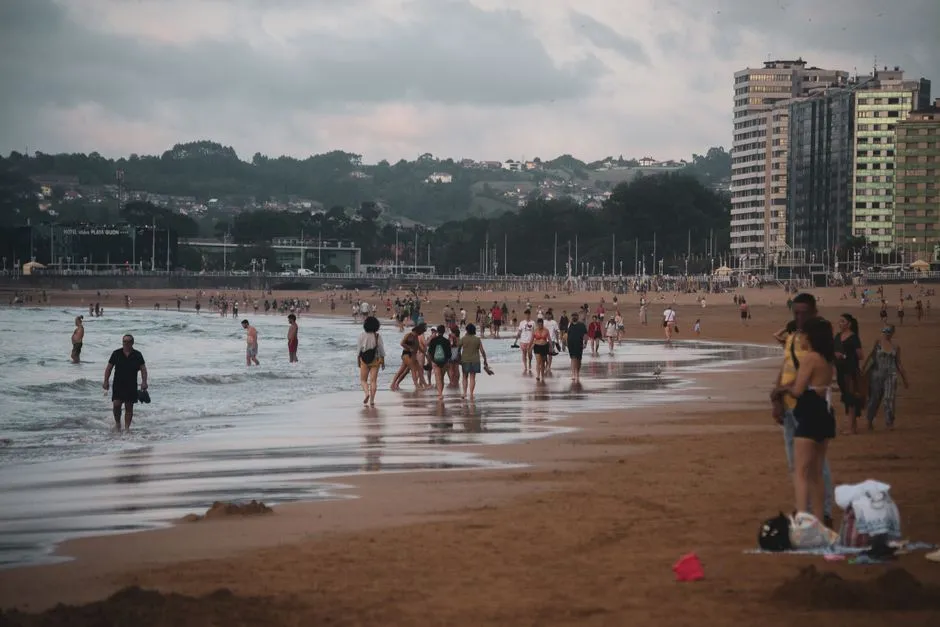
Gijón's city beach, a broad crescent of sand under six storeys of promenade, with the church of San Pedro closing one end. Schools work the mid-tide peaks and half the town seems to paddle out after work in September. The tidal range is the one rule: at high tide the sand all but disappears against the sea wall, so here you plan around the tide before anything else.
Salinas (San Juan)
Avilés · Long beach break
Beginner
A long open beach with one of the oldest surf cultures in Spain: boards have been ridden here since the sixties, and the longboard festival that grew out of it made Salinas a name every Spanish surfer knows. The peaks spread from the town end toward San Juan with room for everyone, learners in the whitewater, loggers trimming the outside. The airport is just behind, so this can be your first session within an hour of landing.
Peñarronda
Castropol · Gentle beach break
Beginner
A wide sandy horseshoe beside the Galician border, with dunes behind, a big rock parked in the middle of the bay, and gentle rollers that let a first-timer stand up without drama. Families and foam boards share the inside all summer, and there is space to spare even then. If the day looks small everywhere else, it looks perfect here.
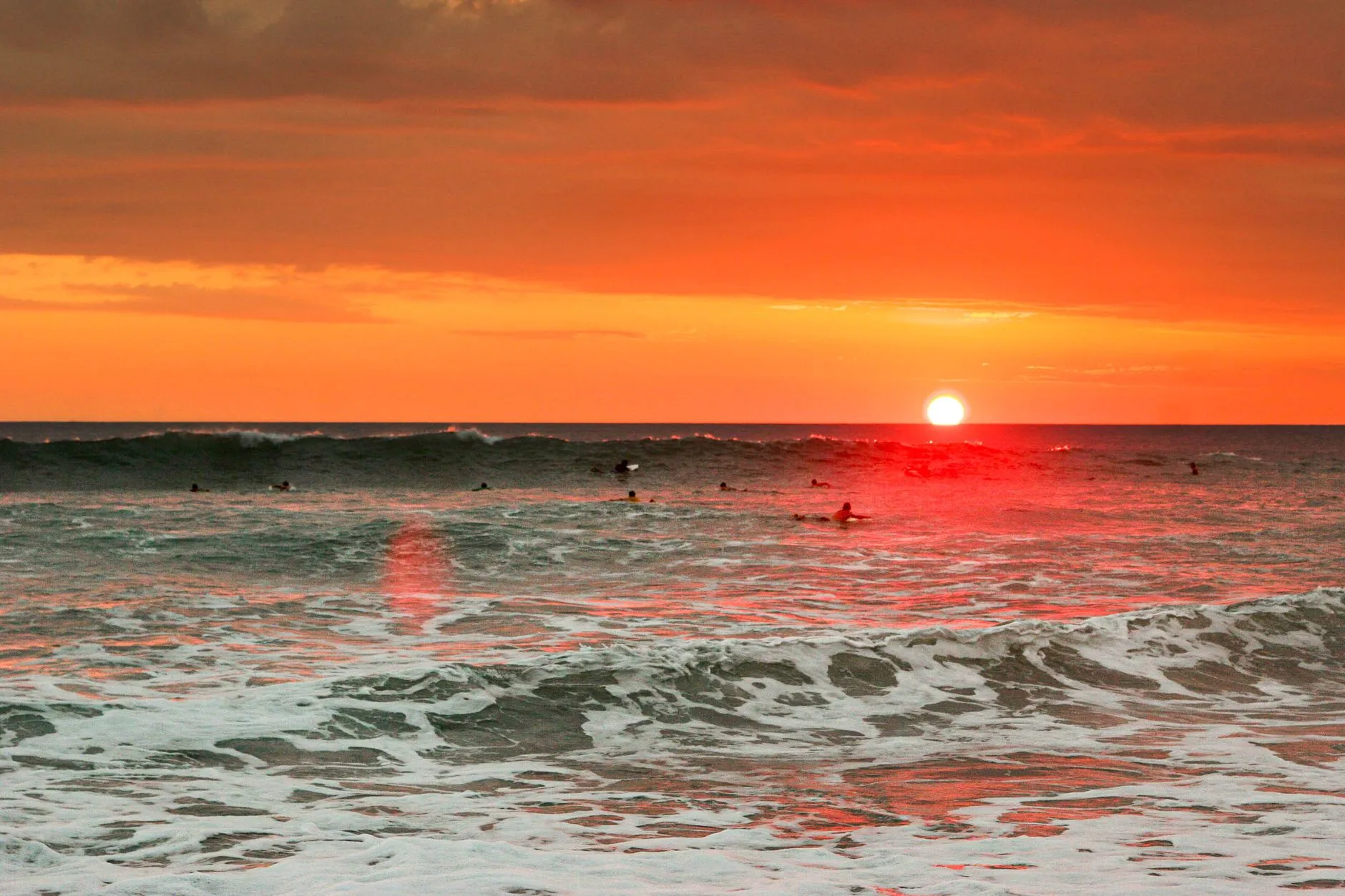
A summer evening on San Lorenzo beach, Gijón
The east on a swell
San Antolín and Playa de Vega sit under the mountains east of Ribadesella and drink whatever the Atlantic pours. When a clean swell arrives, these two give you powerful peaks, dune walks and midweek mornings with nobody to share them with.
San Antolín
Llanes · Powerful beach break
Intermediate
A big open beach at the mouth of the Bedón river, with the Sierra del Cuera stacked up behind and not much else around. It faces the open Atlantic and picks up everything going, so the peaks carry real push even on modest forecasts. On a midweek morning in October you can share a kilometer of sandbars with three people and a heron.
Playa de Vega
Ribadesella · Beach break
Intermediate
A long, protected natural beach you reach on foot over the dunes, with quality sandbars and no promenade in sight. It is one of the most consistent waves in eastern Asturias, organized enough to reward a good rail game and quiet enough that the loudest thing is the shorebreak. Bring everything you need down the track; the nearest café is back in Vega village.
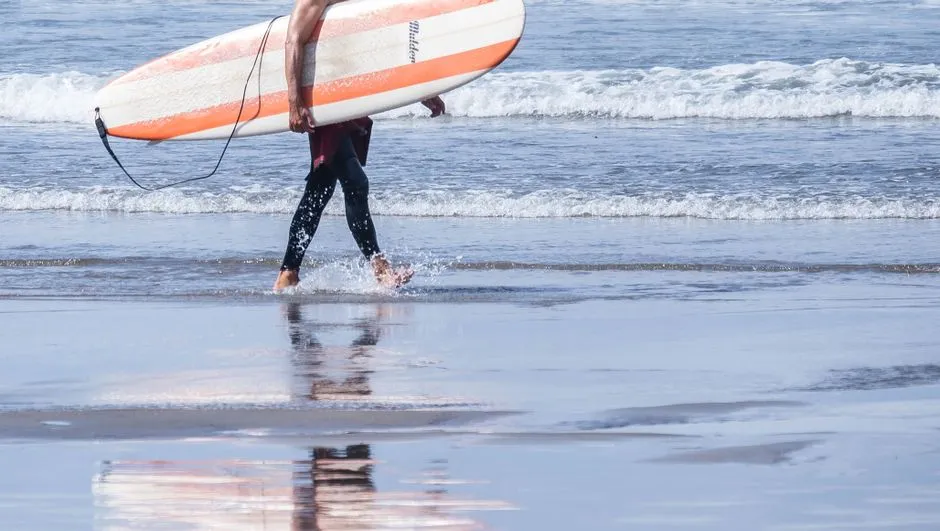
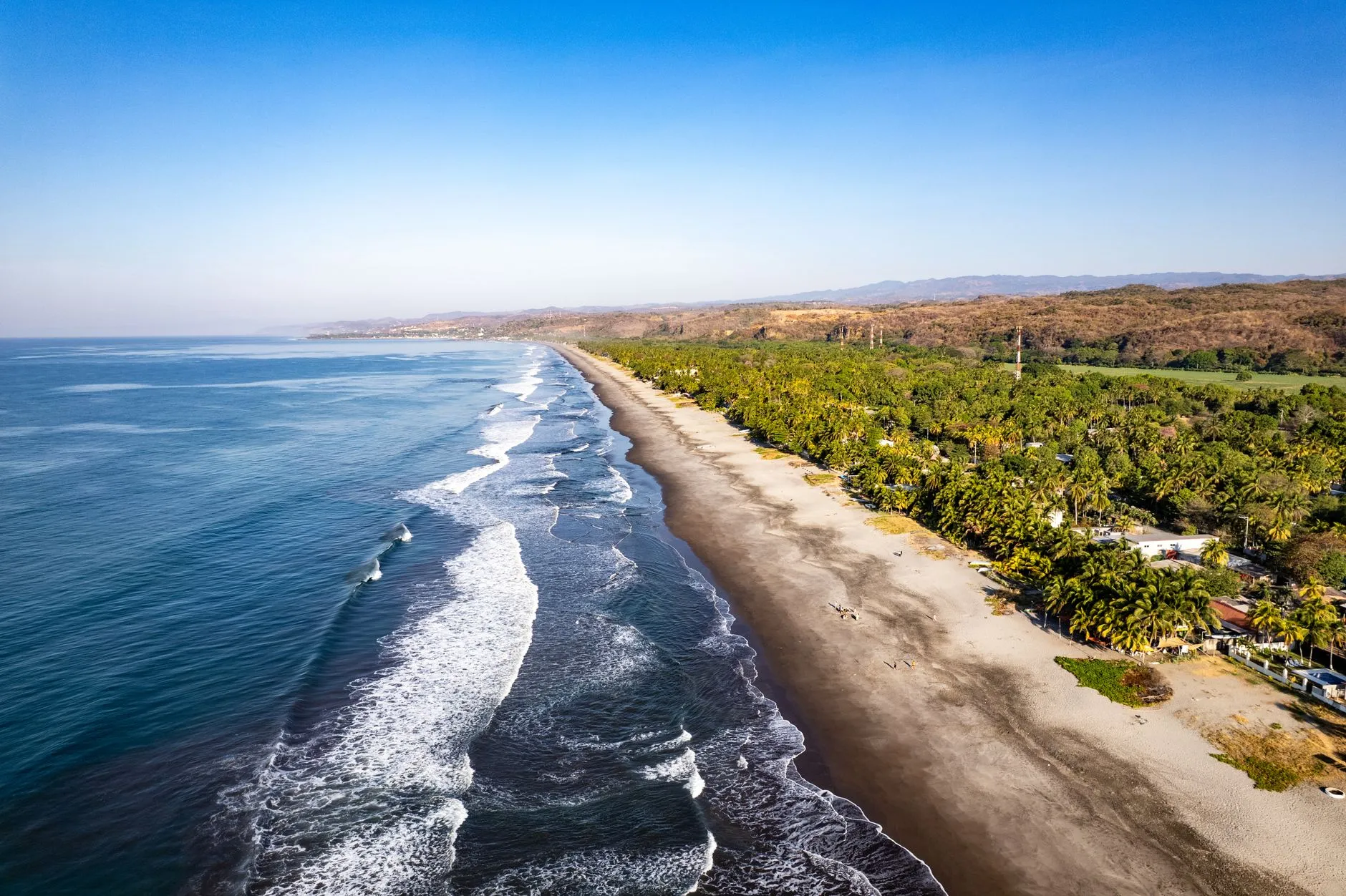
Carrying the board across the wet sand near Avilés
The wild west
Past Luarca the coast empties out and the pace drops. Otur hides clean peaks between its cliffs, Tapia keeps the schools and the stories, and the driving between the two is half the pleasure.
Otur
Valdés · Cove beach break
Intermediate
A quieter cove framed by dark cliffs west of Luarca, down a lane through the fields. When a west swell lights up, clean peaks stand along the sand and the odds are the only spectators will be gulls. This is the reward for driving past everything with a name; check it, and if it is not working, Tapia is half an hour on.
Tapia de Casariego
Tapia · Punchy beach break
Intermediate
The west's surf town: a compact beach tucked under the village, with punchy peaks that have hosted contests since the sixties, when two Australian brothers wintered here and left their boards behind. Tapia has the schools, the board shops and the bars with surf photos on the walls, the closest thing this end of the coast has to a capital. The wave is quick and honest, and the walk from the square to the peak takes three minutes.
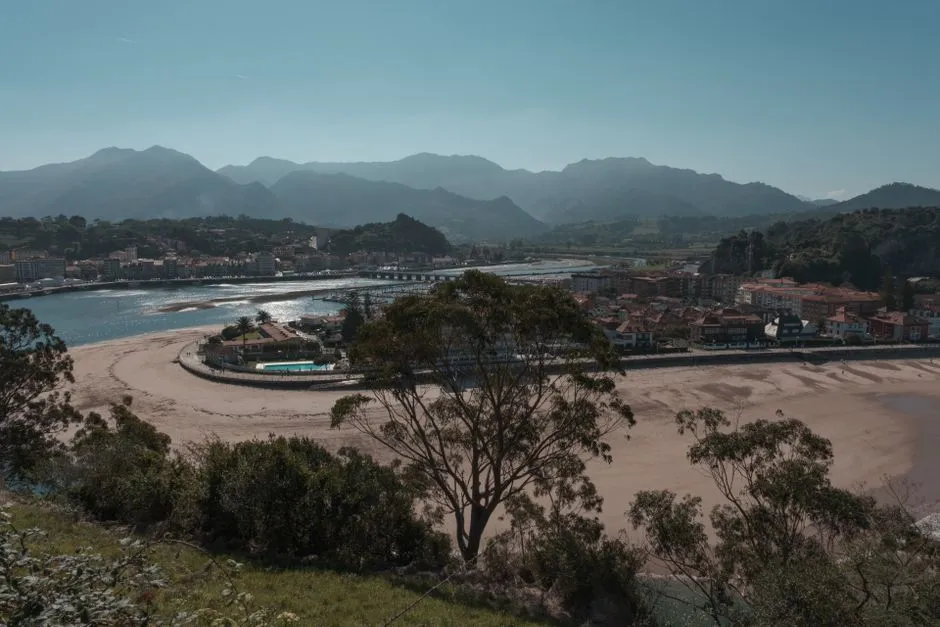
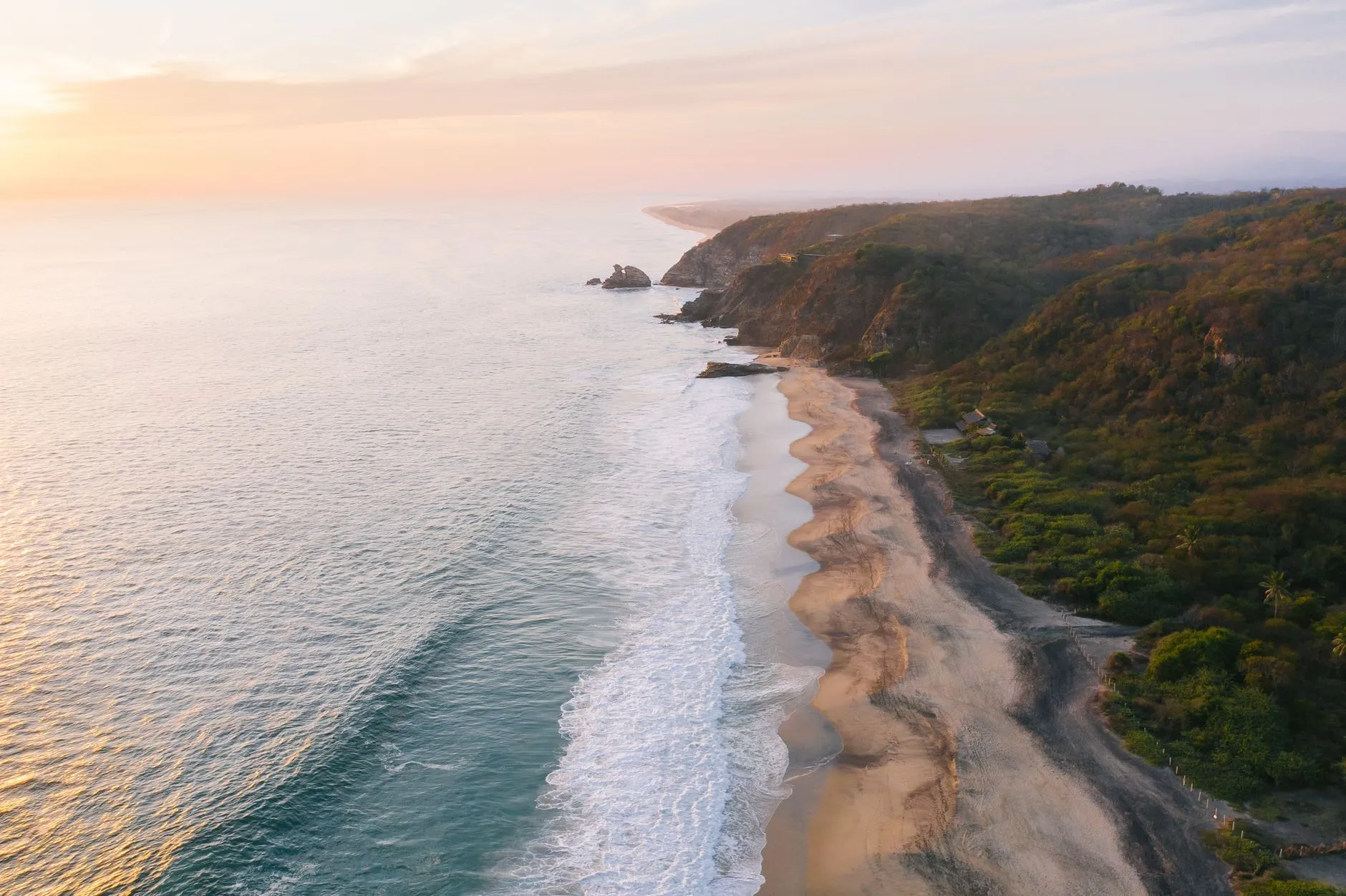
Ribadesella's beach with the mountains behind
The one you came for
Rodiles does not break like this every week, and that is the point. Watch the forecast, keep your mornings open, and when the rivermouth wakes up you will understand why the whole north drops everything.
Rodiles
Villaviciosa · Rivermouth left
Advanced
The jewel of Asturias: a hollow, sand-bottomed left that peels off the training walls of the Villaviciosa rivermouth when a solid northwest swell meets the lower half of the tide, eucalyptus and pines right behind the sand. On its day it is Spain's other great rivermouth left, the one that gets mentioned in the same breath as Mundaka. Be honest with yourself about how often that day comes, and do not expect to be alone when it does; when Rodiles is really on, everyone in the north knows.
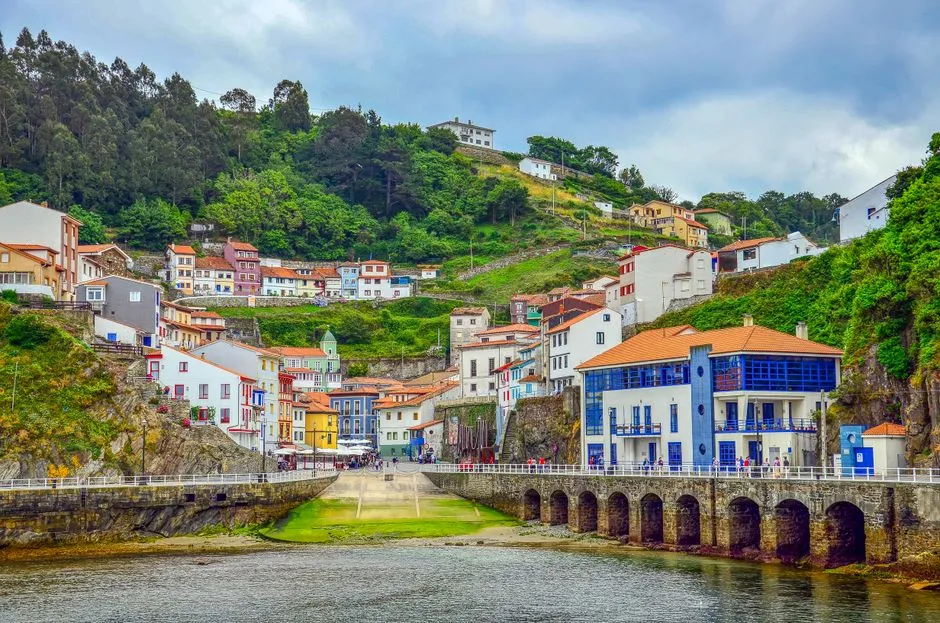
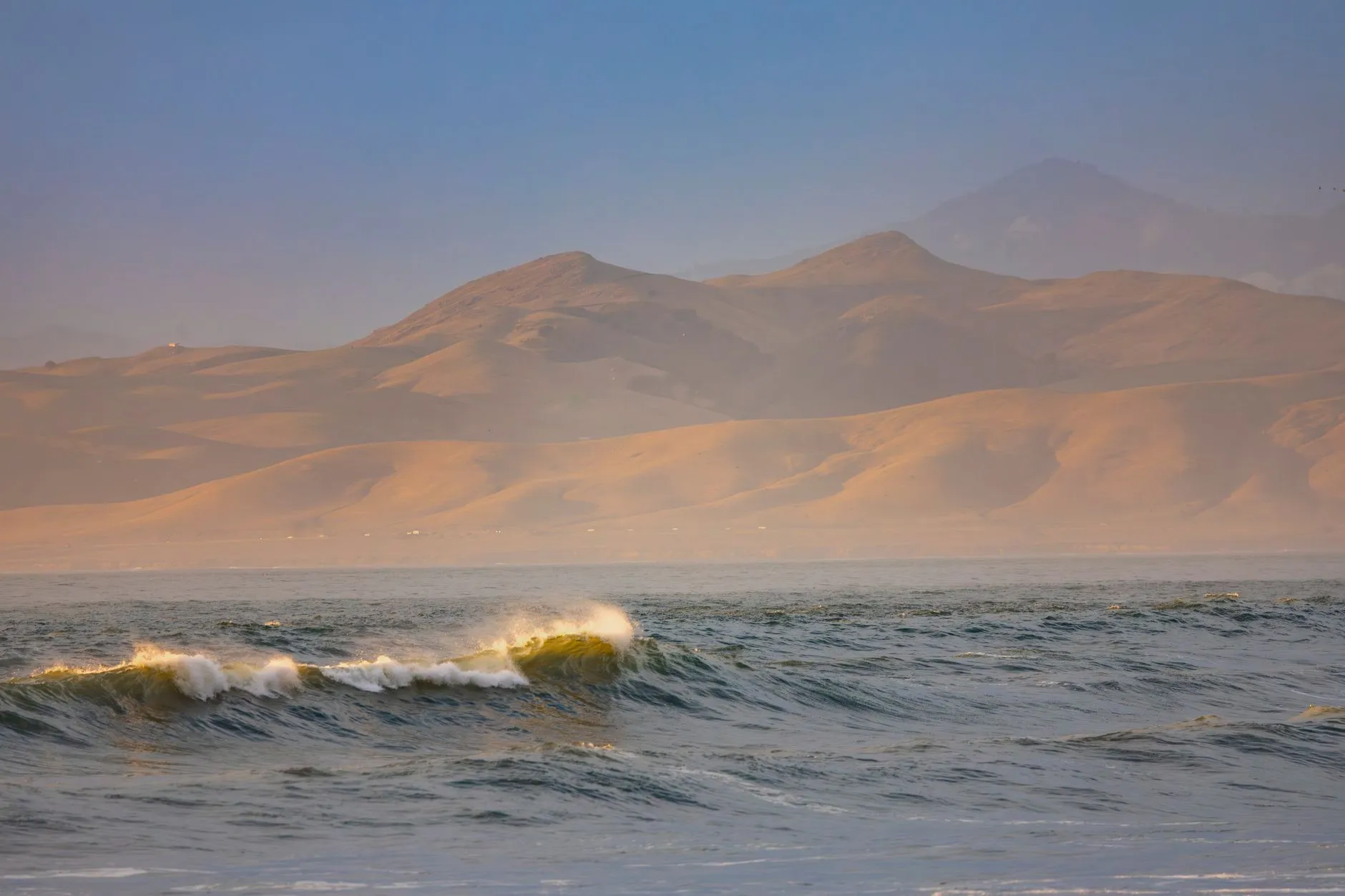
The fishing village of Cudillero, stacked above its harbour
When to go
A year in Asturias
Typical conditions, month by month. The ocean did not sign this table: for live waves, wind and tide, check the app.
January
6-10 ft
55°F · 4/3 + hood · Expert
Storm season proper. Rodiles gets its winter windows between fronts; everyone else surfs the sheltered corners or watches.
February
6-10 ft
55°F · 4/3 + hood · Expert
The coldest month and the emptiest beaches. Thick rubber, short sessions, and a fabada waiting afterwards.
March
5-8 ft
55°F · 4/3 + hood · Advanced
Still serious, slowly relaxing. Between fronts the east finds clean overhead days.
April
4-6 ft
55°F · 4/3 · Intermediate
Spring greens the hills and tidies the ocean. The west starts to shine: Otur and Tapia on offshore mornings.
May
3-5 ft
57°F · 4/3 · All levels
Friendly sizes, long light, empty car parks. The month for surfing everything from Llanes to Tapia.
June
2-4 ft
61°F · 3/2 · Beginner
Small, clean and warming up. Learning season opens on San Lorenzo and Salinas.
July
2-4 ft
64°F · 3/2 or spring · Beginner
Fickle but warm. Chase the banks early, then join the town on the sand.
August
2-4 ft
68°F · 3/2 or spring · Beginner
The warmest water of the year and Gijón's beach at its liveliest. Surf at dawn, watch the evening from the wall with everyone else.
September
3-5 ft
66°F · 3/2 · All levels
The switch flips: first northwest swells, warm water, empty beaches. The best month begins.
October
4-6 ft
63°F · 3/2 · All levels
Prime time. Watch for the first real Rodiles windows and keep the schedule loose.
November
5-8 ft
59°F · 4/3 · Advanced
Bigger and rawer, and Rodiles at its most likely. The month the region's photographers wait for.
December
6-10 ft
57°F · 4/3 + hood · Expert
Deep winter arrives. Surf the mornings between storms, then let the cider houses do their work.
Good to know
Is Rodiles as good as Mundaka?
On its best days, it is in the conversation: the same kind of hollow rivermouth left over sand, long, fast and genuinely world class. The honest difference is frequency. Rodiles needs a bigger swell to wake up and breaks far less often, so Mundaka wins on consistency and Rodiles answers with emptier weekdays and a wilder setting. Asking which is better is the north coast's favourite argument; have the sidra ready.
Where should a beginner start in Asturias?
San Lorenzo in Gijón is the easiest introduction: schools on the sand, gentle mid-tide peaks and a coffee within thirty meters of your towel. Salinas adds space and a surf culture that has welcomed beginners since the sixties, and Peñarronda in the far west is the quiet option, a wide bay of soft rollers with dunes behind. All three work best around mid tide, so let the tide table pick your session time.
When is the best time to surf Asturias?
September to November. The first solid northwest swells arrive while the sea still holds its summer warmth, mornings are often offshore, and the beaches empty out the day the schools go back. October and November also give Rodiles its best odds. Summer is small and friendly for learning, and winter is powerful, cold and strictly for the experienced.
Does the rain ruin a surf trip to Asturias?
No. Asturias is green for a reason, and the rain that keeps it that way rarely stops the surf: the sea does not care, and some of the best sessions here happen under low grey skies with nobody on the sand. Pack a 4/3 for most of the year, a warm jacket for the evenings, and treat the wet days as part of the deal. That is what the cider houses, the fabada and the village squares are for.