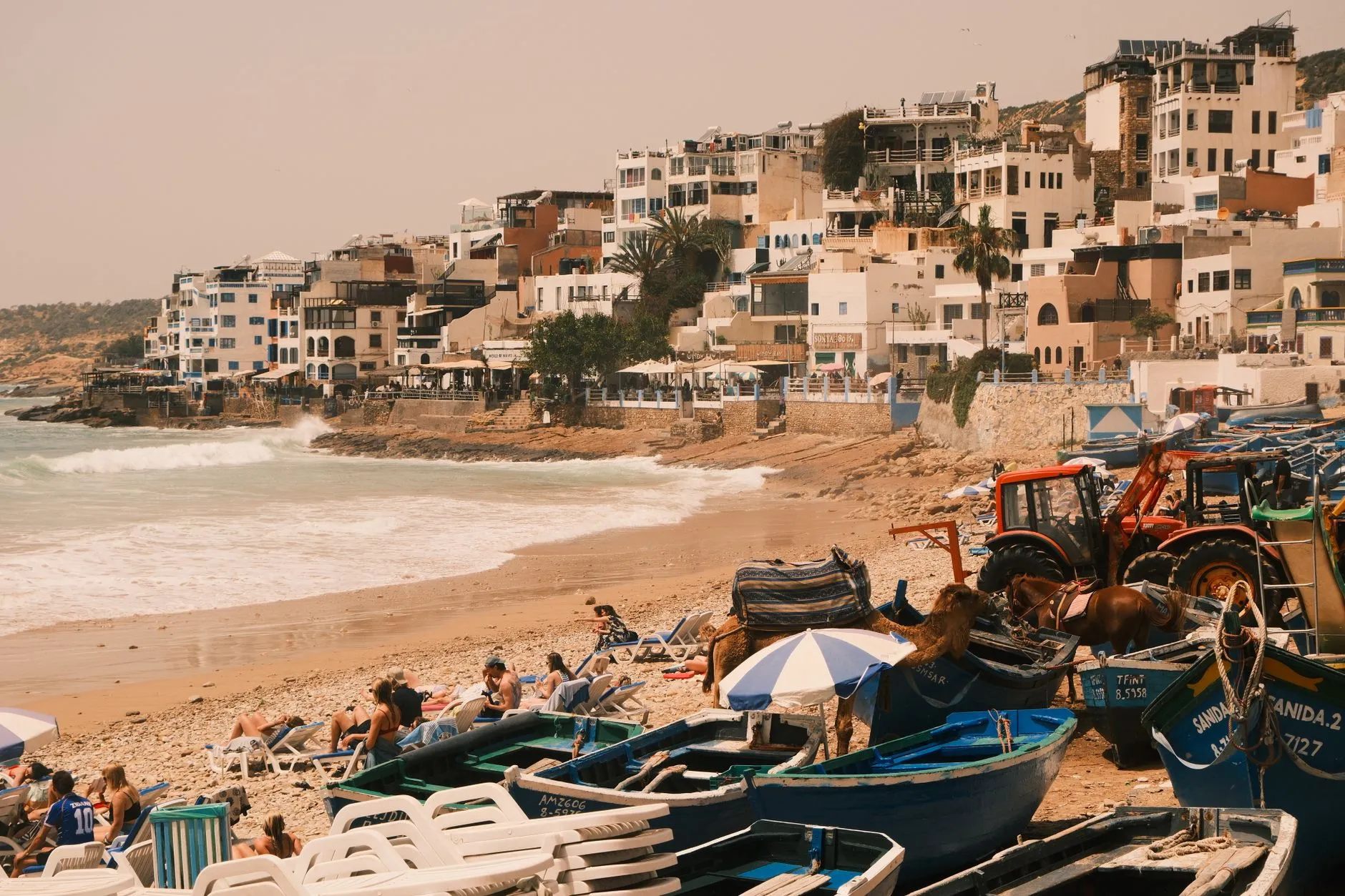
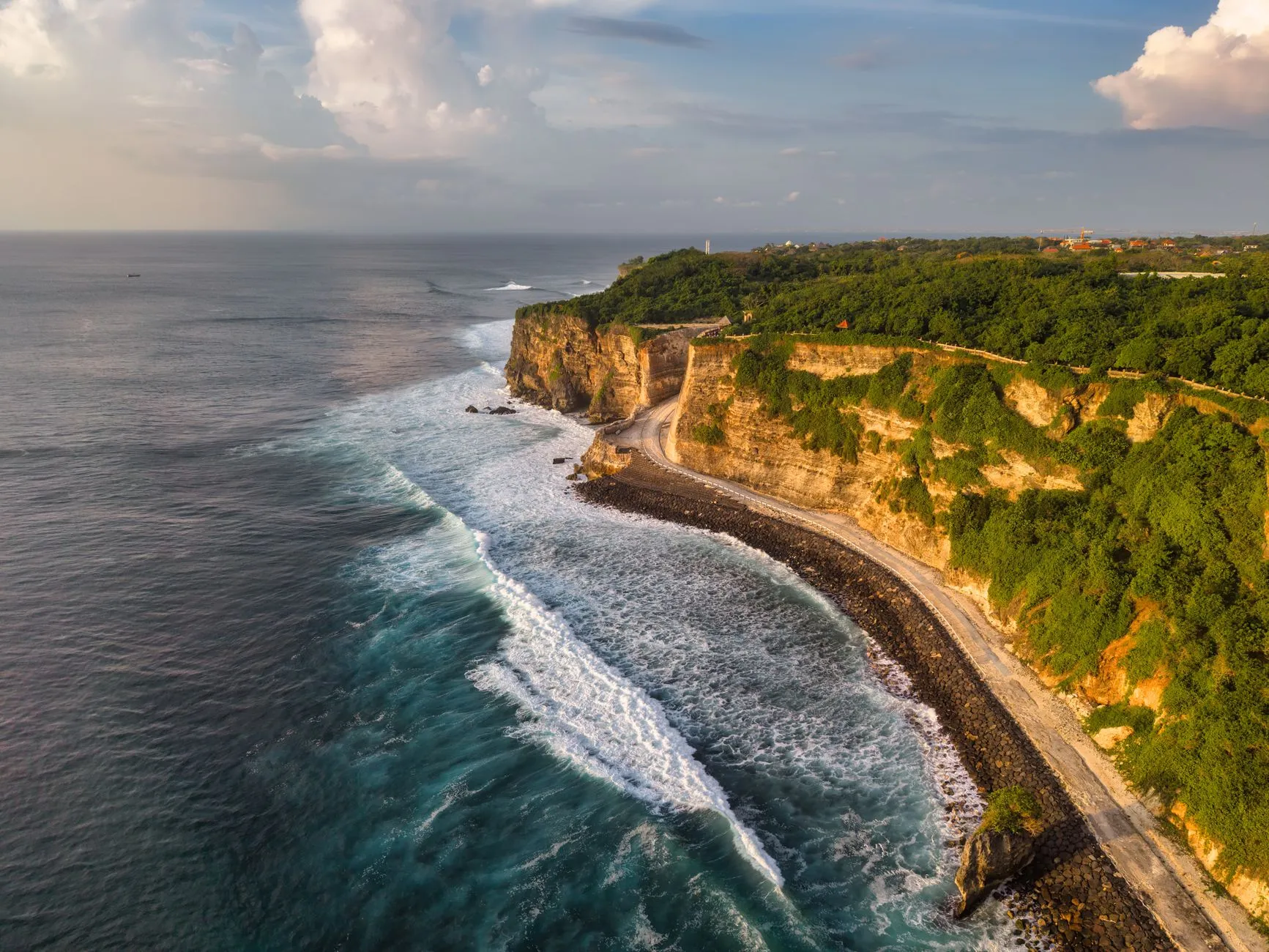
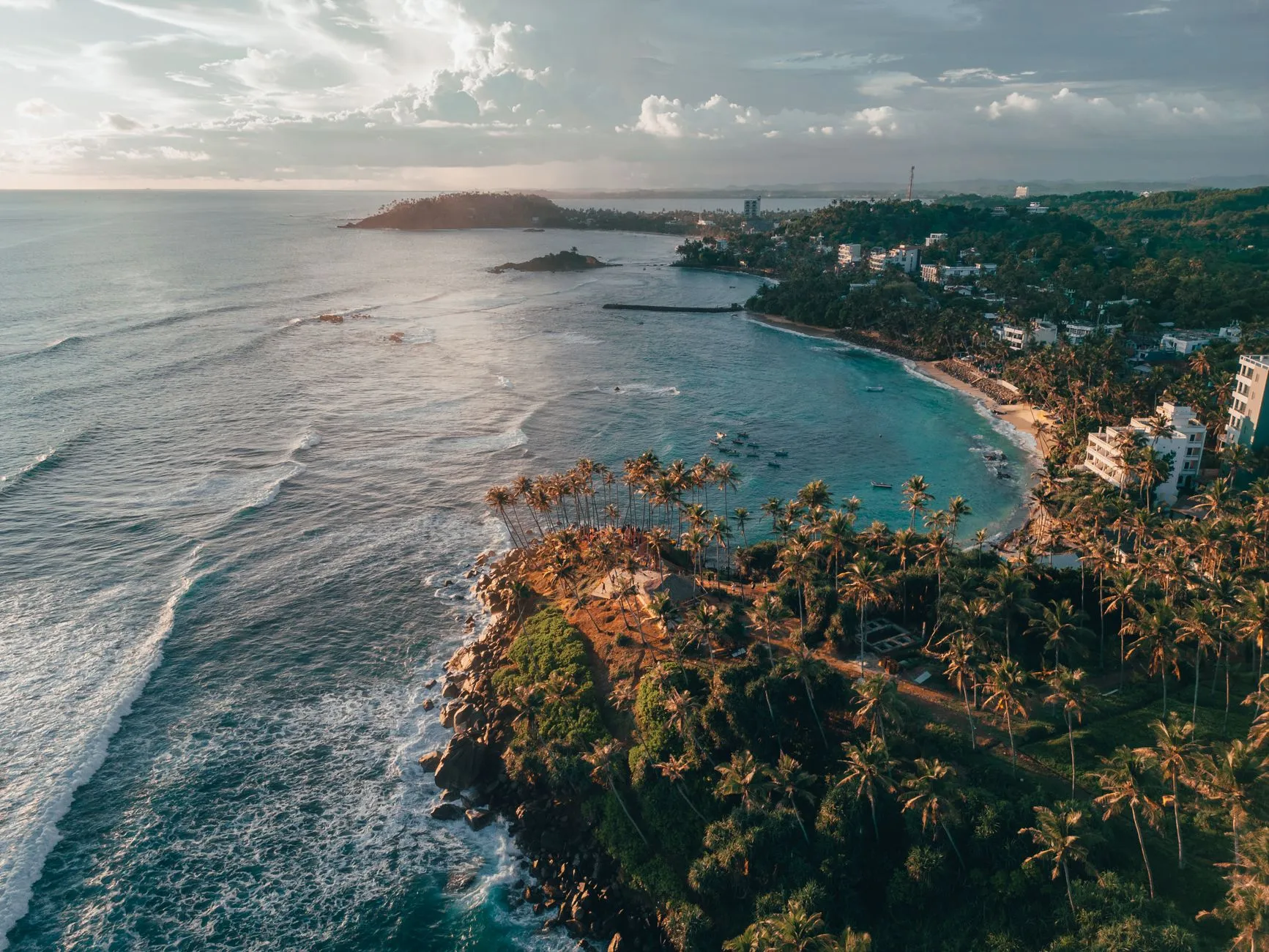
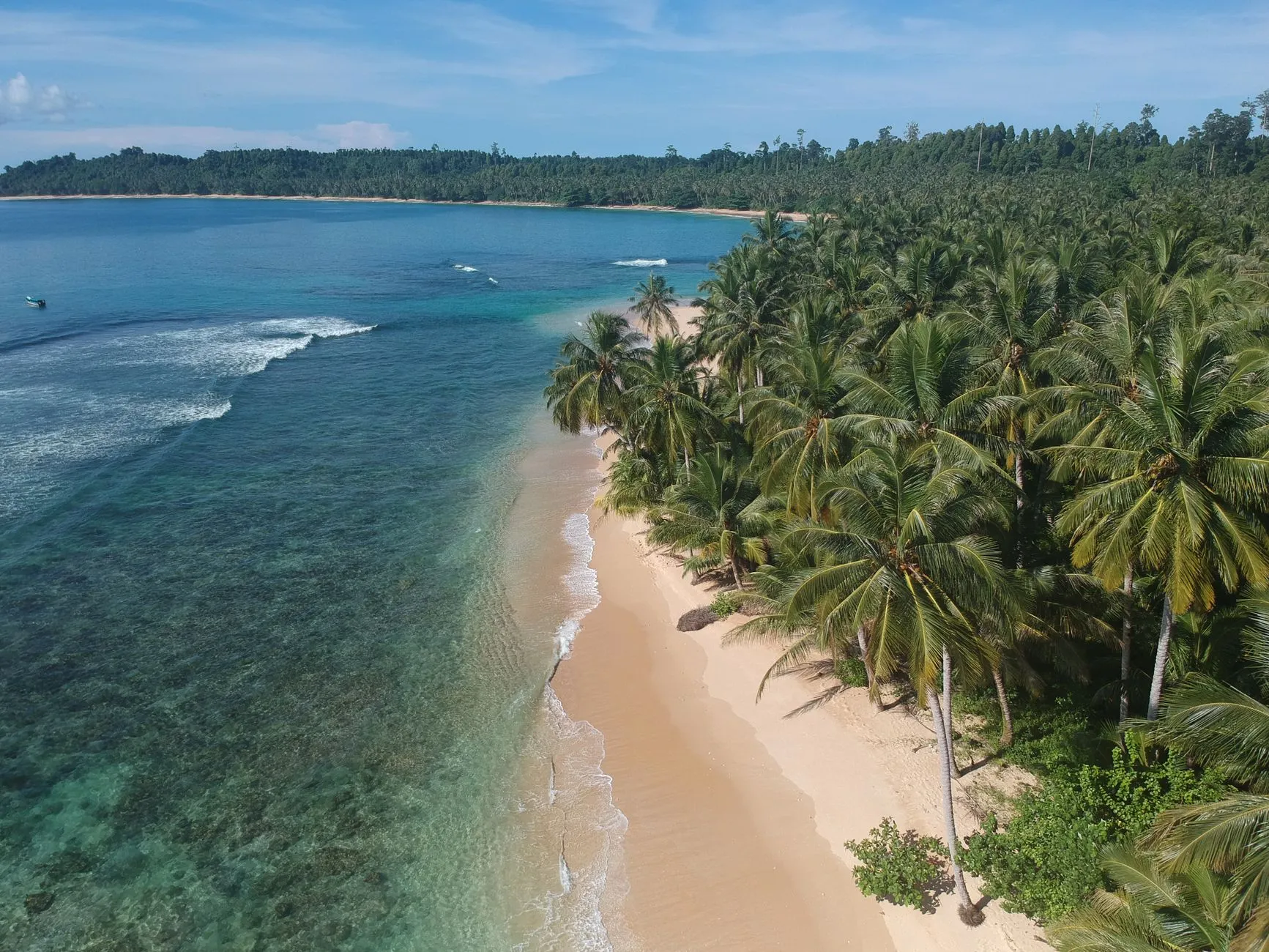
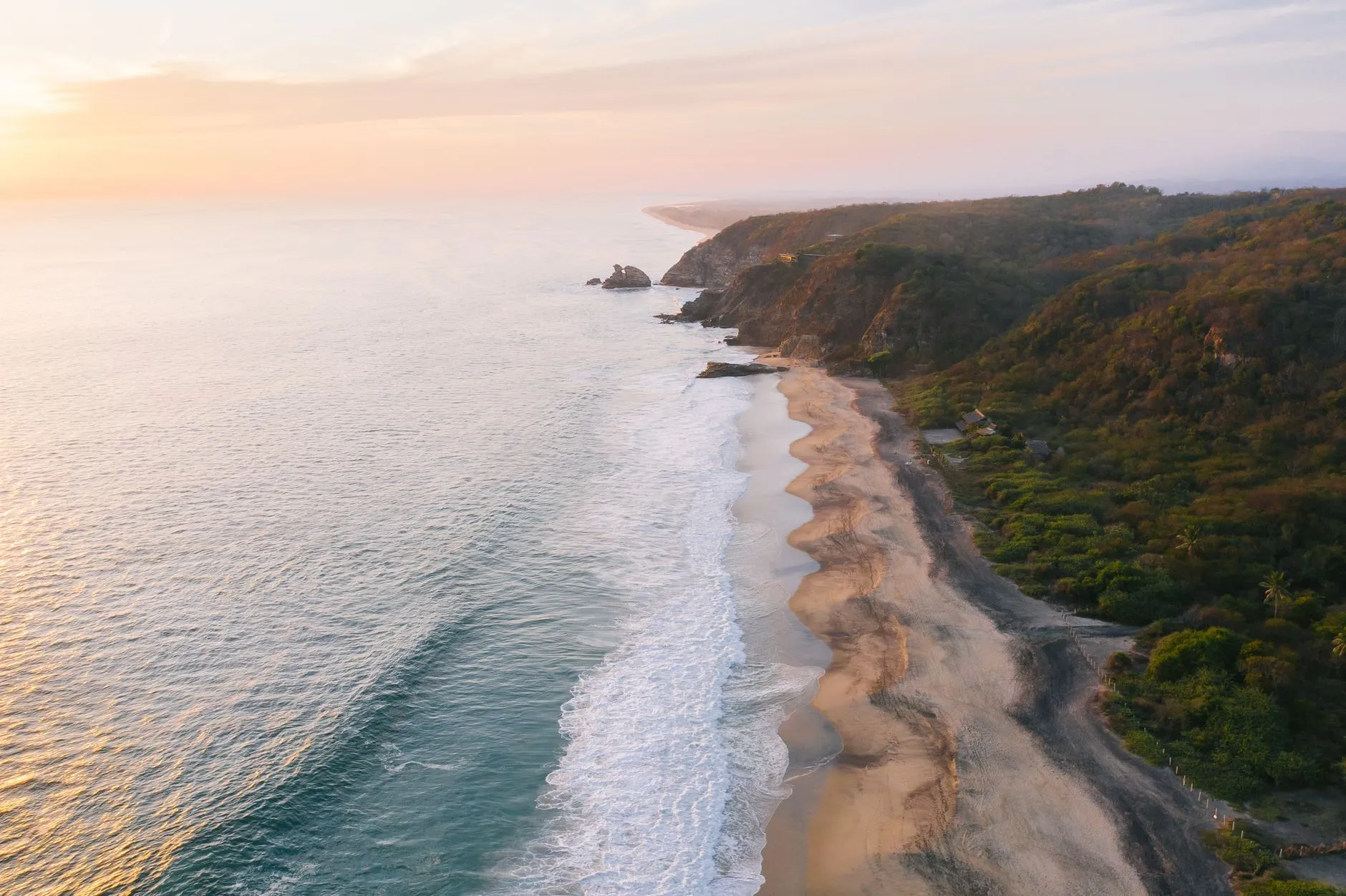
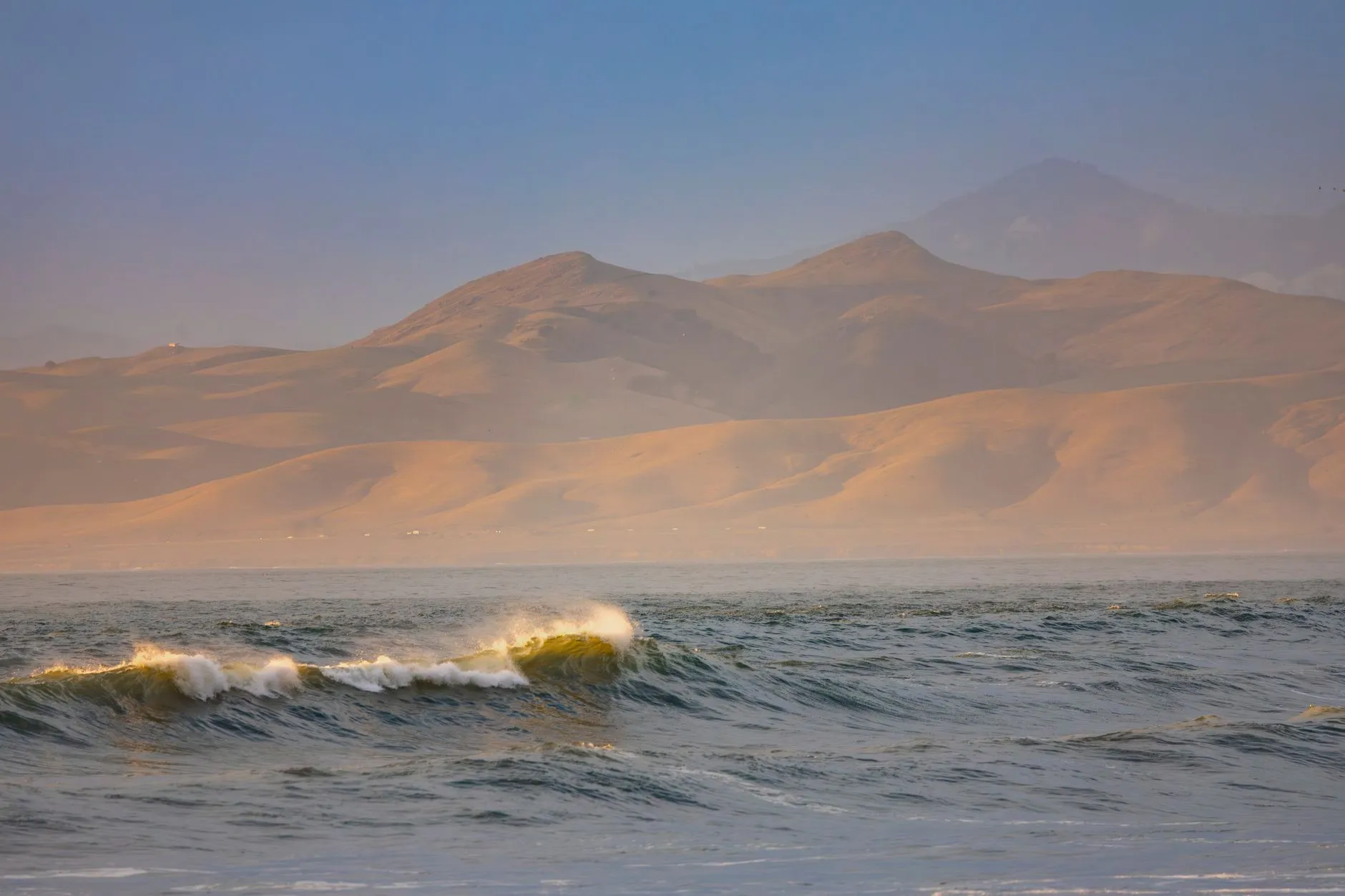
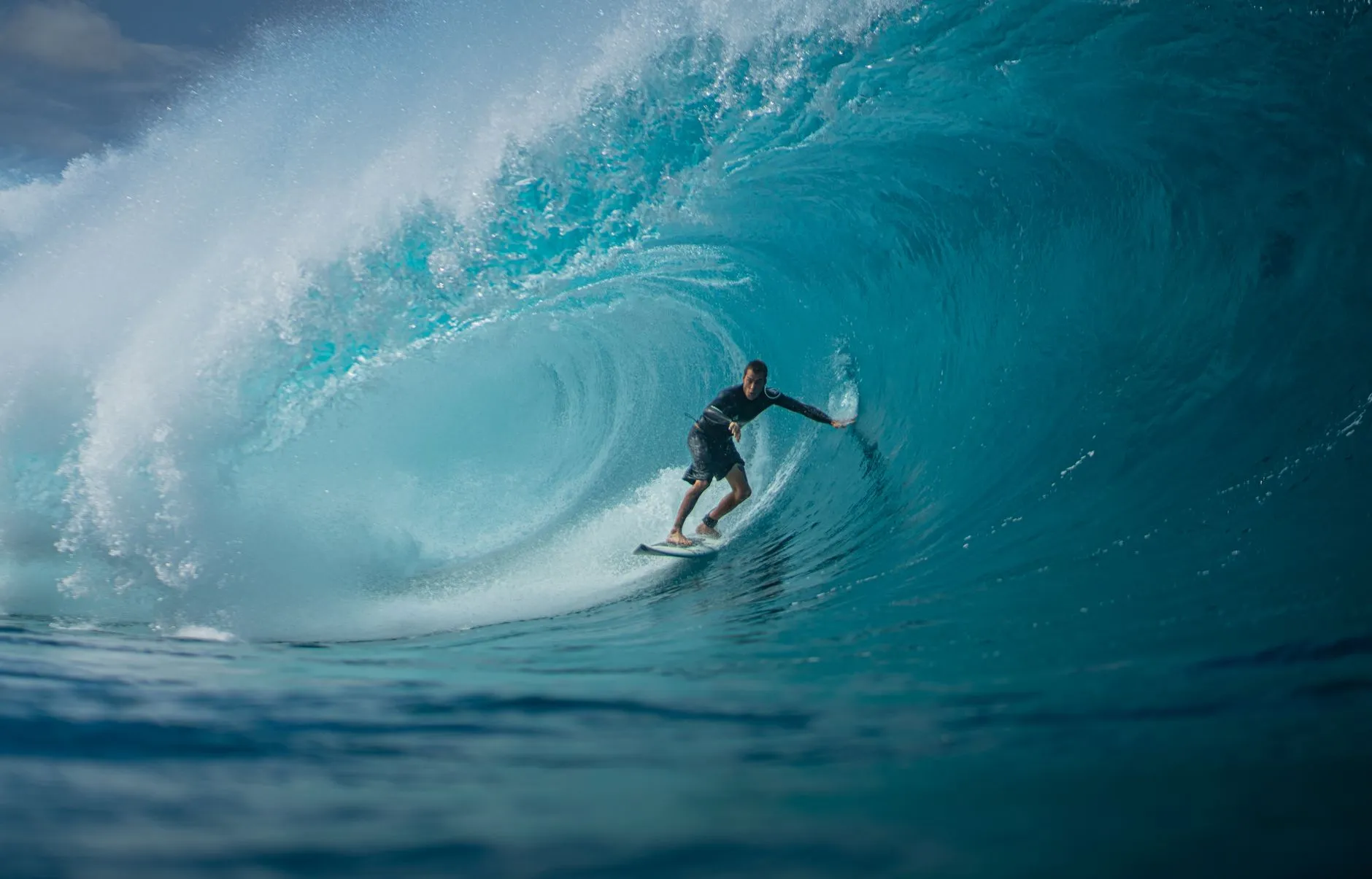
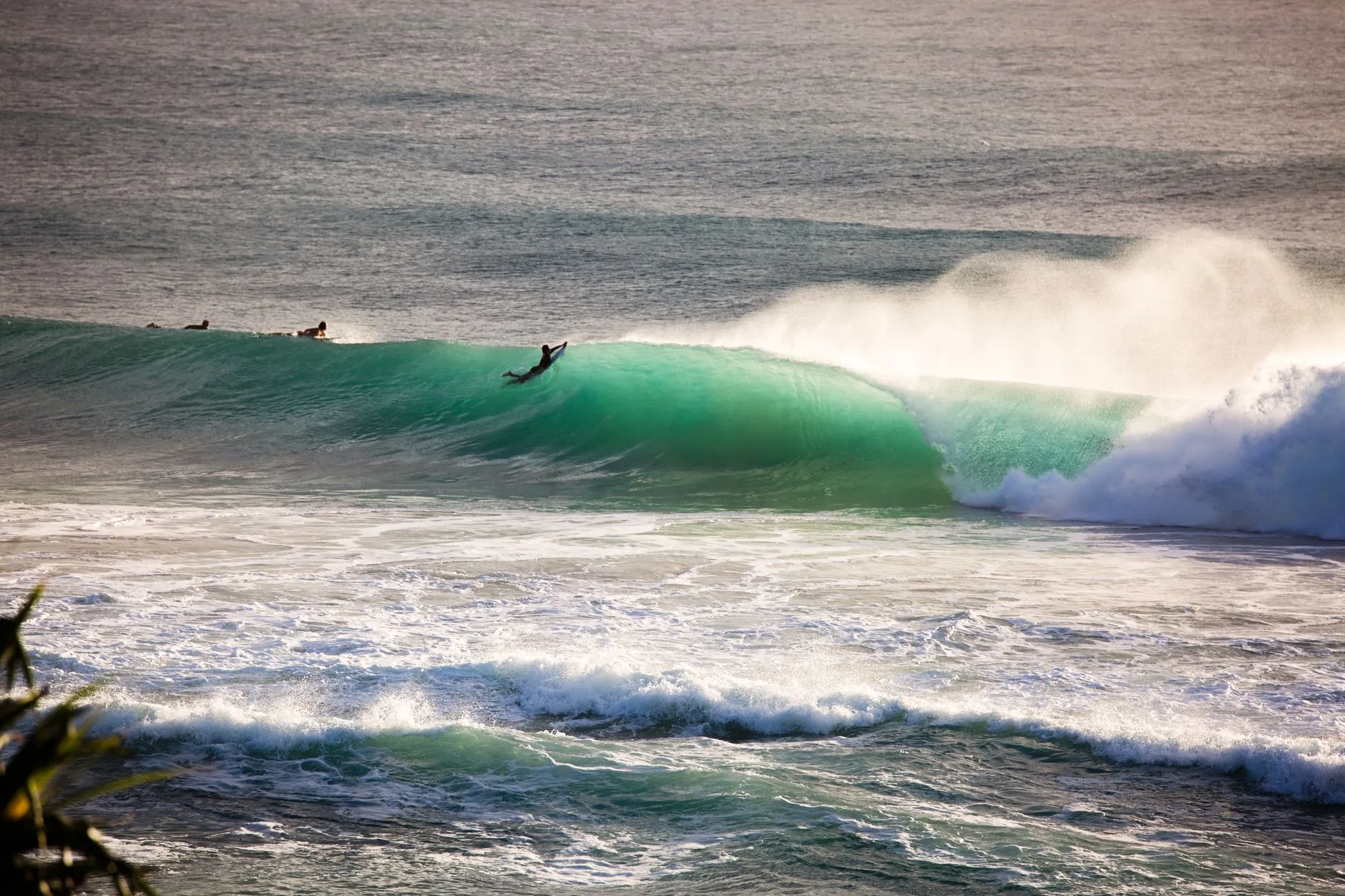
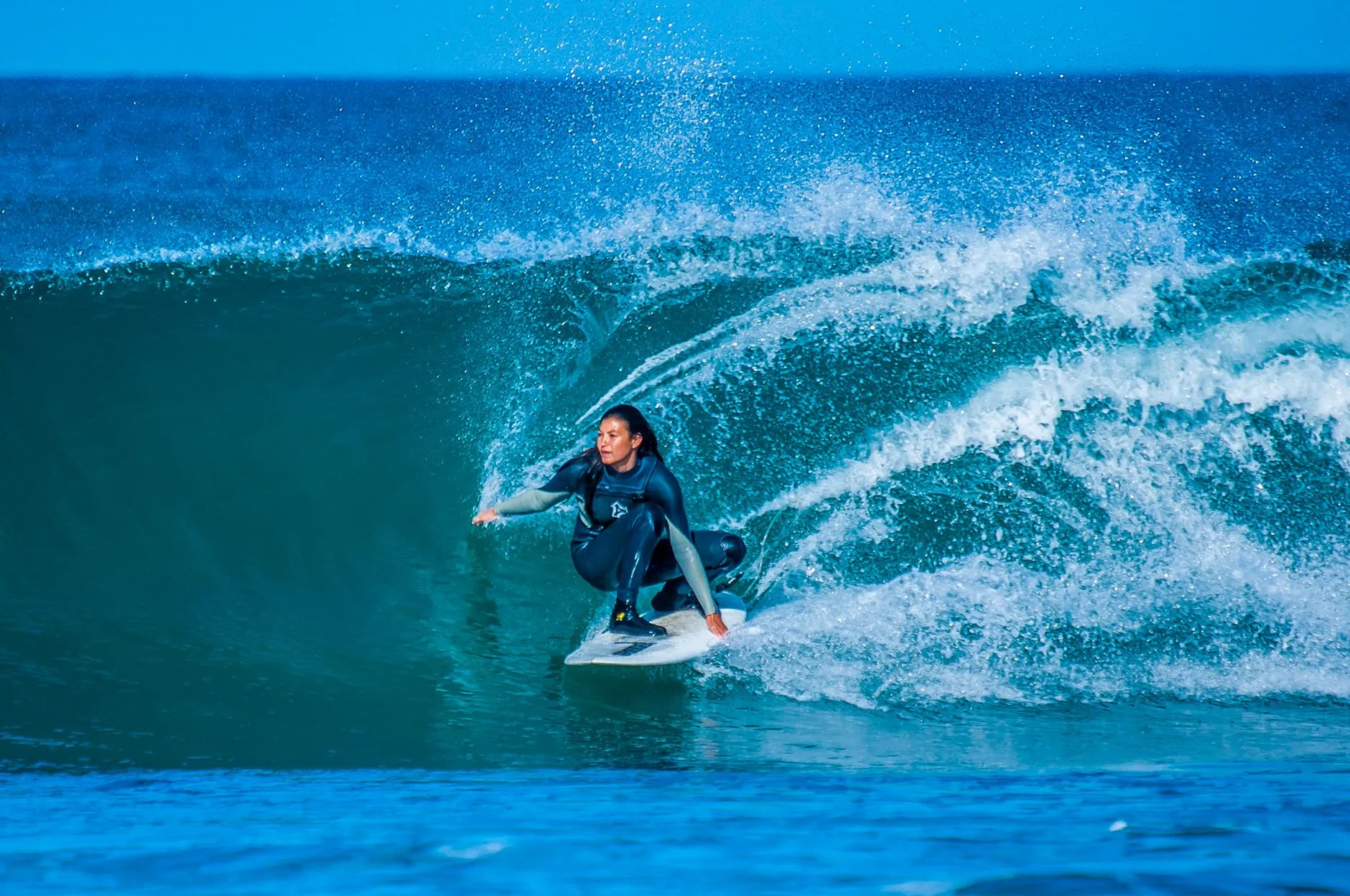
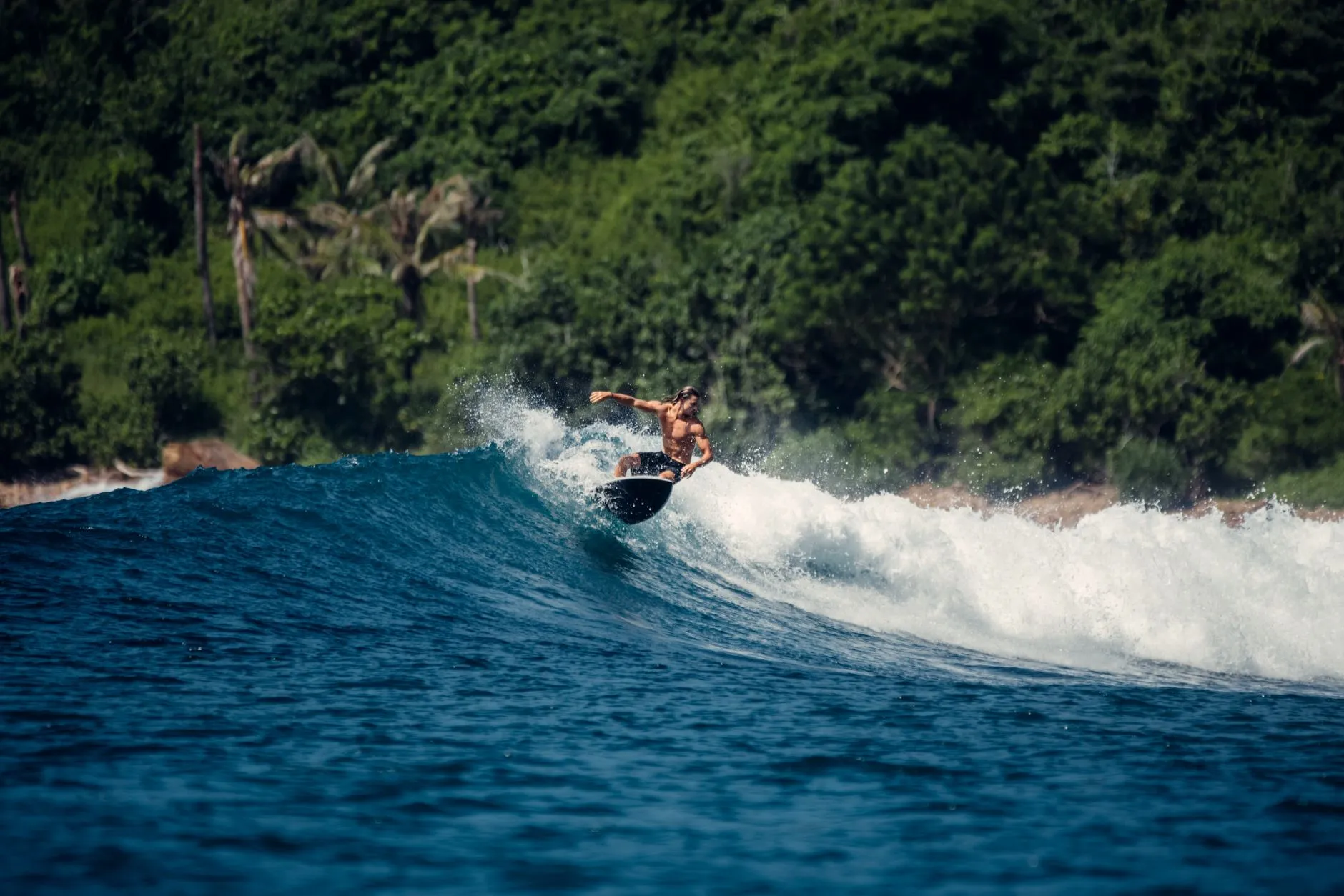
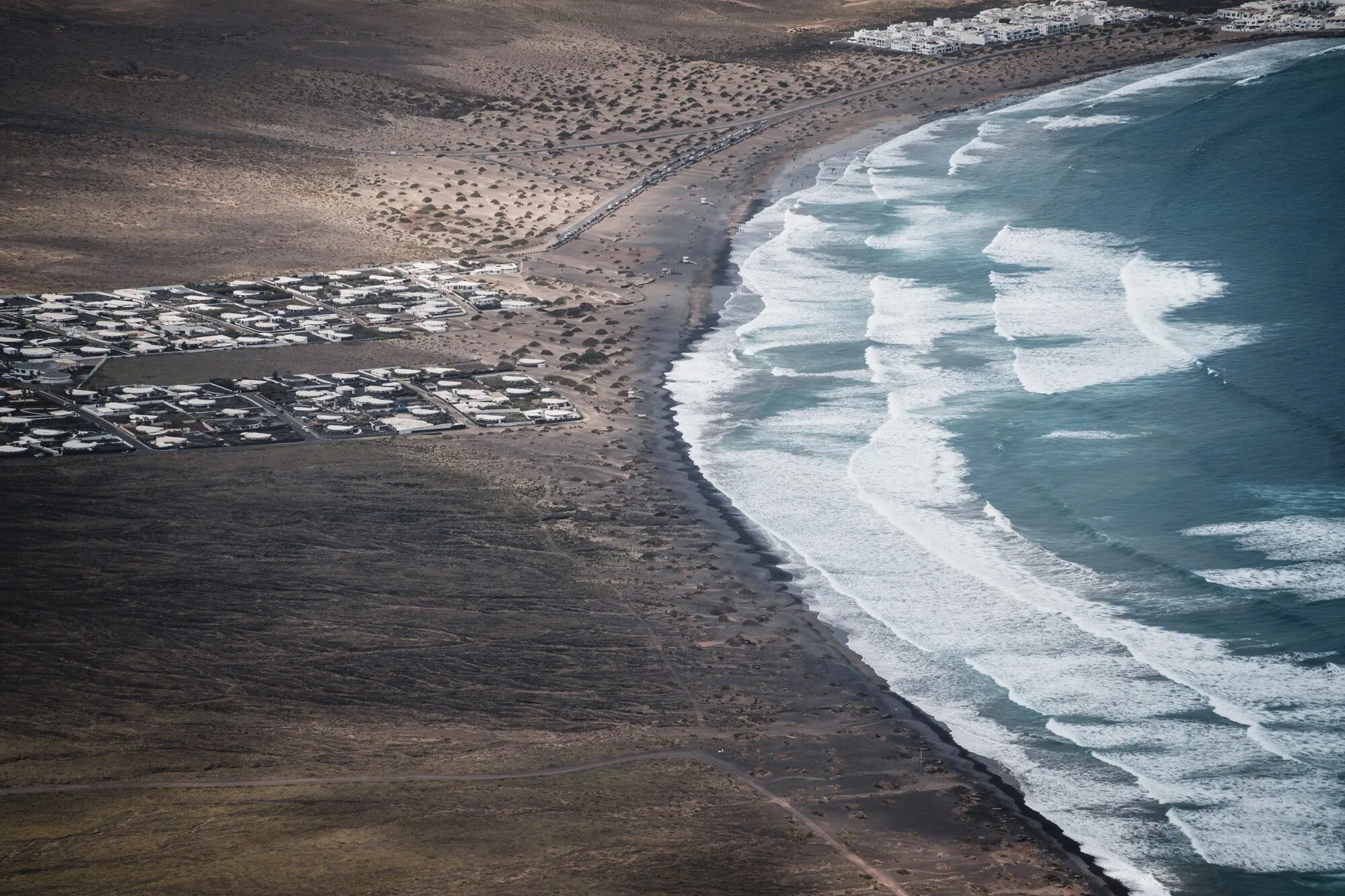
A desert island flung off the Saharan coast, Fuerteventura is the oldest of the Canaries and looks it: bare volcanic hills, goat tracks, villages of white cubes, and a coastline of black lava shelves that the Atlantic has been grinding for twenty million years. Surfers call it Europe's winter Hawaii, and for once the nickname is earned. When the first serious N and NW swells arrive in October, the reefs of the north shore line up into waves that would not look out of place on Oahu, in water you can sit in with a 3/2.
The heart of it is the North Track, a washboard dirt road that runs along the north shore between Corralejo and El Cotillo, stringing lava reefs together like beads: Majanicho, The Bubble, Hierro, Punta Elena. You rattle along, boards sliding in the back, until you find a peak with fewer heads than the last one. Summer flips the island to its other face: the swell drops, the trade wind blows for weeks, and the sand at El Cotillo and La Pared becomes one of Europe's great learn-to-surf classrooms.
Best months
October to March for the reefs; June to September to learn on the sand
Water
18°C in late winter to 23°C in early autumn: a 3/2 for the cold half, a spring suit for the rest
Levels
Sandy learner beaches to expert lava slabs like The Bubble
Getting there
Fly to Fuerteventura (FUE), 40 minutes to Corralejo; rent a car you are willing to take on a dirt road
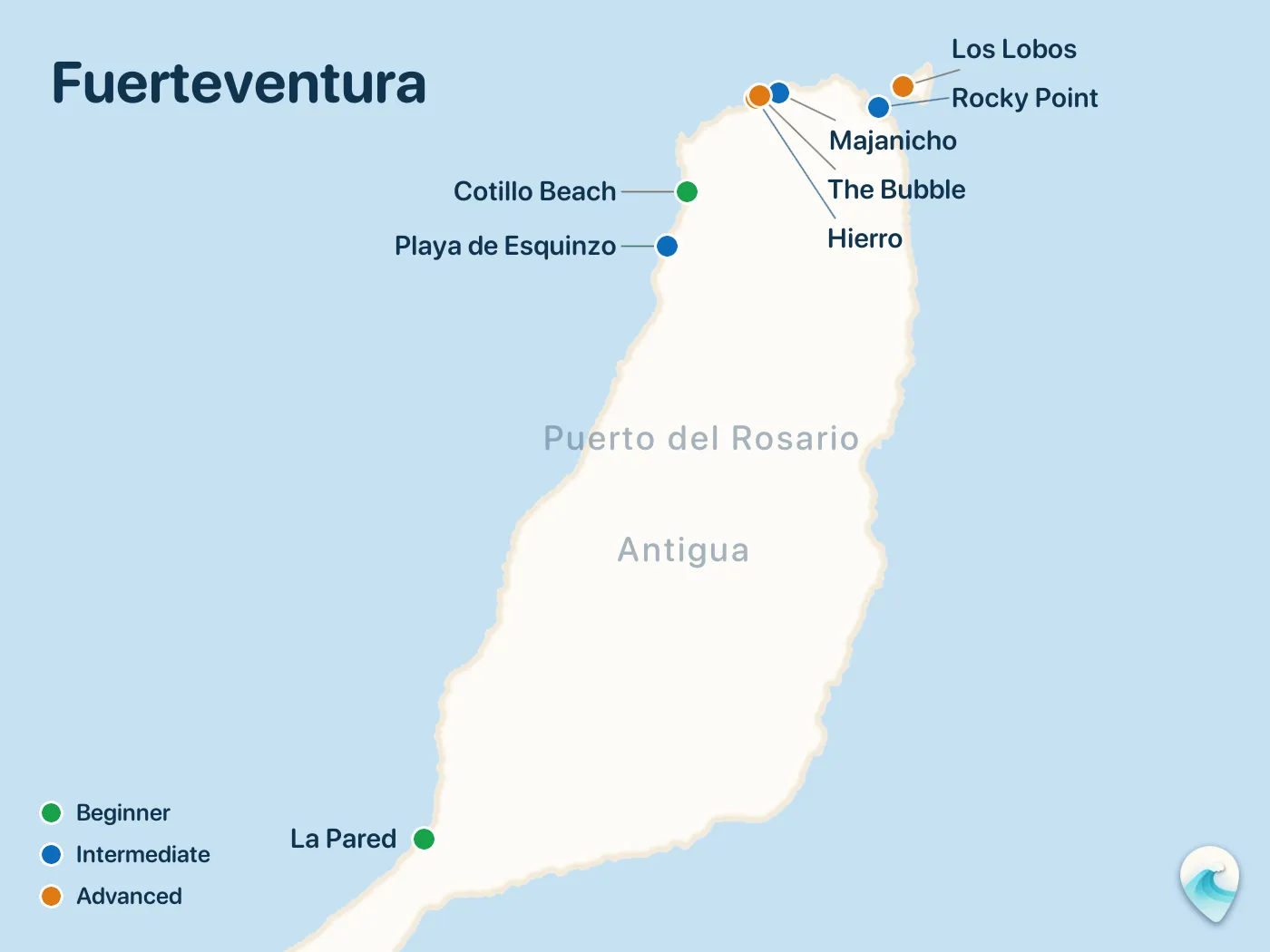
Two sandy classrooms at opposite ends of the island, one under the cliffs of El Cotillo, one in the desert at La Pared. Learn here, where a wipeout costs nothing but salt water, before you ever look at the reefs.
Piedra Playa
El Cotillo · Beach break · Also called Cotillo Beach
Beginner
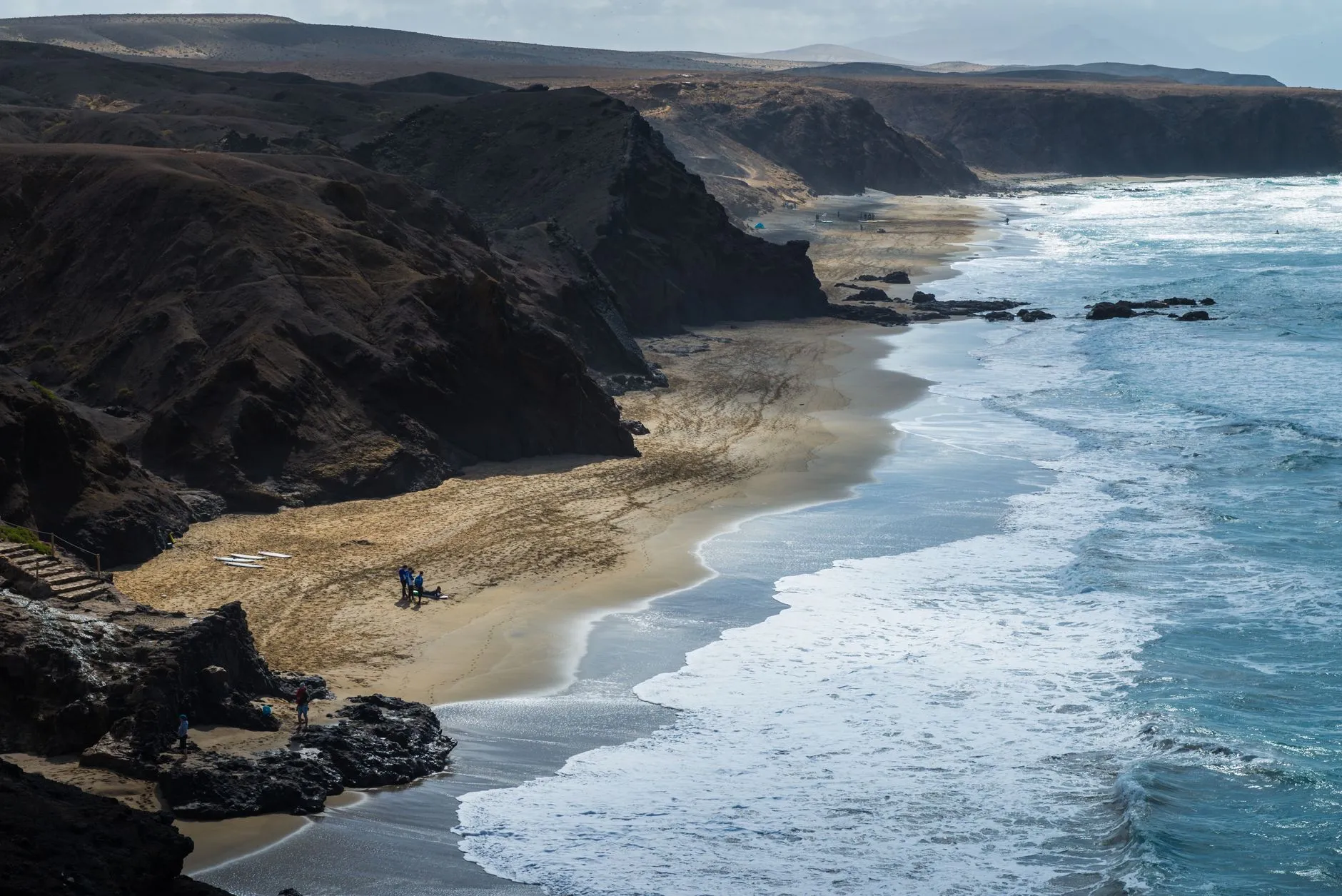
El Cotillo's Piedra Playa is where the island learns: a wide-open, sand-bottomed beach break under golden cliffs at the west end of the North Track, with peaks for every stage of standing up. Summer keeps it waist-high and welcoming. Winter is another animal entirely, all rips and thumping shorebreak, and the lagoons north of the village become the family option while the beach does its heavy season.
La Pared
La Pared · Beach break
Beginner
The west coast's surf-camp capital, an hour south, where the island narrows to a few kilometers of desert between two seas of swell. The beach picks up everything, so there is nearly always a wave: soft and learner-shaped in summer, punchy and shifting in winter. The currents are the real syllabus here. Surf in front of the schools, ask where the rip is running today, and never trust yesterday's answer.
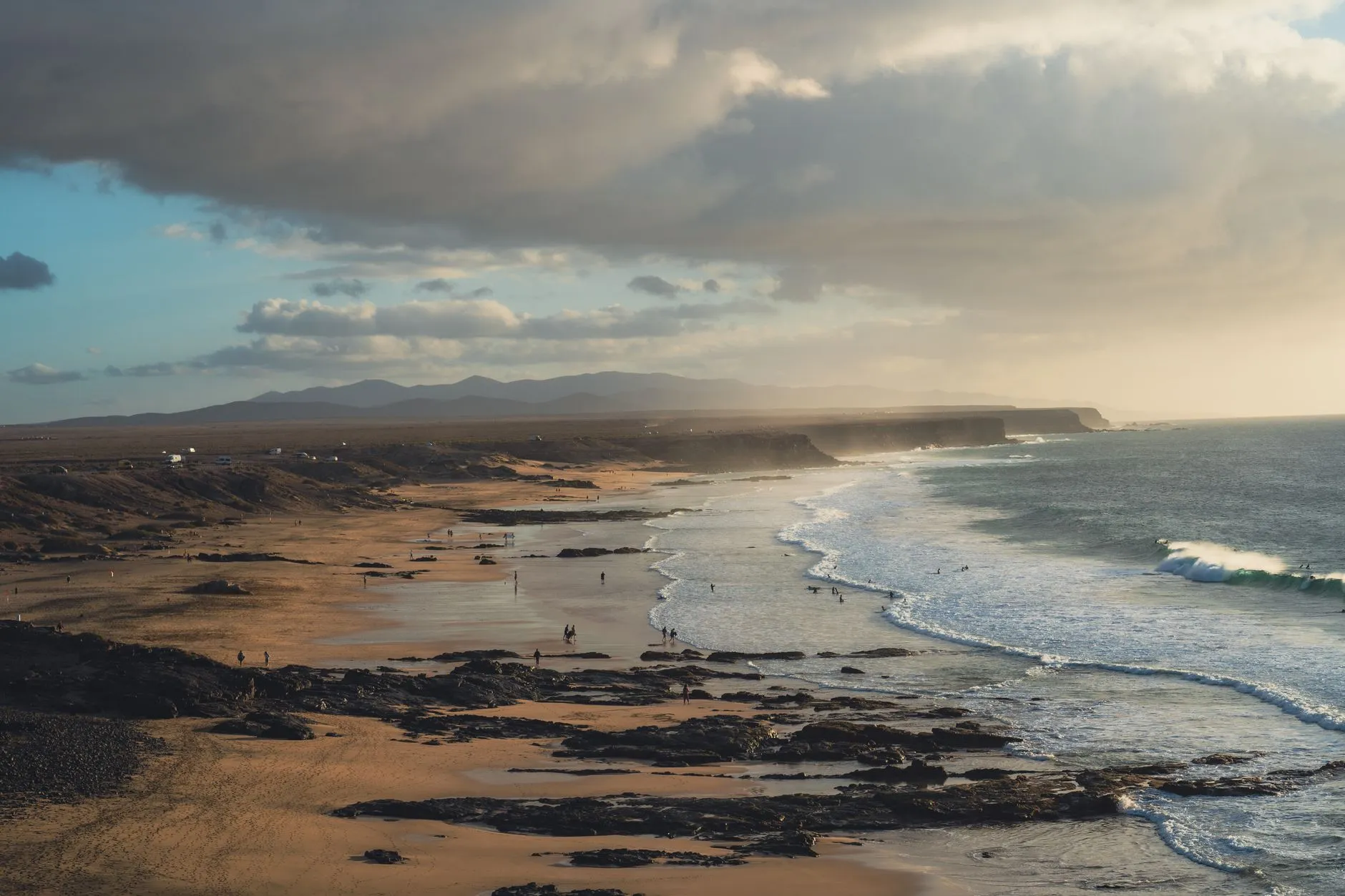
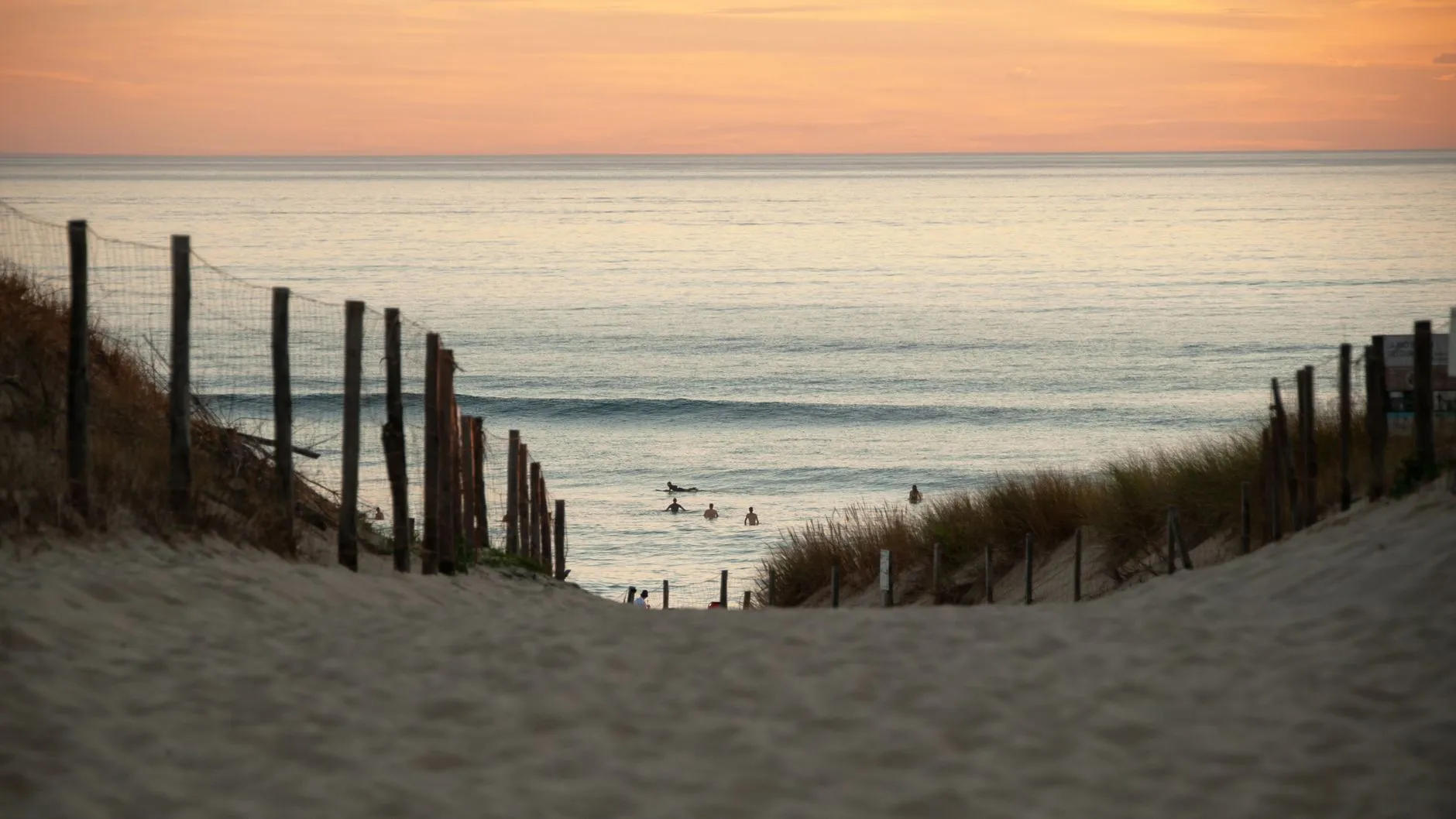
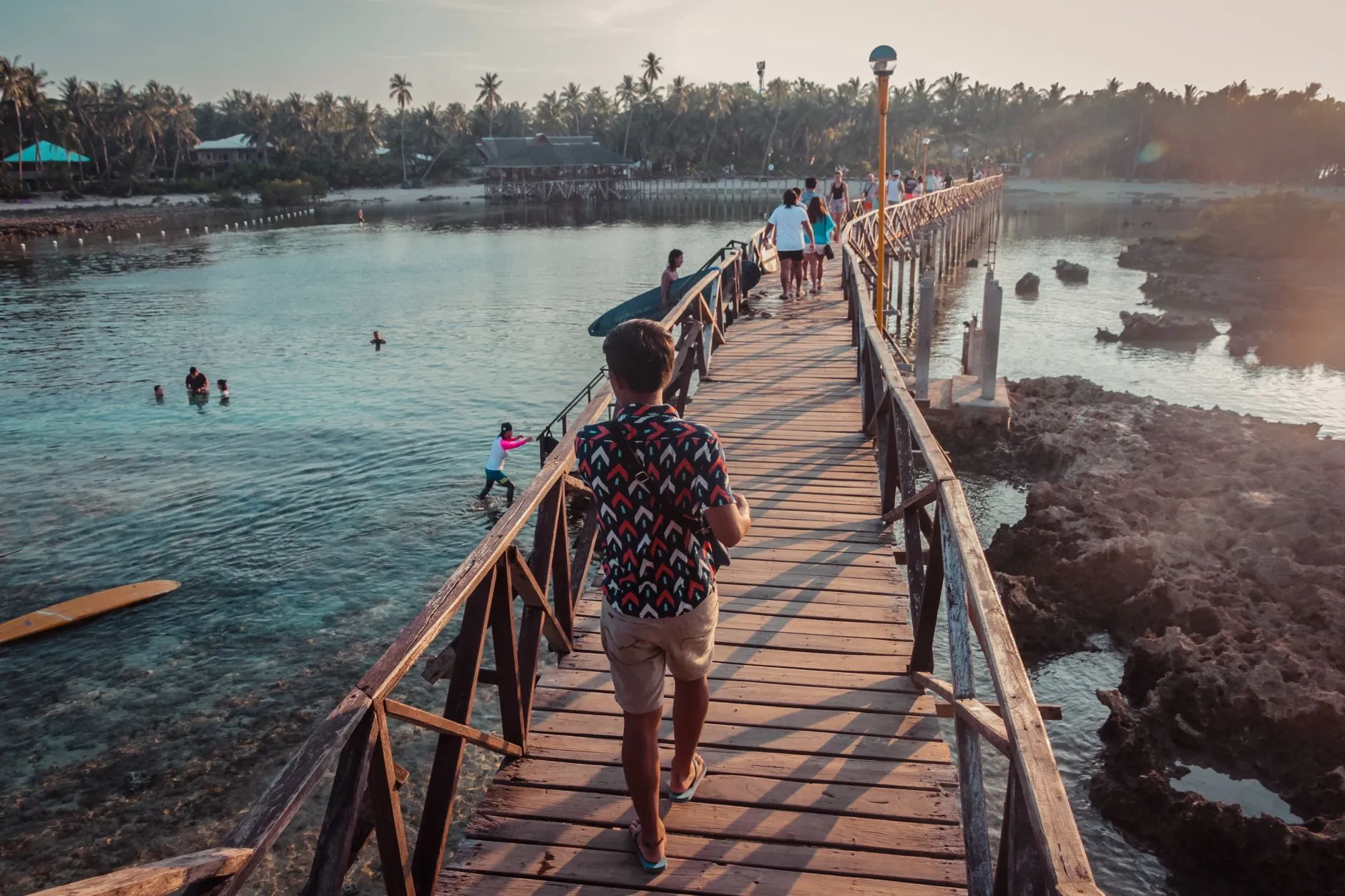
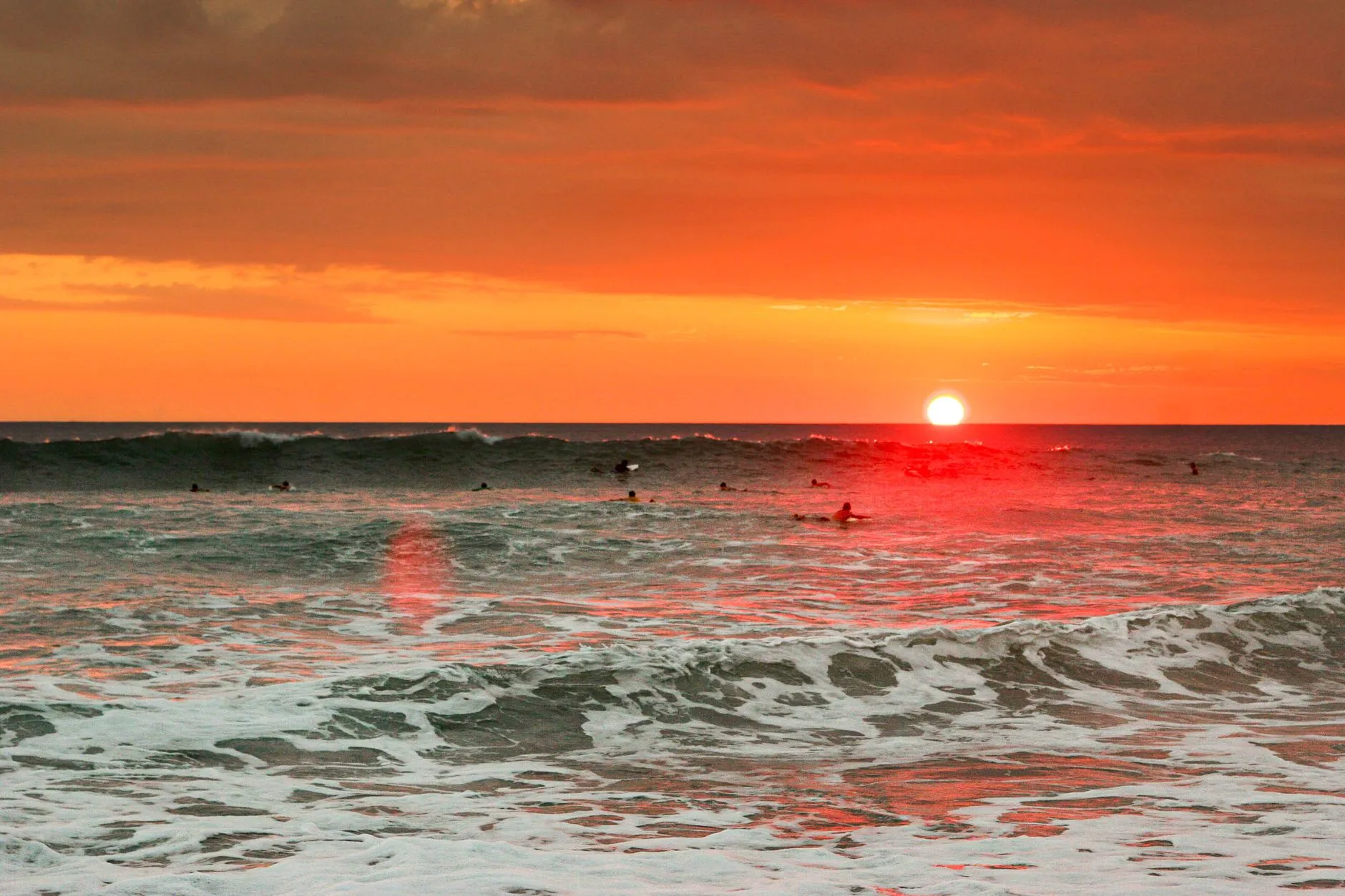
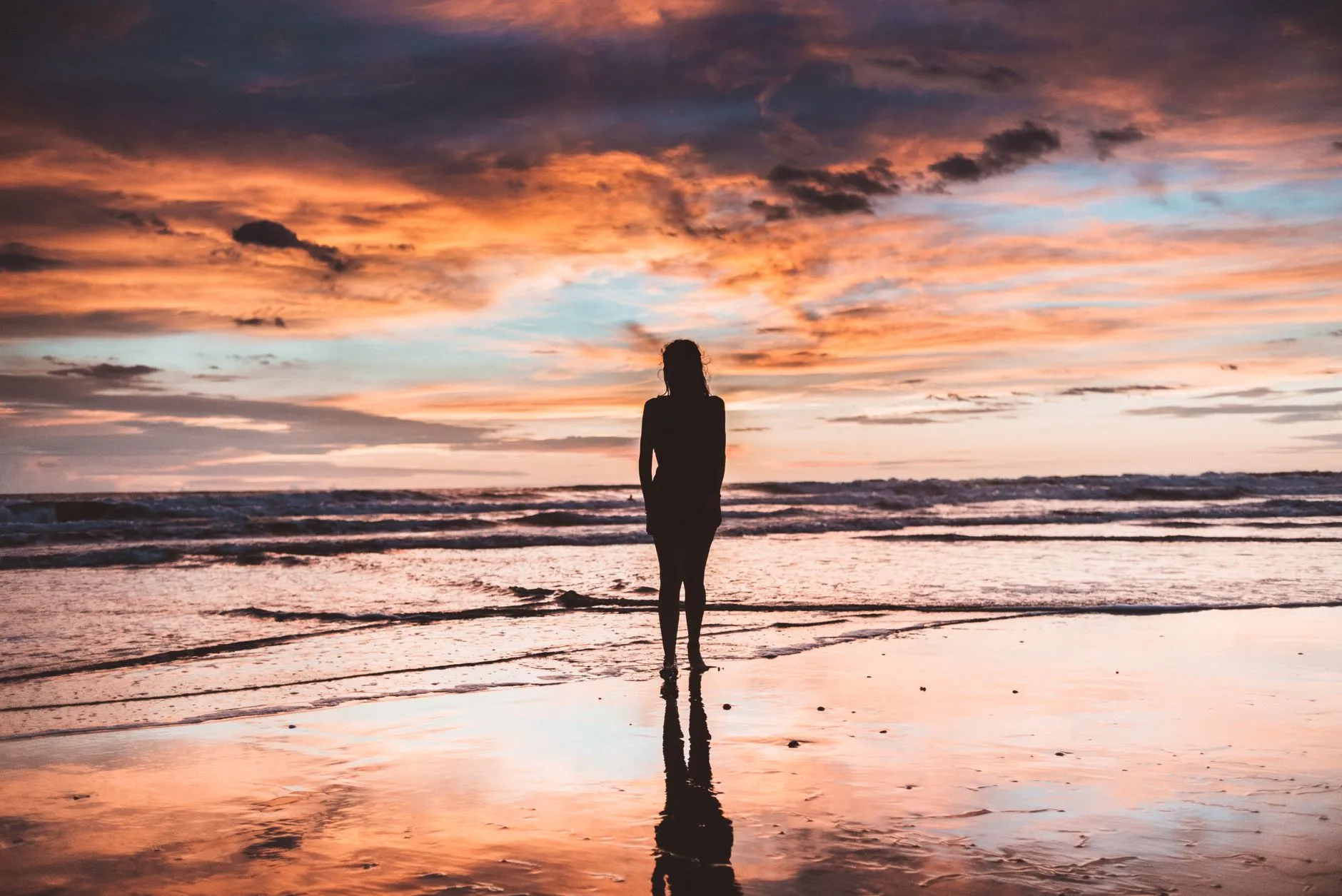
Last light on the sand and lava rock at El Cotillo
The North Track
The dirt road between Corralejo and El Cotillo is the whole point of a winter trip: a lava reef every kilometer or so, picked by wind and tide rather than by name. Start at Majanicho's end of the scale and move up only as fast as your reef manners.
Majanicho
North Track · Reef break (right)
Intermediate
The fishing hamlet halfway along the North Track, a huddle of white houses around a tiny bay, is the friendliest door the north shore has. The right peels along the reef with more wall than teeth, longboarders trim it on small days, and the mood stays easy as long as you take your turn. It is still lava and urchins underneath: boots on, feet up over the inside.
Punta Elena
Corralejo · Reef right · Also called Rocky Point
Intermediate
The town reef on the edge of Corralejo, and the step most people take after graduating from the sandbars. A right that wraps over the rock in sections, long enough to practice actual surfing, with a left off the same peak when the swell has north in it. Crowded for the obvious reasons; dawn is the quiet shift, before the surf schools and the wind arrive together.
El Hierro
North Track · Reef left
Advanced
A short walk west of The Bubble, and for many the better wave: a long, fast left reeling off a flat lava slab, with a shorter right off the same peak. On a clean NW swell with a light southerly it is as good as lefts get in the Canaries, which is why the lineup holds every strong surfer on the island. Read the pecking order before you paddle for anything from the top of it.
The Bubble
North Track · Reef peak (right and left)
Advanced
The marquee wave of the North Track and the one on the posters: an A-frame that lurches out of deep water and folds over a shallow lava shelf, a short bowling right and a left that spits. It is a tube or nothing wave, ridden by a tight crew who have sat on that peak for decades and guard it. Watch a full set from the rocks, count the wipeouts, and be honest with yourself; Majanicho is ten minutes away.
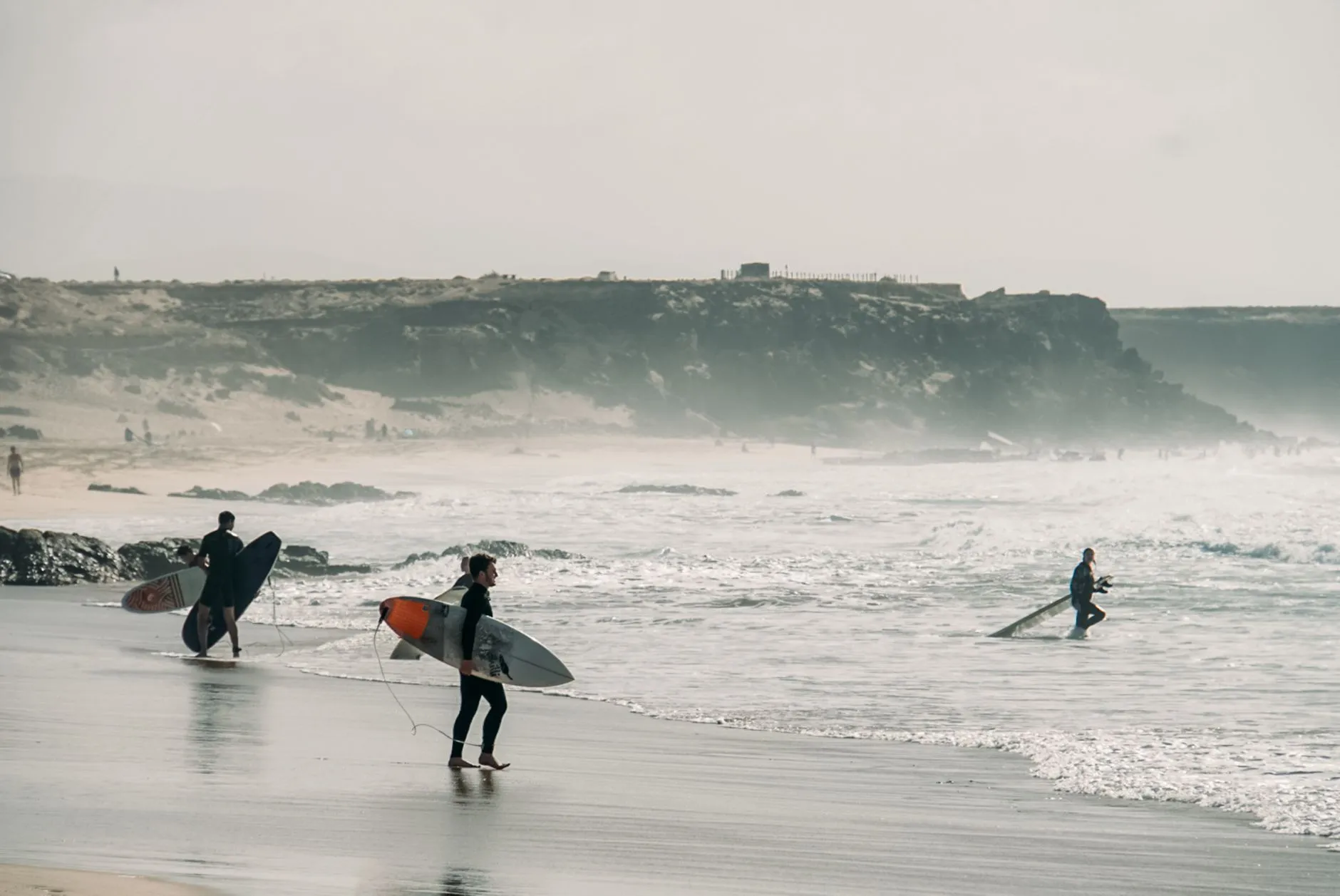
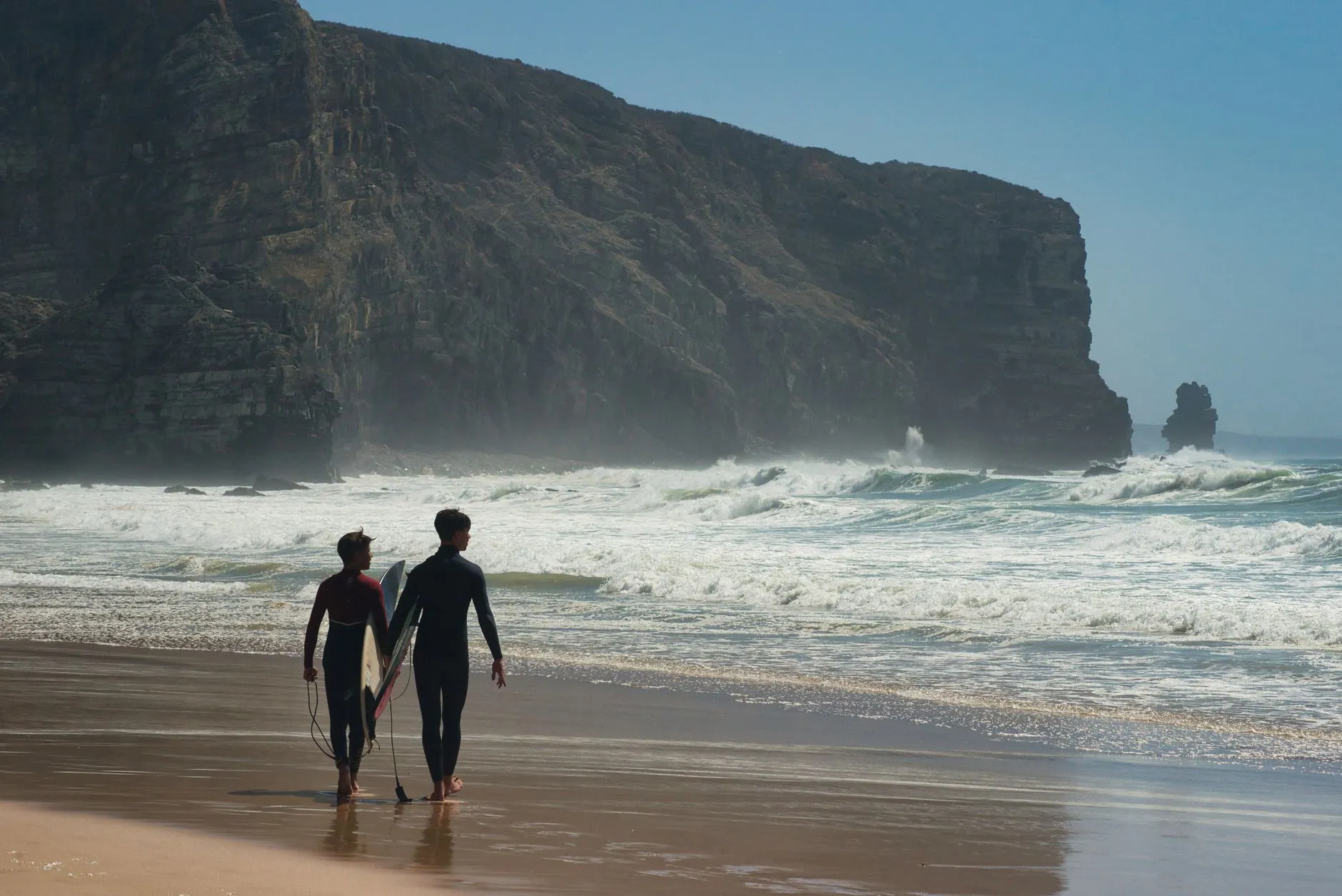
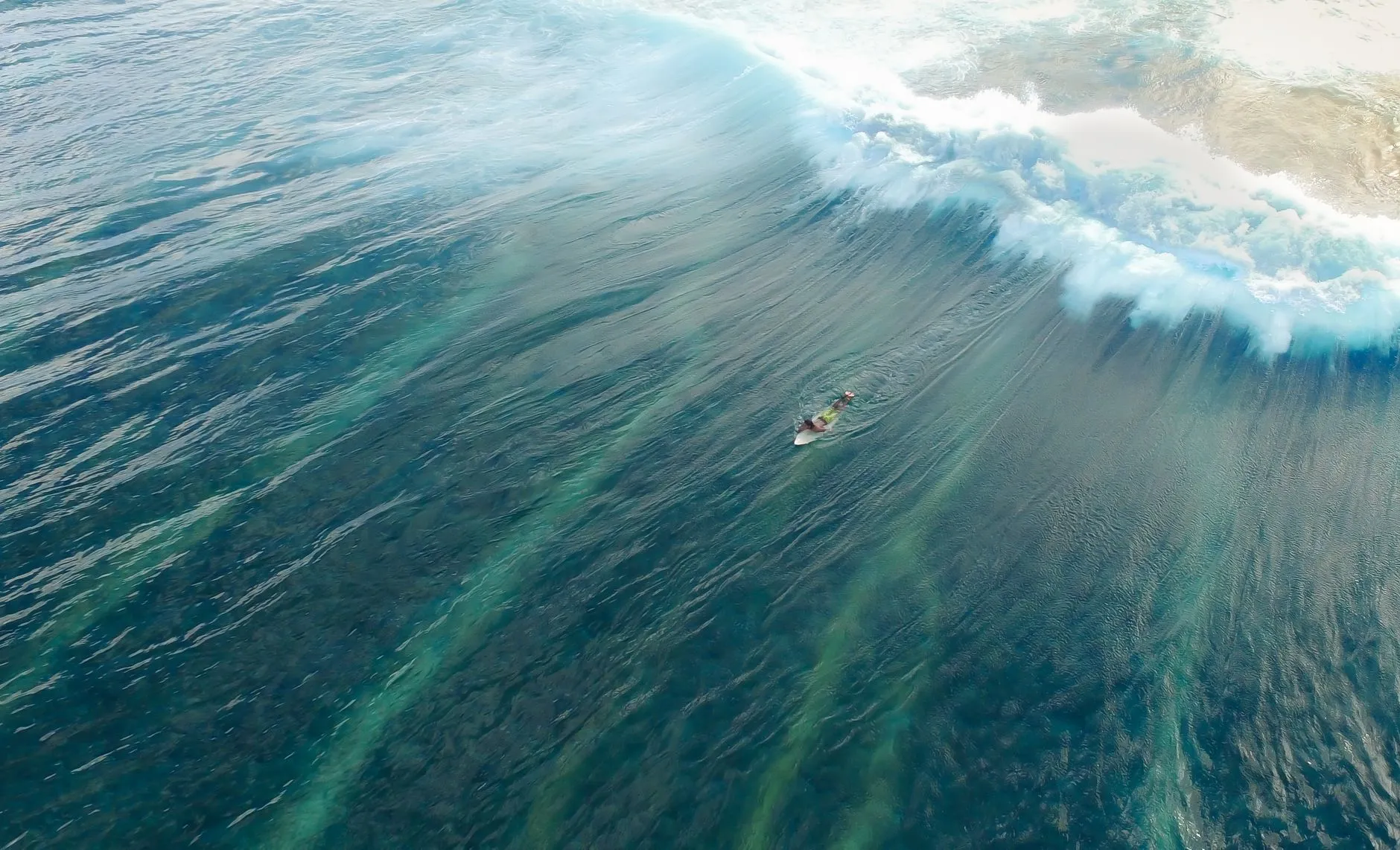
Surfers heading out at El Cotillo
Worth the mission
One wave behind a ferry ride and a walk across the lava, one behind a cliff path. The extra effort is the crowd filter, and both waves repay it: the longest right in the Canaries, and a beach that surfs like the reefs without their audience.
Los Lobos
Isla de Lobos · Right point break
Advanced
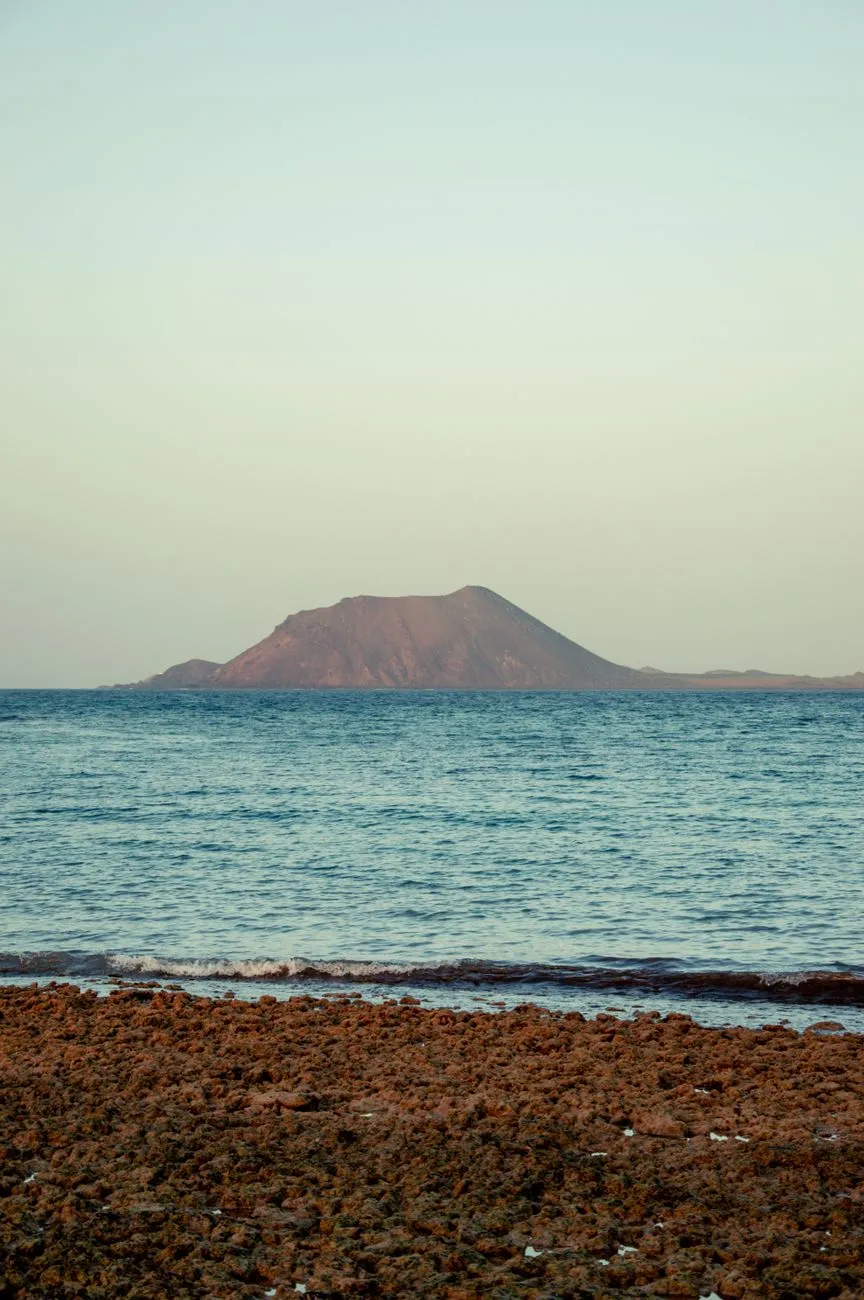
The longest right in the Canaries wraps down the flank of a volcanic islet in a marine reserve off Corralejo. On a proper NW swell the sections join into rides of several hundred meters, legs burning before the wave ends. Getting there is the filter: the ferry plus a walk across the lava, or a boat shared with everyone else who read the forecast. Visits to the island are capped, so book the free permit before you count on it.
Playa de Esquinzo
El Cotillo · Beach break
Intermediate
A short drive south of El Cotillo, then a path down the cliff to a sandy cove pinched between lava points. Esquinzo takes the same NW swell as the famous reefs and turns it into shifting beach-break peaks with rock at the edges, a size up from Piedra Playa and several crowds down. Bring everything you need: at the bottom of the cliff there is nothing but the wave.
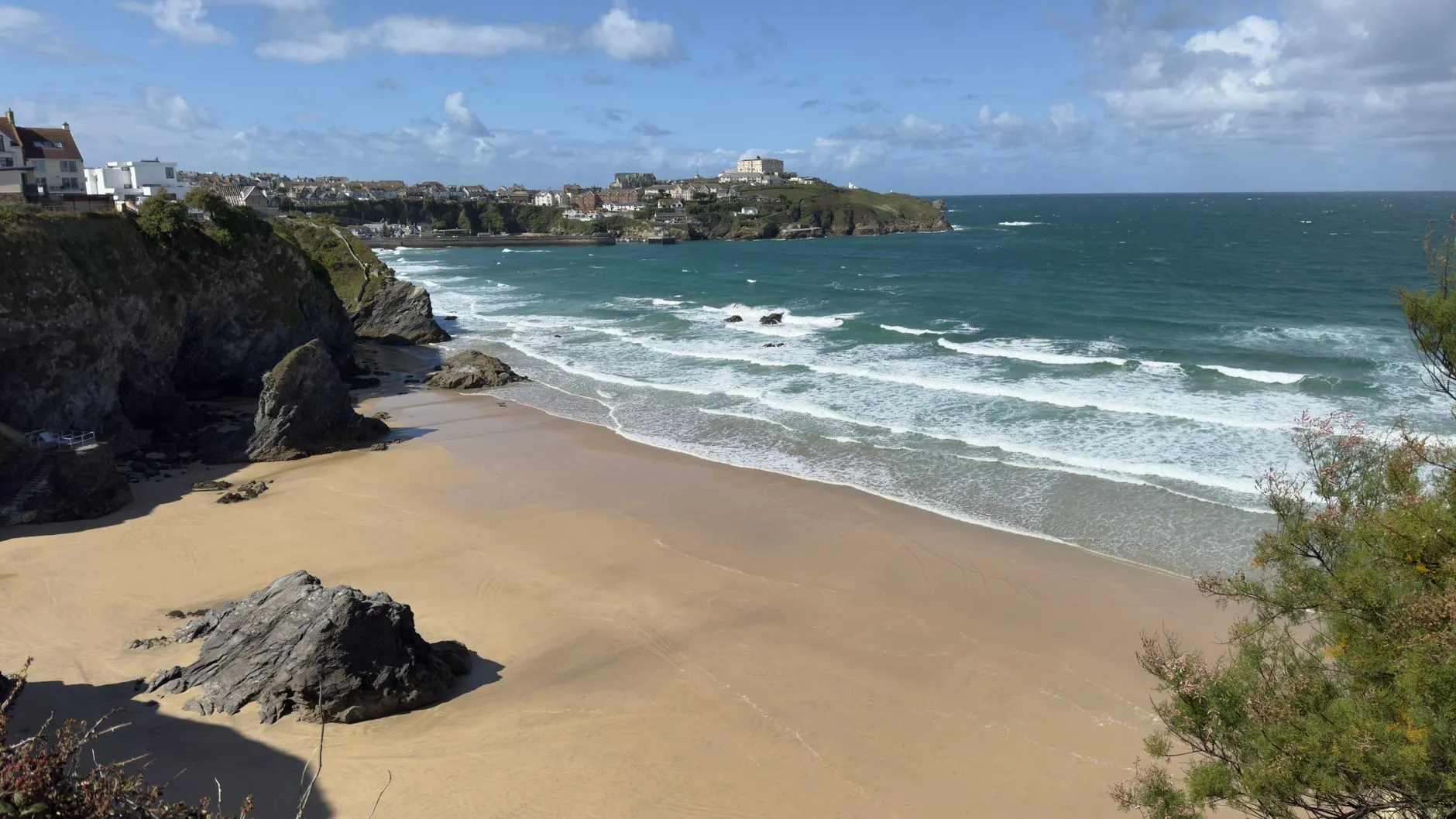
Isla de Lobos across the strait from Corralejo's lava shore
When to go
A year in Fuerteventura
Typical conditions, month by month. The ocean did not sign this table: for live waves, wind and tide, check the app.
January
6-10 ft
66°F · 3/2 · Advanced
Midwinter: back-to-back NW swells and the year's calmest winds. The reefs do their best work.
February
5-8 ft
64°F · 3/2 · Advanced
Still prime. The North Track lineups are committed rather than casual; bring your patience with your boots.
March
4-8 ft
64°F · 3/2 · All levels
Swell keeps arriving as days lengthen. Often the sweet spot between size and crowds.
April
3-6 ft
64°F · 3/2 · All levels
The trades begin to stir. Mornings are the session; afternoons belong to the sheltered corners.
May
2-4 ft
66°F · 3/2 or spring · Beginner
Smaller and windier. Learners take over the sand while the reefs doze between pulses.
June
2-3 ft
68°F · 3/2 or spring · Beginner
Trade-wind season proper: small waves, strong afternoon wind, empty early peaks.
July
1-3 ft
70°F · spring suit · Beginner
The learner month: waist-high, sand-bottomed waves at Cotillo and La Pared, wind chop by noon.
August
2-3 ft
72°F · spring suit · Beginner
Warm water, same recipe: dawn patrol, then hand the afternoon to the windsurfers.
September
2-4 ft
73°F · spring suit · All levels
First hints of north swell. The wind eases, the island exhales, the reefs flicker on.
October
4-6 ft
73°F · 3/2 or spring · All levels
The switch flips: real NW swells return, the North Track wakes up, boots come out of the bag.
November
5-8 ft
72°F · 3/2 or spring · Advanced
Full season. Every reef in this guide works, and everyone in Europe knows it.
December
6-9 ft
68°F · 3/2 · Advanced
Big, consistent, occasionally wild. Pick your days with the forecast, not with hope.
Good to know
When is the best time to surf Fuerteventura?
October to March for experienced surfers: steady N and NW swell lights up the lava reefs of the North Track, winds are lighter than in summer, and a 3/2 handles the 18 to 20°C water. June to September is small, windy and ideal for learning at El Cotillo and La Pared. September into early October is the hinge, often with a taste of both.
Is Fuerteventura good for beginners?
One of the best places in Europe to learn, as long as you stay on the sand. El Cotillo's Piedra Playa and La Pared run surf schools all year, summer waves are waist-high and warm, and the sun is close to guaranteed. The reefs of the north shore are a different sport: sharp lava, urchins and fast waves. Graduate toward them slowly, starting at Majanicho, not at The Bubble.
What wetsuit do I need in Fuerteventura?
A 3/2 from about November to May, a spring suit or 2 mm the rest of the year; some surf early autumn afternoons in boardshorts. The one non-negotiable item is reef boots for the north shore: the lava is razor sharp and the urchins are everywhere. On the sand at Cotillo and La Pared you can skip them.
Is localism a problem in Fuerteventura?
At the marquee reefs, yes, and it is earned rather than theatrical: The Bubble and Hierro are watched over by surfers who have held those peaks for decades. Arrive alone or as a pair, sit wide, wait, and let waves come to you, and you will get a share almost everywhere. Arrive six deep from a camp van and paddle straight to the peak, and you will not. Majanicho, Punta Elena and the beach breaks stay relaxed.