Guides · Surf trips from Germany
Where to surf from Germany
Cold North Sea days at home, and the trips that make the year
Germany has more surfers than waves. The North Sea at Sylt and St. Peter-Ording only works when a low pressure system lines up with the tide, the Baltic needs a strong onshore wind and dies as soon as it drops, and the Eisbach in Munich is a standing river wave, not an ocean. Surfing at home is opportunistic and cold, and most German surfers make peace with that early.
The upside is where the country sits. Frankfurt, Munich, Düsseldorf, Hamburg and Berlin are about 3 hours from Lisbon and Faro, around 4 and a half from Fuerteventura and Agadir, and a van ride from the Landes beaches. That is why Peniche and Moliets are full of German plates every summer, and why the winter sun islands feel like a second home coast.
This page sorts the options by distance and by month: what you can drive to this weekend, what fits a week off, where to go when the North Sea is 5°C, and the long-haul trips worth the jet lag. Every destination links to its guide, and SurfMap covers 5,000+ spots, so check the forecast before you book the flight.
- Nearest surf
- Sylt and St. Peter-Ording on the North Sea, 2 to 3 hours from Hamburg; the Eisbach in Munich all year
- Short-haul
- Portugal and the French Atlantic coast in about 3 hours by plane, or 12 hours by van from Munich
- Winter sun
- Fuerteventura and Taghazout, direct in about 4 and a half hours, 18 to 20°C water from October to March
- Long haul
- Sri Lanka, Bali, Costa Rica and the Maldives: 10 to 18 hours in the air, boardshorts all year
Where to go
From the nearest waves to the long haul
The closest waves
Honest version: German surf is opportunistic and cold. The North Sea needs a low and the right tide, the Baltic at Fehmarn or Warnemünde needs a gale, and the best real surf within driving distance is in Denmark.
Sylt · Westerland, North Sea
Germany's surf island. Westerland's beach breaks catch North Sea windswell off the Brandenburger Strand, best on a dropping tide once the wind eases after a low. Summer is small and warm enough to learn; autumn brings head-high days and a 5/4 with hood.
St. Peter-Ording · Eiderstedt, North Sea
A beach so wide the surf school is a ten-minute walk from the dune. Shallow sand makes gentle whitewater for first lessons around mid tide; kites take over when the wind picks up. Check the tide: at low water the sea is far away.
Eisbach · Munich, Bavaria
The most famous river wave in the world: a standing wave on a canal in central Munich, surfed since the 1970s, legal since 2010. Fast, shallow and for experienced surfers only, with a queue on each bank and a code the locals enforce. Watch first.
Klitmøller · Cold Hawaii, Denmark
The best real surf within driving distance of Germany. Jutland's north-west corner catches North Sea groundswell on reefs and beaches: the Klitmøller reef and Bunker at Hanstholm for good surfers, the sand at Vorupør and Agger for everyone else. Cold, windy, consistent.
About 3 hours by plane
Portugal and the French Atlantic coast are the German surf year's backbone: a week off, a direct flight to Lisbon, Faro or Bordeaux, or the van loaded on Friday night. September and October are the months to aim for.
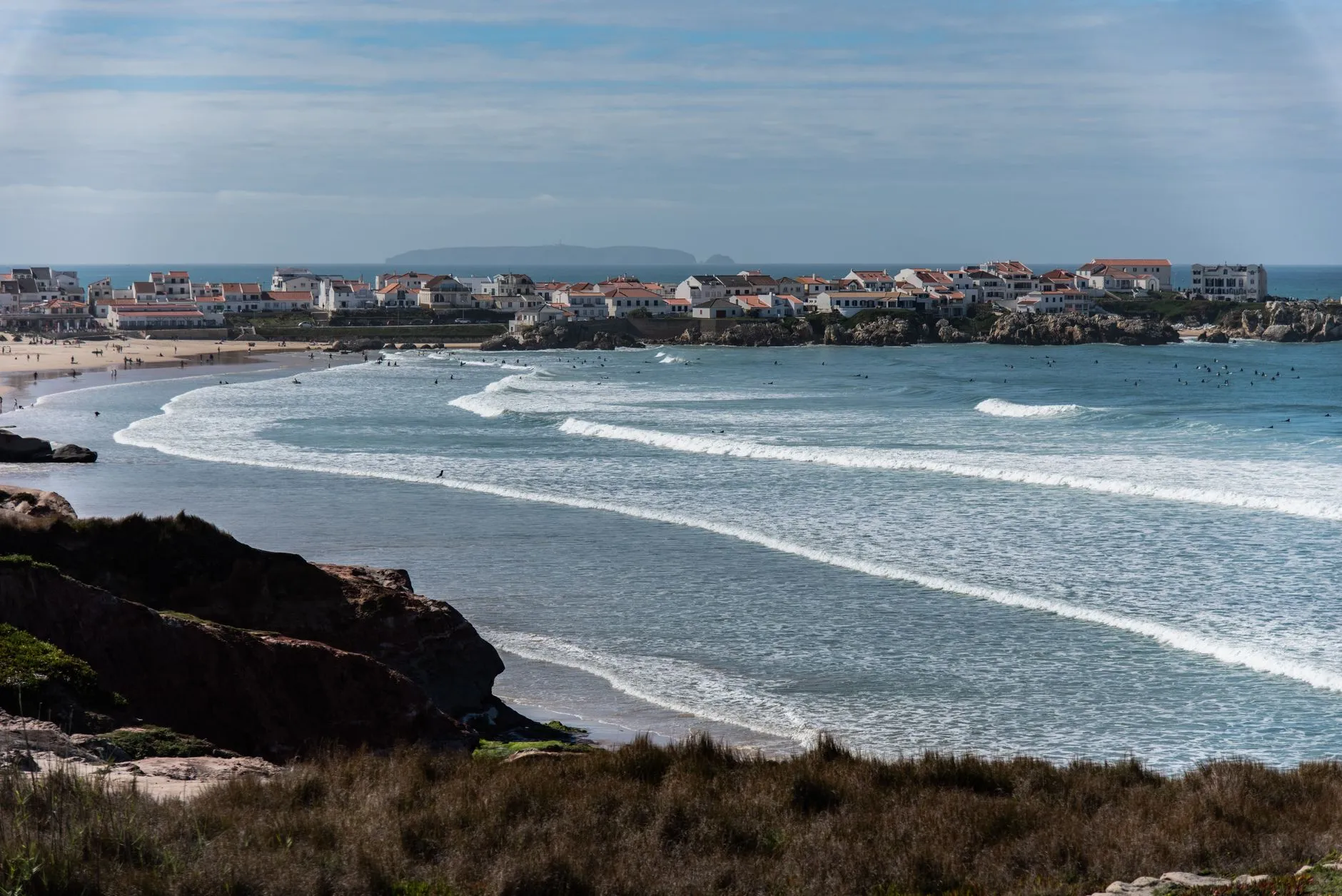
Peniche · Portugal
The German surfcamp capital. Half the country learns to stand up in the Baleal bays on the north side, while Supertubos on the south side breaks harder than any beach break in Europe. Something is always offshore; Nazaré is the day trip.
Read the full guide →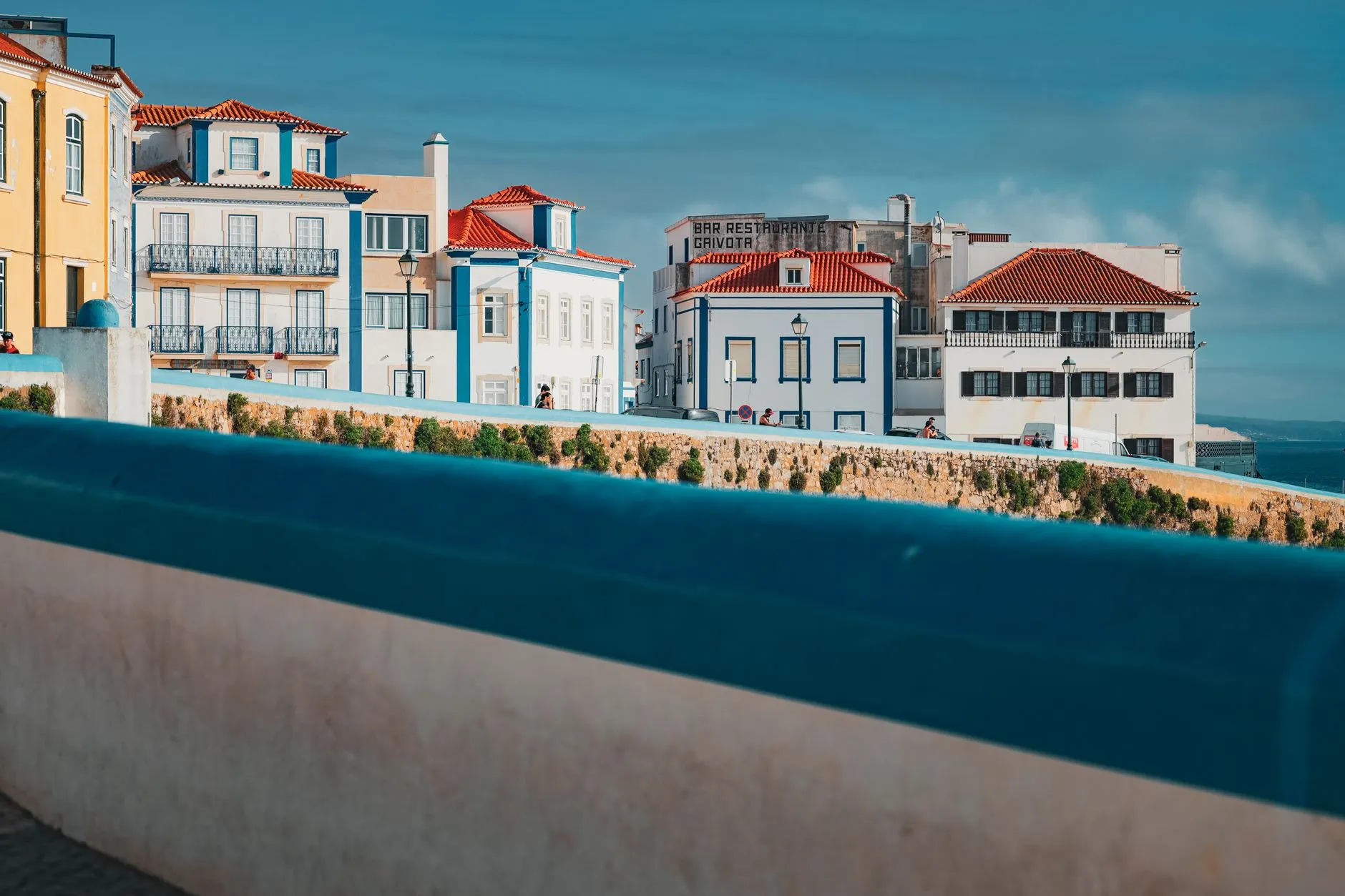
Ericeira · Portugal
Europe's only World Surfing Reserve, forty minutes from the airport. A beginner beach at the Foz do Lizandro river mouth, the long right walls of Ribeira d'Ilhas and the expert slab at Coxos share four kilometers of coast. Wetsuit all year: 15 to 19°C.
Read the full guide →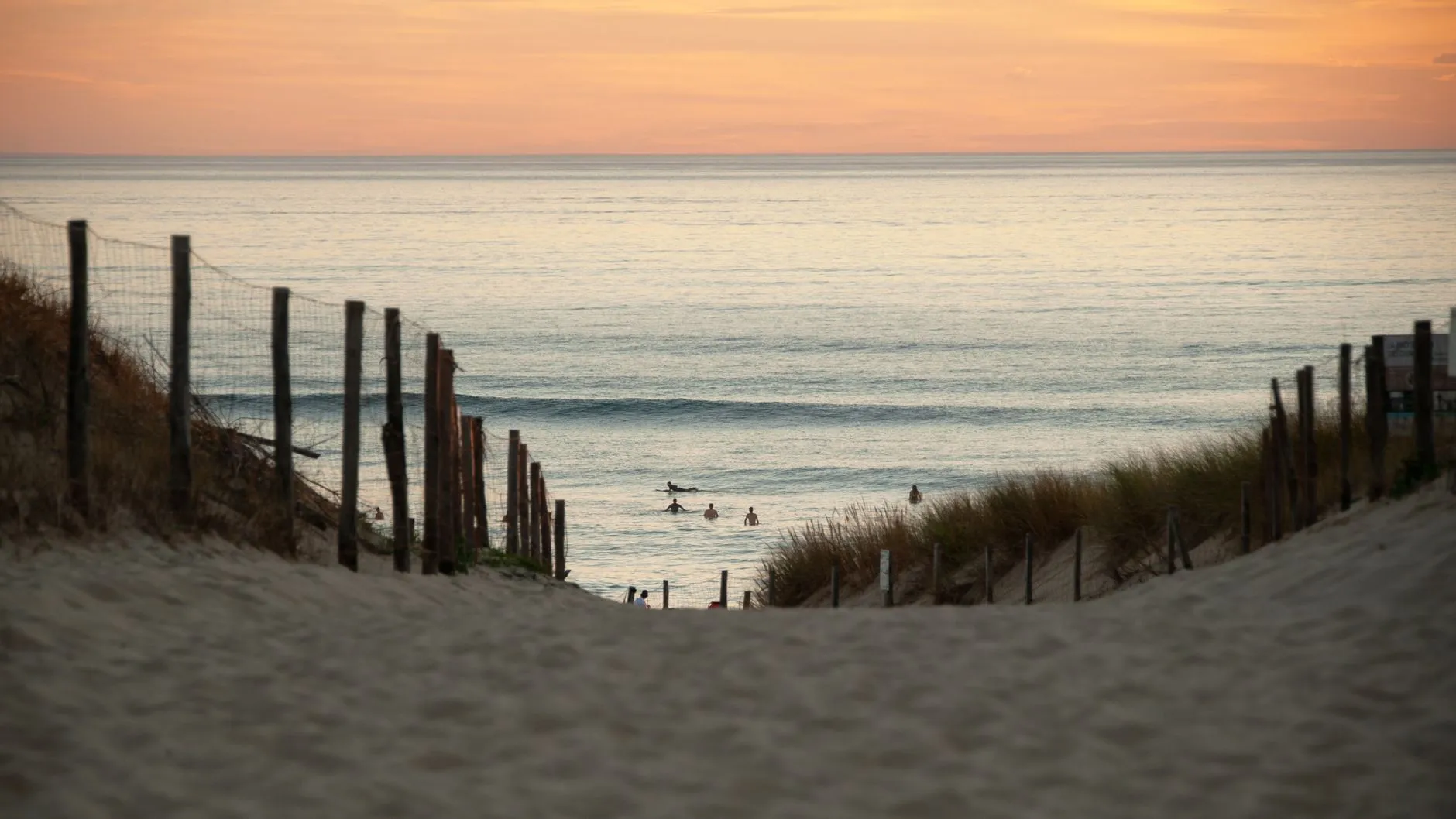
Hossegor · Landes, France
Europe's beach-break capital and Germany's classic van trip. The camps at Moliets and Seignosse fill with learners from June to August; in September the groundswell returns, water still 20°C, and La Gravière does what the town is famous for. Climb the dune, look, choose.
Read the full guide →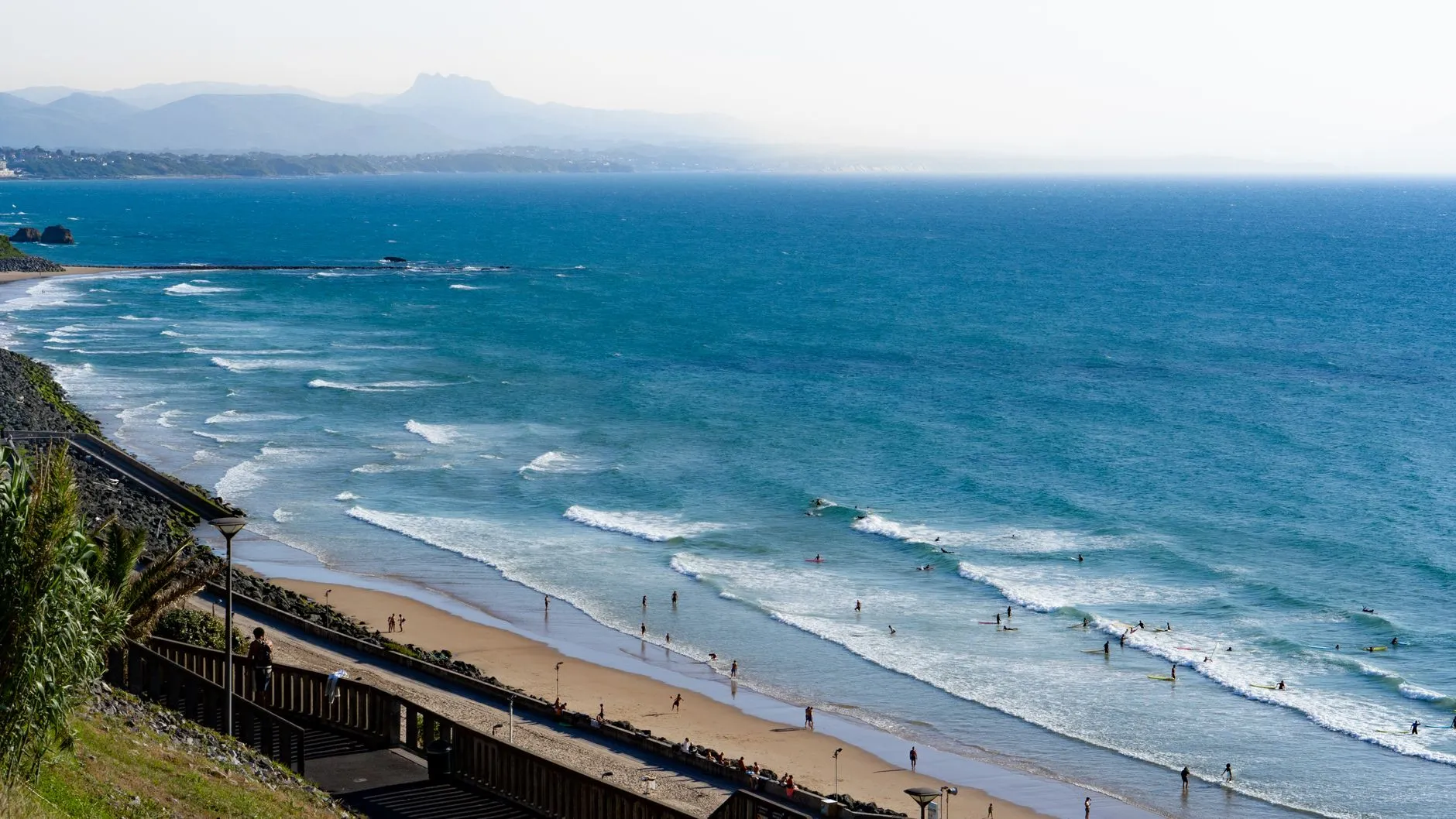
Basque Country · Biarritz, France
Twenty kilometers of coast between the Adour and the Spanish border, where French surfing was born in 1957. Powerful beach breaks at Anglet, a gentle longboard bay in Biarritz, size-holding reef points at Guéthary, and Hendaye's sheltered corner when the rest is too big.
Read the full guide →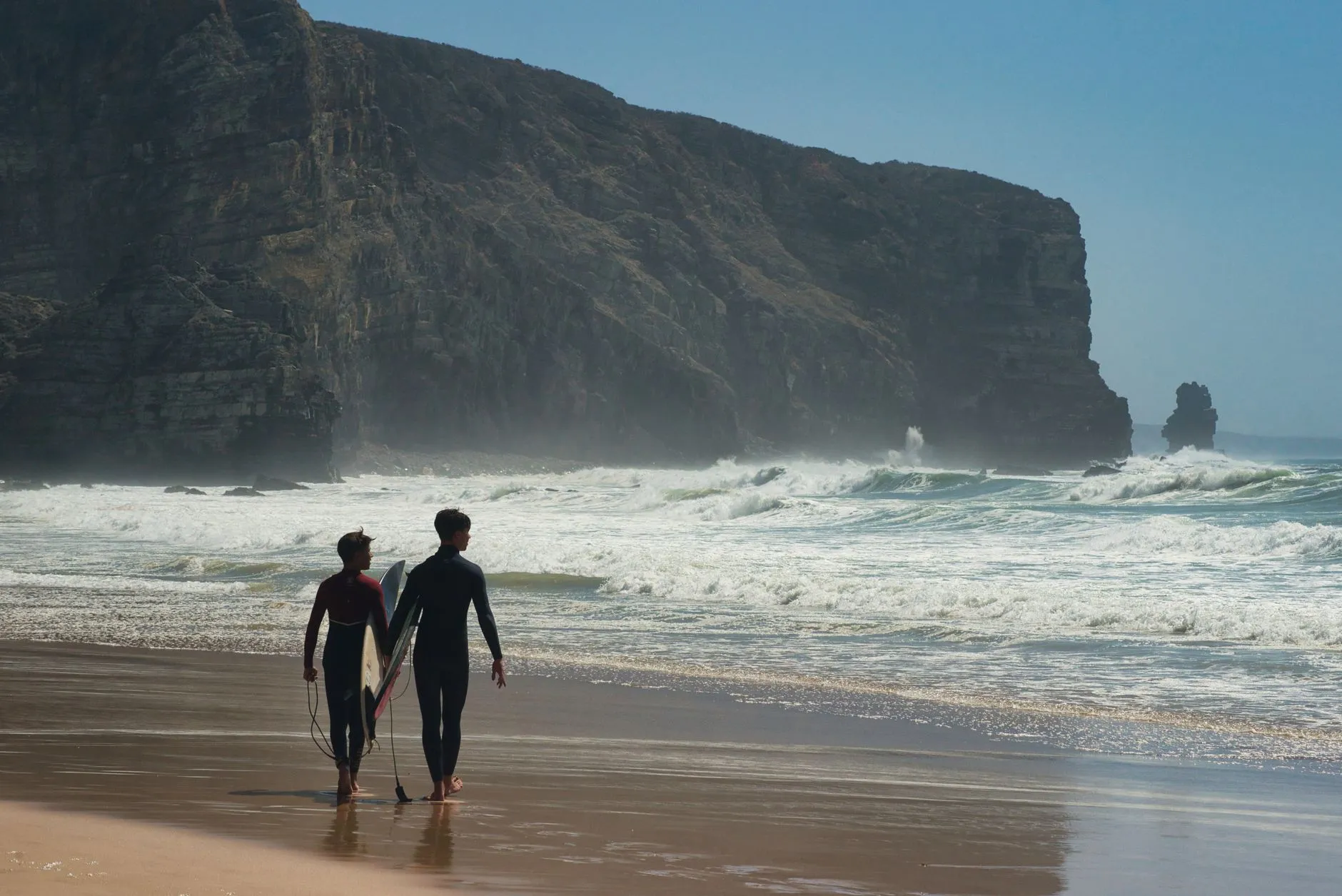
Algarve · Sagres and Aljezur, Portugal
The winter answer three hours away. A west coast drinking every Atlantic swell at Arrifana, Amado and Castelejo, and a south coast behind the Sagres cape that turns that storm into clean lines. Never below 15°C: a 4/3 under skies Germany forgot in November.
Read the full guide →Winter sun, 4 to 6 hours
When the North Sea drops to 5°C, the German winter moves south: direct flights from Frankfurt, Düsseldorf and Munich, a 3/2 instead of a hood, and reefs and points at their best exactly when home is at its worst.
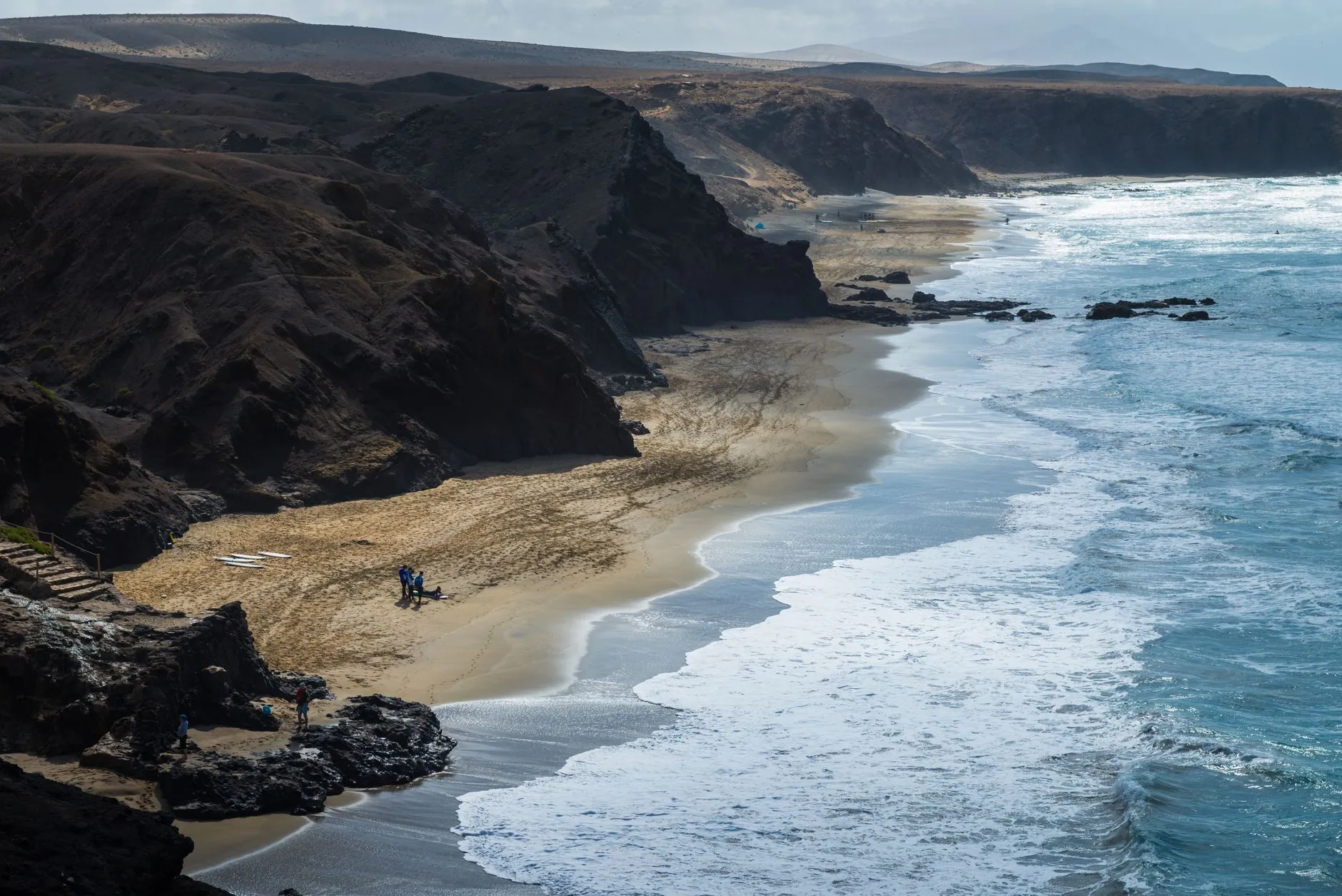
Fuerteventura · Canary Islands, Spain
Europe's winter Hawaii and Germany's favourite winter island: back-to-back NW swells from October, the calmest winds in January, 18 to 20°C water in a 3/2. The North Track strings the lava reefs together; El Cotillo and La Pared keep sand for learners.
Read the full guide →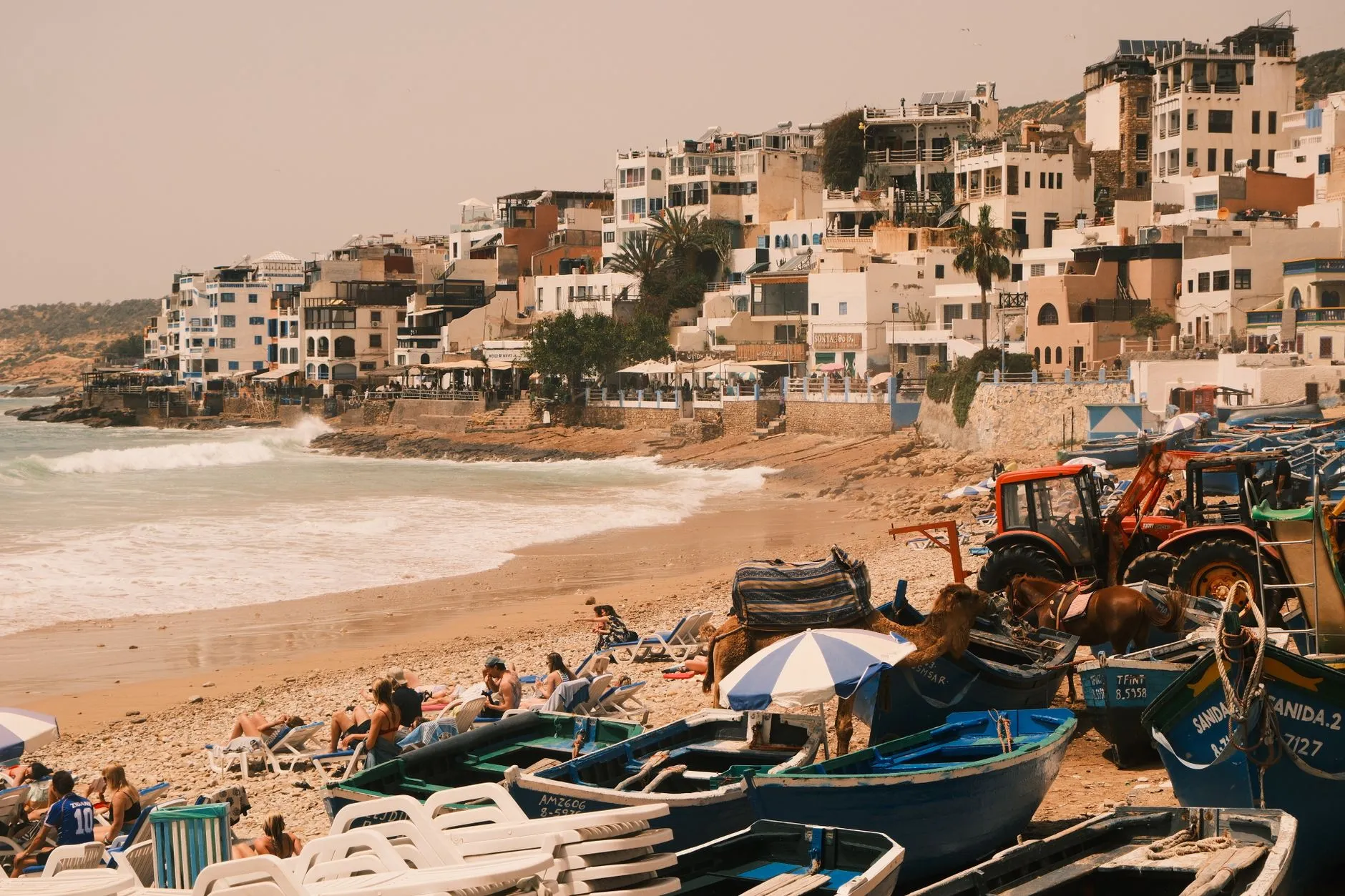
Taghazout · Agadir, Morocco
Right-hand points of red rock, a fishing village of blue boats, and the same North Atlantic swell that hits Portugal, arriving warmer. Sandy first waves at Tamraght and Aourir, Anchor Point and Killer Point for the serious, and Imsouane's long bay an hour north.
Read the full guide →The long haul
Two weeks or more, boardshorts every month, and a season that is on when Europe is off. Frankfurt is the gateway: direct to San José and Malé, one stop to Colombo and Denpasar.
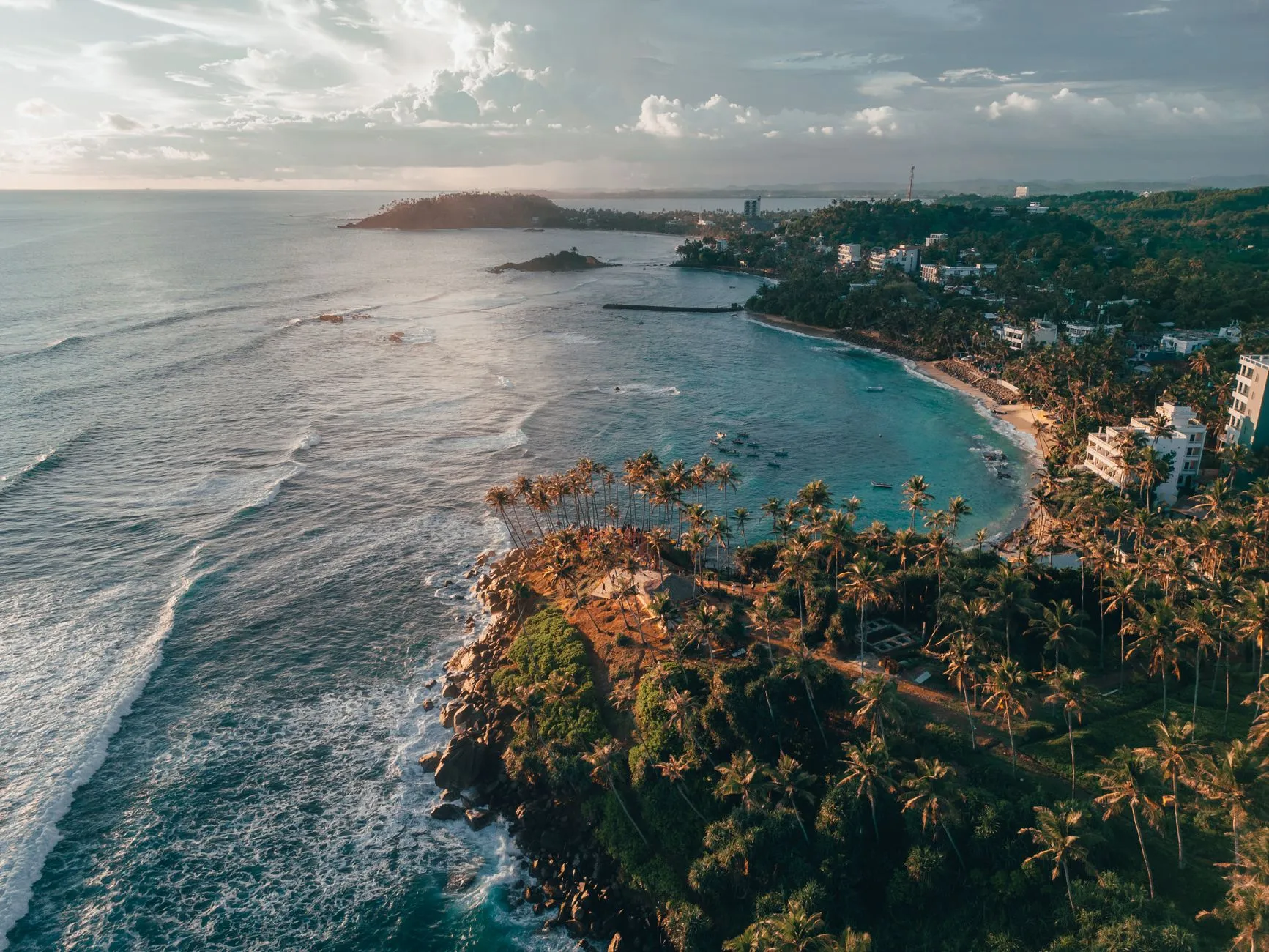
Sri Lanka · Weligama and Arugam Bay
Two coasts, two seasons, no off-season: the monsoon flips the island in May. November to April the south coast is dry and offshore, from Hikkaduwa's reefs to Weligama's learning bay; then Arugam Bay takes over with its long sandy right. Water 27 to 29°C.
Read the full guide →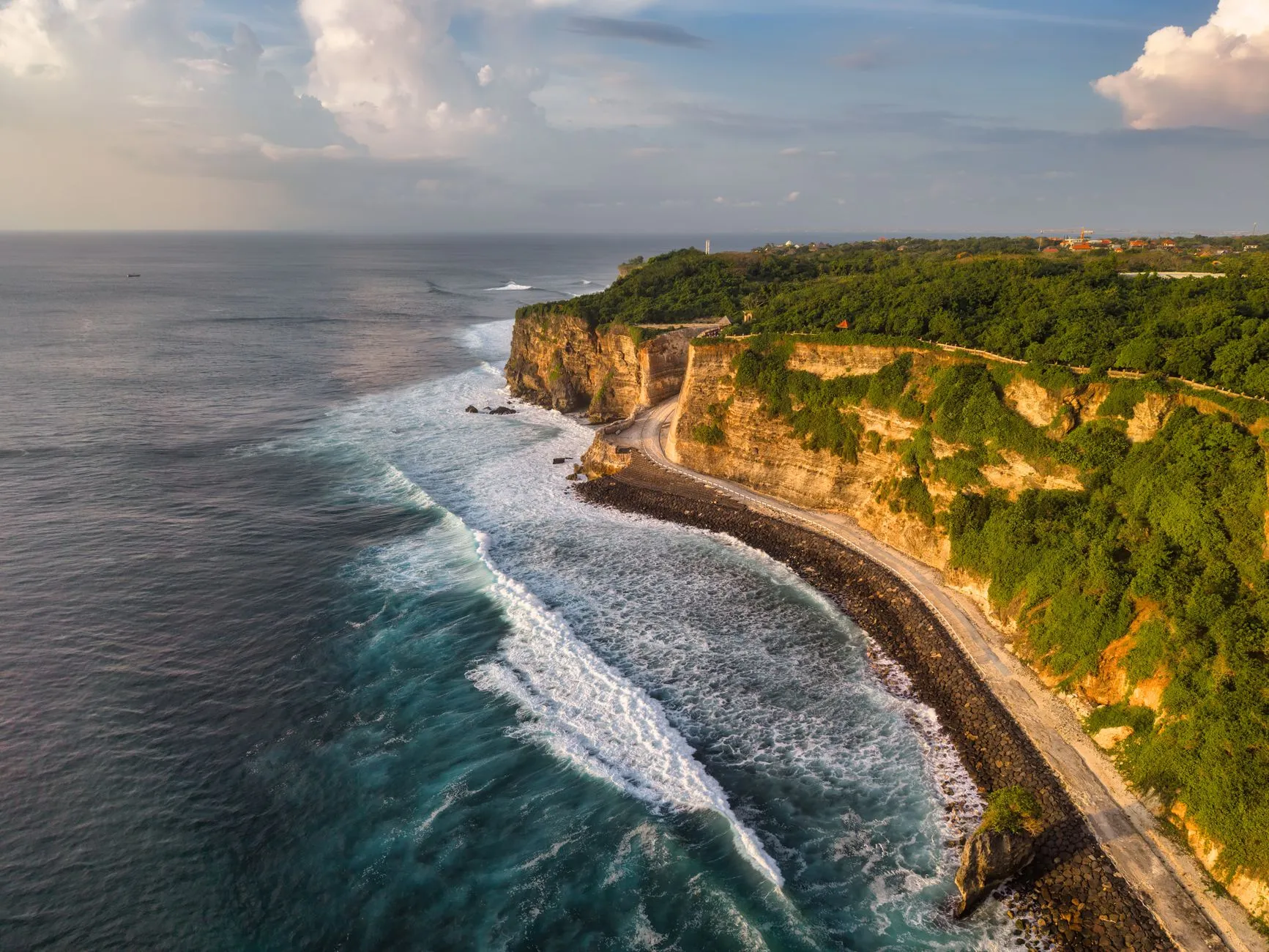
Bali · Indonesia
Where every surfer's map ends up. In the dry season the trades blow offshore on the Bukit and groom Uluwatu, Padang Padang and Bingin; Kuta and Batu Bolong take the learners in 27°C water. From November the winds flip and the call is Keramas.
Read the full guide →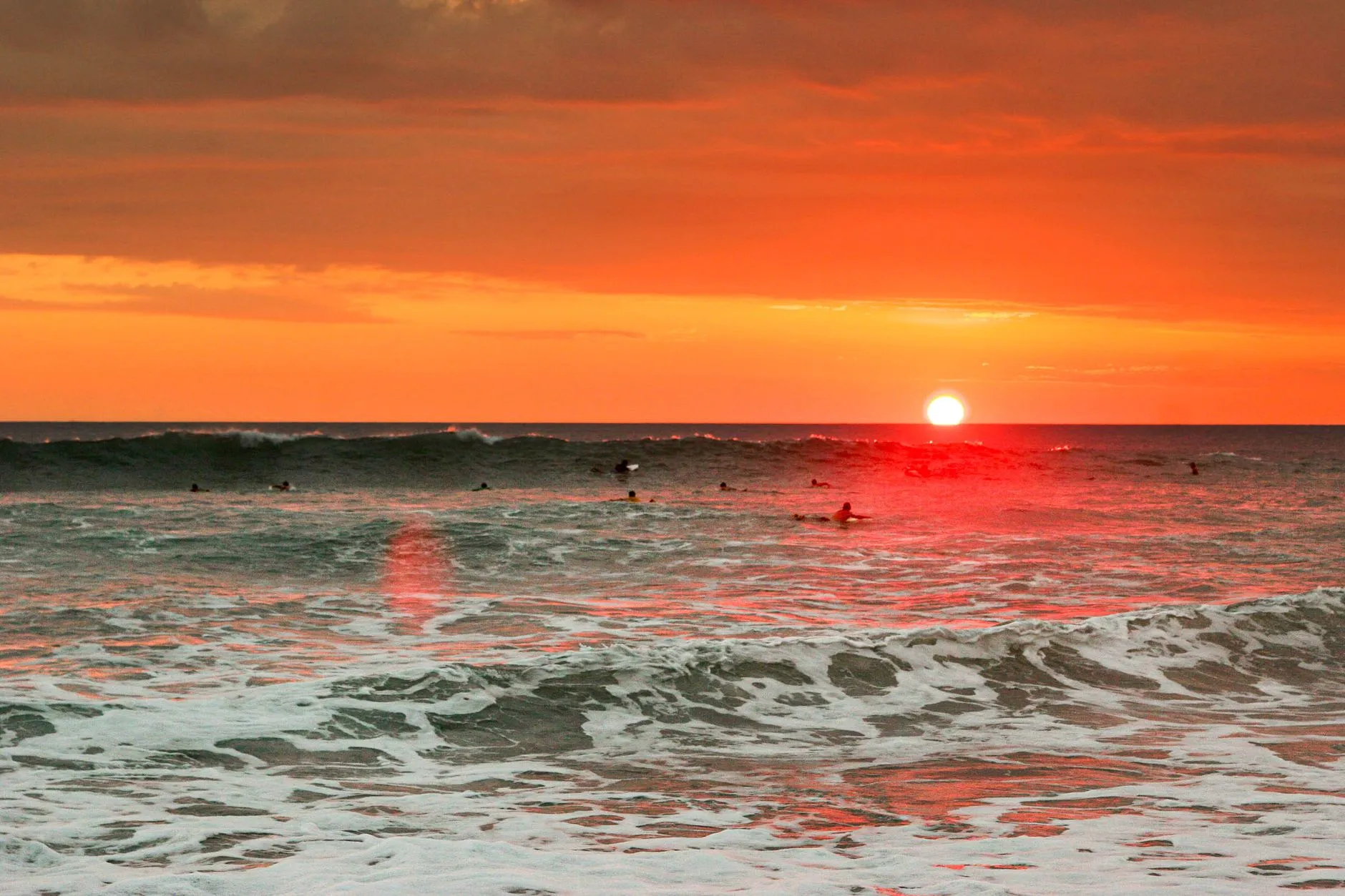
Costa Rica · Nicoya Peninsula
The only long-haul surf coast with a direct flight from Germany, from Tamarindo's learner peaks to the rock shelf at Playa Negra. Papagayo offshores in the German winter, glassy mornings and afternoon rain from May, and jungle to the tide line. Water 26 to 29°C.
Read the full guide →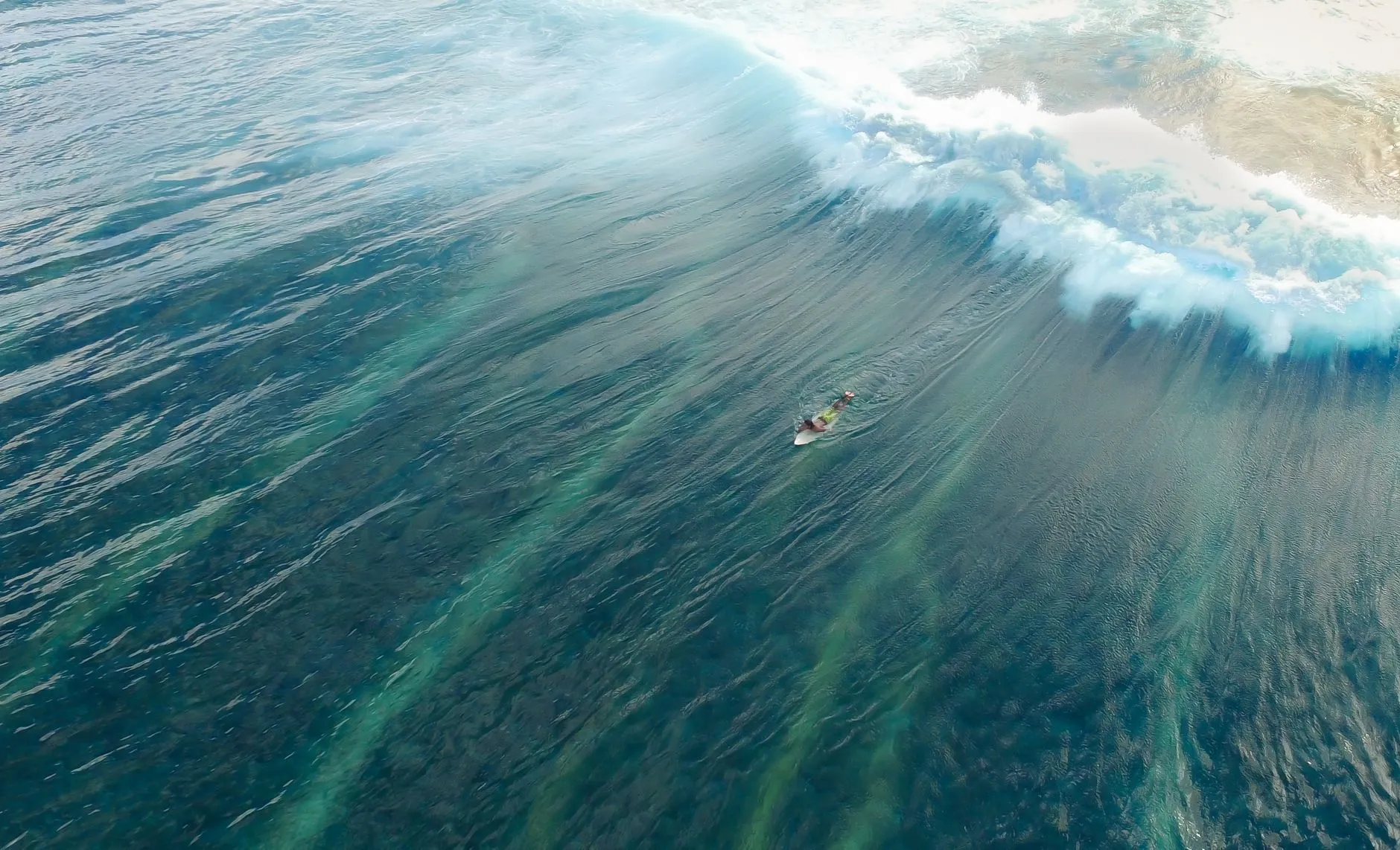
Maldives · North and South Malé atolls
Southern groundswell bending through reef passes onto coral shelves with a regularity that feels engineered. No surf town: you sleep on a charter boat, in a resort, or in a guesthouse on Thulusdhoo. Rarely huge, rarely poor, 28 to 29°C every day, reef booties sensible.
Read the full guide →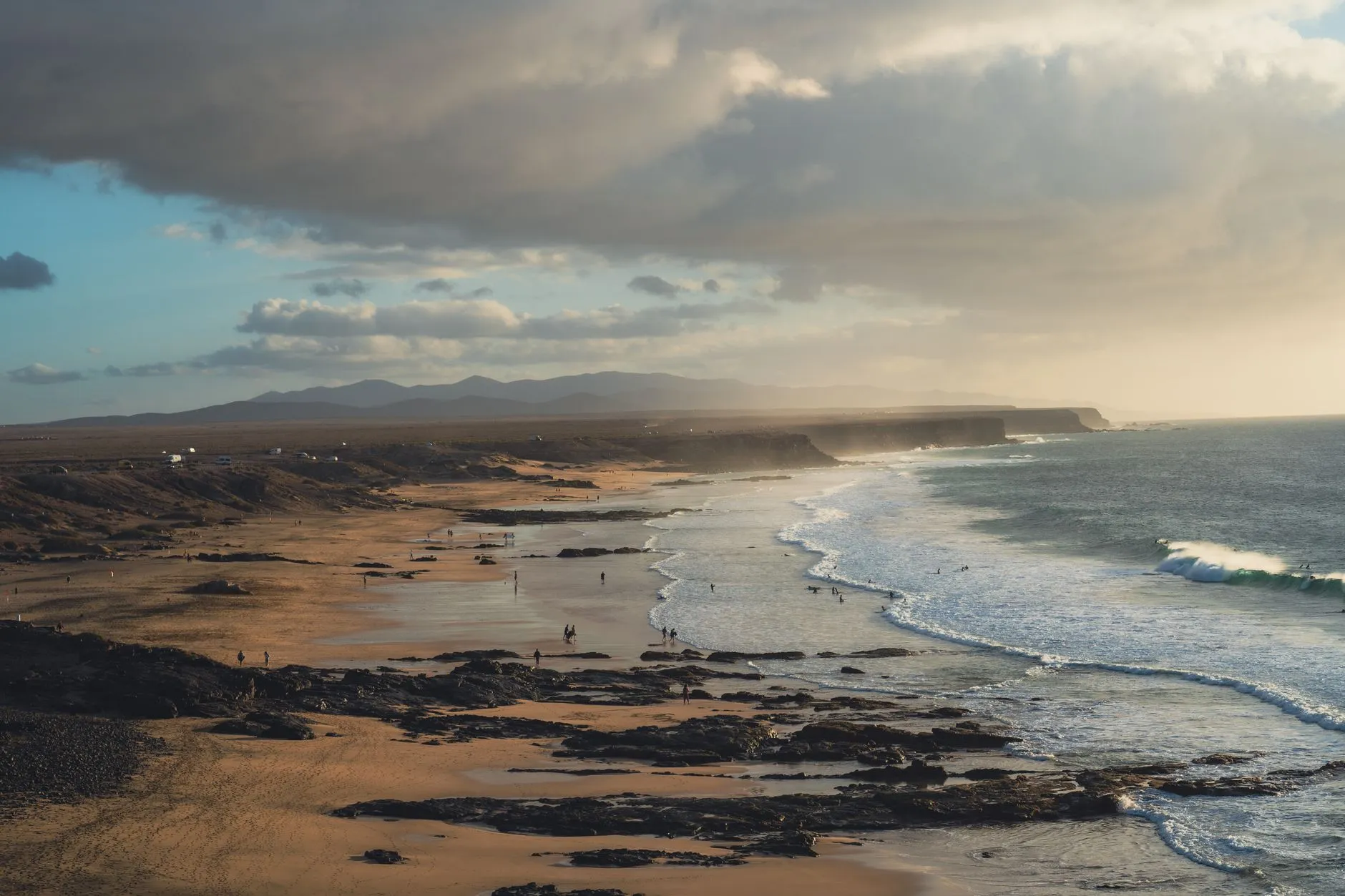
When to go
A year of surf trips from Germany
One destination for every month of the year, picked for the time it does its best work. The ocean did not sign this table: for live waves, wind and tide, check the app.
January
Canary Islands, Spain · Advanced
Midwinter is the North Track's best month: back-to-back NW swells and the calmest winds of the year, 19°C water in a 3/2 while Sylt sits at 4°C.
February
Sagres, Portugal · Intermediate
Three hours from the carnival holidays to swell that keeps coming, sunshine between fronts and the two-coast game around the cape. The coldest water here is still 15°C.
March
South coast, Weligama · All levels
The last prime month of the southern season: offshore dawns from Hikkaduwa to Mirissa, 29°C water, and the crowds thinning as the heat builds. Two weeks well spent before Easter.
April
Portugal · Intermediate
Easter holidays, spring consistency and pre-season calm: chest to head-high most days along the reserve, 15°C water in a 4/3, and Foz do Lizandro for whoever is still learning.
May
Biarritz, France · Intermediate
The long May weekends fit here: friendly size, mild air, 16°C water and few people on a coast that will be packed in August. Underrated, from Anglet to Hendaye.
June
Bukit peninsula, Indonesia · All levels
The biggest, most consistent swells of the dry season, the trades already offshore on the Bukit and the summer holiday crowd weeks away. Experts feast, beginners stick to Kuta.
July
Nicoya Peninsula · All levels
The veranillo, a little summer inside the green season, often serves two dry sunny weeks with south swell to match. Direct from Frankfurt, and the Sommerferien have started.
August
Sylt
North Sea, Germany · Beginner
Summer at home is small, that is the point: 18°C water, surf schools open at Westerland, any North Sea low a fun waist-high day. Learn now, chase size in autumn.
September
Landes, France · All levels
The turn. Groundswell returns, the French holiday crowd leaves, the water is still 20°C from August and the banks deliver. Load the van on Friday, surf Saturday morning.
October
Basque Country, Spain · Advanced
The first proper Mundaka days of the season, with offshore mornings on a long left that is for experts only. Learners surf Laga across the estuary. Herbstferien, a 3/2, and pintxos after.
November
Portugal · Advanced
Serious swell season opens: Supertubos in shape, the camps empty, 16°C water in a 4/3, and most years the first giant days at Nazaré, forty minutes up the road.
December
Agadir, Morocco · Advanced
The Christmas escape: big, lined-up points, glassy at dawn, 19°C water in a 3/2 and sun over the argan hills, four and a half hours from a German December.
Good to know
Can you surf in Germany?
Yes, with patience. Sylt and St. Peter-Ording on the North Sea work when a low lines up with the tide, mostly in autumn. The Baltic at Fehmarn or Warnemünde only breaks on strong onshore winds and dies when they drop. The Eisbach in Munich runs all year but is for experienced surfers only. Watch the forecast, not the calendar.
Where is the nearest surf spot from Germany?
It depends where you live. From Hamburg, St. Peter-Ording is 2 hours and Sylt 3. From the Rhineland, the Dutch coast at Scheveningen or Domburg is about 3 hours. From Munich, the Eisbach is a U-Bahn ride. For real, consistent surf within driving distance, Klitmøller in Denmark is about 5 hours north of Hamburg.
Where to surf in winter from Germany?
Fuerteventura and Taghazout are the classic answers: direct flights of about 4 hours 30, reef and point season from October to March, 18 to 20°C water in a 3/2. The Algarve is only 3 hours away and never drops below 15°C. With two weeks, Sri Lanka's south coast or Costa Rica in the Papagayo season are boardshorts trips.
Where should a beginner from Germany go to learn to surf?
In summer, to a surfcamp on sand: the Baleal bays in Peniche, Moliets and Seignosse near Hossegor, or El Cotillo and La Pared on Fuerteventura, all with German-speaking schools. In winter, the sandy beaches at Tamraght near Taghazout or Weligama in Sri Lanka. At home, St. Peter-Ording between May and September.
How far is Portugal or Morocco from Germany for a surf trip?
Portugal is about 3 hours by direct flight to Lisbon, Porto or Faro from Frankfurt, Munich, Düsseldorf, Hamburg or Berlin, then under 90 minutes by car to Peniche, Ericeira or the Algarve. Morocco is about 4 hours 30 direct to Agadir, then 45 minutes to Taghazout. By van, Munich to Hossegor is 12 hours and Peniche another day beyond.