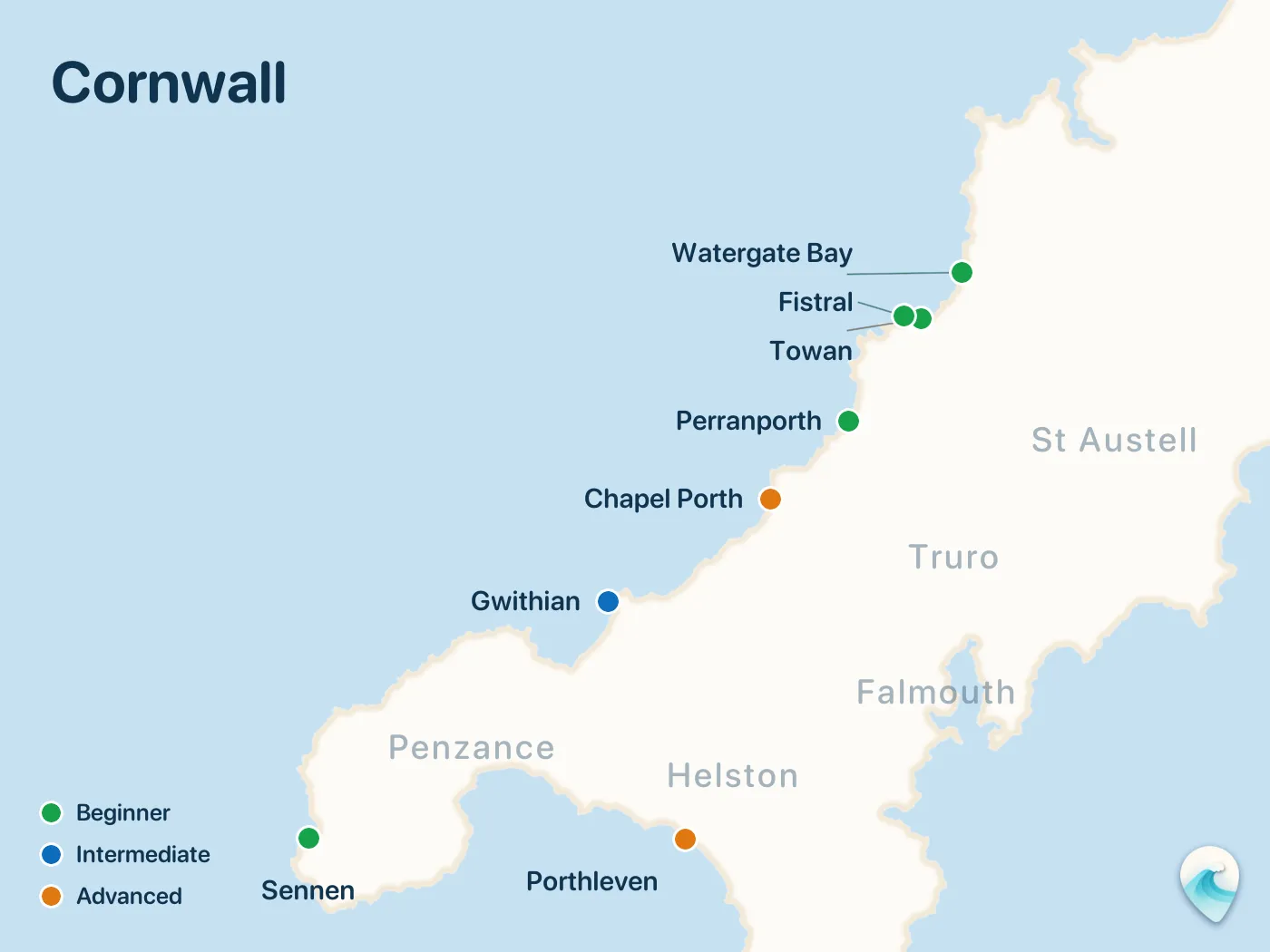
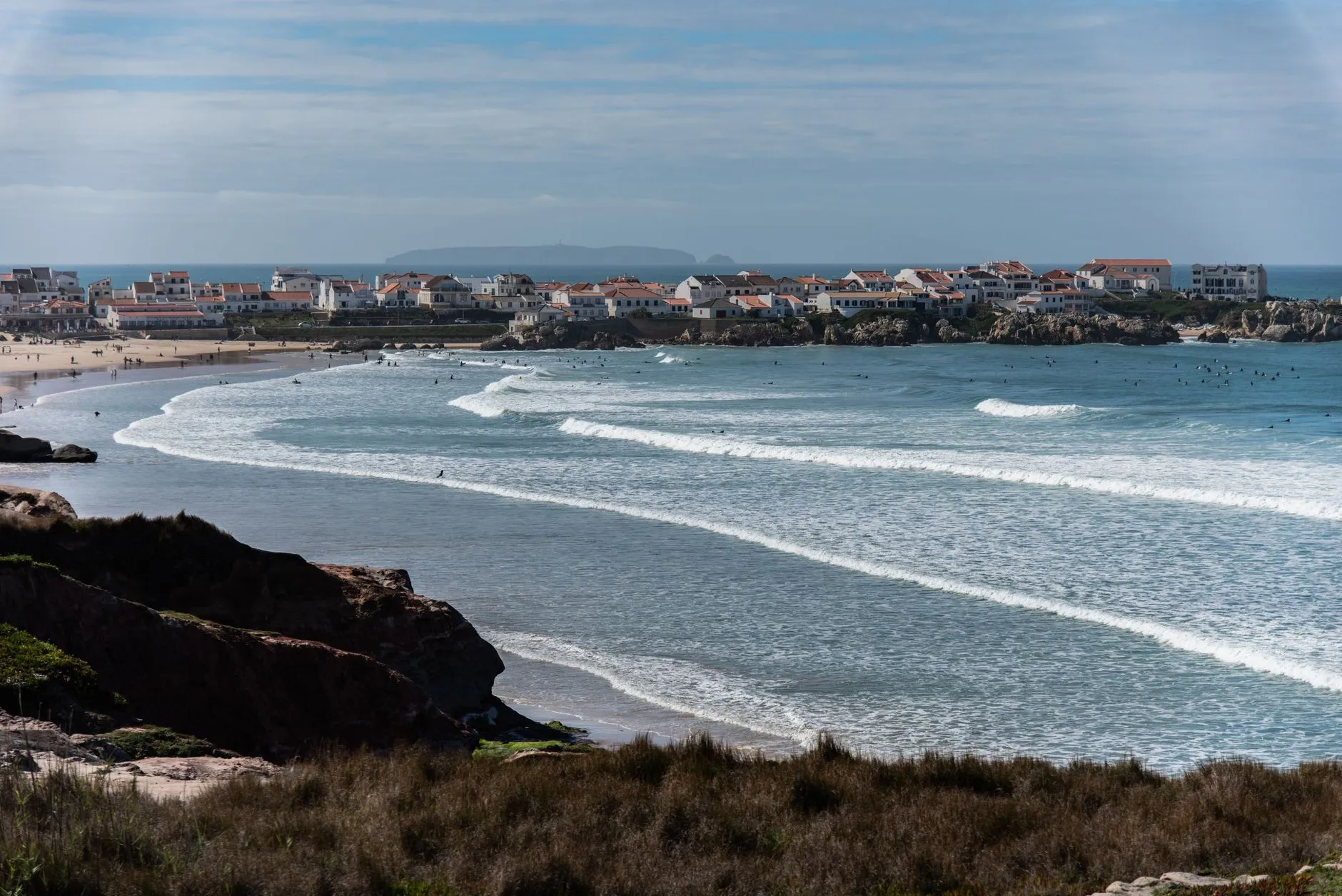
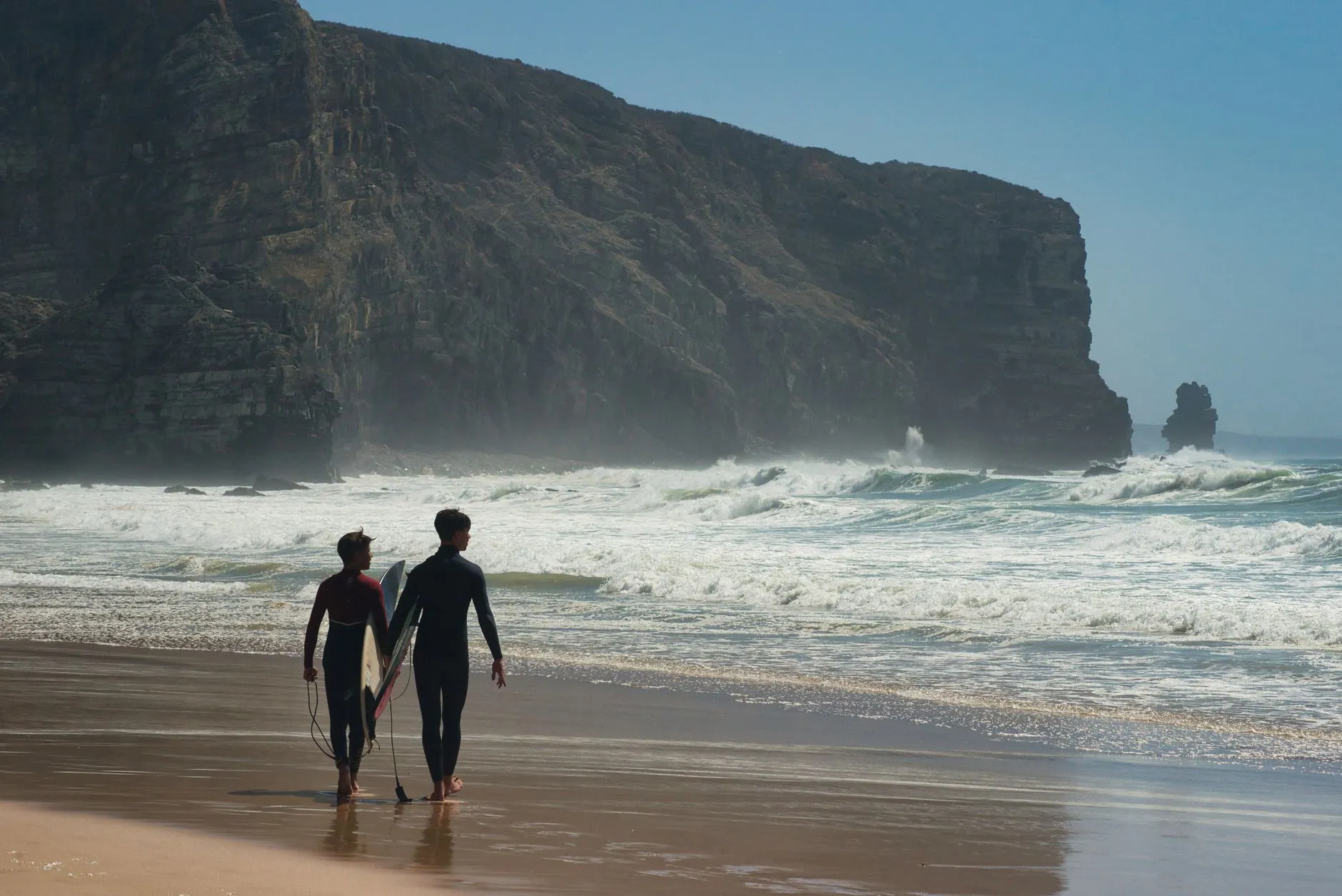
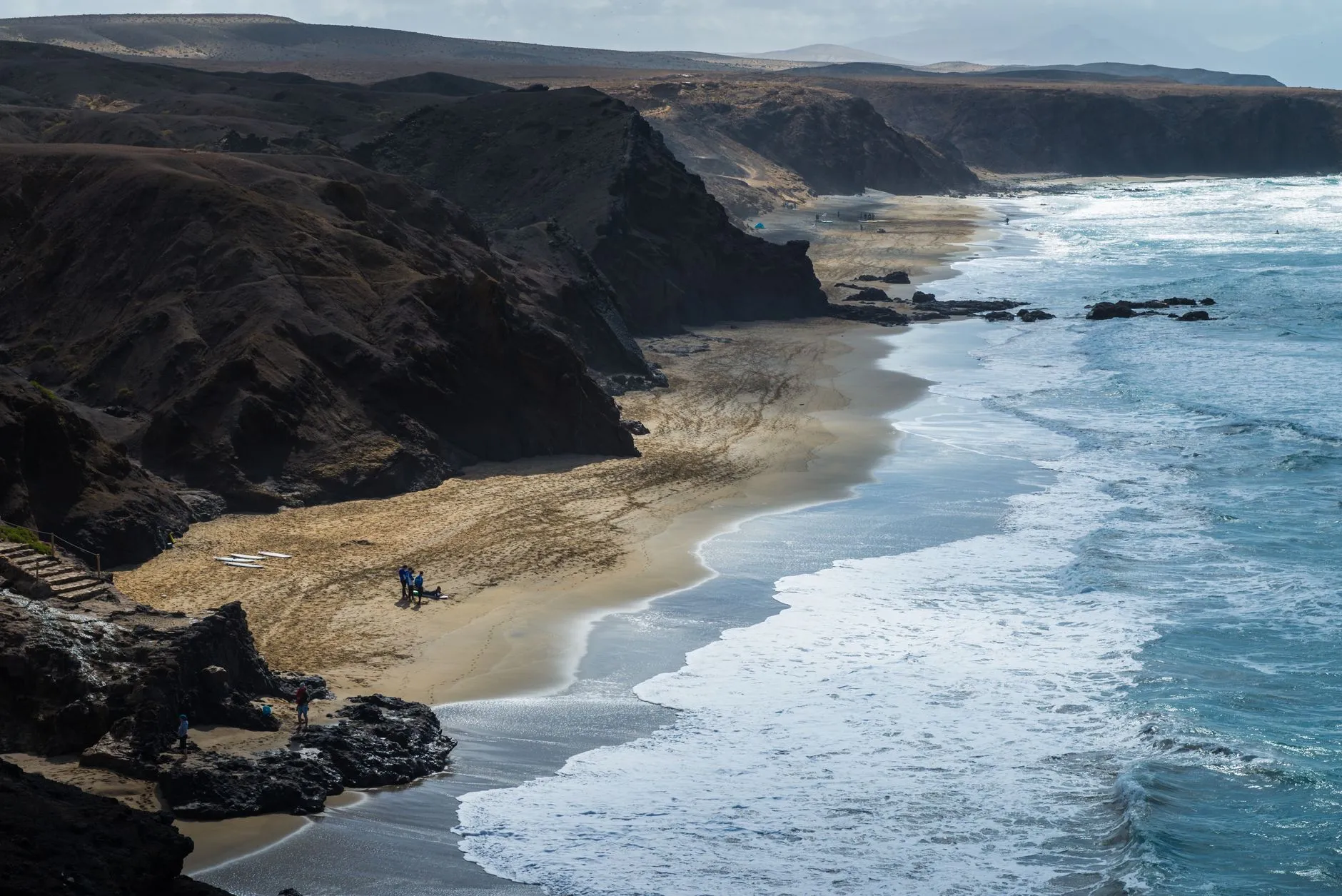
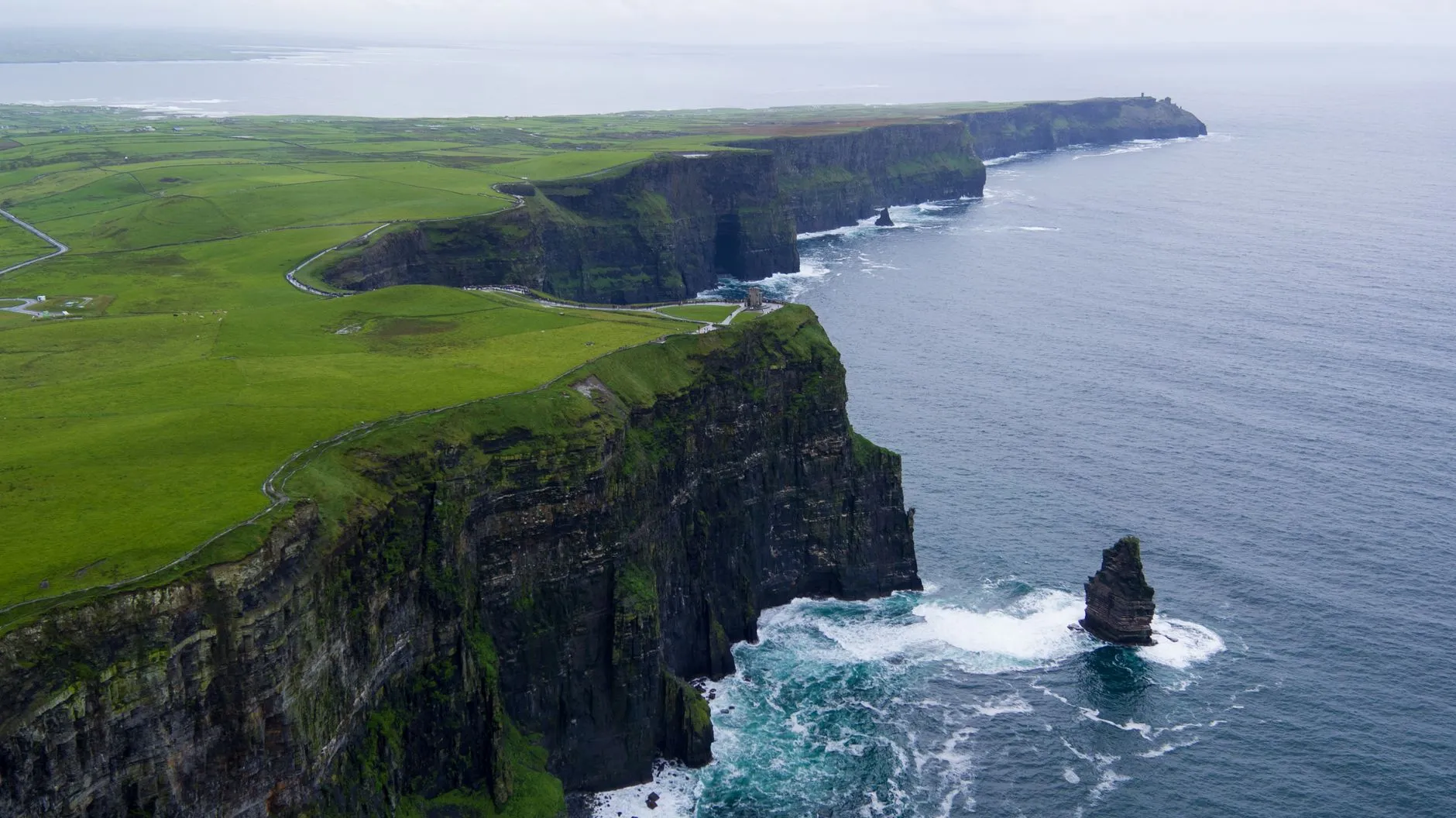
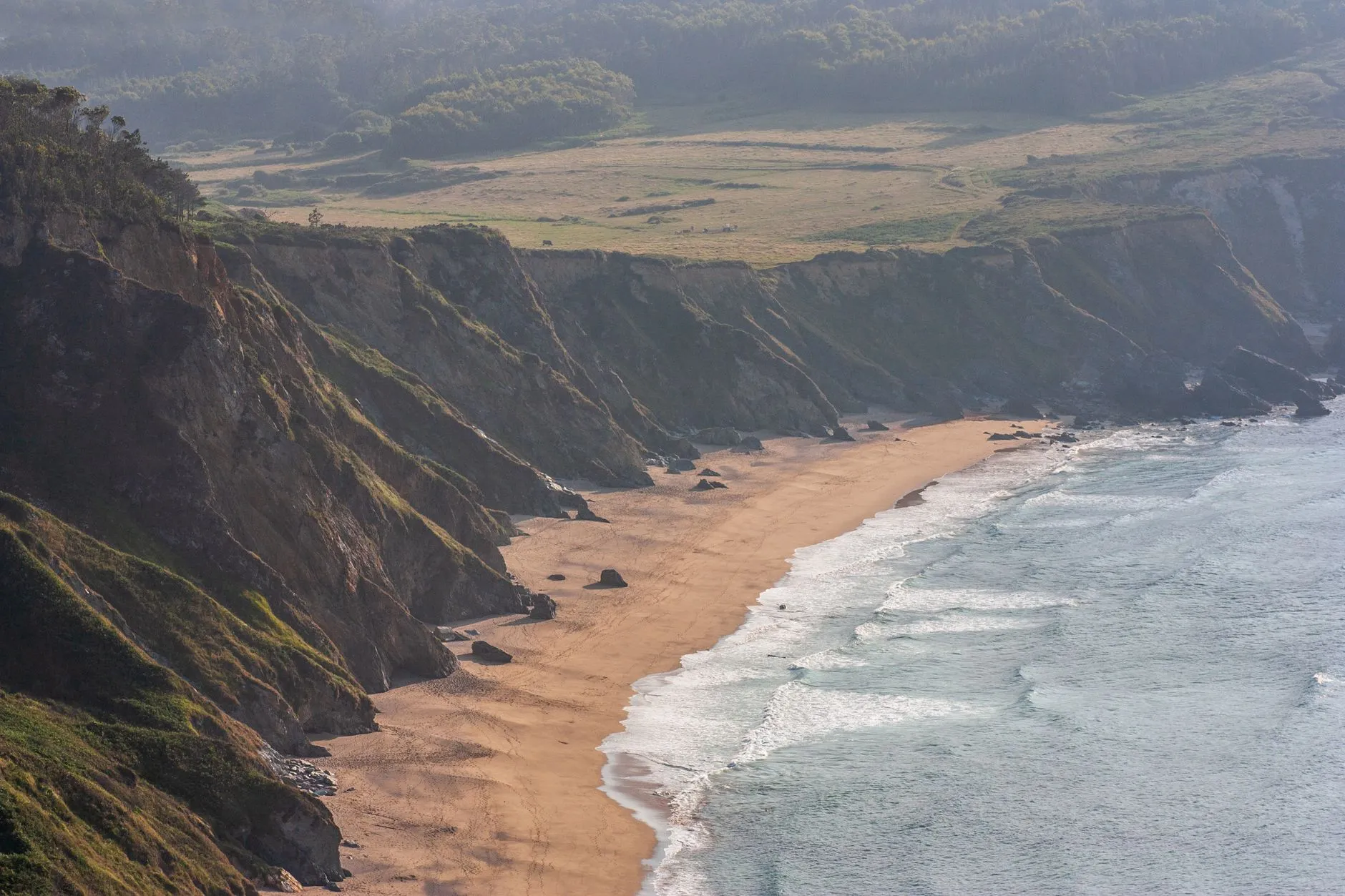
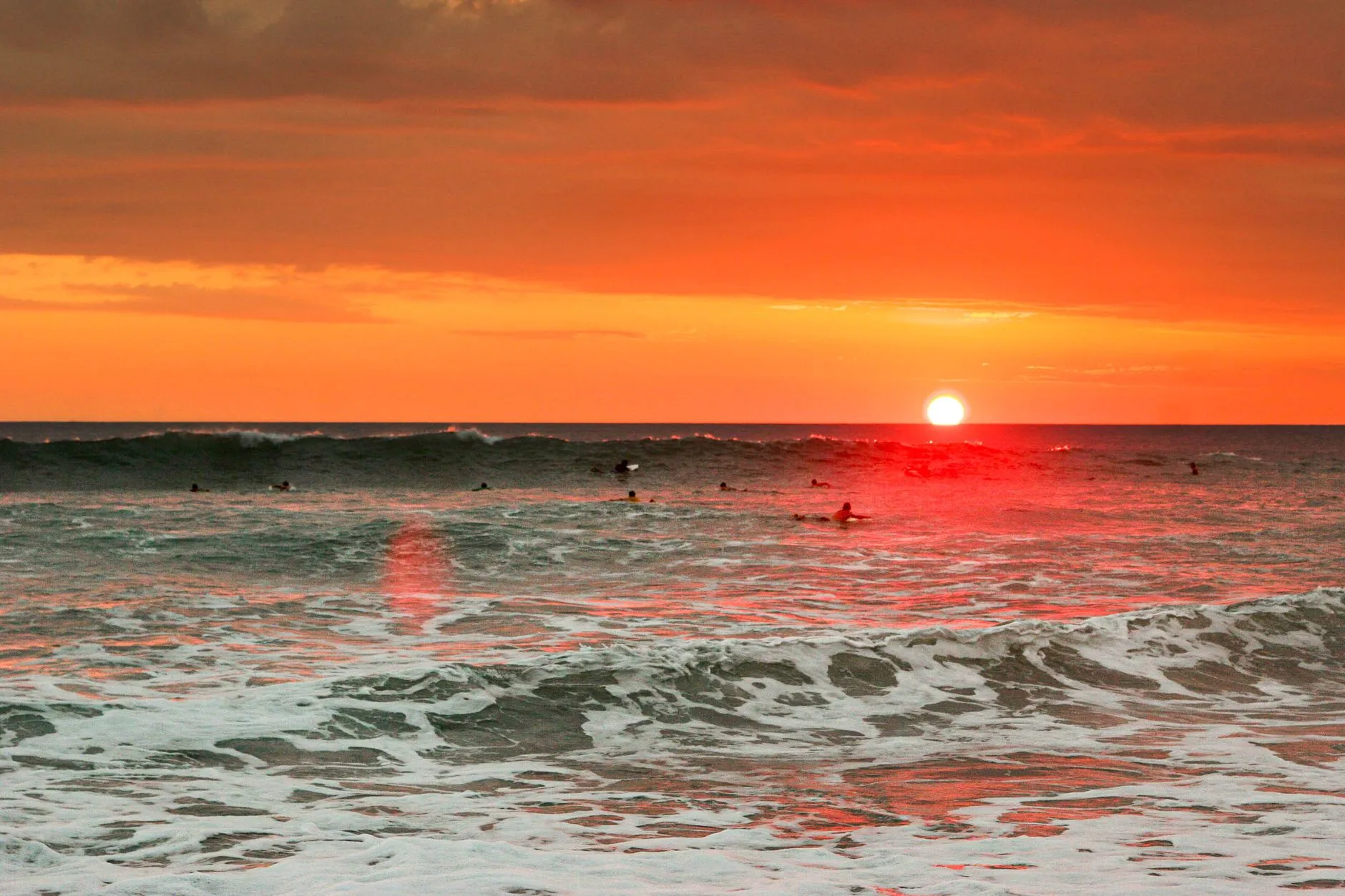
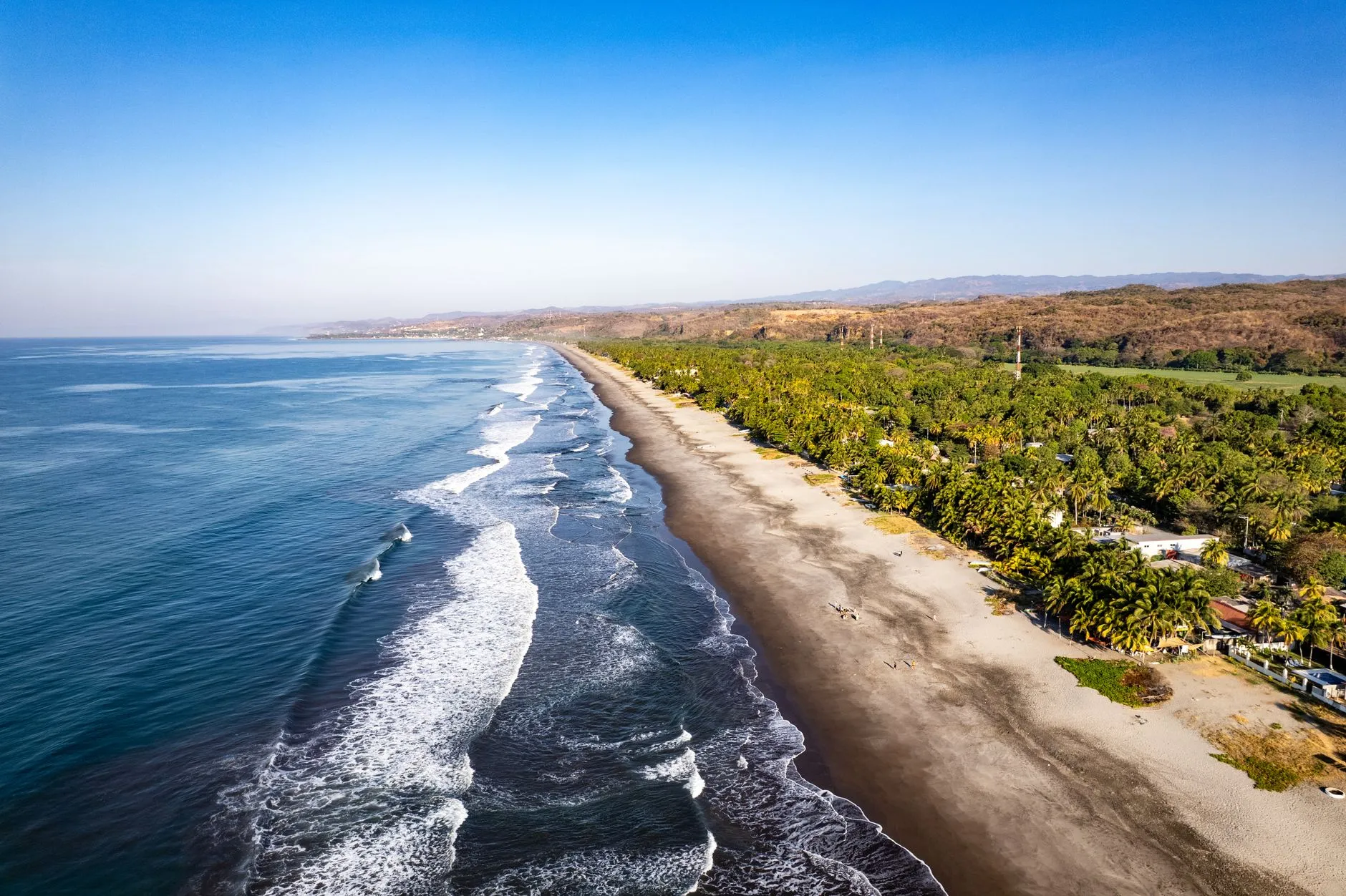
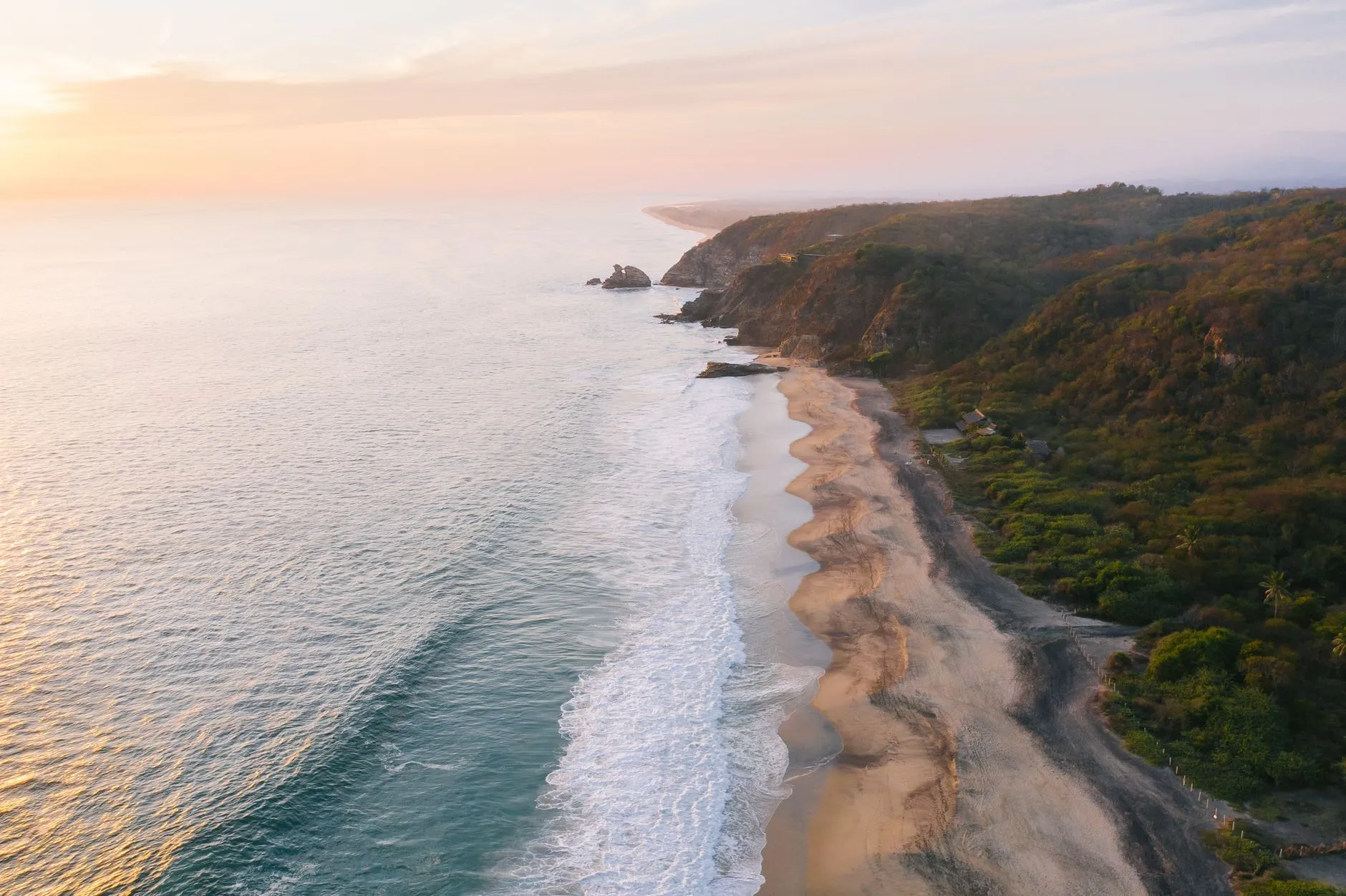
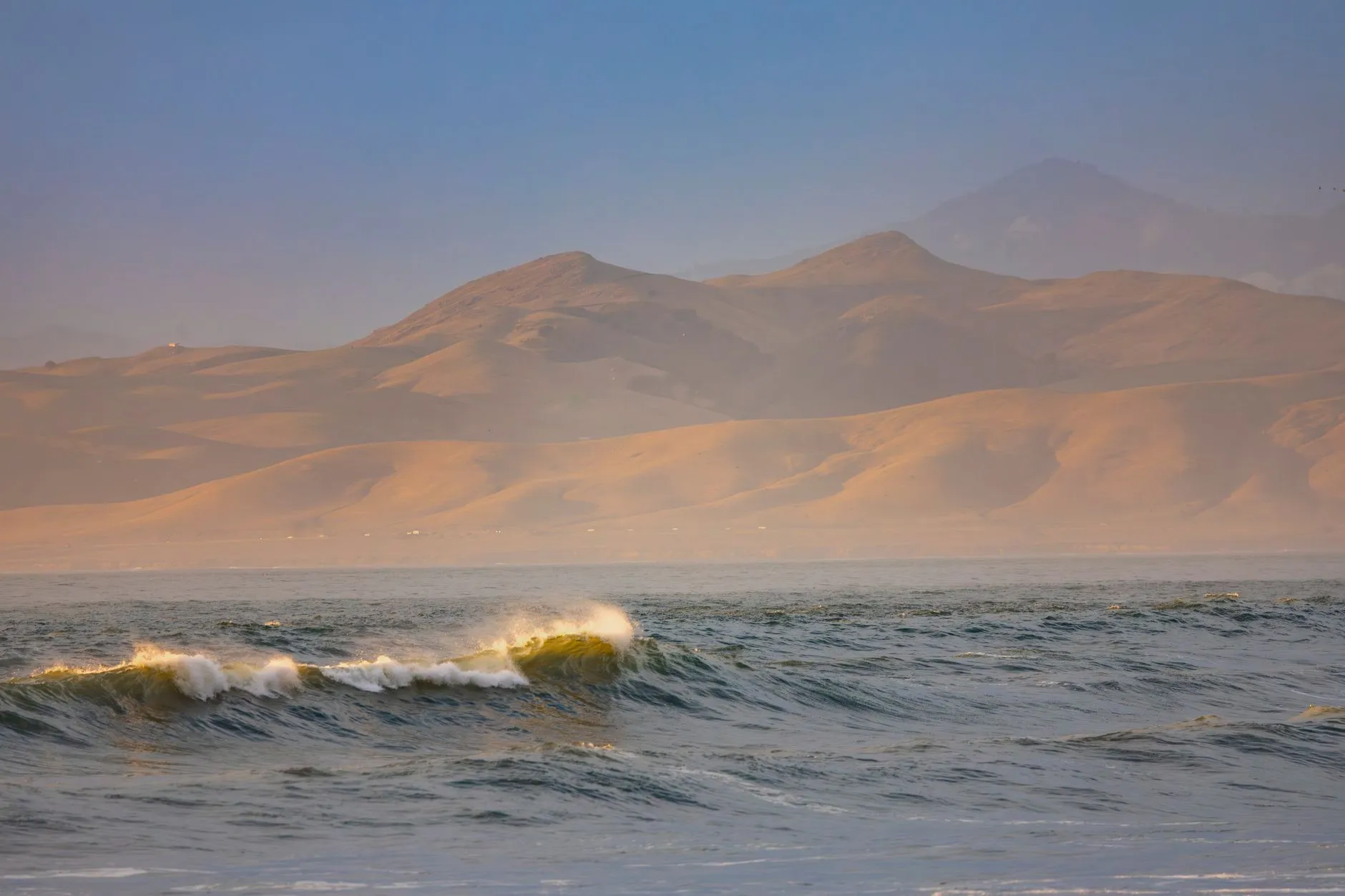
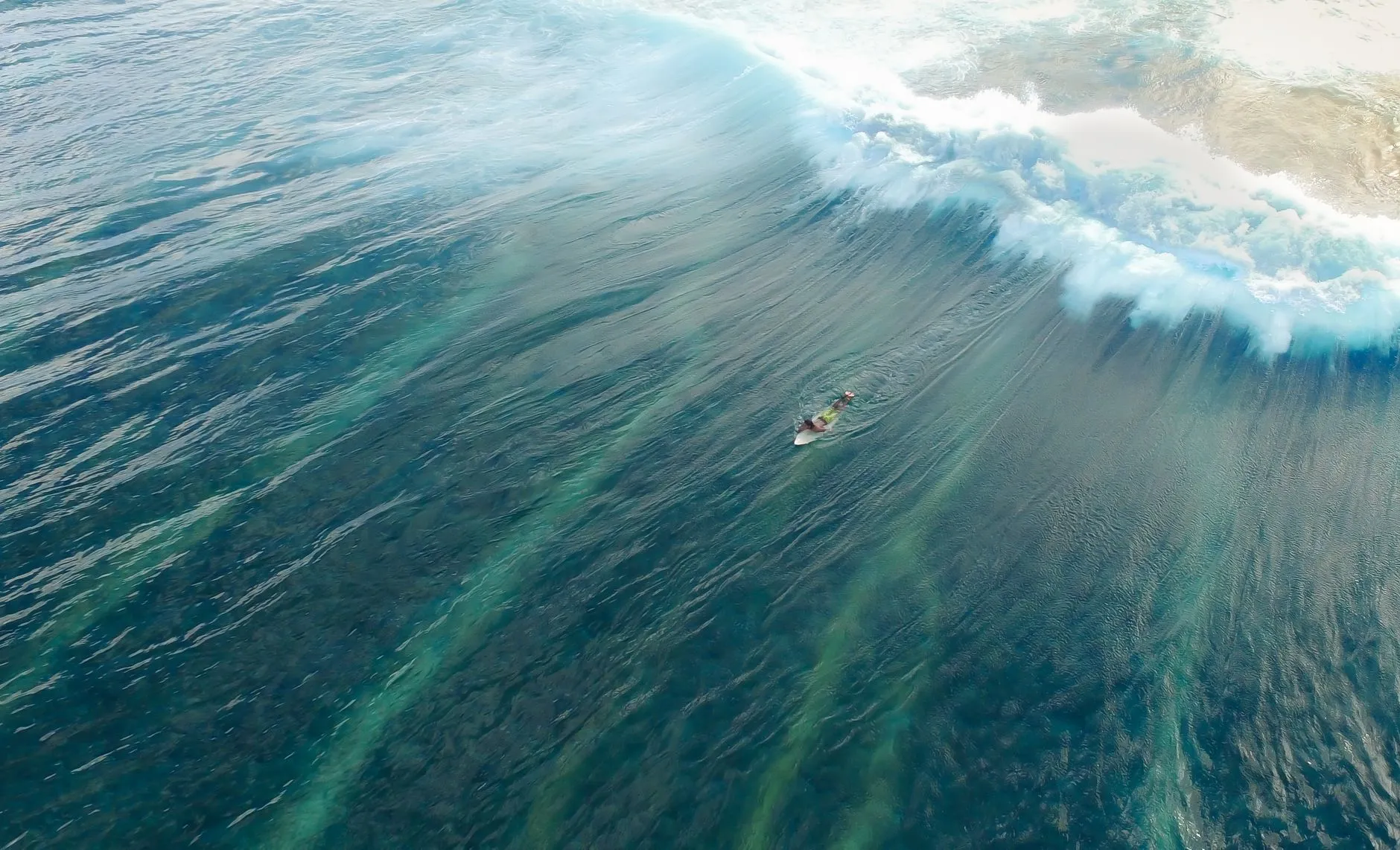
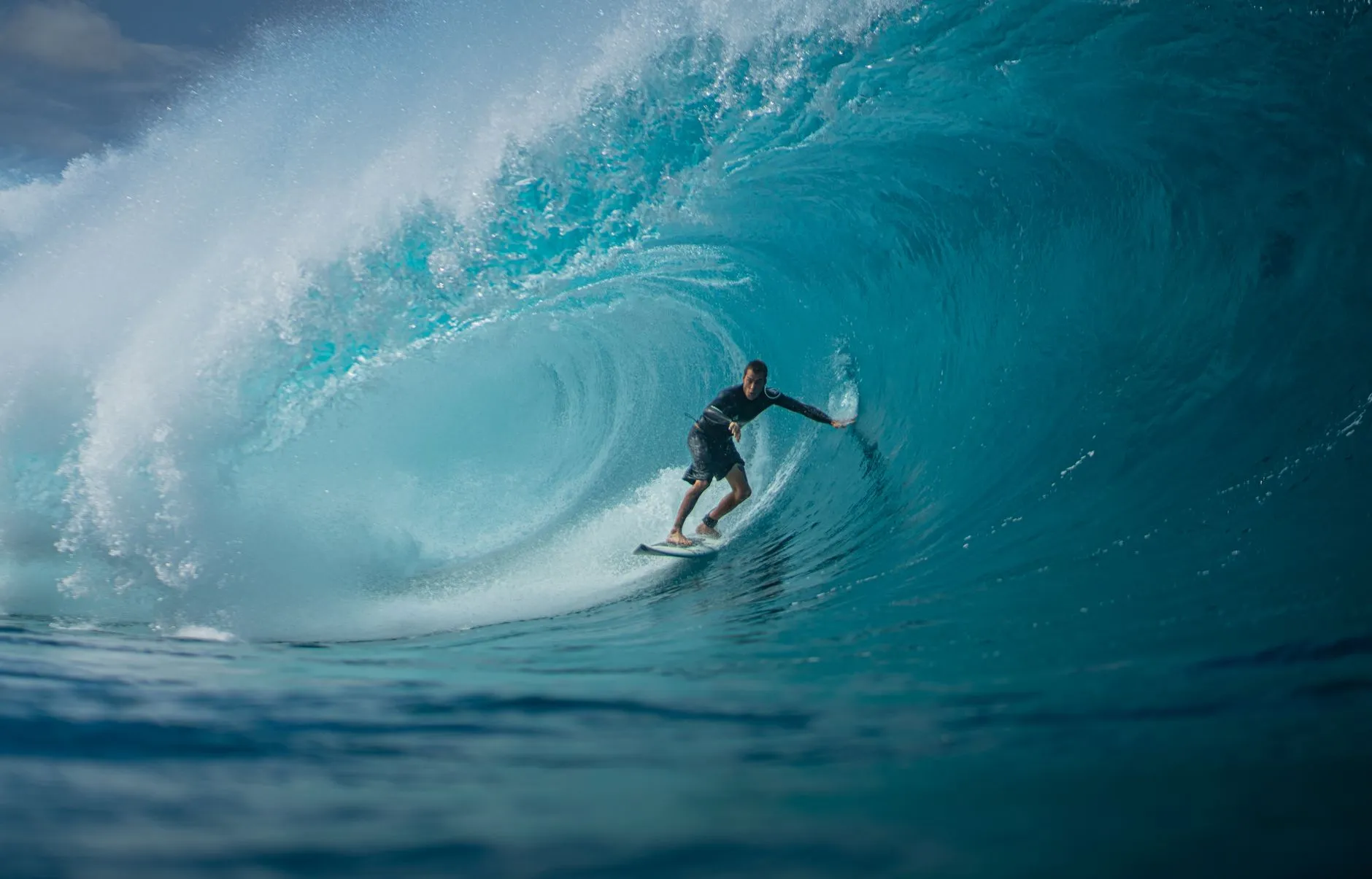
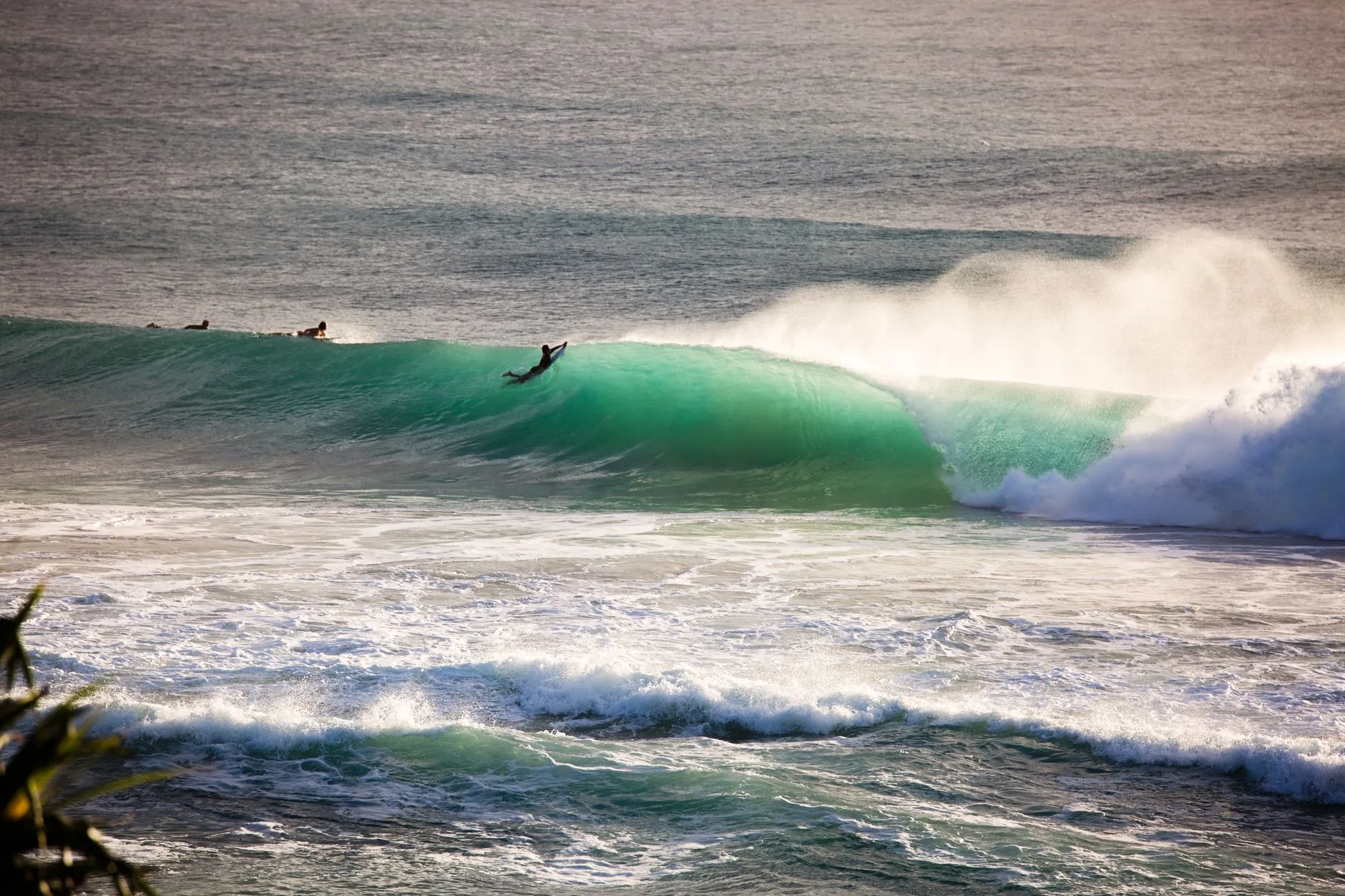
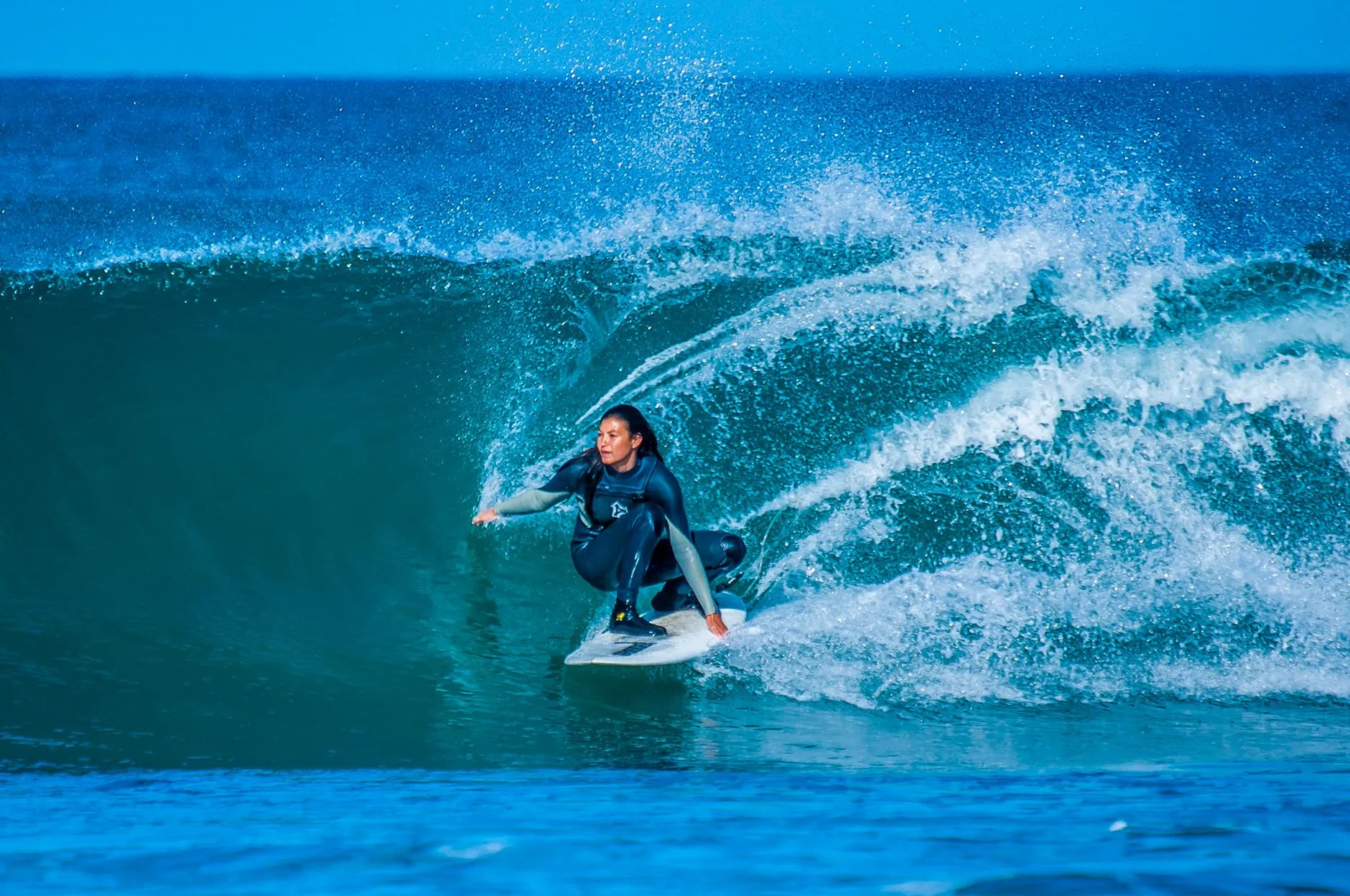
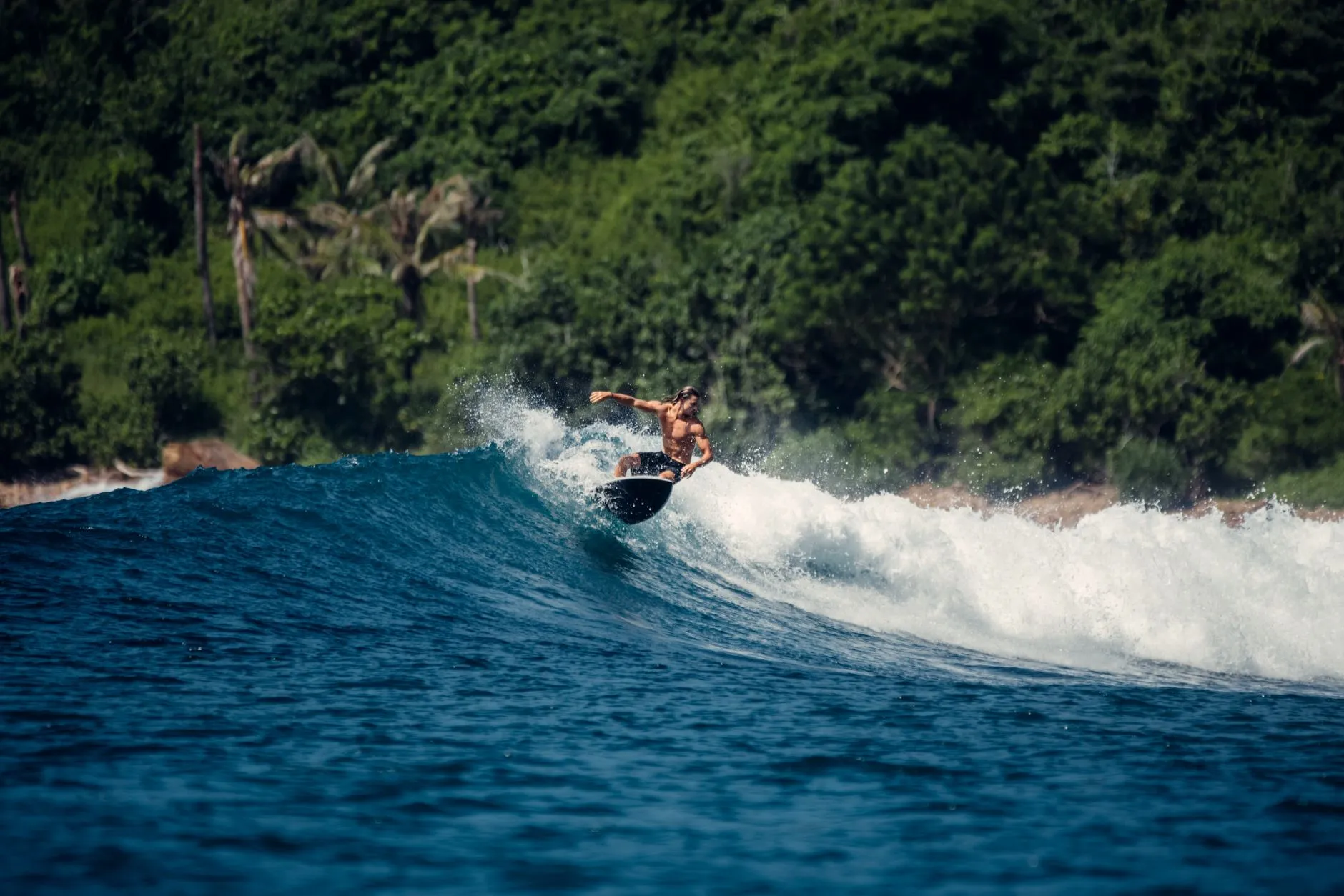
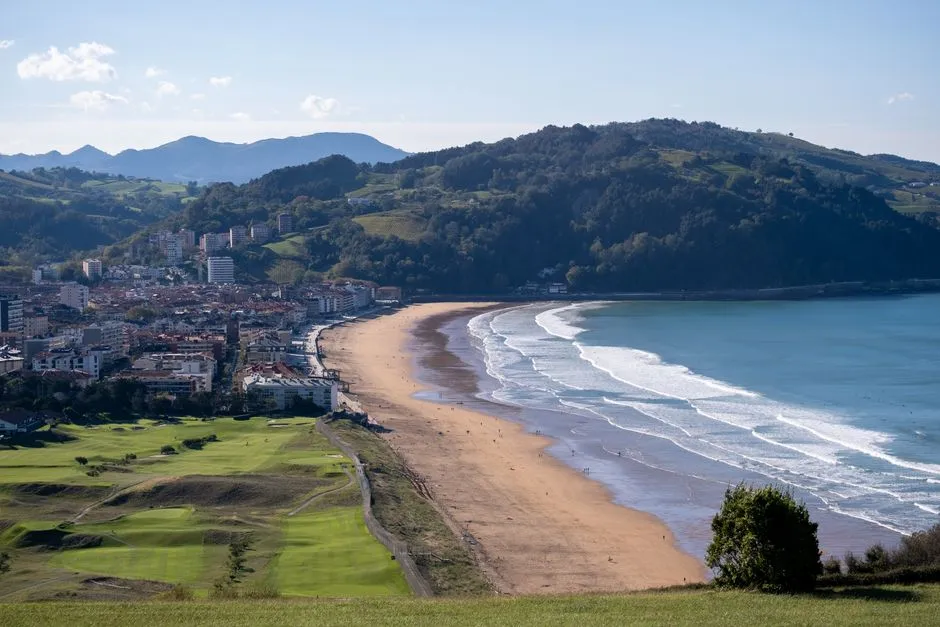
England narrows to a granite finger and points it straight at the Atlantic. Cornwall is that finger, and British surfing has lived on it since the first boards arrived at Newquay in the 1960s. The town has never looked back: shapers and surf schools in the back streets, camper vans nose to tail above the cliffs, pasties eaten one-handed while watching the banks at Fistral. Around it stretches a north coast that is one long run of golden beach breaks, from Sennen under Land's End to the dunes past Perranporth, all of them drinking from the same open ocean.
Be honest with yourself about the calendar. Summer is mild, busy and often small: flat spells are real, and August lineups at the famous beaches are elbow to elbow. September and October are the reward, when hurricane swells cross the Atlantic, the water is at its warmest and the school holiday crowds have gone home. Winter is heavy, dark and 5/4 territory, and it rains sideways in every season. The locals accept all of it as the fair price of the good days, and on a clean autumn morning you will understand why.
Best months
September and October; June to August to learn
Water
8°C in late winter to 16°C in early autumn: wetsuit country all year
Levels
Whitewater on golden sand to the reef ledge at Porthleven
Getting there
Fly to Newquay (NQY) or take the train west; a car unlocks the coast
A sheltered town beach for the first pop-ups, then two enormous stretches of sand where a walk buys you your own peak. Lifeguards in season, surf schools everywhere, and no reef to think about.
Towan
Newquay · Beach break
Beginner
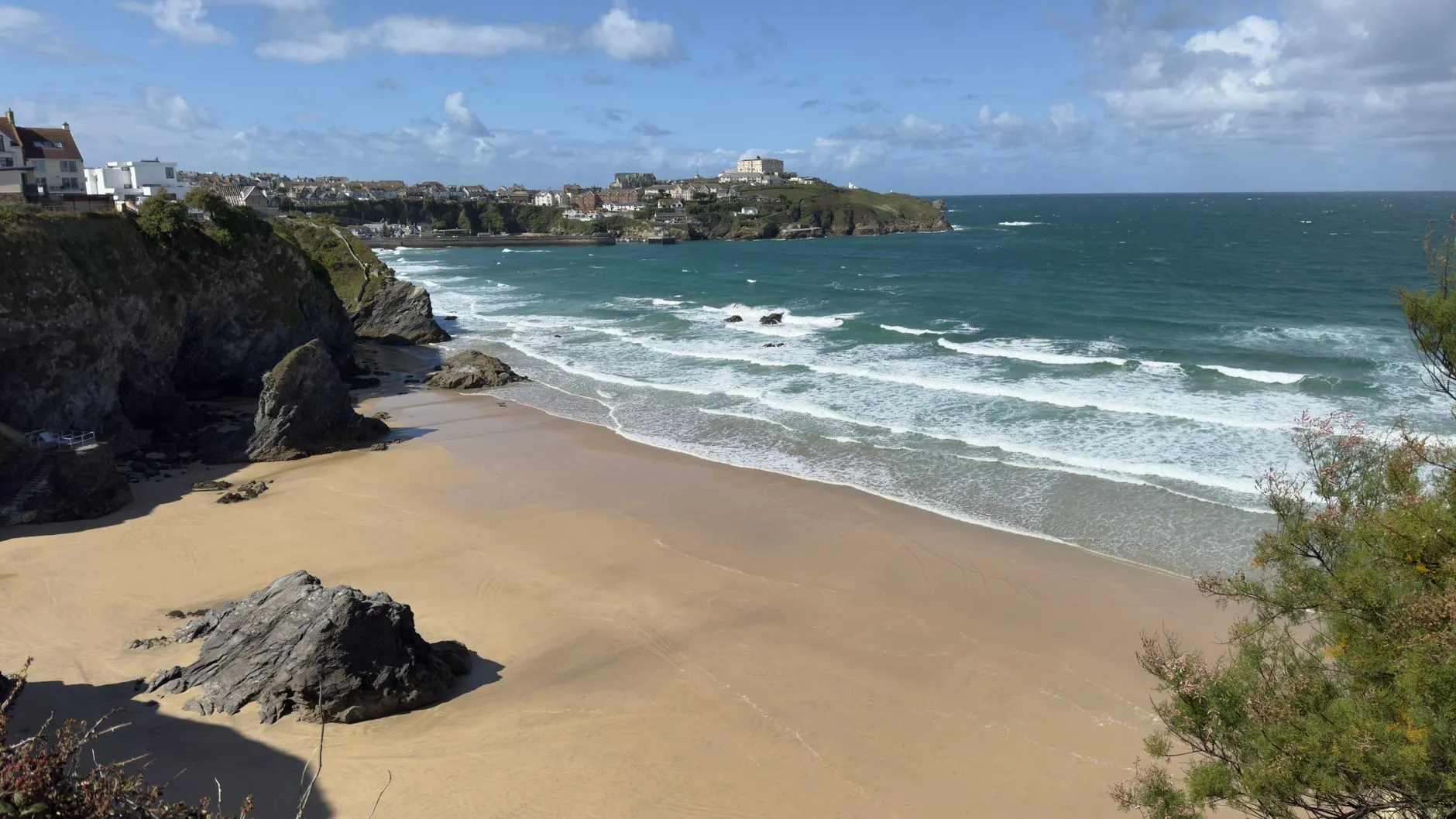
Newquay's living room: the town beach under the famous island house with its private suspension bridge. Tucked deep in the bay, it takes the sting out of whatever the Atlantic sends, which makes it the learning wave and the storm refuge in one. When Fistral is a mess of ten foot chop, Towan and its neighbours peel off small and organised. The trade-off is space: at high tide the beach nearly disappears.
Watergate Bay
Newquay · Beach break
Beginner
Two miles of sand under high cliffs, five minutes north of Newquay and a world away from its bustle. At low tide the beach is so vast that fifty surfers feel like five: pick a bank, walk to it, have it almost to yourself. It swallows more swell than the town beaches and offers peaks for every level, but it is wide open to the wind, so mornings and offshore days are when it earns its reputation.
Perranporth
Perranporth · Beach break
Beginner
Three miles of beach running north into the Penhale dunes, with a bar on the sand and a town that lives at surf pace. The peaks are consistent rather than brilliant, which is exactly what progressing surfers need, and there is always somewhere to escape the main crowd if you are willing to walk. Respect the rip beside Chapel Rock: it is the beach's one honest trap, and the lifeguards will point you away from it.
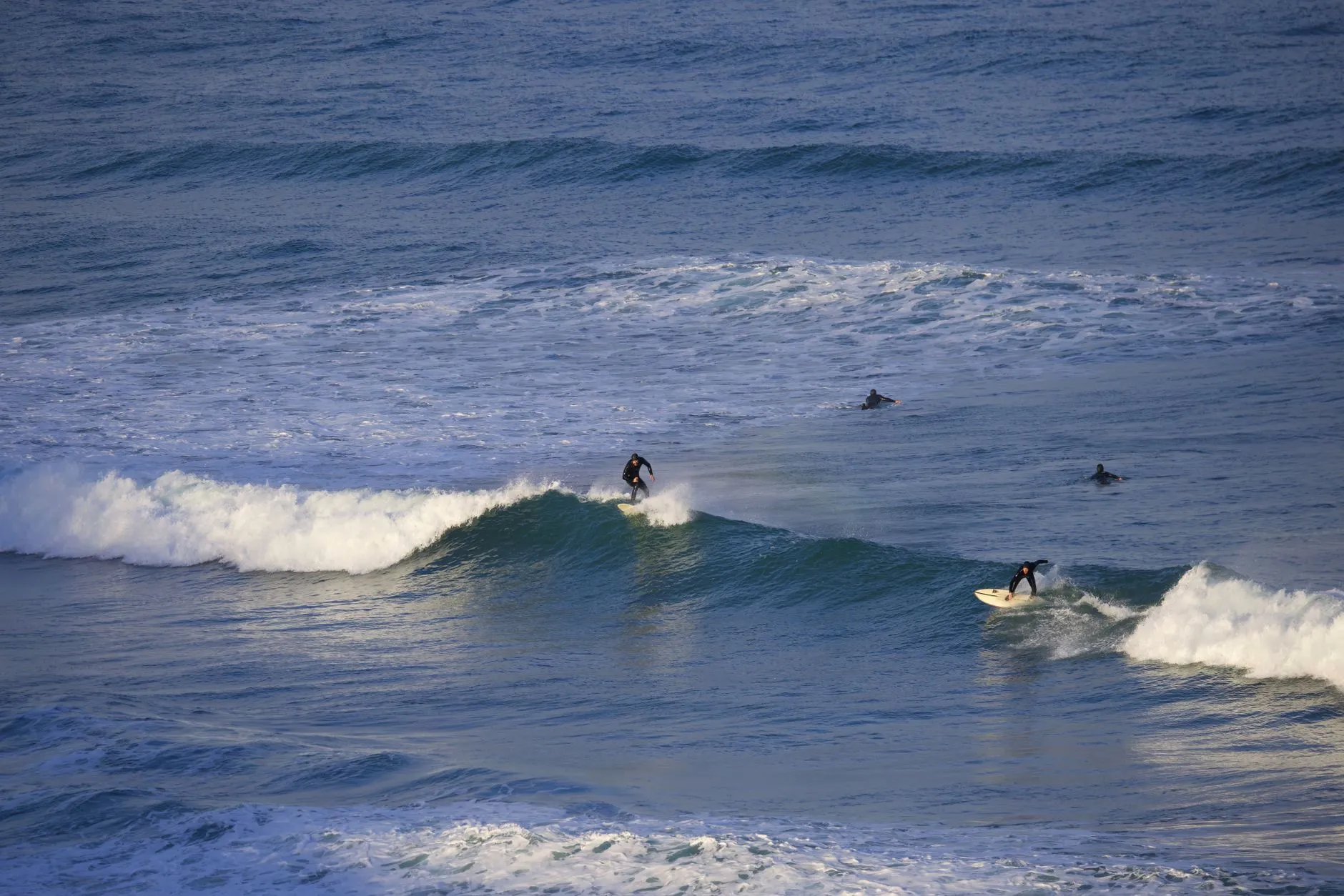
Sharing peaks at Watergate Bay
The heart of it
The county's proudest beach break, the bay that tames big swell, and the far-west beach that never goes flat. Between these three and a tide chart, a week in Cornwall always finds waves.
Fistral
Newquay · Beach break
Beginner
The home ground of British surfing and still its best all-round beach break. Facing squarely into the swell window behind Towan Head, Fistral holds shape from waist-high summer peelers to solid overhead autumn walls, with the contest bank at the south end and quieter Little Fistral appearing at low tide. Yes it is crowded, and yes the standard is high: this is where the country's best grew up. It earns the fame.
Gwithian
St Ives Bay · Beach break
Intermediate
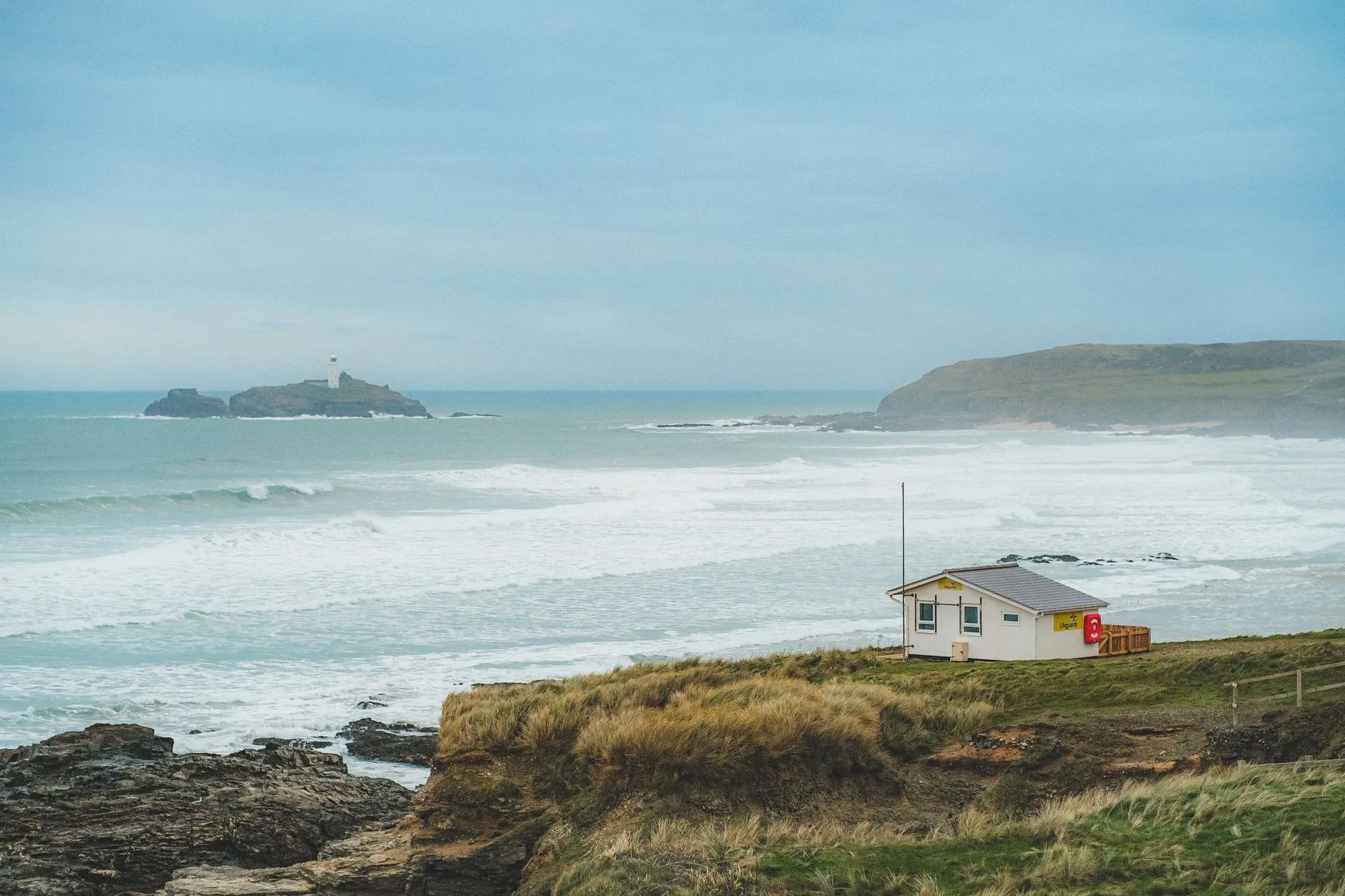
The gentle giant of St Ives Bay. The bay bends and softens incoming swell, so Gwithian stays surfable when the open beaches are maxed out, offering long, sloping walls that longboarders and improving surfers treat as home. Godrevy lighthouse watches from the north end and grey seals haul out below the headland. Wind is the deal-breaker here: it needs an easterly or nothing.
Sennen
Land's End · Beach break
Beginner
The first beach in England to feel every Atlantic swell. Tucked under the granite of Land's End, Sennen catches waves when the entire north coast is asleep, which makes the hour's drive from Newquay the county's oldest flat-day cure. White sand, water that pretends to be the Caribbean until you touch it, and a bowl of a bay with peaks from mellow to punchy. Walk north toward Gwynver and it picks up even more.
Godrevy lighthouse across St Ives Bay, from the Gwithian end
The serious end
A low-tide cove that hits harder than it looks and the south coast reef that defines heavy surfing in Cornwall. Watch first, know the tide, and be honest about which board and which shoulder season you brought.
Chapel Porth
St Agnes · Beach break (low tide)
Advanced
A slot of a cove below the ruined tin mine engine houses of the St Agnes cliffs, and the north coast's low-tide specialist. When the tide drains, a wide beach appears and throws up fast, wedging peaks that break harder and shallower than they look from the car park. The St Agnes crew surf it well and often; visitors should watch a few sets first. At high tide there is no beach at all, so read the times before you drive.
Porthleven
South coast · Reef break (right)
Advanced
Cornwall's serious wave. Off the harbour mouth of a granite fishing village, a shallow reef ledge folds solid southwest swell into a thick, spitting right that has ended more boards than any wave in the county. It needs size to break at all and a north wind to be clean, so it sleeps through most of the year and wakes in autumn and winter, when the county's best surfers appear and the pier fills with people watching them. Not a wave to learn on: a wave to earn.
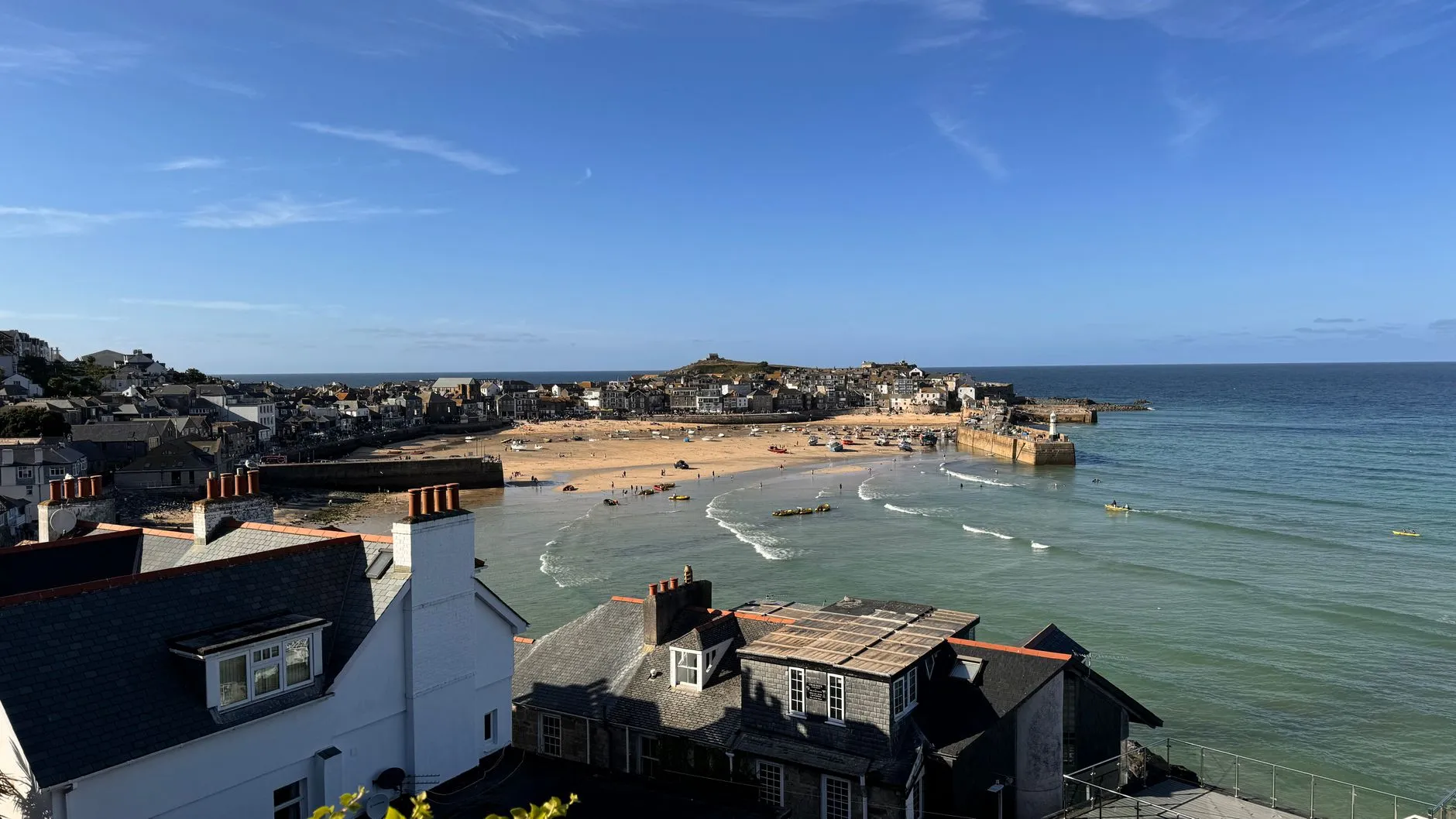
St Ives, harbour and beach from the rooftops
When to go
A year in Cornwall
Typical conditions, month by month. The ocean did not sign this table: for live waves, wind and tide, check the app.
January
6-10 ft
48°F · 5/4 + boots + gloves · Advanced
Storm after storm. The rare clean day between fronts is superb and freezing.
February
6-10 ft
46°F · 5/4 + boots + gloves · Advanced
The coldest water of the year. Empty lineups for the committed few.
March
4-8 ft
46°F · 5/4 + boots + gloves · Advanced
Swell keeps coming and the days stretch, but it is still deep winter in the sea.
April
3-6 ft
48°F · 5/4 + hood · Intermediate
Lighter winds, longer evenings, banks reshaped by the winter storms.
May
2-4 ft
52°F · 4/3 + boots · All levels
Gentle and green. The learning season opens before the crowds arrive.
June
2-3 ft
55°F · 4/3 · Beginner
Small, long days. Flat spells appear; Sennen is the insurance policy.
July
1-3 ft
59°F · 3/2 · Beginner
Often the smallest month. Perfect for first lessons, patience for everyone else.
August
2-4 ft
61°F · 3/2 · Beginner
Peak holidays, peak crowds. The first hurricane swells sometimes sneak in late.
September
3-6 ft
61°F · 3/2 · All levels
The month. Hurricane swell, the year's warmest water, and the schools go back.
October
4-8 ft
57°F · 4/3 · All levels
Prime continues: every spot in this guide does its best work this month or last.
November
5-8 ft
54°F · 4/3 + boots · Advanced
Winter arrives. Porthleven season opens; the beach breaks get lumpy.
December
6-10 ft
50°F · 5/4 + hood · Advanced
Dark at five, big all day. Hunt the sheltered corners between gales.
Good to know
When is the best time to surf Cornwall?
September and October, without hesitation. Hurricane swells cross the Atlantic with enough distance to arrive organised, the water holds its summer warmth at around 16°C, and the school holiday crowds vanish in the first week of September. Summer is the time to learn, winter is for experienced surfers with thick rubber, and spring is the quiet in-between.
Is Cornwall good for beginners?
One of the best places in Europe to start, with a caveat about expectations. The learner beaches are sand-bottomed, lifeguarded in season and served by experienced surf schools, and summer waves are usually small and manageable. The caveats: the water never gets warm, so you will learn in a wetsuit, and July flat spells can steal days from a short trip. Towan, Watergate Bay and Perranporth are the natural first stops.
What wetsuit do I need in Cornwall?
A 3/2 covers July to September, when the sea sits between 15 and 16°C. Spring and autumn call for a 4/3, adding boots as the temperature drops through the low teens. From December to April you want a 5/4 with hood, boots and gloves: the water bottoms out near 8°C in February and March. There is no boardshorts season, and anyone who tells you otherwise surfed here in a heatwave once.
How crowded is Cornwall, and how do I escape it?
In the school holidays of late July and August, very: Fistral and the town beaches are shoulder to shoulder and the roads jam behind every tractor. The escapes are simple. Come in September when the county empties overnight, surf at first light before the schools and rental vans arrive, or use the length of the big beaches: a fifteen minute walk along Watergate Bay or Perranporth routinely finds an empty peak within sight of a crowded one.