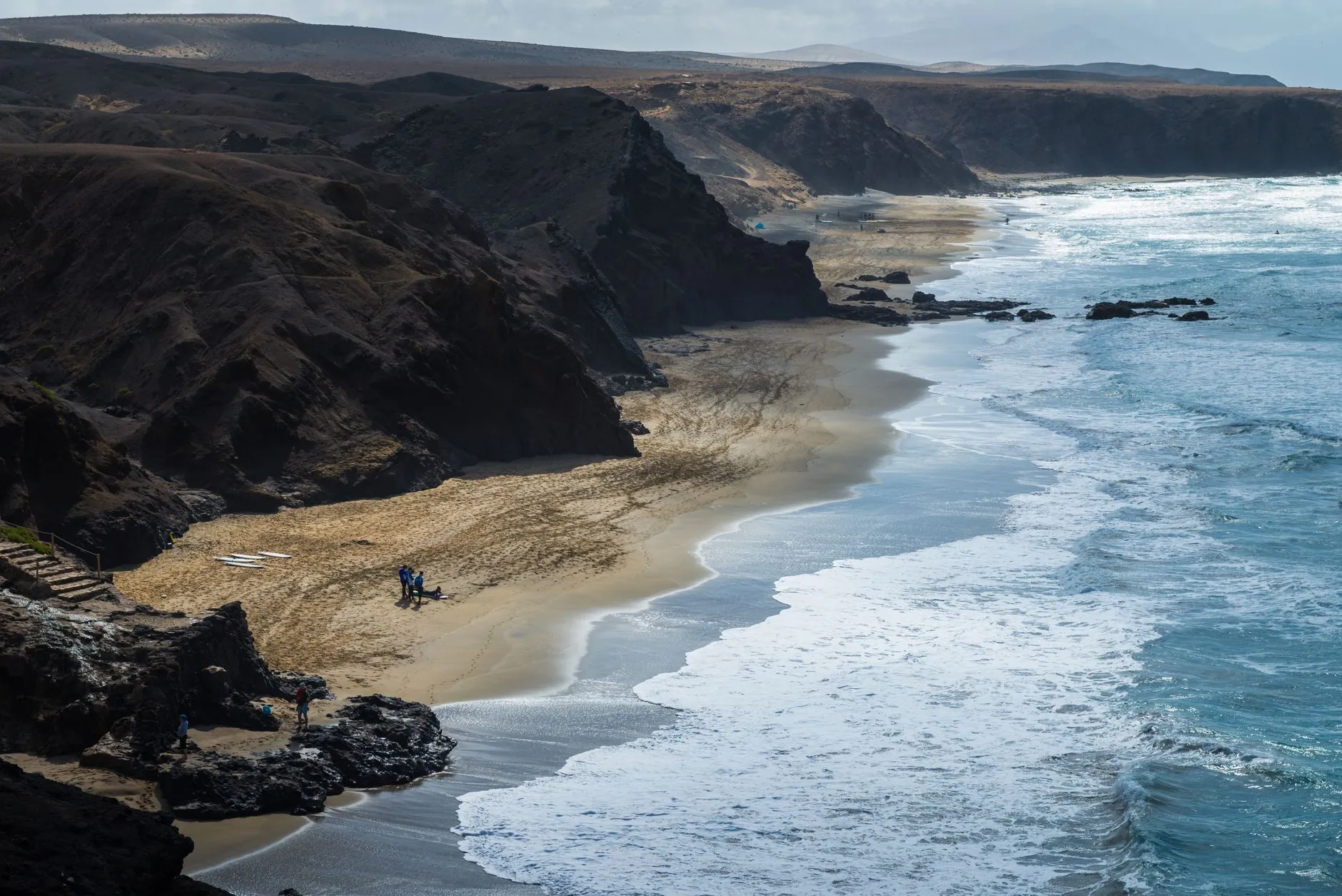
Guides · Surf trips from Italy
Where to surf from Italy
The Med when it wakes, Portugal in three hours, the winter sun beyond
Italy has nearly eight thousand kilometers of coastline and, for most of the year, almost no surf. The Mediterranean makes waves the way it makes weather: in bursts. A mistral pouring out of the Gulf of Lion lights up Sardinia's west coast for two or three days, a libeccio pushes short, punchy swell into Liguria and Versilia, and then it all goes flat again. Winter gives a handful of good days a month. Summer gives none.
That is why Italian surfers are travelers by necessity. Milan and Rome sit under three hours from Lisbon, Bilbao and Bordeaux, which puts Ericeira, Peniche, Mundaka and Hossegor inside a long weekend. Four hours of flying buys winter sun: Fuerteventura's lava reefs, Taghazout's right-hand points. And Neos flies direct from Milan to the Maldives, so even the long haul starts closer than you think.
This page is the travel layer above our destination guides: where to go from Italy, how long it takes, and which month each place earns. The seasons are honest. Portugal and the Basque coast peak in autumn, the Canaries and Morocco own the winter, the Indian Ocean fills the summer while the Med sleeps. SurfMap covers 5,000+ spots, including every Italian beach and reef named here: check the forecast, then book.
- Nearest surf
- Sardinia's west coast on a mistral, Liguria and Versilia on a libeccio, Santa Marinella an hour from Rome
- Short-haul
- Lisbon, Bilbao and Bordeaux in under 3 hours: Ericeira, Peniche, Mundaka and Hossegor for a long weekend
- Winter sun
- Fuerteventura direct in about 4 h 15, Agadir in about 4 hours: 17 to 19°C water from October to March
- Long haul
- The Maldives direct from Milan in about 9 hours; Sri Lanka, Bali and Costa Rica with one stop
Where to go
From the nearest waves to the long haul
The closest waves
The Mediterranean is real surf, just not reliable surf. It runs on wind: a mistral for Sardinia, a libeccio for Liguria and Tuscany, a winter low for Lazio. Windows last a day or three. Nothing in summer.
Capo Mannu · Sinis peninsula, west Sardinia
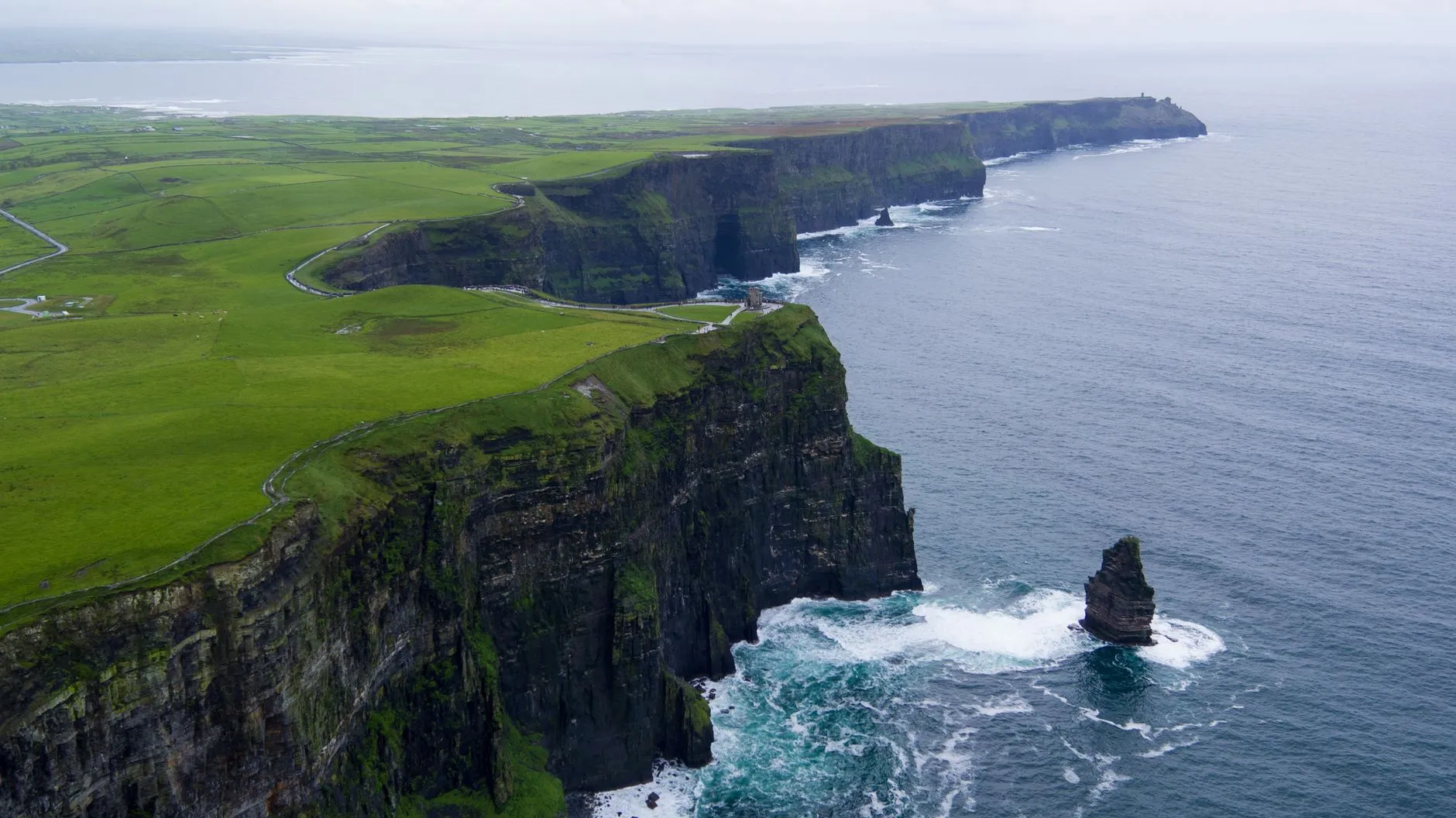
Italy's best-known wave: a reef point that turns a mistral storm into long, powerful walls at the tip of the cape. Minicapo and Sa Mesa Longa next door share the swell with less bite. Water sits near 14°C in winter, so pack the 4/3.
Levanto · Liguria, next to the Cinque Terre
A beach break in a horseshoe bay that catches every libeccio swell on this rocky coast, with room for learners on the small days and heavier reefs at Varazze and Recco for the experienced when it pumps. Windows are short: read the forecast, then drive.
Viareggio · Versilia, Tuscany
The Versilia piers organize the sand: Tito del Molo beside the Viareggio pier, the Forte dei Marmi pontile, Lido di Camaiore in between. Soft beach break peaks for first waves on the small days, quick and hollow when a libeccio really blows.
Santa Marinella · Lazio, north of Rome
Rome's home reef. Banzai peels over rock in front of the town when a winter low pushes westerly swell up the Tyrrhenian, and the whole capital knows it, so expect company. Rock bottom and a fast take-off: not a first-wave spot.
Under 3 hours by plane
The Atlantic starts one short flight west. Bordeaux and Bilbao in about 2 hours, Lisbon in under 3: the Basque coast, the Landes and the Portuguese reefs, all with real swell every week and their best months in autumn.
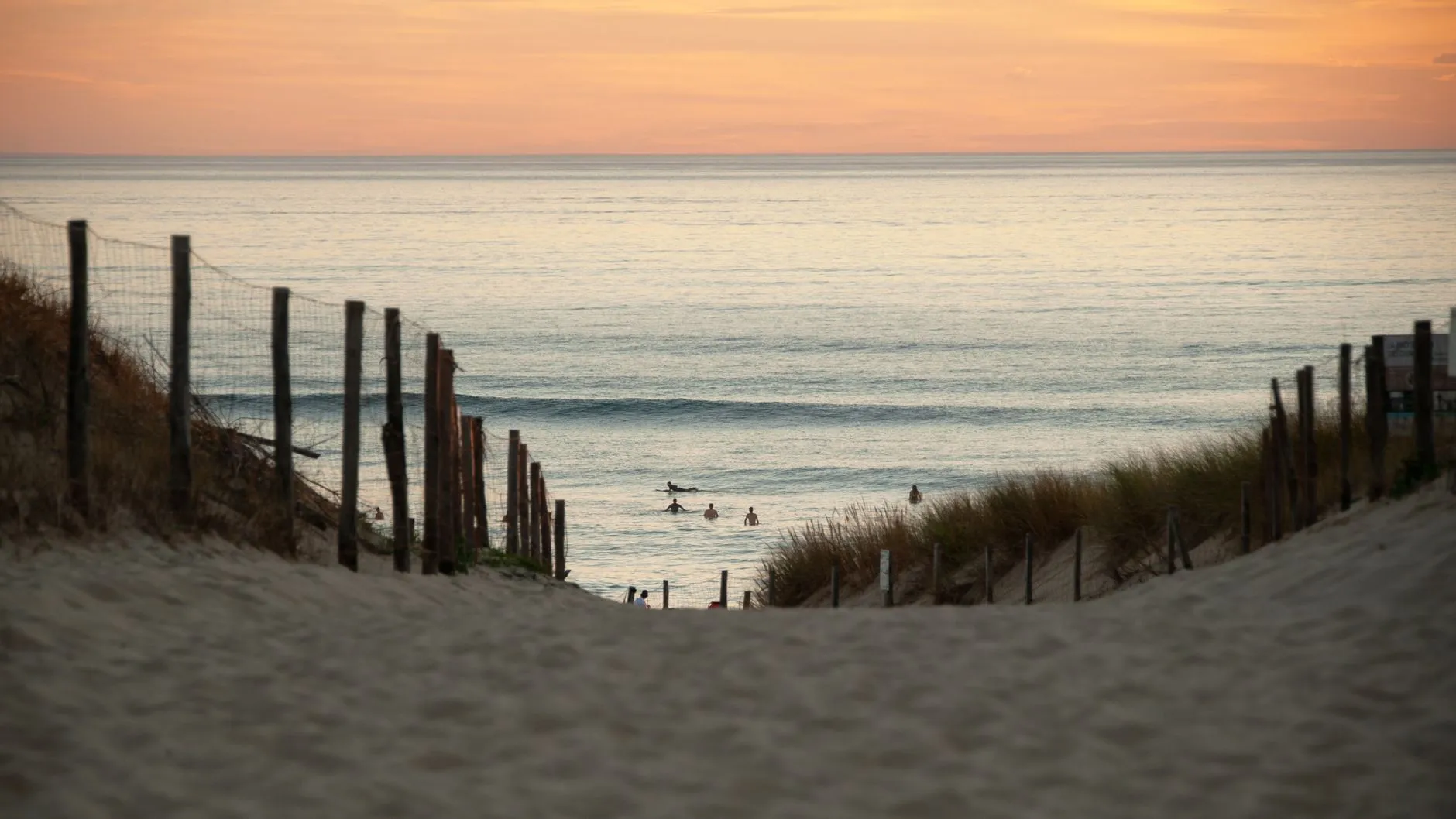
Hossegor · Landes, France
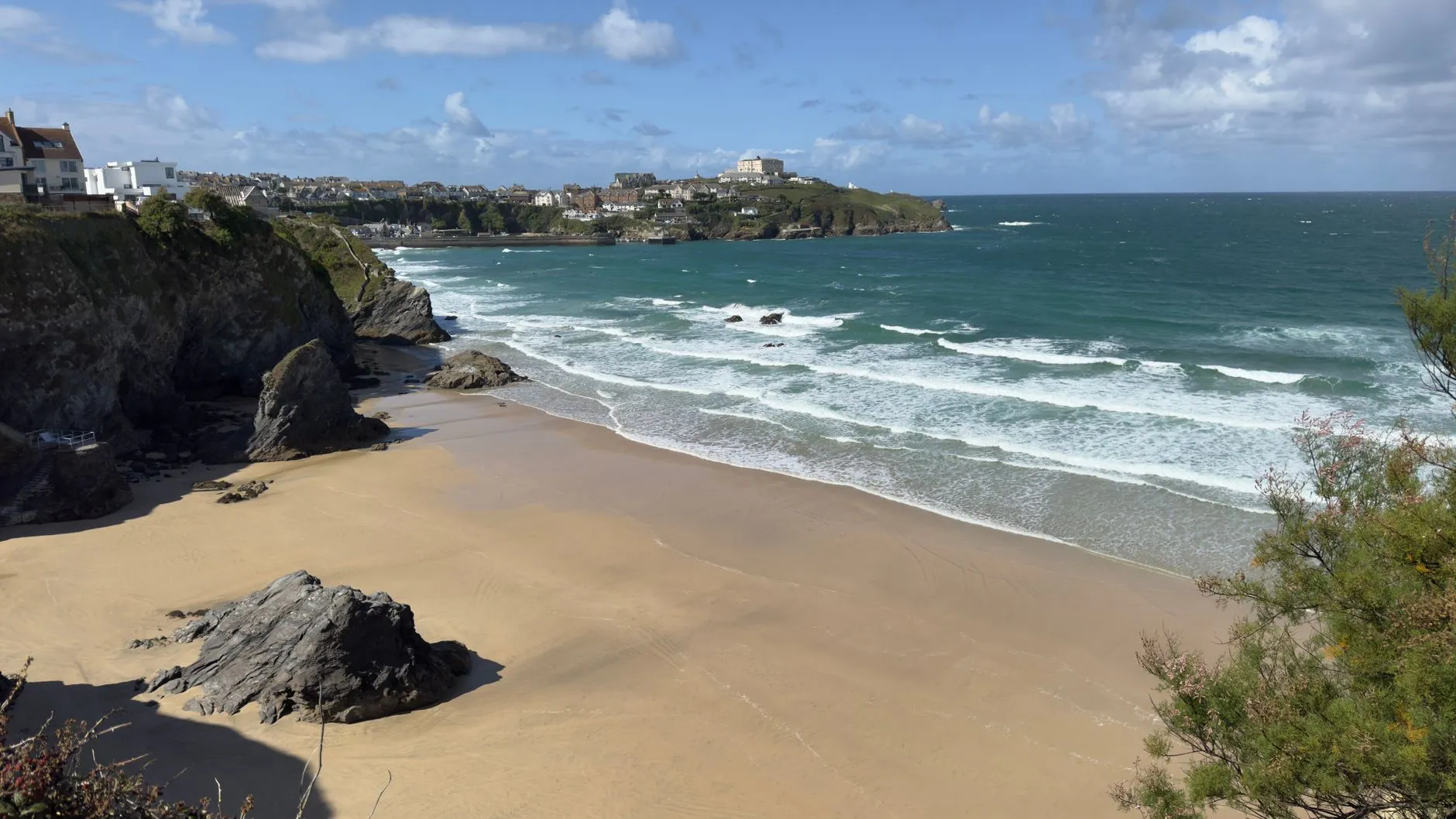
Europe's beach-break capital: barrels at La Gravière, forgiving sand at Le Penon and La Sud, all decided by sandbanks and tide. Water up to 22°C in late summer, still warm when the September groundswell returns and the crowds go home.
Read the full guide →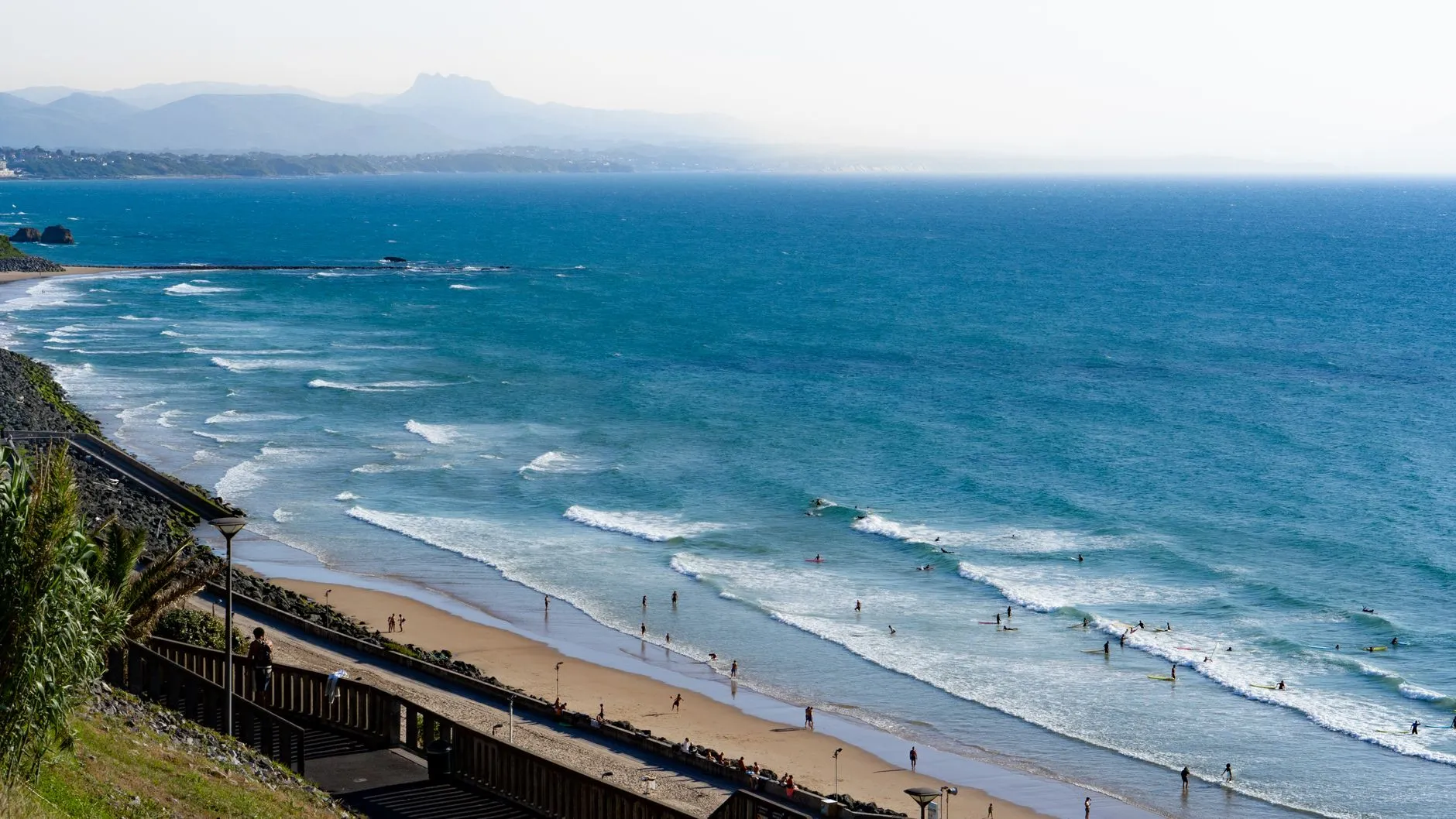
Biarritz · French Basque coast
Twenty kilometers of coast with everything on it: powerful sand at Anglet, a gentle longboard bay in the middle of Biarritz, reef points that hold real size at Guéthary, and a sheltered corner at Hendaye for the days when everything else is out of control.
Read the full guide →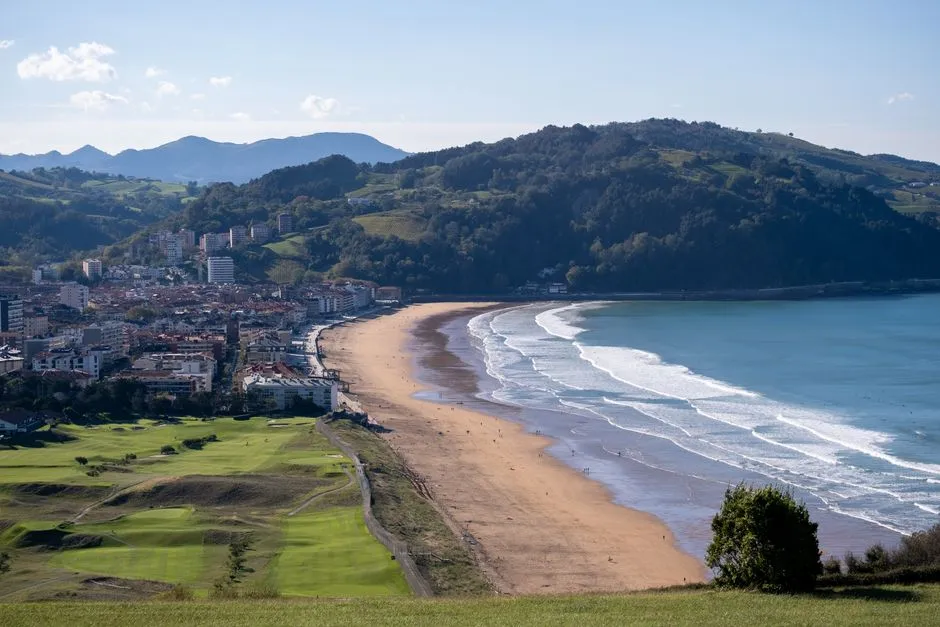
Mundaka · Spanish Basque Country
The most famous left in Europe peels down a rivermouth sandbar inside a biosphere reserve, and around it a green coast does the everyday work: Zurriola's city peaks in San Sebastián, the Sopelana beaches, Laga's gentle corners. Pintxos a few steps up the slipway.
Read the full guide →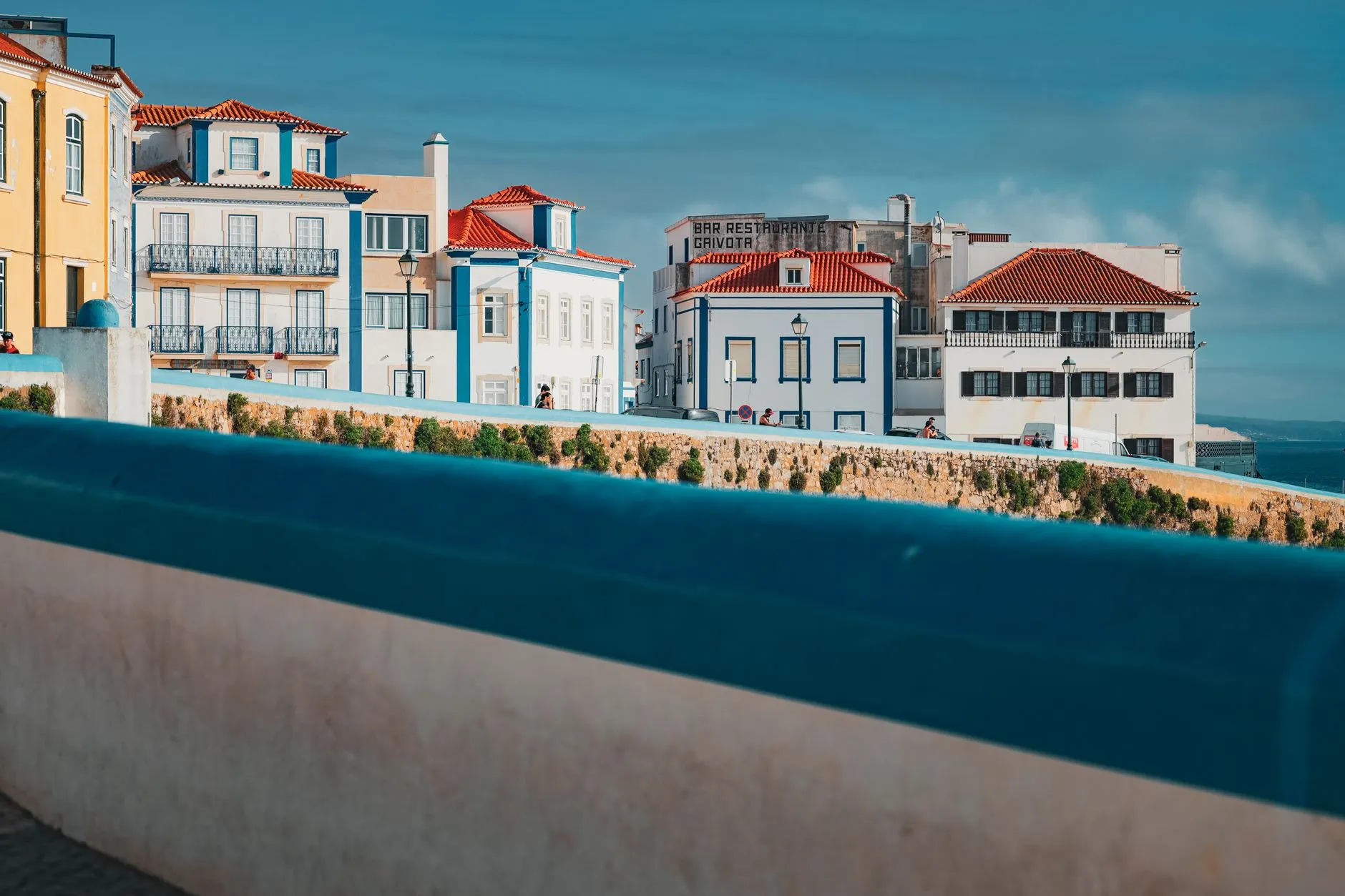
Ericeira · Lisbon coast, Portugal
Europe's only World Surfing Reserve: four kilometers of golden rock with a river-mouth beach for first waves at Foz do Lizandro, Ribeira d'Ilhas for long walls, Coxos for the experts. Swell all year, a corner that works almost daily, wetsuit country at 15 to 19°C.
Read the full guide →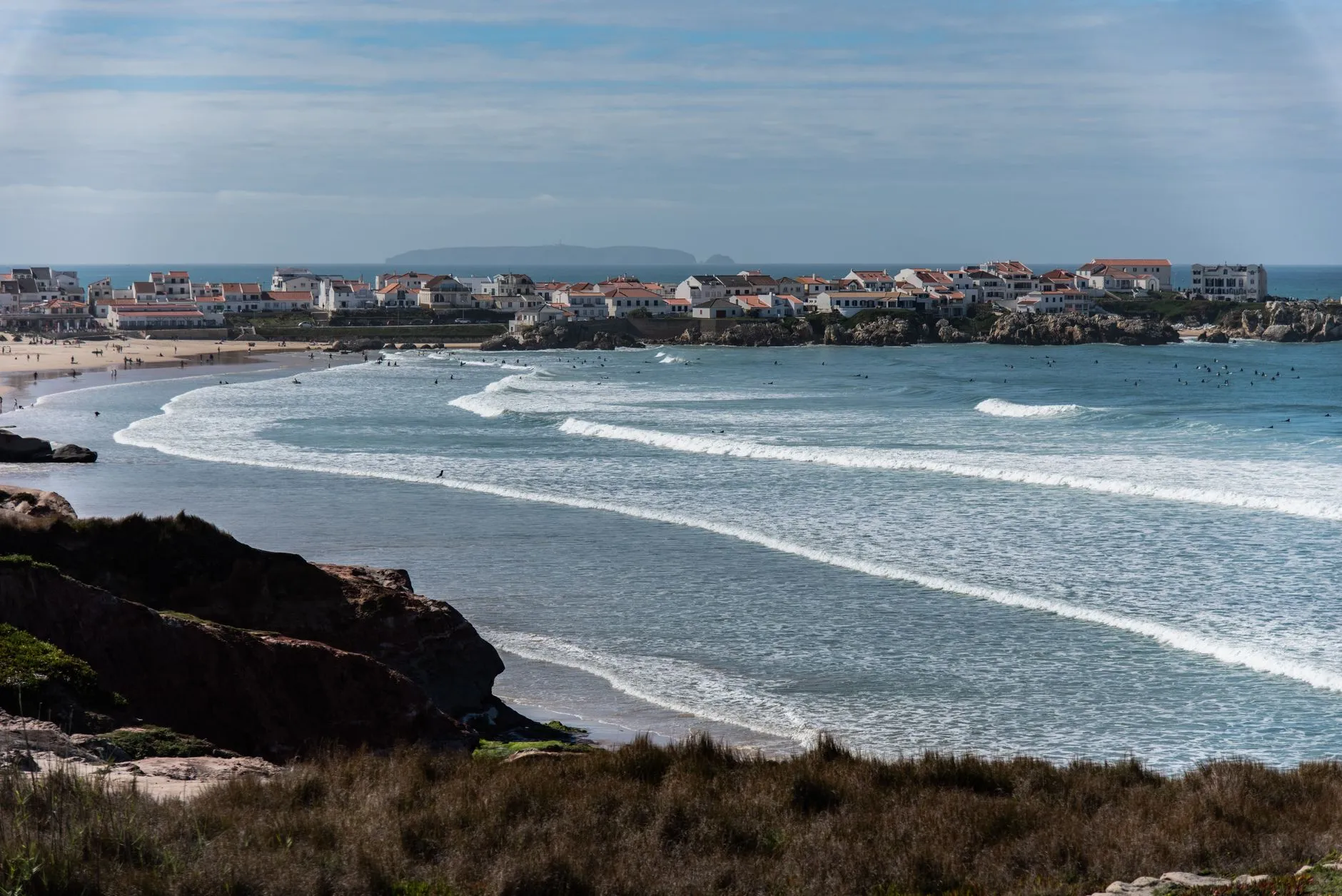
Peniche · Silver Coast, Portugal
A peninsula that bends the coast through a right angle, so one side always has swell and offshore wind. Supertubos, south side, is Europe's heaviest beach break; the Baleal bays, north side, teach half the continent to stand up. Nazaré is the day trip.
Read the full guide →Winter sun, 4 to 6 hours
When the Med is cold and flat between storms, the same Atlantic that feeds Portugal keeps two warmer coasts working all winter. Direct flights, 17 to 19°C water, and a 3/2 instead of the Sardinian 4/3.
Fuerteventura · Canary Islands, Spain
Europe's winter Hawaii, and Italy's favorite winter surf trip. The North Track strings lava reefs together between Corralejo and El Cotillo, in water that needs only a 3/2 in January. Summer flips the island: small waves, trade wind, learners on the sand at Cotillo.
Read the full guide →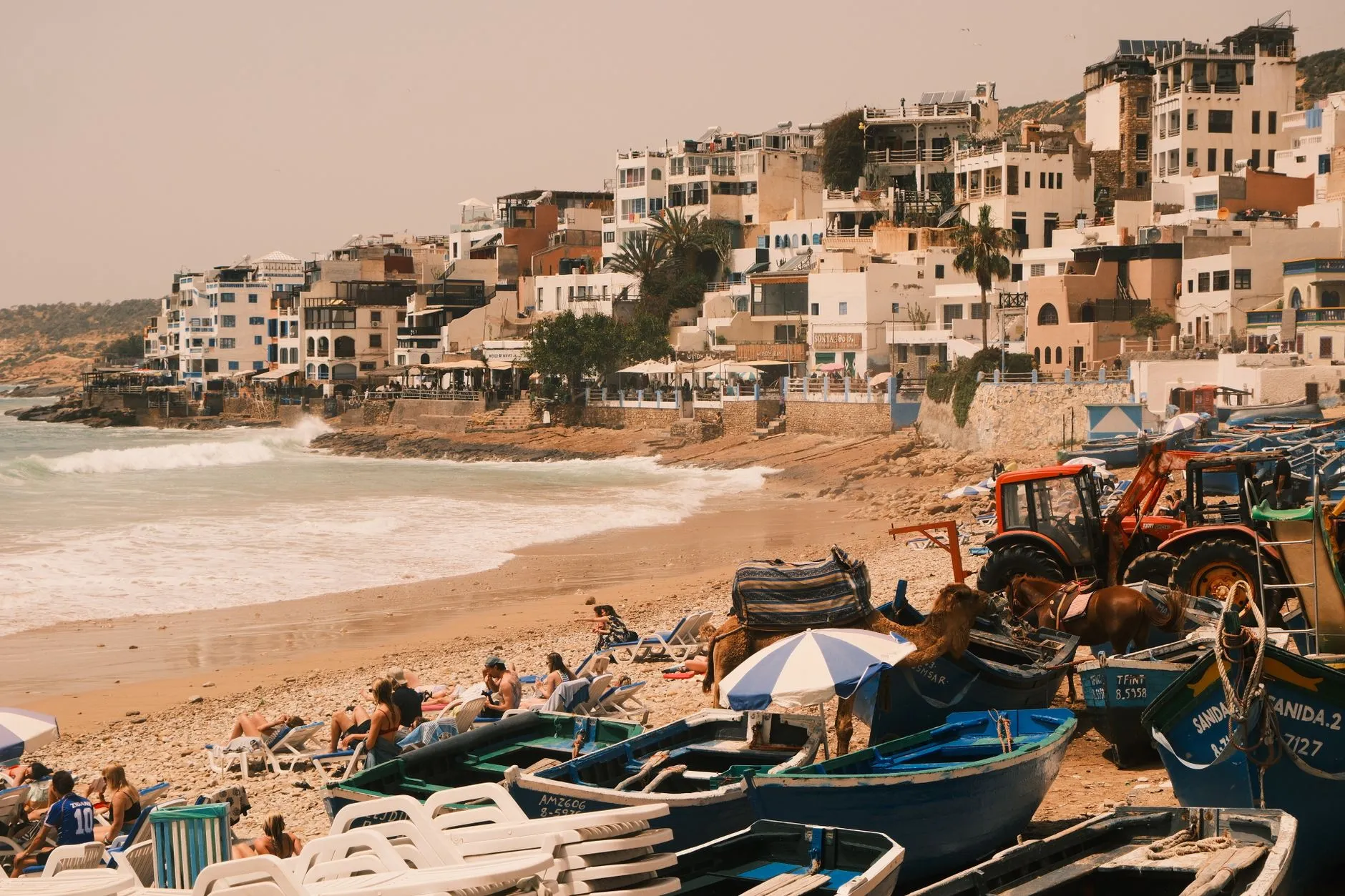
Taghazout · Agadir coast, Morocco
Right-hand points peeling below argan hills, half an hour north of Agadir: Anchor Point for the long wall, Devil's Rock and the Tamraght sand for the first weeks. Water at 17°C in winter, mint tea between sessions, Imsouane's endless bay an hour north.
Read the full guide →The long haul
When Europe goes flat and warm, the Indian Ocean and the Pacific are at full tilt. Boardshorts, water above 27°C, and the Maldives a single direct flight from Milan. Two weeks minimum; the jet lag is part of the deal.
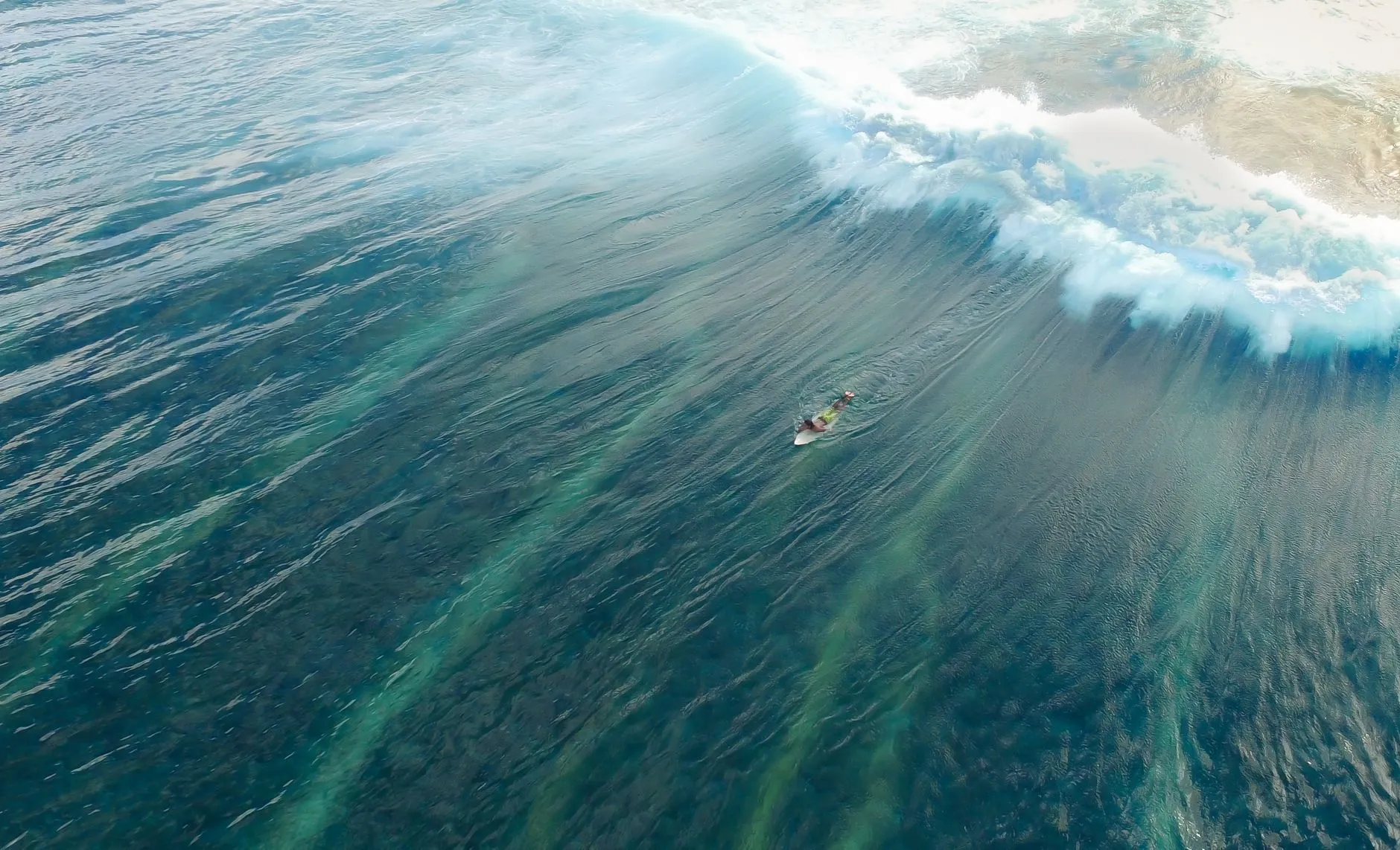
Maldives · North and South Malé atolls
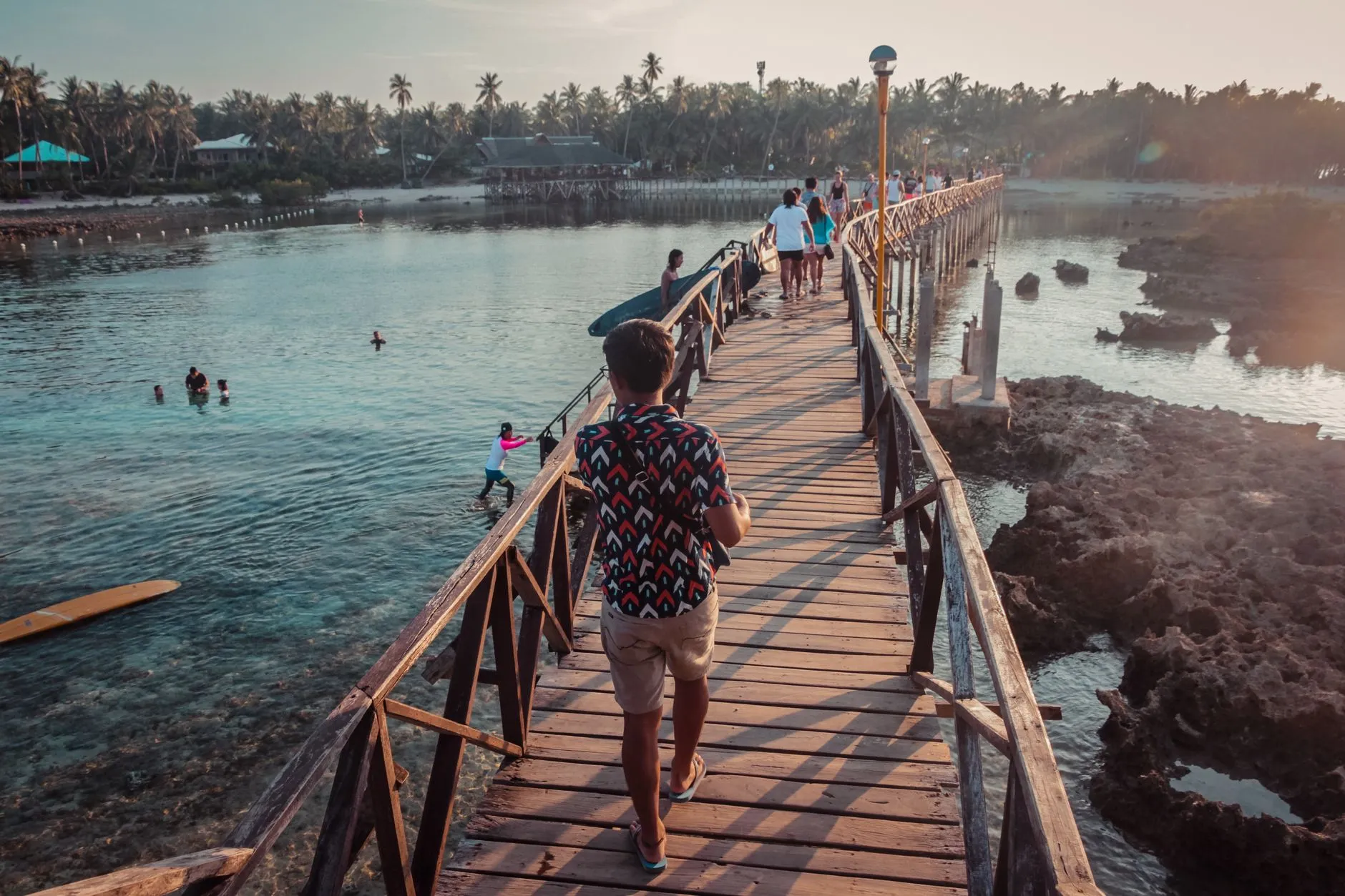
Southern groundswell bending through reef passes onto coral shelves, rarely huge and rarely poor, in 28 to 29°C water all year. You sleep on a charter boat, in a resort or in a guesthouse on Thulusdhoo: there is no surf town.
Read the full guide →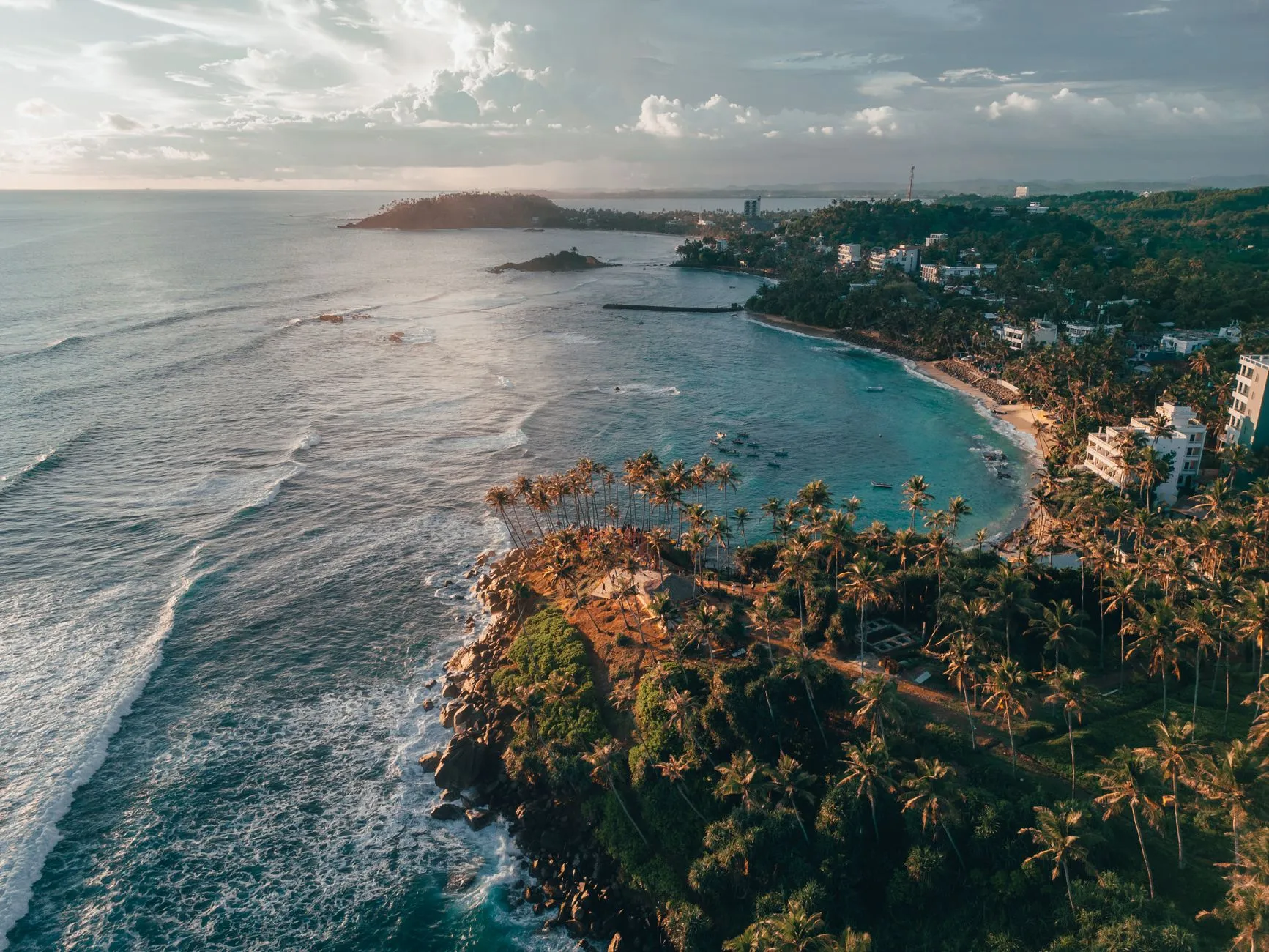
Sri Lanka · South coast and Arugam Bay
Two coasts, no off-season: the monsoon flips the island, so the palm-lined south works from November to April and Arugam Bay's long right-hand point takes over in summer. Water at 27 to 29°C all year, tuk-tuks with board racks, and a famously affordable trip.
Read the full guide →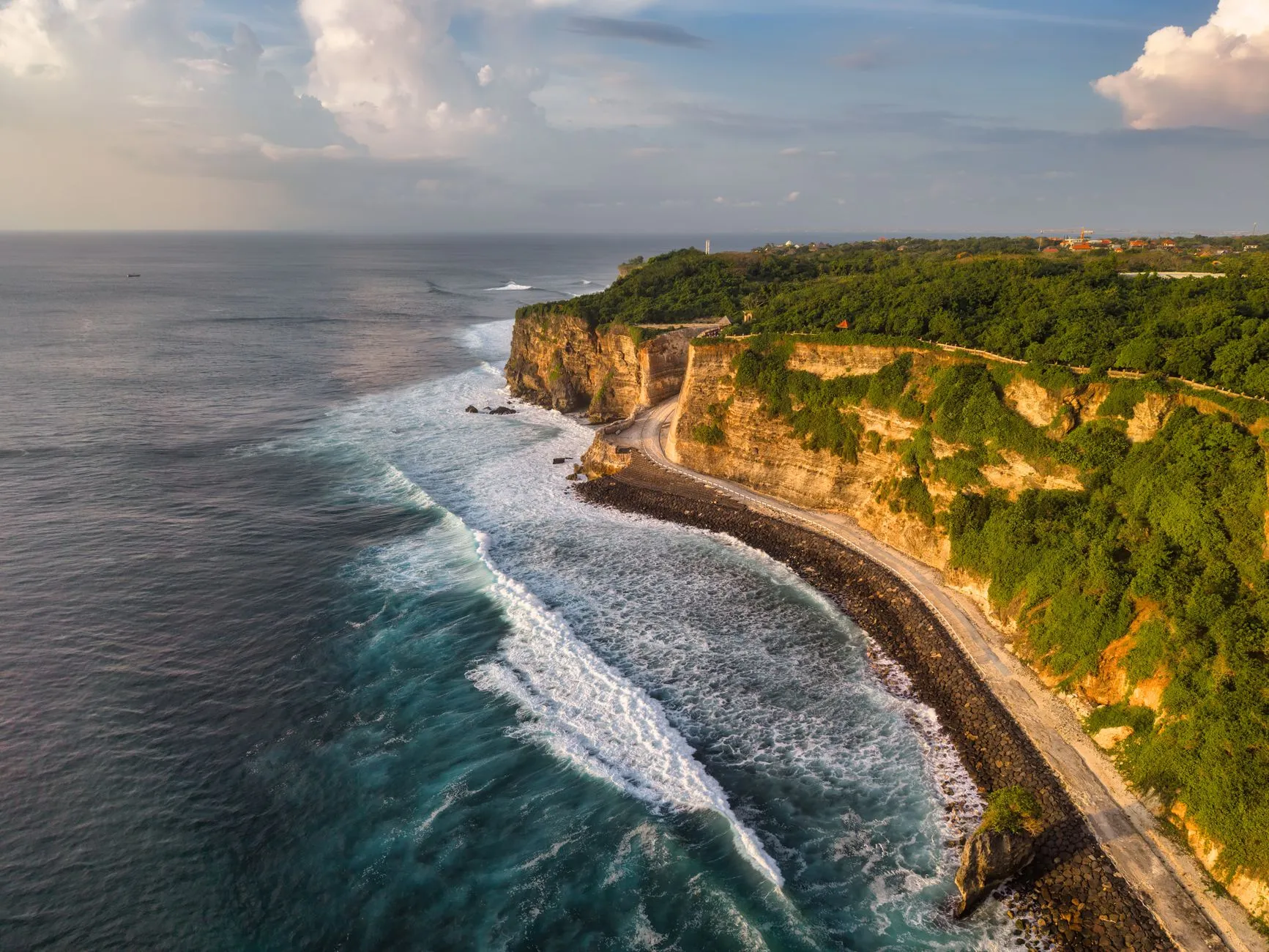
Bali · Bukit peninsula, Indonesia
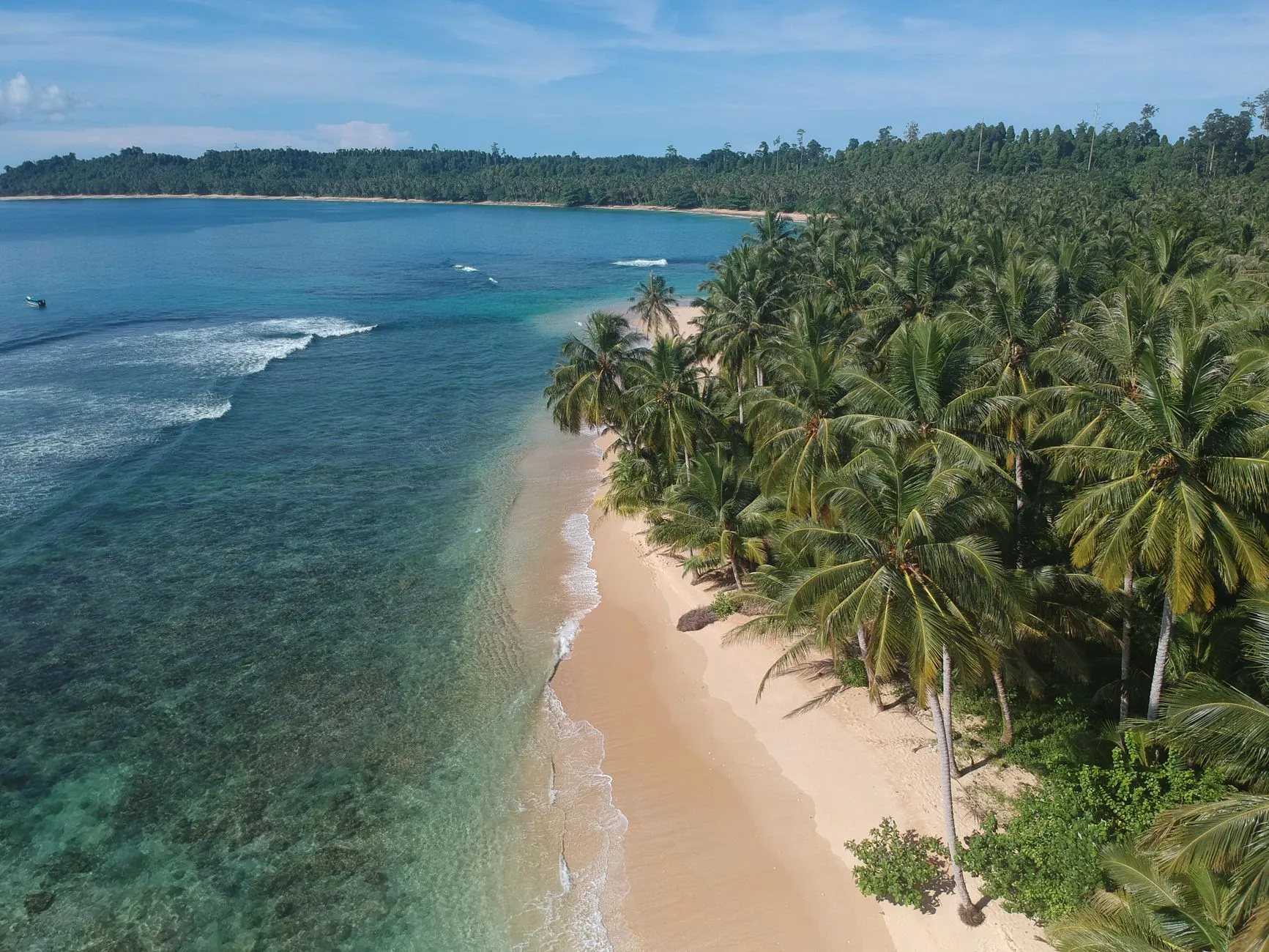
The island every surfer ends up on. From May to September the trades blow offshore on the Bukit and groom Uluwatu, Padang Padang and Bingin; learners get Kuta and Batu Bolong in the same warm water. From November the wind flips and Keramas takes over.
Read the full guide →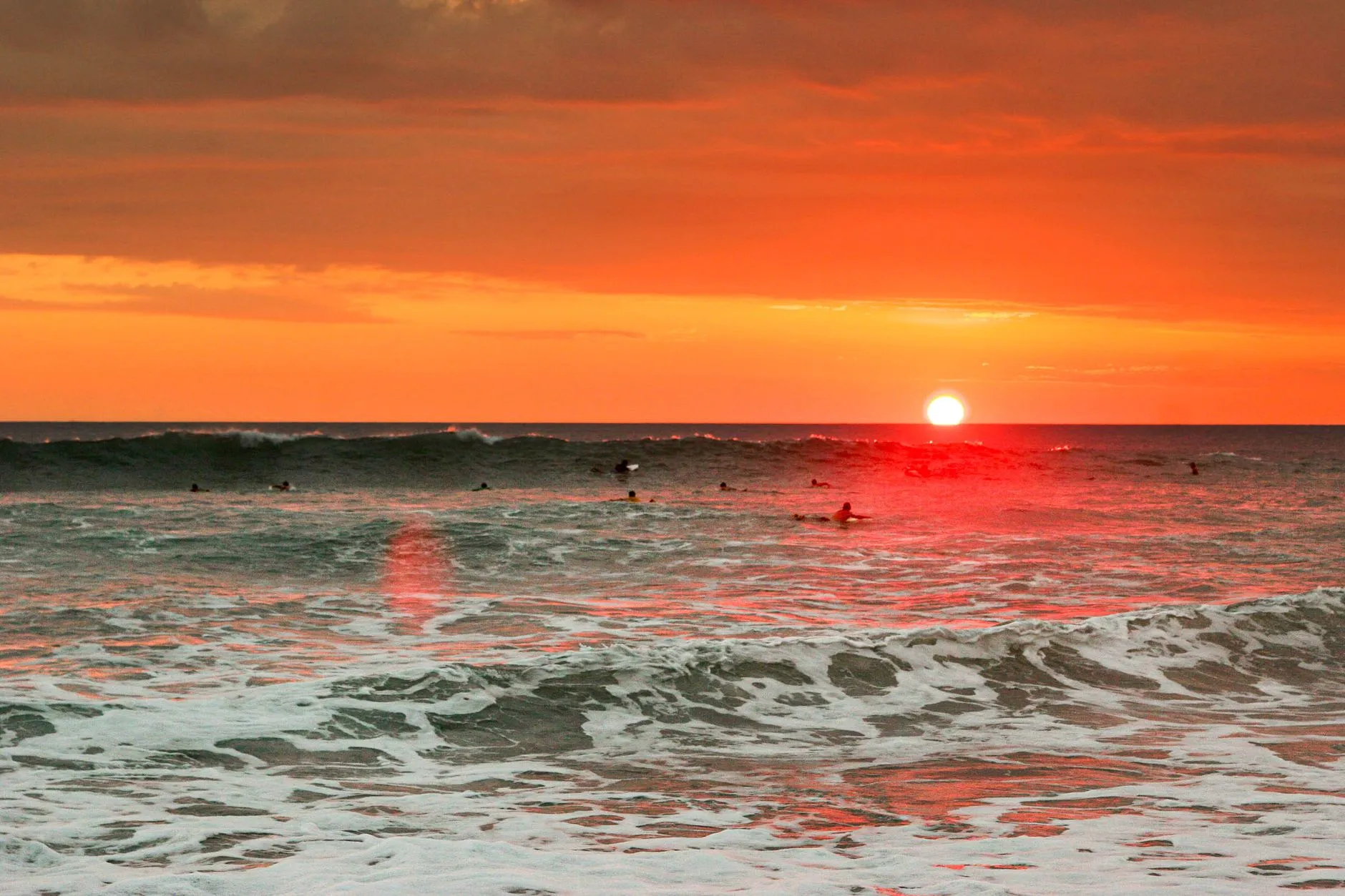
Nicoya Peninsula · Pacific coast, Costa Rica
Gold sand, dust roads, jungle to the tide line, from Playa Grande to Santa Teresa. Two seasons: Papagayo offshores over northwest swell in the dry months, glassy mornings and south groundswell in the green ones. 26 to 29°C water all year; mornings are everything.
Read the full guide →
When to go
A year of surf trips from Italy
One destination for every month of the year, picked for the time it does its best work. The ocean did not sign this table: for live waves, wind and tide, check the app.
January
Canary Islands · Advanced
After the Befana, midwinter on the North Track: back-to-back NW swells, the calmest winds of the year, and a 3/2 while Sardinia asks for a 4/3.
February
Morocco · All levels
Carnevale week on the points: consistent swell, warm sun, cool mornings and Anchor Point at its best. Four hours from Milan to a wave that peels for minutes.
March
Capo Mannu
Sardinia · Intermediate
Mistral season at home. March lows send the year's most regular storms down the Gulf of Lion, and the Sinis reefs turn them into real waves. Book the ferry late.
April
Portugal · Intermediate
Easter in the reserve: spring consistency, mild days, pre-season calm. Ribeira d'Ilhas hands out walls before the summer crowds, and Lisbon is under three hours away.
May
French Basque coast · Intermediate
The May long weekends on an underrated coast: friendly size, mild air, few people. Anglet's banks for the surf, Guéthary's terrace for the evening, all within 30 minutes.
June
Indian Ocean · Advanced
The Med goes flat for the summer; the Maldives go big. Peak season begins, Chickens links its full length, and Neos flies you there direct from Milan.
July
Indonesia · All levels
Peak season in and out of the water: the trades groom the Bukit every morning and learners fill Kuta. Dawn patrol is the whole strategy.
August
Costa Rica · Intermediate
Ferragosto in the green season: south pulses back to back, glassy mornings, rain after lunch, and at Ostional the big turtle arribadas begin. Surf at dawn, nap through the rain.
September
Landes, France · All levels
The turn. Groundswell returns, the summer crowds leave, the banks deliver, and the water is still warm from August. Bordeaux is one short flight from Milan.
October
Spanish Basque Country · All levels
Prime time on the Basque coast: offshore mornings, every beach takes its turn, and the first proper Mundaka days of the season. Two hours to Bilbao, then pintxos.
November
Portugal · Advanced
Serious swell season opens. Supertubos in shape, the sheltered Baleal side keeping everyone else wet, and most years the first giant days at Nazaré, forty minutes up the road.
December
Sagres and the west coast, Portugal · Intermediate
Christmas three hours away: short days, empty lineups, blue skies between storms. The west coast when it is clean, Sagres around the corner otherwise. Winter is the point.
Good to know
Can you surf in Italy?
Yes, in winter and on the right wind. Sardinia's west coast is the best of it: a mistral sends real swell into Capo Mannu and the Sinis reefs for two or three days. Liguria and Versilia work on libeccio, Lazio on winter lows. Expect a few good days a month from October to April and nothing in summer.
Where is the nearest surf from Italy?
It depends on your city. From Milan and Turin, Liguria: Levanto, Varazze and Recco in about 2 to 3 hours. From Florence and Pisa, the Versilia piers at Viareggio and Forte dei Marmi. From Rome, Santa Marinella in an hour. For a trip you can plan a month ahead, fly: Sardinia in an hour, Lisbon or Bilbao in under three.
Where to surf in winter from Italy?
Four hours south. Fuerteventura's reefs run from October to March in 18°C water, direct from Milan, Bergamo or Rome; Taghazout's points do the same at 17°C via Agadir. Portugal is three hours and a 4/3: Peniche, Ericeira and the Algarve all work through winter. Further out, Sri Lanka's south coast is dry and offshore from November to April.
Where should a beginner from Italy go?
On sand, in the friendly months. Fuerteventura from June to September: waist-high waves at Cotillo and La Pared, a four hour flight. Ericeira's Foz do Lizandro and Peniche's Baleal bays in May, June or September. Hossegor and Biarritz in June and early July, before the crowds. Taghazout's Tamraght sand from October to March. Leave the Italian reefs for later.
How far are Portugal and Morocco from Italy?
Portugal: about 2 h 50 from Milan and 3 hours from Rome to Lisbon, with Ericeira 40 minutes and Peniche an hour from the airport; Faro is similar for the Algarve. Morocco: about 4 hours direct to Agadir, 45 minutes from Taghazout, or 3 h 30 to Marrakech plus a 3 hour drive. Both fit a long weekend.