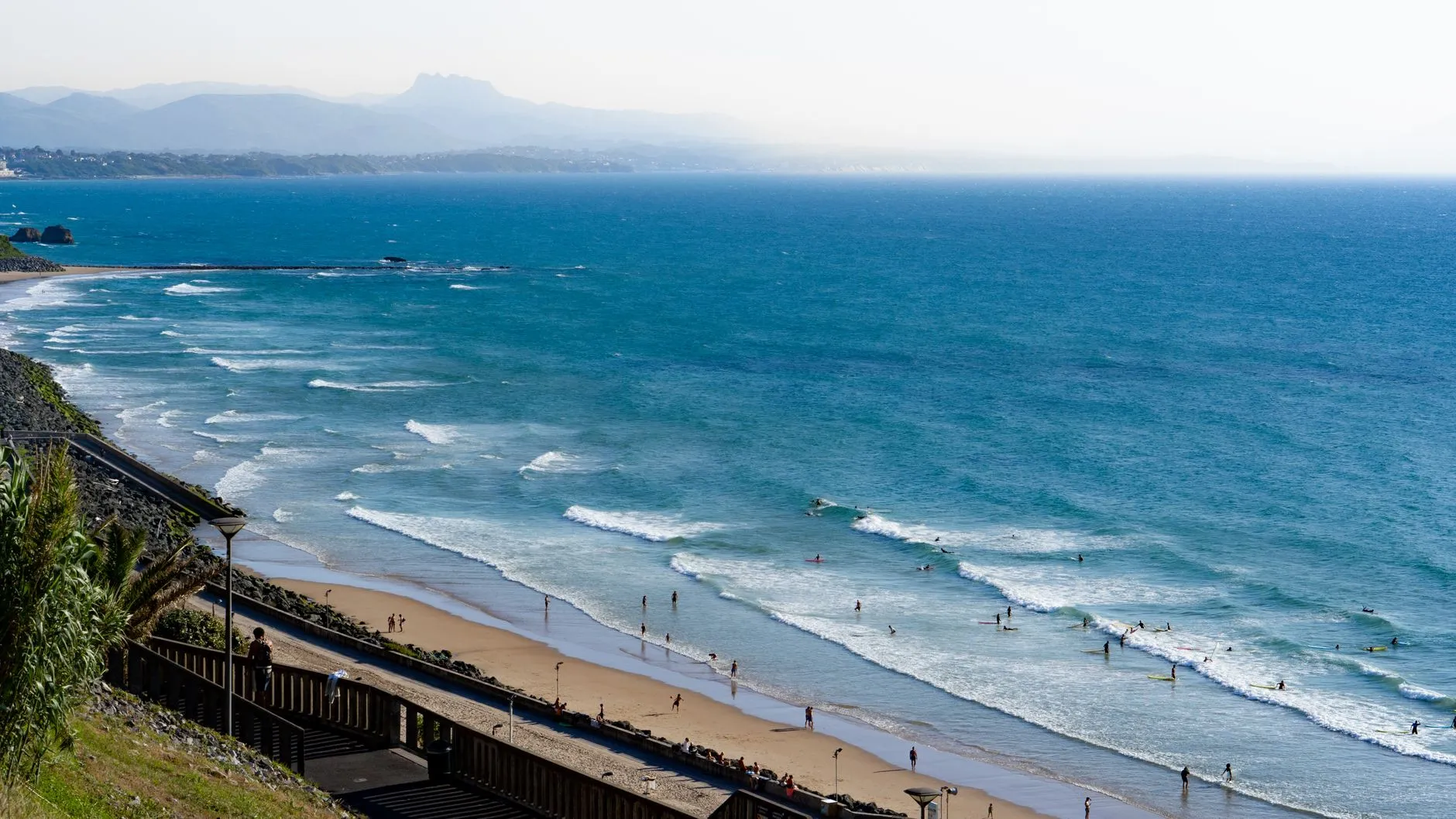
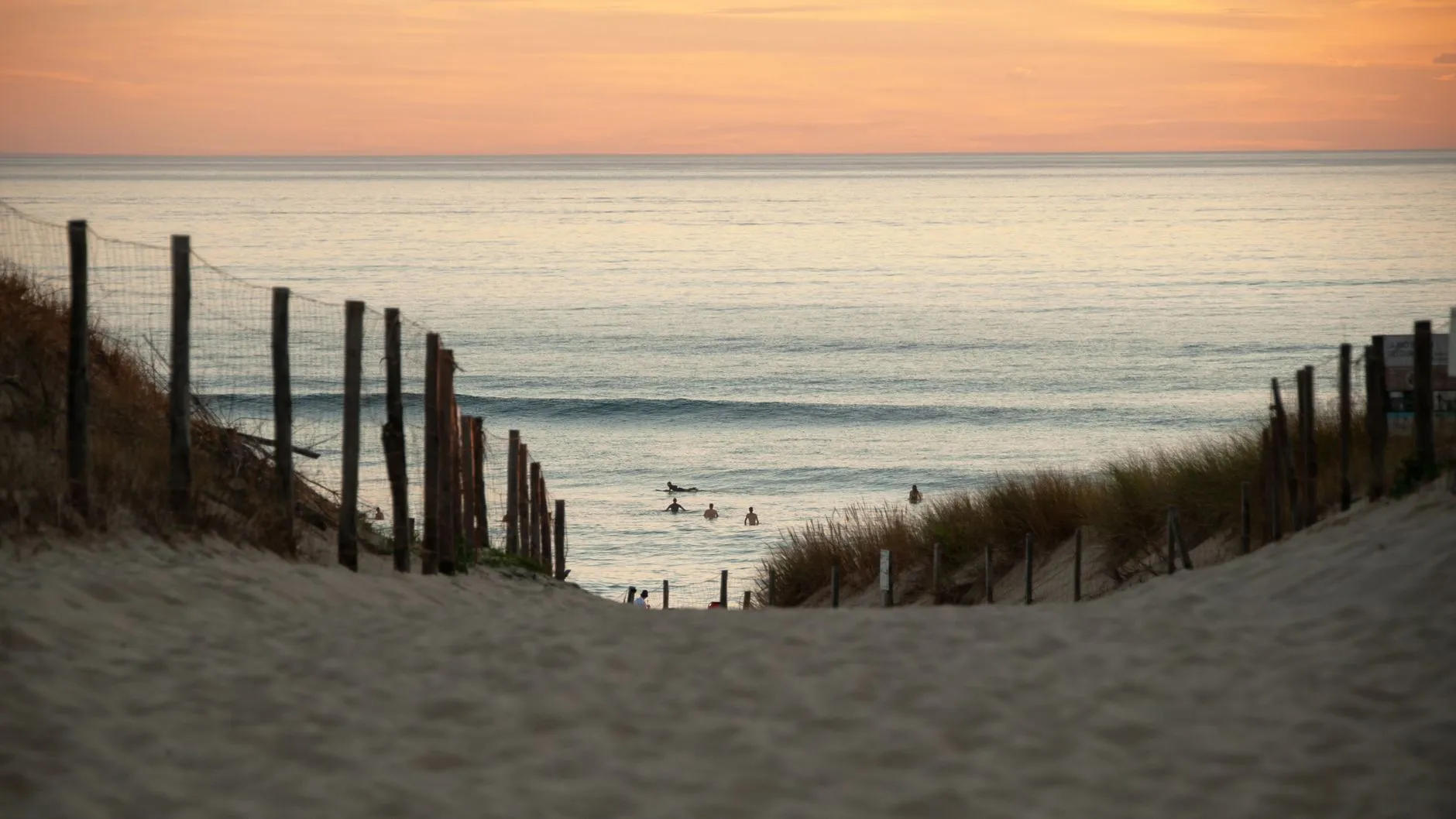
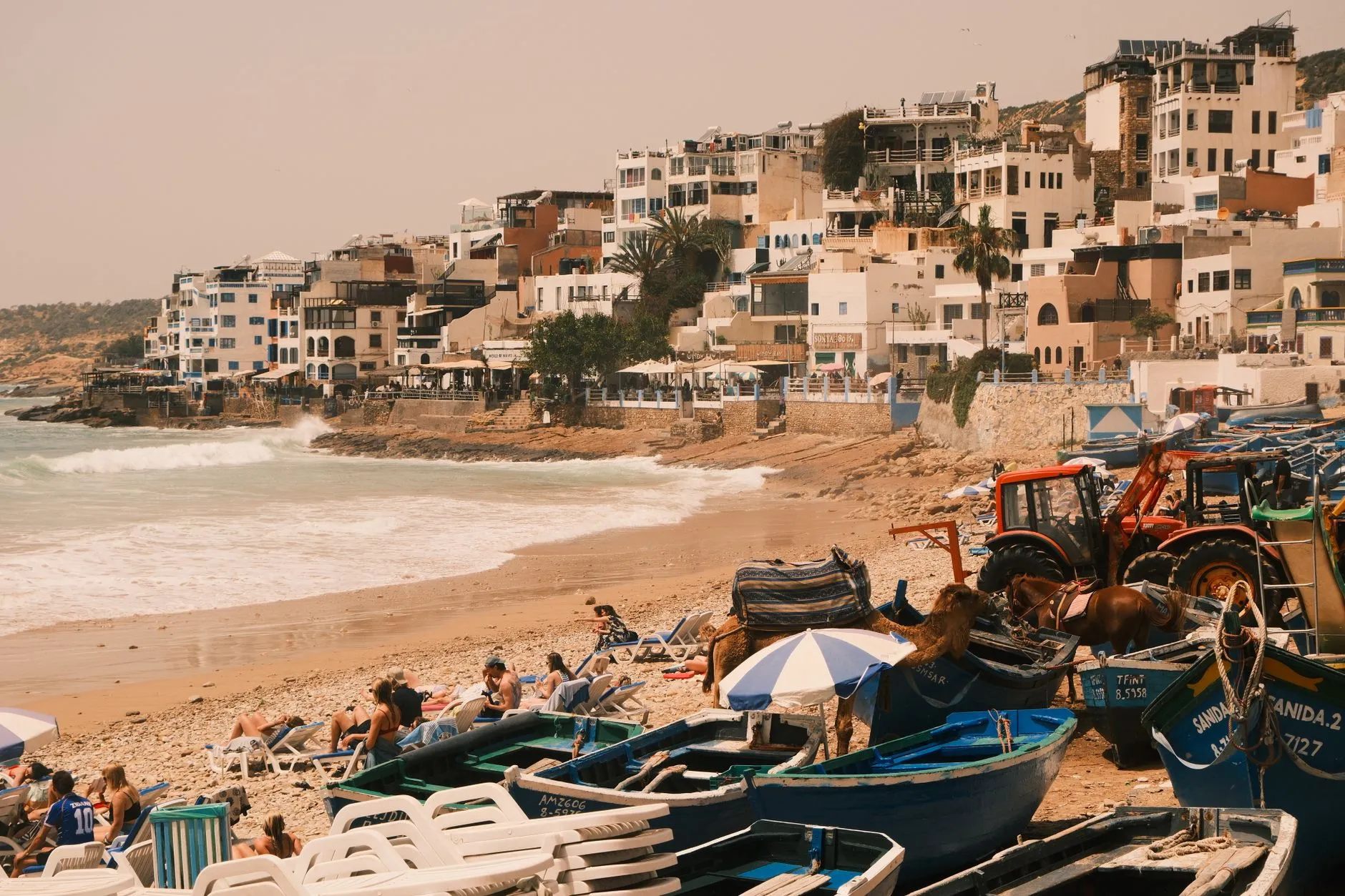
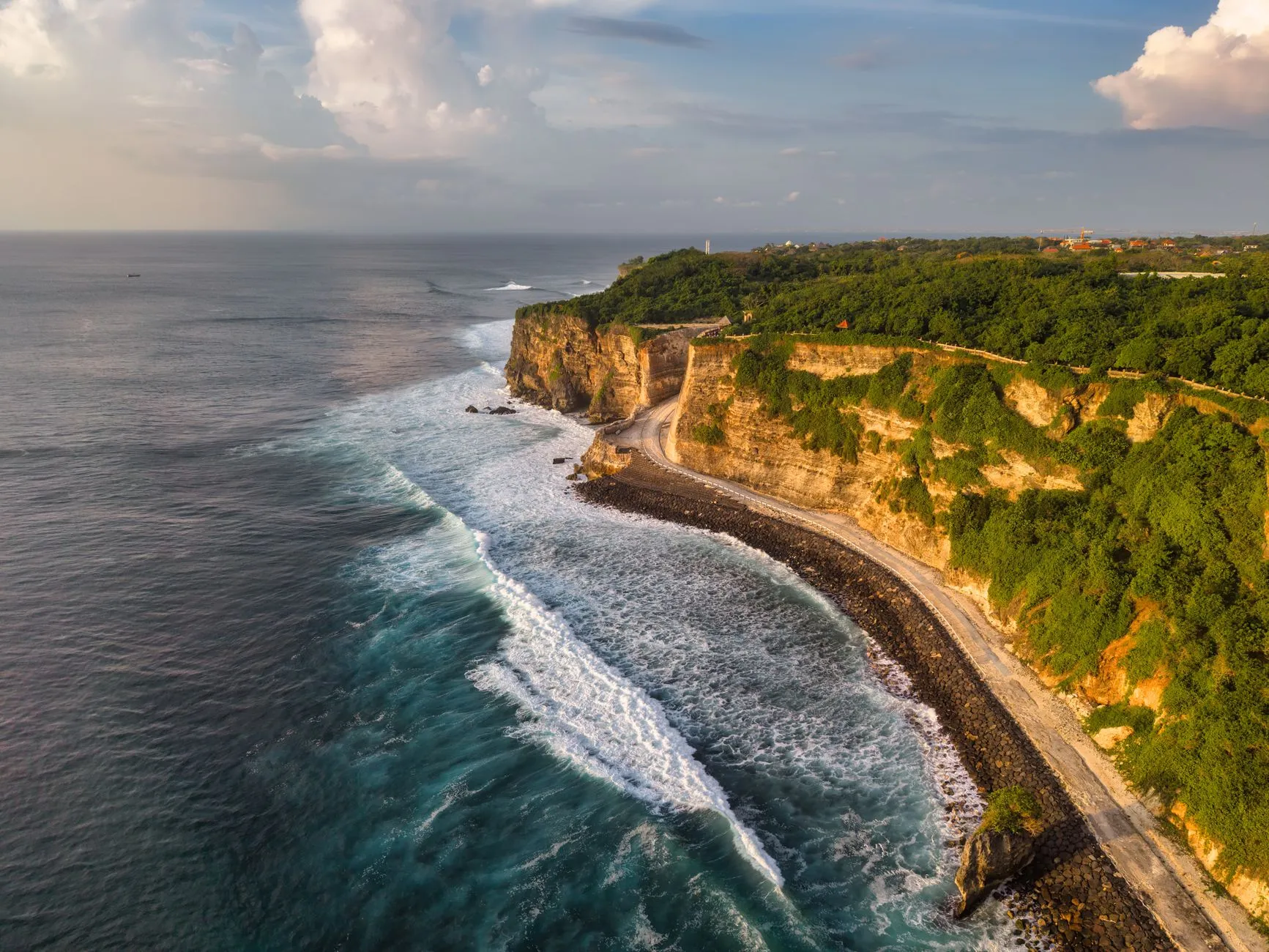
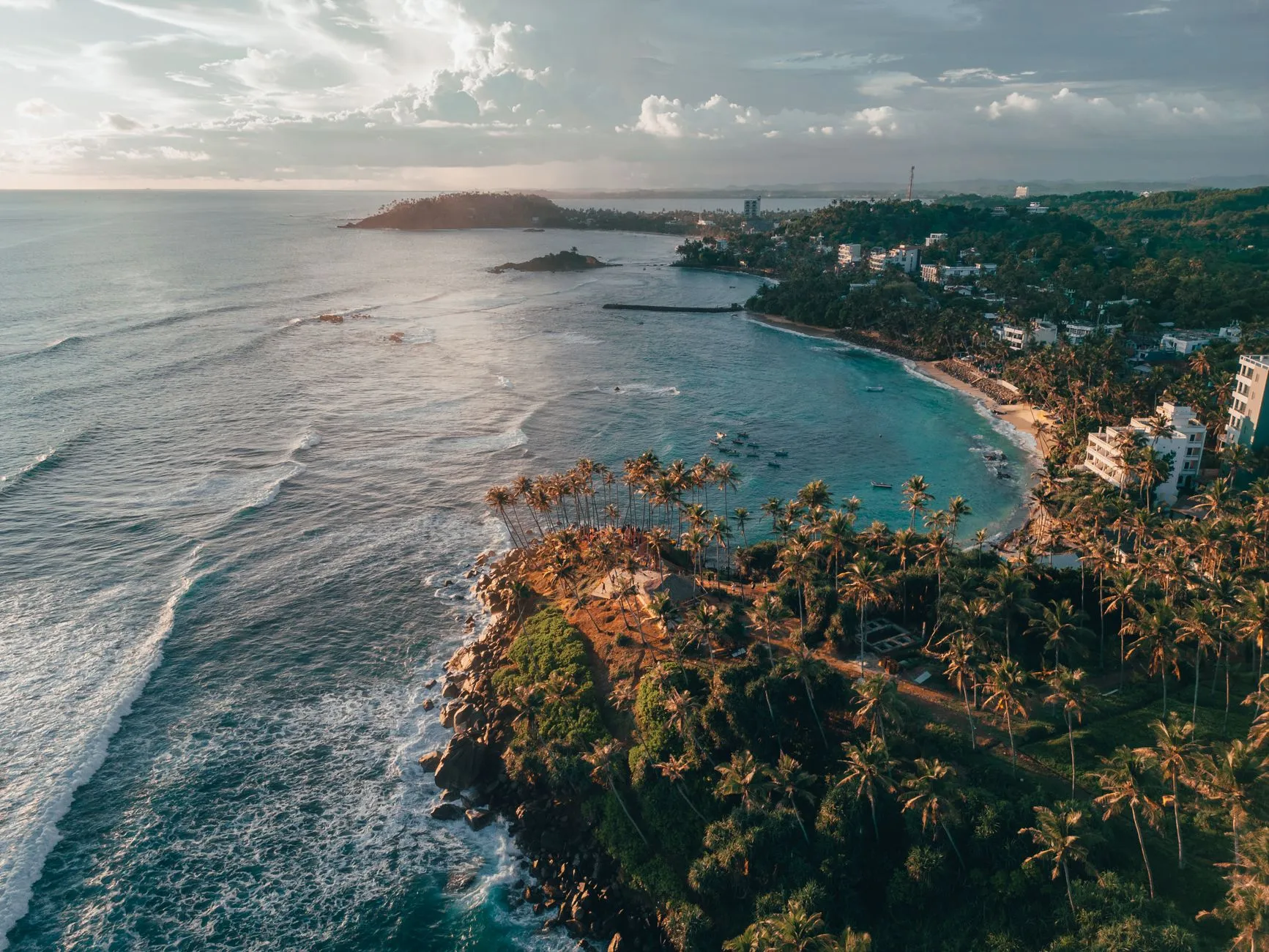
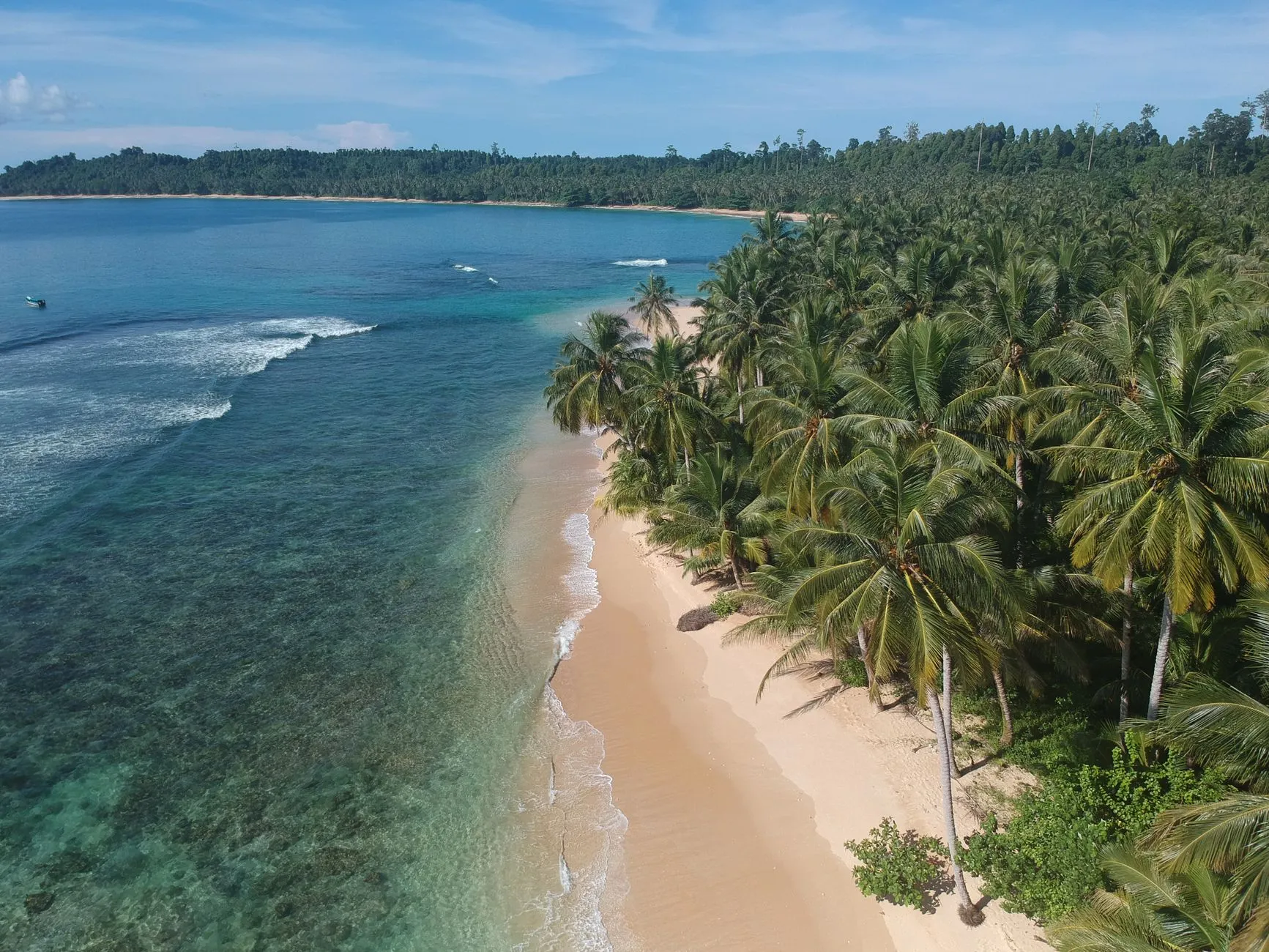
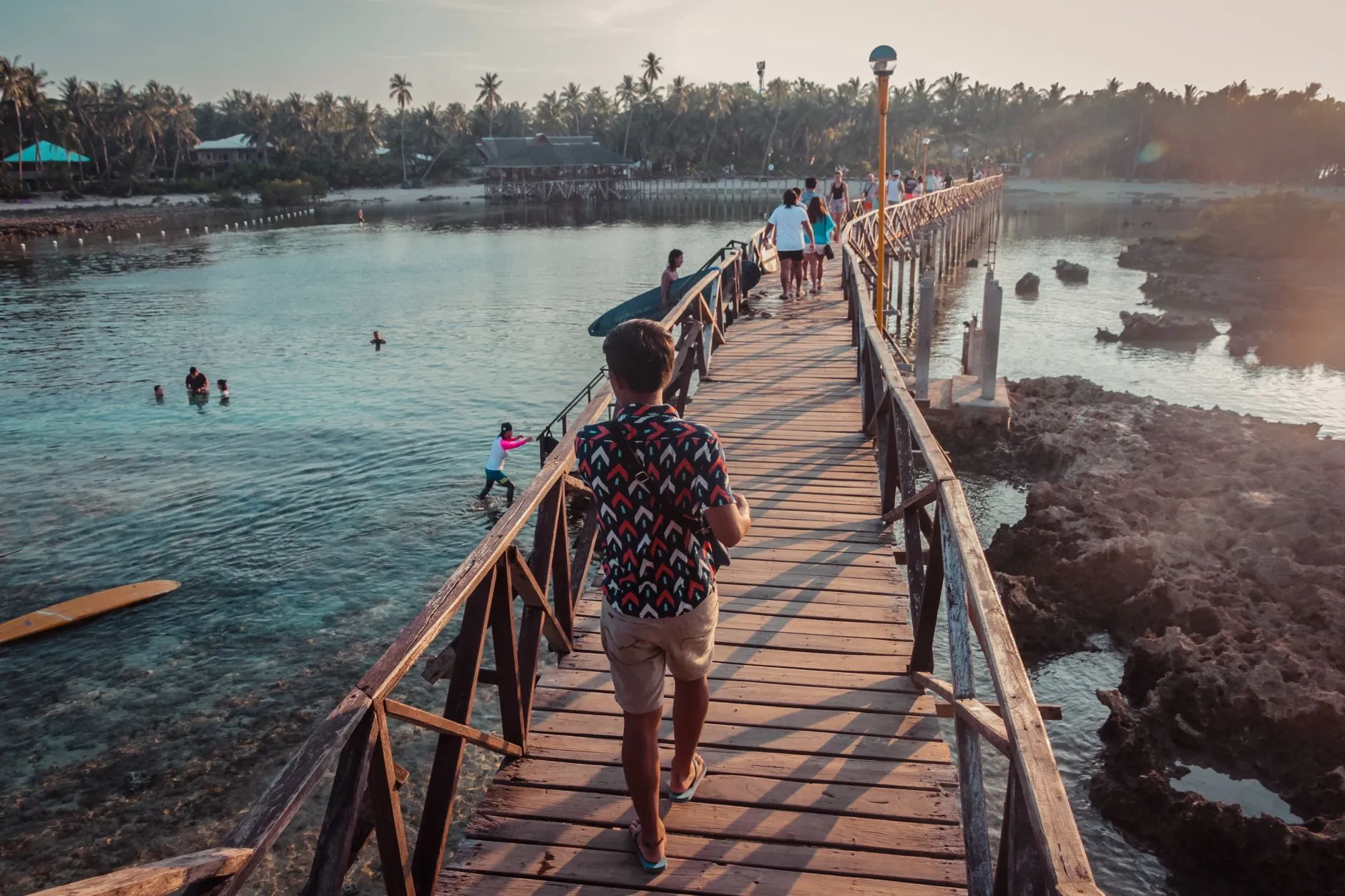
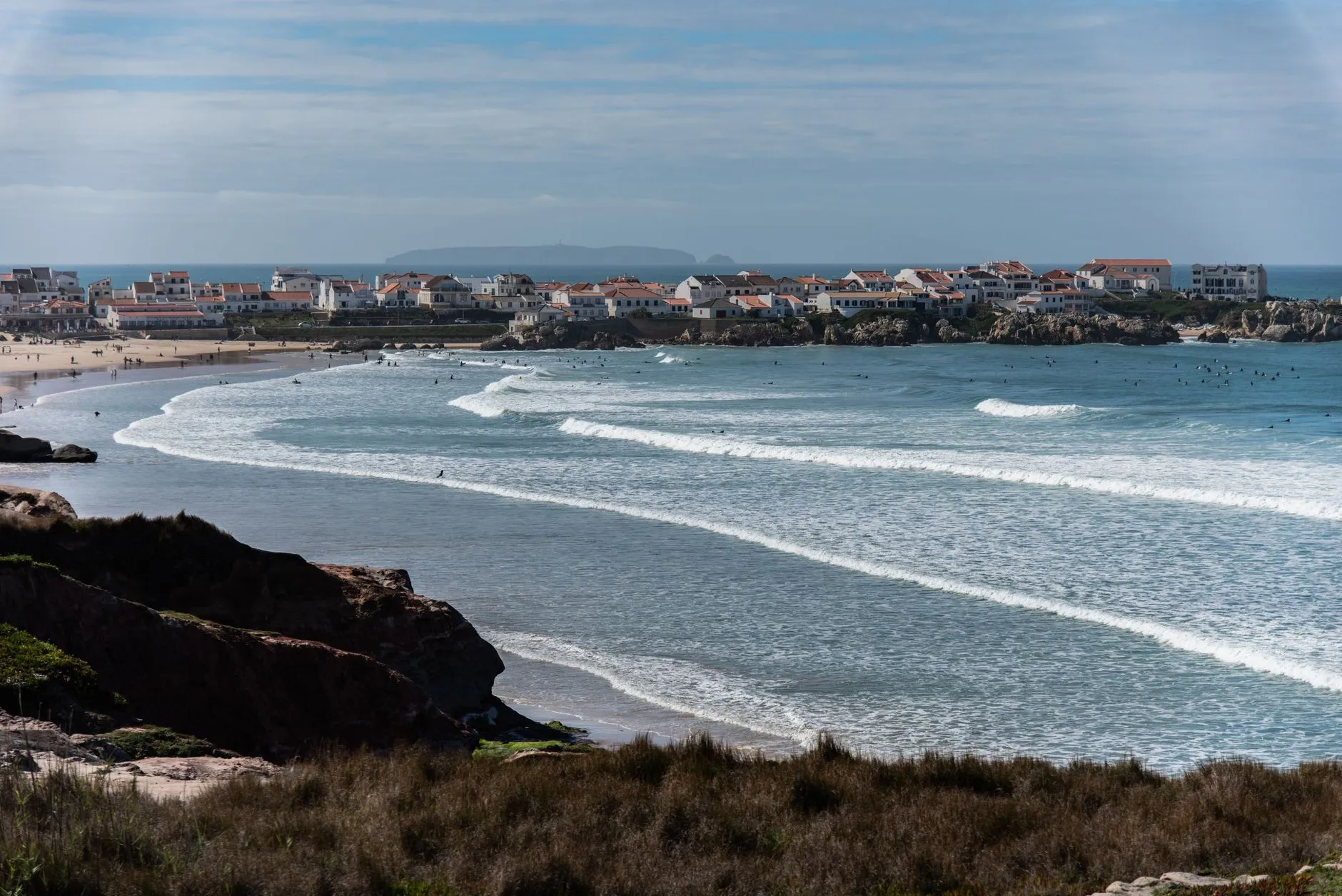
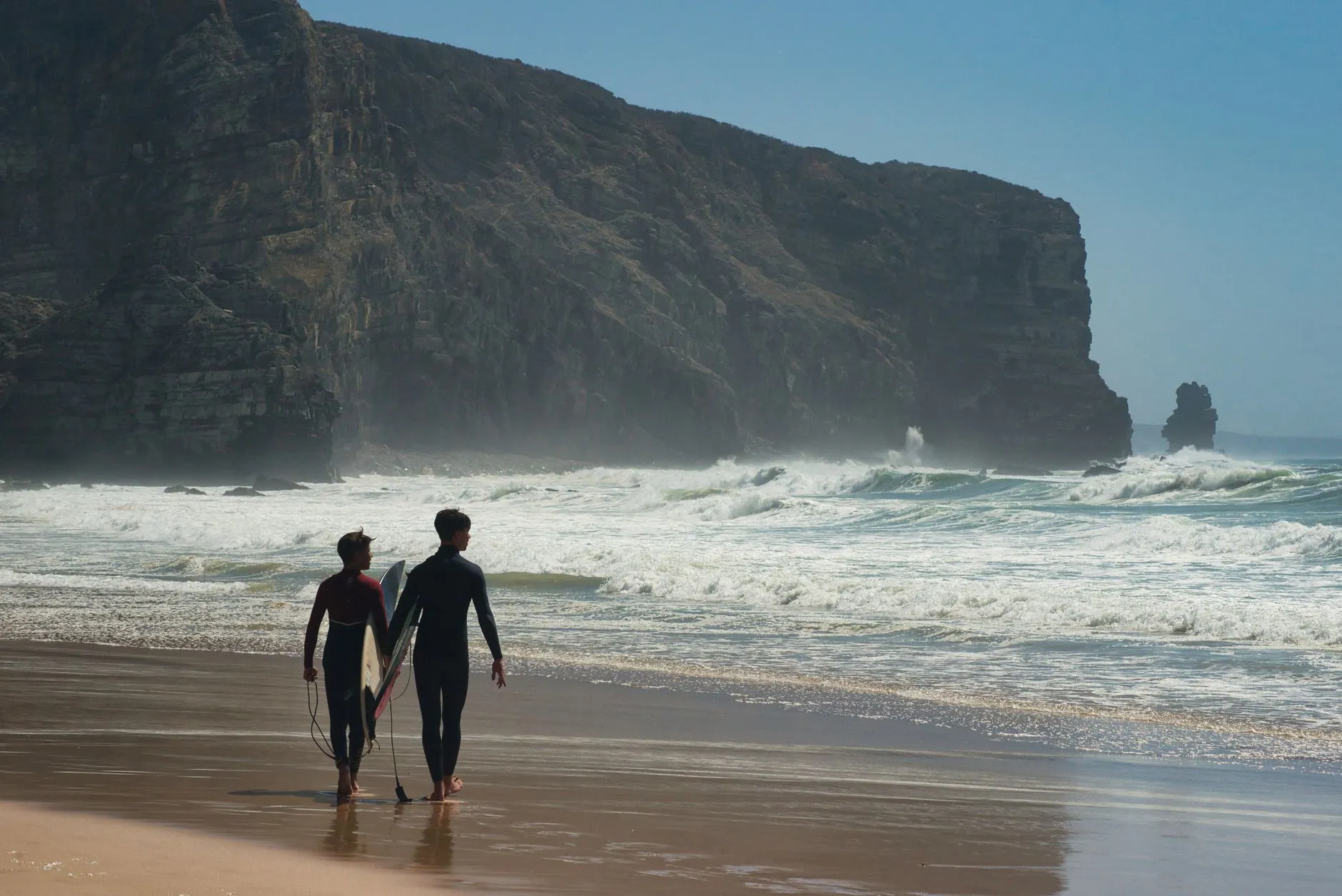
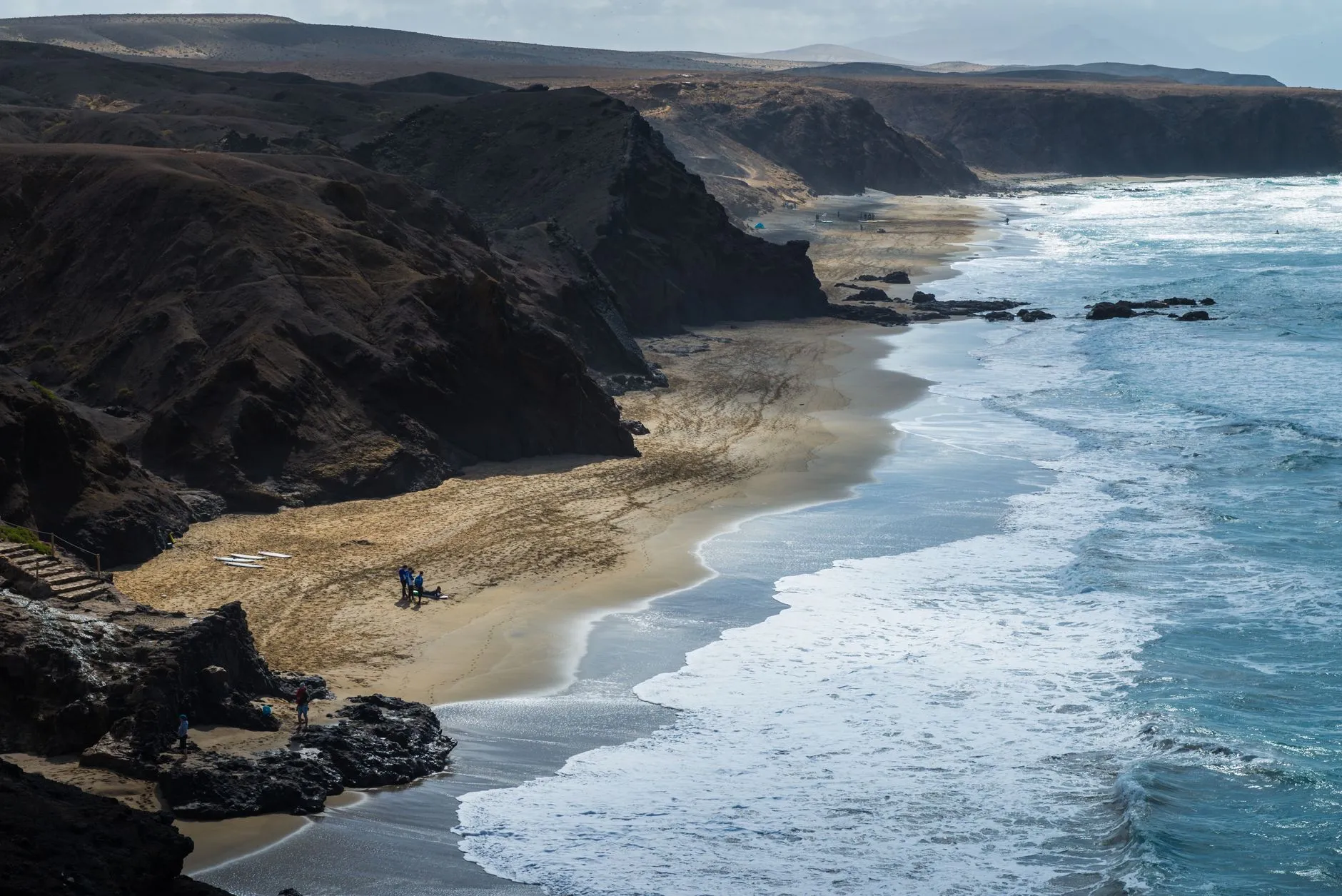
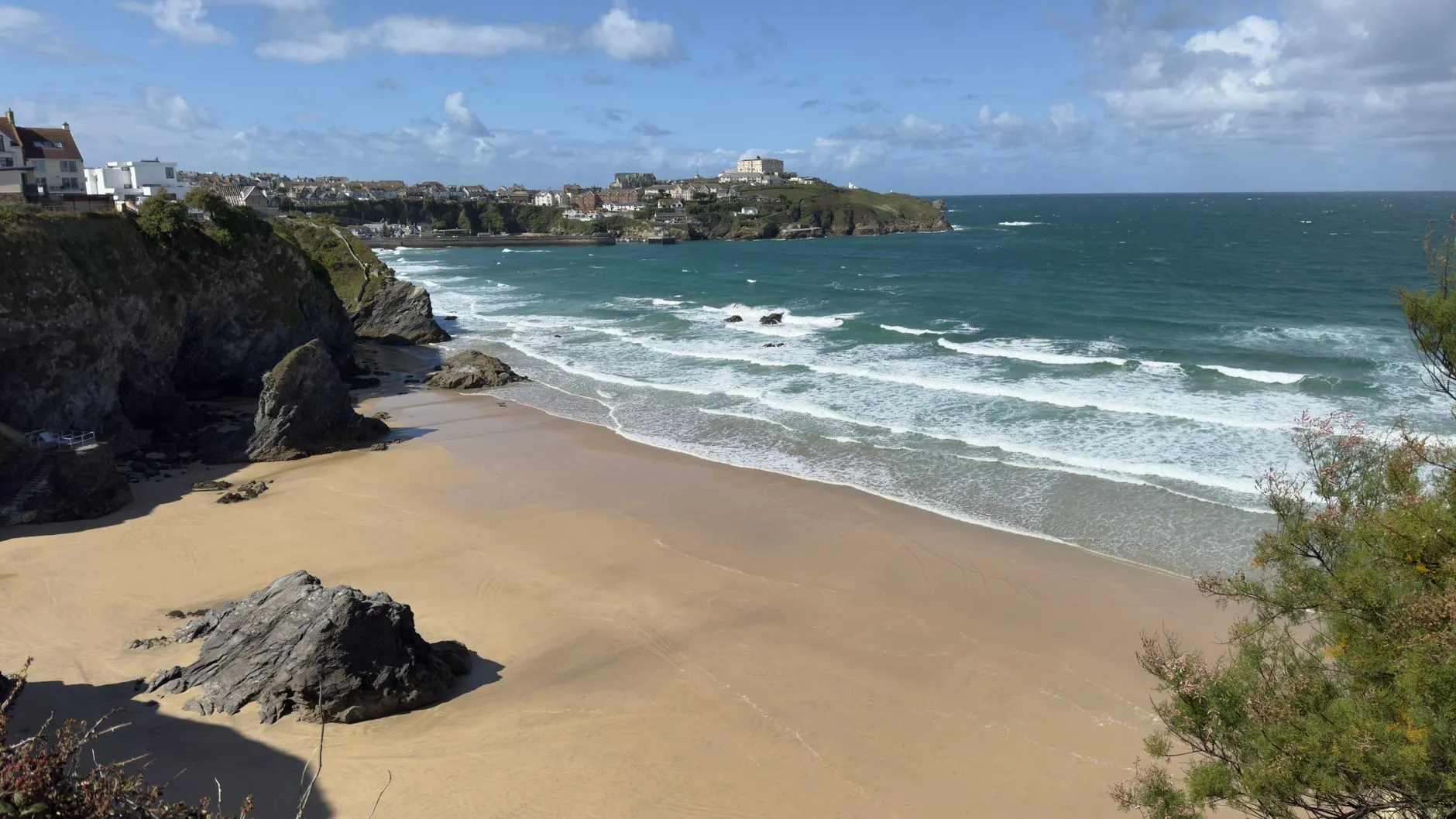
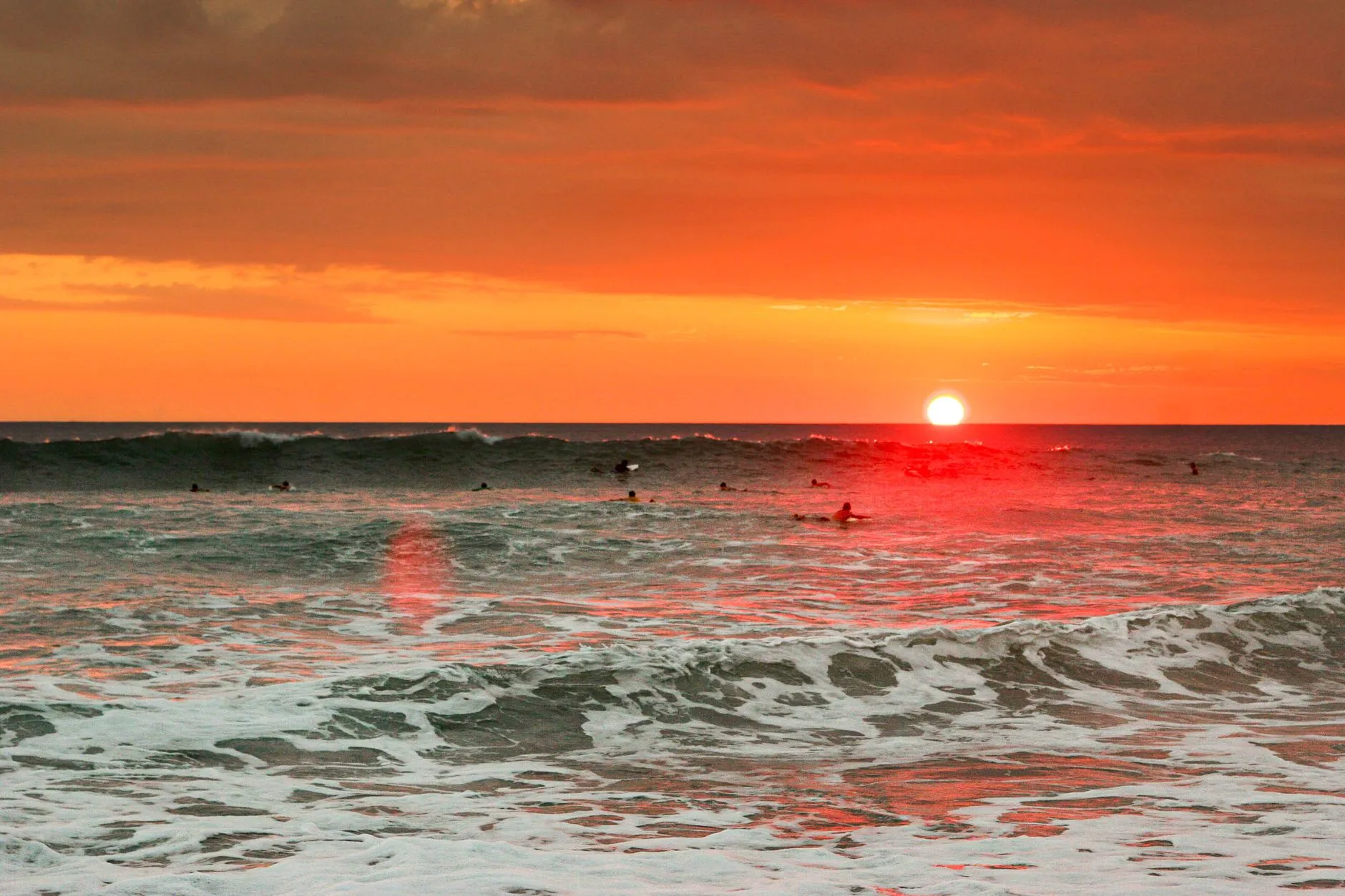
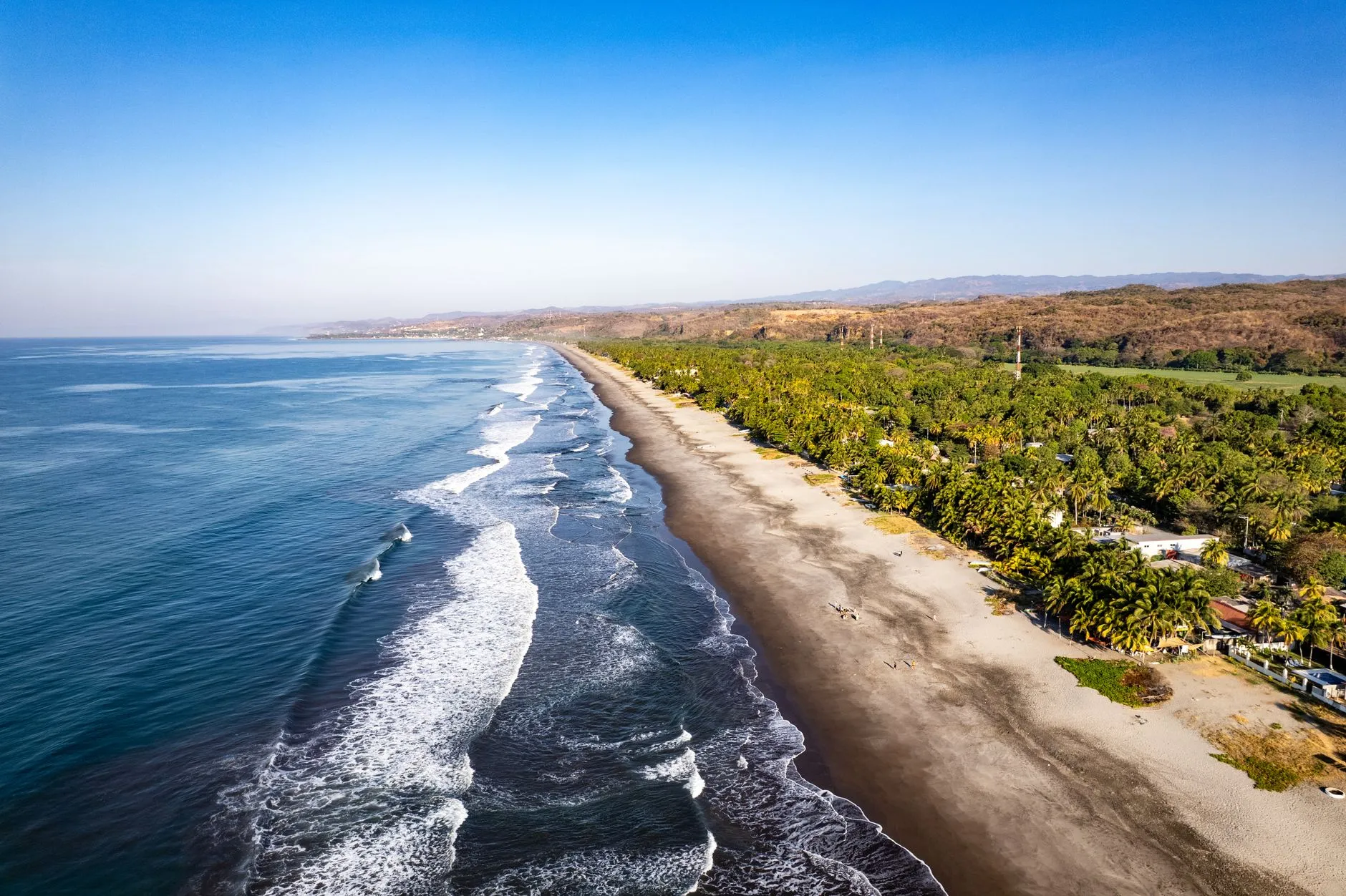
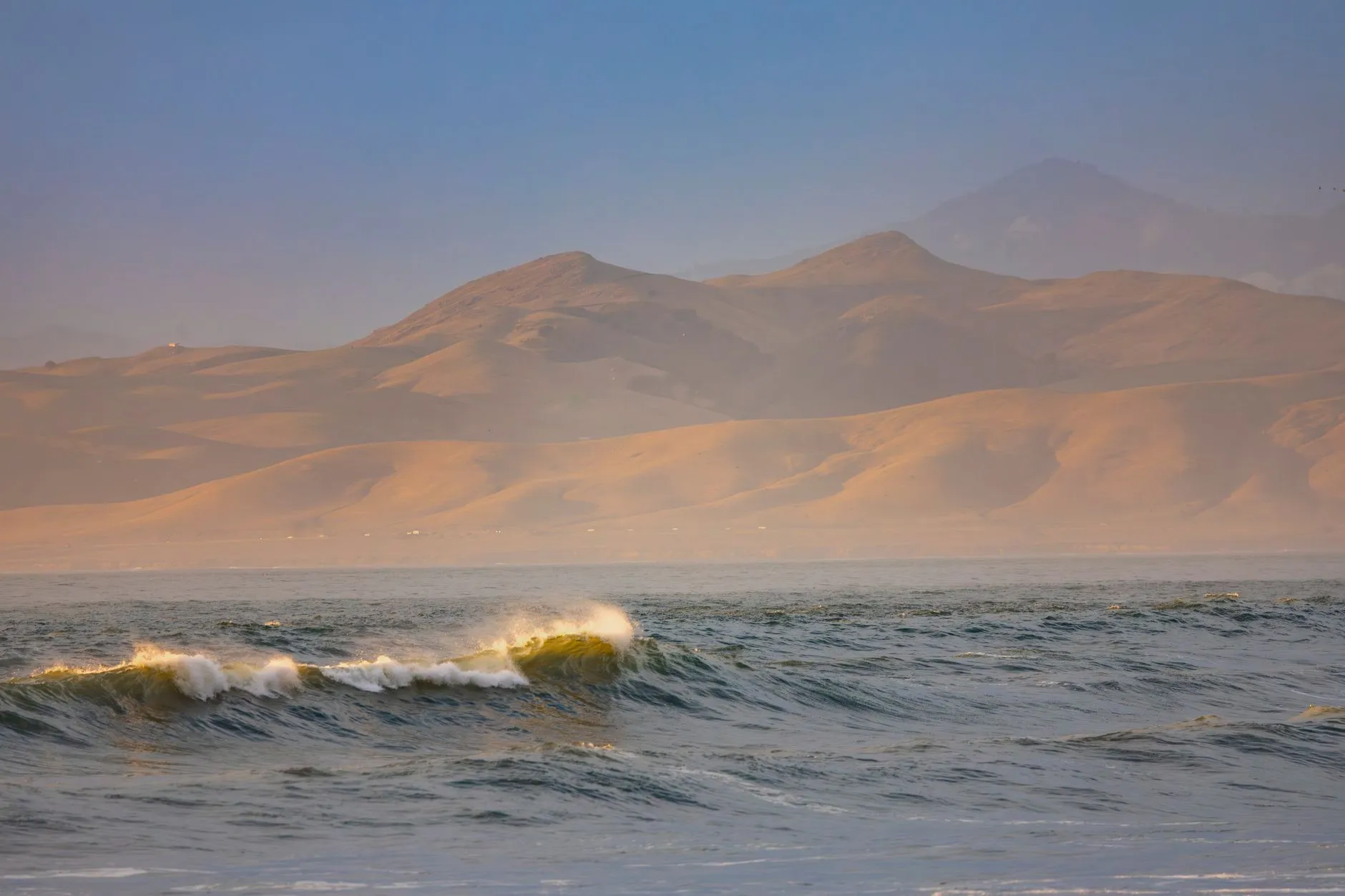
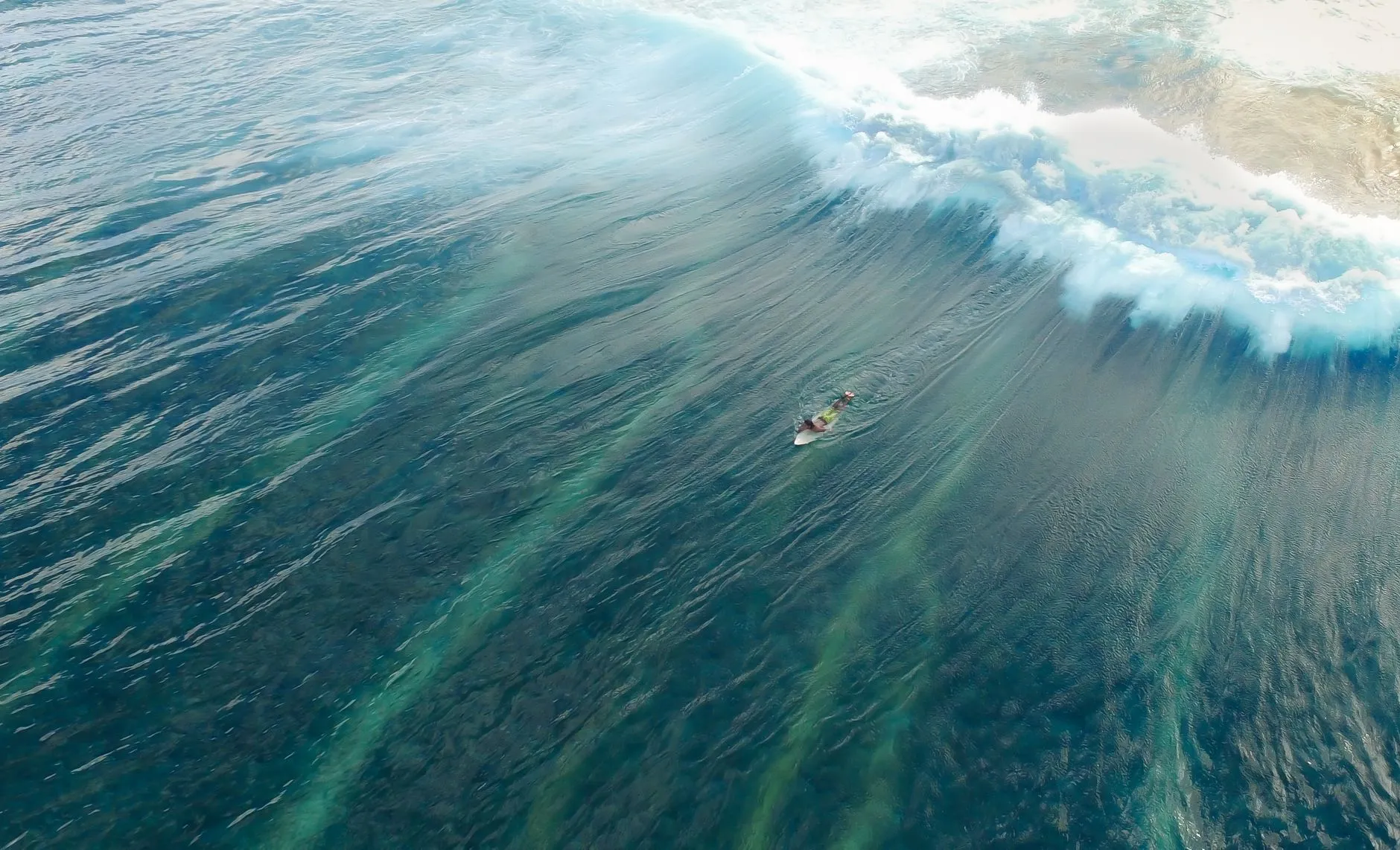
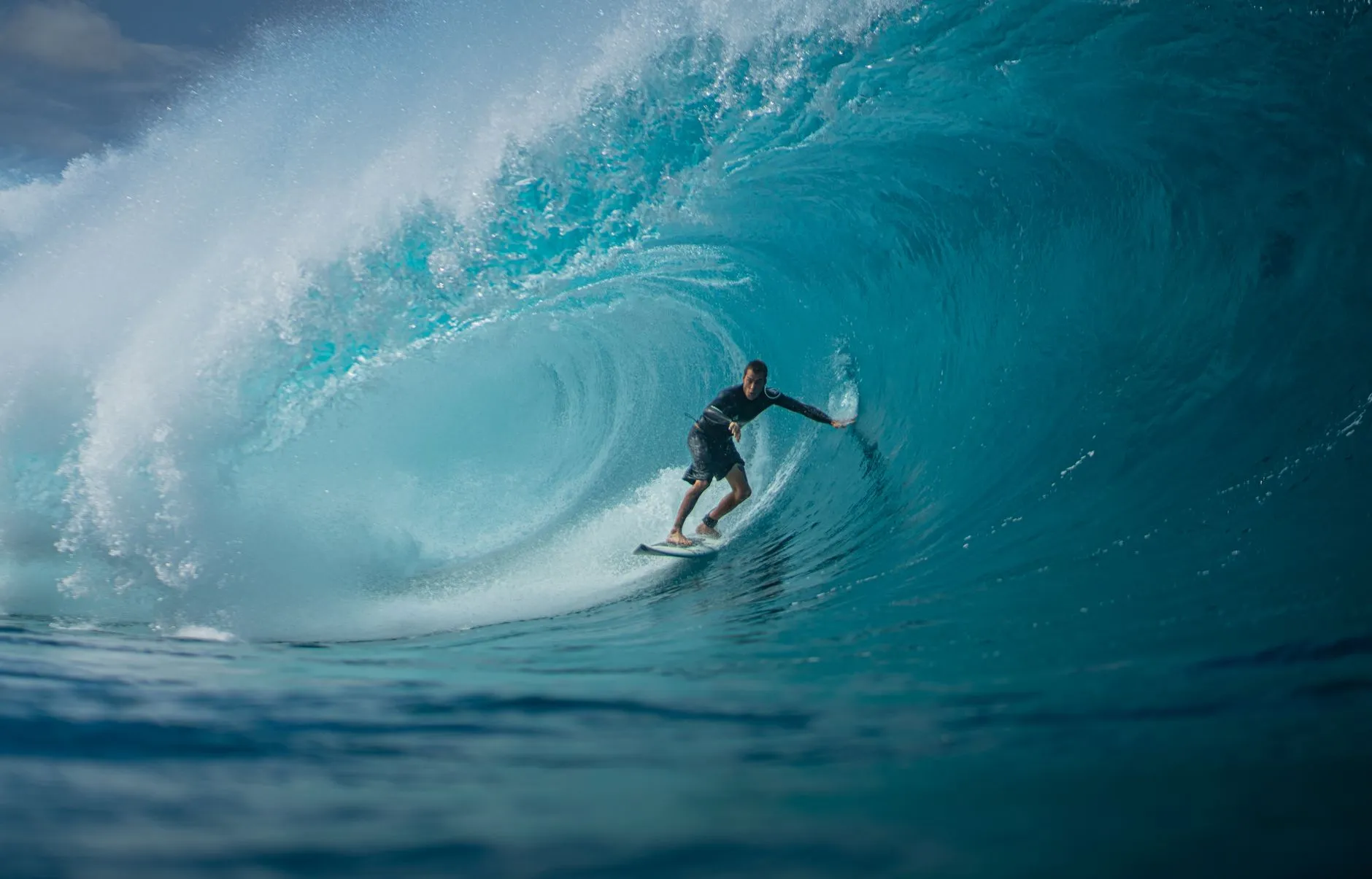
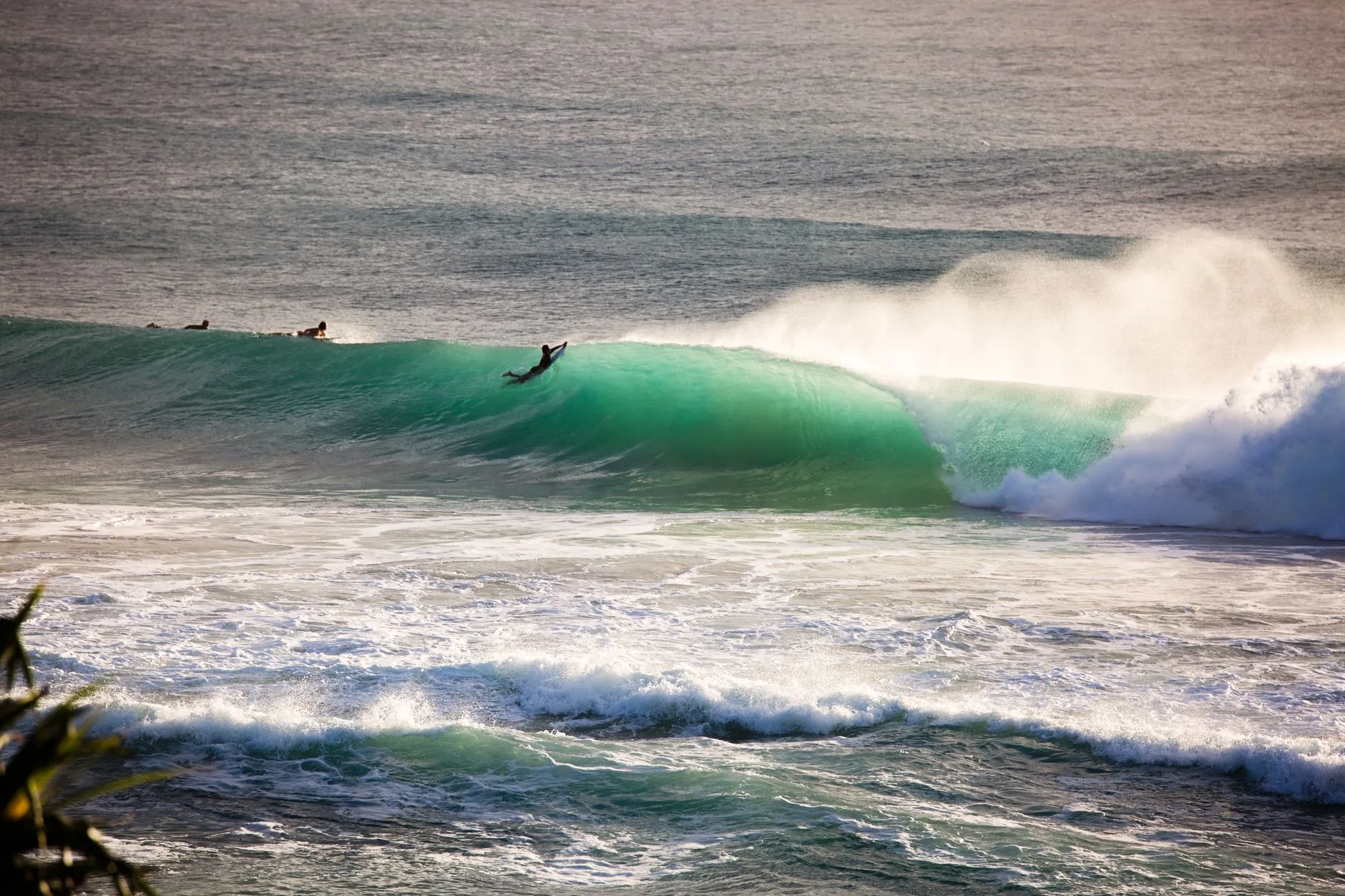
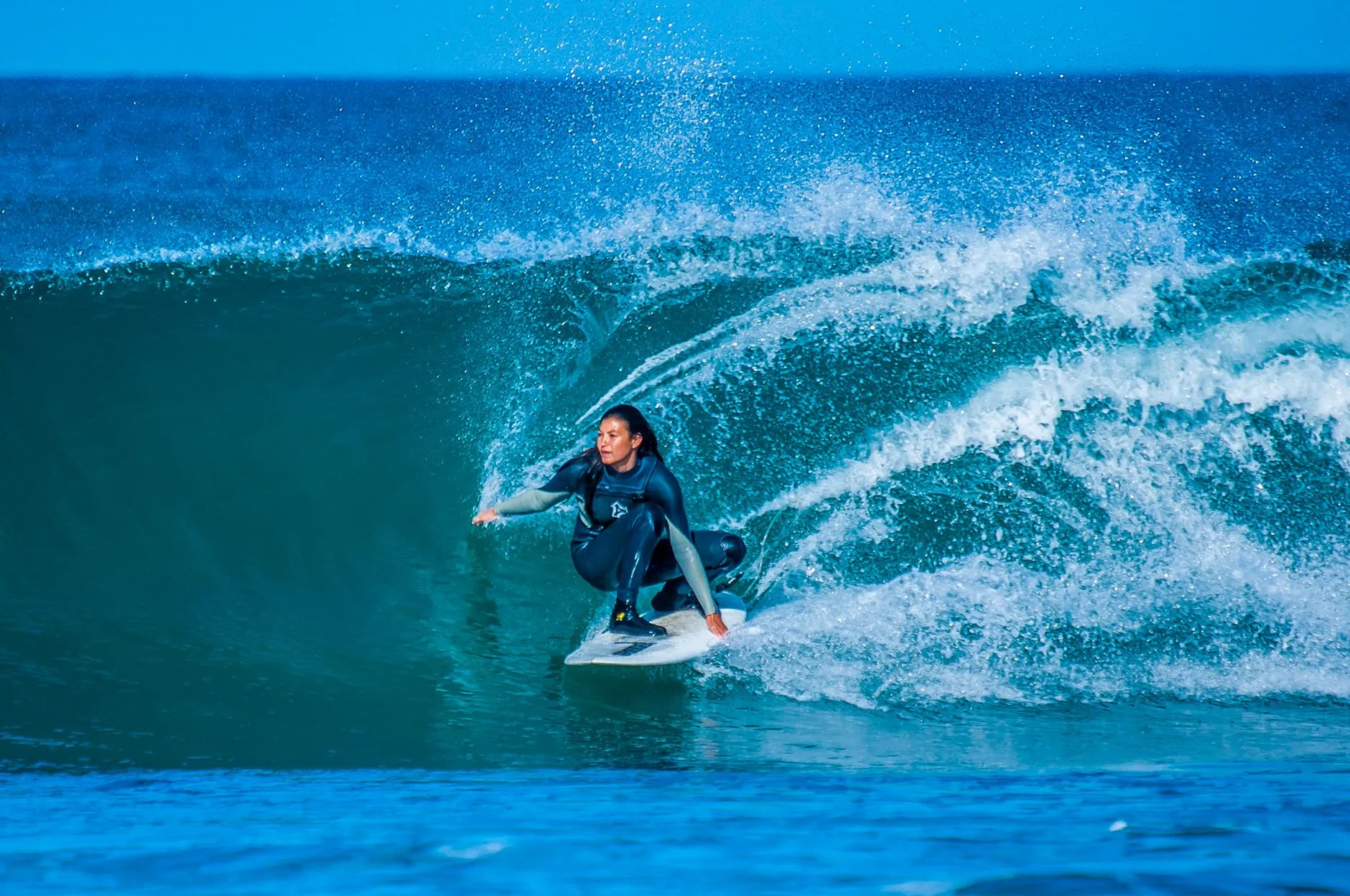
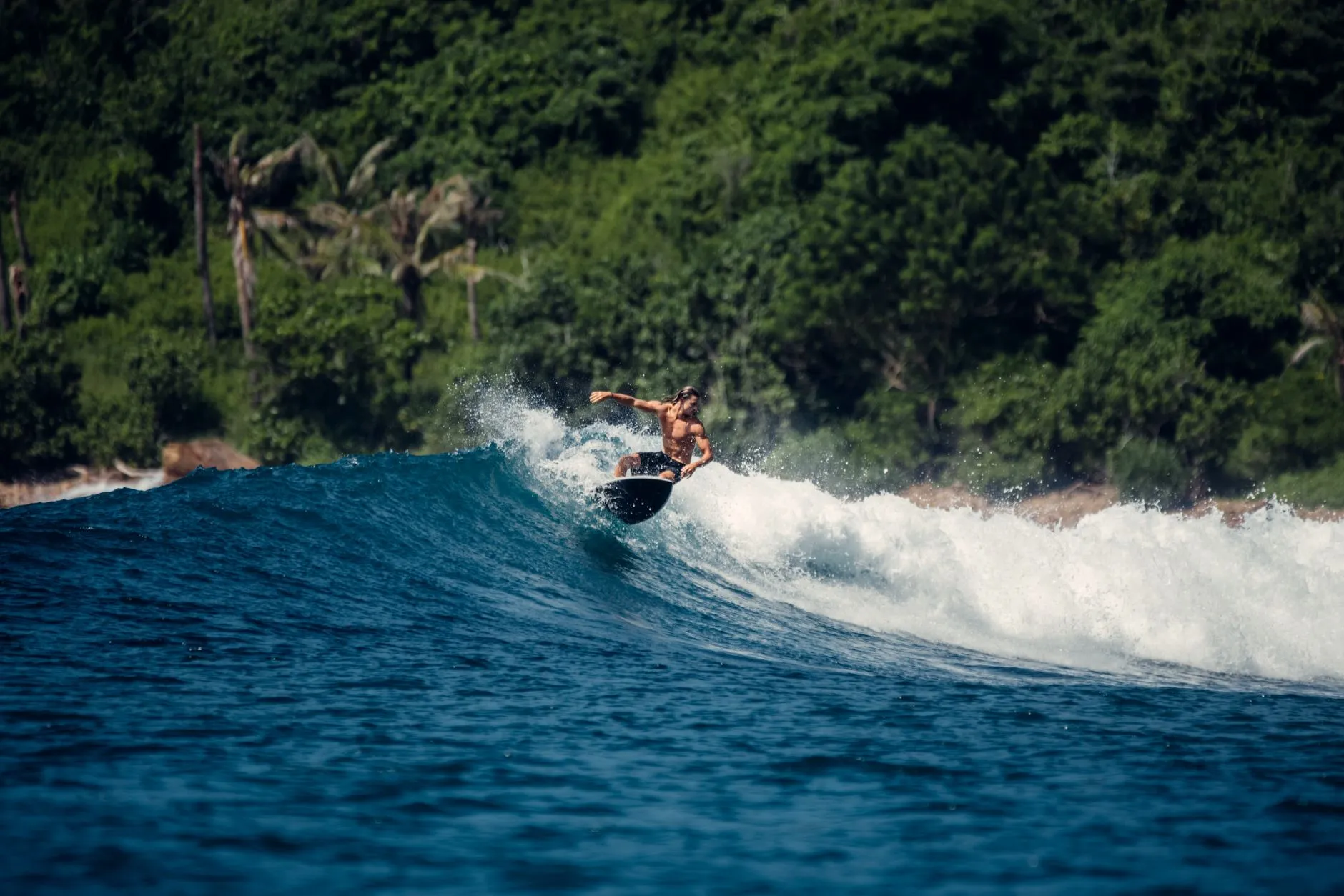
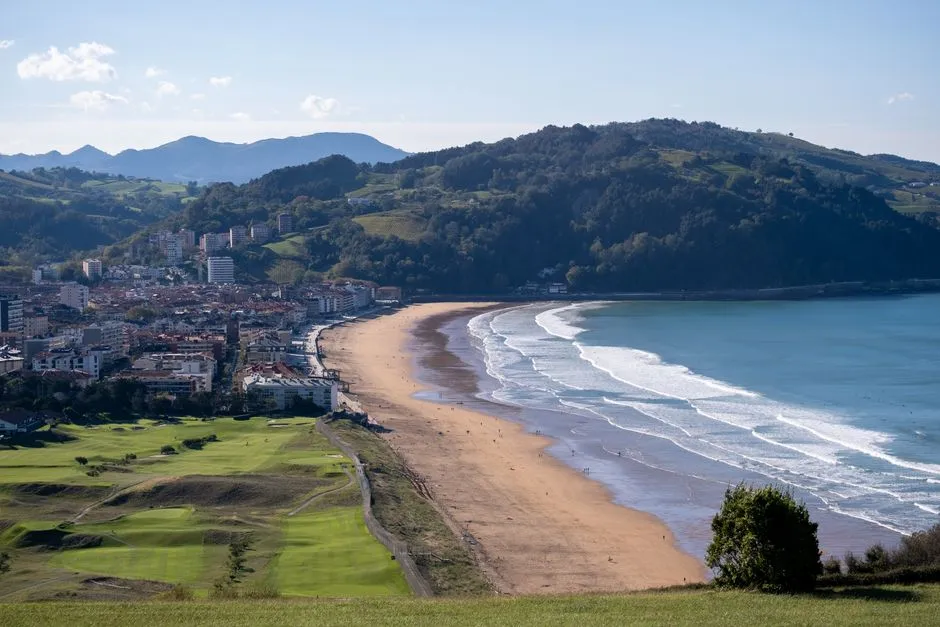
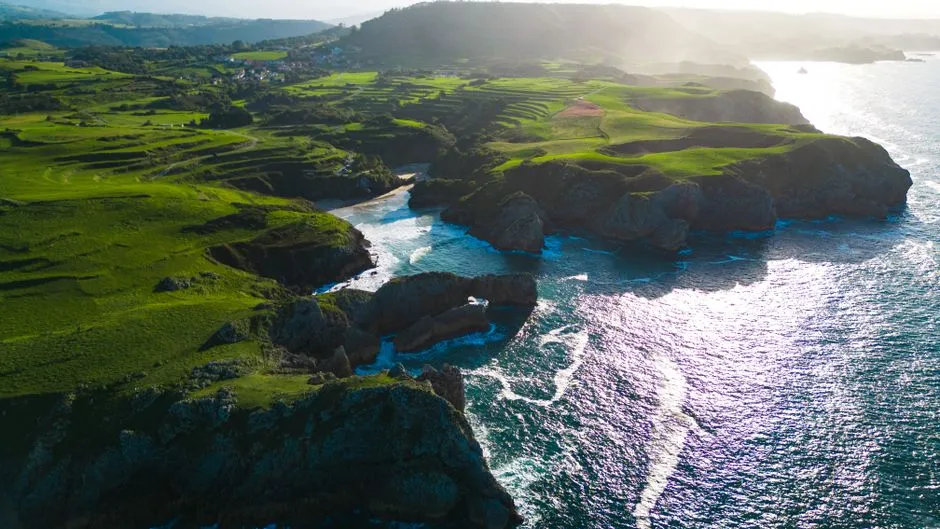
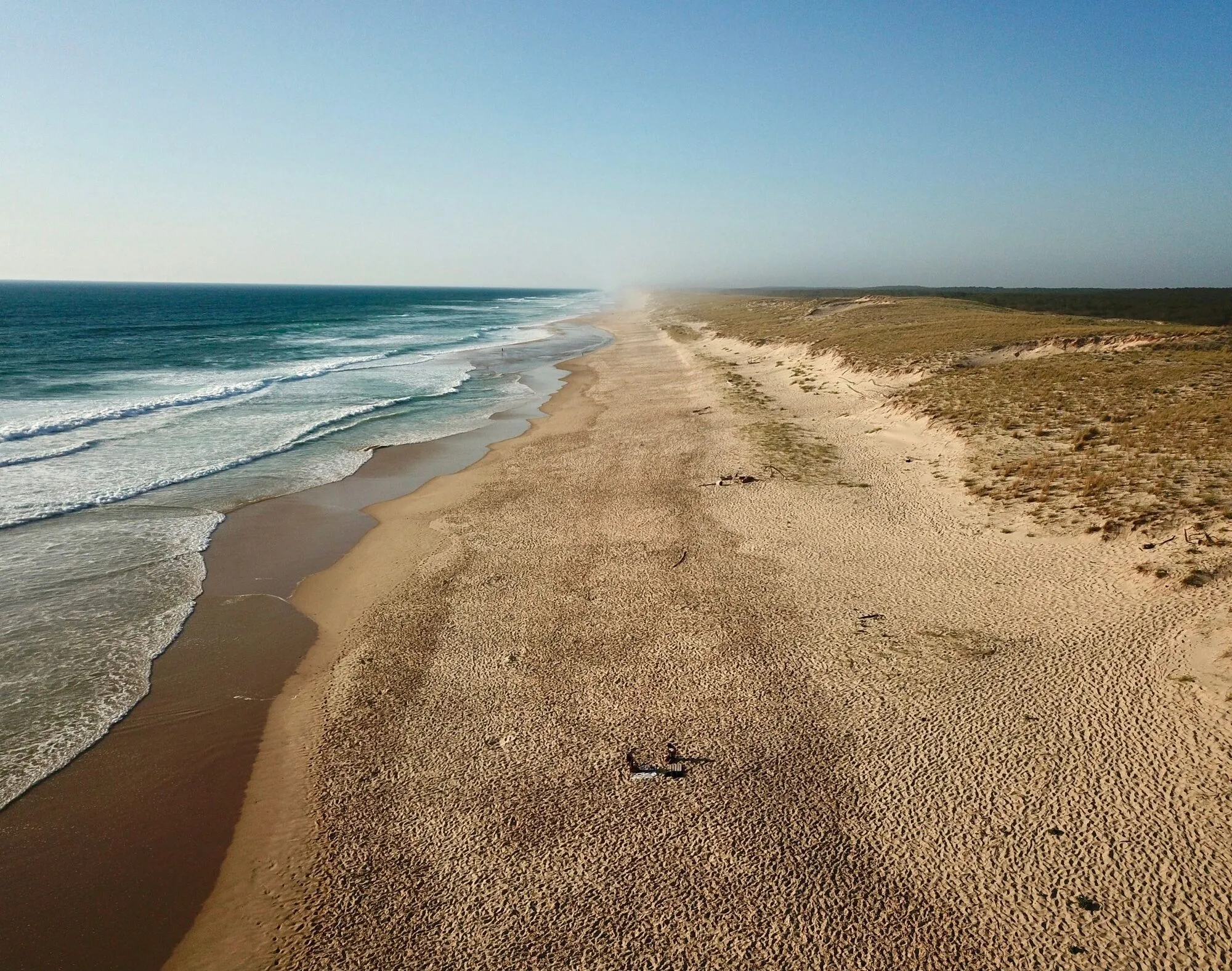
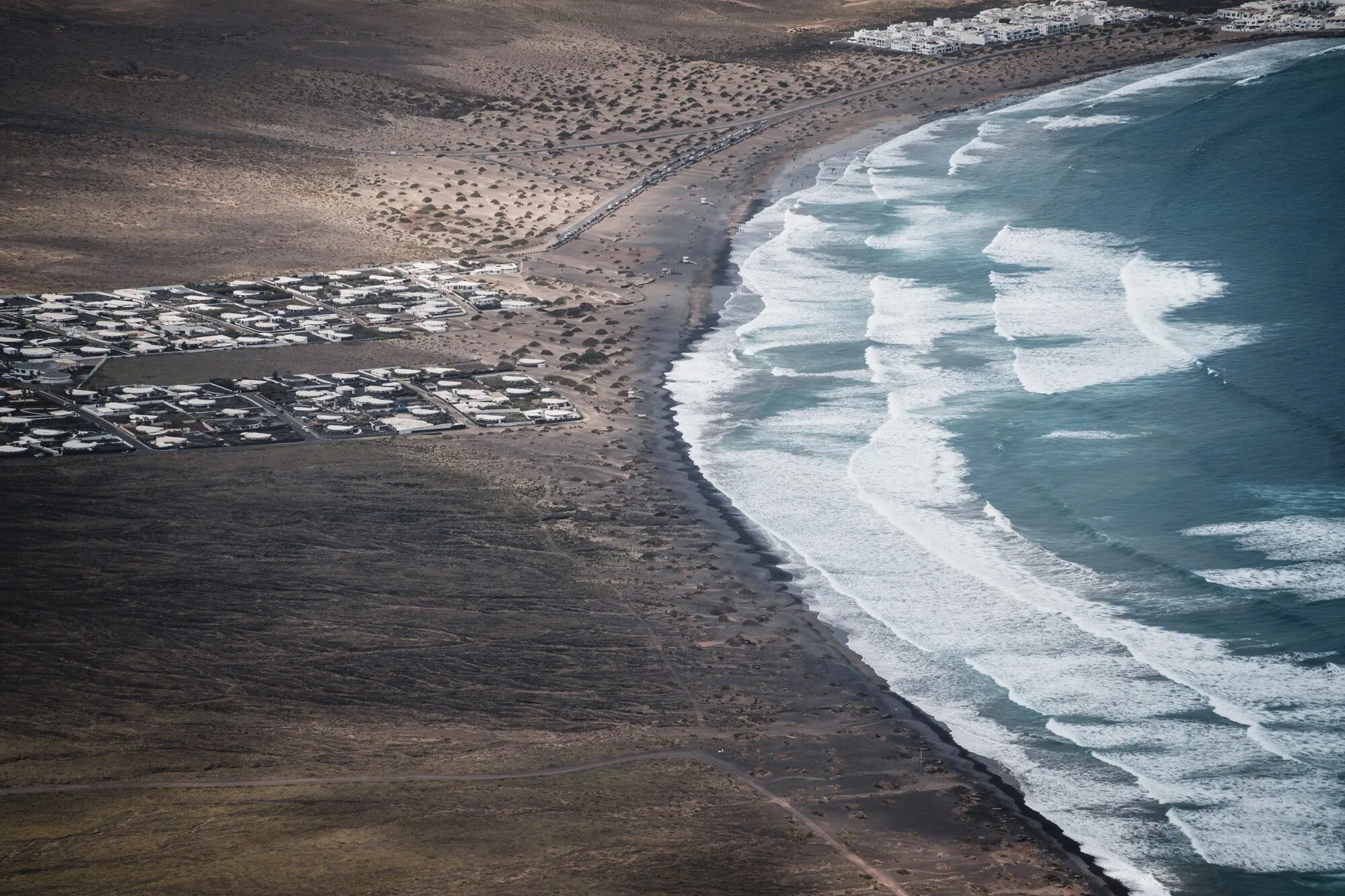
Waves and coastline at Puerto Escondido

Guides · Mexico

Puerto Escondido

Home of the Mexican Pipeline

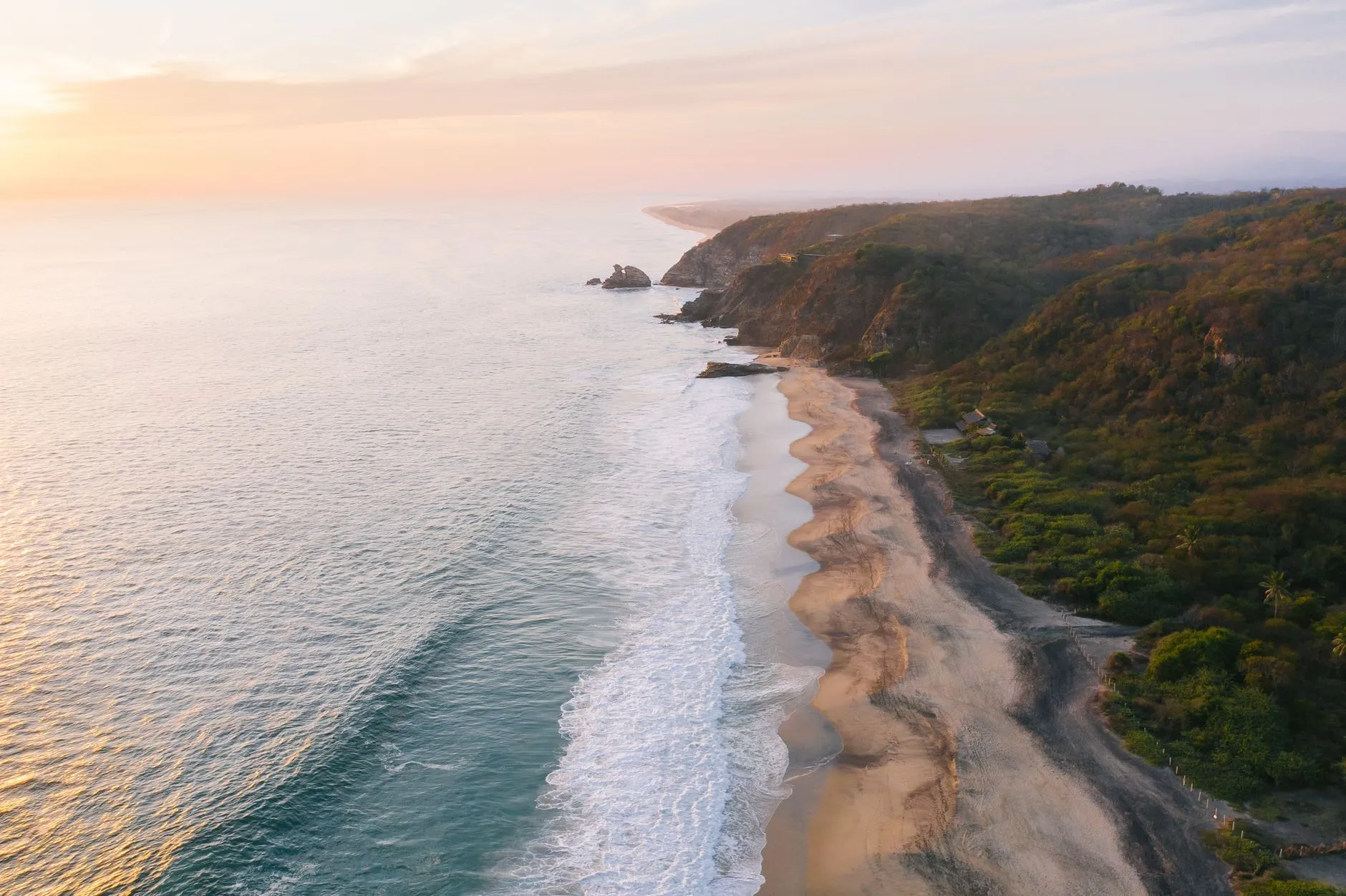
Somewhere on the road down from the Oaxacan highlands the pines give way to palms, and at the bottom sits a fishing town that happens to face one of the heaviest stretches of sand-bottom ocean on the planet. Zicatela beach runs along the front of it, and when the southern hemisphere sends swell between April and October, the sandbar stands the whole Pacific up into barrels that break boards the way other waves break lips. Locals call it the Mexican Pipeline without a trace of irony, and the lifeguards fly their flags like they mean it, because they do.

The trick of Puerto Escondido is that all that heaviness is optional. Walk ten minutes north and Carrizalillo is a swimming-pool cove at the bottom of a long staircase where the town teaches its first timers; drive to the south end and La Punta peels down a rocky point in front of barefoot sandy lanes full of loggers and backpackers. Mornings are glassy almost all year, afternoons blow onshore, the water holds 27 to 29°C every month, and nobody has ever packed a wetsuit. Come for the wave of your life or just to watch it from the sand with a michelada: both are legitimate programs here.

Best months
April to October for serious Zicatela; November to March for the gentle corners
Water
27 to 29°C every month of the year, boardshorts forever
Levels
Carrizalillo's whitewater to Zicatela at triple overhead
Getting there
Fly in from Mexico City or Oaxaca City; everything but the day trips is a short taxi or a walk

The map

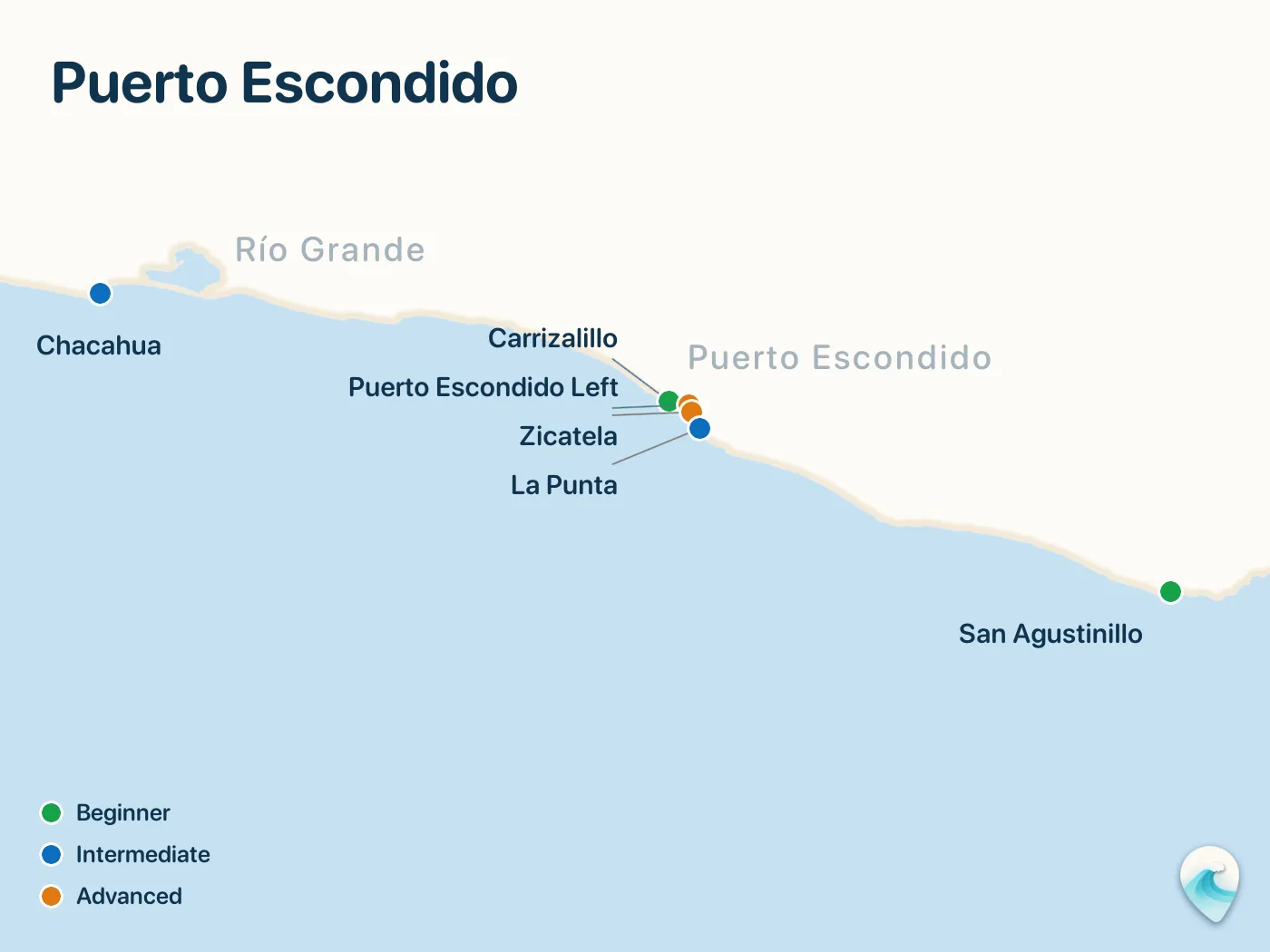
The Puerto Escondido surf map

Map of the Puerto Escondido surf spots described in this guide, with numbered markers

Map data © OpenStreetMap contributors © CARTO

The spots

The 6 spots that matter

The main event

Zicatela is why the word Puerto means something in every surf town on Earth: sand-bottom Pipeline, board graveyard, the wave the whole street watches at sunset. The left at the town end trades some of that violence for a wall with room to think. Neither is a place to learn; both are worth the trip just to witness.

Puerto Escondido Left

Zicatela · Heavy beach break left

Advanced

The left that runs off the bars at the town end of Zicatela, toward the rocks below the lighthouse hill. On the days between swells it is the thinking surfer's Zicatela: the same ocean with a fraction of the cameras, a wall that lets you set a line instead of just surviving the drop. When the season is pumping it closes the gap fast and becomes exactly as serious as the main peak, so read it from the sand like everyone else. The rip along the rocks is the paddle out; respect it as a moving walkway, not a swimming route.

Zicatela

Puerto Escondido · Beach break barrel

Advanced

The Mexican Pipeline: an offshore canyon aims open Pacific at a shallow sandbar, and the result is the heaviest beach break barrel on Earth. From May to October it breaks boards daily, snaps leashes like party favors and humbles touring pros in front of a beach full of witnesses. The lifeguard towers fly a flag system and the guards know the bars better than anyone; talk to them before you even think about waxing up. There is no shame in watching from the sand at sunset with everyone else, because that show is half the reason the town exists.

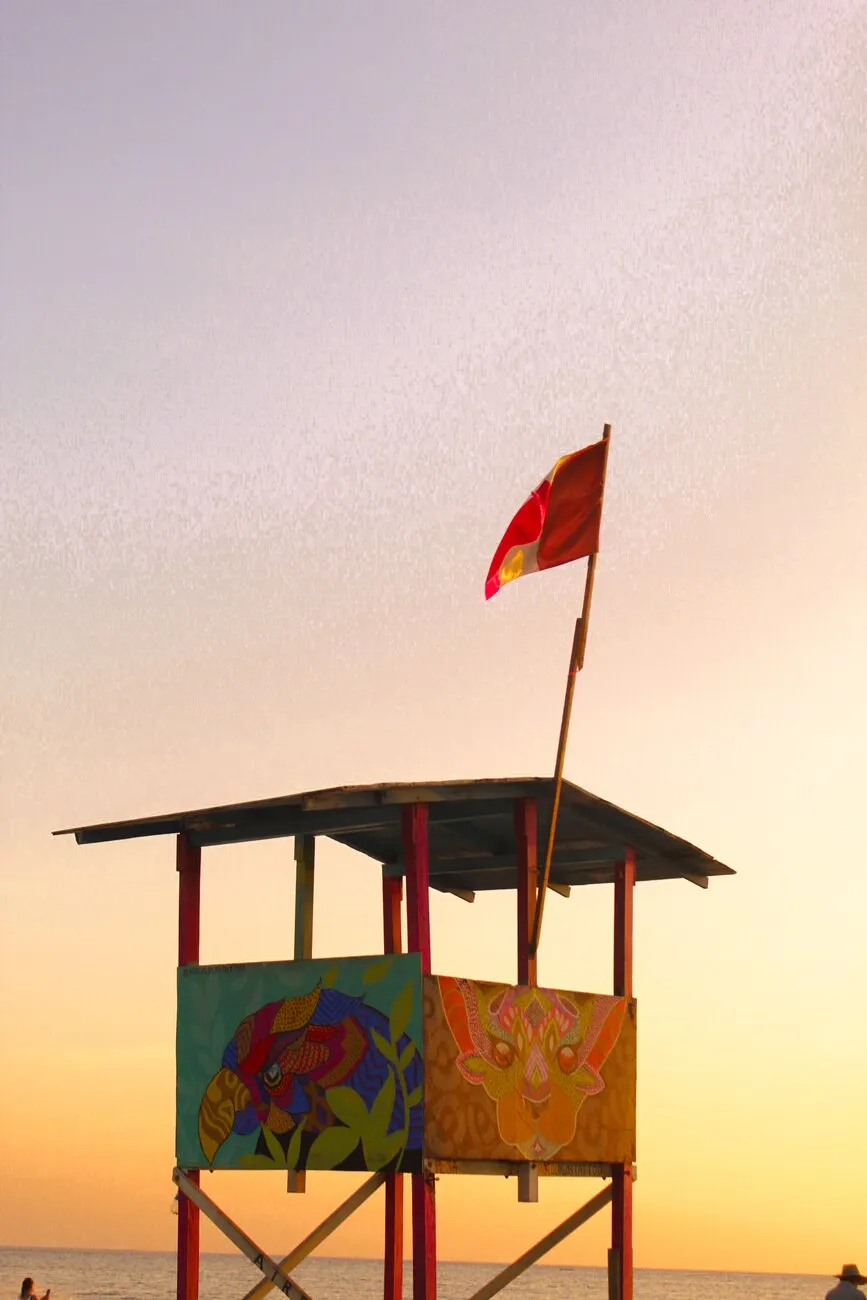
Red flag on the lifeguard tower, Puerto Escondido

The gentle corners

The same town, a completely different sport. Carrizalillo's cove serves first waves in water like a pool, and La Punta's left point keeps everyone from loggers to lesson kids busy while Zicatela detonates out of sight. From November to March, when the big swells sleep, these two corners are the whole program.

Carrizalillo

Puerto Escondido · Sheltered cove

Beginner

A horseshoe of clear water at the bottom of about 160 steps, and the reason you can honestly bring a beginner to the town with the world's heaviest beach break. The rights and lefts peel soft and slow over sand, the schools run all morning, and the cove wall keeps the season's bombs outside. Count the climb back up with a board under your arm as the day's real workout. Go early: by ten the stairs are a procession of soft-tops.

La Punta

Punta Zicatela · Left point

Intermediate

The rocky point at the south end of the beach, where Zicatela's leftover energy bends into a left you can actually have fun on. The lineup is the town's social scene: loggers, backpackers, kids on their third week and the odd pro warming down, all trading long walls that get hollow when the swell is up. Behind the beach the streets are sand, the cafes serve smoothie bowls, and nobody has worn shoes since 2019. Watch the urchins on the rocks at low tide and give the inside crowd the patience it needs.

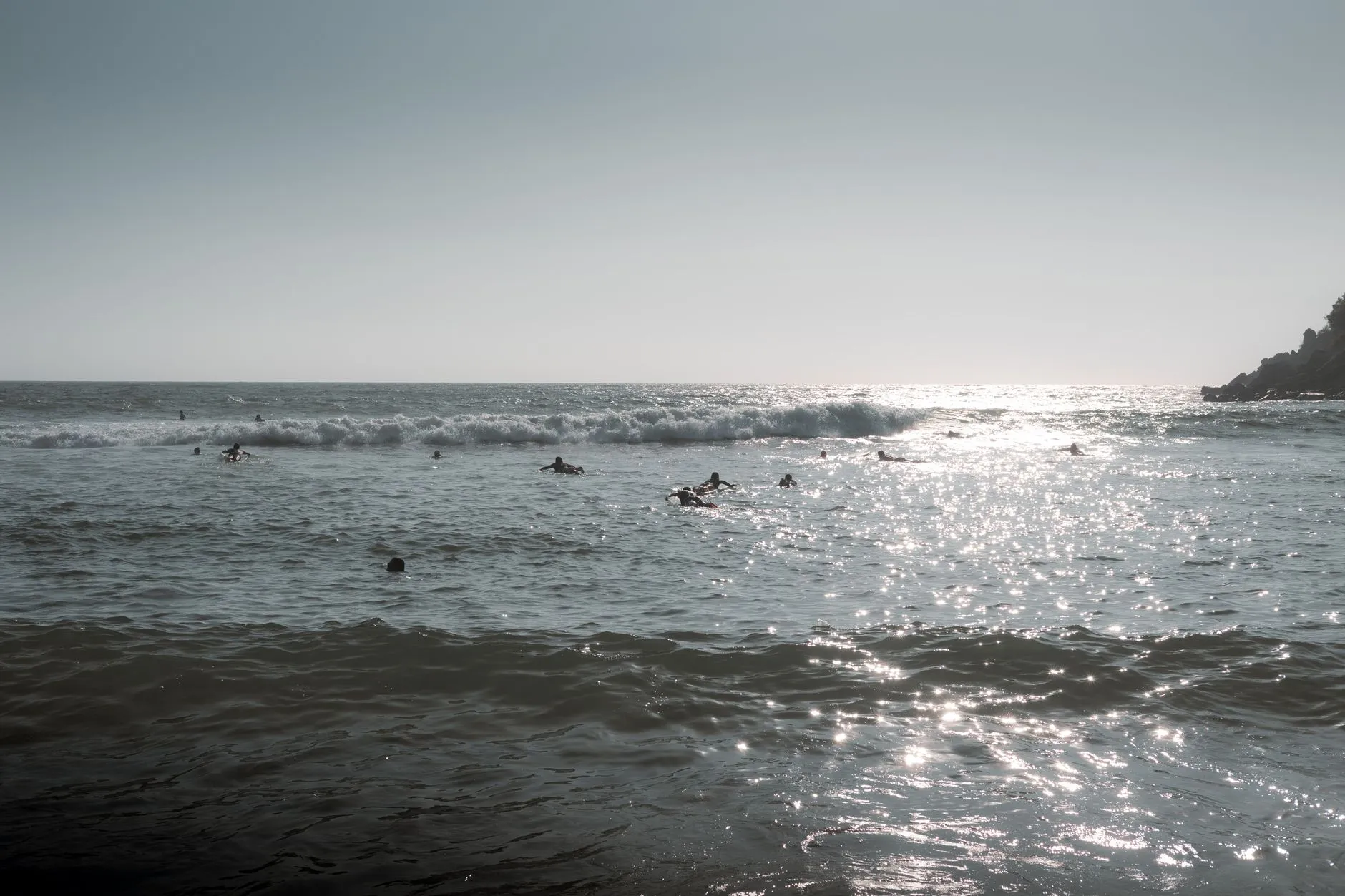
A glassy lineup waits for a set, Puerto Escondido

The day trips

West across a lagoon full of birds and night-time glow, Chacahua stretches the same swell into a long sandy left and slows the clock to boat speed. East past Mazunte, San Agustinillo keeps three quiet coves and the coast's best fish on a plate. Both remind you that Oaxaca had a rhythm long before surf forecasting.

Chacahua

Lagunas de Chacahua · Sand-bottom point

Intermediate

The escape hatch: two hours west, then a launch across the lagoon of a national park where the mangroves are full of herons and the water glows with bioluminescence on dark nights. The wave at the rivermouth is a long sand-bottom runner that takes Zicatela's same swell and stretches it into something you can actually ride. Stay a night in a cabaña, because the boat schedule, not the surf, decides your day. Bring cash and repellent; there is no bank and the mosquitoes are locals too.

San Agustinillo

Mazunte · Beach break peaks

Beginner

The sleepy day trip east: an hour and a half down the coast road, past Mazunte's turtle sanctuary, to a village of three coves where fishing pangas still outnumber surfboards. The middle beach holds punchy little rights and lefts over sand, gentler than anything back home in Puerto, and the far corner softens enough for a first green wave. Surf at dawn, eat fish that was swimming that morning, then walk Punta Cometa at sunset like everyone in Mazunte does. If the swell is big everywhere else, this is where you salvage the day.

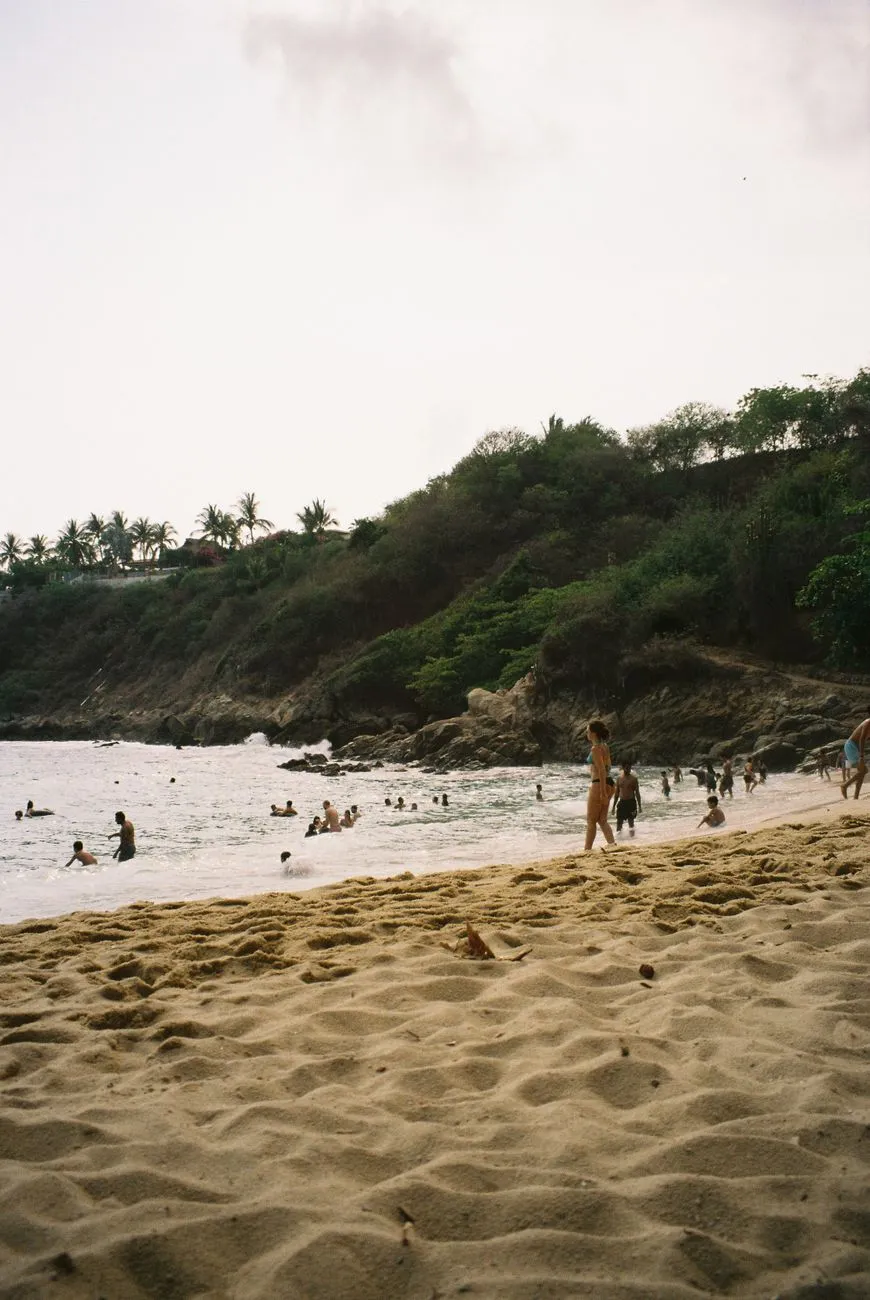
Swimmers and shade below the steps at Carrizalillo

When to go

A year in Puerto Escondido

Typical conditions, month by month. The ocean did not sign this table: for live waves, wind and tide, check the app.

January

2-4 ft

81°F · boardshorts · All levels

Dry season glass. Zicatela naps, La Punta peels chest high, and the sunsets do their finest work of the year.

February

2-4 ft

81°F · boardshorts · All levels

Small, clean and warm. The corners work daily, the schools are full, and the point never gets truly flat.

March

3-5 ft

81°F · boardshorts · All levels

The first southern pulses test the bars. Zicatela stirs on the best days while everyone else stays on the mellow program.

April

4-6 ft

82°F · boardshorts · Intermediate

The season opens. Real south swells arrive, the first boards break, and the town's photographers dust off their long lenses.

May

5-8 ft

84°F · boardshorts · Advanced

Solid and consistent. Zicatela barrels most mornings, the Left starts doing its best work, and the flags start meaning things.

June

6-12 ft

84°F · boardshorts · Expert

Big season begins. The world's heavy-water names check in, the beach fills at dawn to watch, and Carrizalillo keeps the rest of us honest.

July

6-12 ft

84°F · boardshorts · Expert

Peak Puerto. Back-to-back south swells, closeouts that shake the sand, and the year's best barrels for the few who belong out there.

August

6-12 ft

84°F · boardshorts · Expert

Still pumping, now with rain that arrives politely in the evening. Mornings stay glassy; the board repair guys stay rich.

September

5-10 ft

84°F · boardshorts · Advanced

Hurricane roulette. A storm parked offshore can turn an ordinary week into the swell of the decade; watch the charts and the flags.

October

4-8 ft

84°F · boardshorts · Advanced

The season exhales. Fewer crowds, still-serious days at Zicatela, and the Left often at its cleanest before the size fades.

November

3-5 ft

82°F · boardshorts · All levels

The handover month. The monster rests, the corners take the stage, and suddenly Puerto is a place you could bring your family.

December

2-4 ft

81°F · boardshorts · All levels

Warm water, small waves, offshore mornings. Learn at Carrizalillo, log at La Punta, and eat your weight in tlayudas.

Good to know

When is the best time to surf Puerto Escondido?

It depends on which Puerto you want. For Zicatela at full power, come between April and October: the southern hemisphere sends swell after swell, June to August is the biggest, and late season adds hurricane roulette. For learning and mellow point waves, November to March is the answer, when the ocean shrinks, the mornings stay glassy and La Punta and Carrizalillo run the show. The water is 27 to 29°C whichever half you choose.

Is Puerto Escondido good for beginners?

Yes, as long as you stay in the right corners. Carrizalillo is a sheltered cove with slow sand-bottom peelers and schools running every morning, and La Punta's inside offers the next step up. The one rule with no exceptions: beginners do not paddle out at Zicatela, in any season, at any size. Locals will tell you the same thing, and the lifeguards will tell you first.

How dangerous is Zicatela really?

As dangerous as its reputation, which is saying something. The wave breaks in shallow water over hard-packed sand, closeouts are constant, and the rips move faster than most people swim; boards die here daily in season and swimmers have died here too. The town treats it accordingly: professional lifeguards, a flag system, jet skis on the big days. Respect the flags, talk to the guards before paddling, start at the corners, and never treat it as a place to swim.

Do I need a wetsuit in Puerto Escondido?

No. The water sits between 27 and 29°C every month of the year, so boardshorts or a swimsuit is the uniform, with a rash vest for the sun rather than the cold. What you should pack instead: strong sunscreen, a backup leash, and a step-up mindset, because the sun and the shorebreak are the two things here that never take a season off.

More surf guides

See all surf guides →