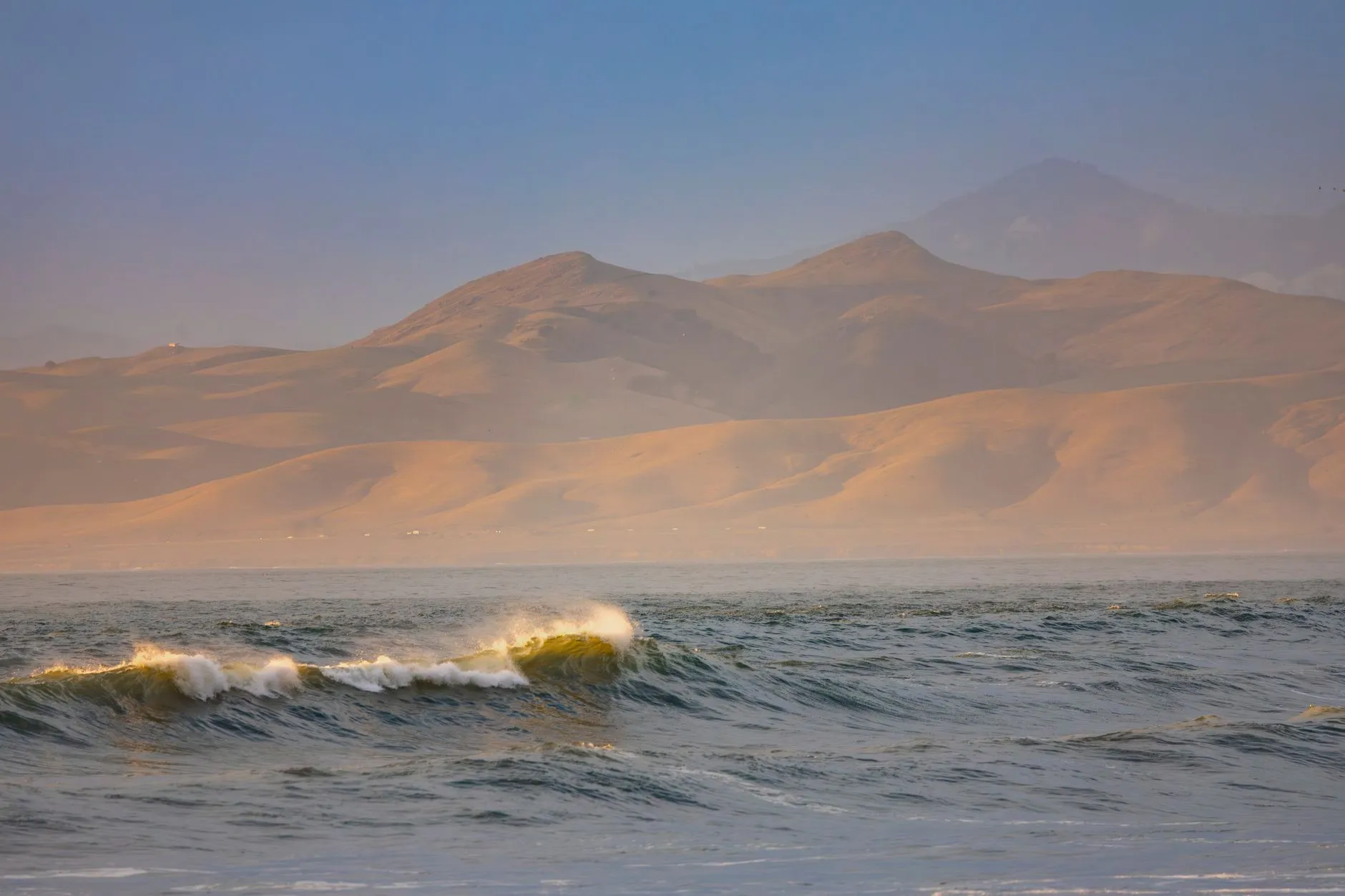
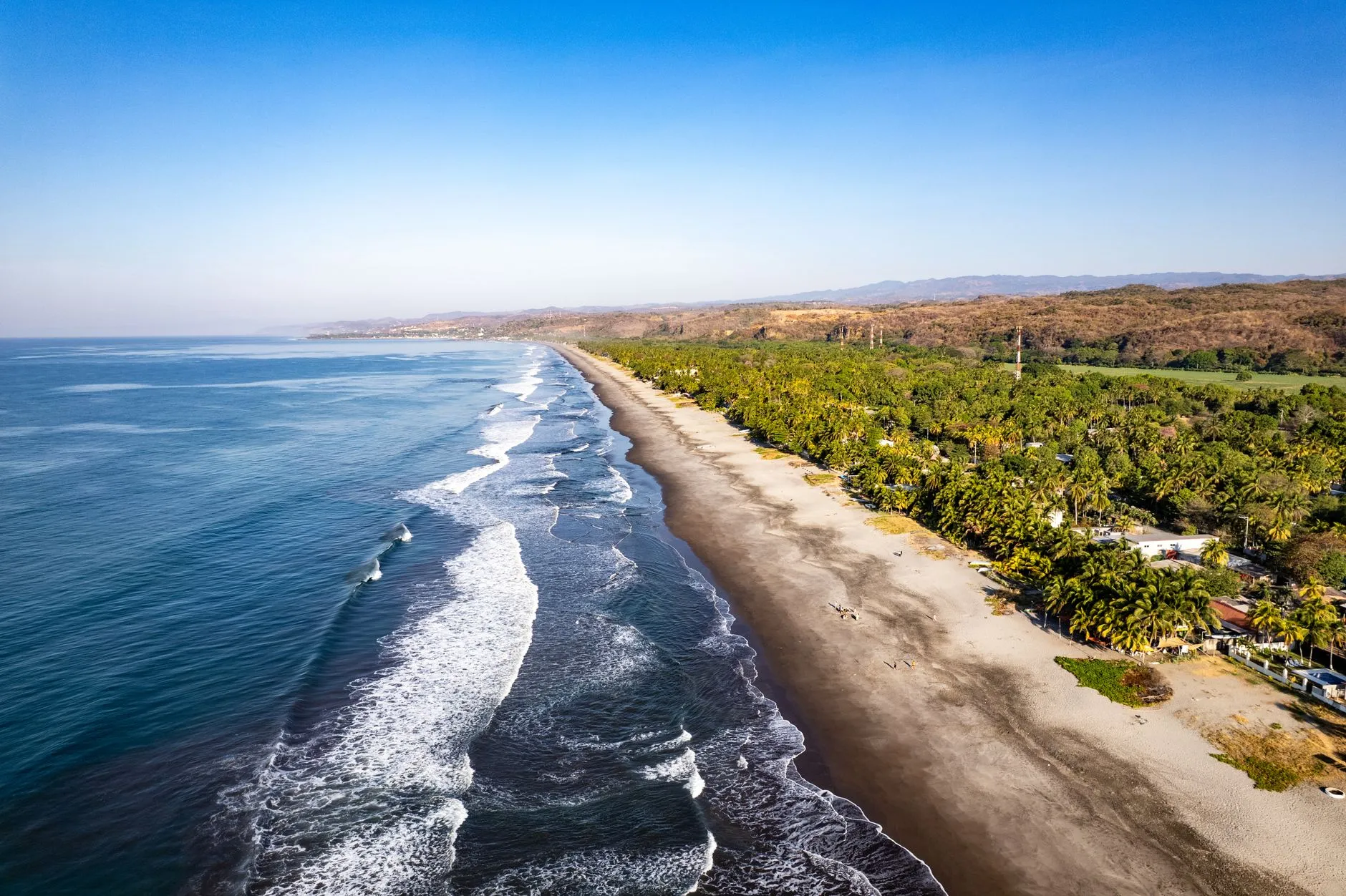
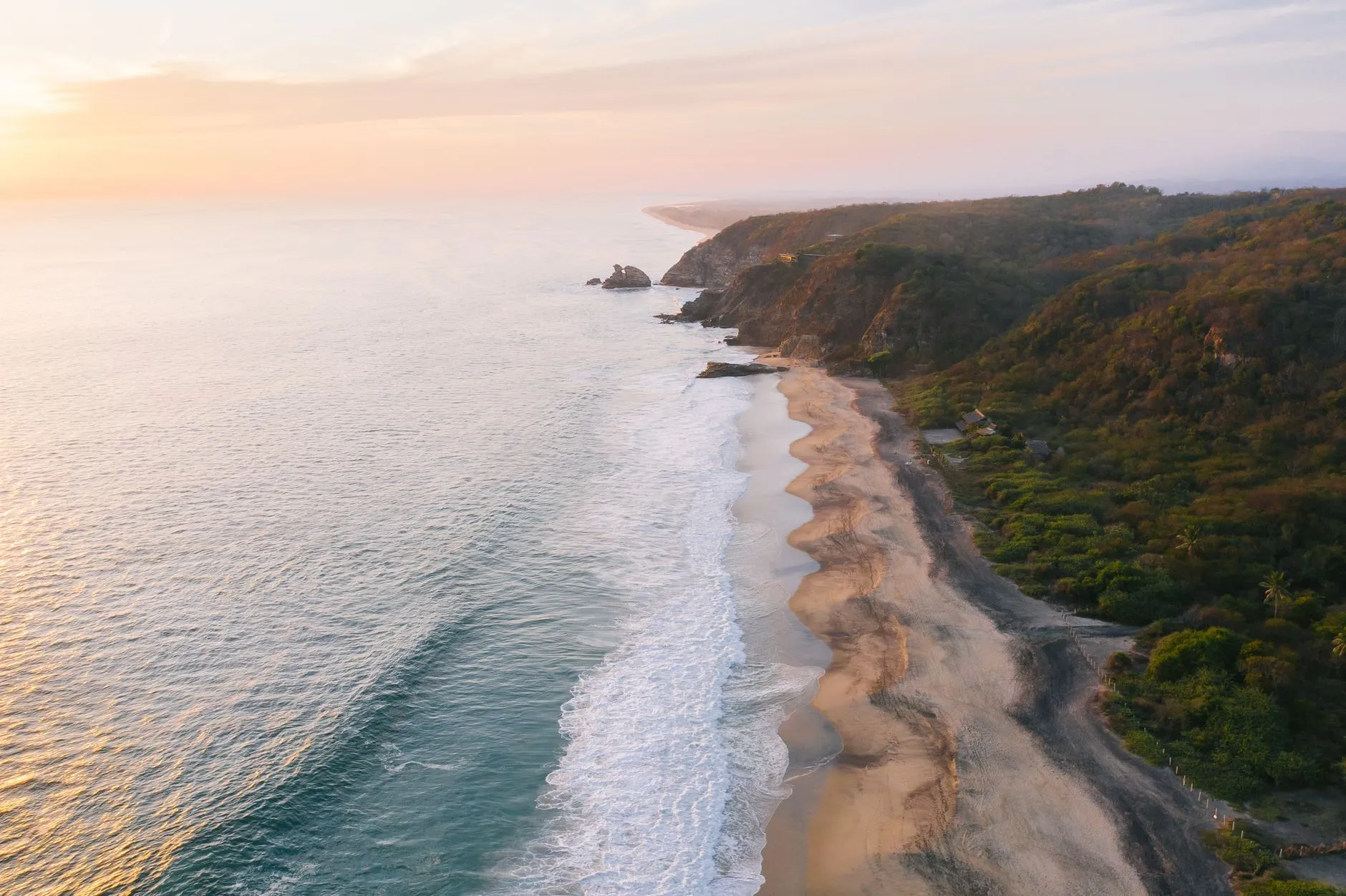
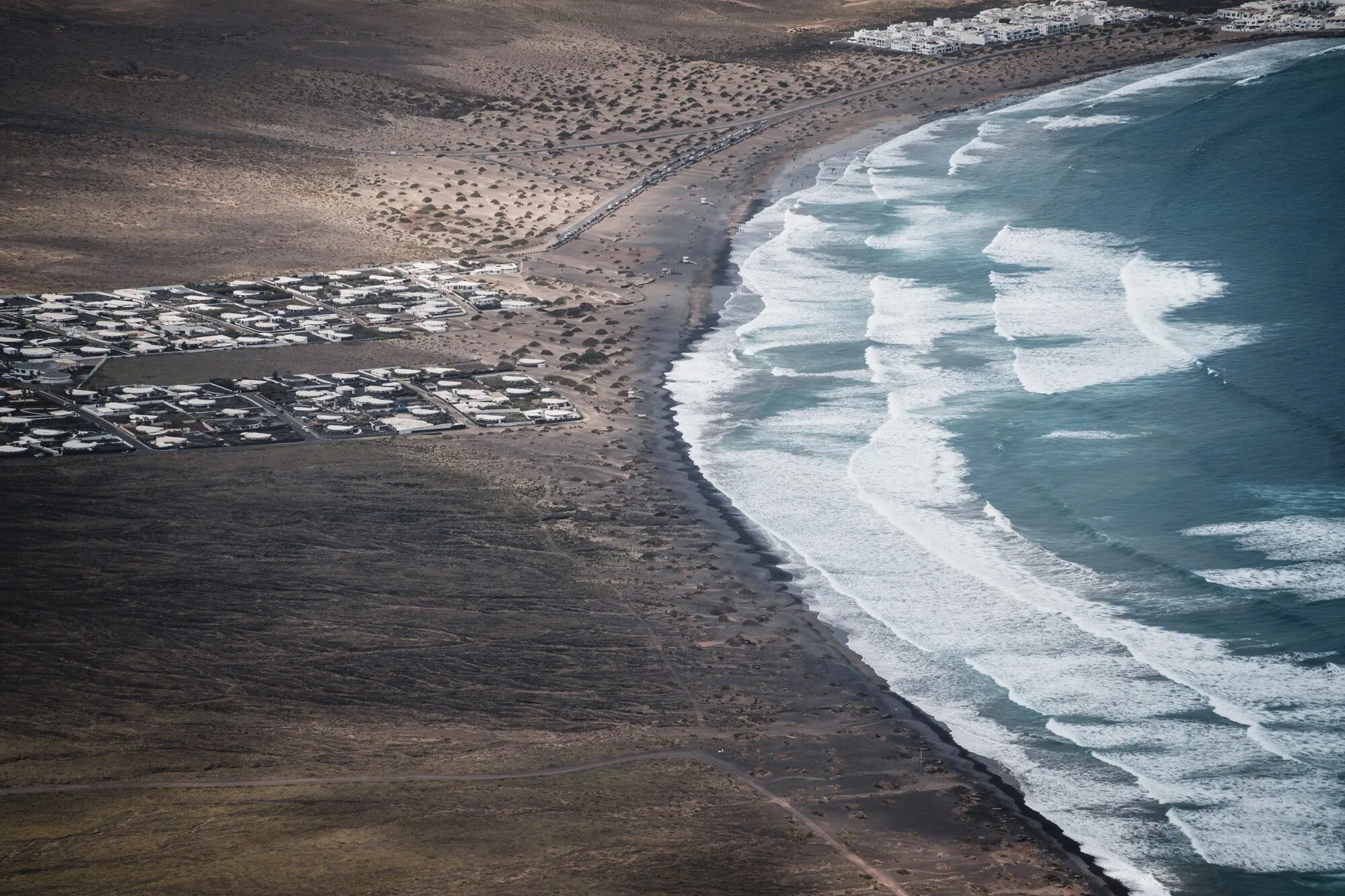
South of the equator, Peru's coast forgets how to rain. The Andes wall off the clouds, the Humboldt Current chills the sea, and what remains is a thousand kilometers of desert running straight into the Pacific: dunes the color of cardboard, fishing villages painted the colors the desert refuses, oil piers rusting in the haze. Hemingway came to Cabo Blanco in 1956 to fight giant marlin; in Huanchaco, fishermen still ride the surf home on caballitos de totora, reed boats older than the Incas. Nobody planted a palm tree for you here, and that is exactly the charm.
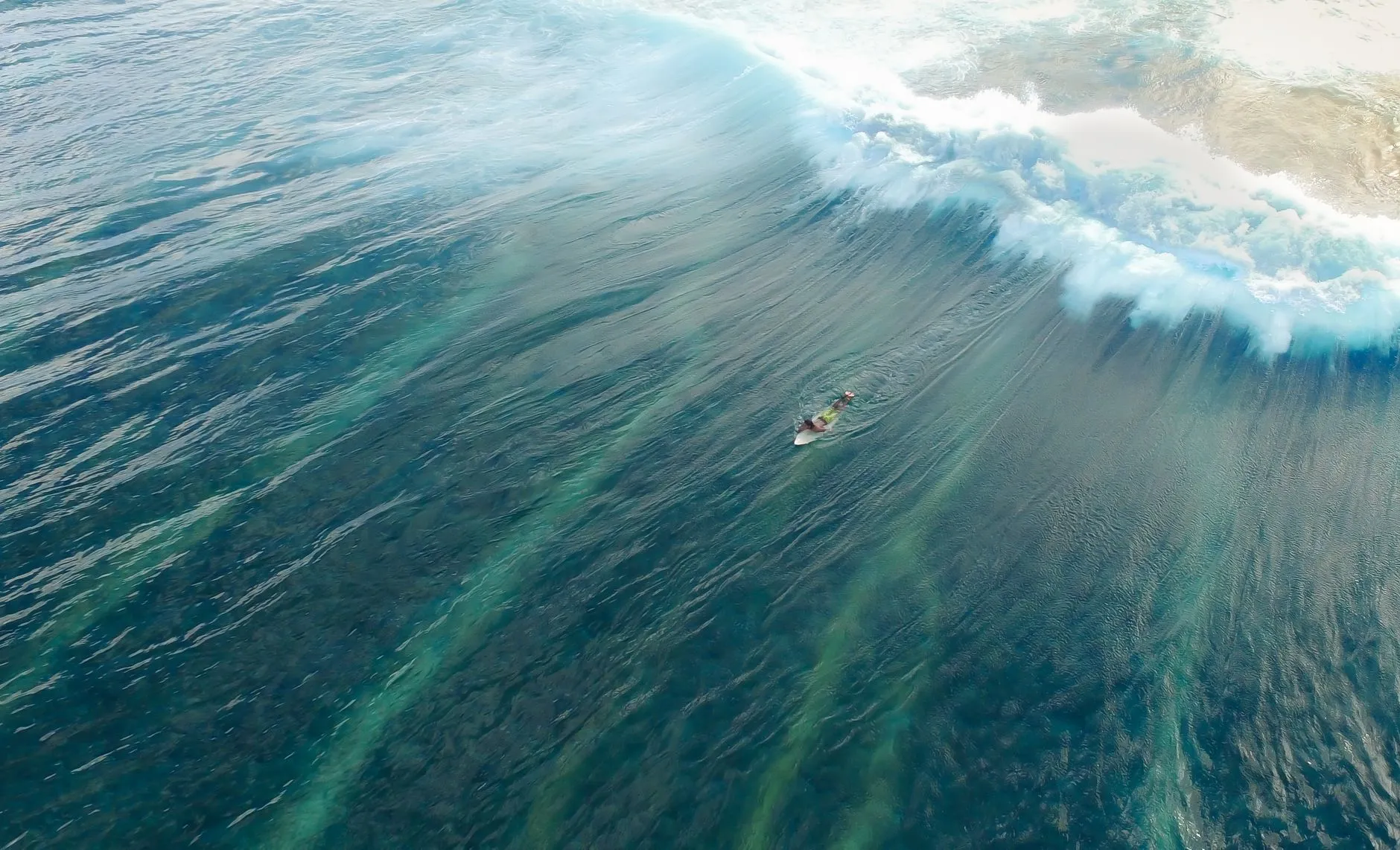
What this desert hides is simple and outrageous: sand-bottom points where a left peels for minutes, not seconds. Chicama on a good day links its sections for more than two kilometers, and your legs give out before the wave does. Plan for two coasts in one: the far north around Máncora holds near-tropical water and fires on north-west swell from October to March, while Lobitos and the long points to the south feed on the Humboldt's south swells from April to October, in water cold enough for a real wetsuit. It almost never rains, the morning wind runs side-offshore down every point, and somewhere on this coast there is always a left.
Best months
April to October for the long lefts; October to March in the warm north
Water
22 to 26°C around Máncora, 15 to 19°C at Chicama: two seas on one coast
Levels
From Huanchaco's whitewater to the Cabo Blanco barrel
Getting there
Fly to Talara for the north or Trujillo for the long lefts, both via Lima; the Panamericana does the rest
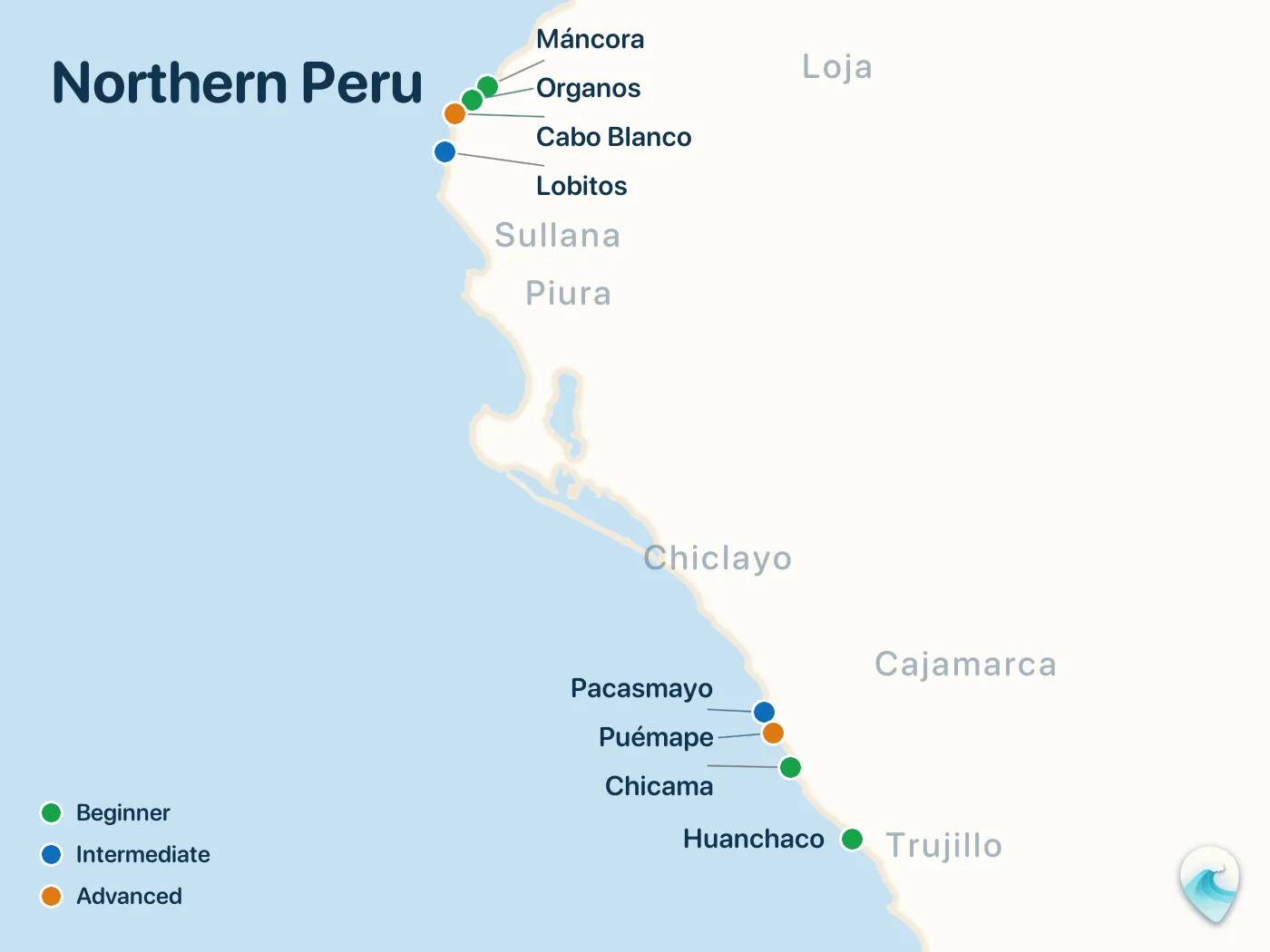
Three points along half an hour of coast, near-tropical water and a season that runs against the rest of Peru: October to March, on north-west swells. Máncora for ease, Los Órganos for calm, Cabo Blanco when it turns serious.
Máncora
Piura · Sand-bottom left point
Beginner
Peru's party town keeps a soft left rolling around its rocky point and onto sand, right in front of the restaurants, in water warm enough for boardshorts most of the year. Longboarders own the outside, beginners get a forgiving inside, and the surf schools fill the space between. It is crowded, loud and easy, the only place on this coast where nightlife is a planning factor. Learn here, eat well, then use it as a base for everything south.
Organos
Piura · Mellow left point
Beginner
Twenty minutes south of Máncora and a decade quieter: Los Órganos is a slow, generous left wrapping in front of a village that still smells of fish rather than sunscreen. The takeoff gives you time, the shoulder keeps reforming, and the local longboarders treat it as their living room. When the surf drops, drive to the pier at El Ñuro and swim with the green turtles that hang around the fishermen's lines. This is the far north at its gentlest.
Cabo Blanco
El Alto · Barreling left over shallow rock
Advanced
In 1956 Hemingway drank at the fishing lodge here between rounds with giant black marlin; the pilgrimage now is for a short, violent left that spits over shallow rock right by the pier. On the right north-west swell it compresses everything a barrel should be into a few seconds, then shuts down on dry stone. The village is still a working caleta, boats winched up the ramp each night, and the small local crew has earned its wave. When it maxes out or the crowd thickens, the experienced paddle around to Panic Point, the swell magnet a few hundred meters south. Watch a few sets from the wall before you even consider any of it.
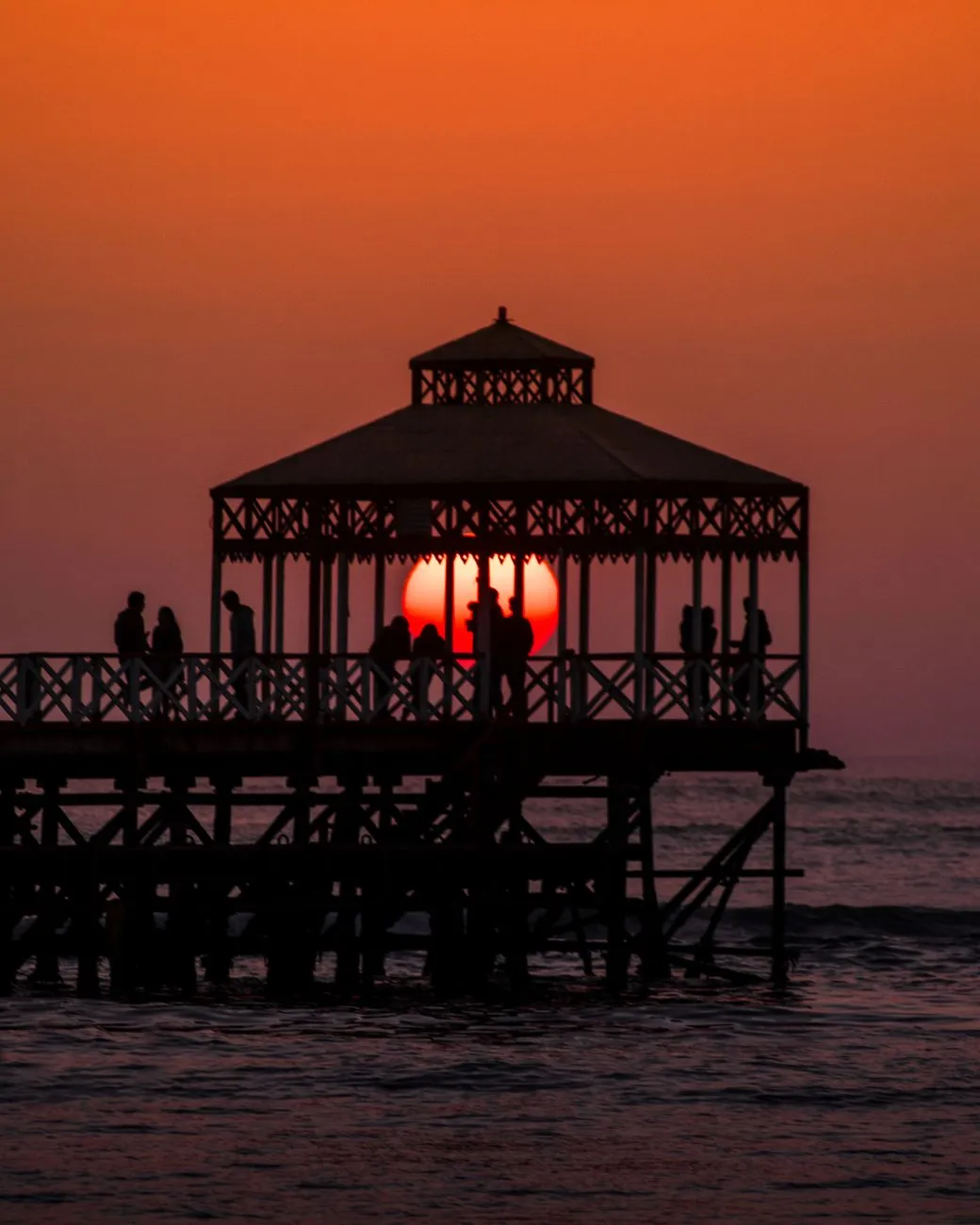
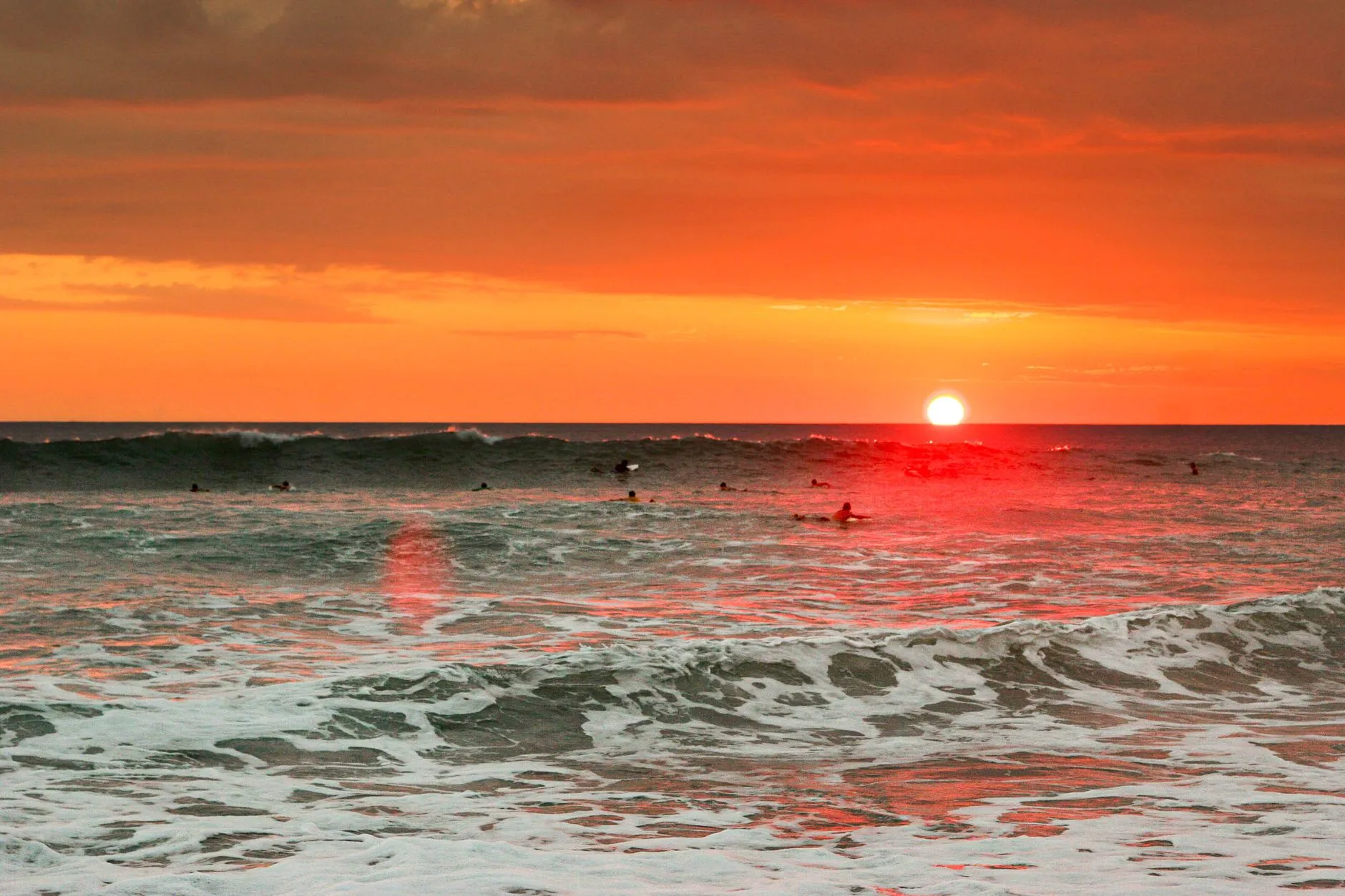
The sun sets through the pier pavilion at Huanchaco
The oil coast
Around Talara the desert smells faintly of crude and the pumpjacks nod along the road. Lobitos is worth the detour on its own: one great left in front of the ghost town, gentler Piscinas and hollower El Hueco a walk away, and the Humboldt's chill already in the water.
Lobitos
Talara · Fast hollow left
Intermediate
An oil town the ocean refused to give up: wooden houses from the British era peeling in the wind, pumpjacks nodding behind the dunes, pelicans on the ruined pier. In front of it all breaks one of Peru's best lefts, fast and hollow over sand, with Piscinas, El Hueco and Baterias within walking distance when the main point stacks up. The water already carries the Humboldt's chill, colder than the latitude has any right to be. Half ghost town, half surf camp, Lobitos gets under your skin.
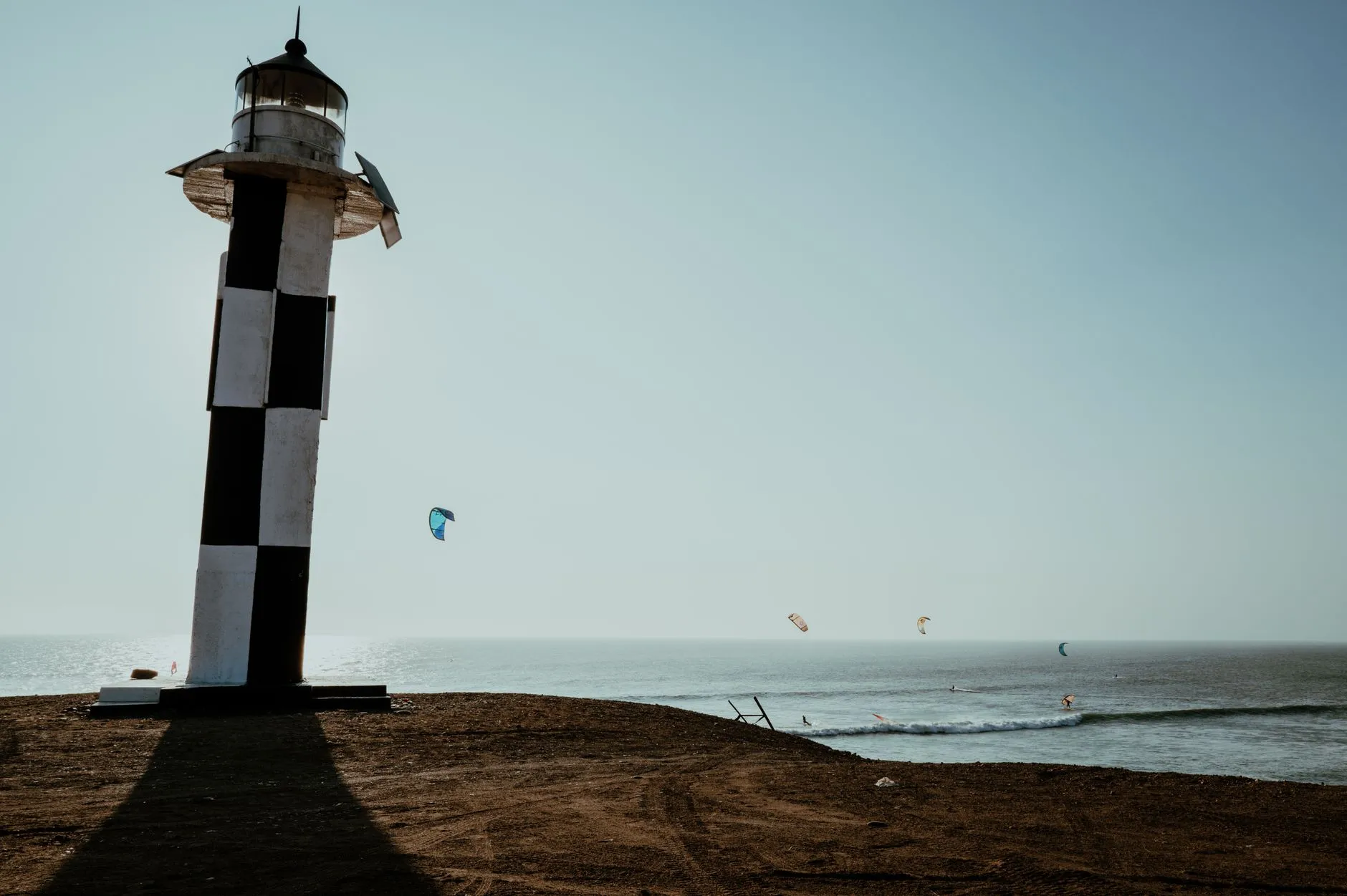
The lighthouse at Pacasmayo, kitesurfers riding the wind that never stops
The long lefts
South of the Sechura desert the coast becomes a conveyor of sand points: Pacasmayo, Puémape, Chicama, Huanchaco. From April to October the south swells turn these into the longest rideable waves on the planet. Bring a 4/3 and unlearn everything you know about short rides.
Pacasmayo
La Libertad · Kilometer-long left point
Intermediate
A faded resort town with a Victorian pier, and off the lighthouse a left that runs for more than a kilometer when the south swell lines up. It needs less size than Chicama to start working and holds more when it pumps, which is why plenty of surfers who came for the famous wave end up riding this one more. The wind is the constant: side-offshore, building through the day, grooming the wall and feeding the kitesurfers downwind. Paddle far, ride long, walk back through the desert, repeat until your shoulders resign.
Puémape
San Pedro de Lloc · Left point off dark rocks
Advanced
Halfway between Pacasmayo and Chicama, a short turnoff drops from the Panamericana to a huddle of summer houses that sit empty most of the year. The left peels off a spine of dark rock into the bay, steeper on takeoff and quicker down the line than its famous neighbors, with beach-break peaks along the sand when it is small. Peruvian surfers rate it and traveling surfers drive past, which tells you what the lineup looks like. There is not much of anything here; bring water, wax and a full tank.
Chicama
Puerto Malabrigo · The longest left on Earth
Beginner
The reference for every conversation about long waves. From the top the sections have names: Malpaso, Keys, El Point, and on a solid south swell they join into more than two kilometers of peeling left, rides measured in minutes rather than turns. Boats idle at the bottom to shuttle you back up the point, which is not laziness but survival, because your legs cramp before the wave ever closes out. The wave itself is soft and shifty rather than hollow: intermediates feast here. The town of Puerto Malabrigo lives at the pace of the swell, and everyone leaves humbled by the geometry.
Huanchaco
Trujillo · Gentle left point
Beginner
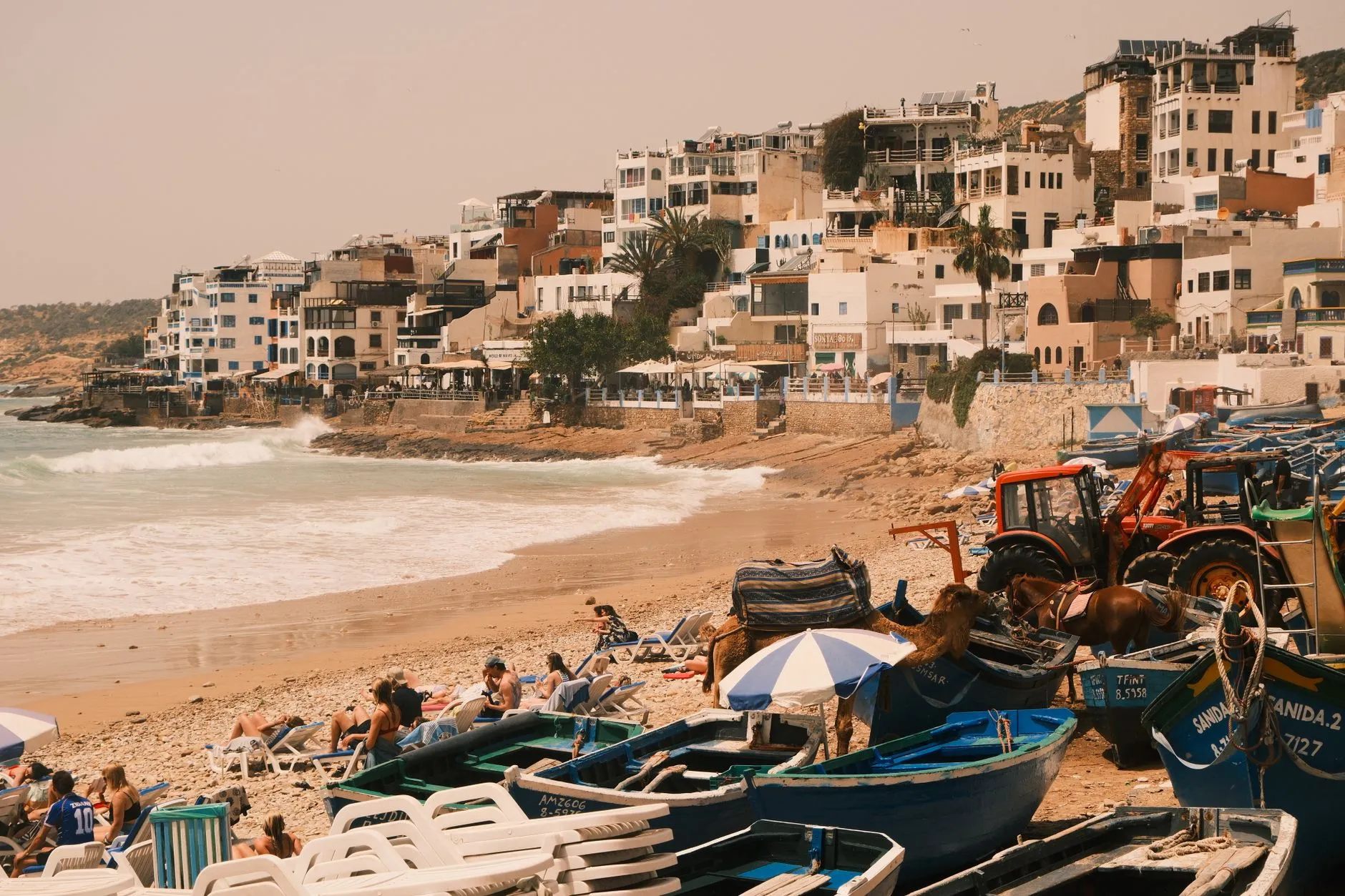
Fishermen here have surfed home on caballitos de totora, reed boats shaped by hand, for some three thousand years; the town did not import wave riding, it grew it, and its World Surfing Reserve status honors that. The left off the pier is long, gentle and slow, one of the best learning waves on the coast, with the caballitos still stacked upright along the seafront to prove the lineage. The garúa fog keeps mornings grey and the water cool, and the ceviche is among the best in Peru. Chan Chan, the ruined adobe capital of the Chimú, sits twenty minutes inland.
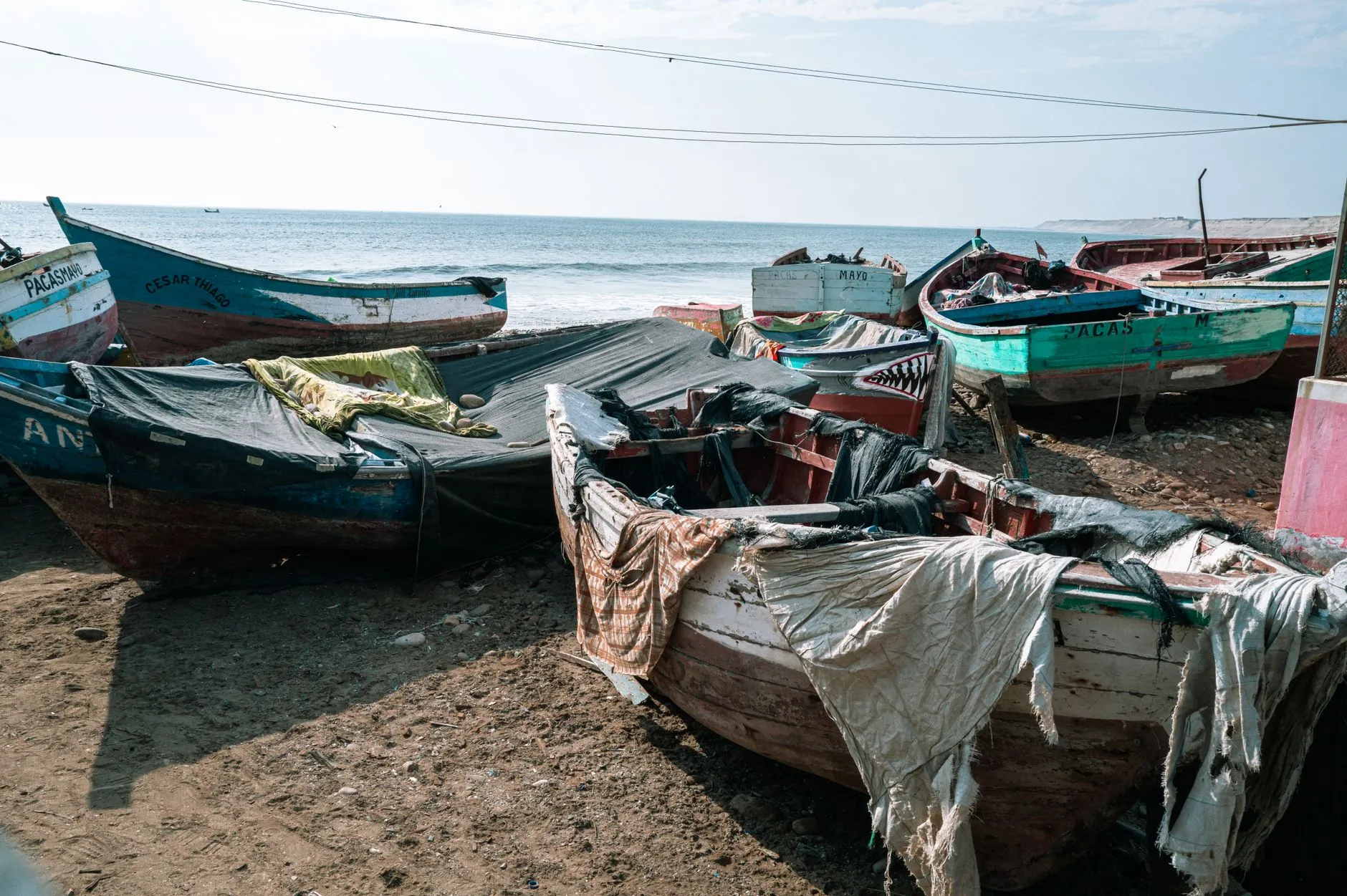
Working boats hauled out on the shore at Pacasmayo
When to go
A year in Northern Peru
Typical conditions, month by month. The ocean did not sign this table: for live waves, wind and tide, check the app.
January
3-5 ft
72°F · spring suit · All levels
High season in the warm north: boardshorts at Máncora, the first real barrels of the year when a north-west pulse finds Cabo Blanco. The south runs small and clean, longboard sizes at Chicama.
February
3-5 ft
73°F · spring suit · Beginner
The warmest sea of the year and the friendliest month up north. Learn at Máncora, snorkel El Ñuro, and let the experts watch the charts for the one swell that lights up Cabo Blanco.
March
3-5 ft
73°F · spring suit · All levels
The north's season stretches out its last weeks while the first south pulses brush the long points. A quiet, in-between month with waves at both ends of the coast.
April
4-6 ft
70°F · 3/2 or spring · All levels
The switch flips: the first real south swells wake Chicama and Pacasmayo while the water still forgives. Quietly the smartest month on this coast.
May
4-6 ft
66°F · 3/2 · Intermediate
The south season settles in: the points link sections more days than not, and the garúa fog turns desert mornings grey. Rubber on, crowds thin.
June
4-8 ft
63°F · 3/2 · Intermediate
Solid south swells and the year's first marathon rides. At Chicama the boat drivers start earning their keep.
July
4-8 ft
61°F · 4/3 · Intermediate
Peak season for the long lefts as the Humboldt digs in. Legs and shoulders give out before the swell does; the far north stays a warm escape.
August
4-8 ft
61°F · 4/3 · Intermediate
The most consistent month down south: 4/3 at Chicama and Pacasmayo, spring suits up in Máncora. Book the morning boats early.
September
4-6 ft
61°F · 4/3 · Intermediate
Still pumping, slightly tamer. The wind machine at Pacasmayo runs every afternoon, so surf the points at first light.
October
3-5 ft
63°F · 3/2 · All levels
The hinge month: the south season winds down as the first north-west energy reaches Máncora and Cabo Blanco. Both halves of this guide can work in the same week.
November
3-5 ft
66°F · 3/2 or spring · All levels
The north warms and wakes while the south goes quiet. Small clean lefts everywhere: a fine month to learn, or to bring the longboard.
December
3-5 ft
70°F · spring suit · All levels
North-west season proper: warm water, offshore mornings, and the first proper barrels at Cabo Blanco. Chicama needs luck, but you will have it to yourself.
Good to know
When is the best time to surf northern Peru?
There are two answers, because there are two coasts. The long lefts of Chicama, Pacasmayo and Huanchaco run on south swells from April to October, biggest from June to August. The warm far north around Máncora and Cabo Blanco works on north-west swells from October to March. Whatever month you pick, some stretch of this coast is breaking.
How long are the waves at Chicama, really?
On an ordinary swell you ride one section for a few hundred meters, which already outlasts most waves anywhere. On a solid south swell the sections, Malpaso, Keys, El Point, join up, and rides of over two kilometers become possible: minutes on one wave, legs burning, with a boat waiting to run you back up the point. Nobody rides it end to end at full speed; the wave is not the limit, your thighs are.
What wetsuit do I need in northern Peru?
Depends which half you are in. From Máncora to Cabo Blanco the sea sits between 22 and 26°C: boardshorts or a spring suit cover the whole year. From Lobitos south the Humboldt Current takes over: a 3/2 works from November to May, and from June to October, Chicama, Pacasmayo and Huanchaco drop to 15 or 16°C and a 4/3 is the honest call. It never really rains, but the wind adds chill on long point sessions.
Is northern Peru good for beginners?
Very. Huanchaco's slow left has been teaching people to stand for generations, with schools on the seafront and a town built around the water. Máncora adds warm water and an easy sand point, and Piscinas near Lobitos rolls softly while the experts fight over the main peak. The only real adjustments are the cold water in the south, and points that reward patient positioning over brute paddling.