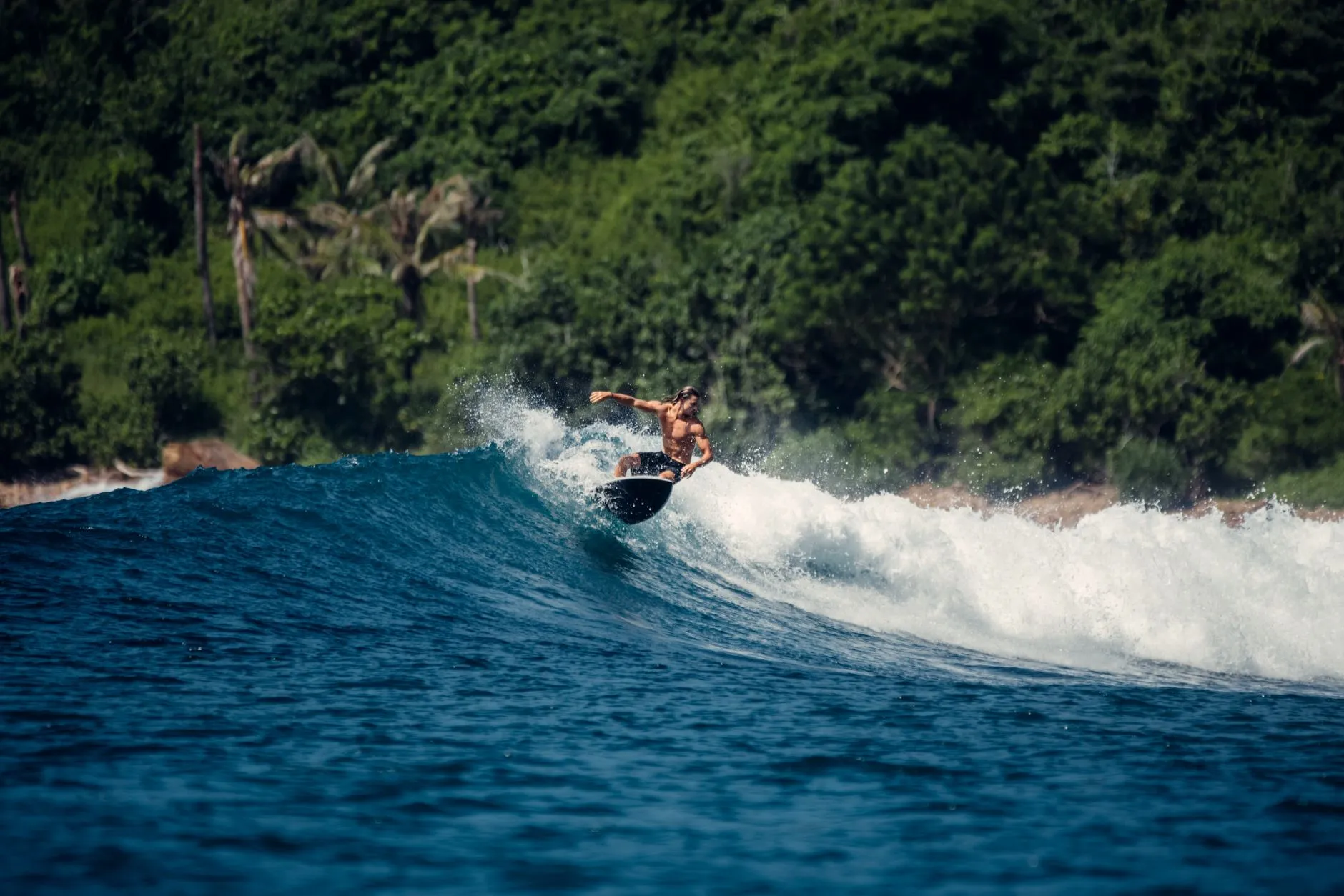
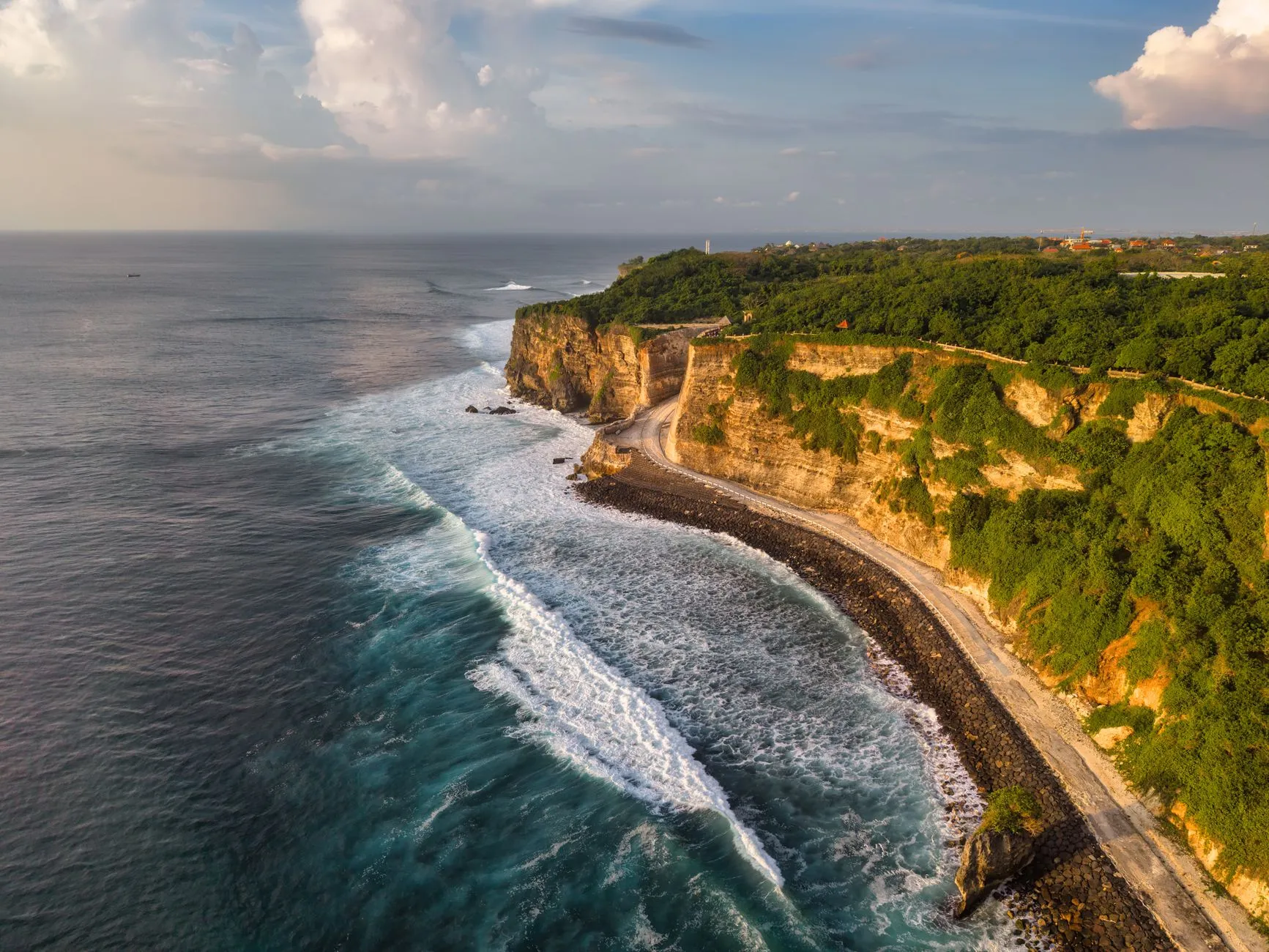
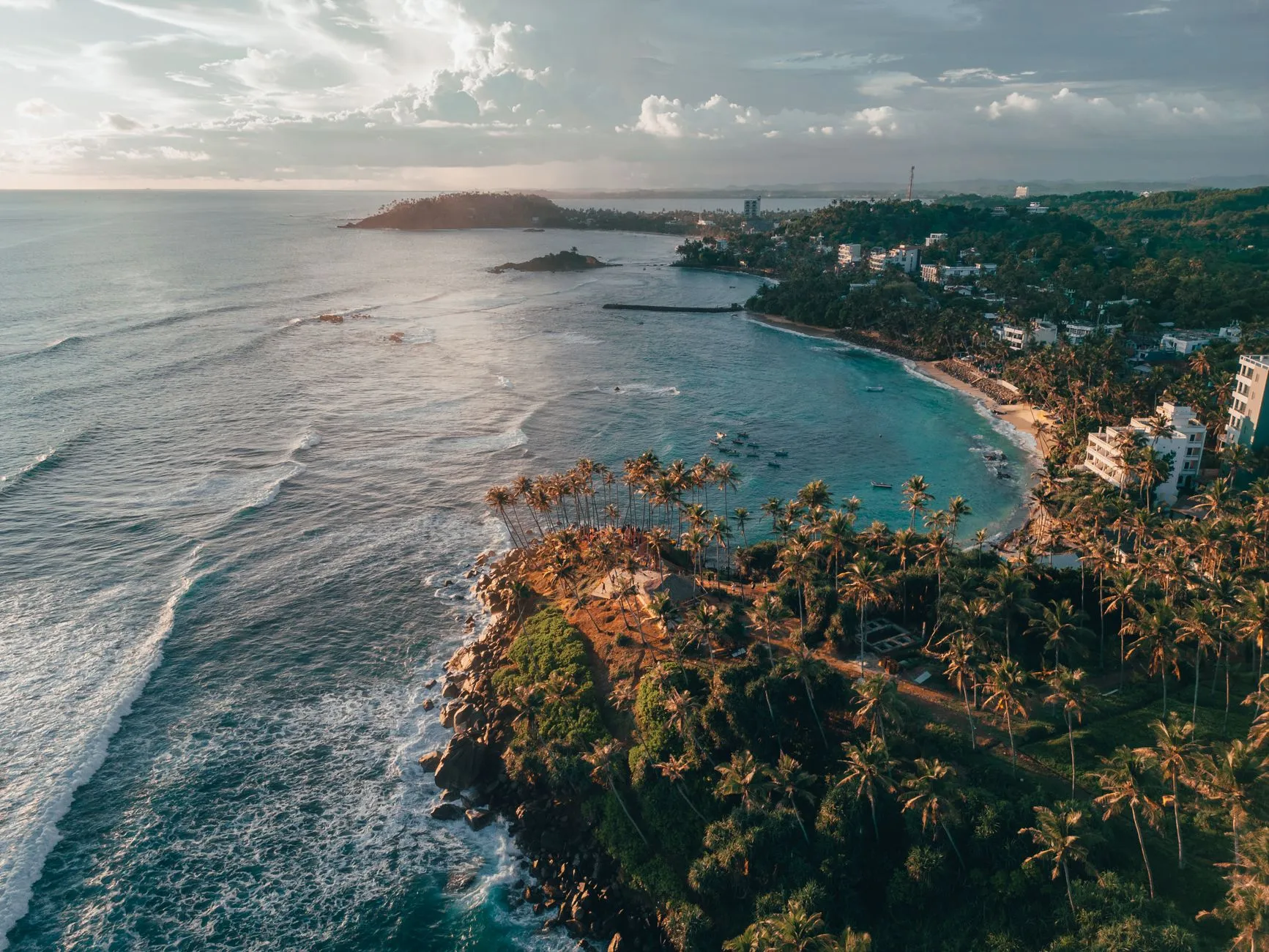
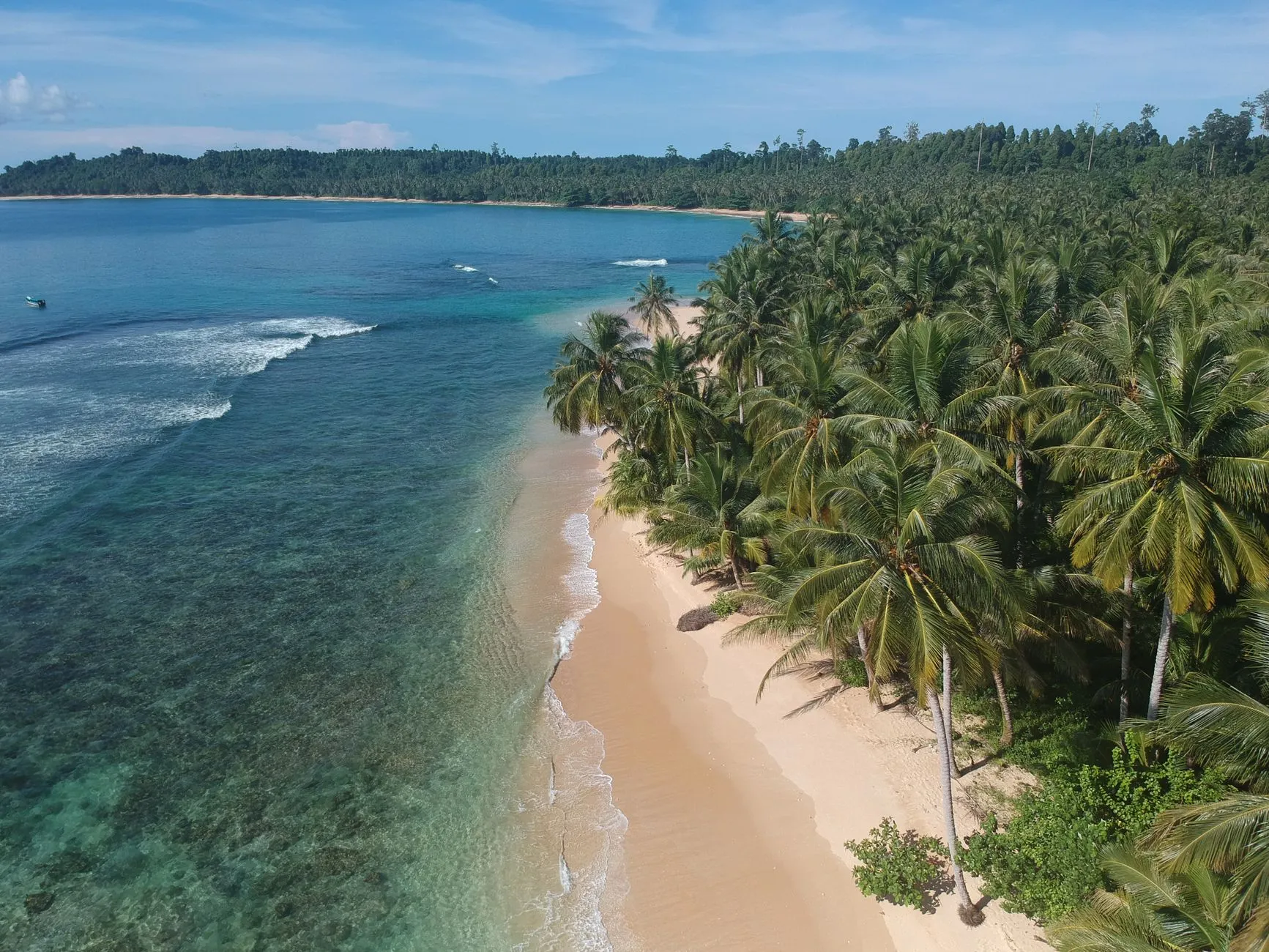
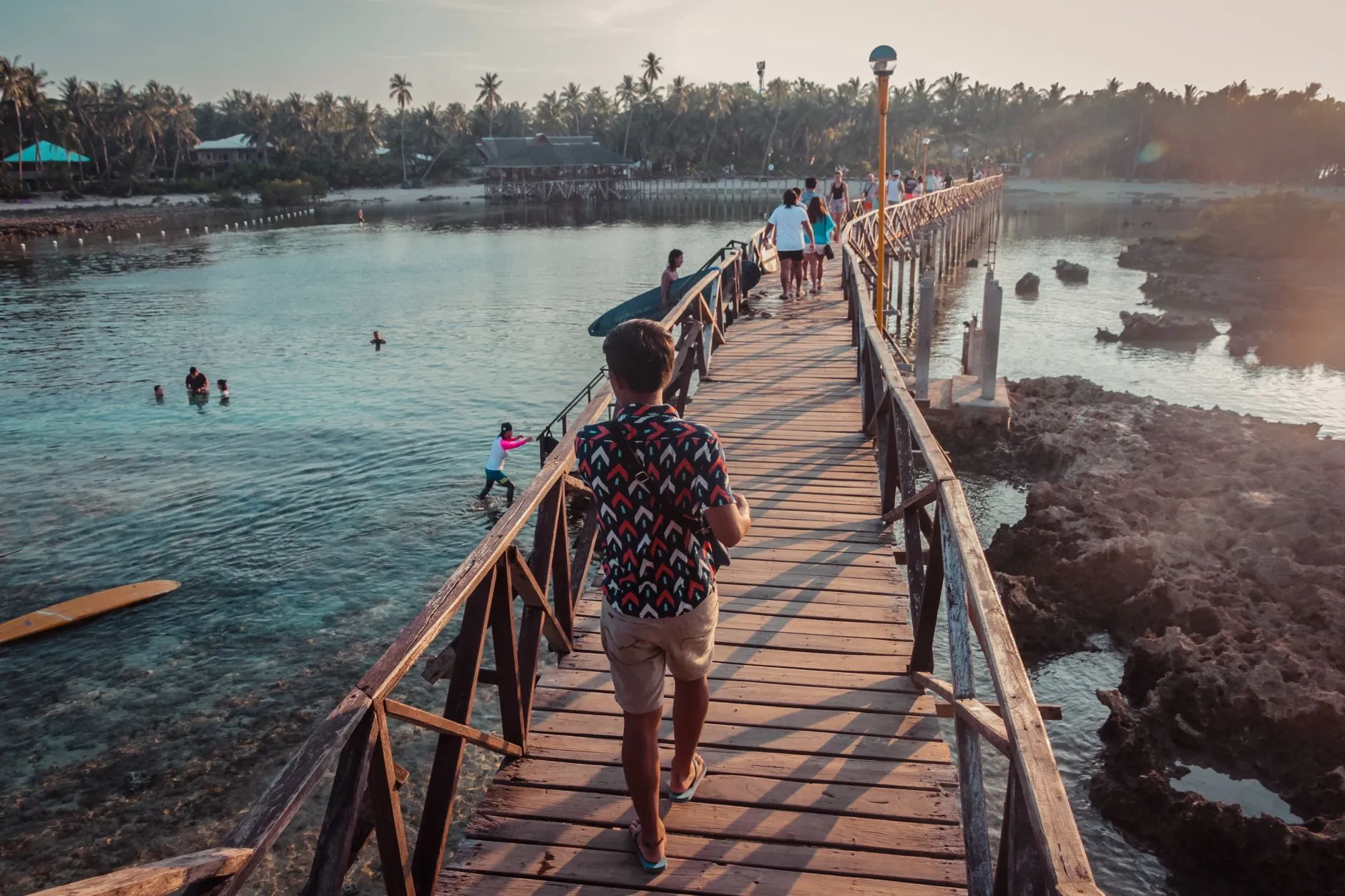
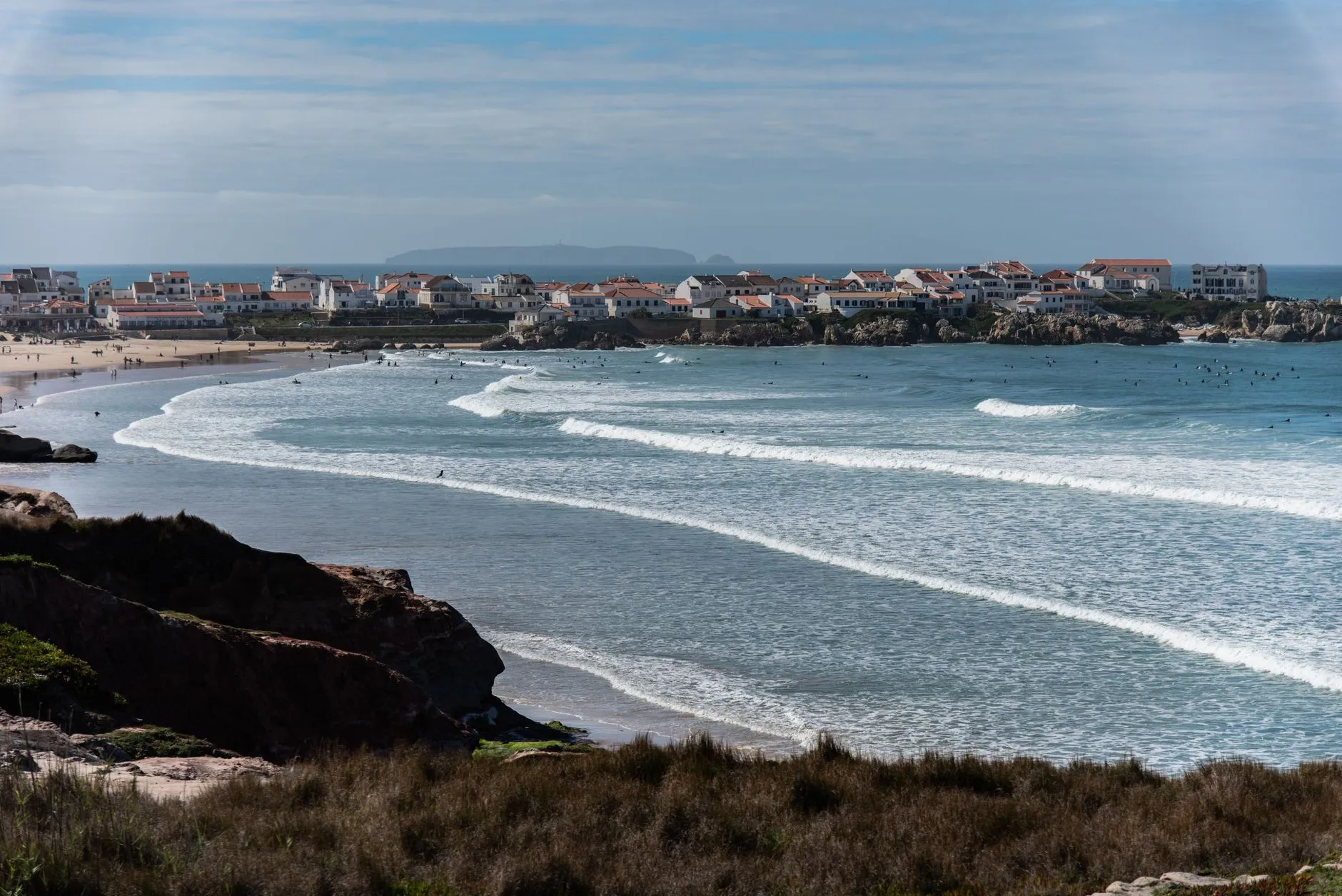
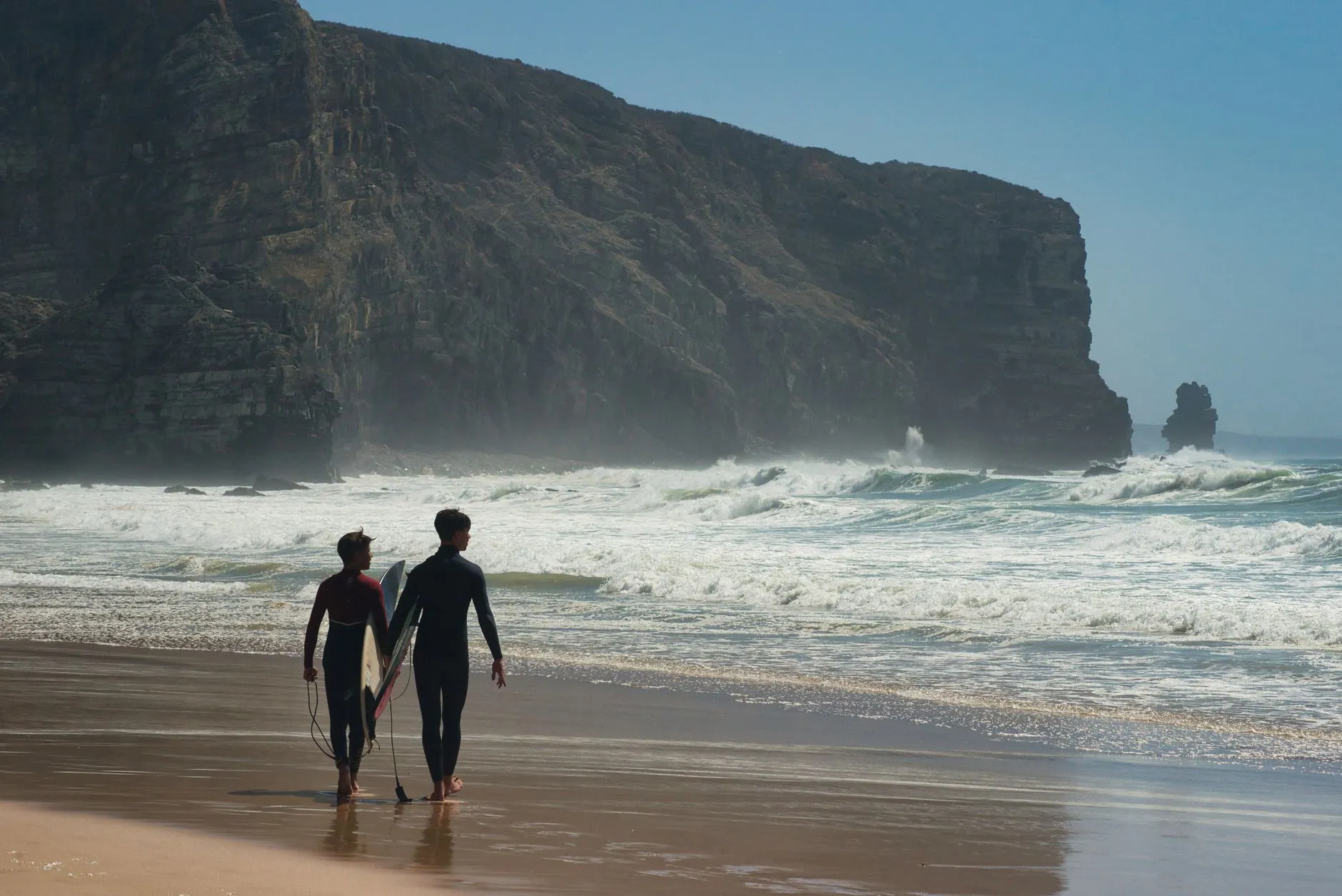
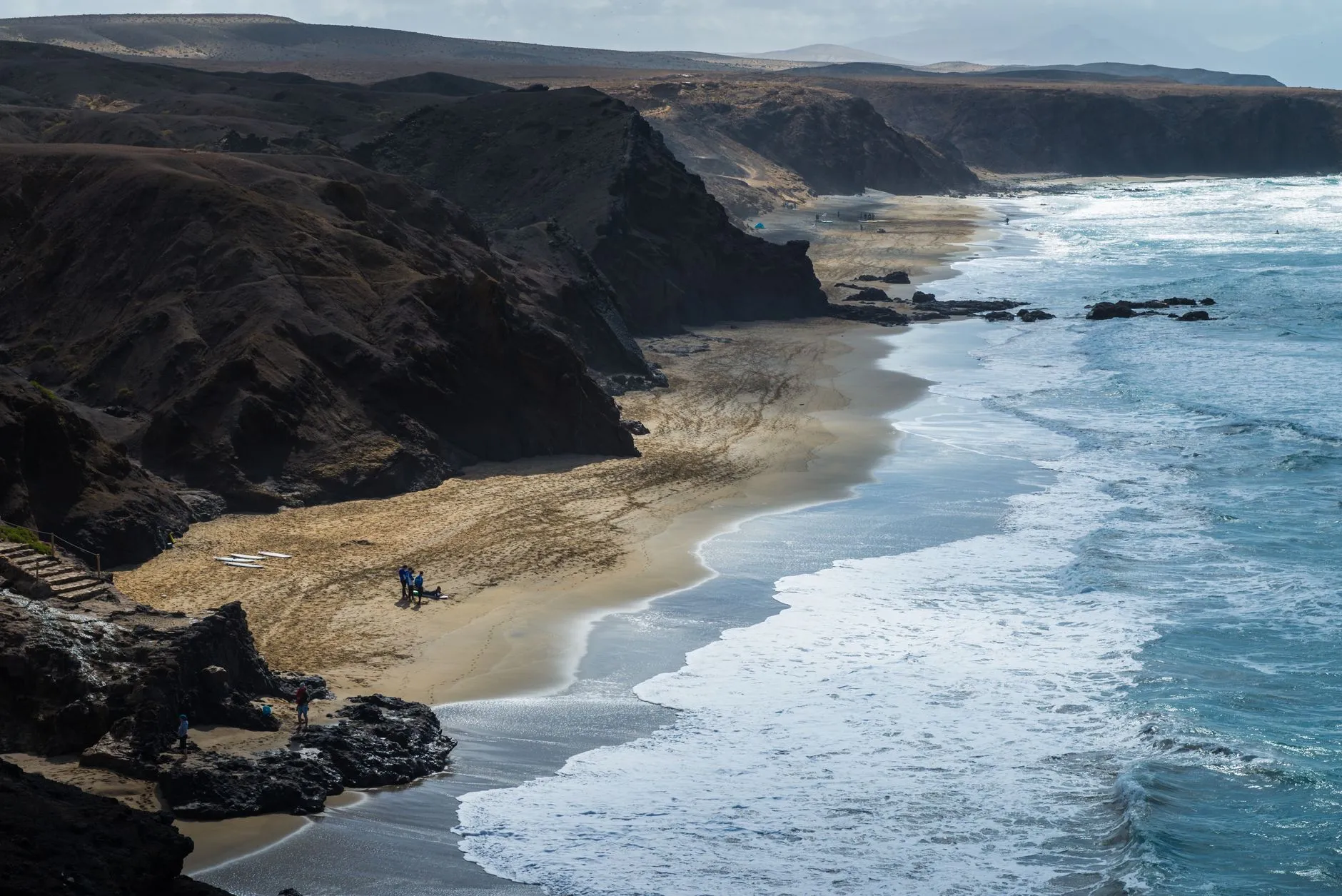
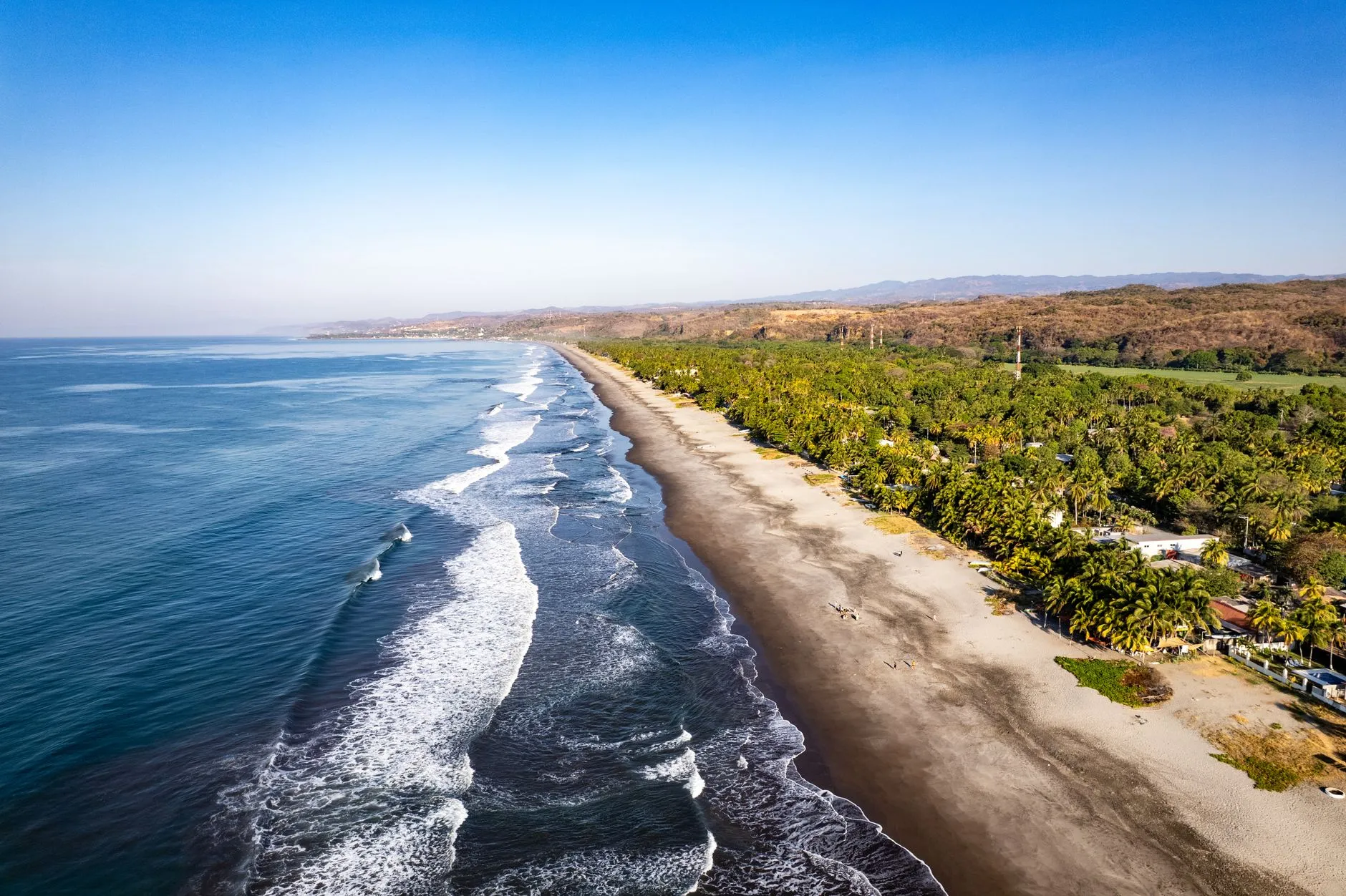
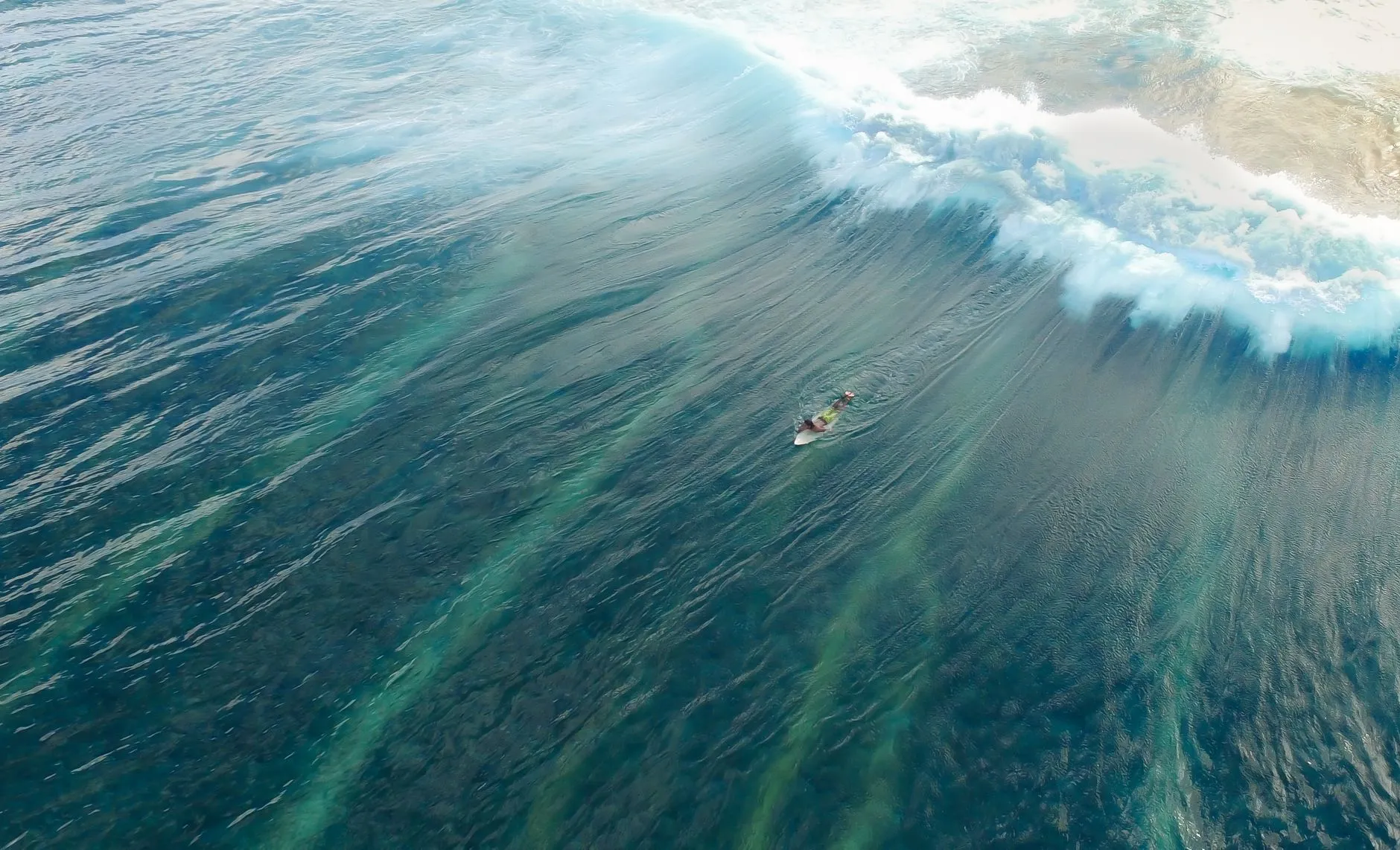
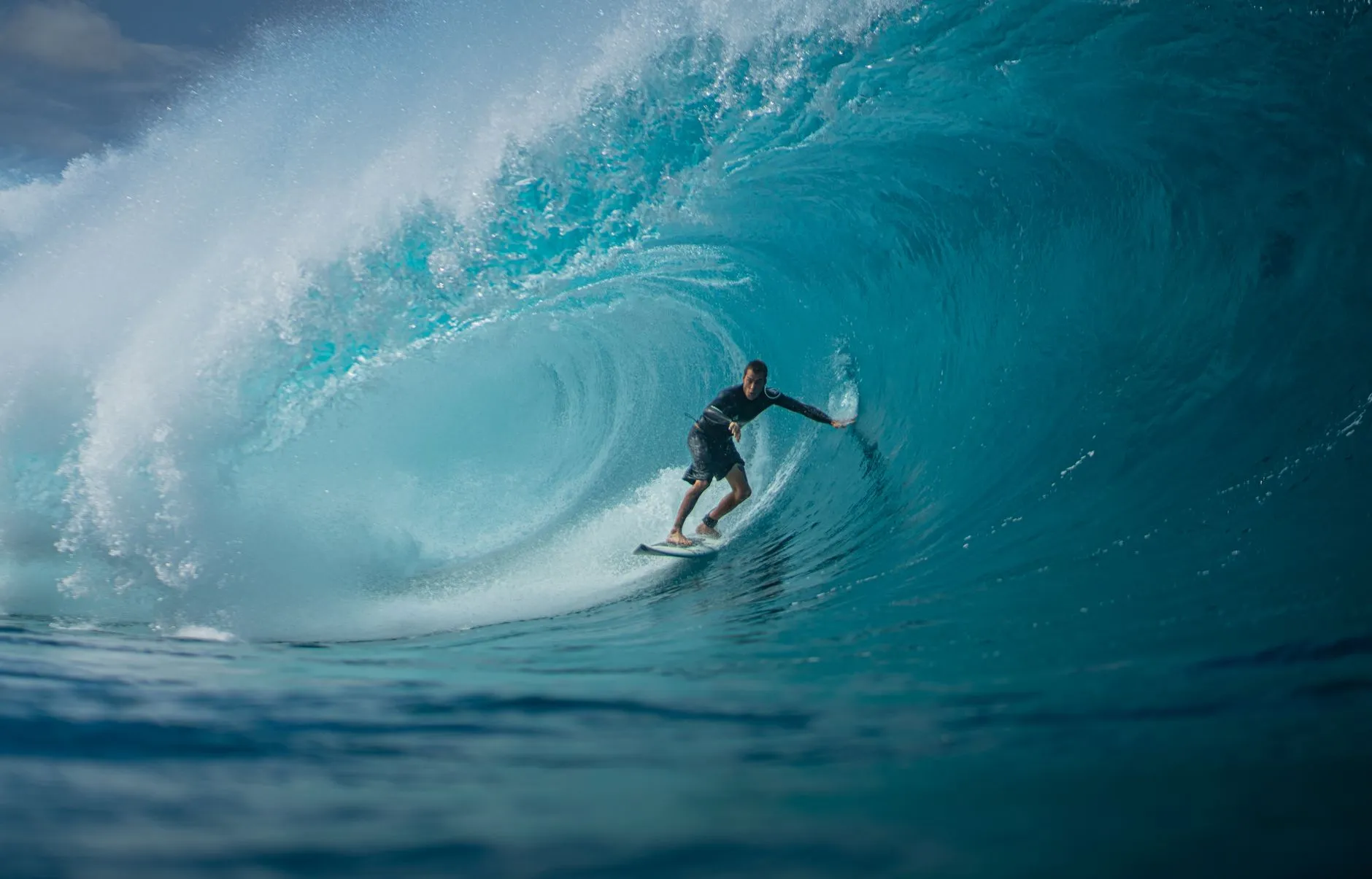
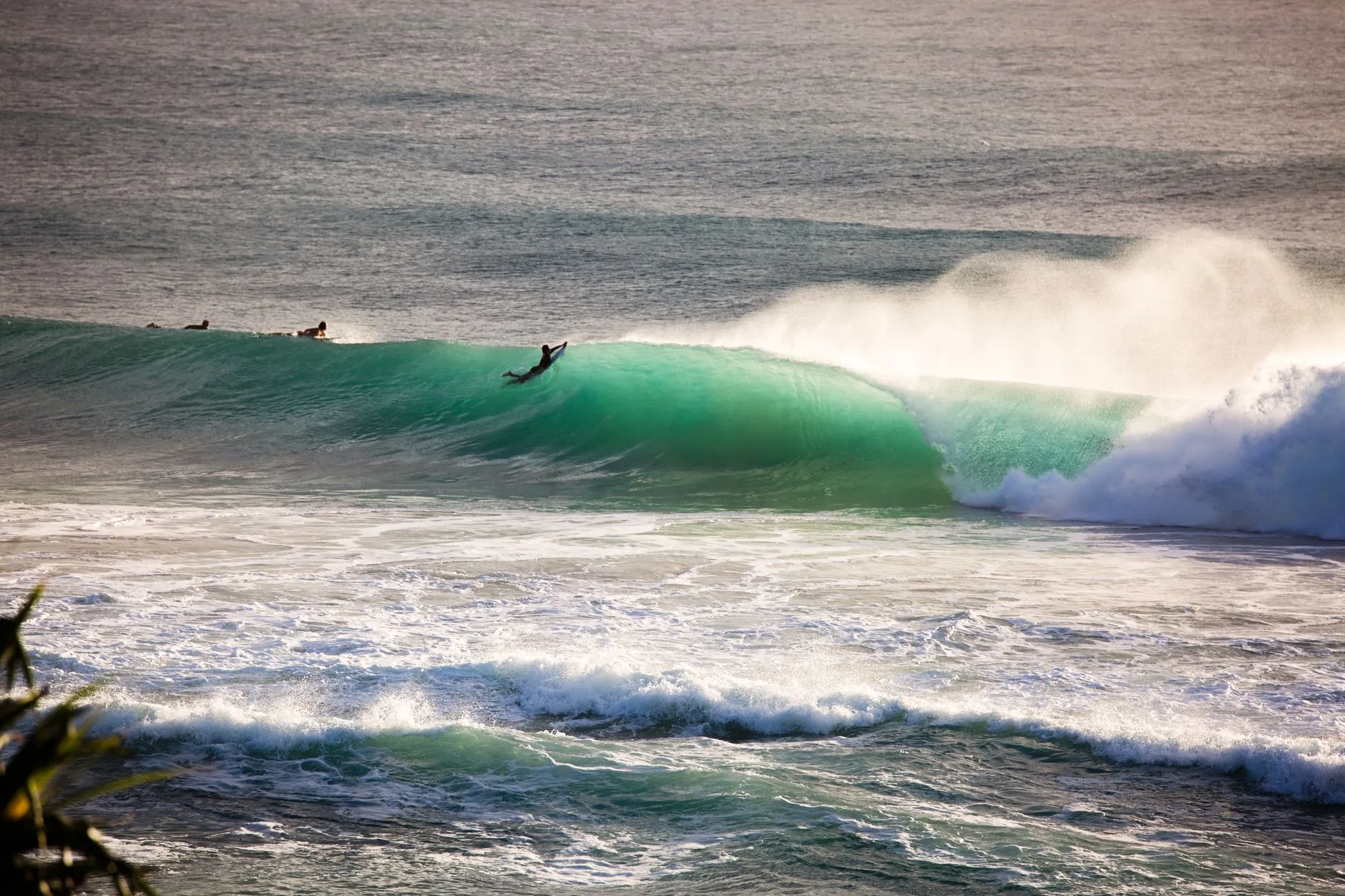
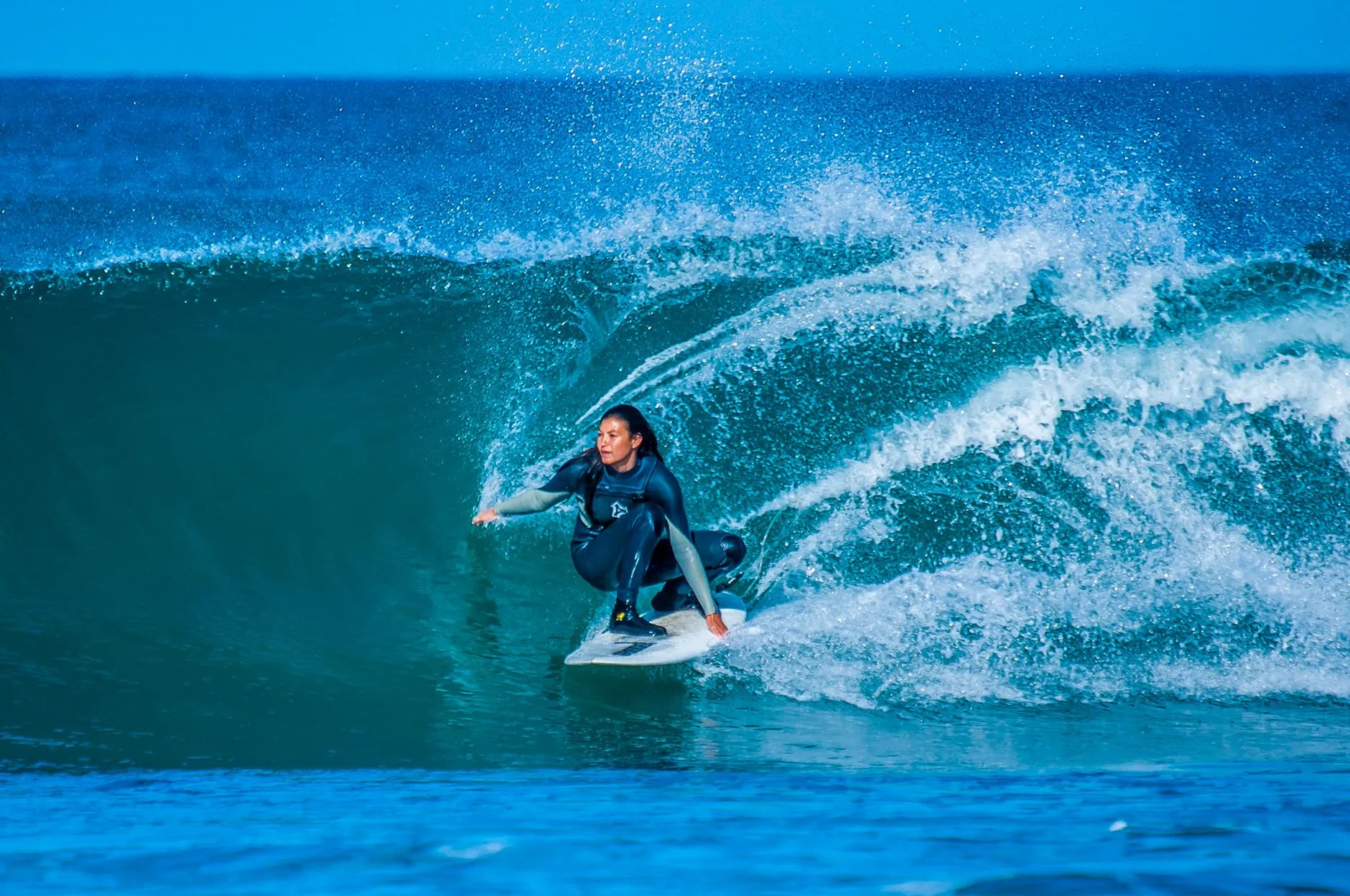
One island east of Bali, the water gets clearer, the roads get emptier and the lineups get honest again. Lombok's south coast is a run of horseshoe bays cut into dry hills, each with its own reef, its own outriggers and its own pace, with Rinjani's volcano filling the northern sky; Sumbawa, one more ferry along, is harder, drier and nearly empty, a coastline of gold grass and mining towns where lefts of legend break in front of nobody. This is where Bali's surfers go when the traffic finally wins: the overflow valve of the crowded island, close enough for a long weekend, different enough to feel like another country. The distances are real, the warungs are family-run, and the best waves still ask for a boat, a walk or a wait.
The rules are simple and the ocean enforces them. From May to October the southeast trades blow offshore on the exposed coasts and long-period south swells arrive in trains: this is what these reefs were built for, and the only period Desert Point truly performs, on the biggest pulses of the year. From November to April the wet monsoon brings smaller waves, warm rain and oily glass at dawn, with Lakey Peak working straight through it. The water never leaves 27 to 29°C, so it is boardshorts twelve months a year. What separates the waves here is not comfort but consequence: half of them break over shallow living coral and mean it, while Selong Belanak and Gerupuk's inside peak are among the friendliest places in all of Indonesia to learn.
Best months
May to October for the trades and long-period south swell; November to April smaller and glassy, with Lakey still working
Water
27 to 29°C all year: boardshorts, plus a rash vest for sun and reef
Levels
From Gerupuk's gentle inside peaks to Desert Point on the swell of the year
Getting there
Fly to Lombok, thirty minutes from Kuta; ferries cross to Sumbawa from Kayangan, and Bima airport serves Lakey
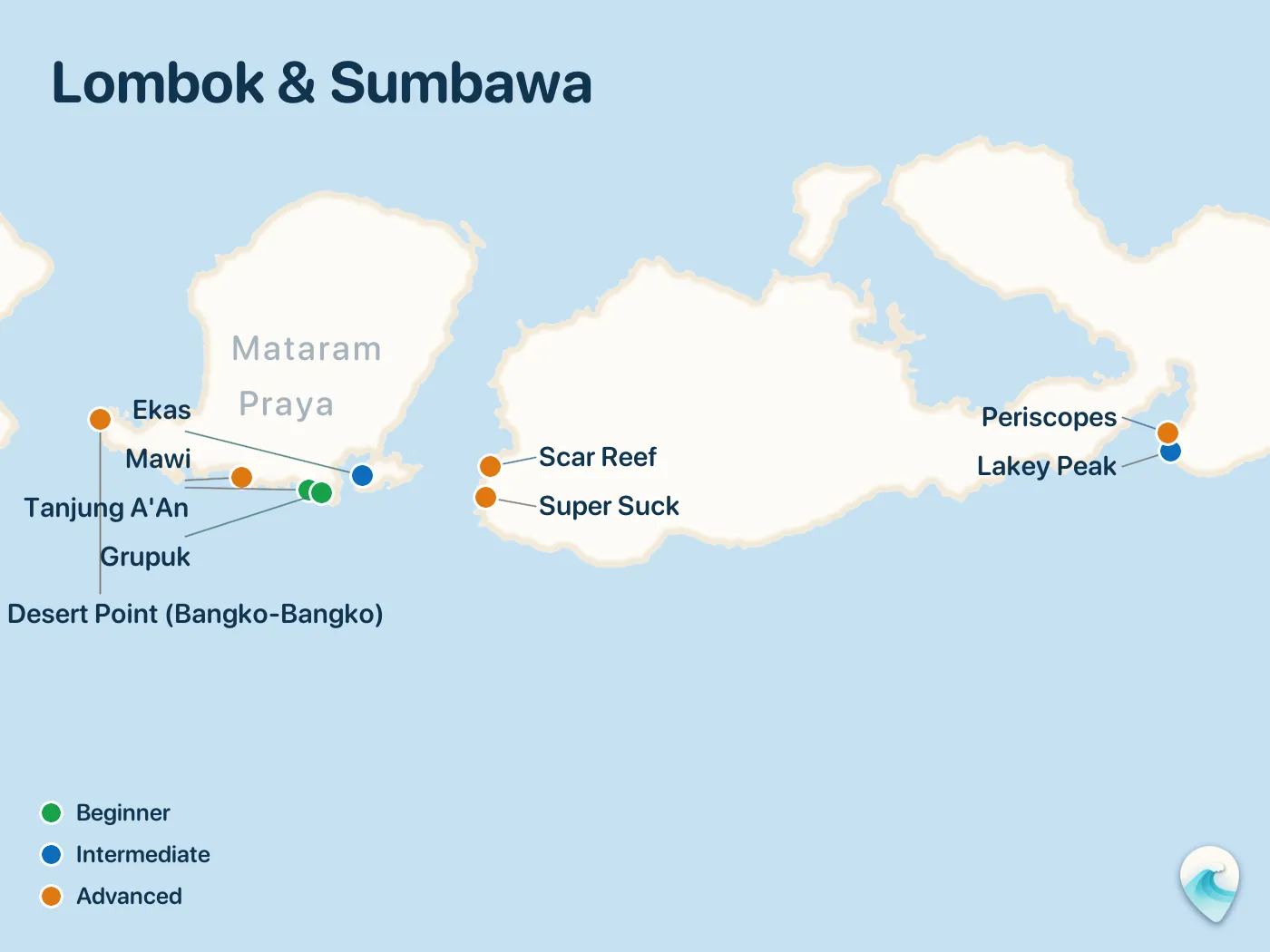
Three lefts strung along two straits, and as far as surfers are concerned, the reason the ferries exist. Desert Point is the day of your life if the ocean cooperates, Scar Reef wraps long and patient, Super Suck folds the squarest barrel in Indonesia. None of them forgives, and all of them repay the waiting.
Desert Point (Bangko-Bangko)
West Lombok · Mythical barreling left
Advanced
The myth is real, it is just rarely home. Deserts takes off as a soft shoulder and grows as it runs, so a wave that began at head high can be spitting over a nearly dry ledge two hundred meters later; on the day of the year it is among the longest, deepest barrels on earth. It needs a genuinely big, long-period south to break properly, which means flat weeks between the days that make careers, and the tide window is mid pushing down. There is nothing at Bangko Bangko but stilt warungs, camping surfers and a rough track, and when the charts light up, boats materialize overnight from Bali. The inside section drains over live coral and has ended plenty of trips. If you have to ask whether you are ready, anchor in the channel and watch: nobody has ever regretted watching Deserts do its thing.
Scar Reef
West Sumbawa · Long wrapping left
Advanced
Ninety minutes on the ferry, an hour down a coast of gold hills, and you stand on Jelenga beach looking at a left that bends swell around its reef like it is folding a letter. Scar Reef runs in movements: a walling outside that begs for big turns, a middle that slows to let you breathe, and an inside bowl that hollows out over coral sharp enough to have named the place. It handles real size, prefers mid tide, and turns from playful to consequential in one set. The village behind the beach is a scatter of homestays and a warung or two; between swells you will share the beach with buffalo and fishermen. When the biggest pulses march through the Alas Strait, this is where they make landfall first, a day before Bali reads about it.
Super Suck
West Sumbawa · Square-barreling left
Advanced
The name is not a boast, it is a physics report: the wave pulls so much water off the reef that it hollows below sea level and folds into a barrel with corners. On the right swell, groomed by the trades into Maluk's bay, it may be the most mechanically perfect tube in Indonesia, and it is certainly one of the least forgiving, short, fast and shallow enough that falling is less an if than a where. The takeoff is the whole exam: get in early, set the line, and the wave does the rest or does you. Maluk is a mining town, so the vibe is workmanlike and the local crew is tight and talented; respect buys you more here than talent does. When it maxes out or humbles you, the friendlier rights at Yoyo's, around the headlands at Sekongkang, are where everyone goes to remember why they came.
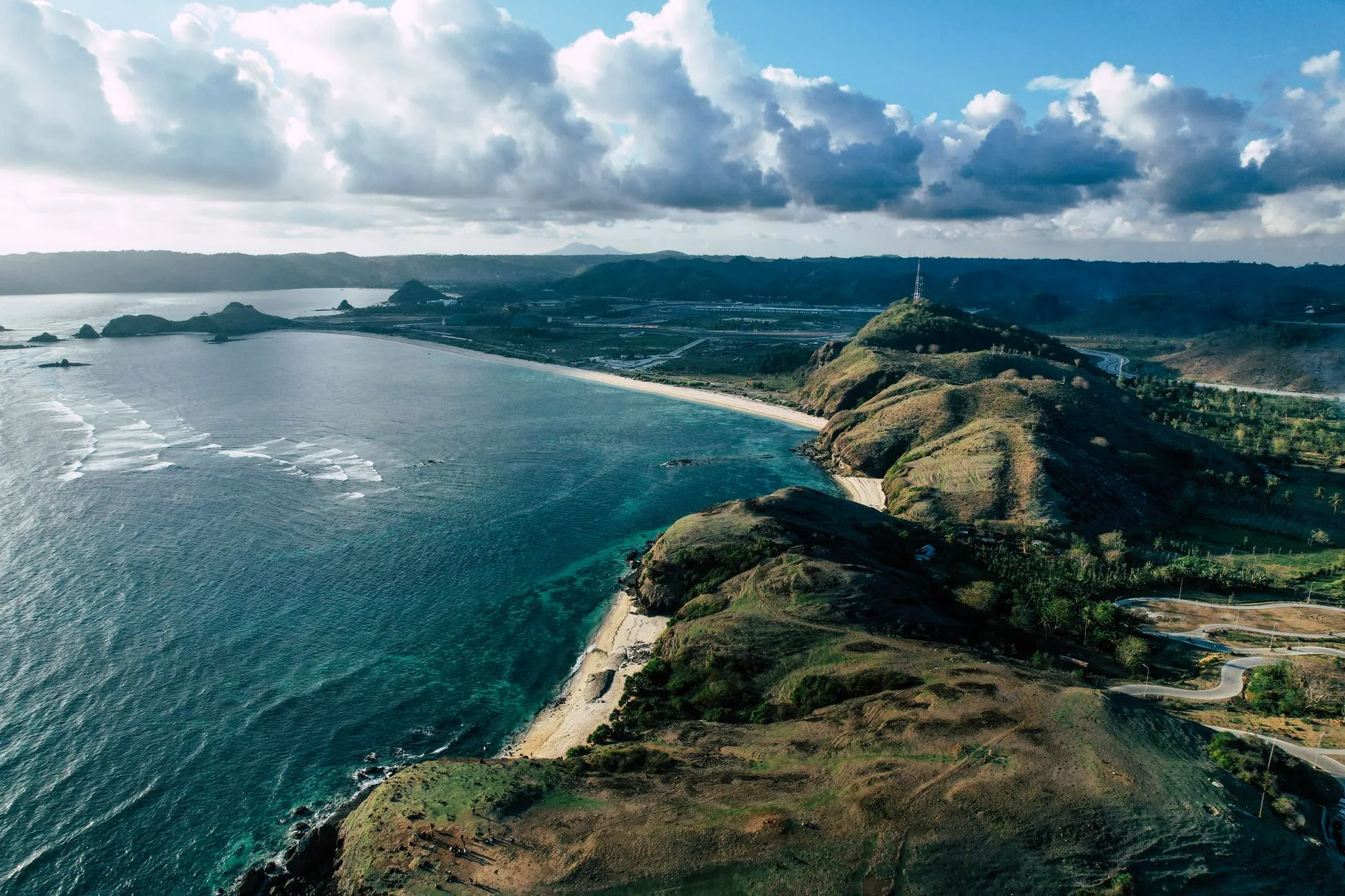
The Mandalika coast at Kuta Lombok, headland after headland
The Kuta Lombok bays
Base yourself in Kuta and everything is a scooter ride or a boat negotiation away: Mawi to the west for power, Tanjung Aan for the glide, Gerupuk's peaks for the whole family, and Ekas over the hill when you want a bay to yourself. Surf at first light; the trades own the afternoon.
Mawi
Kuta Lombok · Swell-magnet A-frame
Advanced
The swell magnet of the Kuta coast: when everything else naps, Mawi is usually still working, and when the season pumps it gets serious fast. An A-frame peak over reef, the left longer and hollower, the right shorter and steeper, both quick to punish a late hesitation. The rip that runs out through the middle is an escalator if you respect it and a problem if you do not, and the rocks on the way in grow urchins. The dirt road, the parking fee under the trees and the drinks cooler are all part of the ritual. Everything this coast does gentler happens next door: two bays west, Selong Belanak's white horseshoe rolls some of the friendliest learner waves in Indonesia, and back toward Kuta the long left at Are Guling peels under the hills when the swell has manners.
Tanjung A'An
Kuta Lombok · Gentle peaks over powder sand
Beginner
Twin crescents of sand so round it is called pepper grain, water the color of a postcard, and the softest surf on this stretch. The peaks out in the bay need a bit of push to wake up, and when they do they roll rather than pitch: longboard glide, patient walls, a forgiving sandy-bottomed inside. On small days there are more swimmers than surfers, and honesty requires saying that when the bays are flat, Aan is the flattest. Climb Bukit Merese on the western headland for the sunset everyone photographs, then buy your coconut from the ladies who have worked this beach far longer than the resorts have. It is the day-off wave, and every good trip needs one.
Grupuk
Kuta Lombok · Boat-access reef peaks for every level
Beginner
A fishing village on a huge protected bay, lobster farms strung across the shallows, and a fleet of boatmen who know the tides better than any app. Ten minutes out, the bay offers a peak for every chapter of a surfing life: Inside is a slow, deep-water conveyor that may be the friendliest learner wave in Indonesia, Don Don in the middle rolls patient walls for improvers, and Outside stands up on the swell lines with proper speed and the odd barrel. Hire the boat at the harbor, agree the price before you step in, and your captain will wait in the channel reading the sets. Mornings are glass; by early afternoon the trades funnel across the bay and the day is done. Schools run every daylight hour, so Outside at dawn is the move if you came for space.
Ekas
East Lombok · Two reefs in one huge bay
Intermediate
A bay so large it has its own weather, and quiet enough that the loudest thing most mornings is your paddle. Two waves share it: Inside Ekas is the generous one, long walls over deep-ish reef that let an intermediate link turns until their legs complain, and Outside Ekas is the serious one, picking up twice the swell and folding it into fast, hollow sections for surfers who have earned the trip. You come by boat across Awang Bay in twenty minutes or drive the long way around the peninsula, which is exactly why it stays empty. A handful of cliff-top camps feed you, board you and point at the reef each morning. The trades blow across rather than onto it, so Ekas often stays clean when the Kuta bays have given up for the day.
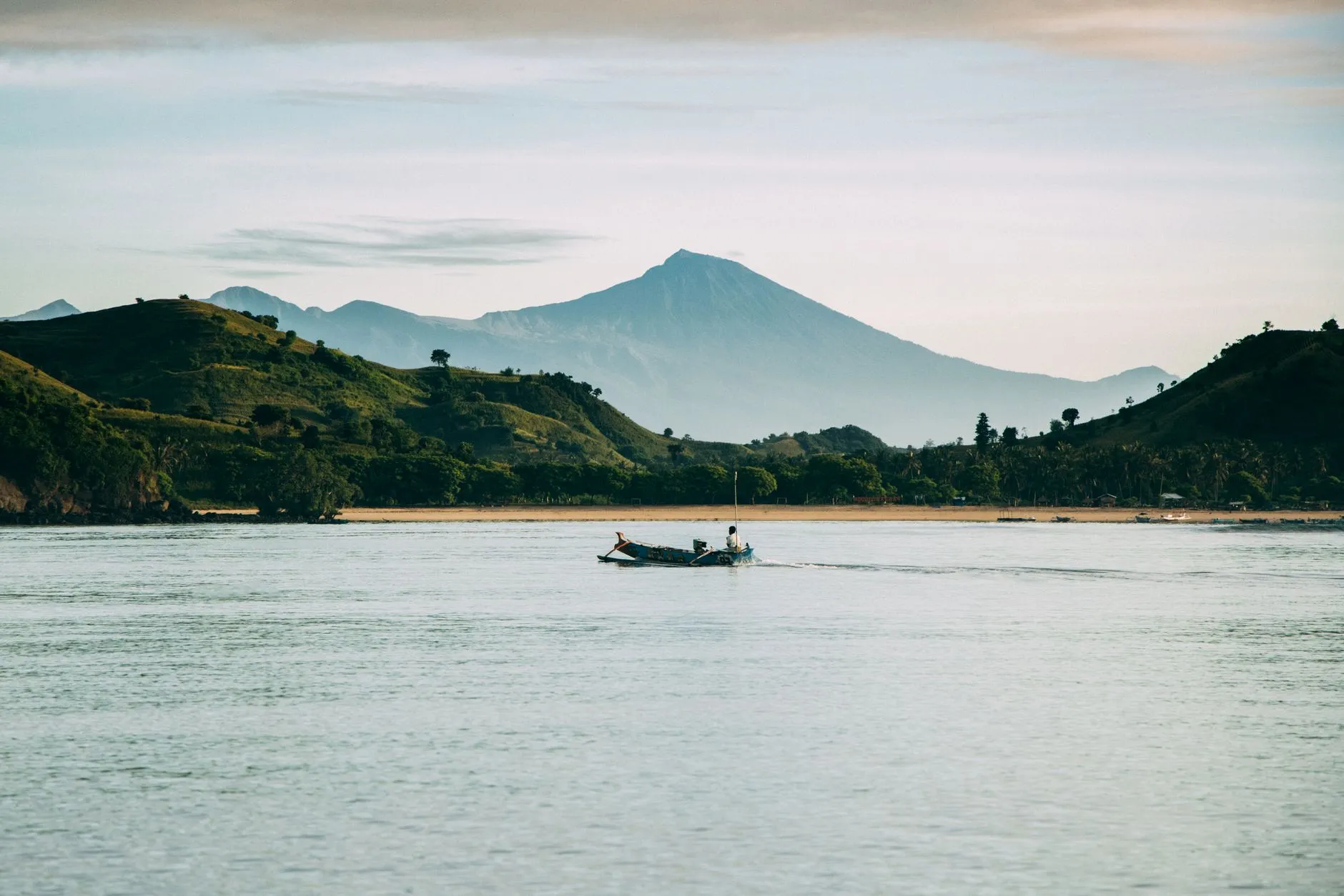
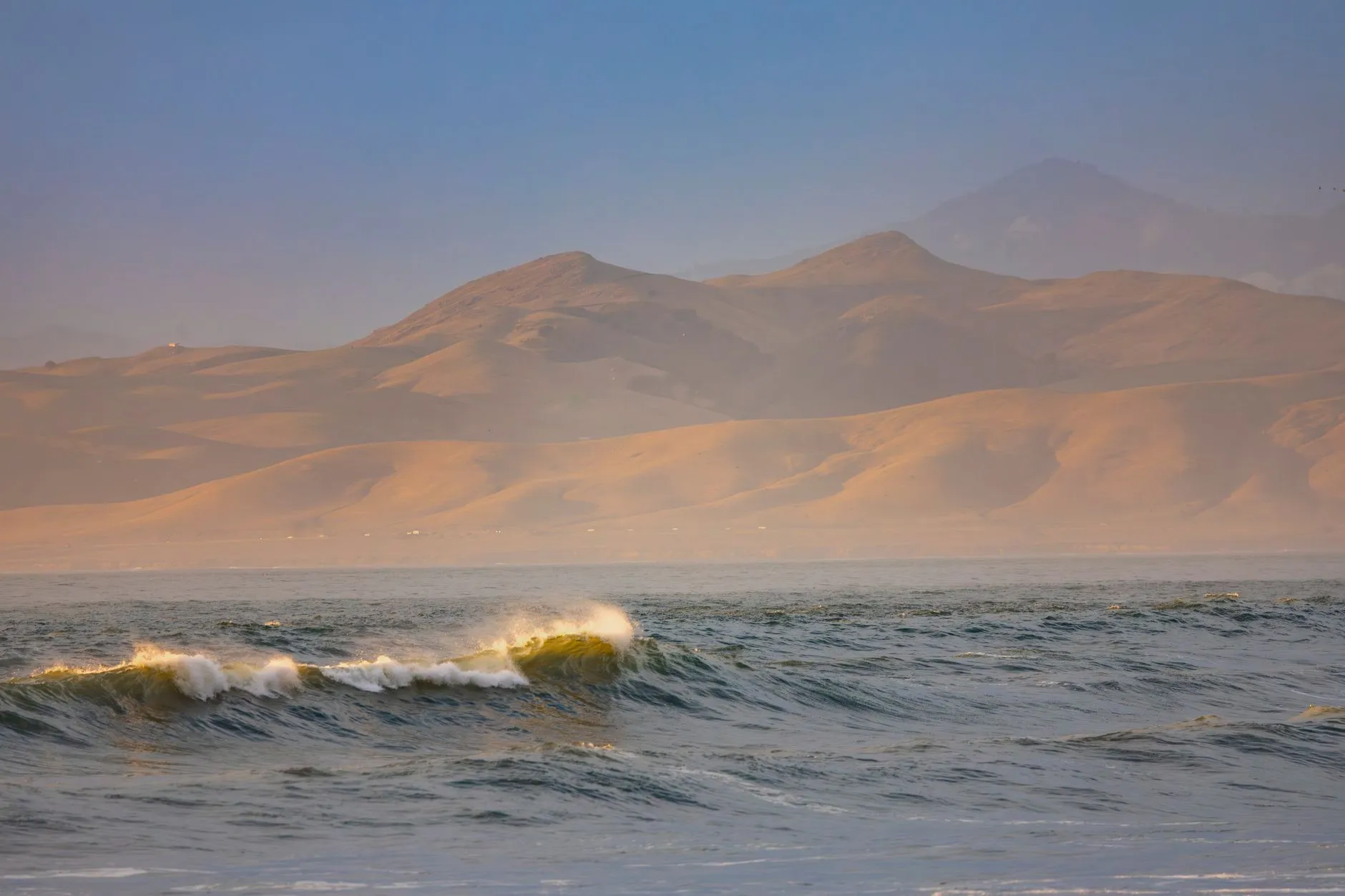
Glassy water and Rinjani on the horizon
Lakey, the far east
A long day's drive from the ferry, or a flight to Bima and two more hours in a car, and you wash up at a row of losmen facing the most wave-dense reef in Nusa Tenggara. The Peak splits both ways out front, Periscopes waits up the beach, and the wet season here is a feature, not a flaw.
Lakey Peak
Hu'u, East Sumbawa · A-frame with a barrel each way
Intermediate
The far east of the surf map and the reason people endure the drive: a perfect A-frame peak a long paddle off a village called Hu'u, splitting into a short, square right and a longer left that walls, bowls and lets you off politely. It works nearly year round, dry season trades or wet season glass, which is why a row of cheap losmen faces it and half the lineup seems to have missed their flight home on purpose. The reef is shallow enough to demand respect and deep enough to learn on, and mornings are the whole game before the wind sorts the lineup. A few hundred meters down the reef, Lakey Pipe is the other conversation entirely: a rounder, meaner barrel over shallower coral, experts only and honest about it. Take the left at the Peak until the Pipe crew nods at you.
Periscopes
Hu'u, East Sumbawa · Fast right-hand barrel
Advanced
The contrarian of the Lakey reef: a right in a land of lefts, and a wave that saves its best for the months everyone else writes off. When the wet season's west and northwest winds ruin the famous coasts, they blow straight offshore here, so from November to March Periscopes runs fast, hollow and groomed while the rest of Indonesia sulks. It is a freight-train barrel over a flat, shallow ledge: the takeoff is makeable, the second section is the prize, and the reef collects fins and skin from surfers who linger. Go on the higher stages of the tide, walk or ride the twenty minutes up from Lakey Peak, and you will often trade it with a handful of people. Bring a spare board; Periscopes has a reputation to maintain.
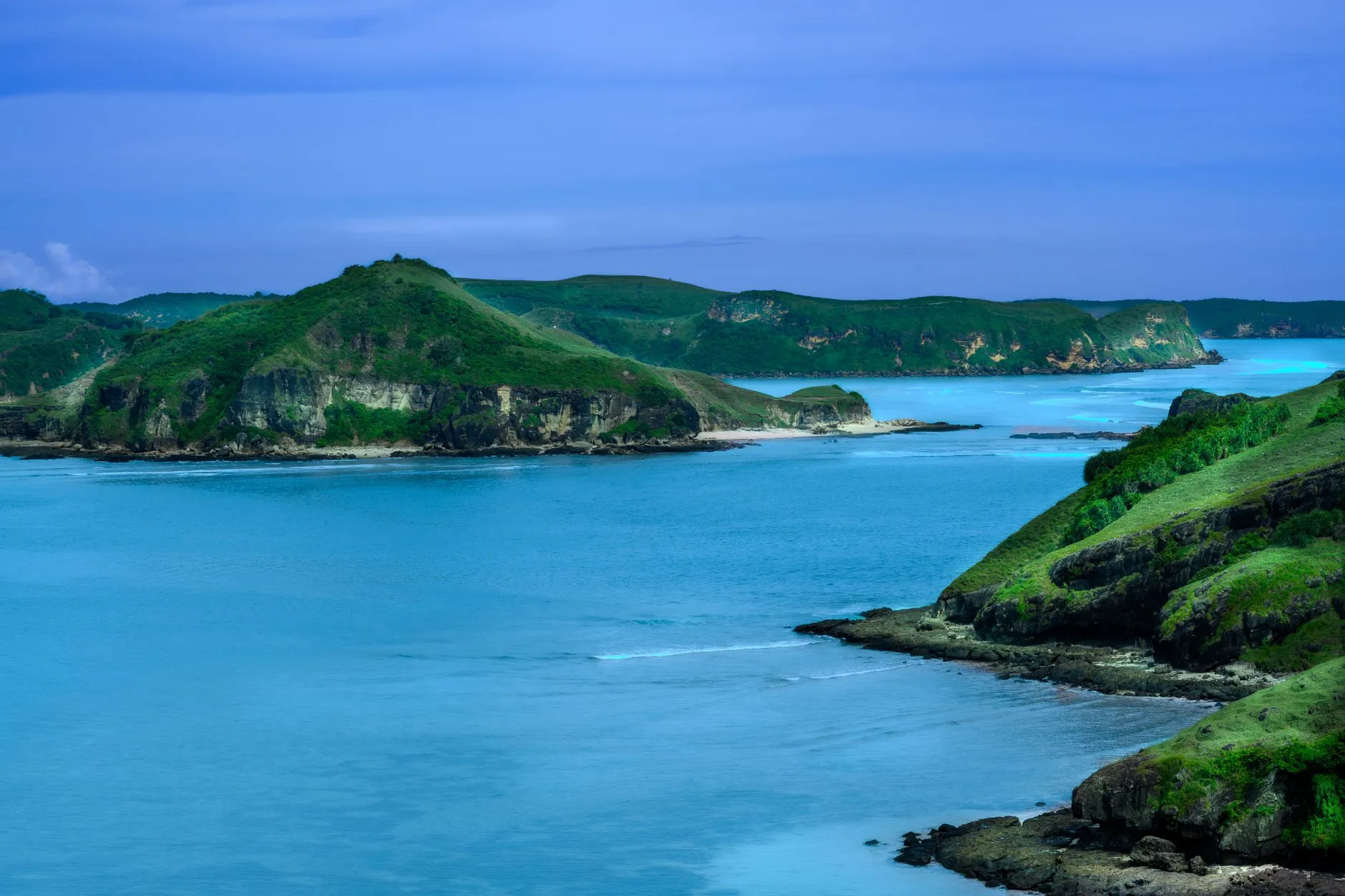
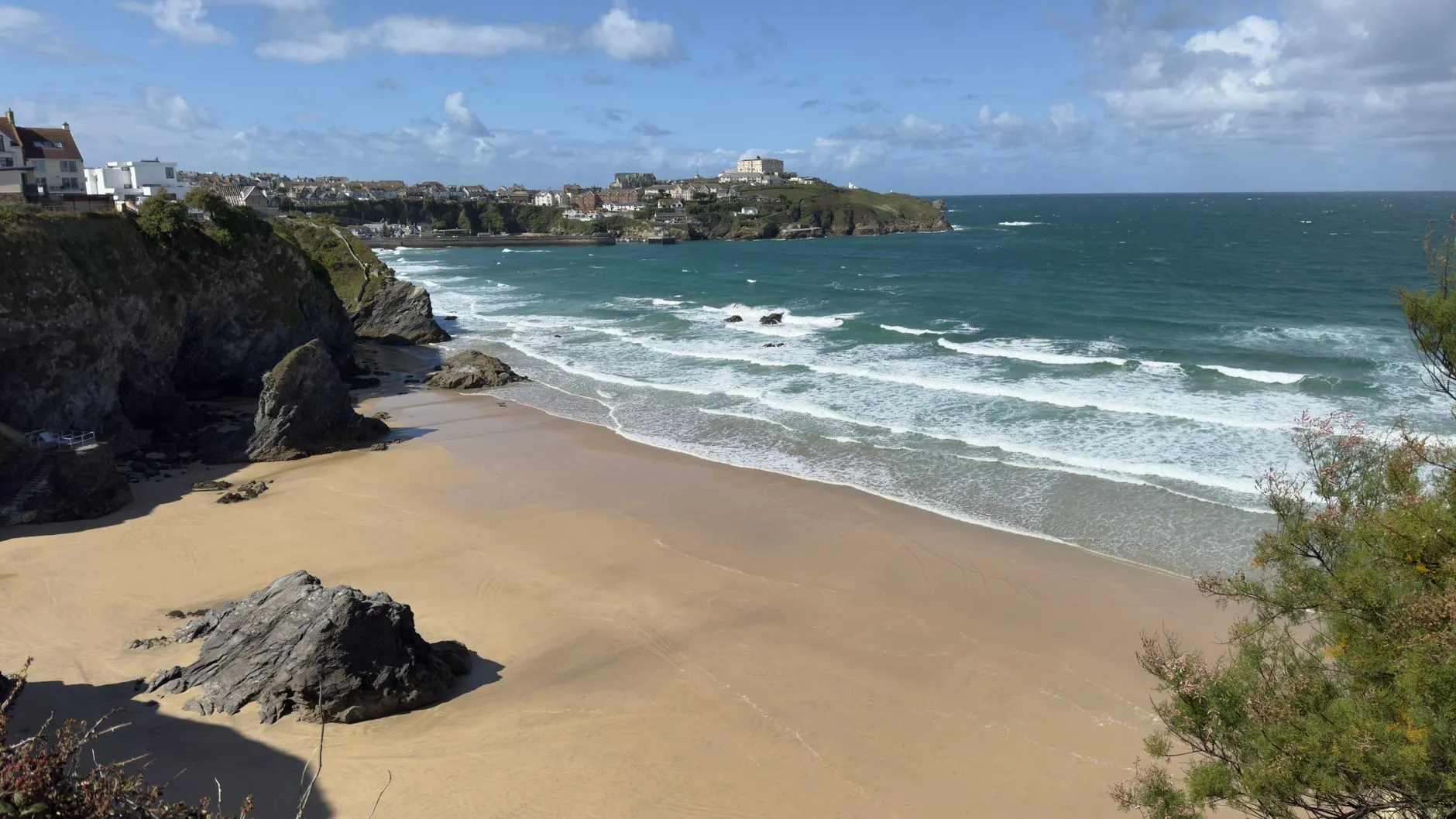
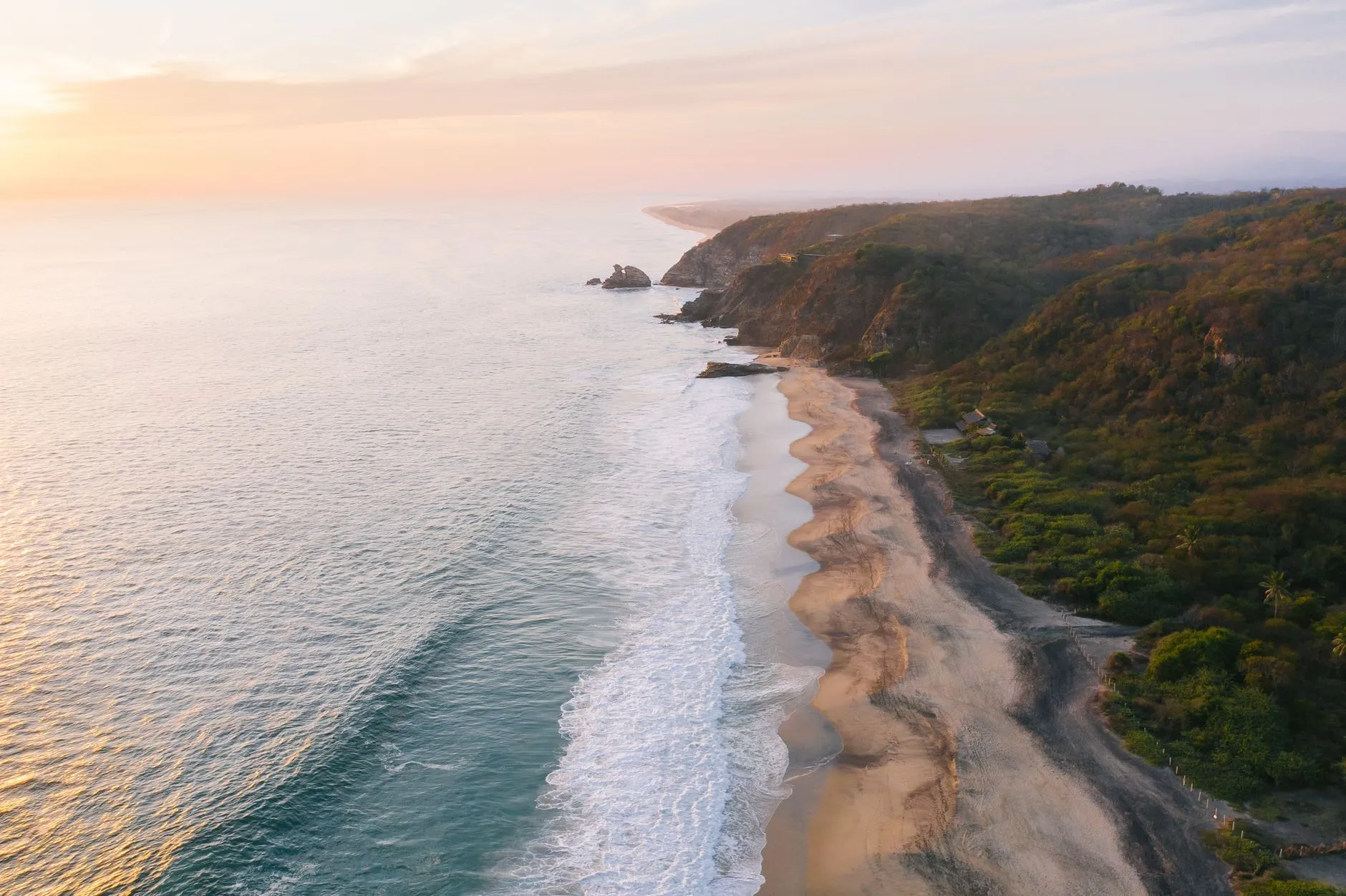
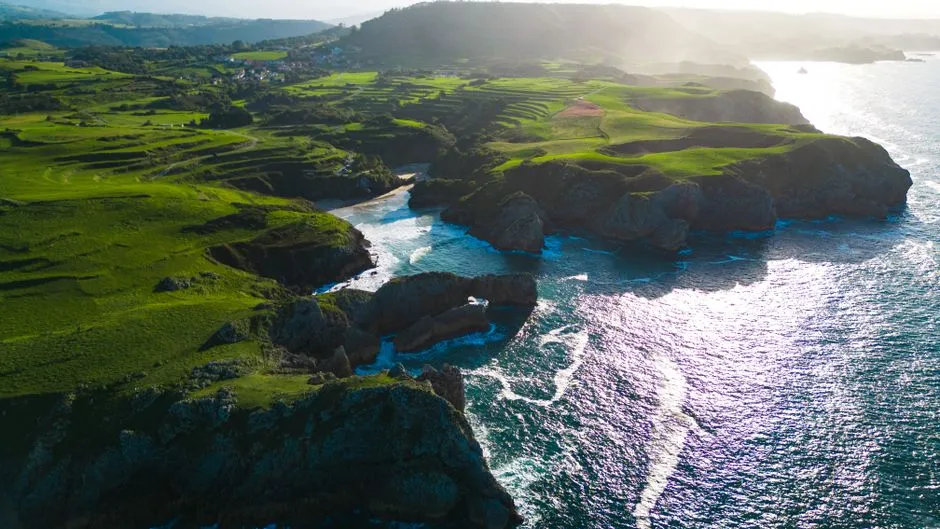
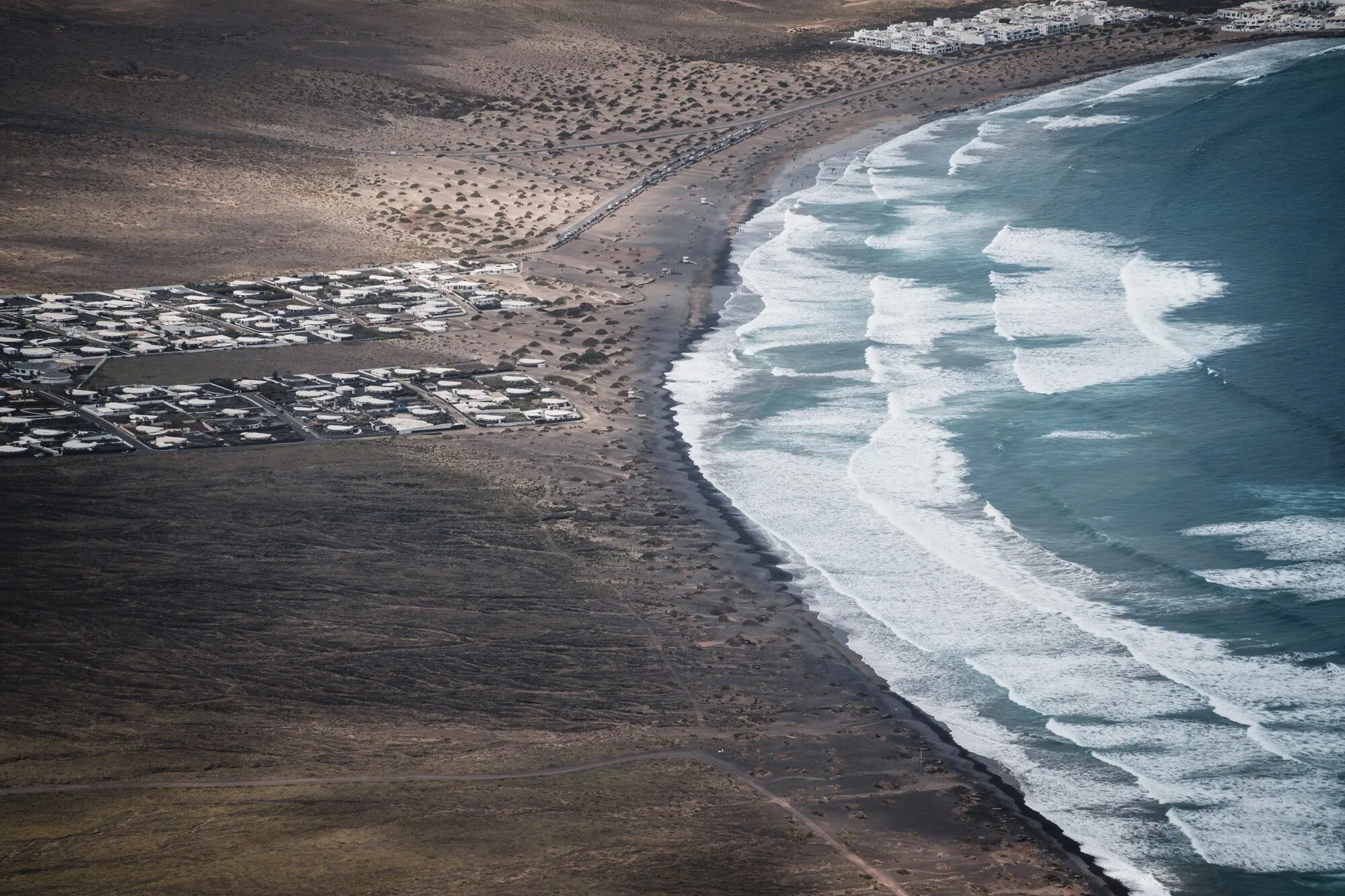
Green headlands and turquoise bays on Lombok's south coast
When to go
A year in Lombok & Sumbawa
Typical conditions, month by month. The ocean did not sign this table: for live waves, wind and tide, check the app.
January
3-5 ft
84°F · boardshorts · All levels
The northwest monsoon runs the show: rain in loud bursts, light morning winds, chop by noon. Periscopes takes its offshore turn and Lakey Peak works on while the dry-season reefs doze.
February
3-5 ft
84°F · boardshorts · All levels
The wettest stretch, and the emptiest lineups of the year. The Kuta bays turn on for dawn glass, and at Lakey the wet-season program runs on schedule.
March
3-6 ft
84°F · boardshorts · All levels
The monsoon loosens and the first longer-period south pulses sneak through. Glassy mornings stretch out; the exposed reefs get their first proper days.
April
4-6 ft
82°F · boardshorts · Intermediate
The in-between gem: dry-season swell arriving, wet-season glass lingering, most of the traveling crowd still at home. Mawi and Scar Reef wake up properly.
May
4-8 ft
82°F · boardshorts · Intermediate
The southeast trades settle in and the swell machine starts. Desert Point gets its first real pulses, and the stilt warungs at Bangko Bangko fill with chart-watchers.
June
5-10 ft
81°F · boardshorts · Advanced
Serious season. Long-period souths arrive in trains, the reefs hit top form, and boards cross the Alas Strait in both directions on every ferry.
July
6-10 ft
81°F · boardshorts · Advanced
The peak, and everyone knows it. This is the month Deserts does the days people fly across the world for; surf at first light and expect company at anything famous.
August
5-10 ft
81°F · boardshorts · Advanced
The trades blow hardest, grooming the lefts all morning and chopping the sea by two. Super Suck at its most mechanical; the early session is the session.
September
4-8 ft
81°F · boardshorts · Intermediate
Many regulars' favorite: still swell every week, winds easing, crowds thinning. The reefs keep their rhythm without August's bluster.
October
4-8 ft
82°F · boardshorts · Intermediate
The season exhales. South swells space out but keep arriving, glassy spells return, and the Kuta bays do some of their cleanest work.
November
3-6 ft
84°F · boardshorts · All levels
Transition month: light winds, oily mornings, the last solid souths. Gerupuk's outside peaks go quiet enough to feel private.
December
3-5 ft
84°F · boardshorts · All levels
The northwest wind returns and the rain begins in earnest. Small clean mornings in the bays, Periscopes stirs at Lakey, and the hills turn green in a week.
Good to know
When is the best time to surf Lombok and Sumbawa?
May to October is the prime window: the southeast trades blow offshore on the exposed coasts and long-period south swells arrive week after week. June to September is the heart of it, and the only period Desert Point breaks the way the stories say, on the biggest pulses of the season. November to April is the wet monsoon: smaller waves, warm rain, oily glass at dawn, with Lakey Peak still working and Periscopes at its very best. The water never leaves 27 to 29°C, so the choice is about swell, not comfort.
Is Lombok good for beginners?
Two of Indonesia's friendliest waves live here. Selong Belanak is a wide horseshoe of white sand where soft rollers spill for a hundred meters and the schools have taught half of Kuta's visitors to stand, and Gerupuk's inside peak is a slow, boat-accessed conveyor that turns first waves into a formality. Tanjung Aan adds gentle sandy peaks when the swell pushes. Keep an honest distance from the famous names: Desert Point, Super Suck and Lakey Pipe are shallow expert slabs, and Mawi punishes optimism. Learn the tide habit early, book the boatman in Gerupuk, and this is one of the best places anywhere to go from white water to green walls.
Is Sumbawa worth the crossing?
It depends on what you came for. The public ferry runs from Kayangan to Poto Tano in about ninety minutes, and Scar Reef, Super Suck and Yoyo's sit within an hour of the port: world-class lefts with a fraction of Lombok's traffic, and almost nothing else around them, so bring cash, patience and everything you cannot buy in a village. Lakey is a separate expedition, a long day's drive east or a flight to Bima and two more hours, rewarded by the most wave-dense reef in Nusa Tenggara in front of a row of cheap losmen. If barrels over shallow coral are not your goal yet, stay in the Kuta bays and be happy; if they are, Sumbawa is the best value in Indonesian surf.
Do I need a wetsuit or reef protection?
No wetsuit, ever: the water holds 27 to 29°C all year, so boardshorts and a rash vest are the uniform, and the vest earns its keep against sun and reef rather than cold. What deserves bag space is reef care: booties for the urchin-studded entries at Mawi and the west Sumbawa reefs, a helmet if you intend to test Super Suck or Lakey Pipe, zinc for the equator sun, and a small kit with vinegar and iodine, because coral cuts turn sour fast in the tropics. Pack a spare board too. The good waves here eat equipment, and the nearest replacement can be an island away.