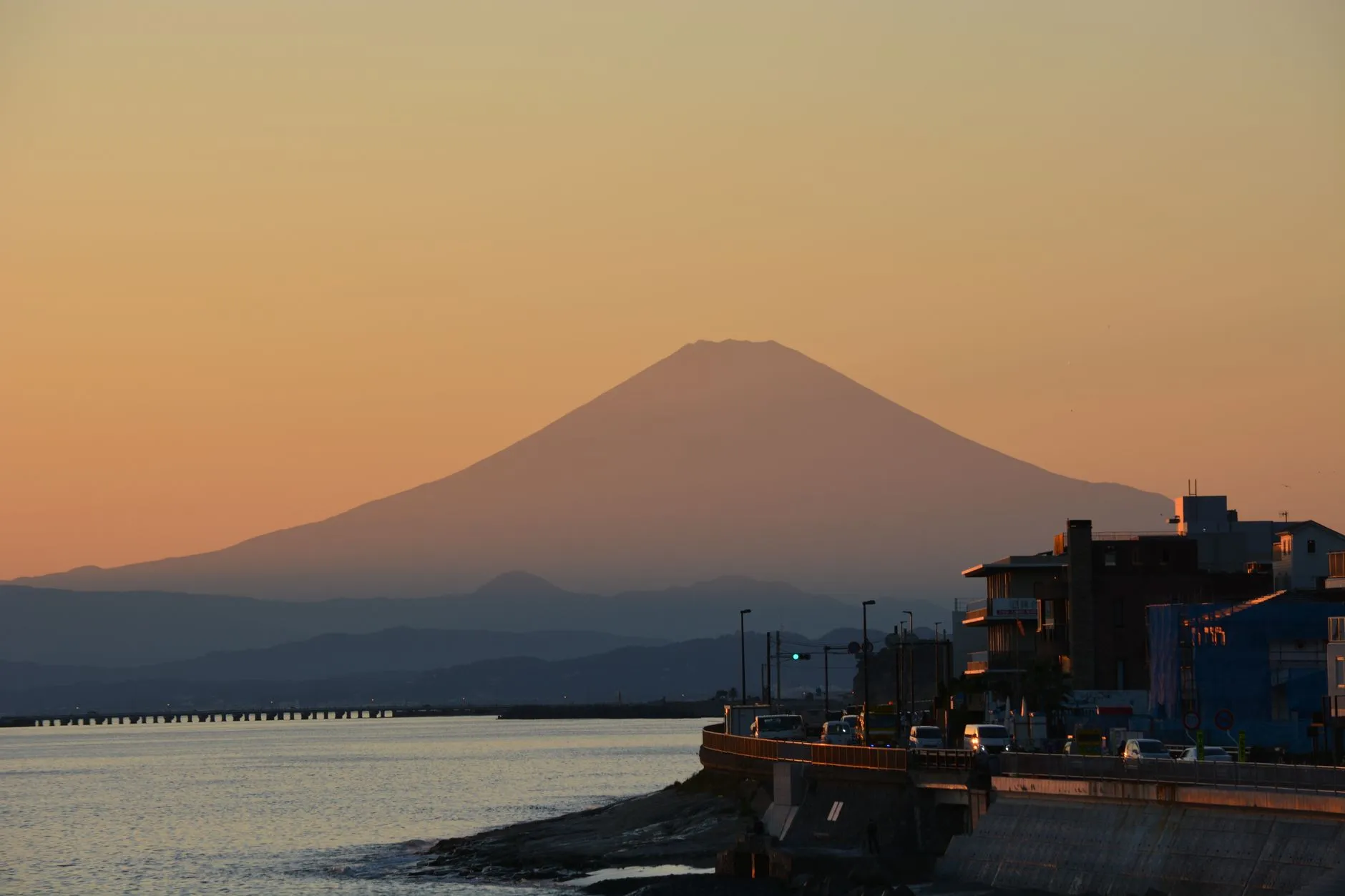
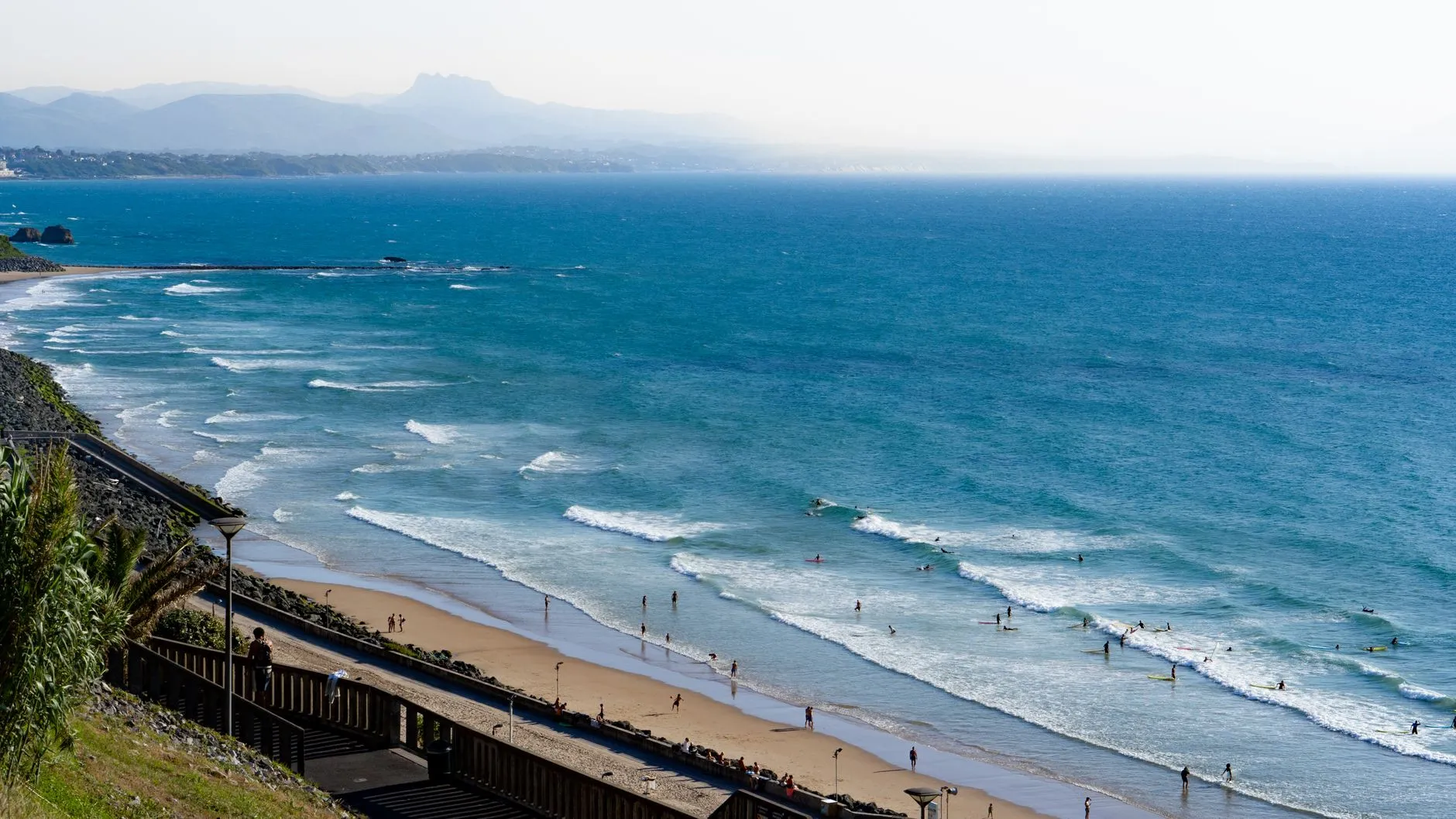
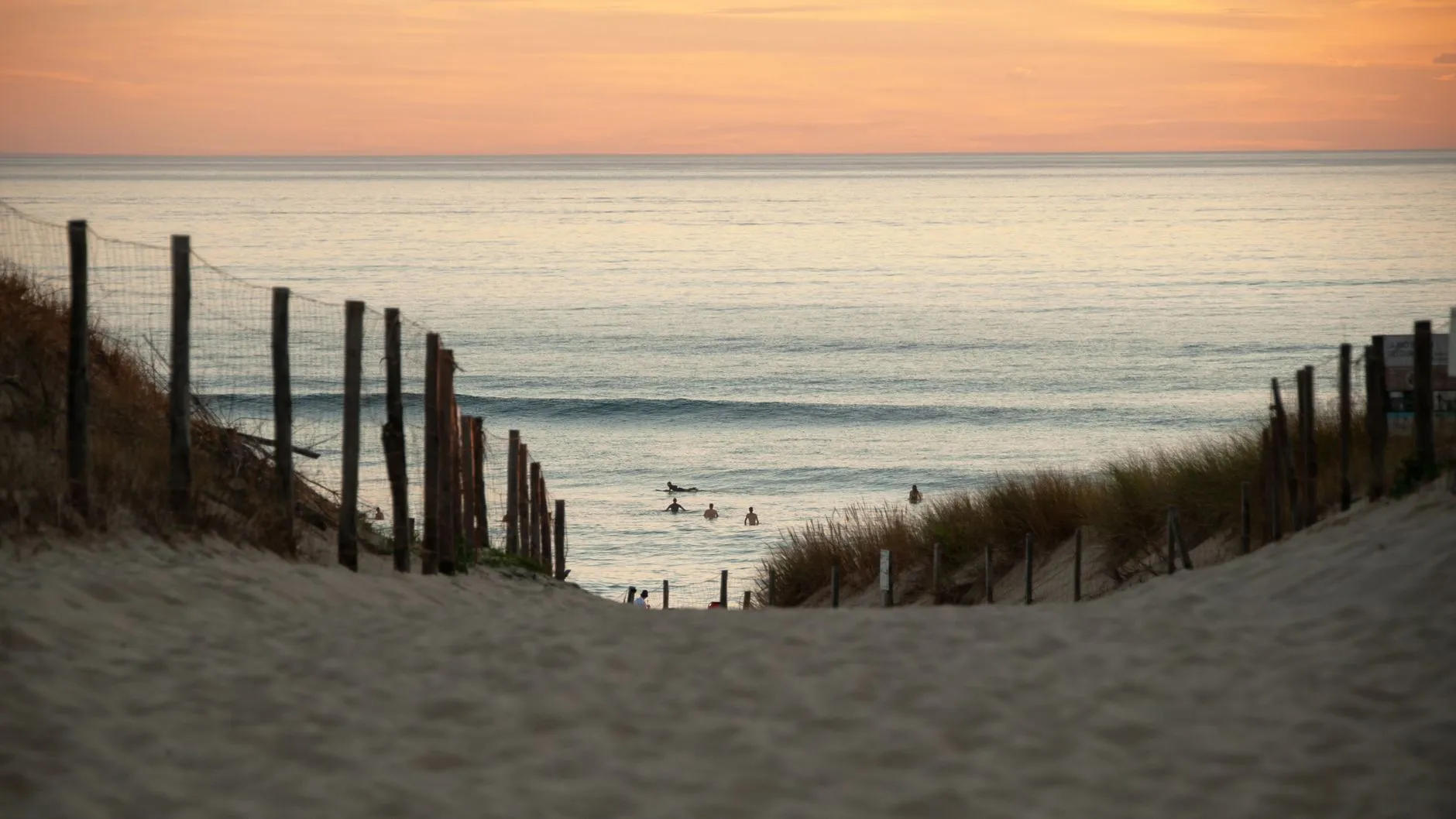
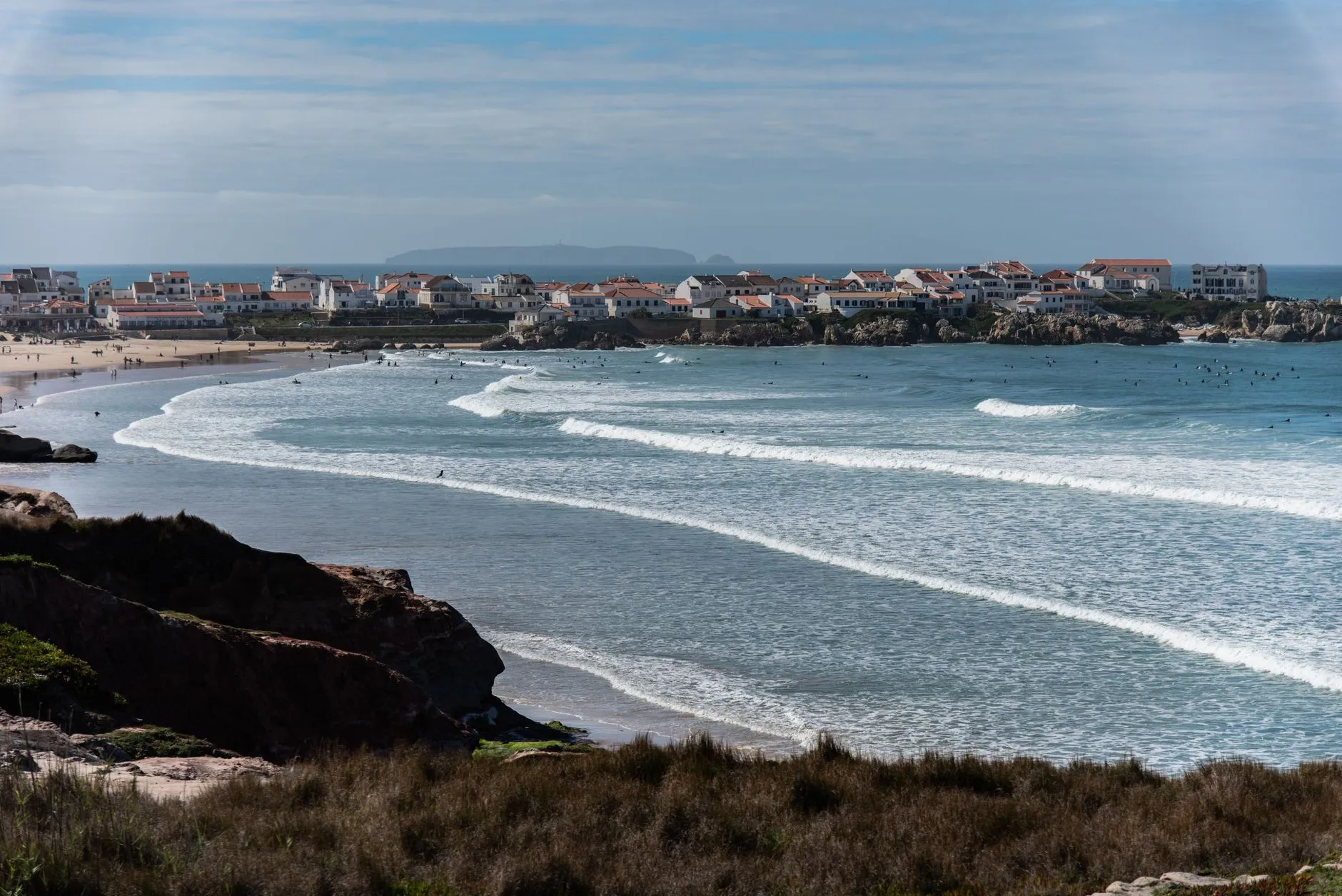
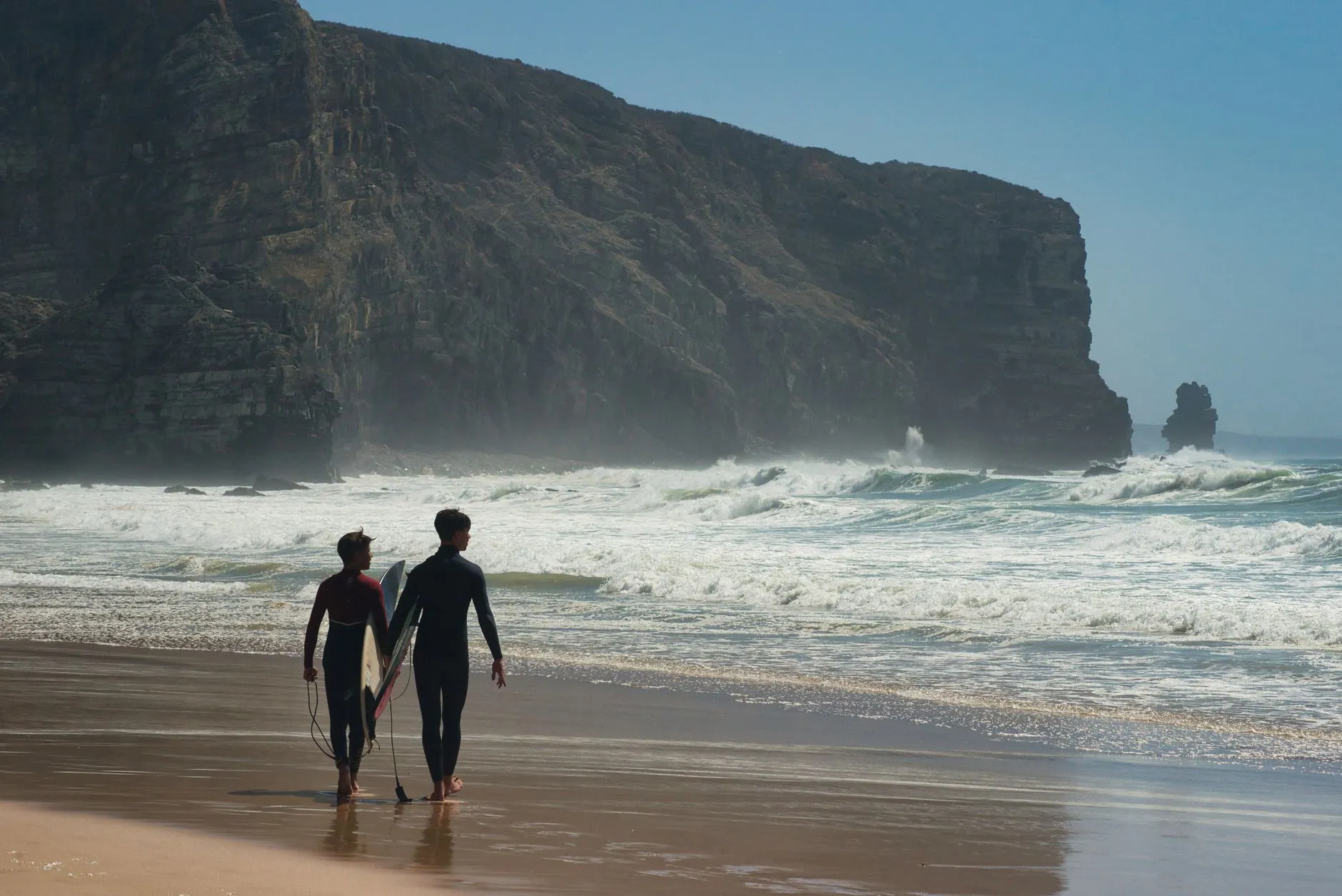
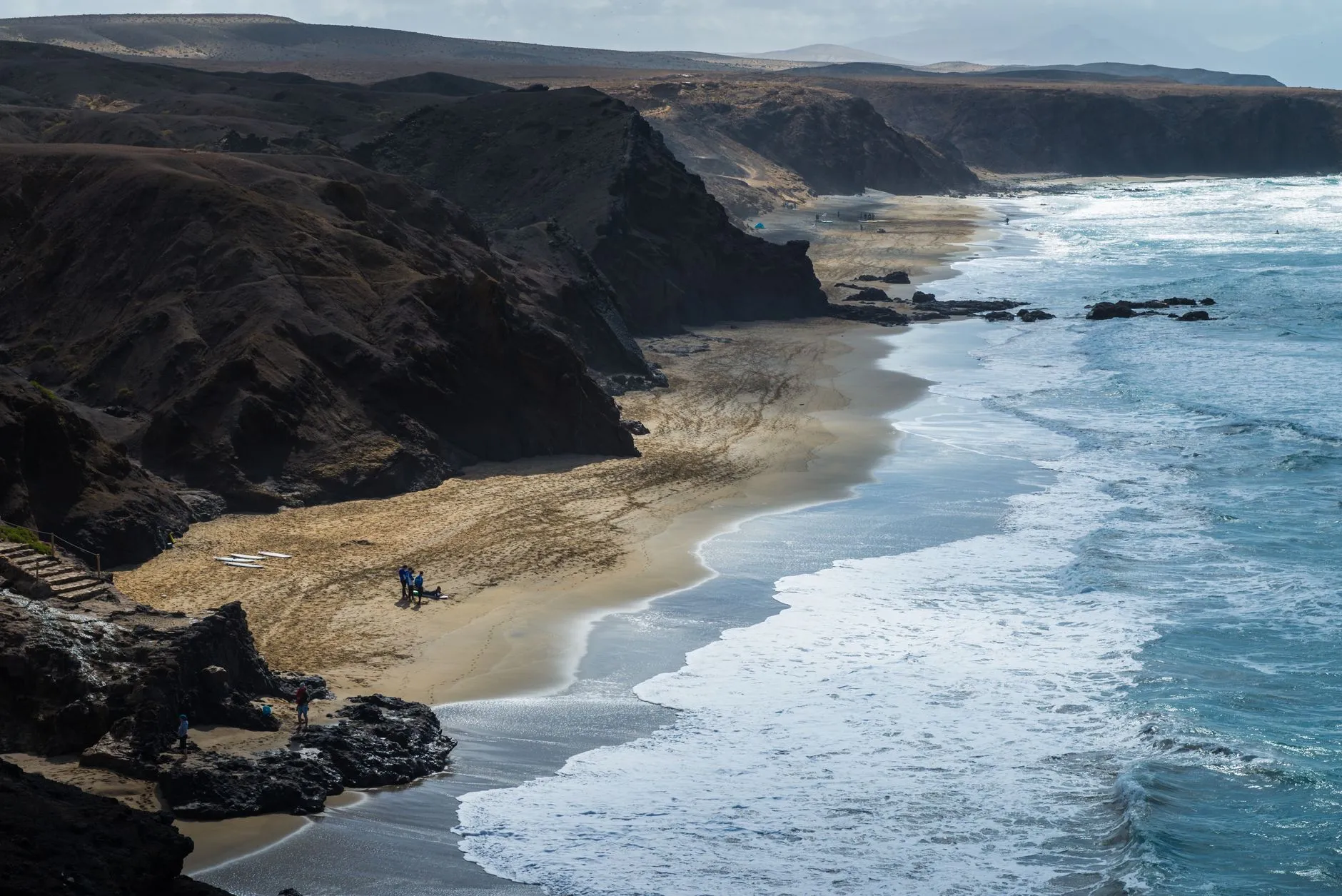
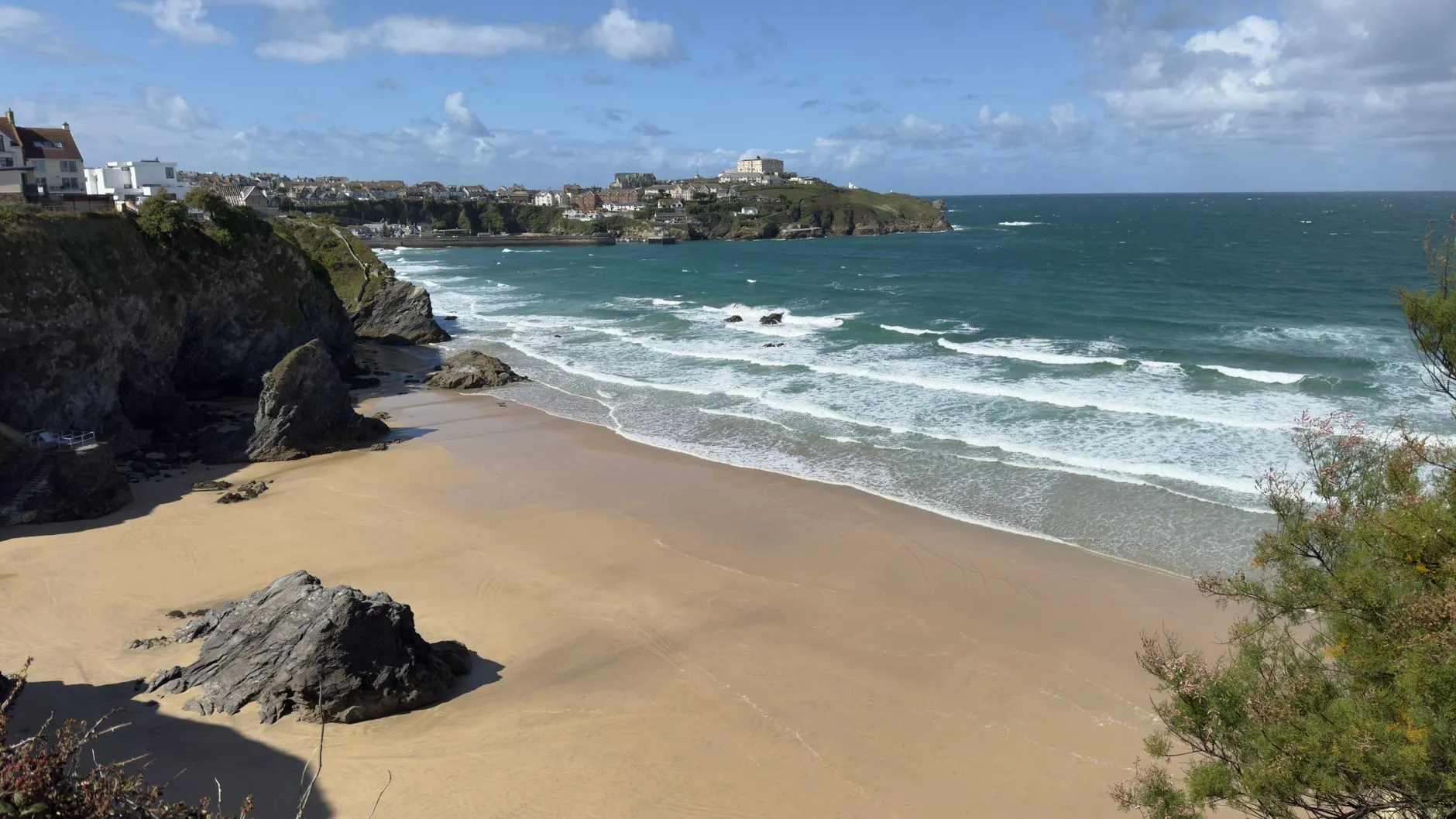
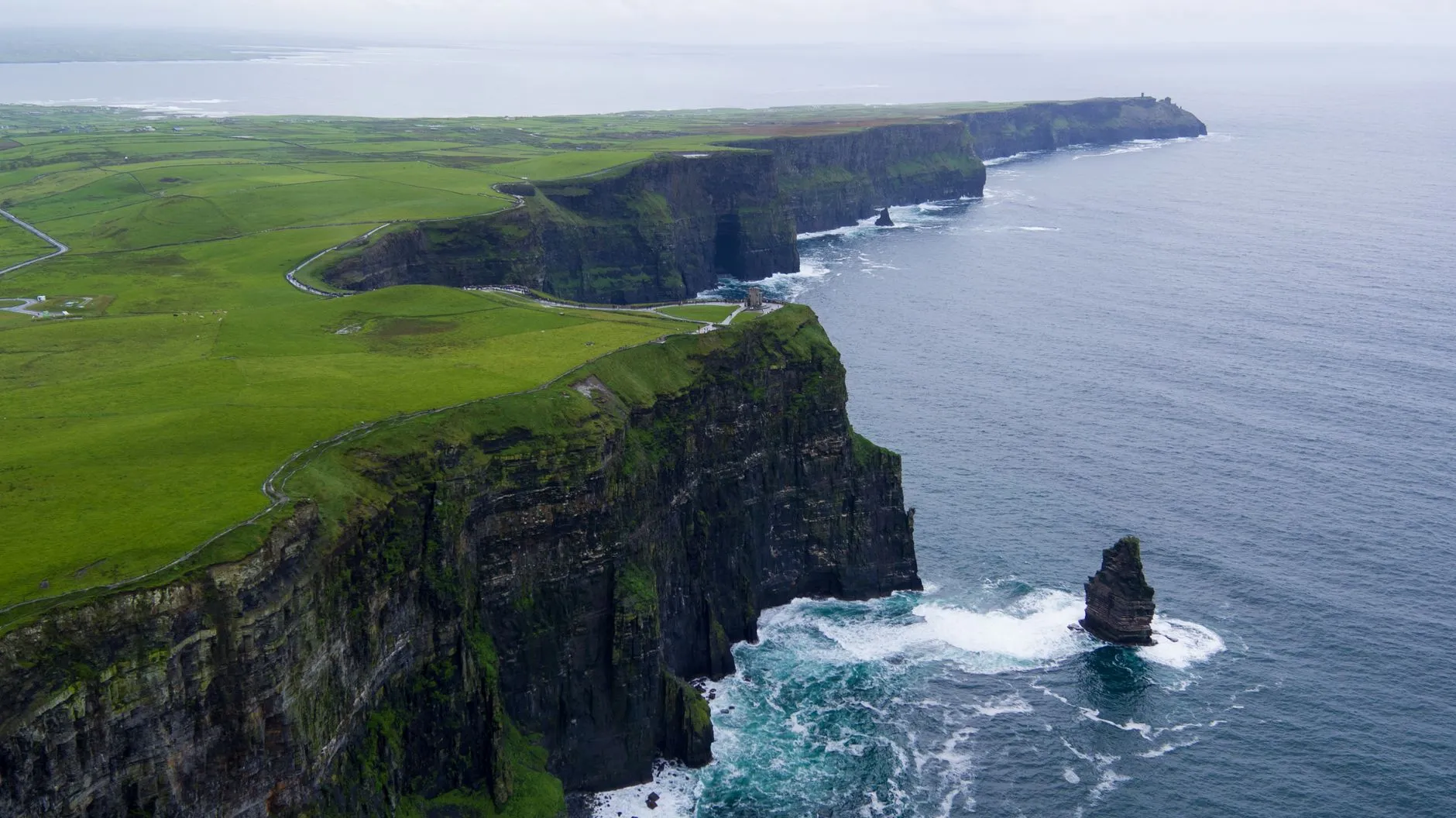
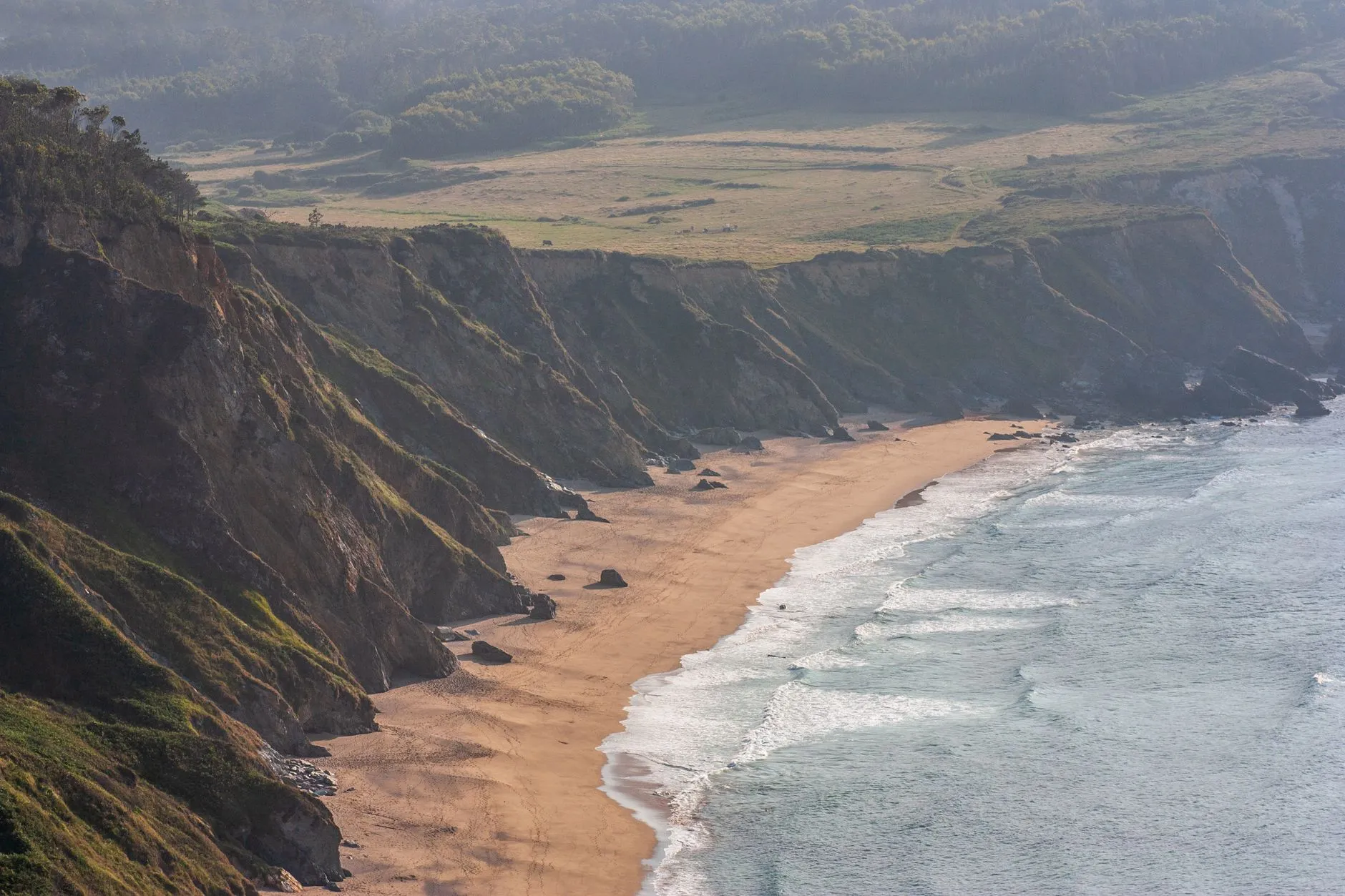
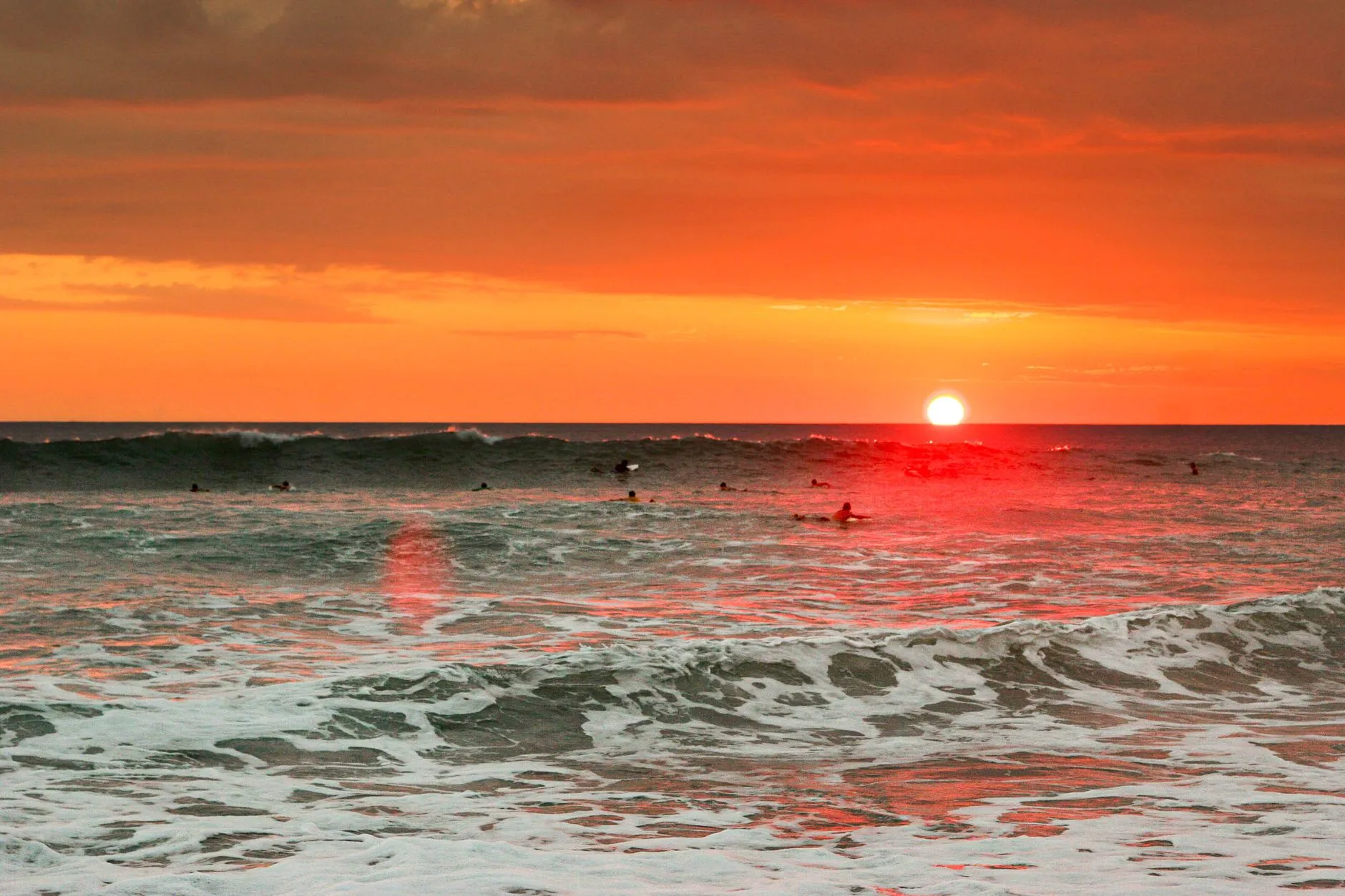
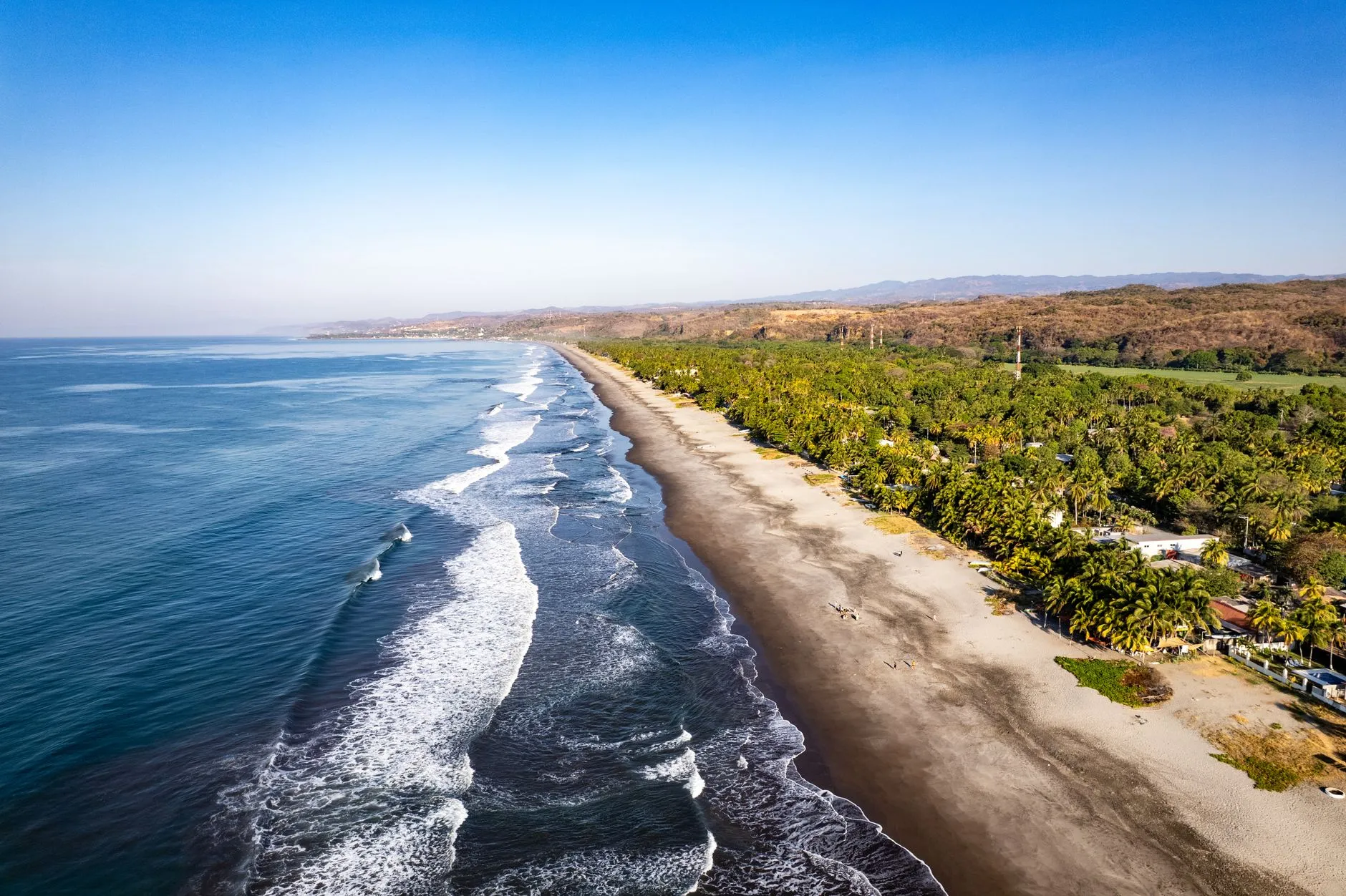
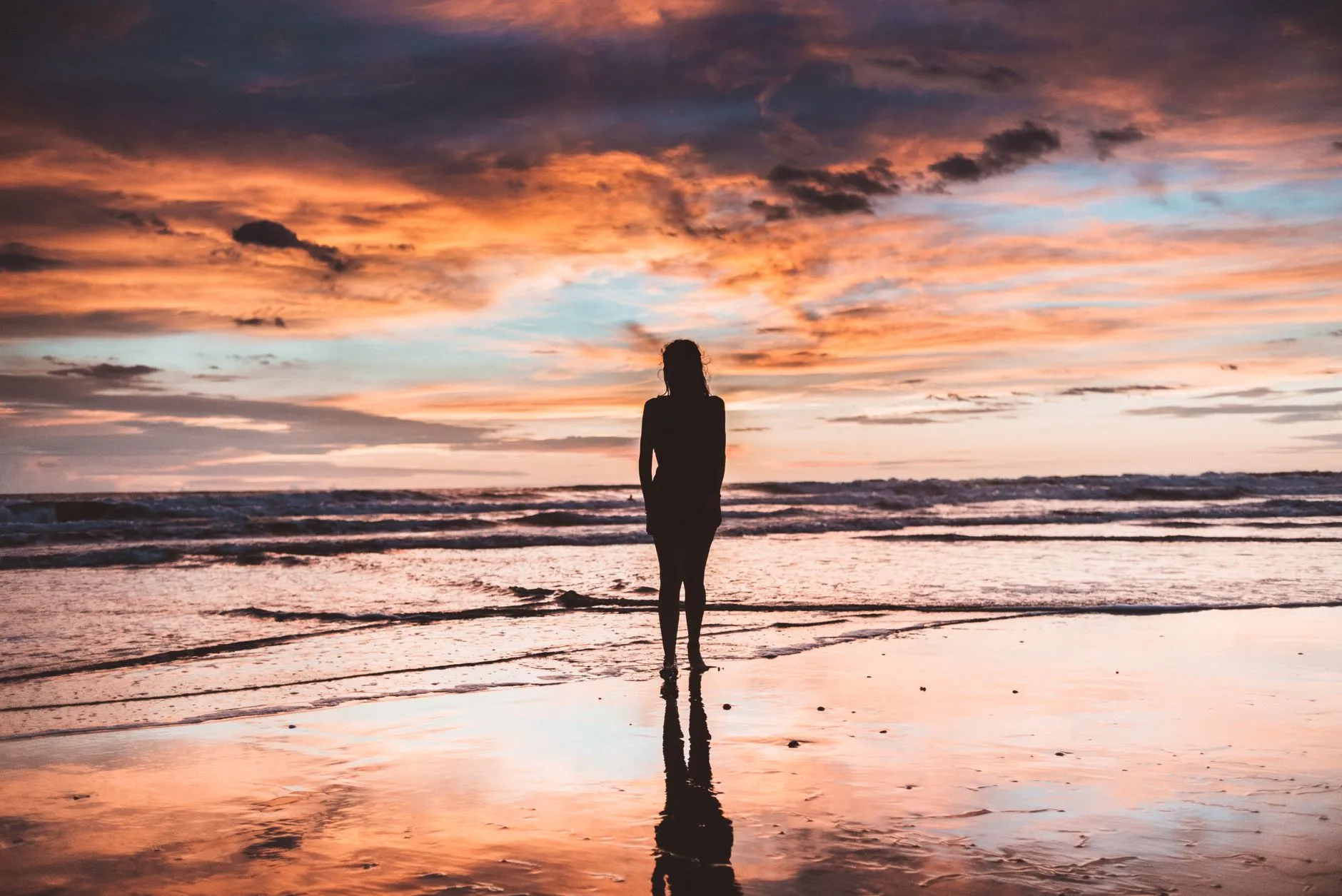
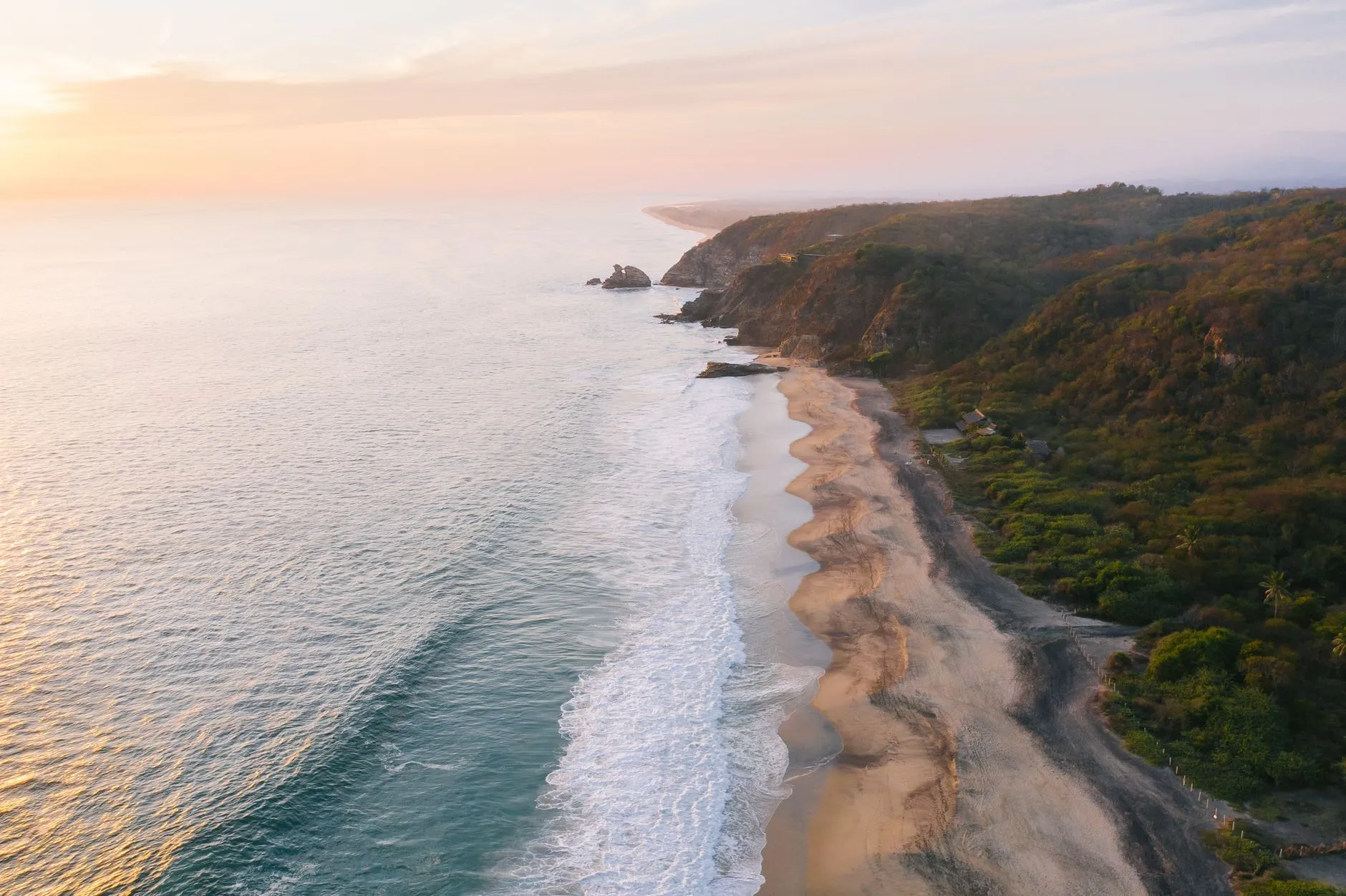
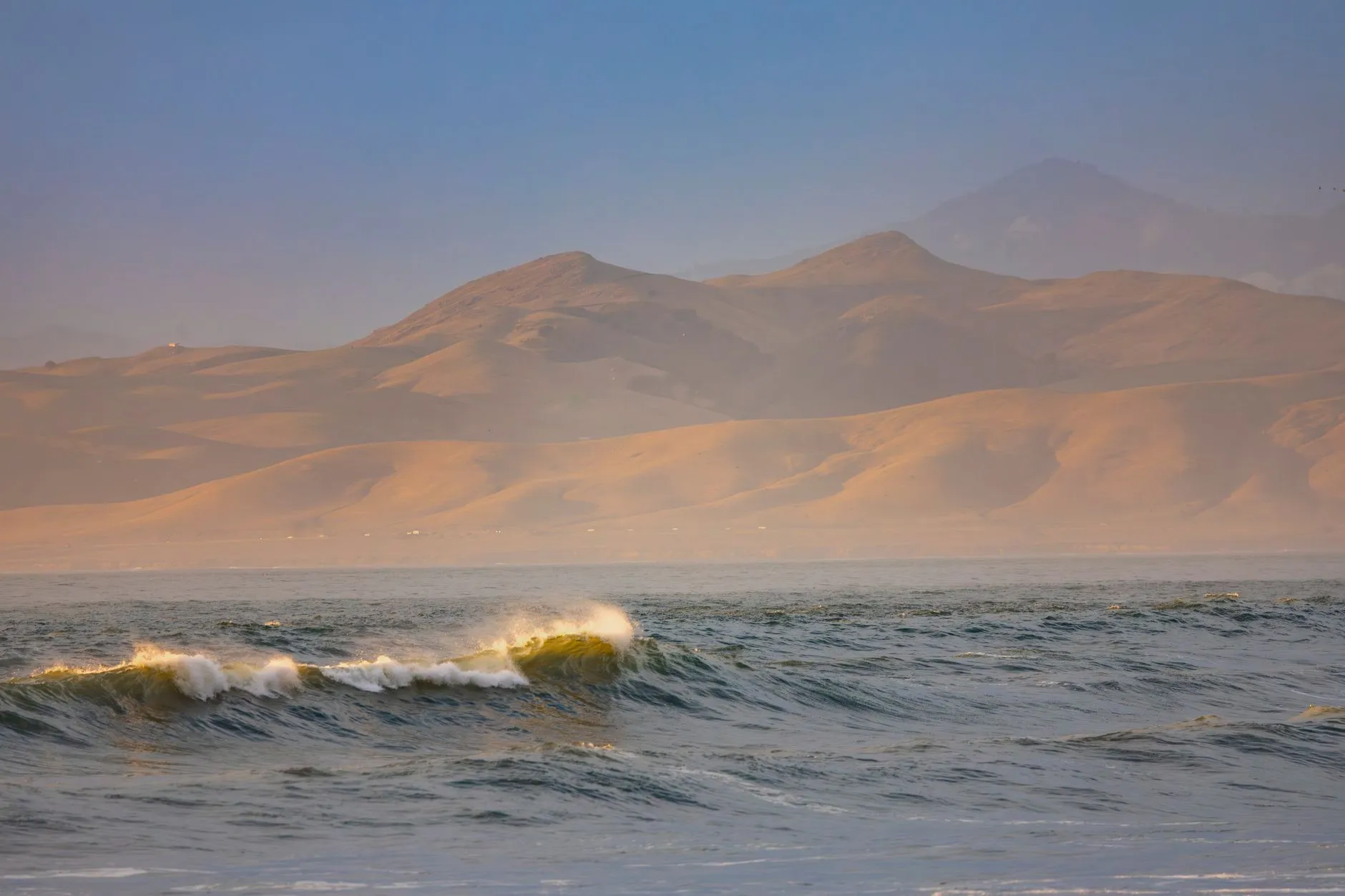
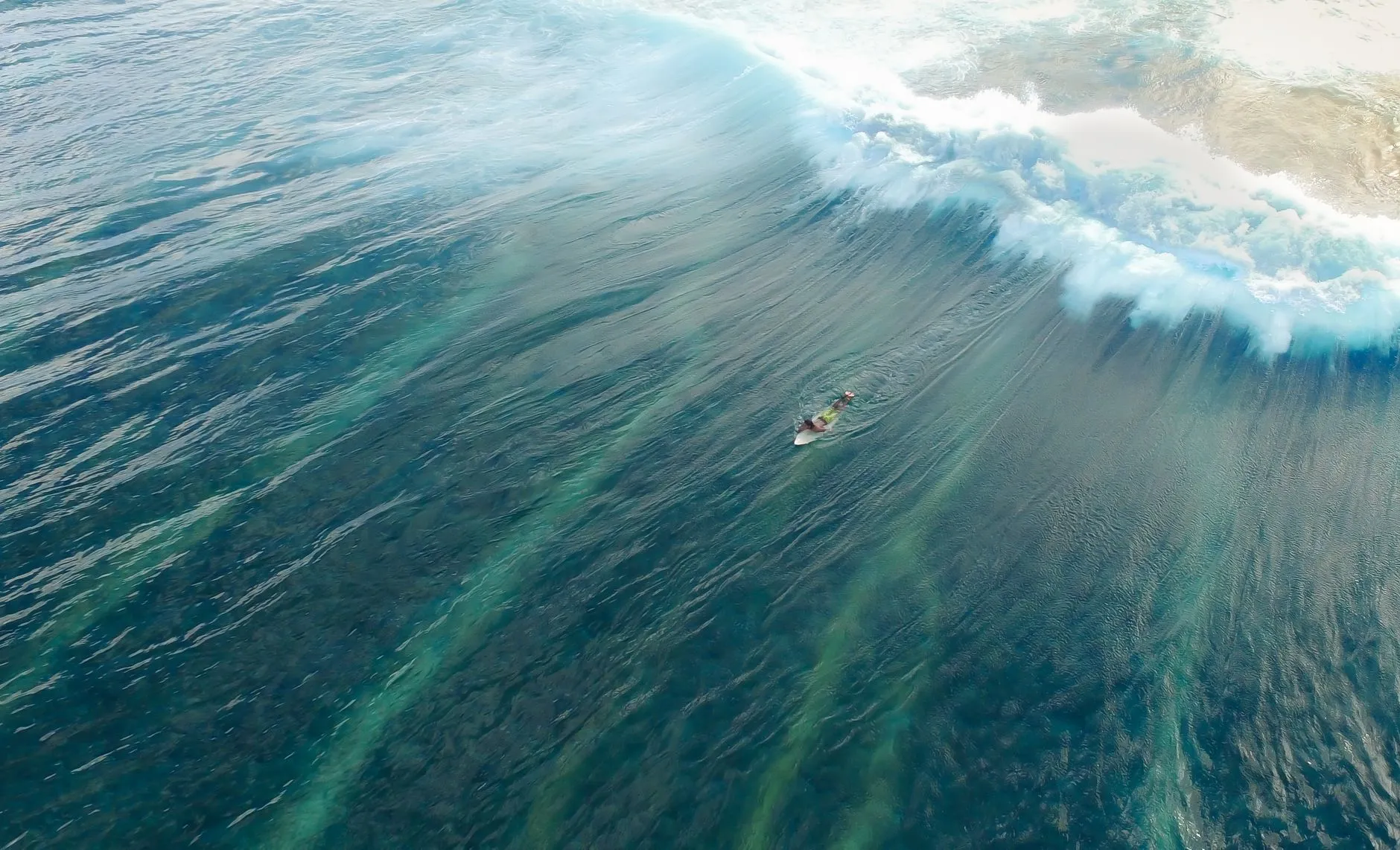
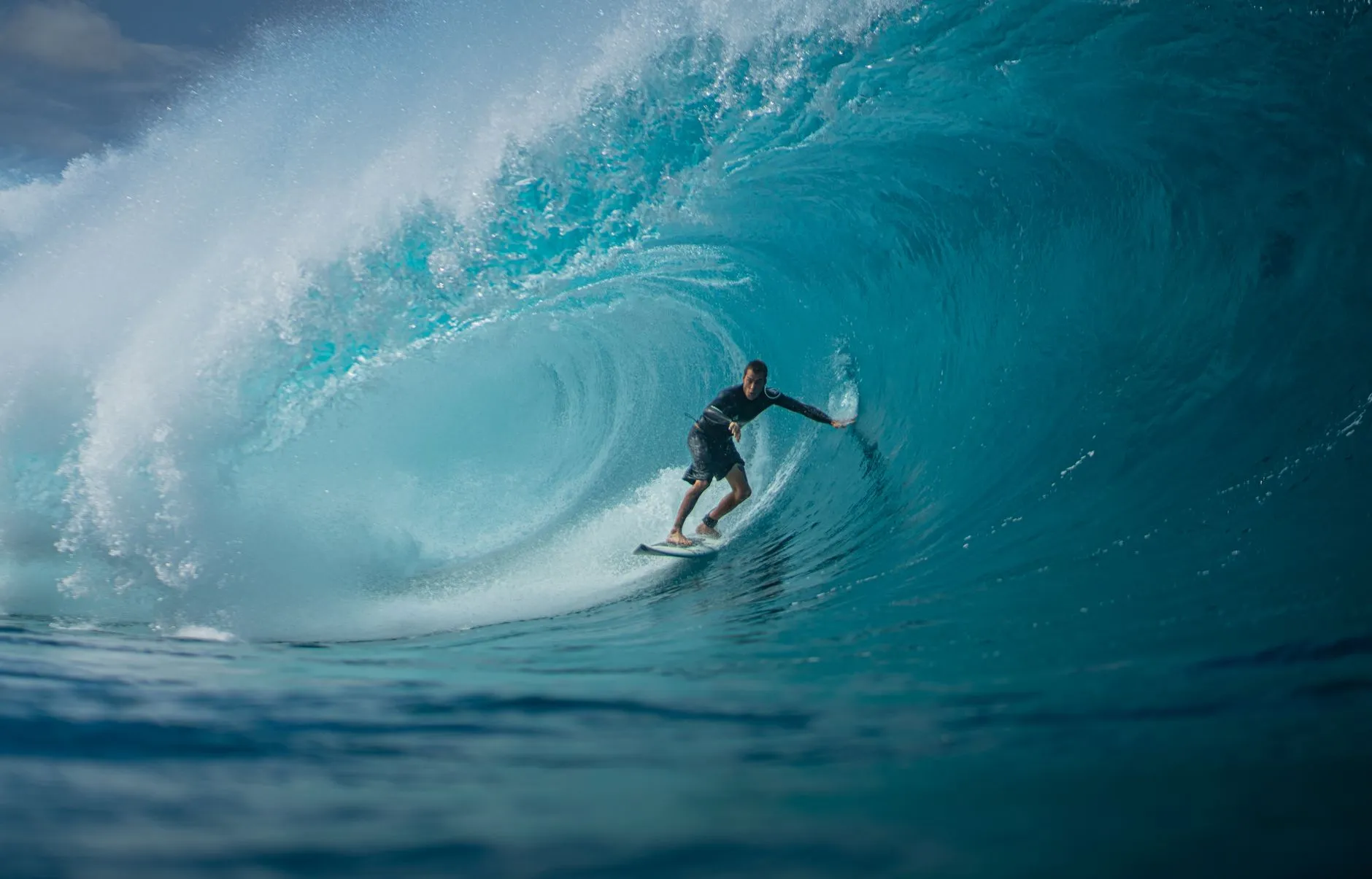
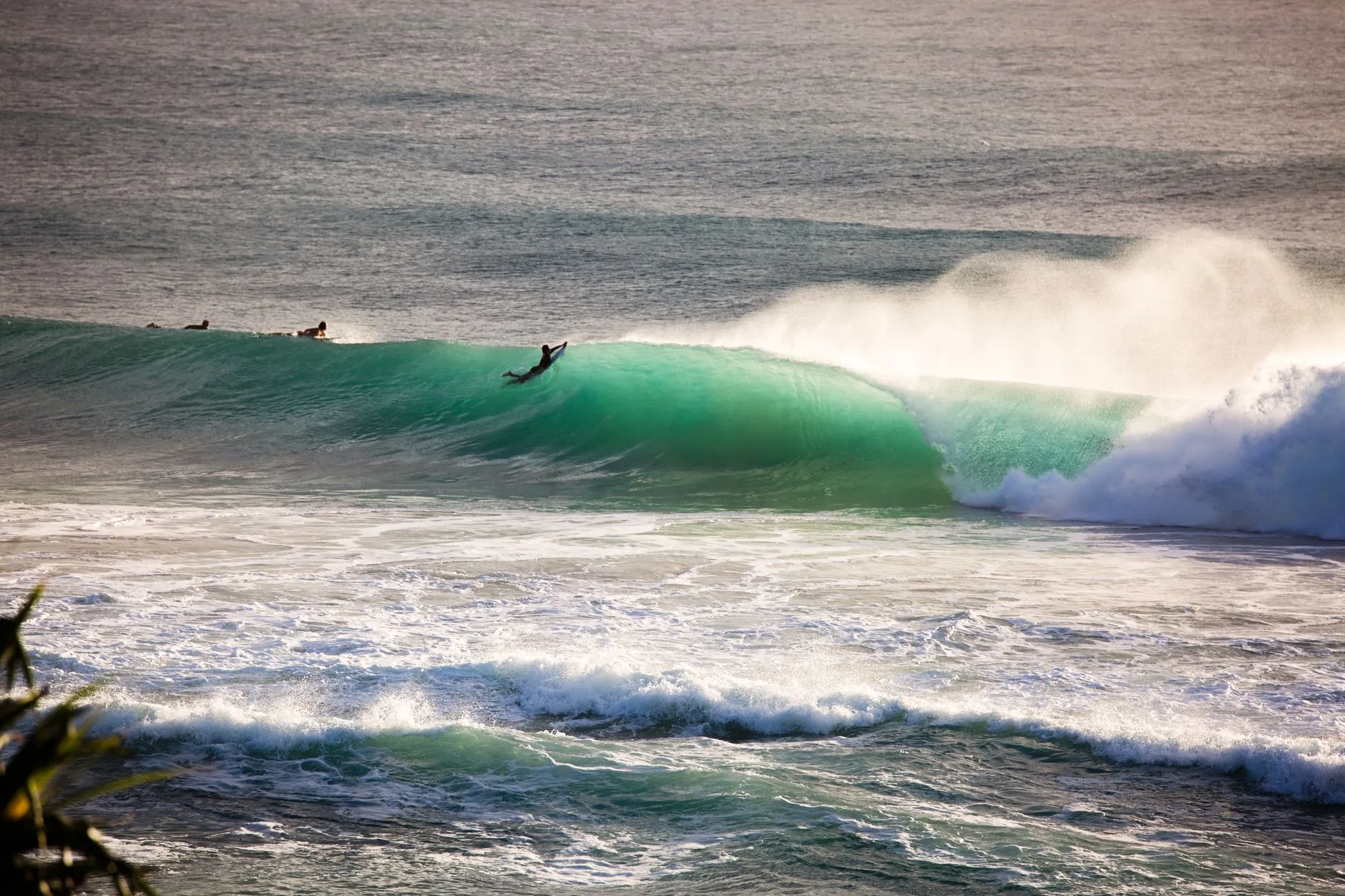
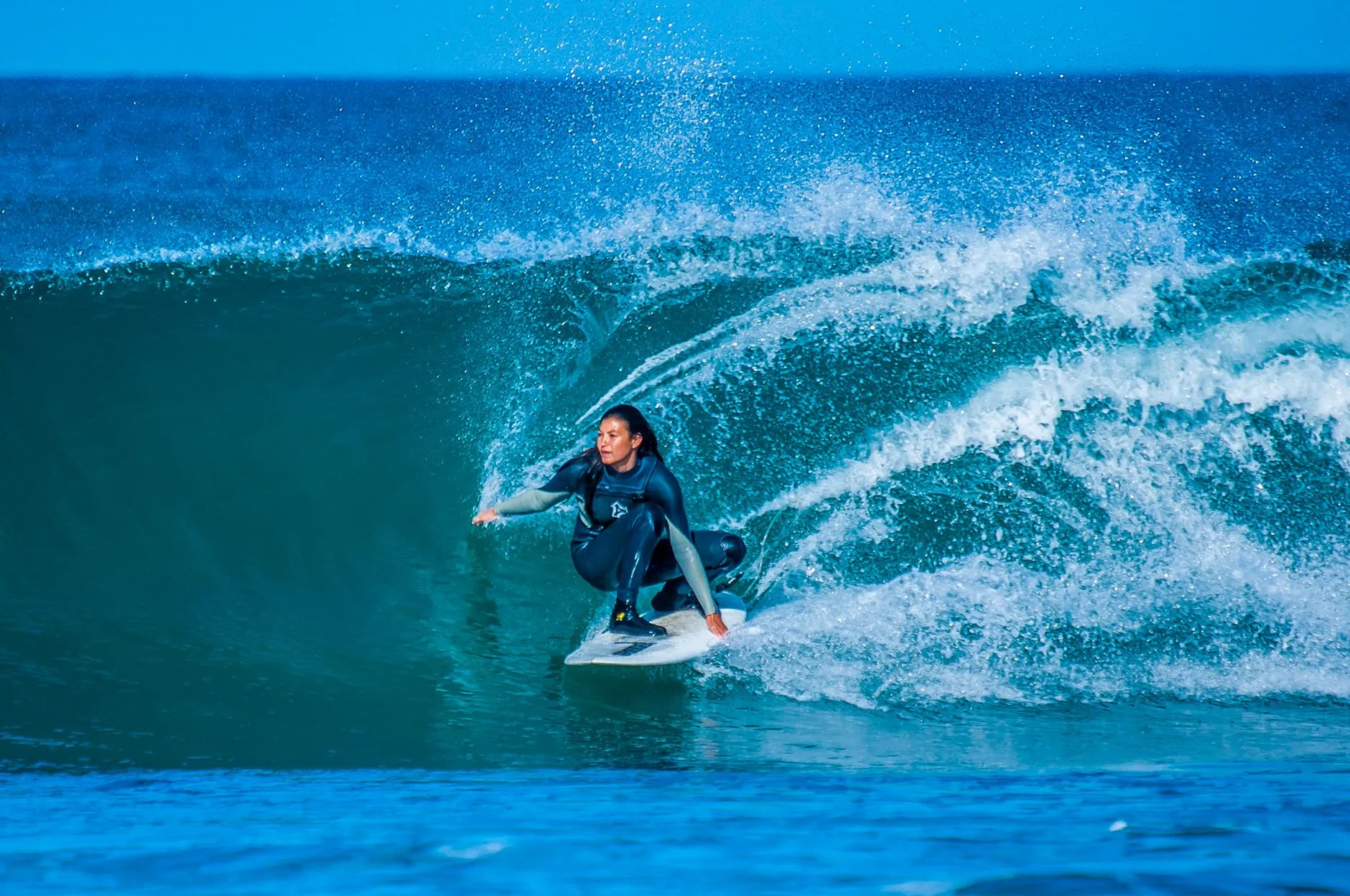
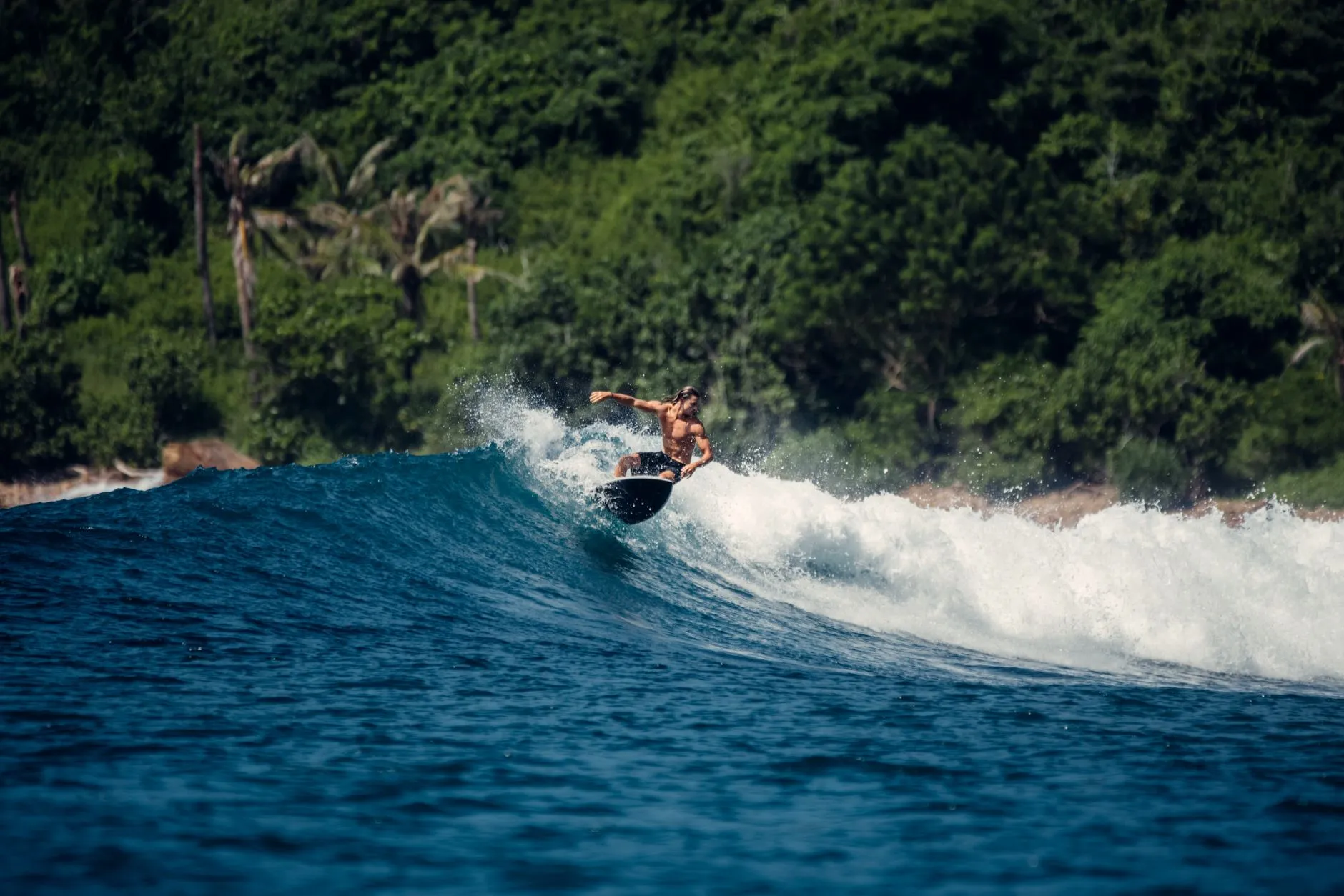
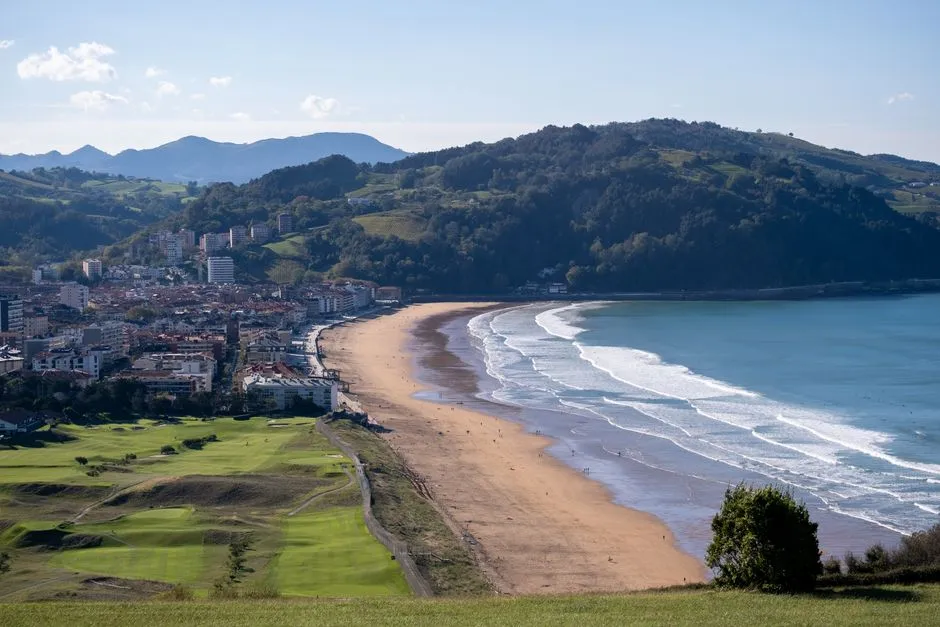
On a clear winter morning at Shichirigahama the lineup faces a postcard: Enoshima off to one side and, floating over Sagami Bay behind it, the snow-white cone of Mount Fuji. An hour up the tracks, thirty-seven million people are riding escalators into the world's biggest city; down here, surfers in hooded rubber trade knee-high peelers under the mountain and consider themselves wealthy. This is Shonan, the cultural home of Japanese surfing: the Enoden tram rattling behind the lineup, longboards on bicycle racks, the Slam Dunk railroad crossing mobbed with tourists, more surf shops per kilometer than anywhere else in the country. The waves are small and the love is enormous.
Chiba is the other half of the deal, and the serious half. Swing around Tokyo Bay and the Boso Peninsula takes the Pacific head-on: the endless banks of Kujukuri, the Olympic venue at Tsurigasaki, reef and rivermouths down to Kamogawa. It is consistent where Shonan is patient, and it is where Tokyo drives when the forecast means business. Time everything around typhoon season, August to October, when a storm a thousand kilometers south can light up both coasts for days; winter brings northwest offshores and clean chest-high Chiba mornings for anyone with good rubber; summer is small, warm and shared with half the city. Dawn patrol here is not a tactic, it is the religion.
Best months
August to October for typhoon swell; December to February small, clean and offshore on the Chiba side
Water
From 26°C in September down to 14°C in February: boardshorts in summer, sealed 5/4 rubber with boots in winter
Levels
From Taito's longboard rollers to Inamuragasaki when a typhoon lines up
Getting there
Trains from Tokyo: under an hour to Kugenuma on the Odakyu line; for Chiba, drive or ride the Wakashio express
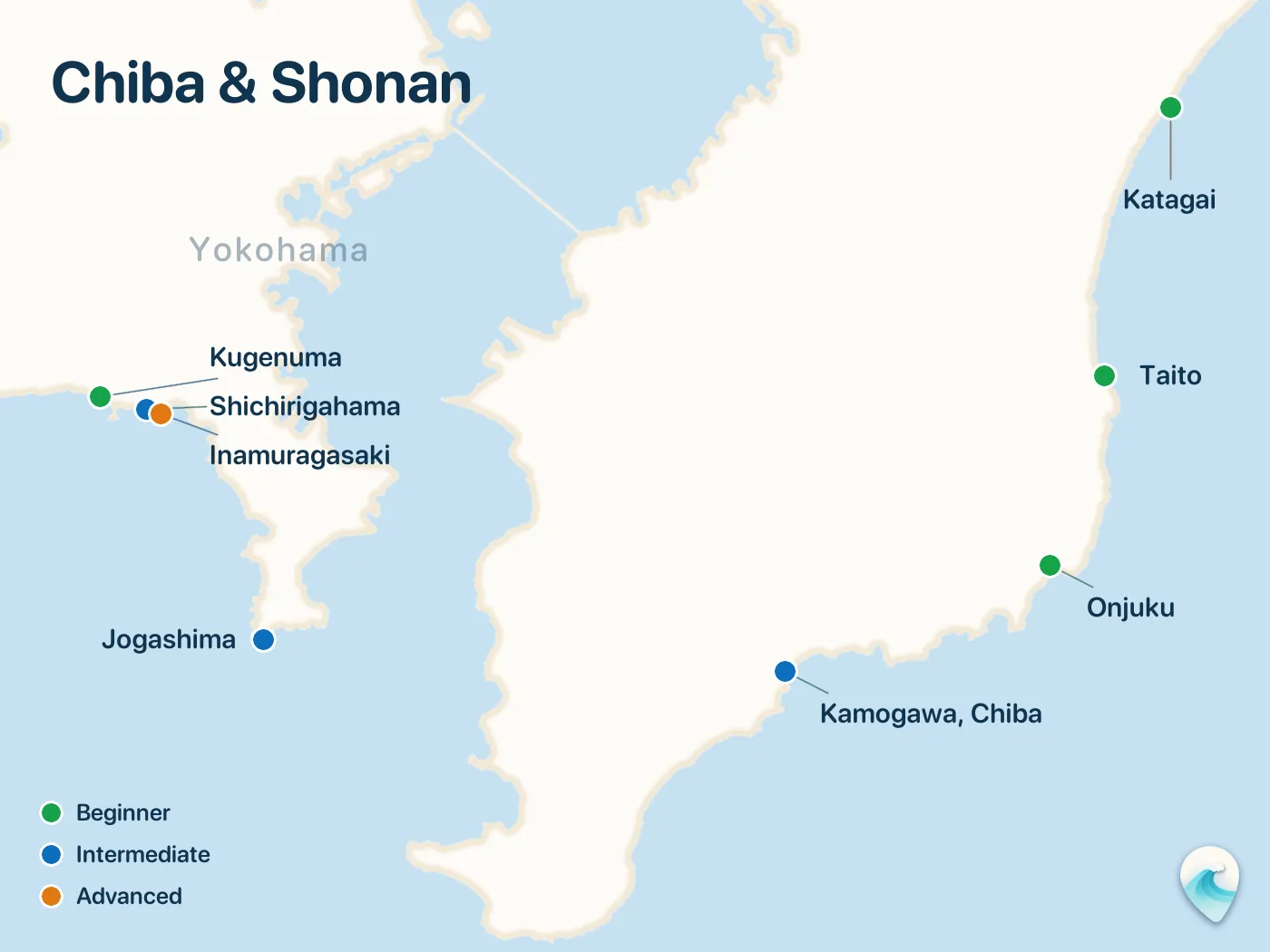
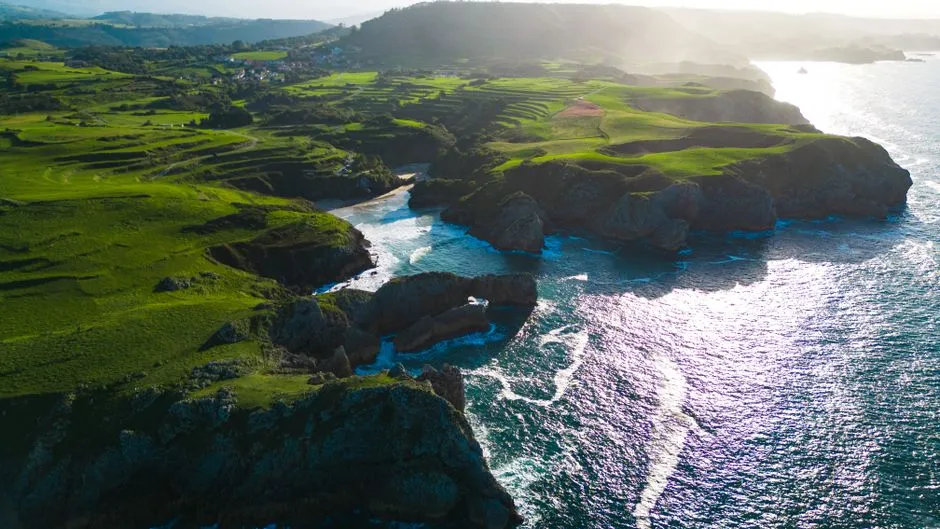
Around Tokyo Bay and out onto the Boso Peninsula, the Pacific finally gets its say: Kujukuri's sixty kilometers of sand from Katagai down to Taito's longboard peak, then Onjuku's gentle cove and Maruki's reef at Kamogawa. This is the consistent side, the one you drive for when the forecast means business, and the Olympic banks at Tsurigasaki are the proof the world noticed. A weekday dawn out here is as close to empty as surfing gets within reach of the capital.
Katagai
Chiba · Jetty-framed beach break
Beginner
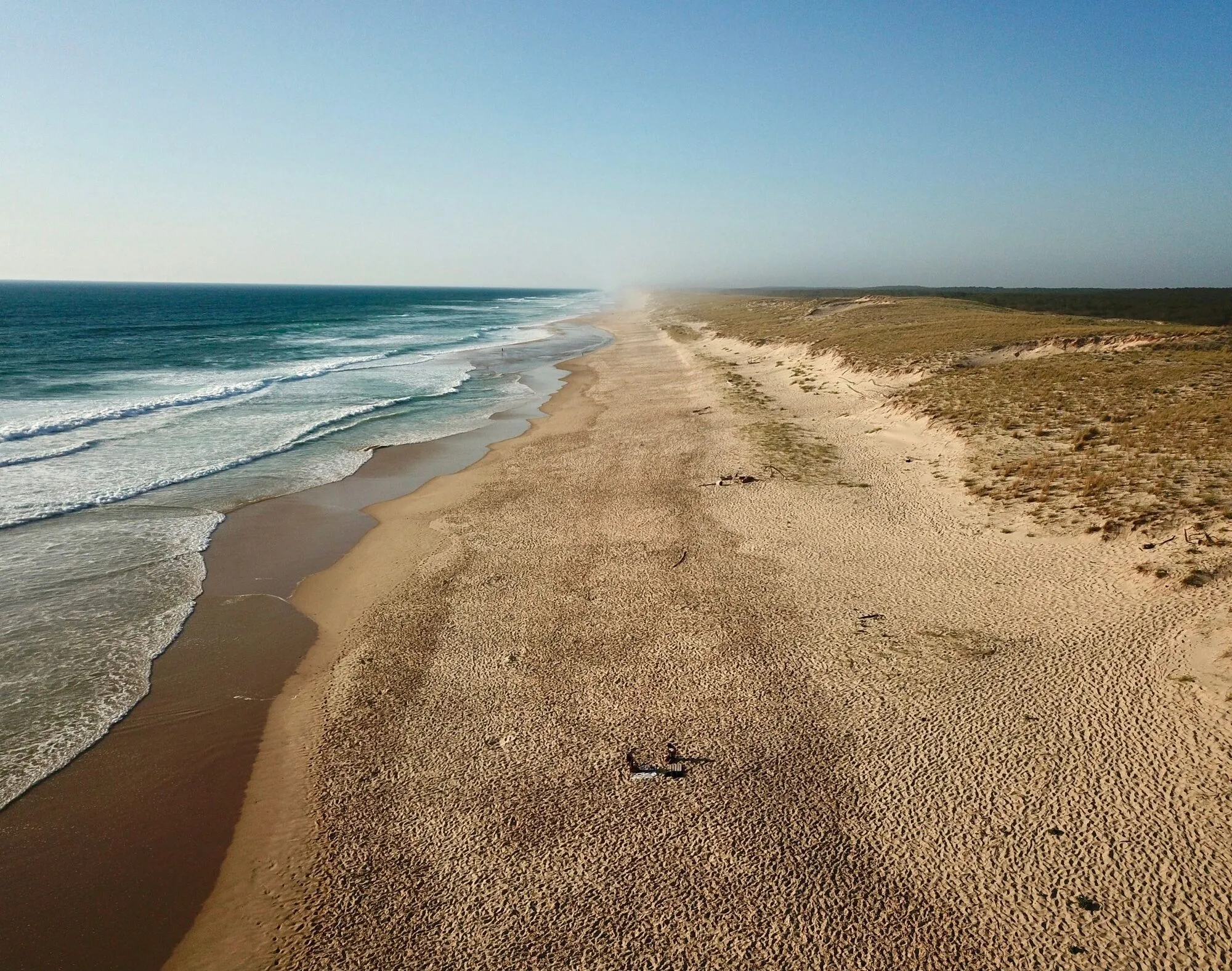
Kujukuri is sixty kilometers of uninterrupted sand, and Katagai, roughly halfway down beside the fishing harbor, is the classic way in. The harbor jetties hold the banks in place and give you a corner to hide in when the wind swings; near-identical peaks run up the beach for as far as you can be bothered to walk. It catches every pulse of Pacific windswell going, which makes it the honest workhorse of the region: rarely perfect, rarely flat. In winter the northwest offshore grooms it into quick chest-high walls with almost nobody out. Respect the currents when typhoon swell runs, this is open-ocean sand, not a sheltered cove. Parking sits right off the beach road, which in Japan counts as luxury.
Taito
Chiba · Mellow longboard peak
Beginner
The south end of Kujukuri bends in against Taito cape, and the headland takes just enough sting out of the swell to make this the friendliest wave on the open coast: a slow, rolling peak that Japan's longboarders have claimed as their own. Single fins outnumber thrusters most mornings, and the mood in the lineup is closer to Shonan than to the banks up the sand. Ten minutes north is another Japan entirely: Tsurigasaki, the beach everyone calls Shidashita, where Olympic surfing made its debut and the country's shortboard elite trades hollow peaks from Ichinomiya to Torami. Go watch them on a typhoon swell, then come back here and glide. On small summer days Taito is close to ideal for learning; when autumn size arrives it holds a real wall and the logs make way.
Onjuku
Chiba · Sheltered white-sand peaks
Beginner
A white crescent with camel statues in the middle of it, a leftover from a children's song about moonlit desert, and the softest landing on the outer Boso coast. The bay faces south and its headlands trim the swell, so Onjuku stays rideable and polite when the open beaches are washing through: families, surf schools and mid-lengths share three mellow peaks. The town has kept its fishing-and-onsen bones, and a hot soak after the second session is the correct order of events. When you outgrow the bay, Hebara waits twenty minutes south near Katsuura, a pro-contest wall of a beach break that takes typhoon swell on the chin. Between the two you could build a whole trip without touching a highway.
Kamogawa, Chiba
Chiba · Long reef right at Maruki
Intermediate
The surf capital of the southern Boso coast, and the wave it is proudest of: Maruki, a right that peels over flat reef toward the beach with a patience the sandbars up north never learned. On an ordinary windswell it is a longboarder's wall; when a typhoon tracks past offshore it becomes the best wave in the region, lined up, overhead and heavily attended. The local crew goes back generations and the surf shops double as weather bureaus: wait your turn, give the nod, and the lineup warms up fast. Winter is the quiet miracle here, northwest wind dead offshore, chest-high walls and a handful of committed people in sealed rubber. If the ocean goes flat, Kamogawa Sea World and a plate of fried aji are an honest consolation.
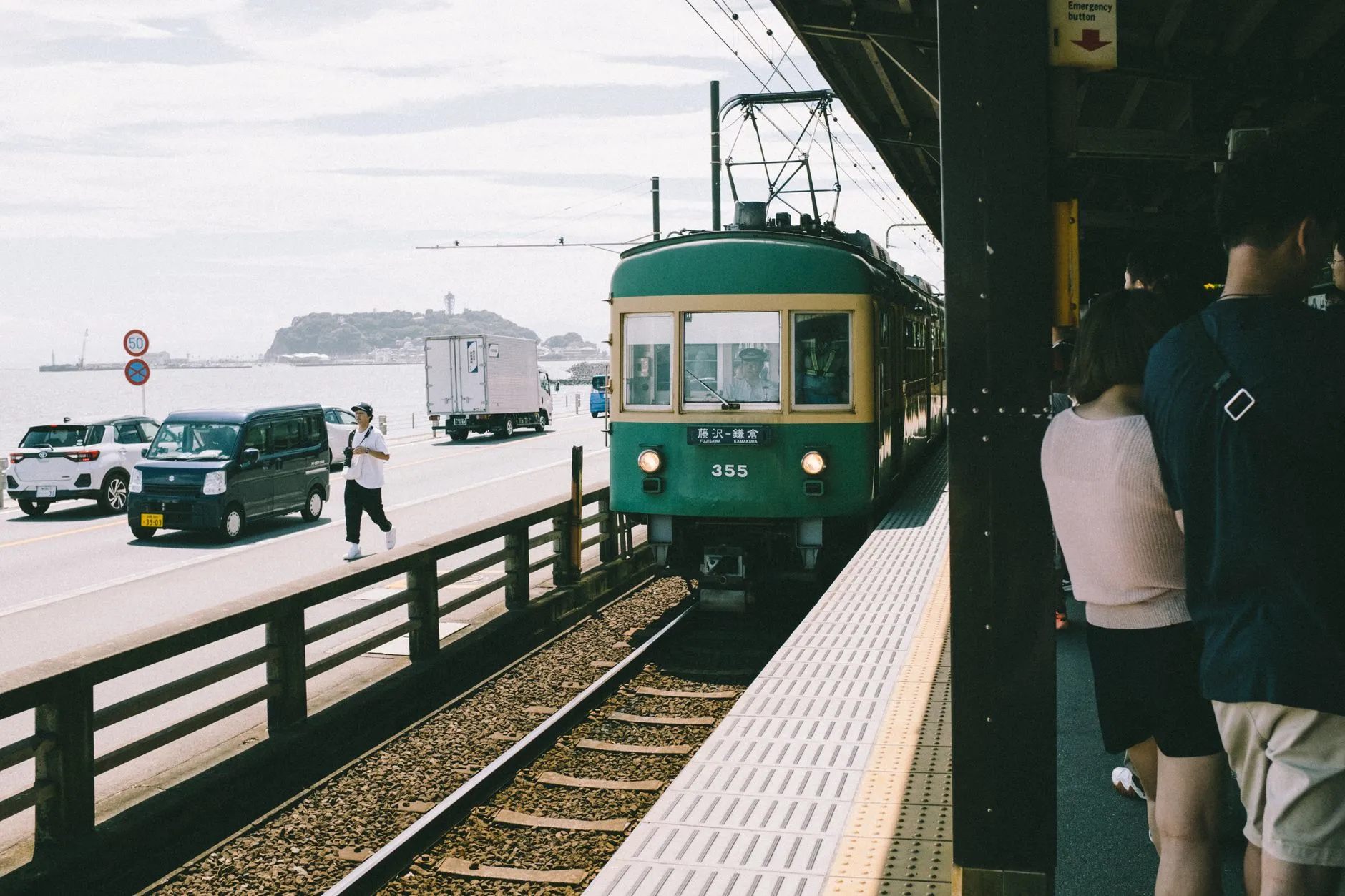
The Enoden between Fujisawa and Kamakura, Enoshima waiting behind
Shonan and Sagami Bay
Sagami Bay needs a real south swell or a typhoon to wake up, and Shonan spends half the year dozing. Nobody minds. This is the spiritual home of Japanese surfing: Kugenuma's hundred-strong lineups, the Enoden rattling behind Shichirigahama, Inamuragasaki waiting all year for its one great day, and Jogashima at the tip of Miura for the mornings when you want waves and silence in the same session. Keep Fuji in the corner of your eye and dawn on your side.
Kugenuma
Shonan · Small, slow city peaks
Beginner
By sheer numbers, plausibly the most surfed beach on Earth: an hour from Shinjuku on the Odakyu line, board bag through the ticket gate, and a lineup that can pass a hundred heads on an ordinary Tuesday. The wave is usually knee to waist high and slow, and that is precisely the point: Kugenuma is where Japan learned to surf, where kids do homework on the seawall between sessions and sixty-year-olds on logs read the tide like a bus timetable. Enoshima hangs on the horizon to your left; two towns west, Chigasaki keeps the same faith under its own offshore rock with the Southern All Stars on the radio. When a typhoon sends real south swell the whole city calls in sick, and dawn is the only appointment worth keeping. Etiquette is strict, and it is the technology that makes the crowd work: priority respected, no snaking, a small bow covering more than any excuse. Learn to love it small and you will understand Shonan.
Shichirigahama
Shonan · Moody peaks with a Fuji view
Intermediate
The most photographed stretch of the Shonan coast: the Enoden rattling along the seawall, tourists mobbing the railroad crossing they know from Slam Dunk, and on clear days Fuji itself over the water beyond Enoshima. The surf is a shifty peak over dark sand and rock shelf that needs a proper south swell to organize itself; locals treat it as a moody neighborhood wave rather than a destination. Come anyway. A winter dawn here, offshore breeze, snow on the mountain and three friends trading peaks, is the single best argument for surfing in Japan. Parking along Route 134 fills before sunrise on any weekend with swell, so do as the regulars do and arrive by tram.
Inamuragasaki
Shonan · Typhoon-day walls off the cape
Advanced
The cape at the west end of Kamakura's beaches is Shonan's sleeping giant: fumbling or flat on ordinary days, and the region's most serious wave on the handful of days a year when a typhoon sits in exactly the right patch of ocean. Then long walls wrap off the rivermouth and rock shelf under the headland, and the Inamura Classic, the contest that waits years between editions for a worthy swell, reminds everyone why this place is legend; the 1990 film Inamura Jane had already done the same for a generation. The takeoff shifts, the inside is rocks, and the current on a big day introduces itself early. The surfers who wait all year for this have absolute priority, so watch two full sets before you consider paddling. The rest of the time it is a park bench with a view: Fuji across the bay at sunset, the Enoden home, no complaints.
Jogashima
Miura · Lonely reef corners
Intermediate
Drive past the last of the Shonan crowds to the tip of the Miura Peninsula and Japan runs out at Jogashima, a low island of fishing boats and black rock tied to Misaki by a bridge. Its south side takes groundswell the inner bay never sees, and a few reef corners bend it into rideable walls: windswept, fickle, and blissfully short of people. This is scouting surf, check three ledges, pick the one bending best, accept that some days the answer is none. The rewards are different out here: black kites wheeling instead of tram bells, and the maguro rice bowls of Misaki port as a destination in their own right. Bring boots for the urchin rock, and remember that the south shore stays clean when a north wind is wrecking everything at home.
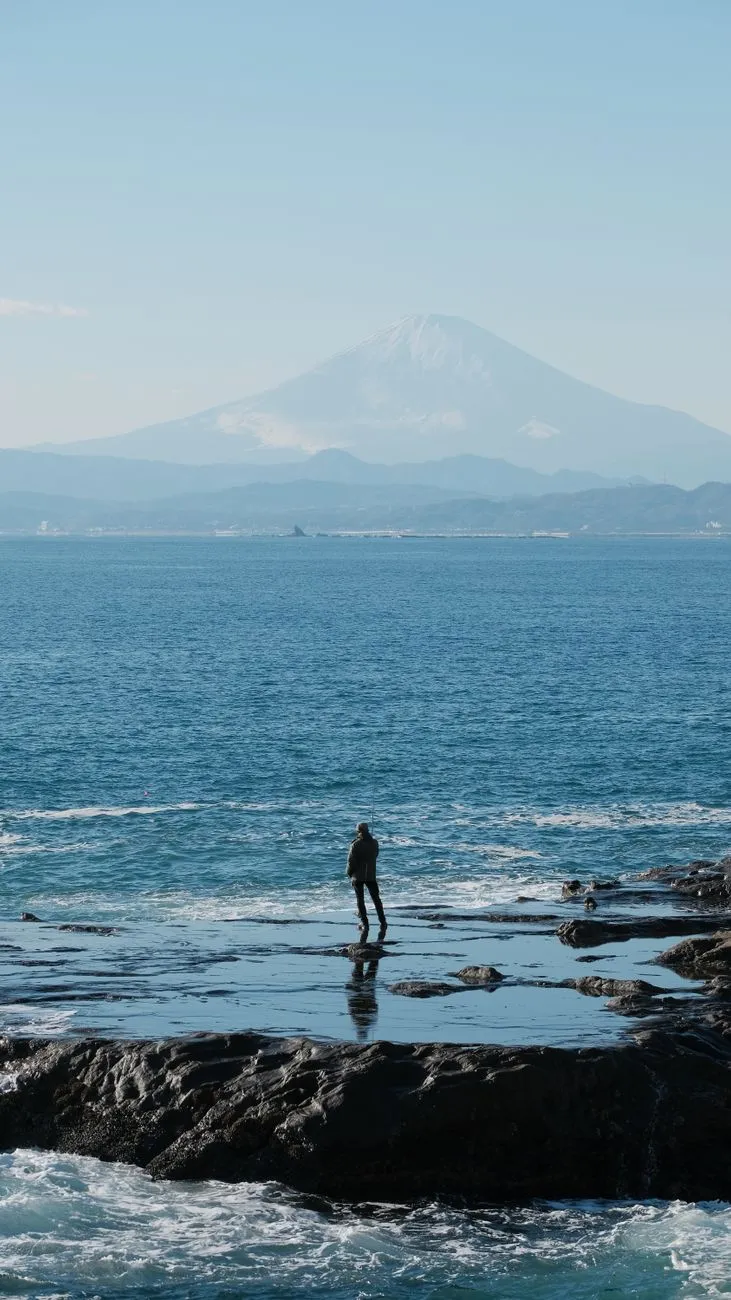
Winter air: Fuji across Sagami Bay from the Kamakura shoreline
When to go
A year in Chiba & Shonan
Typical conditions, month by month. The ocean did not sign this table: for live waves, wind and tide, check the app.
January
2-4 ft
61°F · 5/4 + boots + gloves · All levels
The year begins in the water: on January 1st, lineups fill before dawn to surf the hatsu-hinode, the first sunrise. Northwest offshores groom Chiba's windswell into clean lines and the crowd is down to the devoted. Sagami Bay is often a lake, so point the car east.
February
2-4 ft
57°F · 5/4 + boots + gloves · Intermediate
The coldest water of the year, around 14°C, and some of the cleanest waves: high pressure parks over the country and the offshore blows for weeks. Chest-high Chiba mornings with three people out repay every millimeter of rubber. Gloves, a thermos, and low expectations for Shonan.
March
2-4 ft
59°F · 5/4 + hood · All levels
Spring winds start to argue with the coast and the window is the early morning, before the southerly ruins it. The sea lags the sky by a month, so the rubber stays thick. Graduation season empties the weekday lineups while the country moves house.
April
2-4 ft
61°F · 4/3 + boots · All levels
Fickle windswell and busy skies, the price of spring on this coast: pick mornings from the forecast, not the calendar. Cherry petals blow across Route 134 while the water pretends winter never ended. The first south pulses reach Shonan and the logs come out.
May
2-4 ft
64°F · 3/2 · Beginner
Golden Week puts the whole country on holiday in the same seven days: car parks full by six, festival lineups everywhere. After the holidays the coast exhales, and late May is a quietly lovely small-wave month. First trunks on the sand, still a 3/2 in the water.
June
2-4 ft
70°F · 3/2 or spring · Beginner
Tsuyu, the rainy season, hangs gray and windless over the coast: drizzly, glassy peelers between fronts and the emptiest warm water of the year. The south windswell builds as the Pacific high settles in. Pack two towels and enjoy the quiet.
July
1-3 ft
75°F · spring suit · Beginner
Full summer: beach huts rise at Kugenuma, lifeguard flags divide the sand, and the surf is mostly small, soft longboard water. An early typhoon can change the subject in a day. Dawn beats both the heat and the swimmers.
August
2-5 ft
79°F · boardshorts · Intermediate
Typhoon season opens for business: a numbered storm a thousand kilometers south can turn a flat forecast into overhead sets in thirty-six hours. Obon week in mid-August puts the whole country on the road, so surf early and drive late. Watch the tracks, not the calendar.
September
3-6 ft
77°F · spring suit · Advanced
The month the region waits for. Typhoons swinging past send long-period swell into every coast: Tsurigasaki and Hebara throw barrels, Maruki lines up, and if one storm parks just right, Inamuragasaki wakes for its day of days. Water still warm, crowds fully informed, currents genuinely serious.
October
3-5 ft
72°F · 3/2 · Intermediate
Late typhoons still send swell while the first north winds start grooming it, the year's best balance of size and shape. The summer crowd thins with the air temperature. Plenty of locals will tell you, quietly, that October is the finest month on either coast.
November
2-4 ft
68°F · 3/2 · All levels
The northwest offshore regime settles in and Chiba turns consistent and clean while the water holds warmth the air has already surrendered. A 3/2 still does the job. Fuji reappears over Sagami Bay in the drying air, the winter postcard under construction.
December
2-4 ft
64°F · 4/3 + boots · All levels
Short days, long offshore mornings: first light comes late and the wind often stays clean until noon. The waves are small but immaculate and the beaches go weekday-quiet. By the 31st, boards are waxed for the first-sunrise session of the new year.
Good to know
When is the best time to surf Chiba and Shonan?
August to October, without much argument: typhoon season sends long-period swell that turns Chiba's beach breaks into contest venues and can even wake Sagami Bay properly, and September is the heart of it. Winter, December to February, is the connoisseur's answer: offshore every morning, clean chest-high Chiba, cold water, nearly empty lineups. Summer is warm, small and crowded; spring is windy and moody. If you can only choose one week, follow the typhoon tracks in September rather than trusting any calendar.
Can you really surf near Tokyo?
Yes, and with a train pass rather than a car. The Odakyu line runs from Shinjuku to Kugenuma-kaigan in about an hour, boards travel in a bag, and the Enoden connects the Kamakura beaches; JR's Wakashio express reaches the Chiba coast in seventy to ninety minutes. Thousands of Tokyo surfers do the dawn patrol commute before the office, wetsuit hair and all. The catch is honest: waves near the capital are small most days, which is exactly why the culture around them is so devoted. For consistency you eventually want a car and the Aqua-Line tunnel to Chiba, but a surfer's life in Tokyo is not a compromise, it is a schedule.
How crowded does it really get?
Shonan on a rideable weekend is one of the busiest lineups in the world: a hundred people around a peak at Kugenuma is normal and a typhoon swell doubles it. What keeps it workable is etiquette, the strictest and most graceful you will meet: priority respected, no snaking, apologies genuinely given and accepted. Your tools are a weekday, a dawn start and distance: Chiba absorbs crowds with kilometers to spare, and a walk down Kujukuri can still buy you a private peak. Paddle out at Kugenuma at ten on a sunny Sunday and whatever happens next was your own decision.
What wetsuit do I need in Japan?
Everything between nothing and nearly everything. August and early September are boardshort months at 25 to 26°C; October to November a 3/2 does it; December asks for a 4/3 with boots; and January to March is sealed 5/4 territory, boots and gloves standard, a hood when the northwest wind has teeth, with the water bottoming out around 14°C in February. Local shops rent proper winter rubber if you are visiting off-season. The reward for owning it all is the best uncrowded surf of the Japanese year.